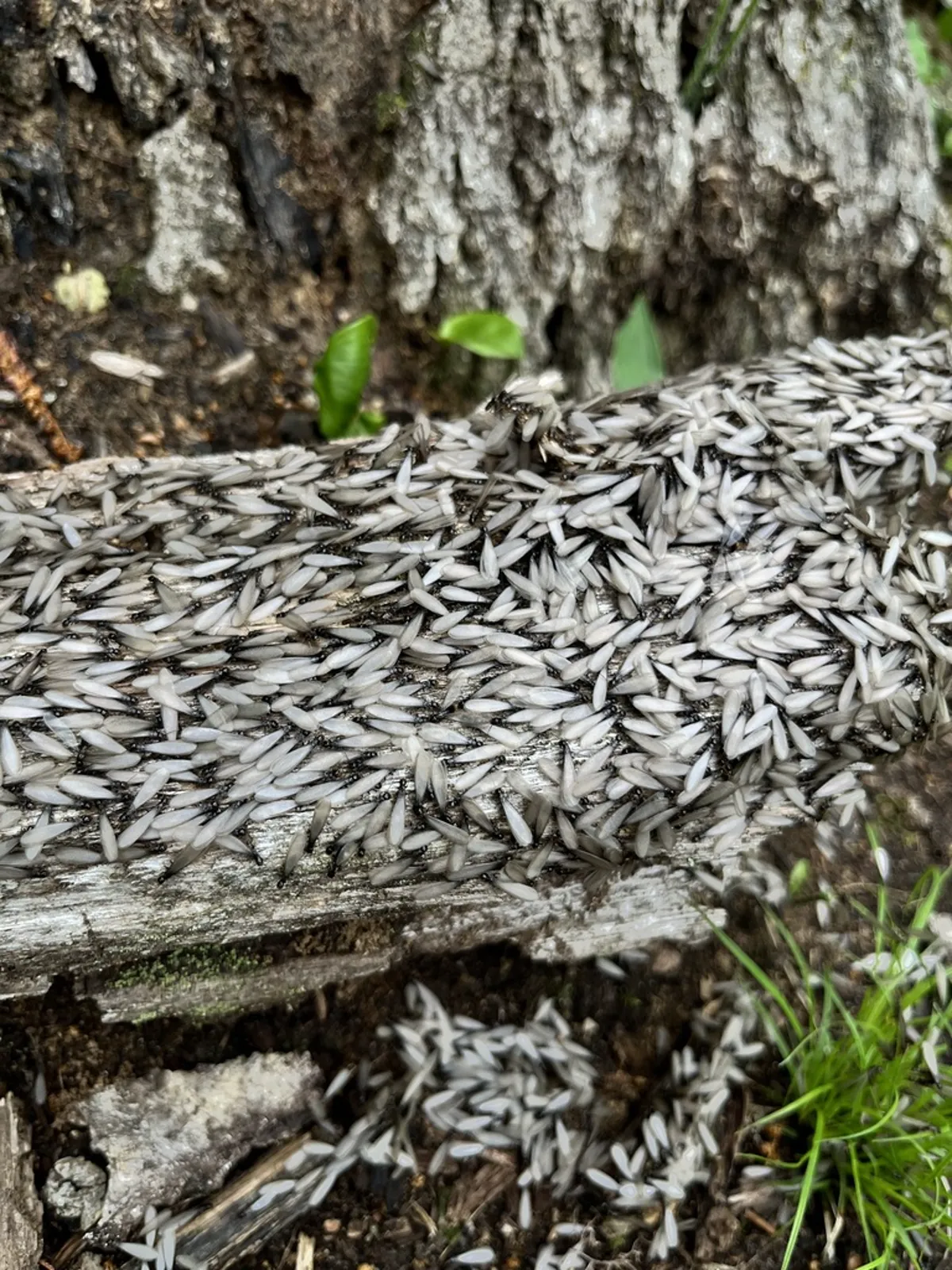

If you’ve ever walked into a room and found hundreds of winged insects swarming near your windows, you know that sinking feeling. Those winged bugs might be termite swarmers - and their presence tells a story you need to understand.
I’ve been helping homeowners in the DC metro area deal with termite problems for over five years. In my experience, termite swarmers are one of the most alarming signs a homeowner can encounter. But they’re also one of the most misunderstood. Let me explain what these insects really are, when you’ll see them, and exactly what you should do.
What Are Termite Swarmers?
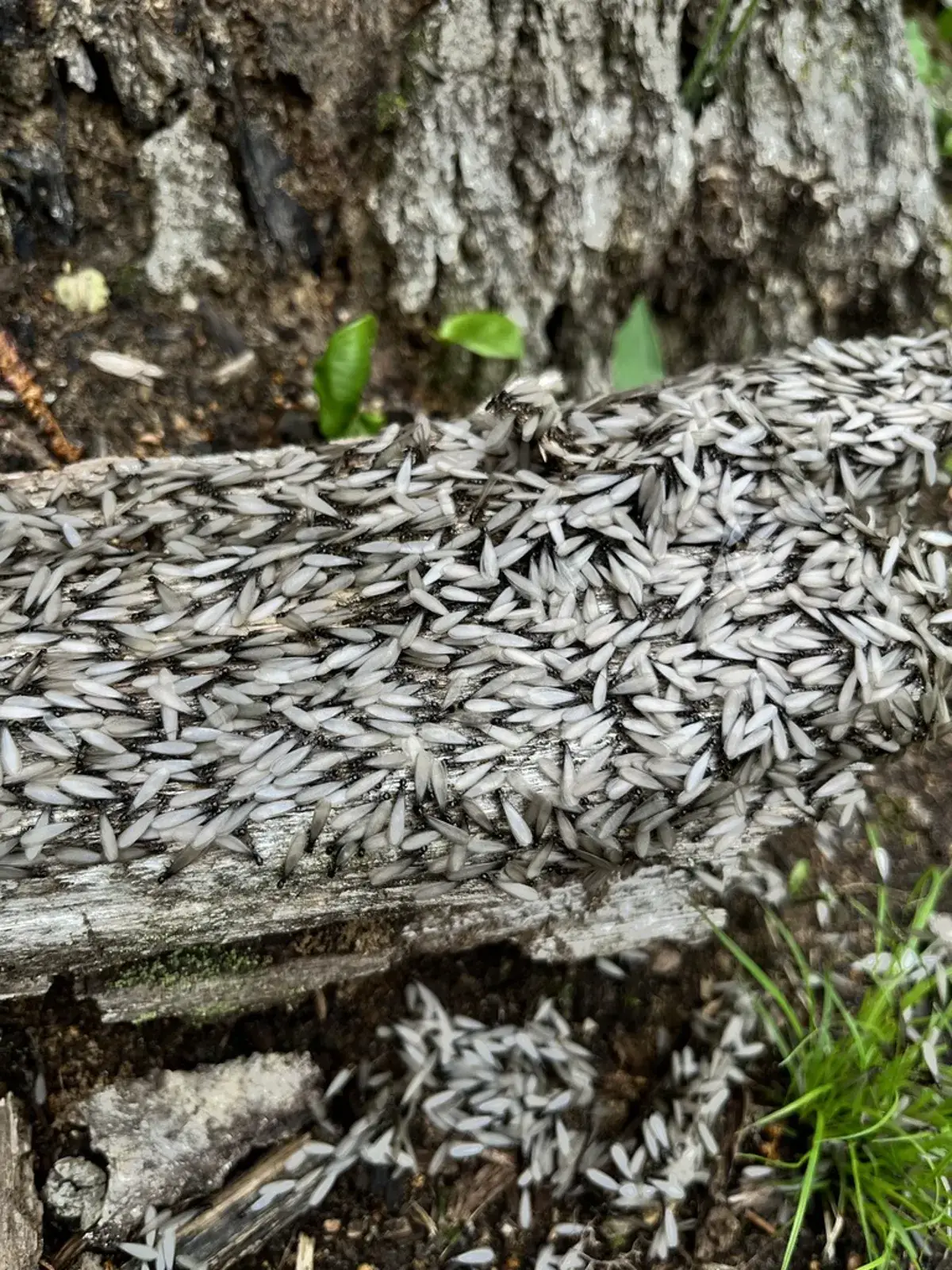
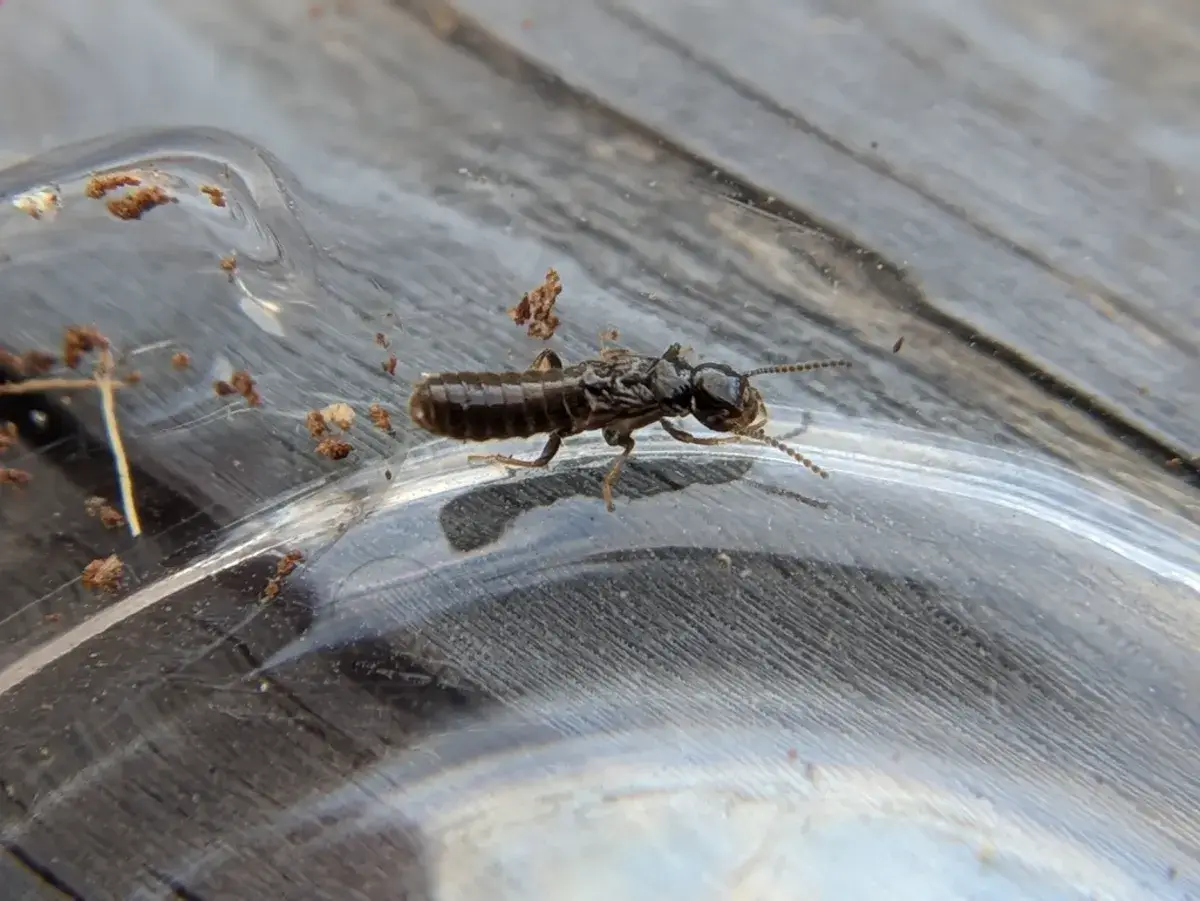
Termite swarmers, also called alates, are the reproductive members of a termite colony. Unlike the worker termites that cause damage to your home, swarmers have wings and one job: leave the nest, find a mate, and start a new colony.
Here’s what makes swarmers significant. A termite colony doesn’t produce swarmers until it’s mature - typically 3 to 7 years old and containing thousands of individuals. So when you see swarmers, you’re not looking at the start of a problem. You’re looking at evidence that a well-established colony has been thriving nearby, possibly inside your home’s structure.
According to the National Pest Management Association, termites cause over $5 billion in property damage annually in the United States. Most homeowners insurance doesn’t cover this damage, making early detection critical.
When Do Termite Swarmers Appear?
In Virginia, Maryland, and the DC area, termite swarming season runs from late March through May. However, the timing depends on several factors:
Weather Conditions That Trigger Swarms
Termite swarmers emerge when conditions are just right:
- Warm temperatures above 60°F
- High humidity - often following rainfall
- Calm winds - swarmers are poor fliers
- Daylight hours - Eastern subterranean termites typically swarm mid-morning to afternoon
A common saying among pest professionals in our area: termites swarm when the dogwood trees begin to flower. This isn’t just folklore - it reflects the consistent weather patterns that trigger both events.
Termites have difficulty controlling moisture loss from their bodies. High humidity following rainfall creates ideal conditions for successful flight. The soft, moist soil also makes it easier for newly mated pairs to burrow and establish colonies. Research from NC State Extension confirms that swarming behavior is strongly tied to environmental moisture levels.
How Long Do Swarms Last?
Individual swarms are surprisingly brief - usually 30 to 40 minutes. This means a swarm could come and go while you’re running errands. However, a single colony may produce multiple swarms over several days or weeks during the season.
How to Identify Termite Swarmers
One of the most common questions I get is how to tell termite swarmers apart from flying ants. It’s a good question because the two look similar at first glance - and your response should be very different depending on which one you’re dealing with.
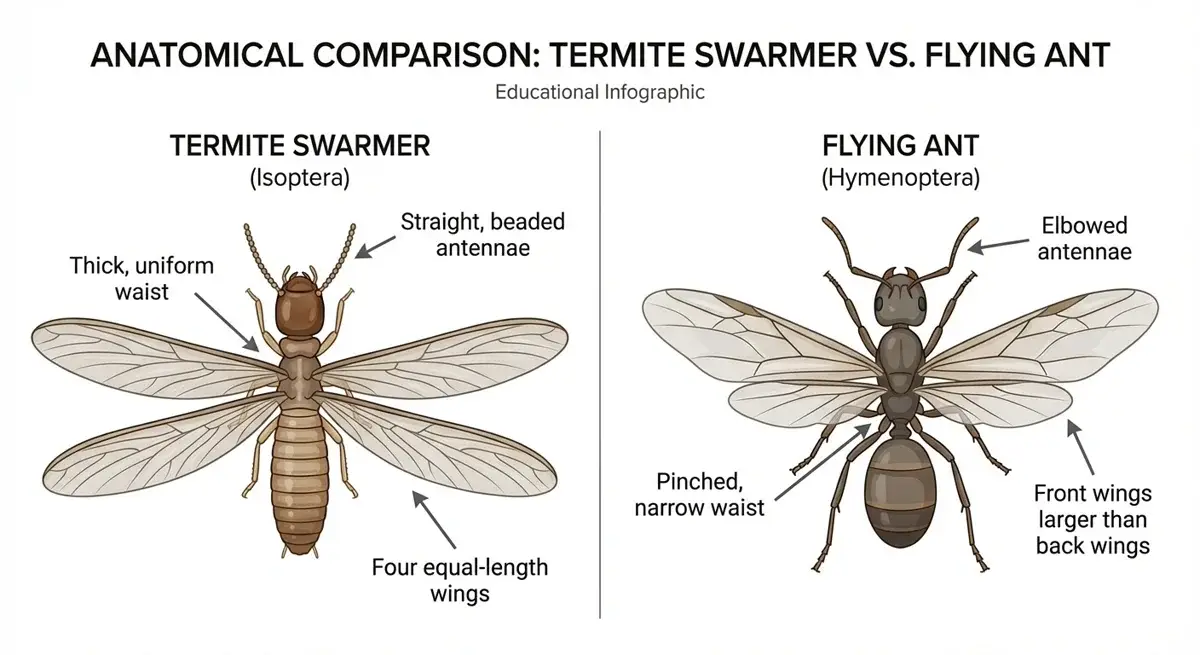
Termite Swarmer Characteristics
- Straight, beaded antennae - no bends or elbows
- Thick, uniform waist - the body appears tube-like
- Four wings of equal length - all wings are the same size
- Wings easily break off - you’ll often find piles of shed wings
- Dark brown or black body - eastern subterranean termite swarmers are typically dark-colored
Flying Ant Characteristics
- Elbowed antennae - distinct bend in the middle
- Pinched, narrow waist - clearly segmented body
- Front wings larger than back wings - unequal wing pairs
- Wings don’t break off easily - more durable than termite wings
For more details, see our guide on flying ants vs termites.
What to Do If You Find Termite Swarmers
Finding swarmers can be alarming, but your response matters more than the initial panic. Here’s what I recommend based on my experience:
Step 1: Don’t Spray
Your first instinct might be to grab insecticide and start spraying. Don’t do this. Killing the visible swarmers does nothing to address the colony causing your infestation. It may also make it harder for professionals to locate the source of the problem.
Step 2: Collect Specimens
If possible, capture a few swarmers or gather some of the shed wings. Place them in a sealed plastic bag. This helps with accurate identification - the difference between termites and flying ants determines your next steps.
Step 3: Note the Location
Pay attention to where the swarmers emerged. Did they come from:
- Near windows or doors? This could indicate they entered from outside
- From walls, floors, or around plumbing? This strongly suggests an indoor infestation
- A specific corner or area? This helps narrow down where the colony might be
Step 4: Schedule a Professional Inspection
A thorough inspection is essential. Professionals can identify the species, locate the colony, assess damage, and recommend appropriate treatment. At Better Termite, we’ve helped over a million homes with termite concerns across our 57 years in the industry.
One situation I always think about was something I experienced during my training. We went to a house in Alexandria, just a few blocks from our company owner’s home. The homeowners had noticed a small bulge in a window sill in their addition. That bulge was termites that had eaten up to the paint and were starting to break through. When we entered the crawl space, we found years of termite feeding with tunnels up the sides - tons of damage that would be difficult and expensive to repair. The lesson? By the time you see obvious signs, the damage is often extensive.
Signs That Often Accompany Termite Swarmers
Swarmers are just one indication of termite activity. If you’ve seen swarmers, look for these additional signs:
Mud Tubes
Subterranean termites build pencil-thin mud tubes to travel between their underground colony and food sources (your home). Check your foundation walls, both inside and outside.
Discarded Wings
After mating, swarmers shed their wings. Finding piles of identical, translucent wings on windowsills, near doors, or in spider webs indicates swarming activity.
Damaged Wood
Tap on wood surfaces. Termite-damaged wood often sounds hollow. You may also notice wood that looks water-damaged or paint that appears bubbled.
Frass or Pellets
While subterranean termites don’t leave visible frass, drywood termites push small pellets out of their galleries. These look like tiny wood-colored grains.
How Termite Swarmers Affect Your Home
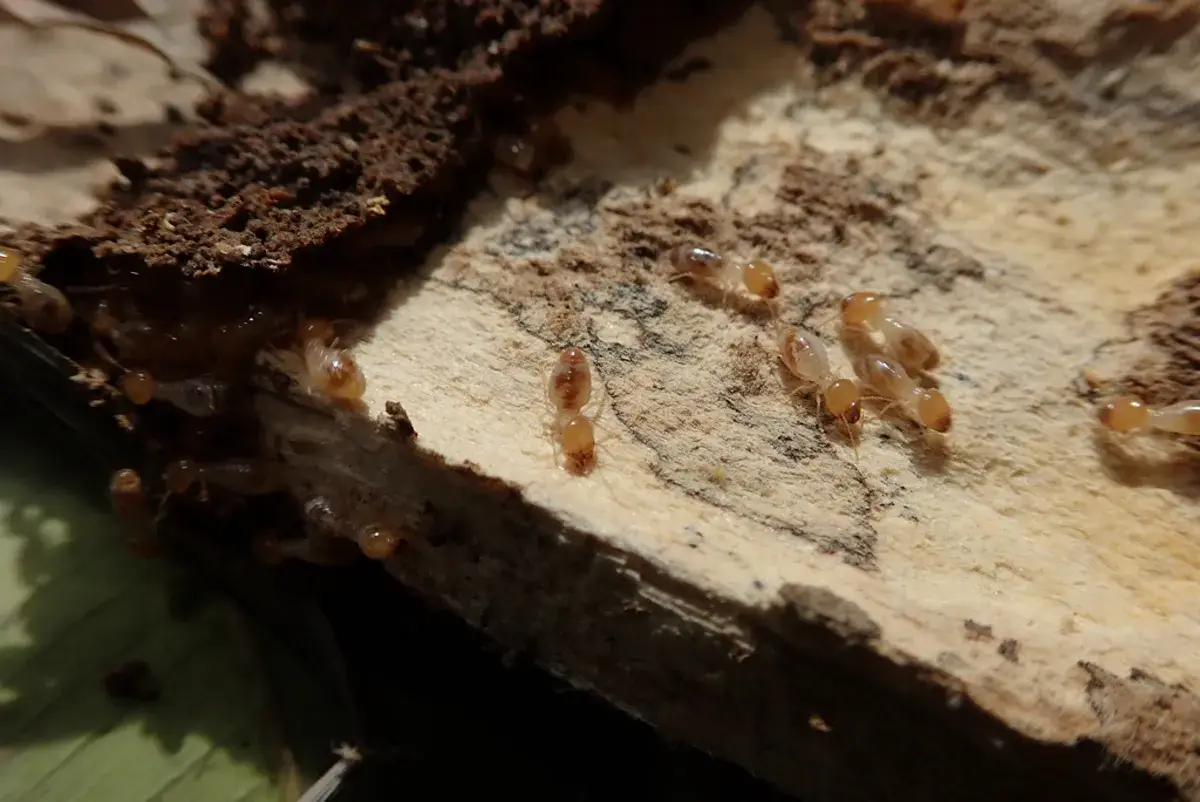
Let me be clear about something important: swarmers themselves don’t cause structural damage. They don’t eat wood - their sole purpose is reproduction.
However, their presence indicates that worker termites ARE causing damage. And those workers have likely been feeding on your home for years. Industry data shows that homeowners typically spend an average of $3,000 repairing termite damage when it’s discovered.
Can Swarmers Start a New Colony in My Home?
Technically, yes - but most swarmers don’t survive to establish successful colonies. The real concern isn’t the new colonies these swarmers might start. It’s the mature colony that produced them that’s likely already feeding on your home.
Termite Swarmer Prevention and Protection
Preventing termite swarmers means preventing termite colonies from establishing near your home. Here are proven strategies:
Reduce Moisture
Termites need moisture to survive. Fix leaky faucets and pipes, ensure proper drainage away from your foundation, and address any standing water issues. Good ventilation in crawl spaces also helps.
Remove Wood-to-Soil Contact
Keep firewood, lumber, and mulch away from your foundation. If you have wooden posts or steps in contact with soil, consider replacing them with concrete or treated wood.
Maintain Your Home
Seal cracks in your foundation, repair damaged screens, and keep gutters clean. These simple maintenance tasks reduce entry points and conducive conditions.
Consider Proactive Protection
In my experience helping 100+ customers with termite-related requests, it’s often cheaper and lower stress to use protection proactively. The Sentricon system has a very high success rate for ongoing protection. As Certified Sentricon Specialists, we’ve seen firsthand how effective proactive monitoring can be compared to reactive treatment after damage occurs.
For homes with severe infestations, we sometimes find that termites can’t locate bait stations, and targeted liquid treatments using products like Termidor become necessary. Every situation is different, which is why professional assessment matters.
When Swarmers Appear Indoors vs Outdoors
The location where you find swarmers tells you a lot:
Outdoor Swarms
Swarmers found outside your home may have originated from a colony in the yard, a neighbor’s property, or nearby wooded areas. While concerning, this doesn’t necessarily mean your home is infested. However, it does indicate termite pressure in your area and the importance of preventive measures.
Indoor Swarms
Swarmers emerging from inside your home - through cracks in walls, around window frames, or from floors - strongly suggests an active infestation within your structure. This warrants immediate professional attention.
Working With a Professional
When you contact a pest control company about termite swarmers, here’s what to expect:
The Inspection Process
A thorough inspection examines:
- Foundation walls and crawl spaces
- Wood structures and framing
- Areas with moisture problems
- Entry points and conducive conditions
At Better Termite, our licensed technicians have over 300 years of combined experience. We’re members of the VPMA, NPMA, and Maryland Pest Management Association, ensuring we follow industry best practices.
Treatment Options
Based on the inspection findings, treatment may include:
- Liquid barrier treatments - Creating a treated zone around your foundation
- Bait systems like Sentricon - Monitoring and eliminating colonies over time
- Targeted treatments - Addressing specific infestation points
- Combination approaches - Using multiple methods for severe cases
For more details on treatment approaches, see our guide on how to get rid of termites.
Get Your Home Inspected
If you’ve seen termite swarmers - or any of the other warning signs we’ve discussed - don’t wait. The sooner you address a termite problem, the less damage and expense you’ll face.
Better Termite & Pest Control has been protecting homes in Virginia, Maryland, and DC for over 57 years. We’ve earned over 1,000 five-star reviews by treating every home like it’s our own.
Call us at 703-683-2000 or email us at info@bettertermite.com to schedule your inspection. Whether you’re dealing with an active swarming situation or just want peace of mind, we’re here to help.