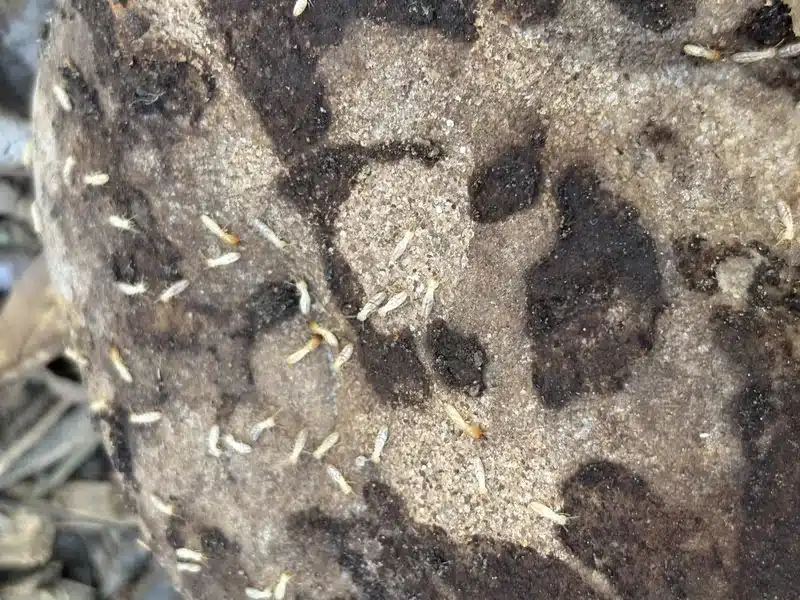

When you find damaged wood in your home, the big question is: termites or wood rot? Both can cause serious structural damage, but they need completely different fixes.
Homeowners called us about what they thought was minor wood rot - just a small bulge in their window sill that seemed cosmetic. What we discovered during the inspection completely changed their understanding of the problem.
- Initial symptom: A barely visible bulge in the window sill
- What we found: Extensive termite galleries just beneath the paint surface
- Hidden damage: Years of structural feeding throughout the foundation area
- Total extent: Major repairs needed that could have been prevented with earlier detection
This experience reinforced why understanding the difference between termite damage and wood rot is so critical for protecting your home investment.
The key is knowing what to look for and acting fast. Let’s go through how to tell these two problems apart and what to do about each one.
What Causes Termite Damage and Wood Rot
Termite damage vs wood rot comes from totally different sources, which is why the treatments are so different.
Termite Damage
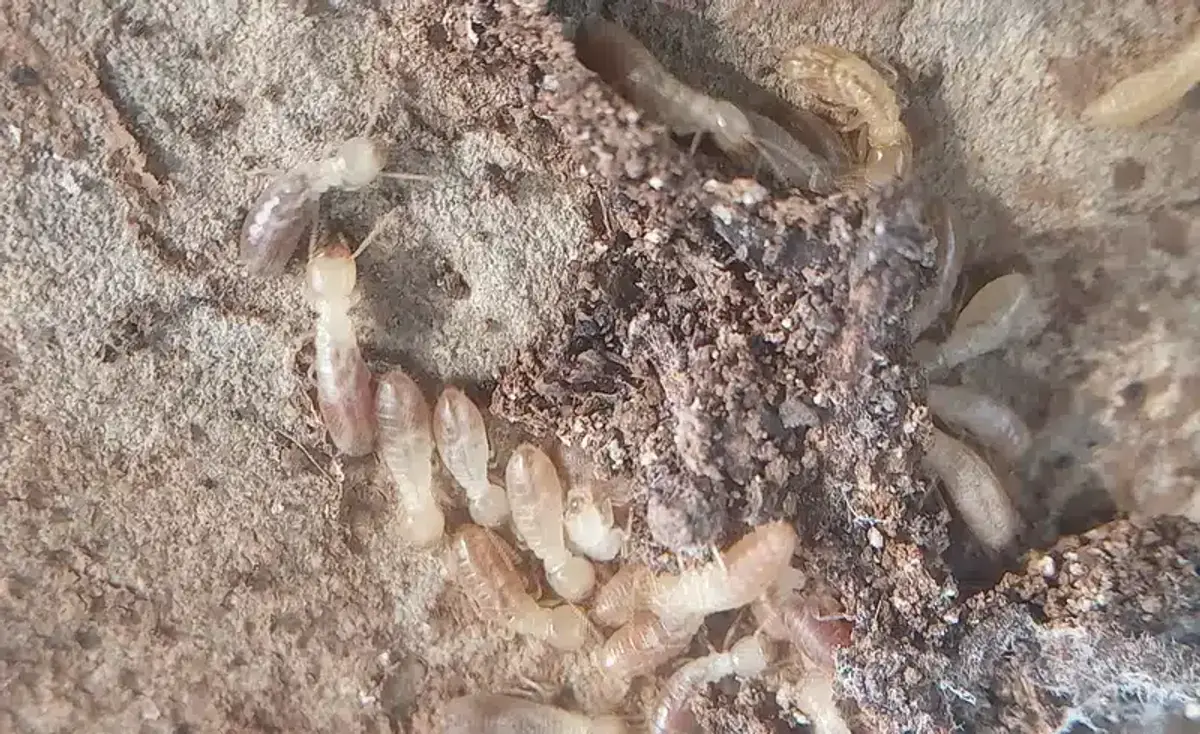
Eastern subterranean termites, common in our DC, Virginia, and Maryland area, live in colonies of 20,000 to 5 million. They need moisture and soil contact to survive.
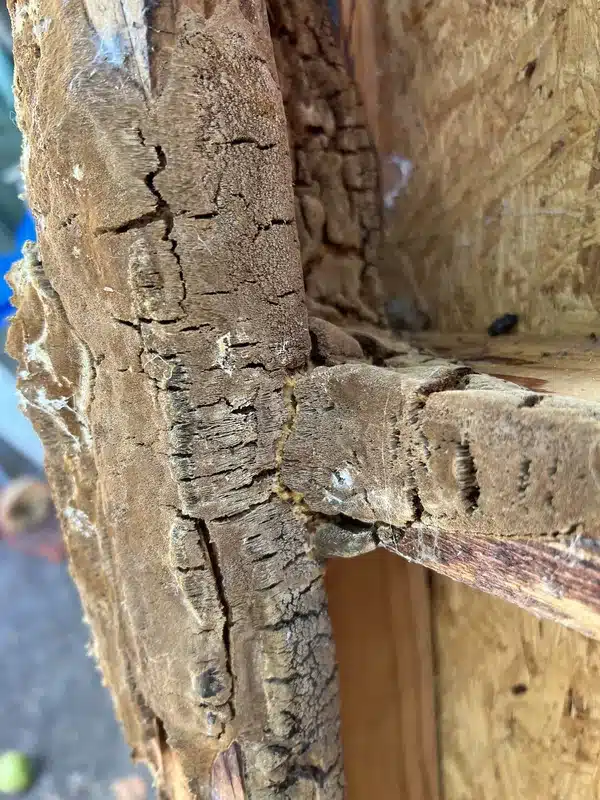
Termites dig tunnels through wood, following the grain. They coat the tunnel walls with soil to trap moisture. The wood often looks fine on the outside but sounds hollow when you tap it. Catching the signs early is key.
Wood Rot
Wood rot comes from fungi that break down wood fibers. There are three main types:
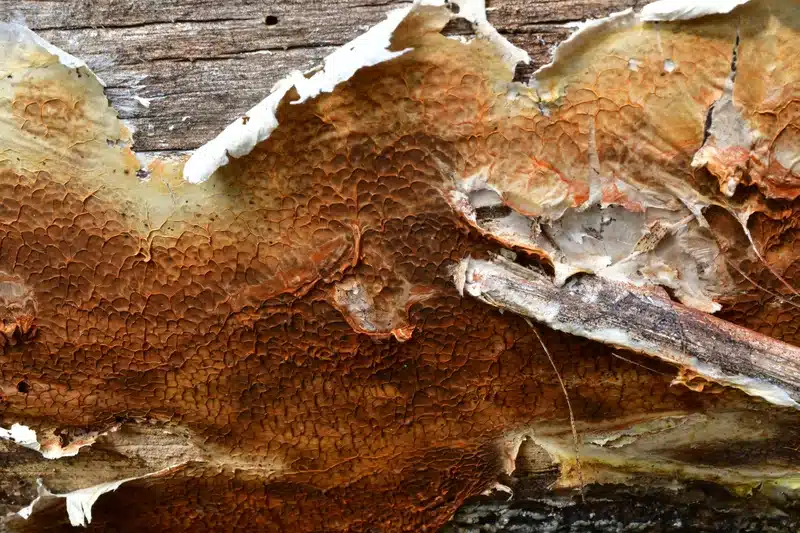
- Brown rot: Eats cellulose, leaving dark, cracked “checkerboard” patterns
- White rot: Breaks down lignin and cellulose, leaving light-colored, stringy wood
- Soft rot: Causes slower, shallow damage on wood that stays wet
Brown rot is the most dangerous because it can weaken wood long before you see obvious damage.
Penn State Extension reports that brown rot can cut wood’s bending strength by 60% after just 10% weight loss. This weakening happens well before you’d notice anything wrong, which makes brown rot a serious concern the moment you find it.
Here’s a closer look at the damage each one causes.

How to Tell Termite Damage from Wood Rot
The two look very different once you know the signs. Here’s what to check for.
Termite Damage Signs
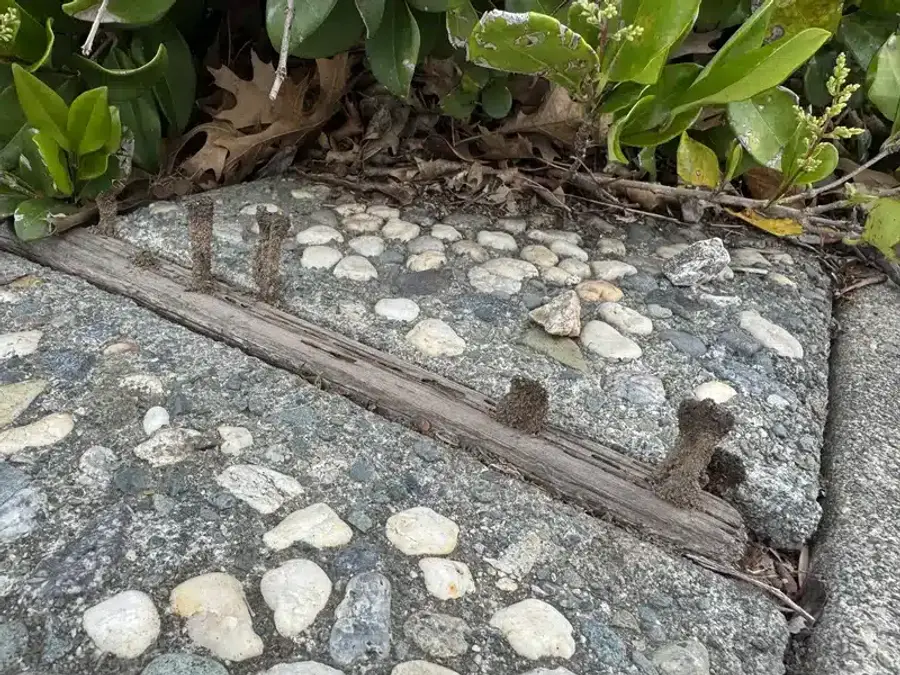
- Mud tubes: The clearest sign. Termite mud tubes show up on foundation walls, pipes, or wood as pencil-thick tunnels made of soil and spit
- Hollow wood: Tap wood with a screwdriver handle. Termite-damaged wood sounds hollow because they eat it from the inside out
- Dropped wings: Small, clear wings near windows or doors in spring mean termite swarmers
- Soil-lined tunnels: Break open damaged wood and you’ll see smooth tunnels coated with mud
Pro inspections often find mud tube networks running up interior walls that homeowners never knew were there.
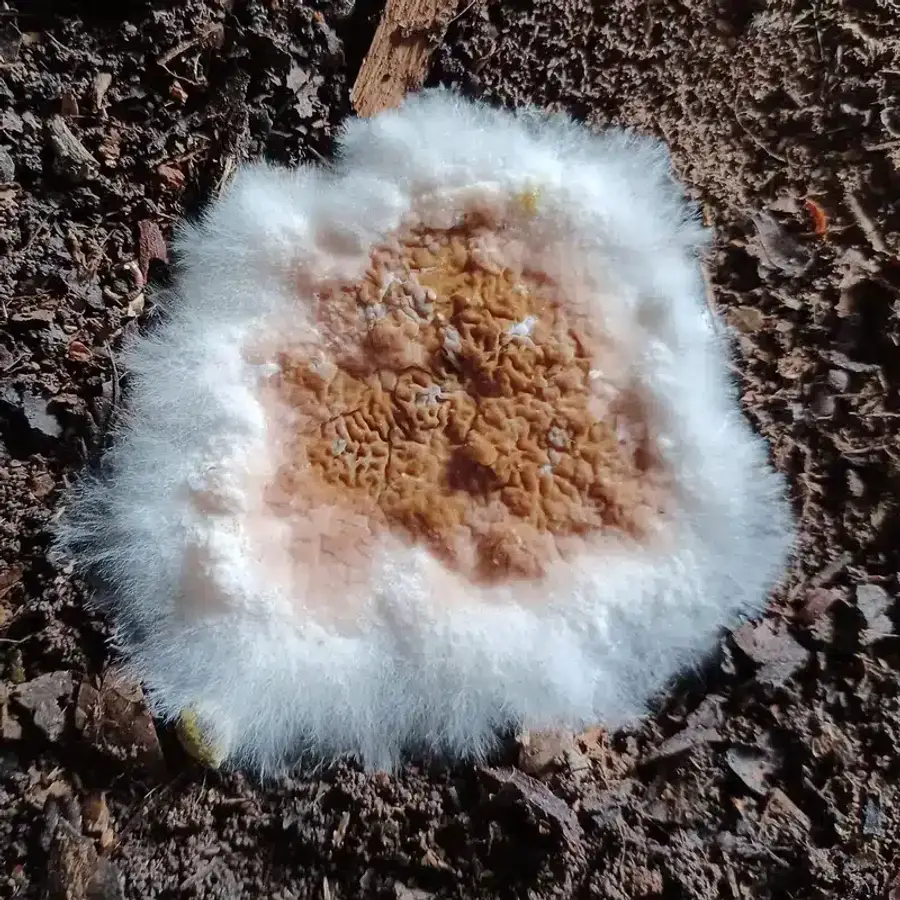
Wood Rot Signs
- Cracking patterns: Brown rot creates a checkerboard pattern of cracks
- Spongy feel: Rotted wood is soft and crumbles when you poke it
- Fungal growth: You may see mushroom-like growths or white, thread-like mold
- Color changes: Brown rot turns wood dark, while white rot bleaches it lighter
- Stringy texture: White rot leaves stringy, fibrous material behind
Wood rot fungi need moisture to grow, which is why you’ll find them near leaks and water sources. The USDA Forest Service notes that wood needs a moisture level of 20% or higher for rot to start. Keep wood below that and rot can’t take hold.
Termite Damage vs Wood Rot Comparison
| Termite Damage | Wood Rot | |
|---|---|---|
| Appearance | Hollow-sounding, smooth galleries lined with mud | Cubical cracking, spongy texture, visible fungal growth |
| Key Signs | Mud tubes, discarded wings, hollow sound when tapped | Color changes, mushroom-like growth, stringy fibers |
| Urgency | Immediate professional attention required | Address moisture source, then plan repairs |
| Treatment | Professional chemical treatment required | Stop moisture, replace damaged wood |
Why the DMV Area Is High-Risk
The DC, Virginia, and Maryland area ranks second in the US for termite activity. Our climate is perfect for both termite damage and wood rot.
Humid summers, frequent rain, and warm soil let termites forage 8-10 months a year. Older homes with soil touching the wood and damp crawl spaces make things worse. That’s why knowing termite damage vs wood rot matters so much here. Catching problems early saves thousands in repairs.
Professional Termite Treatment Options
If you find active termites, act fast. Here are the main treatments we use.
Sentricon Baiting Systems
Sentricon bait stations use materials that termites carry back to the colony. The active ingredient stops them from molting, and the whole colony usually dies off within 3-18 months.
This works well for homes where drilling is hard or homeowners want a less invasive option. It’s also great for long-term prevention after clearing an active problem.
Liquid Soil Treatments
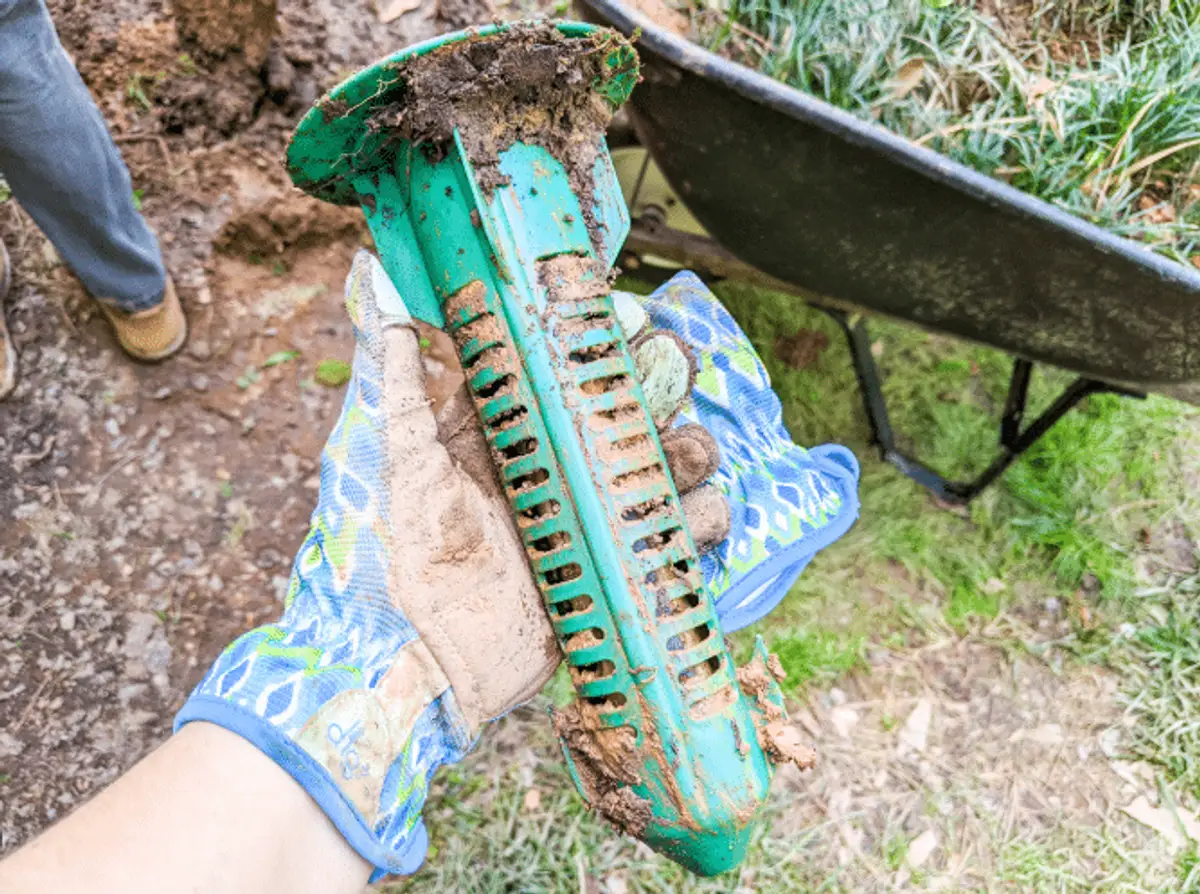
For bad infestations, liquid treatments like Termidor or Premise create a treated zone around your foundation. Termites can’t detect it but can’t survive crossing it.
The EPA requires liquid termite treatments at 4 gallons per 10 linear feet down to footer depth. This rate creates a continuous barrier around your foundation that provides long-term protection.
In severe cases where bait stations aren’t enough, we turn to these liquid treatments to make sure the colony is wiped out.
Prevention Steps
Good termite treatment goes beyond chemicals. We also fix the conditions that attract termites:
- Fix drainage around your foundation
- Keep an 8-12 inch gap between soil and untreated wood
- Put vapor barriers in crawl spaces
- Keep humidity below 60% in enclosed areas
These steps work with the chemical treatment for lasting protection. See our termite prevention guide for more.
After treatment, follow these steps to keep your home protected.
- Moisture Control: Fix leaks fast. Keep 6 inches between soil and siding. Keep crawl space humidity below 60%.
- Soil Protection: Don’t disturb treated soil within one foot of your foundation.
- Before Landscaping: Call us before adding drainage, topsoil, or making changes near the foundation.
- Yearly Inspections: Schedule a pro inspection every year to catch problems early.
How to Fix Wood Rot
Wood rot repair is completely different from termite treatment. The first step is always stopping the water.
Stop the Moisture
Wood rot can’t keep going without water. Find and fix the source first:
- Check roof flashing and gutters for leaks
- Look at siding for gaps that let water in
- Check for plumbing leaks near the damage
- Add ventilation to damp spaces
Dry It Out and Check the Damage
Use fans or dehumidifiers to dry the area until moisture drops below 16%. Rot fungi go dormant below 20% moisture.
Check the structural damage carefully. Any joists with more than 40% of their cross-section gone should be replaced or reinforced.
Treat and Prevent
After repairs, apply borate-based products to exposed wood. These protect against both fungus and termites, which is a big plus in our area.
Keep paint and caulk in good shape on exterior wood. These are your main barriers against moisture getting in.
When to Call a Pro
You can do basic checks yourself, but knowing when to call in a professional saves money and stress.
Call Right Away If You Find:
- Active termites in any form
- Fresh mud tubes on your foundation
- Termite swarmers inside your home
- Wood that sounds hollow when tapped
Termites work around the clock. Many homes have years of hidden damage that could have been caught with an earlier inspection.
Wood Rot Can Usually Wait
Wood rot moves slower. You can take time to fix the moisture source and plan repairs. But don’t wait if you see sagging or major weakness in the wood.
Yearly Inspections
Annual pro inspections catch problems early. Our technicians use moisture meters, boroscopes, and years of experience to find signs of both termites and rot that homeowners miss. Many people are surprised by what a thorough inspection turns up.
How to Prevent Both Problems
The good news: many prevention steps work against both termites and wood rot. Both need moisture, so keeping wood dry gives you double protection.
Keep wood dry and drainage flowing away from your home:
- Clean gutters and direct water away from foundations
- Keep caulk and paint in good shape on exterior wood
- Run dehumidifiers in basements and crawl spaces
- Fix plumbing leaks right away
Spring Inspection Checklist
Do these checks every spring, especially after April rains when termite swarmers get active in the DC metro area:
- Look for mud tubes around your foundation and crawl spaces
- Check for soft, spongy, or discolored wood
- Test moisture levels in basements and crawl spaces
- Check areas where wood touches soil
- Look for fungal growth or musty smells
Knowing what termites eat helps you spot and remove things that attract them.
What Does It Cost?
How much you spend on termite damage vs wood rot depends on when you catch the problem.
Termites cause $5 billion in damage a year across the US. Treating an infestation runs $1,000-$2,000, and they usually cause about $3,300 in structural damage before anyone notices. That’s still far less than the $15,000+ in repairs from years of hidden feeding.
Wood rot costs vary based on how far it’s gone. Catching it early means simple moisture fixes and small repairs. Waiting too long can mean major structural work.
Early detection saves money. See our guide on termite treatment costs for more details. A termite bond gives you ongoing protection and regular monitoring.
What to Do Next
Remember: termite damage vs wood rot need completely different fixes. Termites need professional treatment right away. Wood rot starts with stopping the moisture and repairing the damage.
Act fast when you see warning signs. A small bulge in a window sill caught early can save thousands compared to letting it go.
If you suspect termites or wood rot, call us at 703-683-2000 or email info@bettertermite.com. Our technicians can figure out what you’re dealing with and build a treatment plan for your home.