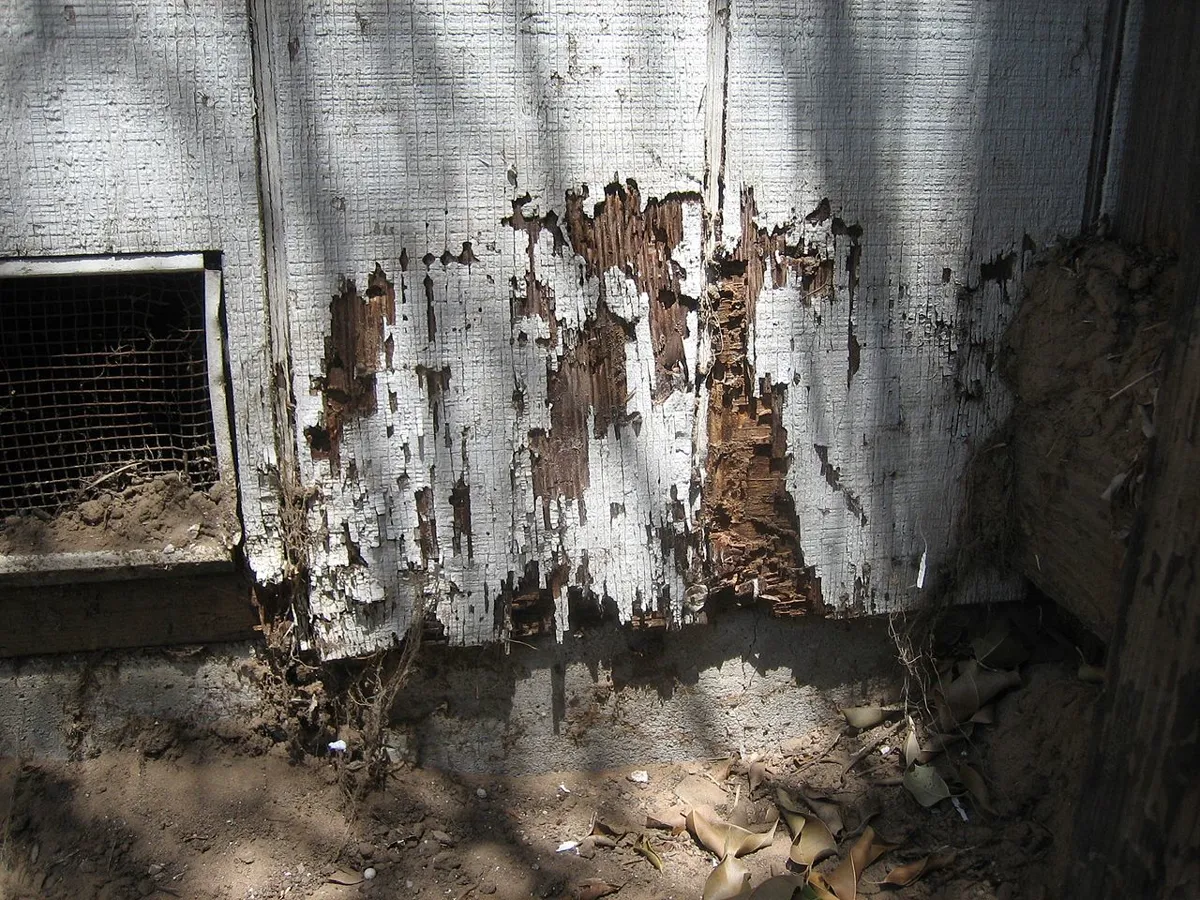

If you’re searching for termite damage pictures, you’re probably worried you’ve found something suspicious in your home. That’s exactly the right instinct. Learning to recognize what termite damage looks like can save you thousands of dollars in repairs.
I’ve been in the pest control industry since 2015 as a licensed technician, and I’ve personally helped over 100 customers with termite-related requests. In this guide, I’ll show you real examples of termite damage and explain exactly what to look for in your own home.
According to the National Pest Management Association, termites cause more than $5 billion in property damage every year in the United States. The worst part? Most homeowners insurance doesn’t cover it. That’s why catching termite damage early is so important.
What Does Termite Damage Look Like?
Termite damage has a few telltale characteristics that set it apart from other types of wood damage. Here’s what you’re looking for:
Hollowed-out wood is the most common sign. Termites eat wood from the inside out, leaving a thin outer shell. When you tap on damaged wood, it sounds hollow or papery.
Maze-like galleries run through the wood, following the grain. These tunnels are where termites travel and feed. If you break open damaged wood, you’ll see these distinctive patterns.
Mud or soil inside the wood indicates subterranean termites, which is the most common type in the Northern Virginia and DC area.
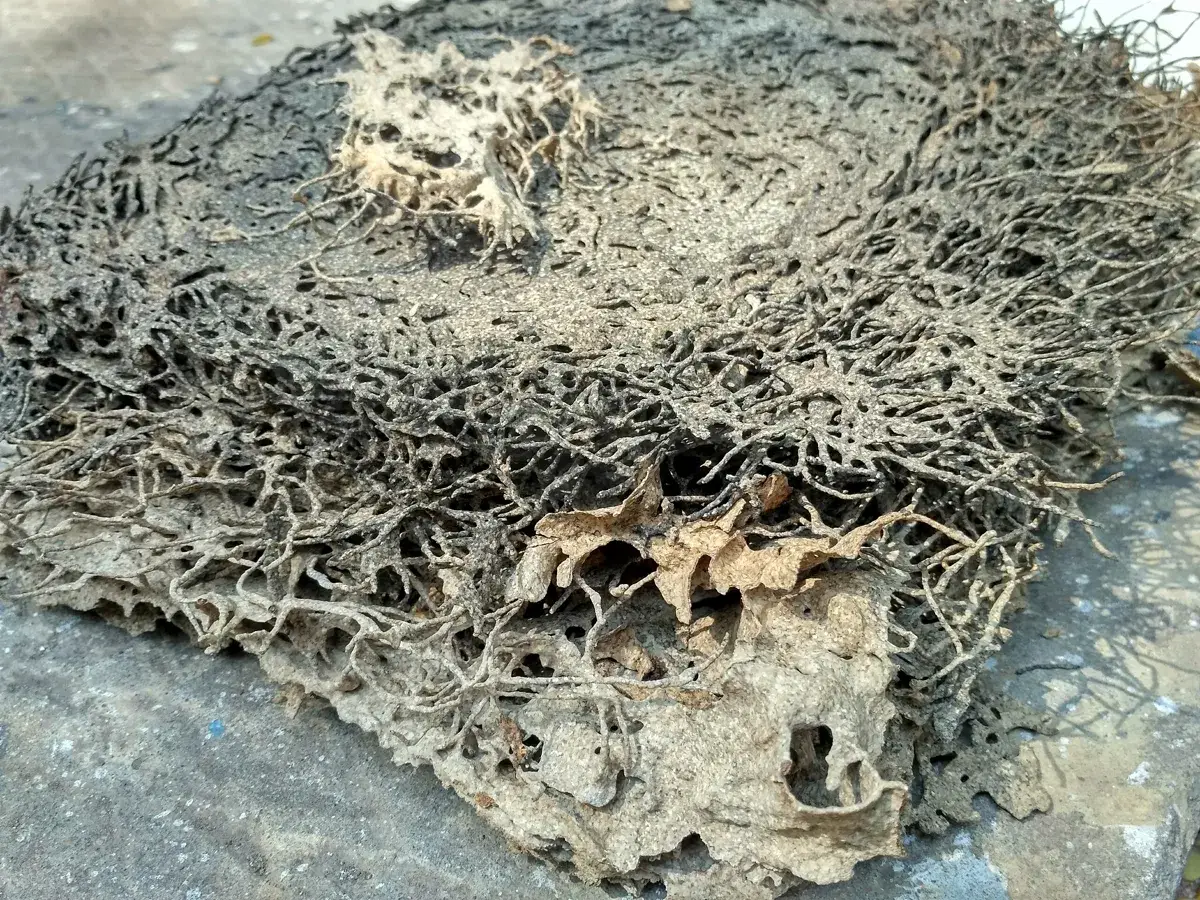
Termite Damage Pictures: Common Examples
Let me walk you through the most common types of termite damage you might encounter in your home.
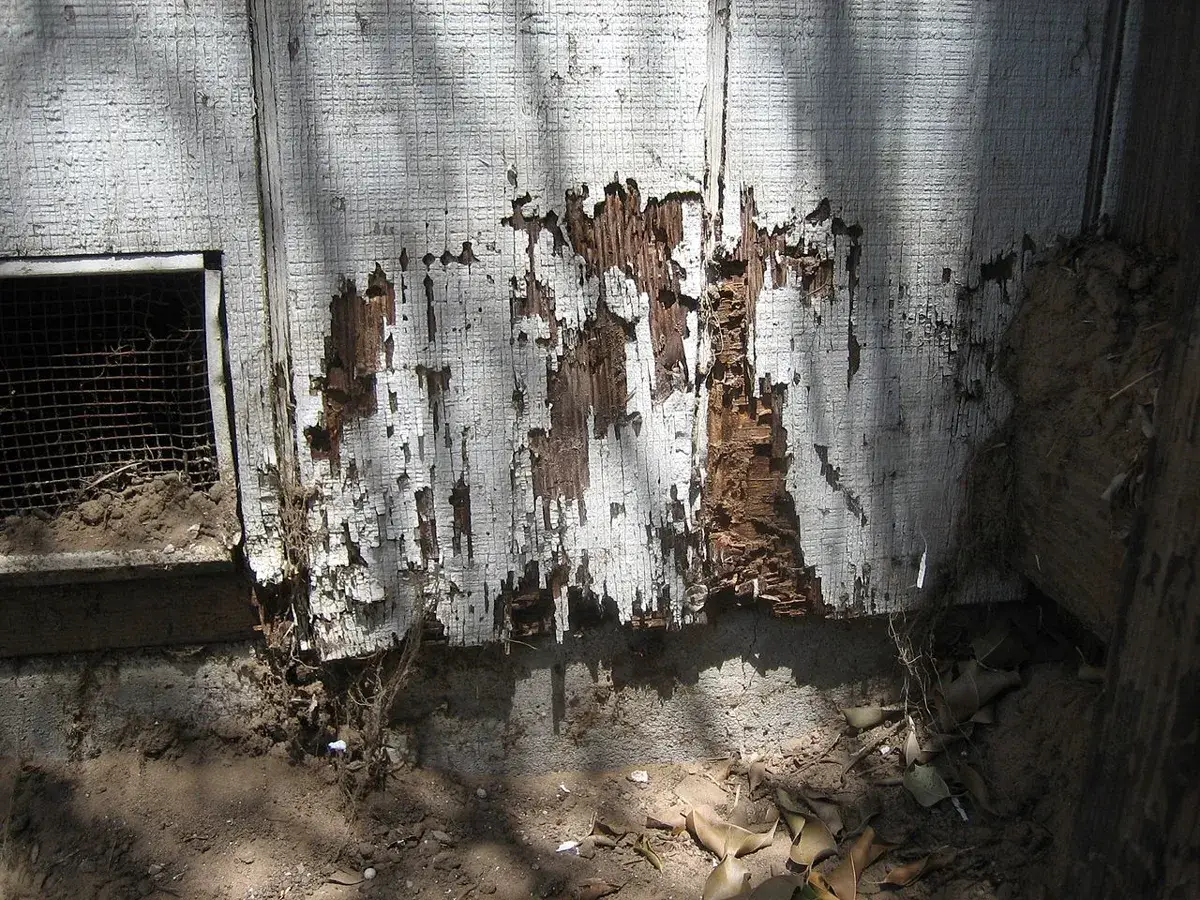
Termite Damage on Exterior Walls
Exterior walls are often the first place termite damage shows up. Look for:
- Paint that appears bubbled or blistered
- Wood that looks wavy or uneven
- Mud tubes running up from the foundation
- Soft spots when you press on siding
Here’s one case from my own training that shows why these signs matter.
One situation I always think about happened during my training. I went out to a house in Alexandria with one of our technician teams. The homeowners hadn’t noticed any problems. The only trigger was a small bulge in a window sill in their addition.
That bulge was termites eating up to the paint and starting to break through. When we entered the crawl space, we found years of termite feeding. There were mud tunnels running up the inside walls of the crawl space, and they had caused extensive, difficult-to-repair damage.
This is why I tell everyone: don’t wait for obvious signs. By the time you see a bulge in your window sill, the damage is already significant.
Termite Damage on Wood Posts and Beams
Structural wood is particularly vulnerable because termites prefer to attack wood that contacts or is close to soil. Here’s what damaged posts typically look like:
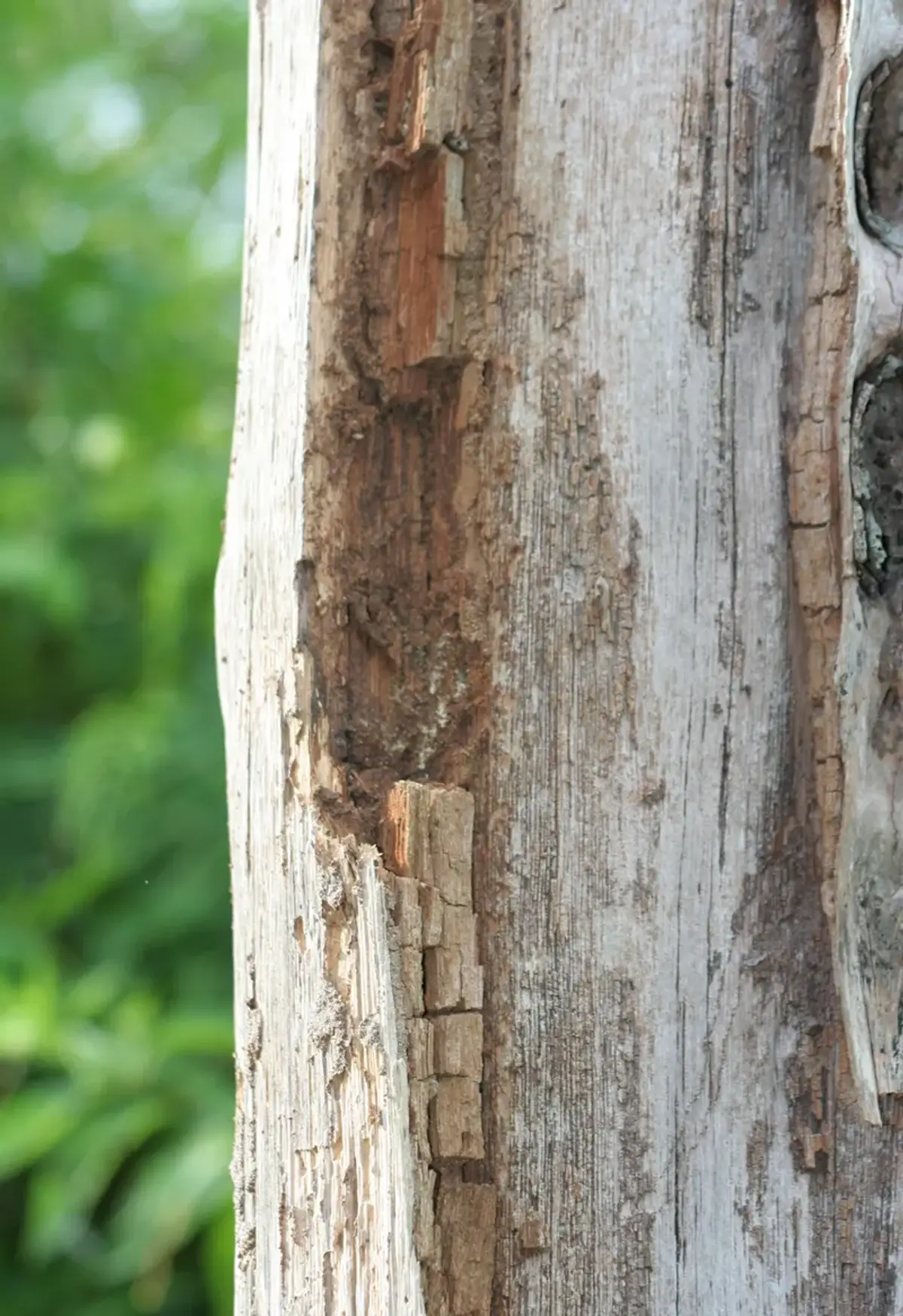
Understanding how termites feed explains why the damage looks the way it does.
According to the EPA’s guide on termites, subterranean termites eat wood along the grain, creating a honeycomb pattern. They typically target the softer spring wood growth, leaving behind the harder late wood. This creates the distinctive layered appearance you see in damaged wood.
What Termite Mud Tubes Look Like
Mud tubes are one of the most recognizable signs of subterranean termites. These pencil-sized tunnels are how termites travel between their underground colony and their food source (your house).
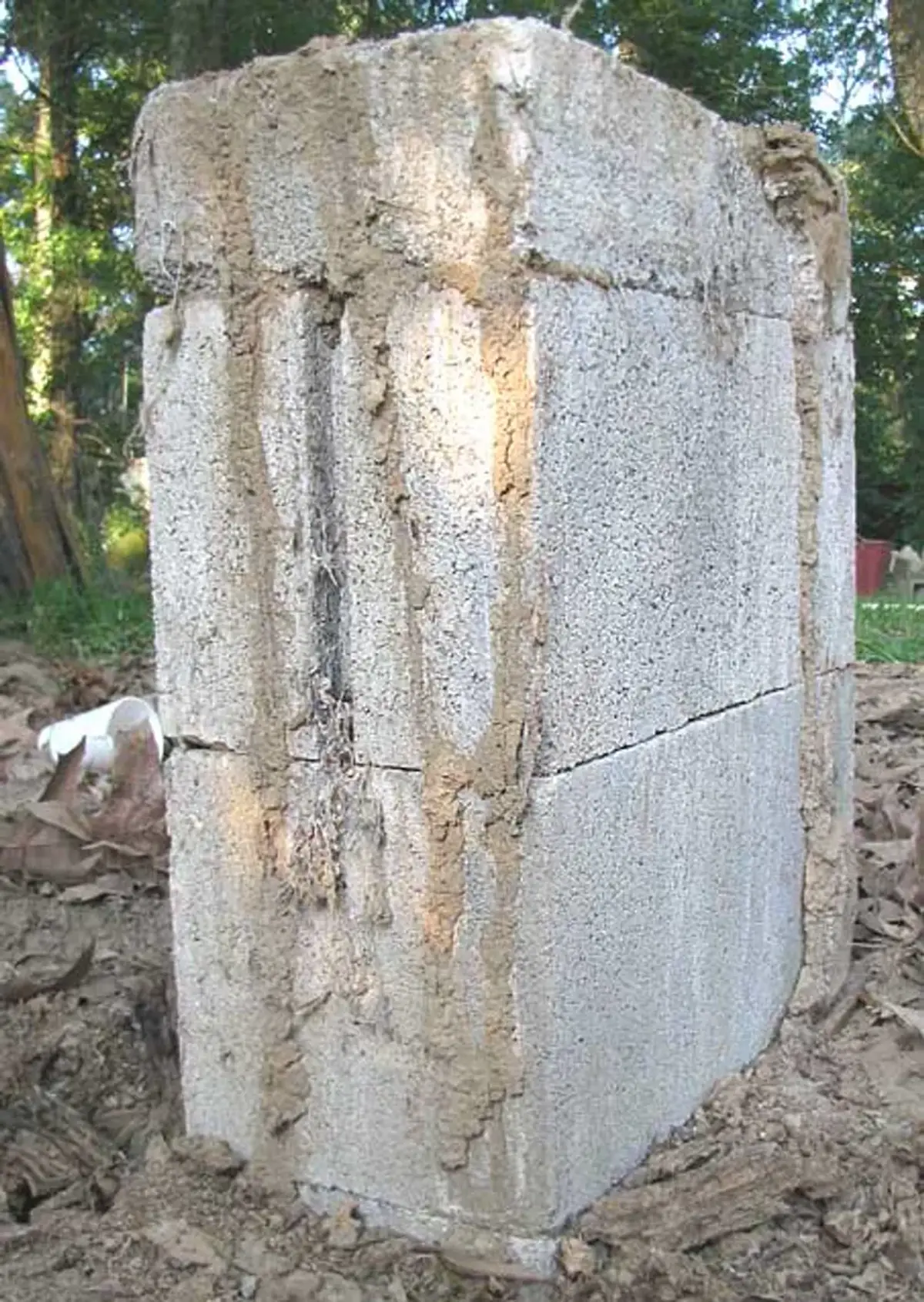
Mud tubes are typically found on:
- Foundation walls
- Inside crawl spaces
- Along pipes and utility lines
- On concrete block seams
- Inside basement walls
What Do Termites Look Like?
While this article focuses on termite damage pictures, knowing what the insects themselves look like helps you confirm an infestation.
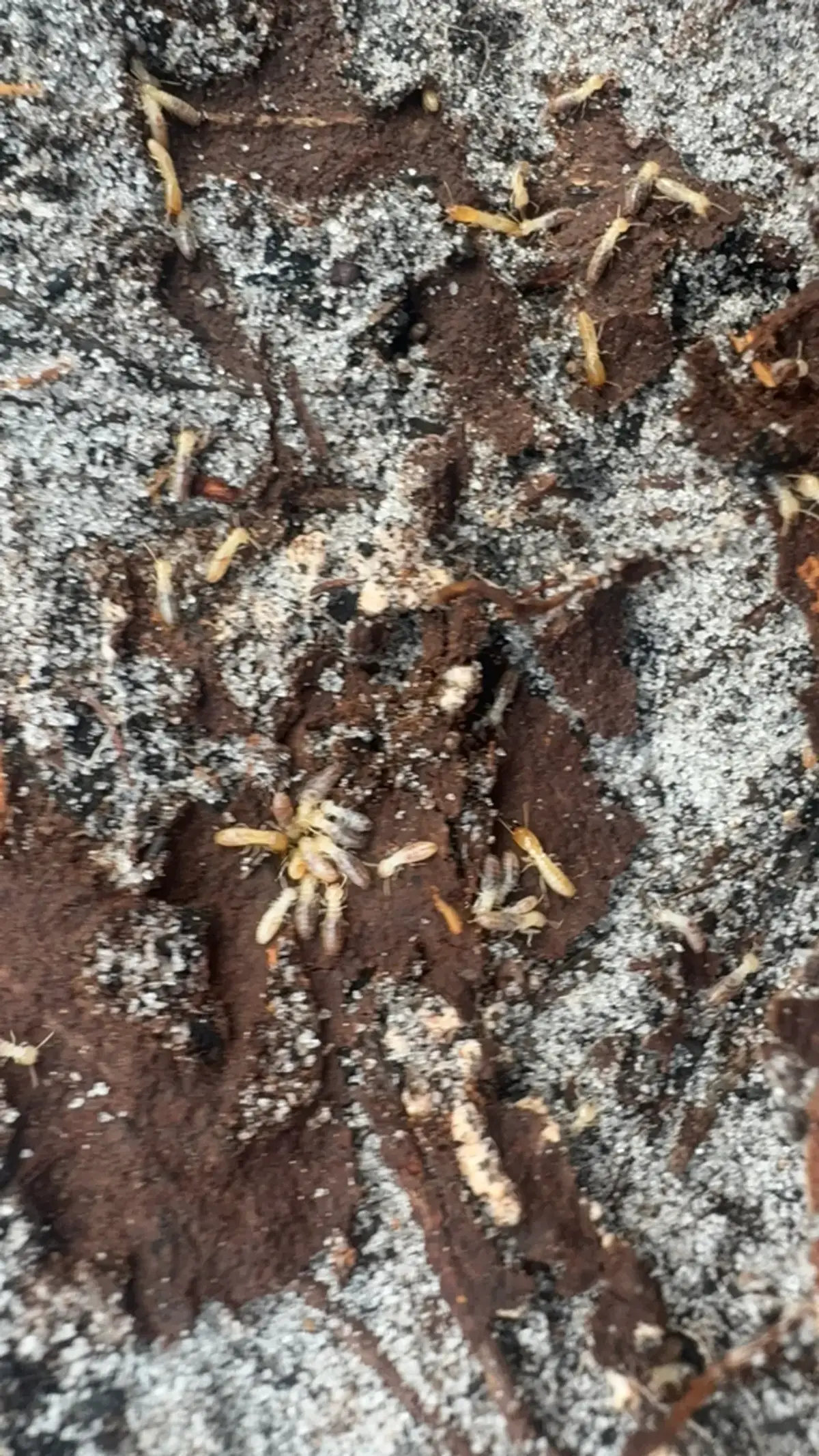
Worker termites are cream-colored, soft-bodied, and about 1/8 inch long. They’re often described as looking like white ants. These are the eastern subterranean termites that actually eat wood in our area.
Swarmer termites have wings and are darker in color. They emerge in spring to start new colonies. If you see flying termites in your house, it’s a sign of an established colony nearby.
For more details on identifying termites, check out our guide on what termites look like.
Early Signs of Termite Damage
Catching termite damage early can save you thousands in repairs. Here are the subtle signs that often get overlooked:
Sign 1: Doors and Windows That Stick
When termites eat through wood framing, it causes the structure to shift slightly. This makes doors and windows suddenly hard to open or close. Many homeowners blame humidity changes, but persistent sticking should be investigated.
Sign 2: Bubbling or Peeling Paint
Termites introduce moisture into wood as they tunnel. This moisture can cause paint to bubble, peel, or look like it has water damage, even when there’s no water source nearby.
Sign 3: Small Pinholes in Drywall
Drywood termites create tiny “kick-out” holes to expel their droppings. These 1-2mm holes are often found near baseboards and window frames.
Sign 4: Hollow-Sounding Wood
Tap on wood surfaces around your home, especially baseboards, window frames, and door frames. Healthy wood makes a solid sound. Damaged wood sounds hollow or papery.
Termite Damage vs. Other Wood Damage
It’s important to know the difference between termite damage and other common wood problems. Here’s how to tell them apart:
Termite Damage vs. Water Damage
| Feature | Termite Damage | Water Damage |
|---|---|---|
| Sound when tapped | Hollow | Dull, soft |
| Wood texture | Honeycomb pattern inside | Spongy throughout |
| Wood color | Often normal on surface | Discolored, stained |
| Other signs | Mud tubes, frass | Mold, musty smell |
For a detailed comparison, see our article on termite damage vs. wood rot.
Termite Damage vs. Carpenter Ant Damage
Both termites and carpenter ants damage wood, but their work looks different:
- Termites leave rough, muddy galleries with soil inside
- Carpenter ants create smooth, clean galleries with sawdust-like frass nearby
Learn more about carpenter ants vs. termites to make sure you’re treating the right pest.
Where to Look for Termite Damage
Based on my years of experience, here are the places where termite damage most commonly shows up in DC area homes:
Crawl spaces - The number one location. Dark, damp, and close to soil. Perfect for termites.
Basement walls and floor joists - Especially where wood contacts concrete.
Exterior door frames - Particularly at the bottom where they meet the threshold.
Window sills - A common entry point, as I mentioned in my Alexandria story.
Wooden decks and porches - Ground contact makes these prime targets.
Garage frames - Often overlooked during inspections.
How Bad Can Termite Damage Get?
Left untreated, termite damage can be catastrophic. Here’s a timeline of how damage typically progresses:
Year 1-2: Termites establish colony, damage mostly invisible Year 3-5: Damage becomes noticeable, structural concerns begin Year 5+: Severe structural damage, expensive repairs needed
According to industry data, the average termite damage repair costs homeowners more than $3,000. But that number can climb much higher for severe infestations. I’ve seen repair bills exceed $20,000 when termites compromised main structural beams.
What to Do If You Find Termite Damage
If these termite damage pictures look familiar, here’s what I recommend:
- Don’t panic, but don’t ignore it either
- Document what you’ve found with photos
- Avoid disturbing the area - this helps professionals assess the situation
- Contact a licensed pest control company for a professional inspection
A proper termite inspection will determine the extent of damage and the best treatment approach. For active infestations, we typically recommend either the Sentricon baiting system for ongoing protection or targeted liquid treatments with products like Termidor for severe cases.
Preventing Future Termite Damage
The best approach to termite damage is preventing it in the first place. Here are my top recommendations:
Reduce wood-to-soil contact - Keep mulch, firewood, and debris away from your foundation.
Control moisture - Fix leaky pipes, ensure proper drainage, and ventilate crawl spaces.
Schedule annual inspections - Professional eyes catch problems you might miss.
Consider proactive treatment - Baiting systems like Sentricon work year-round to eliminate colonies before they cause damage.
For more prevention tips, check out our termite prevention guide.
Get Professional Help
If you’ve seen termite damage that looks like the pictures in this guide, it’s time to call a professional. At Better Termite & Pest Control, we’ve been helping homeowners in Virginia, Maryland, and DC protect their homes for over 57 years. Our team has 300+ years of combined experience, and we’re Certified Sentricon Specialists.
Whether you need an inspection, treatment, or just want to ask questions, we’re here to help. Call us at 703-683-2000 or email us at info@bettertermite.com. We’ll give you honest answers about what you’re dealing with and your best options.