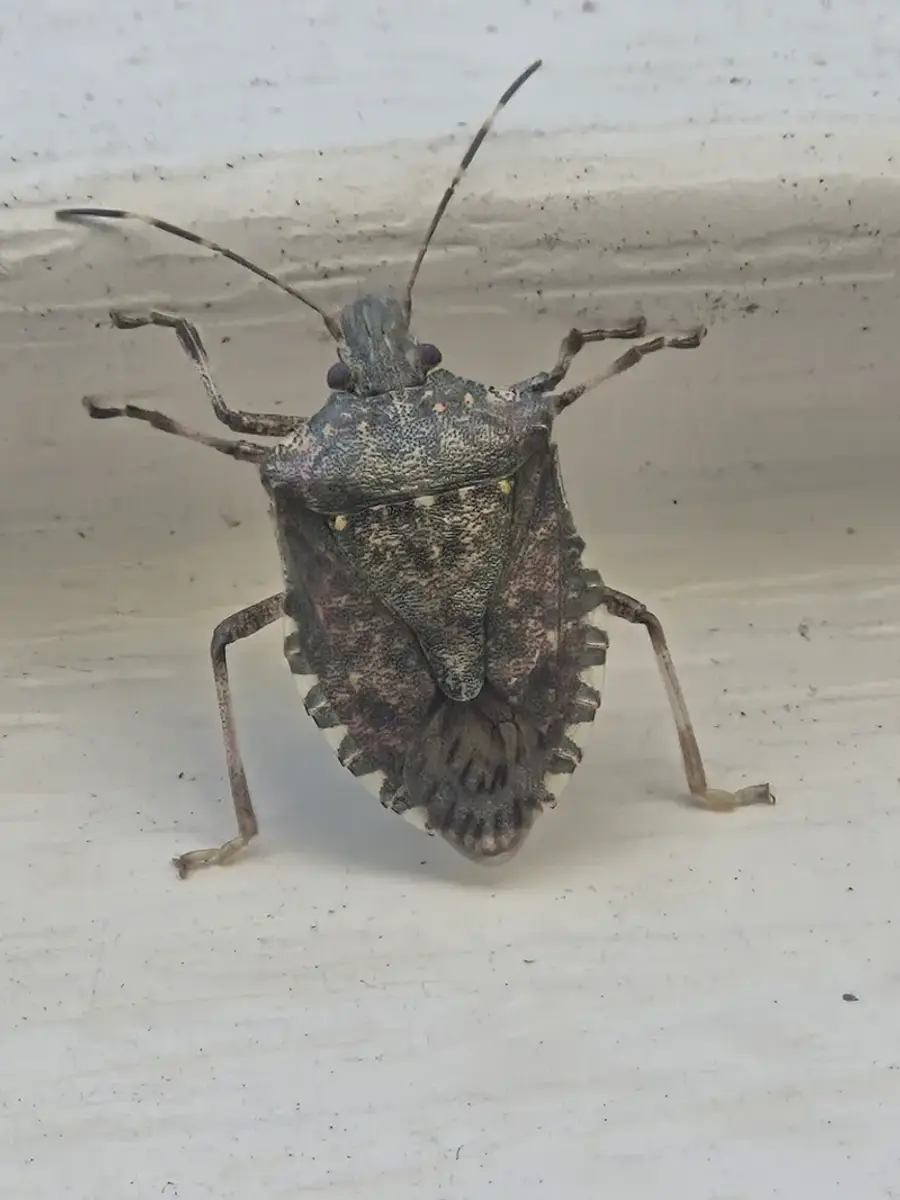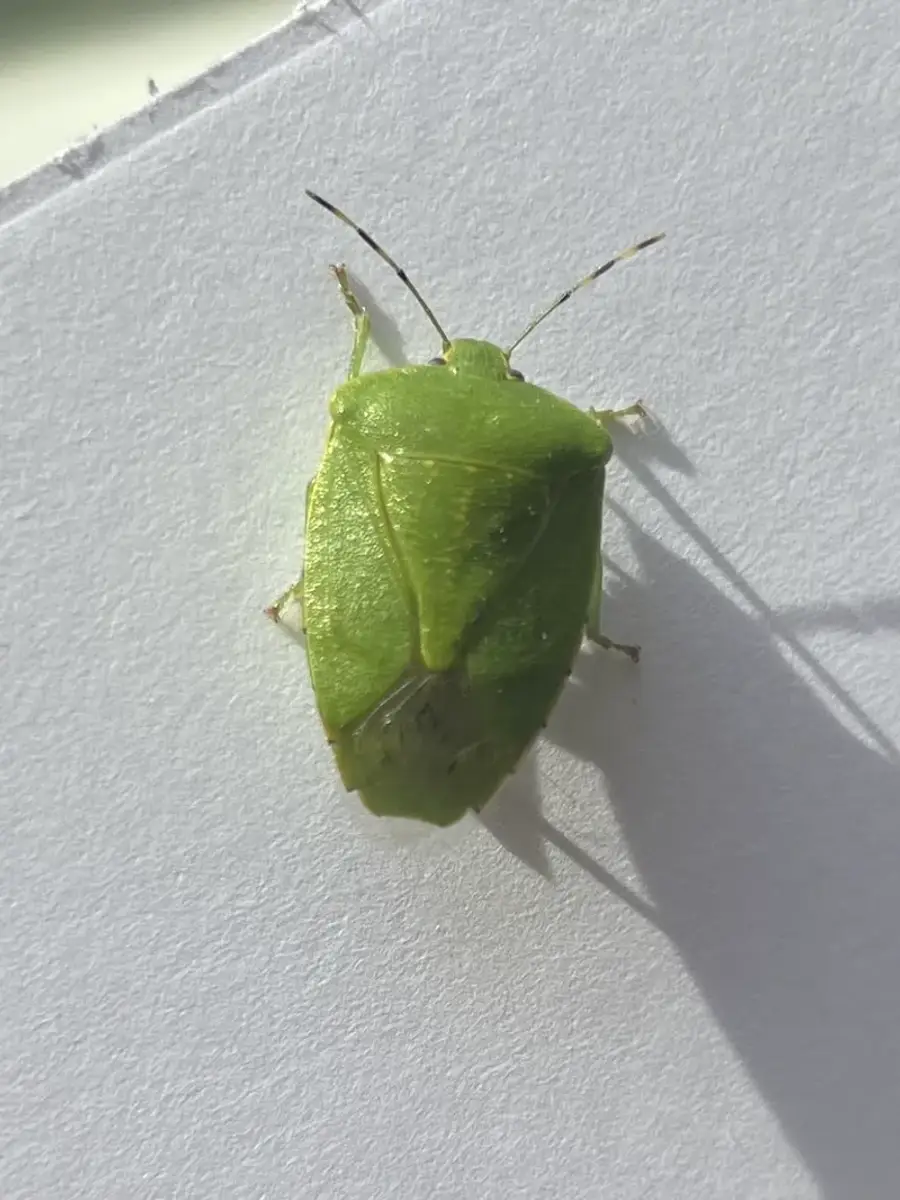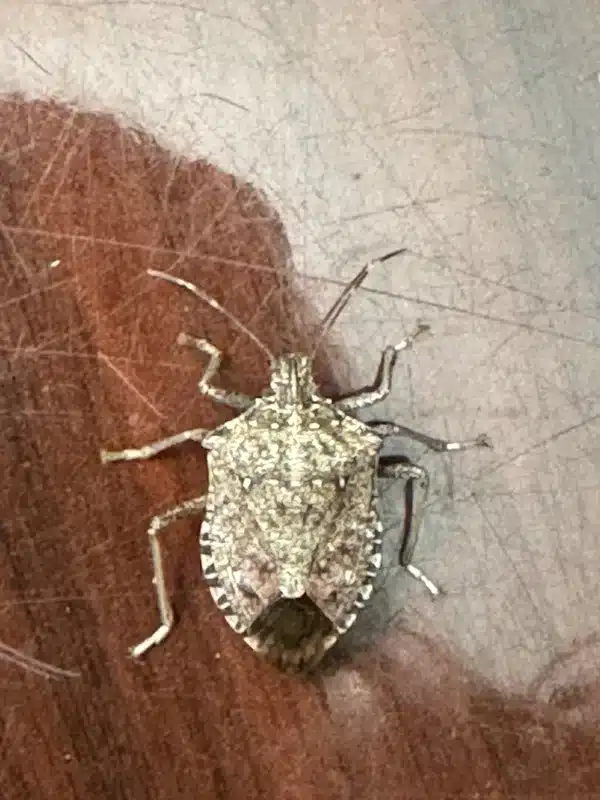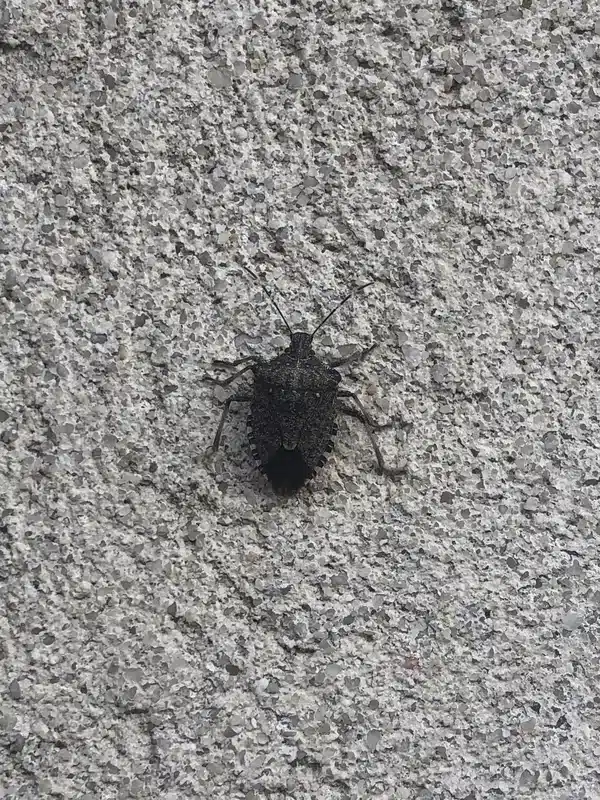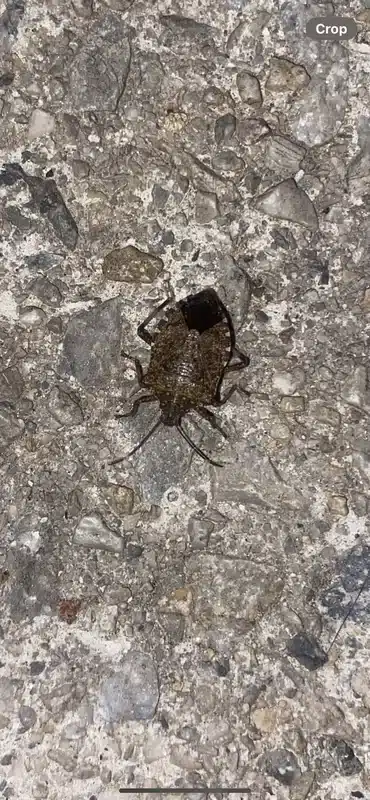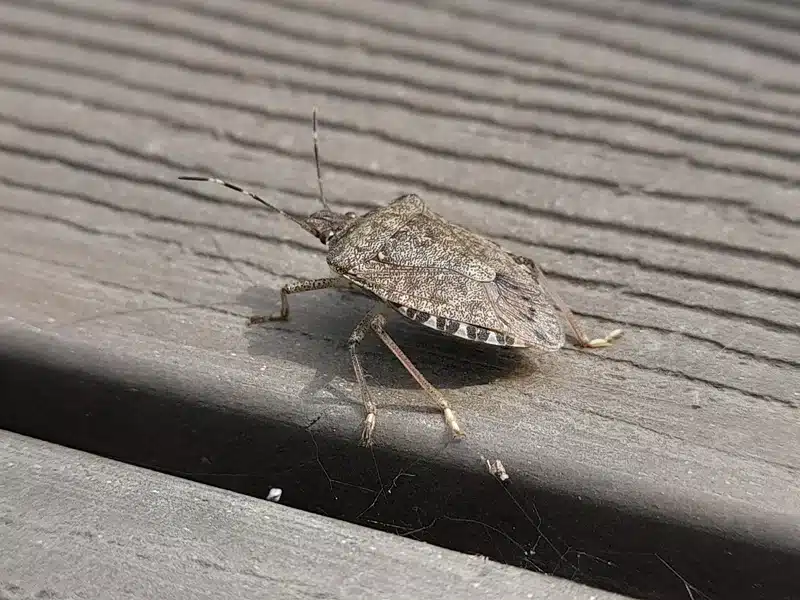
When you find mysterious shield-shaped bugs crawling around your Virginia or Maryland home, you might wonder exactly what you’re dealing with. Are they shield bugs or stink bugs? The answer might surprise you - these terms are often used for the same insects, but there are some important differences worth understanding.
After four years as a registered technician and seeing countless bug identification calls across the DMV area, I’ve learned that proper identification makes all the difference in effective management. Our family business has been serving this region for over 50 years, and shield bug vs stink bug confusion remains one of the most common questions we get from homeowners.
Understanding the Shield Bug vs Stink Bug Relationship
Here’s where things get interesting: “shield bug” and “stink bug” often refer to the same insects, just using different terminology. In British English, “shield bug” describes the broad family of bugs with that distinctive triangular shield shape on their backs. Americans typically call these same insects “stink bugs” because of their defensive odor.
Both terms describe insects in the superfamily Pentatomoidea, which includes several families. However, the most common home invaders in Virginia and Maryland belong to the family Pentatomidae - what we call true stink bugs.
The confusion comes from regional language differences and the fact that these bugs have multiple identifying features. Their shield-like appearance is obvious, but their smell is what most homeowners remember.
Key Physical Differences Between Bug Families
While many people use shield bug and stink bug interchangeably, there are actually some technical differences between related bug families that help with proper identification.
Leg Segments: The Most Reliable Identifier
The easiest way to distinguish between true stink bugs (Pentatomidae) and other shield-shaped bugs is by counting tarsal segments - the small sections on their feet. True stink bugs have three tarsal segments, while shield bugs in the family Acanthosomatidae have only two segments.
This might seem like a tiny detail, but it’s actually the most reliable way to tell these bug families apart. You’ll need a magnifying glass to see this clearly, but it’s worth checking if you’re curious about the exact species.
Body Shape and Coloration
True stink bugs typically have broader “shoulders” (called the pronotum) and more muted brown or green colors. Shield bugs in other families often show brighter greens and reds with somewhat narrower body shapes.
The triangular “shield” (scutellum) appears on both types, which is why the confusion exists. This distinctive marking is present across the entire superfamily, making it a shared characteristic rather than a distinguishing feature.
Odor Production: Why Stink Bugs Really Stink
The smell is probably what brought you to this article in the first place. When disturbed, these bugs release a defensive chemical spray that can fill a room with an unpleasant odor.
True stink bugs produce stronger odors than their shield bug relatives in other families. The chemicals responsible are primarily trans-2-decenal and trans-2-octenal, which create that distinctive smell people describe as cilantro-like, woody, or rancid almond.
What does the science say?
Research published in the Journal of Chemical Ecology identifies the primary defensive compounds as trans-2-decenal and trans-2-octenal. These aldehydes serve multiple functions beyond predator deterrence.
Studies show these chemicals provide antimicrobial protection for the bug’s exoskeleton, helping prevent fungal and bacterial infections. The scent gland system in Pentatomidae family insects is significantly more developed than in related families, explaining the intensity difference homeowners notice.
Shield bugs in the Acanthosomatidae family produce weaker odors because their scent gland systems are smaller. This makes odor intensity another practical way to distinguish between the families when you encounter them.
Common Stink Bug Species in Virginia and Maryland Homes
In our region, you’re most likely dealing with one of several specific species that regularly invade homes during certain seasons.
Brown Marmorated Stink Bug (BMSB)
This is the big troublemaker in our area. Brown marmorated stink bugs are invasive insects that have become the primary nuisance pest for Virginia and Maryland homeowners. They’re about the size of a dime (14-17mm) with a mottled brown “marble” pattern.
Key identifying features include distinctive L-shaped light bands on the 4th and 5th antennal segments, alternating light and dark banding on the outer wing margins, and coppery-blue metallic punctures on the shield area behind their head.
Native Stink Bug Species
We also see brown stink bugs (Euschistus servus) and green stink bugs (Chinavia hilare) in our area. These native species typically stay outdoors but occasionally wander inside during population peaks.
One important note: not all stink bugs are pests. The spined soldier bug is actually beneficial because it preys on harmful insects. You can identify it by the prominent “spines” on its shoulders and orange-brown legs.
| True Stink Bugs | Shield Bugs | |
|---|---|---|
| Tarsal Segments | 3 segments | 2 segments |
| Odor Intensity | Strong, persistent | Mild to moderate |
| Body Shape | Broader shoulders | Narrower profile |
| Common in Homes | BMSB, brown stink bug | Less common indoors |
Seasonal Stink Bug Activity Patterns
Understanding when these bugs become active helps explain why you’re suddenly seeing them in your home.
Spring Emergence and Dispersal
From mid-April through May, overwintered adults exit their hiding spots and begin dispersal flights. They can travel up to 6 kilometers per day searching for food and mates when temperatures consistently exceed 70°F.
This is when you might notice the first few bugs appearing in your home as they wake up from their winter hiding spots in wall voids, attics, or other protected areas.
Summer Development
During summer months, stink bugs go through five nymphal stages outdoors. New adults typically peak in late July through September, which coincides with increased sightings around homes.
Most of the summer activity happens outside as bugs feed on plants and reproduce. Indoor encounters during this period usually involve individual bugs that wandered in accidentally.
Fall Aggregation: Peak Home Invasion Season
Late summer and fall represent the worst time for home invasions. As daylight hours shorten and temperatures drop below 68°F, adult stink bugs begin seeking overwintering sites.
They aggregate on sun-lit southwest-facing walls during warm afternoons, then squeeze through surprisingly small gaps to reach protected indoor spaces. In our experience, this typically runs from August through October, with peak activity in September.
How Bugs Enter Your Home
These insects are surprisingly good at finding entry points. Most invasion occurs on west and south-facing walls where bugs bask in afternoon sunlight.
Any crack 3mm or larger provides sufficient space for entry. Common entry points include gaps around window and door trim, soffit areas, siding overlaps, utility penetrations, attic vents, ridge vents, and chimney caps.
Bugs are attracted to contrast areas where light siding meets dark trim. They climb walls following warm vertical lines and probe for crevices that lead to protected interior spaces.
Effective Stink Bug Management Strategies
Based on decades of experience serving Virginia and Maryland homeowners, exclusion remains the most effective long-term strategy for managing both shield bugs and stink bugs.
Pre-Entry Exclusion: Your Best Defense
The key is completing exclusion work before bugs start aggregating. For our region, this means finishing sealing work by mid-August for Virginia properties and early September for Maryland homes.
Focus on sealing exterior gaps with silicone or silicone-latex caulk, repairing damaged screens, and installing door sweeps with tight-fitting thresholds. Pay special attention to southwest-facing walls where aggregation typically begins.
Essential Prevention Steps
- Timing is Critical: Complete exclusion work by mid-August in Virginia, early September in Maryland
- Focus Areas: Southwest-facing walls where bugs aggregate in afternoon sunlight
- Seal Gaps: Use silicone caulk on any opening 3mm or larger around trim and penetrations
- Screen Maintenance: Repair damaged screens and install tight-fitting door sweeps
Indoor Response Options
If bugs are already inside, physical removal works better than chemical treatments. Use a handheld vacuum (though bagless units may retain odor) or knock bugs into soapy water.
Avoid crushing bugs near fabrics because the odor can stain and linger. A simple light trap using a desk lamp over a pan of detergent water works well in dark rooms at night.
Aerosol “bug bombs” and broad-spectrum indoor sprays aren’t recommended because they have limited reach and may create secondary problems with dead bugs in wall voids.
Professional Treatment Approaches
For severe infestations, registered technicians can apply exterior perimeter treatments using labeled pyrethroid materials. However, these applications provide relatively short-term protection (about 7 days of high mortality) and must be timed correctly.
The most effective professional approach combines exclusion work with targeted exterior treatments applied in late August, just before peak aggregation begins.
Prevention Through Landscape Management
Your property’s landscaping can either attract or discourage stink bug activity. Remove preferred host plants like tree-of-heaven (Ailanthus) that grow near your home’s foundation.
Relocate firewood piles and stacked lumber away from exterior walls. Additionally, maintain a tidy, low-vegetation zone 18-24 inches around your foundation to reduce climbing routes.
These cultural tactics won’t eliminate stink bugs entirely, but they reduce the likelihood of large aggregations forming directly against your home’s exterior.
Health and Safety Considerations
It’s important to understand that stink bugs don’t bite, sting, or breed indoors. The primary concern is odor and nuisance, not personal harm or structural damage.
Some people experience mild dermatitis or eye irritation from direct contact with the defensive chemicals, but serious reactions are uncommon. The bugs don’t carry diseases or damage building materials.
This perspective helps homeowners respond appropriately rather than panicking about what is essentially a temporary nuisance problem.
Why Professional Identification Matters
Proper identification ensures you’re using the right management approach. For example, beneficial predatory stink bugs like the spined soldier bug should be left alone because they help control actual pest species.
Additionally, some bugs that look like beneficial insects may actually be nuisance pests requiring different management strategies. Registered technicians can distinguish between pest and beneficial species, helping you avoid unnecessary treatments.
Our research team has eliminated 9 harsh chemicals common in the industry, focusing instead on targeted approaches that address specific pest issues without broad-spectrum impacts.
When to Call Professionals
Consider professional help if you’re seeing consistent indoor activity beyond just a few occasional bugs. Large numbers emerging from wall voids or continuous new arrivals typically indicate an established overwintering population.
Professional assessment can identify primary entry points you might miss and determine whether exclusion work alone will solve the problem or if additional treatments are needed.
Our licensed technicians also provide valuable seasonal timing advice, helping you prepare for next year’s potential invasions before they become problematic.
Regional Considerations for Virginia and Maryland
Climate differences between Virginia and Maryland affect seasonal timing. Maryland properties typically see peak aggregation behavior about 2-3 weeks later than Virginia locations due to slightly cooler temperatures.
Urban heat island effects in areas like Alexandria and Gaithersburg can extend active seasons, while rural properties may see more dramatic population swings based on surrounding agricultural activity.
Understanding these regional patterns helps homeowners time prevention efforts appropriately for their specific location.
After years of helping families across Virginia and Maryland deal with these seasonal invaders, the shield bug vs stink bug question often comes down to proper identification and timely prevention. Whether you call them shield bugs or stink bugs, the management approach remains focused on exclusion and targeted intervention when necessary.
If you’re dealing with persistent bug invasions or want professional assessment of your home’s vulnerability, our registered technicians can provide detailed inspection and customized management recommendations. Call us at 703-683-2000 or email us at info@bettertermite.com to discuss your specific situation and develop an effective prevention strategy for your property.
Frequently Asked Questions
Are shield bugs and stink bugs the same thing?
+
In most cases, yes. "Shield bug" and "stink bug" often refer to the same insects, just using different terminology. Shield bug is more common in British English, while Americans typically say stink bug. Both describe insects in the superfamily Pentatomoidea that have distinctive triangular shields on their backs.
How can I tell the difference between a stink bug and shield bug?
+
The most reliable way is counting tarsal segments on their feet - true stink bugs have three segments while some shield bug families have only two. Stink bugs also typically produce stronger odors and have broader shoulder areas. However, many people use these terms interchangeably for the same insects.
When do stink bugs invade homes in Virginia and Maryland?
+
Peak home invasion season runs from August through October, with September typically being the worst month. This is when adult stink bugs seek overwintering sites as temperatures drop and daylight hours shorten. They aggregate on sun-facing walls before finding entry points into protected indoor spaces.
Do all shield-shaped bugs produce bad smells?
+
Most do, but odor intensity varies by family and species. True stink bugs (Pentatomidae) produce the strongest smells, while shield bugs in other families like Acanthosomatidae typically have weaker odors. The smell serves as defense against predators and provides antimicrobial protection.
What's the best way to prevent stink bugs from entering my home?
+
Exclusion is the most effective approach. Seal exterior gaps larger than 3mm using silicone caulk, repair damaged screens, and install door sweeps. Complete this work by mid-August in Virginia or early September in Maryland, before peak aggregation season begins.
Are stink bugs dangerous to humans or pets?
+
No, stink bugs don't bite, sting, or breed indoors. They're primarily a nuisance pest. Some people may experience mild skin irritation or eye irritation from direct contact with their defensive chemicals, but serious reactions are uncommon. They don't carry diseases or damage building materials.
Should I use bug spray on stink bugs inside my house?
+
Physical removal works better than indoor chemical treatments. Use a vacuum or knock bugs into soapy water. Avoid crushing them near fabrics as the odor can stain and linger. Aerosol sprays and bug bombs have limited effectiveness and may create problems with dead bugs in wall voids.
How do I identify brown marmorated stink bugs specifically?
+
Look for distinctive L-shaped light bands on the 4th and 5th antennal segments, alternating light and dark banding on outer wing margins, and coppery-blue metallic punctures on the shield area. They're about dime-sized (14-17mm) with a mottled brown "marble" pattern and are the most common home invaders in our region.
Can beneficial stink bugs be mistaken for pests?
+
Yes, the spined soldier bug is a beneficial predatory species that's sometimes confused with pest stink bugs. You can identify it by prominent "spines" on its shoulders and orange-brown legs. This species should be left alone as it helps control actual pest insects in your yard.
Why do stink bugs seem to target certain sides of my house?
+
Stink bugs prefer west and south-facing walls because they bask in afternoon sunlight before seeking entry points. They're attracted to contrast areas where light siding meets dark trim and follow warm vertical surfaces when climbing walls to find crevices leading indoors.
With five years of hands-on experience in the pest control industry, George Schulz is a registered technician with the Virginia Pest Management Association and a proud third-generation professional in a family business that's been protecting homes for over 57 years. He manages and trains a team of service pros while also leading internal research efforts—recently spearheading a deep-dive review of thousands of documents on pest control materials to hand-pick the most kid and pet friendly, most effective solutions tailored specifically for homes in the DC metro area.