Raccoon Ticks Identification Guide
Ixodes texanus
Raccoon ticks are small parasitic arachnids that primarily feed on raccoons and other wildlife. They can transmit Rocky Mountain spotted fever, ehrlichiosis, and other diseases, though human encounters are rare.
Taxonomy
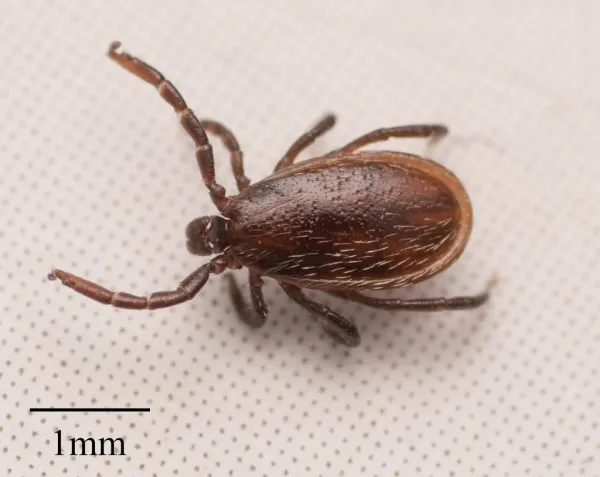
Raccoon Ticks Coloration
Common color patterns to help identify raccoon ticks
Raccoon Ticks
Seasonal Activity
When raccoon ticks are most active throughout the year

Where Raccoon Ticks Are Found
Hover over states to see their names. Green regions indicate where raccoon ticks have been reported.
Raccoon Tick Identification Guide
Physical Characteristics
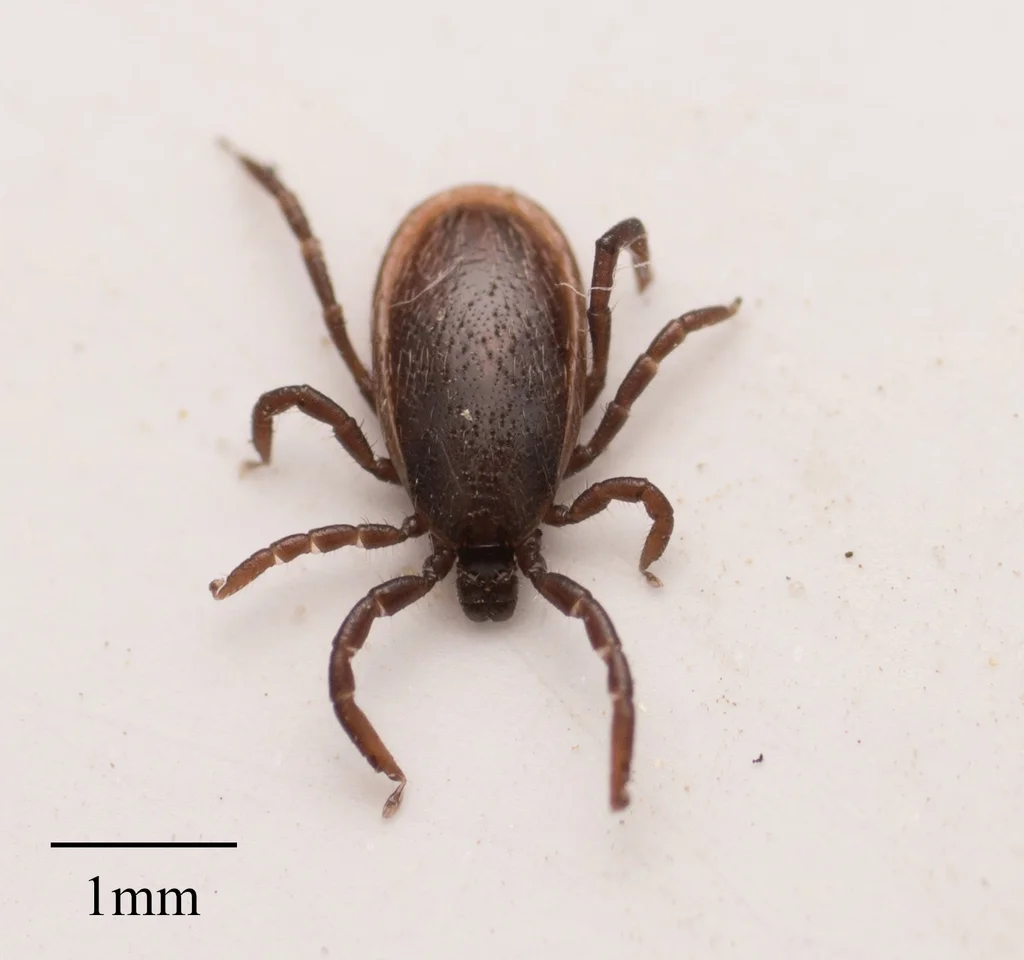
Raccoon ticks are small parasites in the genus Ixodes. Adults measure about 3 millimeters long, roughly the size of a sesame seed. Males are slightly smaller than females.
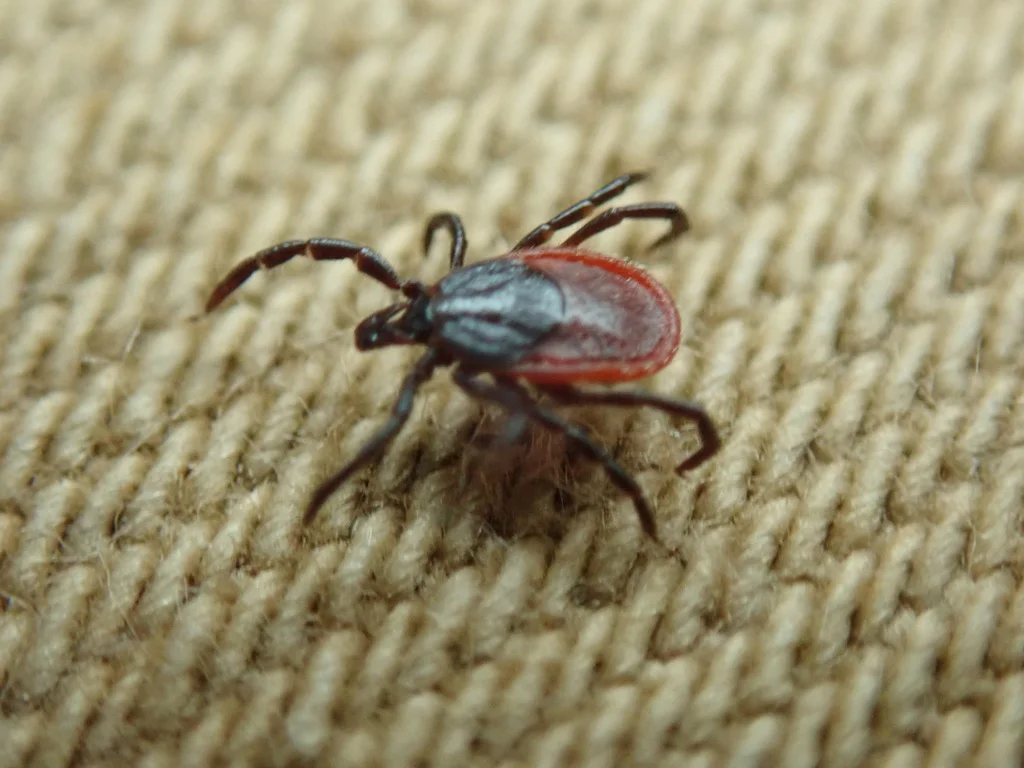
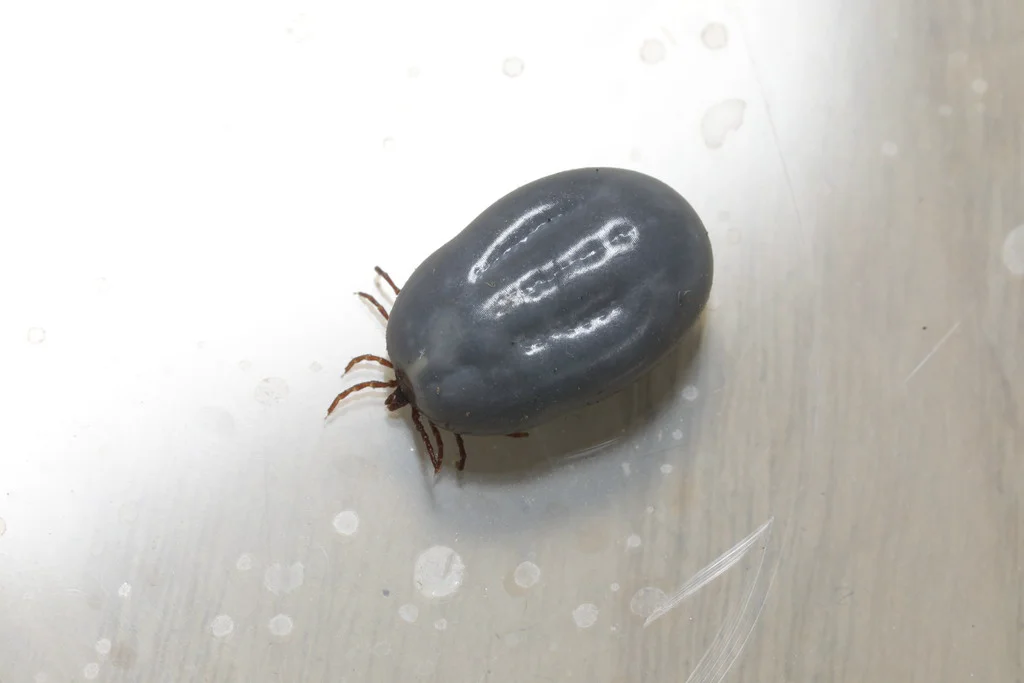
These ticks have a teardrop-shaped body that is flat when unfed. Adult females are reddish-brown to tan with a darker shield called a scutum on the back behind the head. The shield does not cover the entire back, which allows the body to expand when feeding. Males have a larger shield that covers more of the back.
Raccoon ticks have eight legs as adults and nymphs. Larvae have only six legs. They have no eyes and no festoons, which are the grooves found on some other tick species. Their mouthparts are long and extend forward from the head. These mouthparts anchor into the skin during feeding and can be difficult to remove.
How to Tell Raccoon Ticks Apart from Other Ticks
Raccoon ticks look very similar to other Ixodes species. Telling them apart often requires a microscope and expert knowledge. However, some clues can help narrow down the species.
Groundhog tick. This close relative looks nearly identical to the raccoon tick. Both are nidicolous, meaning they live in host burrows. Groundhog ticks prefer groundhogs as hosts while raccoon ticks prefer raccoons. Both can transmit serious diseases.
Deer tick. Also called the black-legged tick, this species has a similar two-tone appearance. Deer ticks are more likely to bite humans because they wait on vegetation for hosts rather than staying in animal dens. Deer ticks are the main carriers of Lyme disease in the eastern United States.
American dog tick. Larger than raccoon ticks with white or silver markings on the back. These ticks are more commonly found on dogs and in grassy areas.
Brown dog tick. Uniformly brown without the two-tone appearance. Mostly found on dogs and in kennels.
Raccoon Tick Behavior and Biology
Life Cycle
Raccoon ticks go through four life stages: egg, larva, nymph, and adult. Each stage after the egg requires a blood meal to grow to the next phase. The full life cycle can take one to two years depending on conditions and host availability.
Females drop off their host after feeding. They lay eggs and then die. Eggs hatch into six-legged larvae. The larvae find a host, feed for several days, then drop off and molt into eight-legged nymphs. Nymphs repeat this process, feeding and then molting into adults. Adults feed and mate, and the cycle continues.
What makes raccoon ticks different from many other tick species is where mating occurs. Most hard ticks mate on the host animal. Raccoon ticks are nidicolous and often mate on the ground in or near the host’s den or burrow. This behavior means they spend less time on hosts and more time in their environment.
Host Preferences
The raccoon tick gets its common name from its preferred host in the eastern United States. However, host preferences vary by region.
Eastern states. Raccoons are the primary host. These ticks are commonly found in raccoon dens and the areas around them. A related species, Dog Ticks, shares similar characteristics.
Western states. Weasels, badgers, skunks, and other small carnivores serve as primary hosts. Raccoons are less common hosts in these regions.
Other hosts. Raccoon ticks have been found on Virginia opossums, various rodents, rabbits, and occasionally domestic dogs and cats. Human bites are rare but can occur.
All three life stages of the raccoon tick can feed on the same host species. This is unusual among ticks, which often have different hosts for each life stage.
Habitat
Raccoon ticks are nidicolous, meaning they live in the nests, dens, and burrows used by their hosts. Unlike deer ticks that climb vegetation and wait for hosts to pass by, raccoon ticks stay close to where their hosts live and sleep.
You are most likely to encounter raccoon ticks in areas where raccoons or other host animals are present:
- Under decks and porches where raccoons may den
- In hollow trees and logs used as dens
- Around brush piles and debris where wildlife shelters
- Near outbuildings like sheds and barns that attract raccoons
Seasonal Activity
Raccoon tick activity varies by life stage and does not follow the same pattern as deer ticks.
Larvae. Most abundant in fall and winter months when they are seeking their first blood meal.
Nymphs. Peak activity in winter and spring after larvae have fed and molted.
Adults. Present year-round with varying levels of activity depending on region and climate.
This pattern differs from deer ticks, which are most active in spring and fall. Learn more about common tick species in our tick identification chart. The different timing relates to the raccoon tick’s nidicolous lifestyle. Living in protected dens and burrows, these ticks are less affected by outdoor temperature and humidity than ticks that live in open vegetation.
Health Risks and Diseases
Rocky Mountain Spotted Fever
Researchers have detected the bacteria that causes Rocky Mountain spotted fever in raccoon ticks. This disease is caused by Rickettsia rickettsii and can be serious if not treated promptly.
Symptoms of Rocky Mountain spotted fever include:
- Fever
- Headache
- Rash that often starts on wrists and ankles
- Muscle pain
- Nausea and vomiting
Early treatment with antibiotics is important. Without treatment, the infection can damage blood vessels and organs.
Ehrlichiosis
Ehrlichiosis is another bacterial disease that raccoon ticks may transmit. The bacteria infect white blood cells and can cause flu-like symptoms.
Symptoms include:
- Fever
- Headache
- Fatigue
- Muscle aches
- Chills
Like Rocky Mountain spotted fever, ehrlichiosis responds well to antibiotic treatment when caught early.
Raccoon Babesiosis
Raccoon ticks are known vectors of a parasite that causes babesiosis in raccoons. This disease infects red blood cells. While raccoon babesiosis primarily affects raccoons, related parasites can infect humans through bites from other tick species.
Medical Disclaimer: This information is for educational purposes only and is not medical advice. If you suspect a tick bite or experience symptoms of a tick-borne illness, consult a healthcare provider right away.
How We Treat for Ticks
Tick populations peak at different times depending on the species. Our treatments target ticks throughout the active season to reduce numbers on your property.
Granular treatments in March and November. We apply granules to wooded edges, landscaped areas, and property borders. This disrupts tick breeding before peak season and reduces ticks that survive through winter.
Topical sprays from April to October. We treat the ecotone of your property. This is the area where maintained lawn meets more natural terrain like woods or brush. Ticks concentrate in these transition zones as they wait for hosts.
Property assessment. Our technicians identify tick habitats and wildlife activity on your property. They recommend steps to reduce tick populations, such as clearing brush, removing debris that attracts wildlife, and creating barriers between wooded areas and living spaces.
Integrated approach. Tick control works best when combined with habitat modification and personal protection measures.
Prevention Tips for Homeowners
You can reduce your risk of tick encounters with these steps:
- Keep lawns mowed and remove leaf litter and brush piles
- Seal gaps under decks, porches, and sheds to discourage raccoon denning
- Remove food sources that attract raccoons, such as unsecured garbage and pet food
- Create a 3-foot barrier of wood chips or gravel between wooded areas and your yard
- Stack firewood in a dry area away from the house
- Check yourself, children, and pets for ticks after spending time outdoors
- Wear light-colored clothing to spot ticks more easily
- Use EPA-registered insect repellents when in tick-prone areas
- If raccoons are denning on your property, consider professional wildlife removal
References and Further Reading
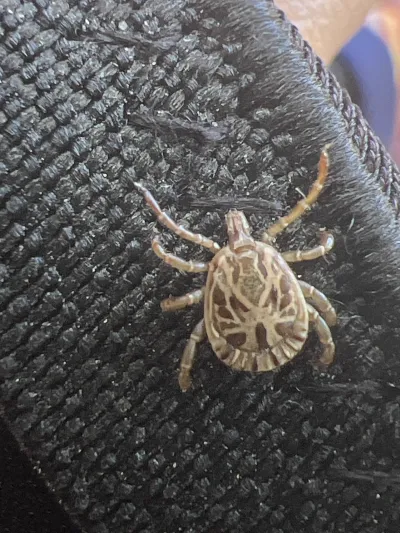
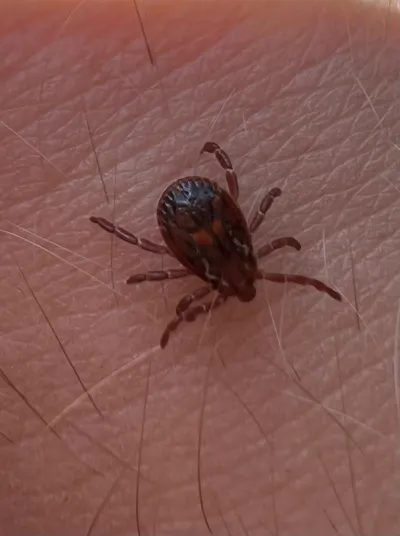
Other Ticks
Explore other species in the ticks family
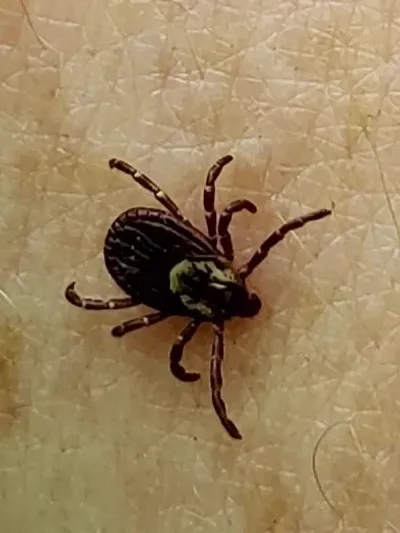
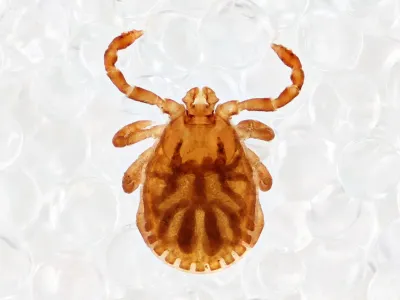
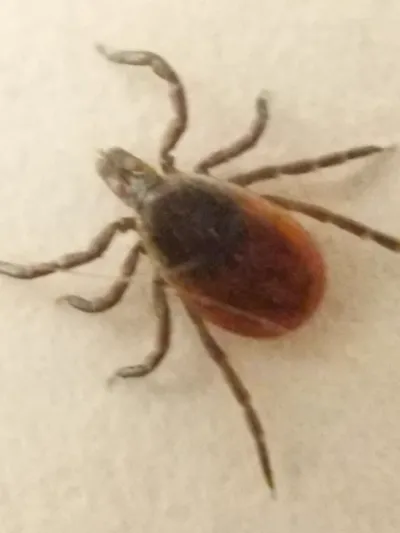
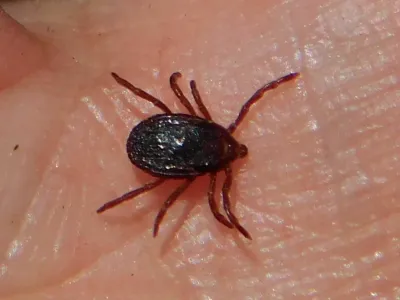
Commonly Confused With
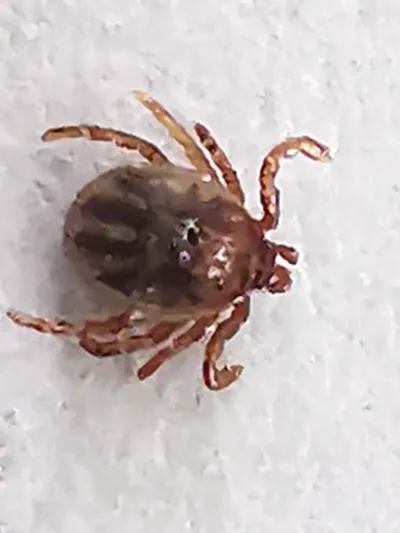
Raccoon Ticks are often mistaken for these similar pests
Where Raccoon Ticks Are Found
Hover over states to see their names. Green regions indicate where raccoon ticks have been reported.
Common Questions about Raccoon Ticks
What do raccoon ticks look like?
+
Raccoon ticks are small, about 1 to 3 millimeters long, similar to a sesame seed. Adults are reddish-brown to tan with a darker shield behind the head. They have eight legs and look very similar to deer ticks and groundhog ticks. A microscope is often needed to tell Ixodes species apart.
Do raccoon ticks bite humans?
+
Raccoon ticks rarely bite humans. They spend most of their time in animal dens and burrows where their hosts live. Unlike deer ticks that wait on plants for hosts, raccoon ticks are nidicolous, meaning they stay close to their host's living spaces.
What diseases do raccoon ticks carry?
+
Raccoon ticks can carry the bacteria that cause Rocky Mountain spotted fever, ehrlichiosis, and raccoon babesiosis. However, human infections from raccoon ticks are rare because these ticks seldom bite people.
Where are raccoon ticks found?
+
Raccoon ticks are found across much of the United States, southern Canada, and parts of Mexico. In the eastern states, they primarily feed on raccoons. In western states, they often feed on weasels, badgers, and skunks. They live in or near the dens and burrows of their host animals.
How are raccoon ticks different from deer ticks?
+
Raccoon ticks and deer ticks belong to the same genus and look very similar. The main differences are their hosts and habitats. Raccoon ticks prefer raccoons and stay in animal dens, while deer ticks feed on many animals and wait on vegetation to find hosts. Deer ticks are the main carriers of Lyme disease; raccoon ticks are not.
When are raccoon ticks most active?
+
Raccoon tick activity varies by life stage. Larvae are most abundant in fall and winter. Nymphs peak in winter and spring. Adults are active year-round but with varying intensity depending on the season and region.
How does your tick treatment work?
+
We apply granular treatments in early spring and late fall to stop tick breeding before peak season. From April through October, we spray the edges of your property where your lawn meets wooded or natural areas, targeting where ticks are most active.

With five years of hands-on experience in the pest control industry, George Schulz is a registered technician with the Virginia Pest Management Association and a proud third-generation professional in a family business that's been protecting homes for over 57 years. He manages and trains a team of service pros while also leading internal research efforts—recently spearheading a deep-dive review of thousands of documents on pest control materials to hand-pick the most kid and pet friendly, most effective solutions tailored specifically for homes in the DC metro area.