Pacific Coast Tick Identification Guide
Dermacentor occidentalis
The Pacific Coast tick is a hard-bodied tick found in California, Oregon, and northern Mexico. It transmits Rocky Mountain spotted fever, Pacific Coast tick fever, tularemia, and can cause tick paralysis in livestock.
Taxonomy
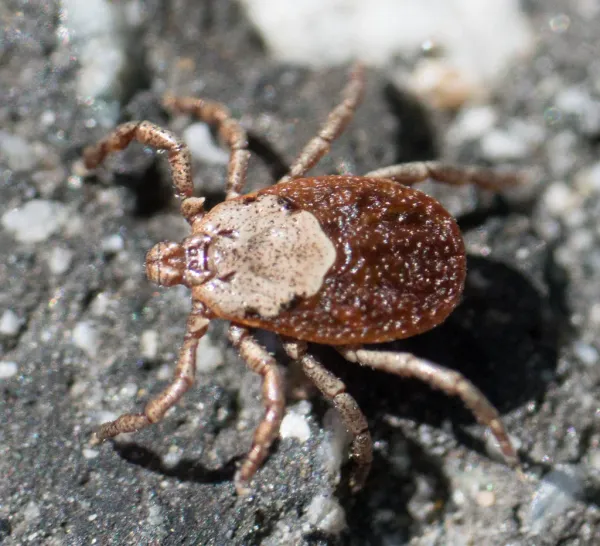
Pacific Coast Tick Coloration
Common color patterns to help identify pacific coast tick
Pacific Coast Tick
Seasonal Activity
When pacific coast tick are most active throughout the year

Where Pacific Coast Tick Are Found
Hover over states to see their names. Green regions indicate where pacific coast tick have been reported.
Pacific Coast Tick Identification Guide
Physical Characteristics
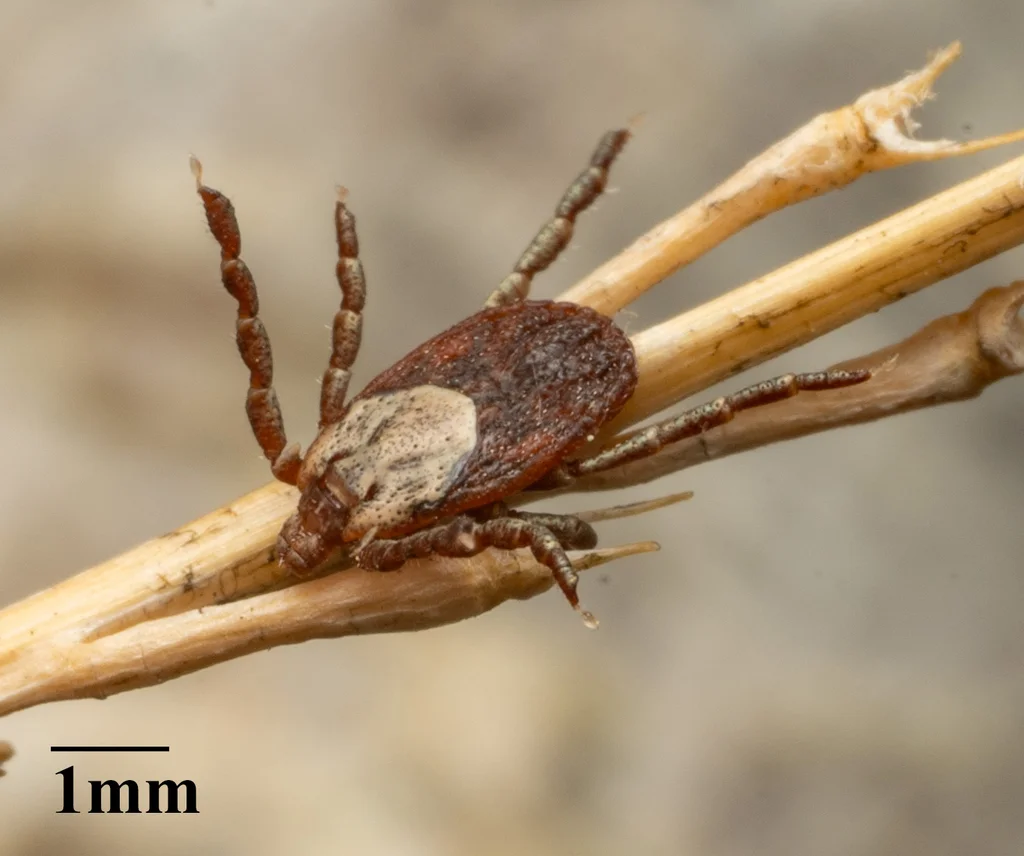
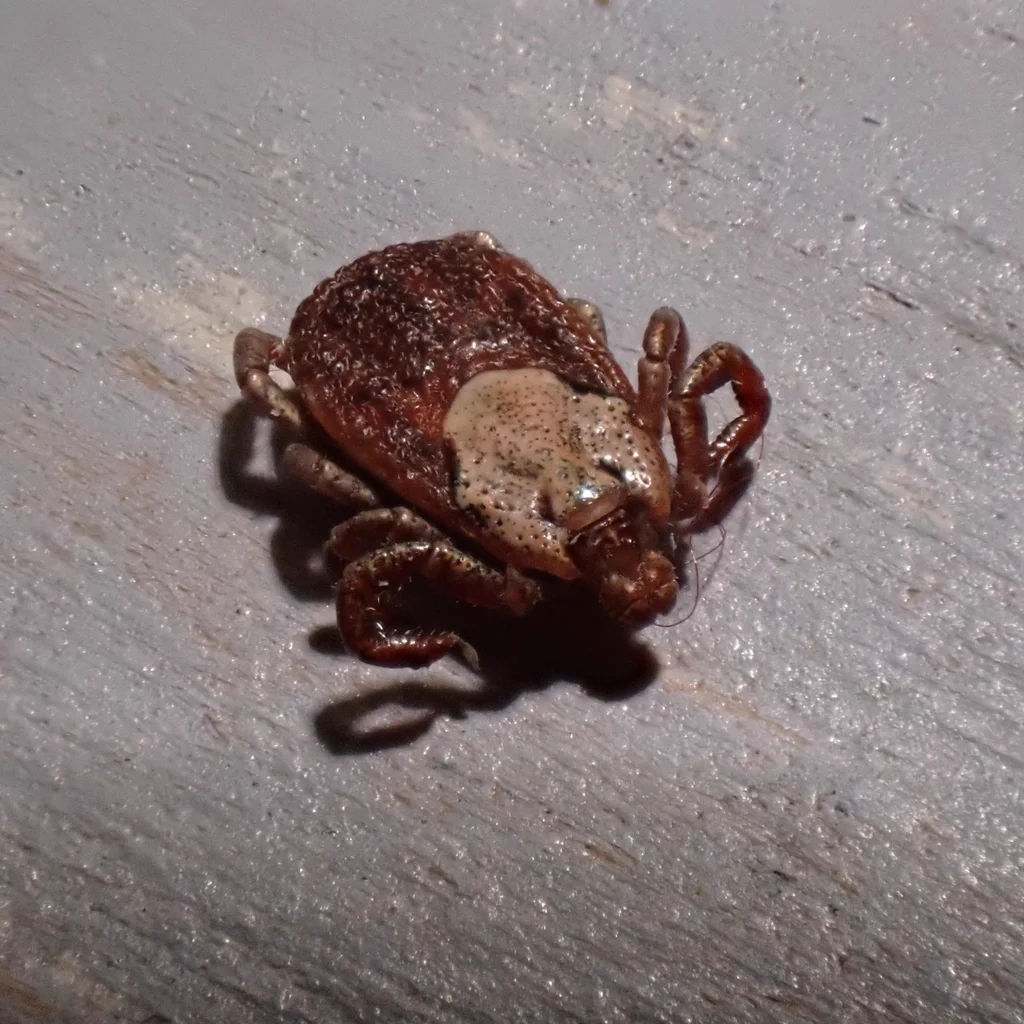
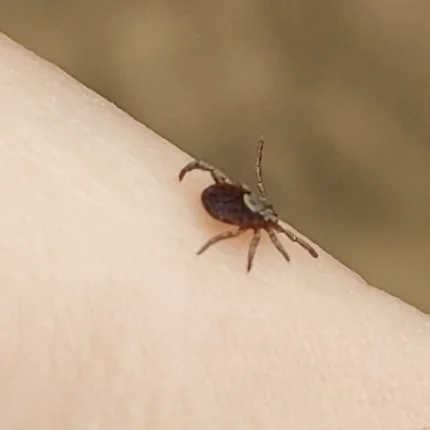
The Pacific Coast tick (Dermacentor occidentalis) is a hard-bodied tick. Adults have a reddish-brown body with a grayish-white shield behind the head. This shield is called a scutum. The coloring helps tell them apart from other ticks in their area.
Adult females are 3 to 4 millimeters long when unfed. After a full blood meal, they can grow to 12 millimeters or more. Males are a bit smaller. The male’s shield covers the whole back, but the female’s shield only covers the front part. Both have eight dark brown legs.
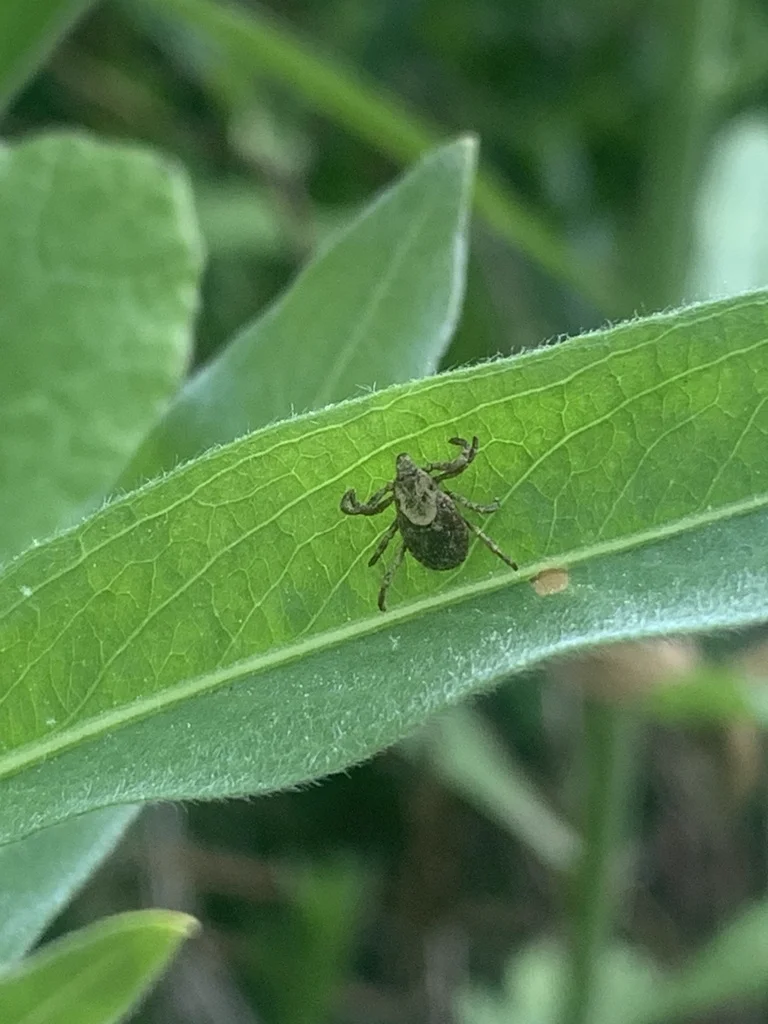
Nymphs are about 1 to 2 millimeters long, about the size of a poppy seed. Larvae are tiny, under 1 millimeter, and have only six legs. Young ticks do not have the fancy markings that adults do, but they share the same brown color.
Like other hard ticks, Pacific Coast ticks have mouthparts that stick out from the front of the body. These mouthparts dig into the skin during feeding. This makes them hard to remove if you do not do it right.
How to Tell Pacific Coast Ticks Apart from Other Ticks
Several tick species look alike. Here are the key differences:
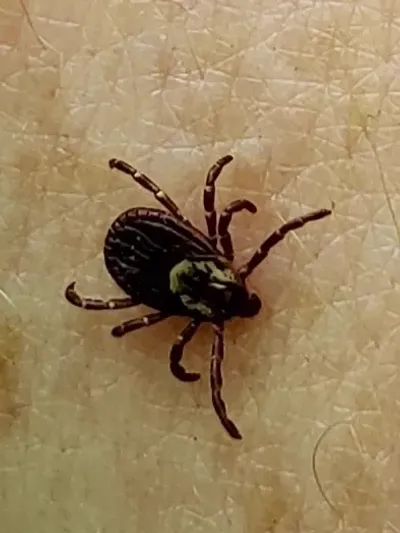
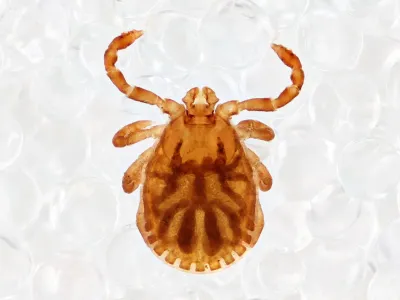
- American dog tick: Found in the eastern and central U.S. Has similar markings but lives in different areas.
- Rocky Mountain wood tick: Lives in the Rocky Mountain states. Looks similar but prefers different habitat.
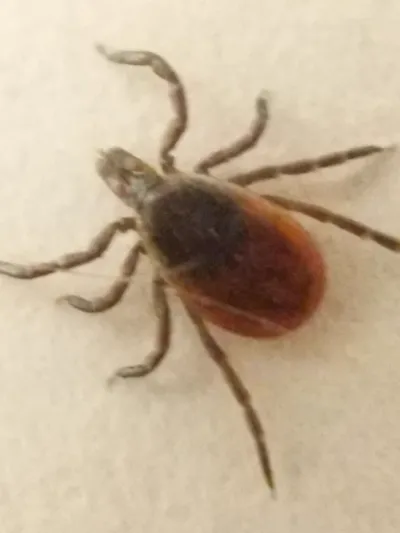
- Brown dog tick: Solid reddish-brown with no fancy markings. Often found indoors and mostly feeds on dogs.
- Western black-legged tick: Smaller with solid dark coloring and a reddish body. Does not have the patterned shield.
You can identify Pacific Coast ticks by their location along the West Coast and their grayish-white markings. Our tick identification chart can help you compare this species with others.
Pacific Coast Tick Behavior and Biology
Life Cycle
Pacific Coast ticks go through a three-host life cycle that takes two to three years. Each stage after the egg needs a blood meal before moving to the next stage.
Female ticks lay thousands of eggs in leaf litter and soil in spring. The eggs hatch into six-legged larvae within a few weeks. Larvae climb onto low plants and wait for small animals like mice, squirrels, and rabbits. After feeding for several days, larvae drop off and molt into eight-legged nymphs.
Nymphs look for medium-sized hosts like ground squirrels, rabbits, and sometimes larger animals. After their blood meal, nymphs molt into adults. Adult Pacific Coast ticks prefer large mammals. Deer are their main hosts. Cattle, horses, dogs, and humans can also be hosts.
Seasonal Activity Patterns A related species, Dog Ticks, shares similar characteristics.
Adult Pacific Coast ticks are active at different times than most other ticks. Adults are most active from November through June. This means they stay active in cooler months when other ticks go dormant. Peak adult activity happens in spring, usually March through May.
Larvae and nymphs are most active in warmer months, from June through September. Nymphs seem to spread Rickettsia philipii to people more often than adults do. Late summer is the peak time for Pacific Coast tick fever.
Habitat Preferences
Pacific Coast ticks live in certain types of areas along the Pacific coast:
- Chaparral and coastal scrub
- Grasslands with scattered brush
- Oak woodland edges
- Trail edges and deer paths
- Areas where yards meet wild land
They do not live in thick forests or dry deserts. They prefer places where different habitats meet. These ticks wait on grasses and low shrubs with their front legs out. This is called questing. When a host walks by, they grab on and start looking for a place to feed.
Health Risks and Diseases
Pacific Coast ticks carry germs that can make people and animals sick. Knowing these risks helps you take the right steps when spending time in tick areas.
Rocky Mountain Spotted Fever
Despite its name, Rocky Mountain spotted fever happens all over the Americas. Pacific Coast ticks can spread Rickettsia rickettsii, the bacteria that cause this serious illness. Symptoms usually show up 2 to 14 days after a bite. They include high fever, bad headache, and a spotted rash that often starts on the wrists and ankles. Early treatment with antibiotics is key because this disease can be deadly.
Pacific Coast Tick Fever
Pacific Coast tick fever comes from Rickettsia philipii, a bacteria similar to the one that causes Rocky Mountain spotted fever. The first human case was confirmed in 2008. This disease seems to be growing more common in California.
The main symptom is an eschar. This is a dark scab that forms where the tick bit you. Patients also get fever, headache, and muscle pain. Most cases happen in late summer. This suggests that nymphs spread the bacteria more often than adult ticks. Antibiotics work well when doctors catch it early.
Tularemia
Pacific Coast ticks can spread Francisella tularensis, the bacteria that cause tularemia. This disease causes fever, skin sores at the bite spot, and swollen lymph nodes. Doctors treat tularemia with antibiotics.
Colorado Tick Fever
This viral disease causes fever, headache, and muscle aches. It is less common than bacterial infections, but Pacific Coast ticks can carry it. Most patients get better on their own, though it may take several weeks.
Tick Paralysis
Pacific Coast ticks can cause tick paralysis in livestock like cattle, horses, and deer. A toxin in the tick’s spit causes weakness that starts in the legs and can affect breathing. Unlike infections, tick paralysis goes away fast once you remove the tick. Human cases are rare but have happened.
Medical Disclaimer: This content is for learning only. It is not medical advice. If you have symptoms after a tick bite or find a tick on you, see a doctor. Save the tick in a sealed bag so it can be checked.
Treatment Methods for Pacific Coast Ticks
Pacific Coast ticks are not found in the Mid-Atlantic area. The following methods describe how tick control typically works in areas where these ticks live.
Good tick control targets the areas where ticks wait for hosts. The zone between your yard and wild areas has the most ticks. This edge habitat gives ticks the moisture they need and puts them close to wildlife hosts.
Tick control programs usually combine these methods:
- Habitat changes: Clearing leaf litter, cutting back plants, and making barriers between yards and wild areas lowers tick numbers
- Targeted treatments: Granular and liquid products applied to high-risk areas reduce tick numbers during busy seasons
- Host control: Lowering rodent numbers and keeping deer away cuts off the animals that ticks need to survive
For homes in Pacific Coast tick areas, timing matters. Since adults stay active through winter, fall and early spring treatments may be more useful than in other regions.
Prevention Tips
You can protect yourself from Pacific Coast ticks with some simple steps:
- Stay on cleared trails when hiking in brushy or grassy areas
- Wear light-colored clothes so you can spot ticks more easily
- Tuck pants into socks and shirts into pants
- Use EPA-registered tick repellents with DEET, picaridin, or IR3535 on bare skin
- Treat clothes and gear with permethrin for lasting protection
- Check yourself, family, and pets well after being outside
- Shower within two hours of coming indoors to wash off loose ticks
- Look over gear and clothes before bringing them inside
If you find a tick attached to your skin, remove it right away with fine-tipped tweezers. Grab the tick close to the skin and pull straight up with steady pressure. Clean the bite with rubbing alcohol or soap and water. Watch for signs of illness over the next few weeks.
References and Further Reading
- CDC - Where Ticks Live
- Epidemiology and Prevention of Tick-Borne Diseases in California (PDF)
- The Eco-epidemiology of Pacific Coast Tick Fever in California - PLOS
- Pacific Coast Tick Fever - PubMed
- Napa County Mosquito Abatement District - Pacific Coast Tick
- TickSafety.com - Pacific Coast Tick
- PacVec - Ticks of the Pacific Southwest
Other Ticks
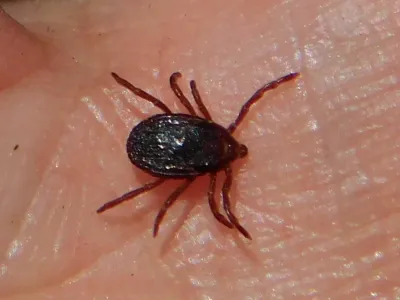
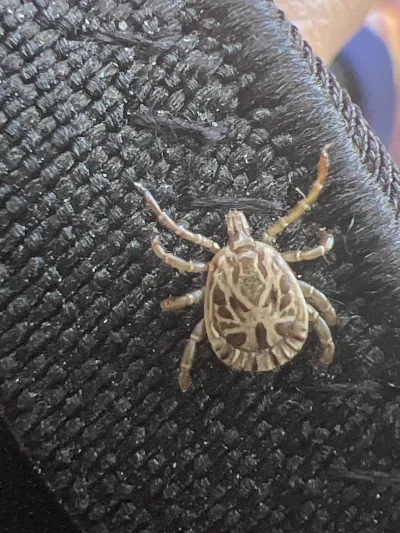
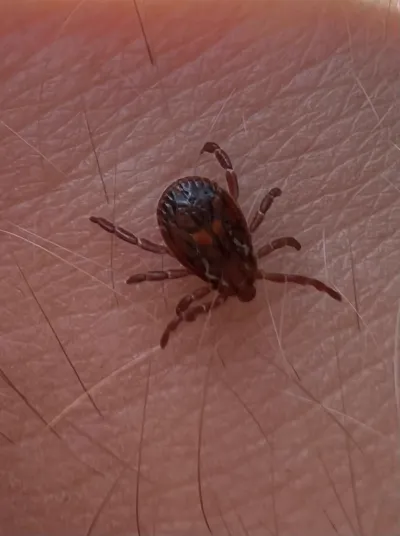
Explore other species in the ticks family
Commonly Confused With
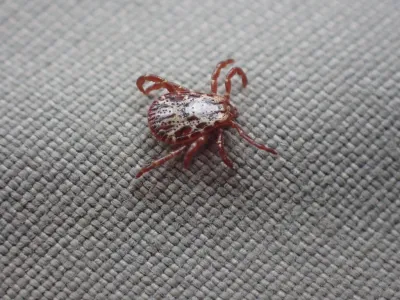
Pacific Coast Tick are often mistaken for these similar pests
Where Pacific Coast Tick Are Found
Hover over states to see their names. Green regions indicate where pacific coast tick have been reported.
Common Questions about Pacific Coast Tick
How do I identify a Pacific Coast tick?
+
Pacific Coast ticks have a reddish-brown to brown body with a grayish-white scutum (shield) behind the head. Adults measure 3 to 6 millimeters unfed. Females have a smaller shield than males. Both sexes have ornate markings on their backs that help distinguish them from other tick species.
What diseases do Pacific Coast ticks carry?
+
Pacific Coast ticks transmit Rocky Mountain spotted fever, Pacific Coast tick fever (caused by Rickettsia philipii), tularemia, and Colorado tick fever virus. They have also been found carrying the bacteria that cause Q fever. Additionally, they can cause tick paralysis in cattle, horses, and deer.
Where are Pacific Coast ticks found?
+
Pacific Coast ticks live primarily in California, southern Oregon, and northern Baja California, Mexico. They prefer shrublands, chaparral, grasslands, and areas along hiking trails. They are most common in brushy terrain where wildlife travels.
When are Pacific Coast ticks most active?
+
Adult Pacific Coast ticks are most active from November through June, with peak activity in spring. Larvae and nymphs are most active from June through September. Unlike some tick species, adults can be found during cooler months.
What is Pacific Coast tick fever?
+
Pacific Coast tick fever is caused by Rickettsia philipii bacteria transmitted through Pacific Coast tick bites. Symptoms include fever, headache, and a distinctive black scab called an eschar at the bite site. Most cases occur in late summer when nymphs are active.
Can Pacific Coast ticks cause tick paralysis?
+
Yes, Pacific Coast ticks can cause tick paralysis, particularly in cattle, horses, and deer. This condition results from a neurotoxin in the tick's saliva. Symptoms include weakness and loss of coordination. Removing the tick usually leads to rapid recovery.
How can I protect myself from Pacific Coast ticks?
+
When hiking in Pacific Coast tick habitat, stay on cleared trails, wear long pants tucked into socks, and use EPA-registered tick repellents. Check yourself thoroughly after being outdoors. These ticks often attach to the head, neck, and underarm areas.

With five years of hands-on experience in the pest control industry, George Schulz is a registered technician with the Virginia Pest Management Association and a proud third-generation professional in a family business that's been protecting homes for over 57 years. He manages and trains a team of service pros while also leading internal research efforts—recently spearheading a deep-dive review of thousands of documents on pest control materials to hand-pick the most kid and pet friendly, most effective solutions tailored specifically for homes in the DC metro area.