Lone Star Ticks Identification Guide
Amblyomma americanum
Lone star ticks are aggressive blood-feeding parasites named for the distinctive white spot on the female's back. They spread ehrlichiosis, tularemia, and can trigger alpha-gal syndrome, a red meat allergy.
Taxonomy
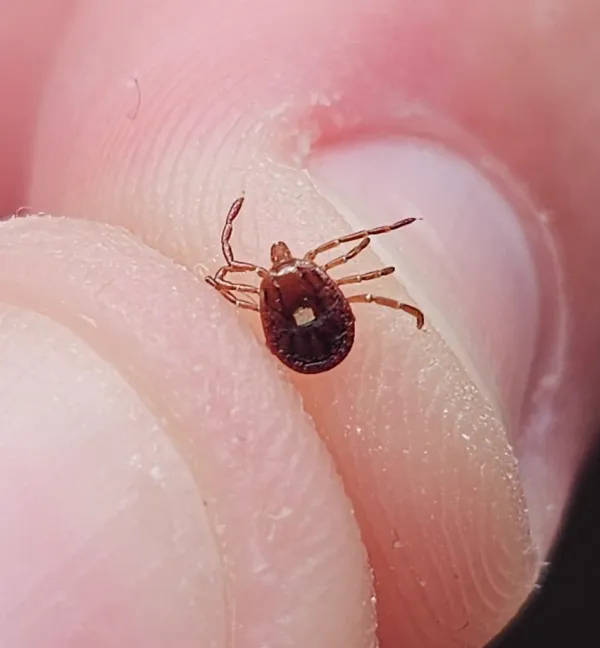
Lone Star Ticks Coloration
Common color patterns to help identify lone star ticks
Lone Star Ticks
Seasonal Activity
When lone star ticks are most active throughout the year
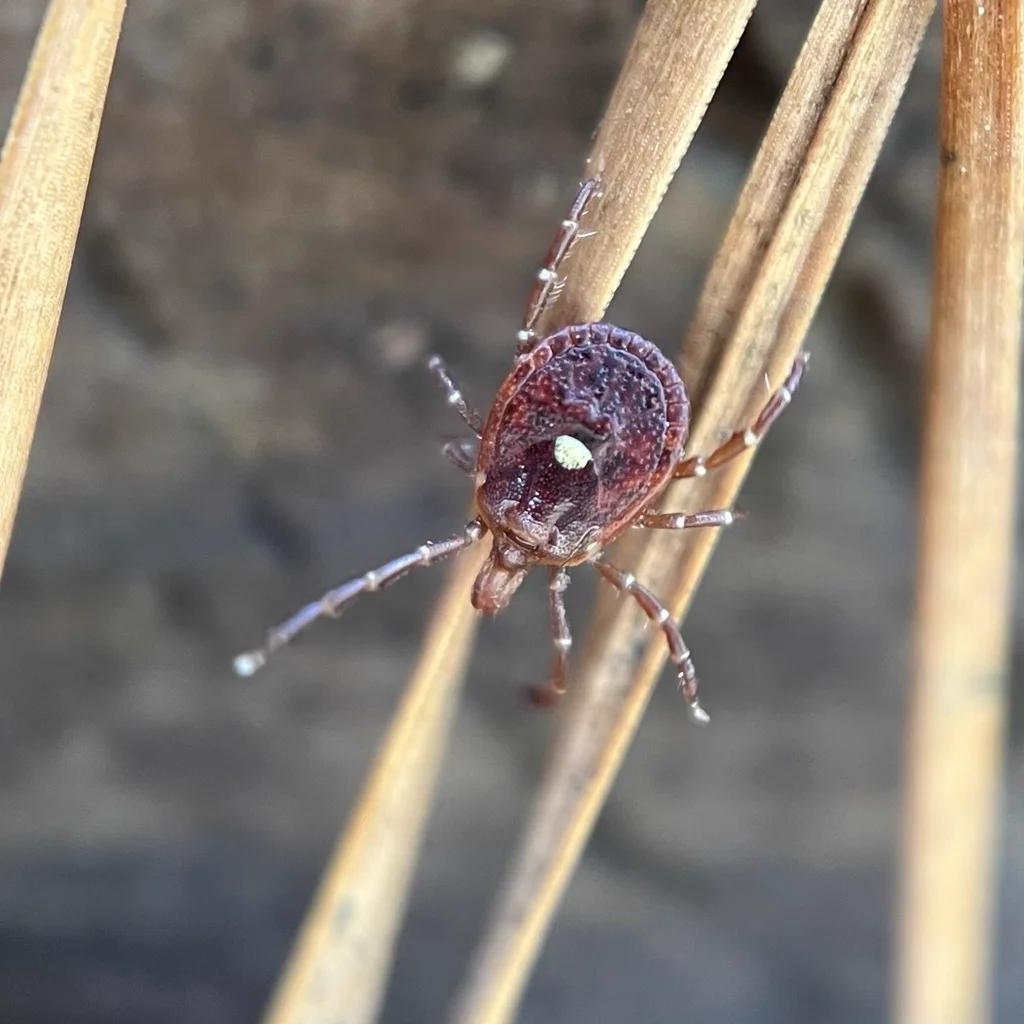
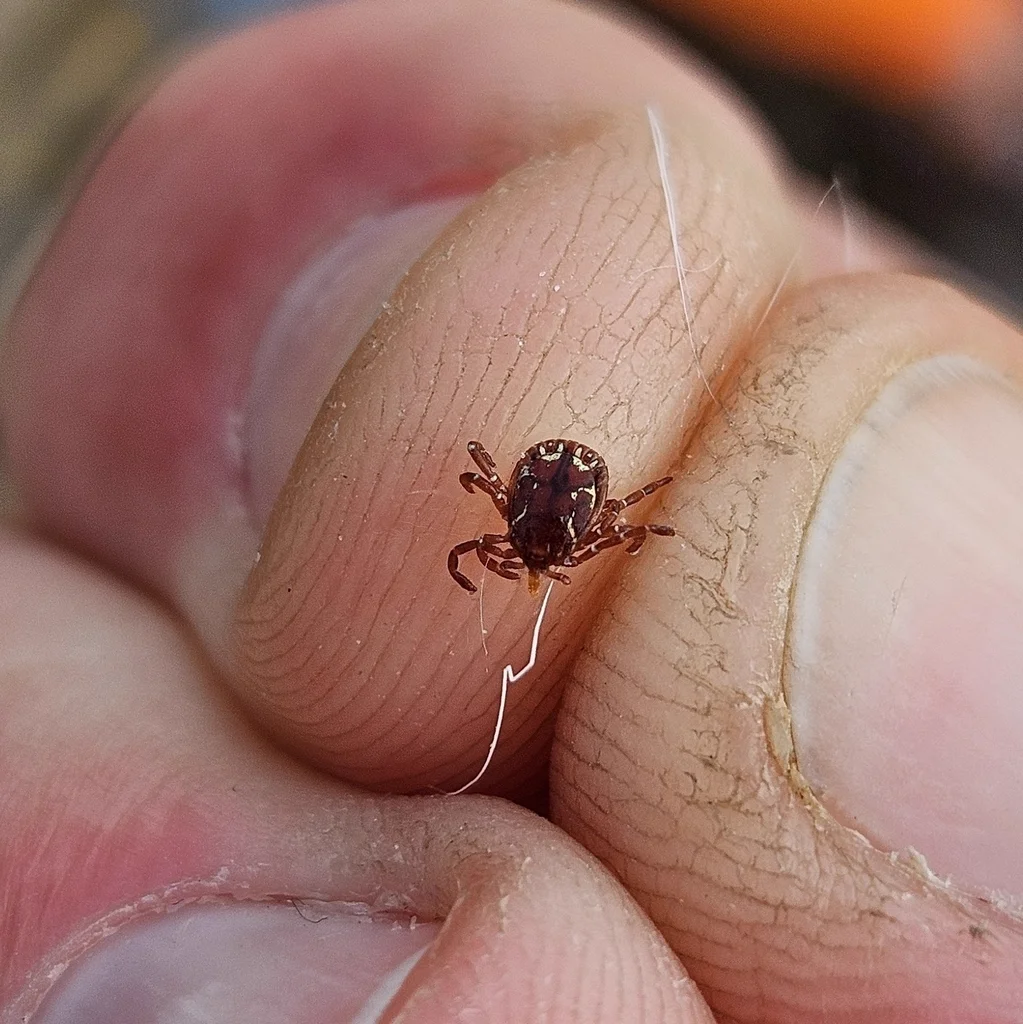
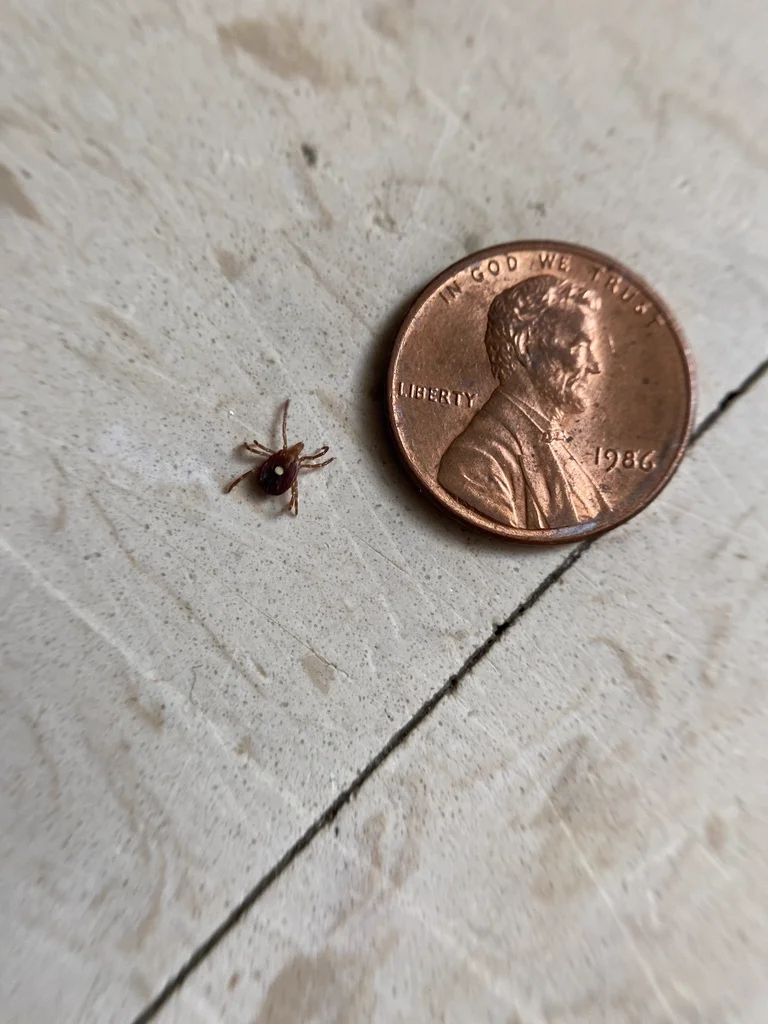

Where Lone Star Ticks Are Found
Hover over states to see their names. Green regions indicate where lone star ticks have been reported.
Lone Star Tick Identification Guide
Physical Characteristics
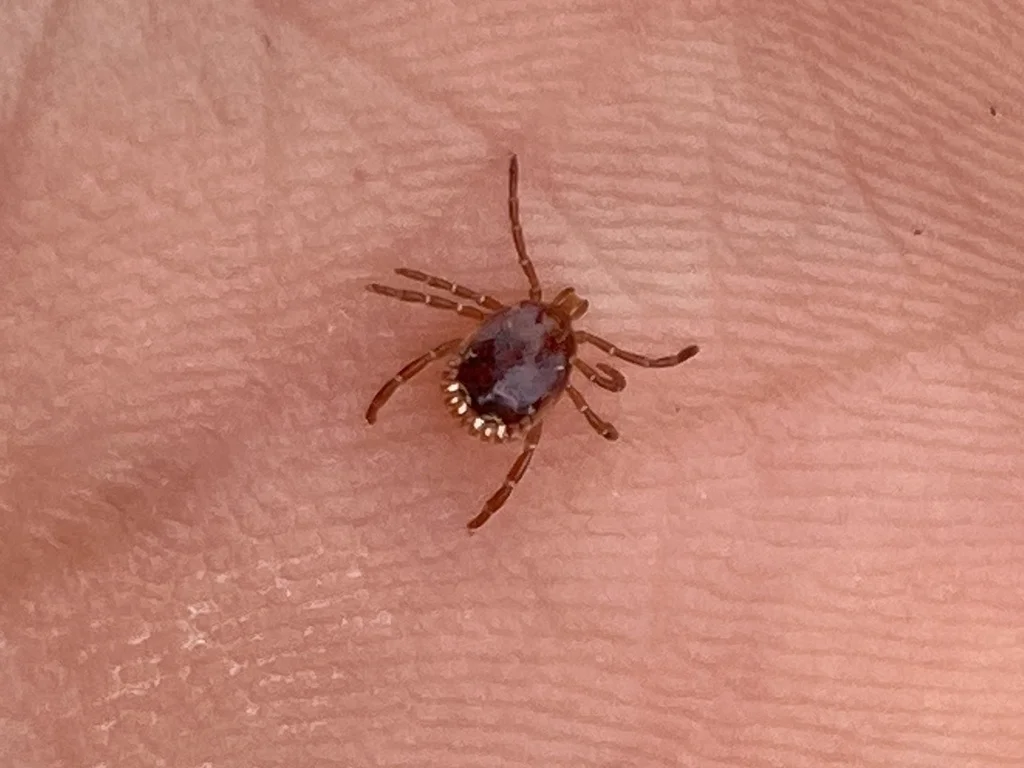
Lone star ticks (Amblyomma americanum) are medium-sized ticks named for the single white spot found on the back of adult females. This marking looks like a lone star and makes female lone star ticks easy to identify. Their bodies are reddish-brown to tan and become darker when engorged with blood.
Adult females measure 3 to 4 millimeters unfed and can swell to 10 millimeters or more after a full blood meal. Males are slightly smaller and lack the prominent white spot. Instead, males have faint white or yellowish markings scattered along the edges of their body.
Nymphs are about 1 to 2 millimeters, roughly the size of a pinhead. Larvae are tiny specks less than 1 millimeter. You can barely see them. Both young stages lack the white spot but share the reddish-brown color of adults.
Like all ticks, lone star ticks have eight legs as adults and nymphs, while larvae have six. They have elongated mouthparts that anchor firmly into the skin during feeding.
How to Tell Lone Star Ticks Apart from Other Ticks
Several tick species look similar at first glance. Here are key differences:
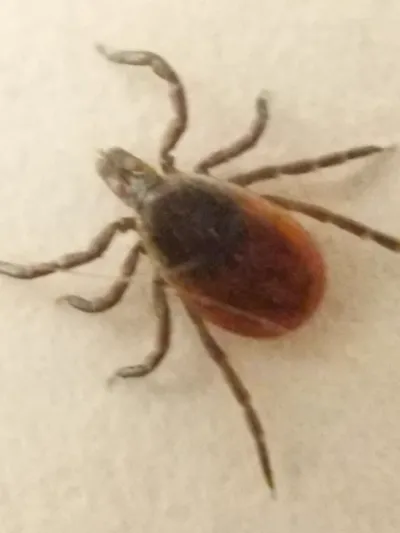
- Deer tick (black-legged tick): Smaller with a two-tone look. Has dark legs and a reddish-orange body with a dark shield near the head. No white spot.
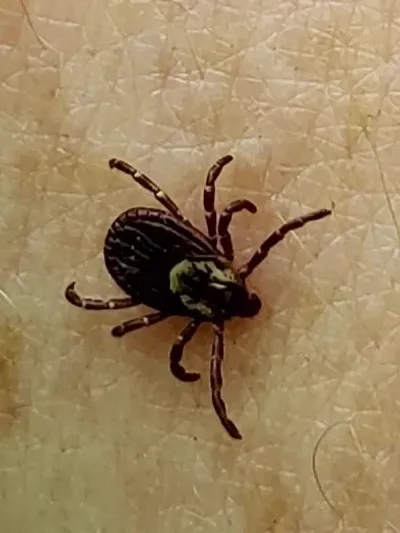
- American dog tick: Larger with white or silver markings on the back. Females have a large white shield behind the head.
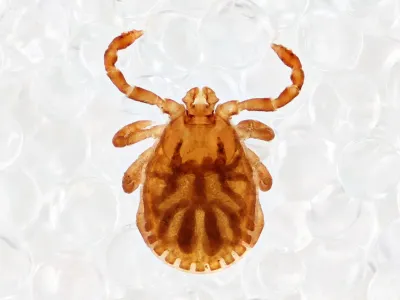
- Brown dog tick: Solid brown color without any white markings. Often found indoors and on dogs.
The single white spot on the female’s back is the most reliable way to identify a lone star tick. For side-by-side comparisons with other species, see our tick identification chart or browse pictures of ticks.
Lone Star Tick Behavior and Biology
Life Cycle
Lone star ticks go through four life stages: egg, larva, nymph, and adult. The complete life cycle takes about two to three years to finish. Each stage after the egg requires a blood meal to molt into the next phase.
Female ticks lay thousands of eggs in leaf litter during spring and early summer. Larvae hatch and begin seeking hosts, often small mammals and ground-feeding birds. After feeding, larvae drop off and molt into nymphs. Nymphs feed on medium-sized animals like raccoons, opossums, and rabbits before becoming adults. Adult lone star ticks prefer large mammals, especially white-tailed deer.
White-tailed deer play a key role in lone star tick numbers. As deer populations have grown across the eastern United States since the 1940s, lone star tick numbers and range have grown with them.
Feeding Behavior A related species, Dog Ticks, shares similar characteristics.
Lone star ticks are aggressive feeders. Unlike some tick species that wait passively for a host, lone star ticks actively pursue hosts. They can detect carbon dioxide, body heat, and movement from several feet away. A related species, Rabbit Ticks, shares similar characteristics.
All three life stages (larvae, nymphs, adults) bite humans. Nymphs and adult females cause most human bites. Lone star ticks often attach to the head, neck, and underarm areas. Feeding can last several days. A related species, Winter Ticks, shares similar characteristics.
Habitat Preferences
Lone star ticks prefer humid, wooded environments with plenty of ground cover. Common habitats include:
- Forest edges and wooded trails
- Areas with dense underbrush and leaf litter
- Tall grass and overgrown vegetation
- Regions with high white-tailed deer populations
- Suburban yards that border natural areas
They are most common in the southeastern, eastern, and south-central United States. Their range continues to expand northward.
Health Risks and Diseases
Lone star ticks carry several pathogens that cause disease in humans. They also trigger a unique allergic condition not caused by other tick species.
Ehrlichiosis
Lone star ticks spread Ehrlichia chaffeensis and Ehrlichia ewingii, bacteria that cause human ehrlichiosis. Symptoms usually show up one to two weeks after a bite. They include fever, headache, tiredness, and muscle aches. Without treatment, ehrlichiosis can become serious. Antibiotics work well when started early.
Tularemia
Tularemia is a bacterial infection caused by Francisella tularensis. Symptoms vary but often include fever, skin sores at the bite site, and swollen lymph nodes. Tularemia is treatable with antibiotics.
Southern Tick-Associated Rash Illness (STARI)
STARI causes a circular rash similar to the bull’s-eye rash seen in Lyme disease. Other symptoms include fatigue, headache, and muscle pain. The cause of STARI is not fully understood, and it is not the same as Lyme disease. Lone star ticks do not transmit Lyme disease bacteria.
Heartland Virus and Bourbon Virus
Lone star ticks have been linked to two new viral diseases. Heartland virus causes fever, tiredness, low appetite, and low blood cell counts. Bourbon virus causes similar symptoms. Both viruses are rare but can be serious. There are no specific treatments, so doctors focus on supportive care.
Alpha-Gal Syndrome
Alpha-gal syndrome is an allergic reaction to a sugar found in red meat like beef, pork, and lamb. Lone star tick bites can trigger this condition in some people.
Symptoms show up 3 to 6 hours after eating red meat. They include hives, stomach pain, and nausea. In severe cases, people may have a life-threatening reaction. Alpha-gal syndrome is unusual because the delayed symptoms make it hard to link to food. People with this condition must avoid red meat and sometimes dairy products.
Medical Disclaimer: This information is for educational purposes only and is not medical advice. If you suspect a tick bite or experience symptoms of any tick-borne illness, consult a healthcare provider right away.
How We Treat for Lone Star Ticks
Lone star tick numbers are highest from late spring through summer. Adults stay active into fall. Our seasonal treatment program targets ticks when they are most active.
-
Granular applications in March and November: We apply granular treatments to wooded edges, leaf litter areas, and landscape borders. This stops tick breeding before and after peak season.
-
Topical sprays from April to October: We treat the transition zone where your lawn meets natural or wooded areas. This is where ticks wait for hosts, so it is the most important area to target.
-
Property assessment: Our technicians find high-risk zones on your property and suggest ways to reduce tick habitat. Clearing leaf litter, trimming plants, and adding barriers between wooded areas and living spaces all help lower tick numbers.
-
Ongoing protection: One treatment helps in the short term, but regular seasonal treatments work best. Our program targets each tick life stage for lasting control.
Prevention Tips for Homeowners
You can reduce your exposure to lone star ticks with these steps:
- Keep grass mowed short and remove leaf litter and brush piles
- Create a 3-foot barrier of wood chips or gravel between wooded areas and your lawn
- Trim shrubs and low-hanging branches to let in sunlight
- Check yourself, family members, and pets for ticks after spending time outdoors
- Wear light-colored clothing to spot ticks more easily
- Use EPA-registered insect repellents on skin and clothing
- Shower within two hours of coming indoors to wash off unattached ticks
References and Further Reading
Other Ticks
Explore other species in the ticks family
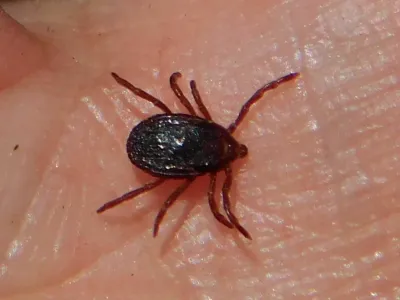
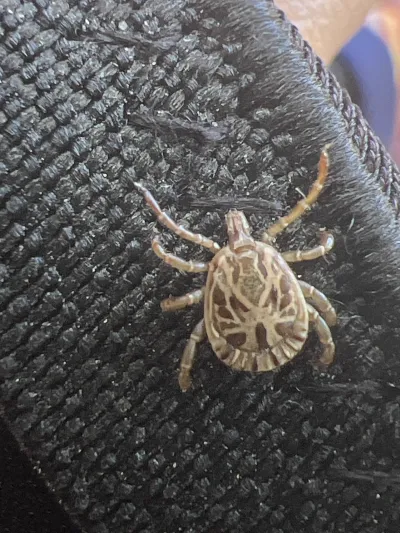
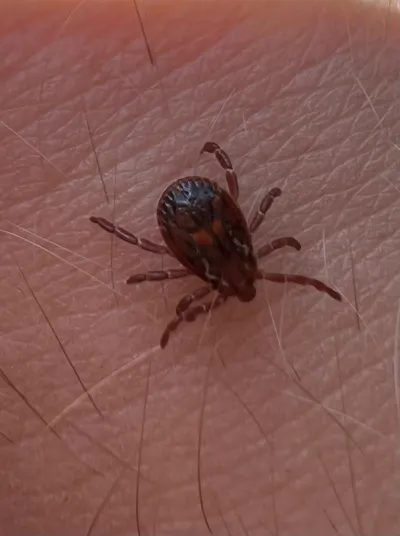
Commonly Confused With
Lone Star Ticks are often mistaken for these similar pests
Where Lone Star Ticks Are Found
Hover over states to see their names. Green regions indicate where lone star ticks have been reported.
Common Questions about Lone Star Ticks
How do I identify a lone star tick?
+
Female lone star ticks have a distinctive white dot or star on the center of their back, which gives them their name. They are reddish-brown to tan in color. Males are smaller and lack the white spot but have scattered white markings along their body edges.
What diseases do lone star ticks carry?
+
Lone star ticks transmit ehrlichiosis, tularemia, and Southern Tick-Associated Rash Illness (STARI). They have also been linked to Heartland virus and Bourbon virus. Importantly, their bite can trigger alpha-gal syndrome, an allergy to red meat.
Do lone star ticks carry Lyme disease?
+
No, lone star ticks are not known to transmit Lyme disease. While Lyme bacteria have occasionally been found in lone star ticks, scientific studies show they cannot effectively transmit it to humans. Lyme disease is primarily spread by deer ticks.
What is alpha-gal syndrome?
+
Alpha-gal syndrome is an allergic reaction to a sugar molecule found in red meat. Lone star tick bites can trigger this condition in some people. Symptoms include hives, stomach upset, and in severe cases, anaphylaxis, typically occurring 3 to 6 hours after eating red meat.
Where do lone star ticks live?
+
Lone star ticks thrive in wooded areas with dense undergrowth, along forest edges, and in areas with high deer populations. They are common in the eastern, southeastern, and south-central United States. They prefer humid environments with leaf litter and tall grass.
Are lone star ticks aggressive?
+
Yes, lone star ticks are considered very aggressive biters compared to other tick species. All three active life stages, larvae, nymphs, and adults, will readily bite humans. They actively seek hosts rather than simply waiting on vegetation.
How does your tick treatment work?
+
We apply granular treatments in early spring and late fall to disrupt tick breeding. From April through October, we spray the edges of your property where landscaping meets natural areas. This targets the zones where ticks are most likely to encounter people and pets.

With five years of hands-on experience in the pest control industry, George Schulz is a registered technician with the Virginia Pest Management Association and a proud third-generation professional in a family business that's been protecting homes for over 57 years. He manages and trains a team of service pros while also leading internal research efforts—recently spearheading a deep-dive review of thousands of documents on pest control materials to hand-pick the most kid and pet friendly, most effective solutions tailored specifically for homes in the DC metro area.