Groundhog Ticks Identification Guide
Ixodes cookei
Groundhog ticks, also called woodchuck ticks, are small parasitic arachnids that primarily feed on groundhogs and other burrowing mammals. They are the main vector of Powassan virus in North America.
Taxonomy
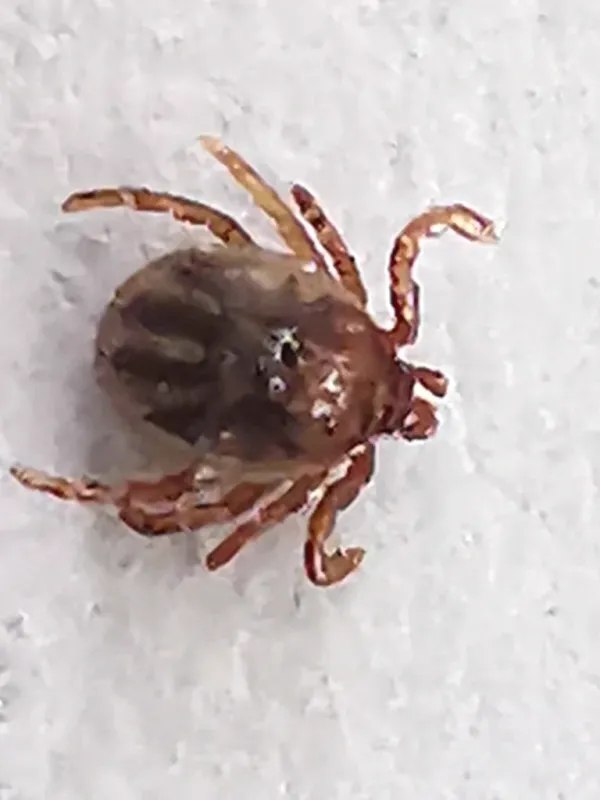
Groundhog Ticks Coloration
Common color patterns to help identify groundhog ticks
Groundhog Ticks
Seasonal Activity
When groundhog ticks are most active throughout the year

Where Groundhog Ticks Are Found
Hover over states to see their names. Green regions indicate where groundhog ticks have been reported.
Groundhog Tick Identification Guide
Physical Characteristics
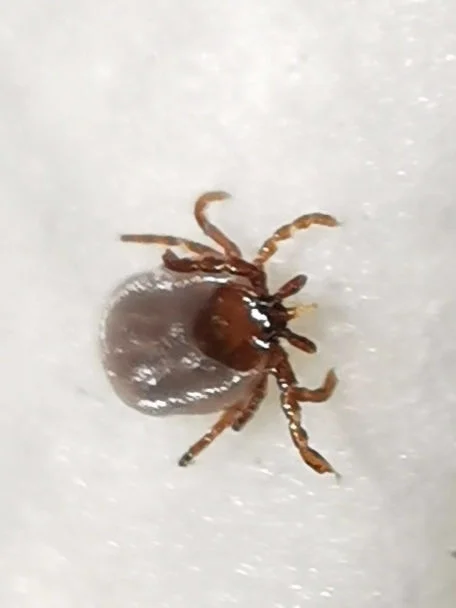
Groundhog ticks are also called woodchuck ticks. They are small parasites about the size of a sesame seed. Adults measure about 3 millimeters long. Males are a bit smaller than females.
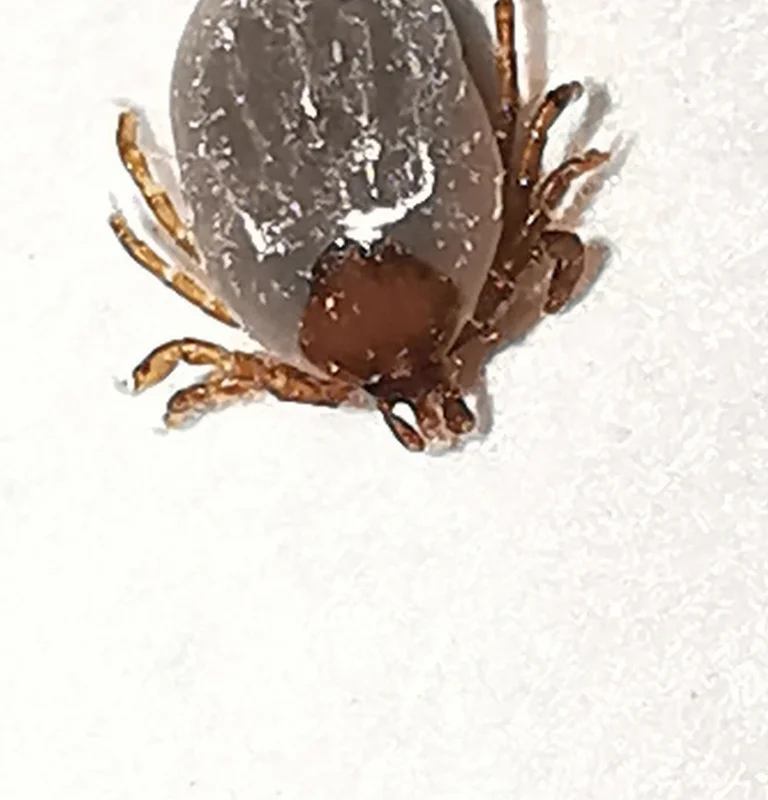
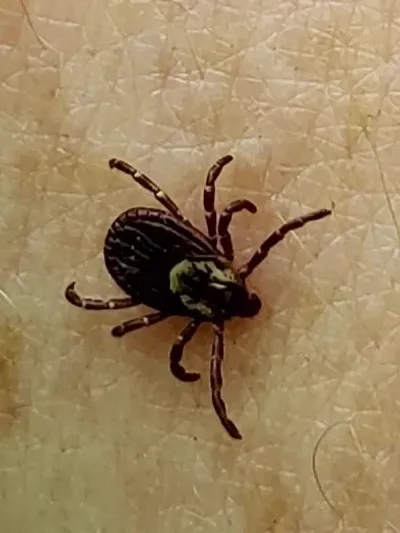
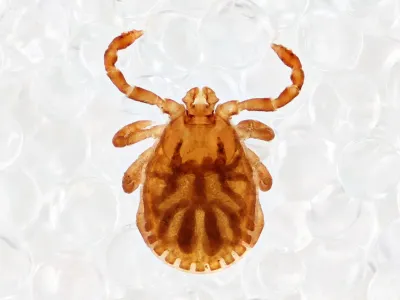
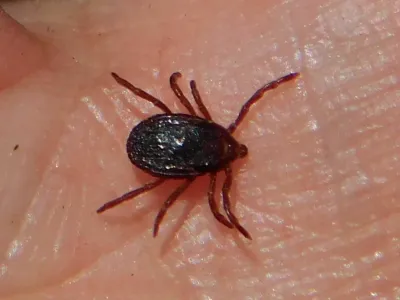
Adult females have a tan to reddish-tan body. A darker shield sits on the back behind the head. This shield has a diamond-like shape. Deer ticks have an oval-shaped shield instead. Larvae and nymphs are lighter in color and much smaller than adults.
These ticks have eight legs as adults and nymphs. They have no eyes. A hard plate called a scutum covers part of their back. Short, barbed hairs cover their bodies and help them hold onto hosts.
How to Tell Groundhog Ticks Apart from Other Ticks
Groundhog ticks look a lot like deer ticks. A microscope is often needed to tell them apart for sure. But some clues can help you tell the difference.
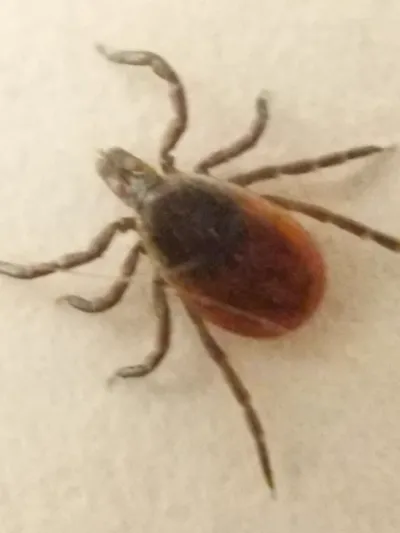
Deer tick. Has an oval-shaped shield and is most active in spring and fall. This tick is the main carrier of Lyme disease.
American dog tick. Larger than groundhog ticks. Has white or silver markings on the back. Often found on dogs and in grassy areas.
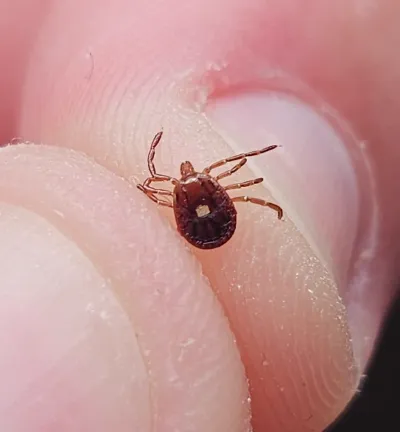
Lone star tick. Females have a white spot on the back. These ticks bite more often than groundhog ticks.
Brown dog tick. All brown with no two-tone look. Mostly found on dogs and in kennels.
Groundhog Tick Behavior and Biology
Life Cycle
Groundhog ticks feed once during each of their three life stages: larva, nymph, and adult. Each stage needs a blood meal to grow to the next phase. The full life cycle depends on weather and whether hosts are around.
Females drop off their host after feeding. They lay eggs and then die. Eggs hatch into six-legged larvae. Larvae find a host, feed, and grow into eight-legged nymphs. Nymphs feed and grow into adults. These ticks spend much of their life off the host. This makes them sensitive to changes in temperature and moisture.
These ticks can live a year or more without eating while waiting for a host to pass by.
Host Preferences
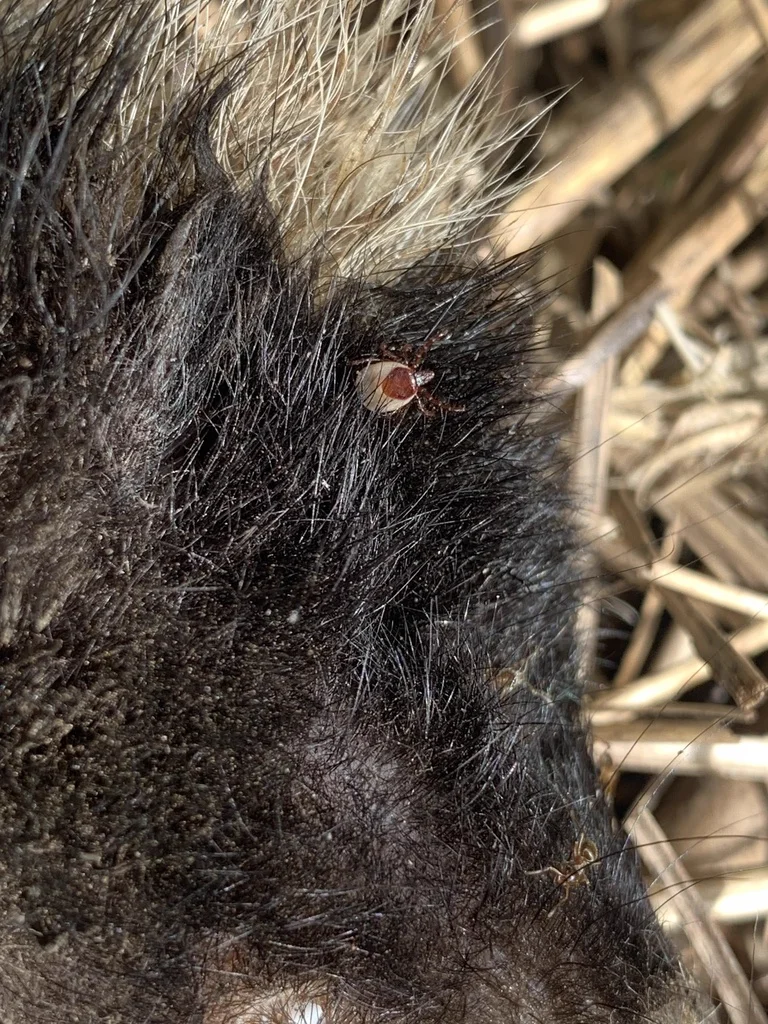
Groundhog ticks are named after groundhogs, but they feed on many small and medium mammals. Common hosts include:
- Groundhogs (woodchucks)
- Raccoons
- Skunks
- Weasels
- Foxes
- Porcupines
- Dogs and cats (sometimes)
They also feed on some birds, like robins. Groundhog ticks rarely bite humans. They spend most of their time in and around animal burrows and dens. Unlike deer ticks, they do not wait on plants for hosts to pass by.
Seasonal Activity
Groundhog ticks are most active at different times than other ticks. Deer ticks are most active in spring and fall. Groundhog ticks peak in summer instead. Activity starts in late spring and grows through June. July is the peak month. Numbers drop in August and September. These ticks go dormant during winter.
Health Risks and Diseases
Powassan Virus
Groundhog ticks are the main carriers of Powassan virus in North America. This virus is related to other viruses that can cause brain swelling. Powassan virus is the only tick-borne virus of its kind native to North America.
The virus spreads between ticks and small mammals like groundhogs, squirrels, and mice. Infected ticks can pass the virus to humans through bites. Human cases are rare because groundhog ticks do not often bite people.
Symptoms of Powassan Virus
Symptoms of Powassan virus can include:
- Fever
- Headache
- Vomiting
- Weakness
- Confusion
- Loss of balance
- Trouble speaking
- Seizures
- Memory problems
Severe cases can lead to brain swelling. About 10% to 15% of people who get sick from this virus die. About half of those who survive have lasting brain or nerve damage.
Medical Disclaimer: This information is for learning only and is not medical advice. If you think you were bitten by a tick or have symptoms of a tick illness, see a doctor right away.
Other Potential Diseases
Groundhog ticks mainly spread Powassan virus. Research shows they may also spread Rocky Mountain spotted fever in some cases. They do not spread Lyme disease well. Deer ticks are much better at spreading Lyme disease. Another nidicolous species in the same genus is the raccoon tick. Learn more in our guide to ticks in Maryland or browse our tick identification chart.
How We Treat for Ticks
Different tick species peak at different times. We time our treatments to target ticks when they are most active.
Granular treatments in March and November. We apply granules to wooded edges, landscaped areas, and the edge of your property. This stops tick breeding before peak season and cuts down on ticks that survive the winter.
Sprays from April to October. We spray the edges of your property where your lawn meets wilder areas. This is where ticks wait for hosts. It is the best area to treat.
Property check. Our technicians find tick habitats on your property. They suggest ways to reduce tick numbers. This may include clearing leaves, trimming plants, and adding barriers between wooded areas and your yard.
Combined approach. Tick control works best with other steps. These include keeping grass short, removing brush piles, clearing areas around animal dens, and using tick products on pets.
Prevention Tips for Homeowners
You can reduce your risk of tick encounters with these steps:
- Keep lawns mowed and remove leaf litter and brush piles
- Seal gaps and holes in fences and foundations that groundhogs might use for burrows
- Create a 3-foot barrier of wood chips or gravel between wooded areas and your yard
- Remove brush and debris where wildlife might den
- Check yourself, children, and pets for ticks after spending time outdoors
- Wear light-colored clothing to spot ticks more easily
- Use EPA-registered insect repellents when in tick-prone areas
- If you have a groundhog living on your property, consider professional wildlife removal
References and Further Reading
- CDC - Transmission of Powassan Virus
- NCBI Bookshelf - Powassan Virus
- New York State Department of Health - Powassan Virus Fact Sheet
- University of Maine Cooperative Extension - Woodchuck Tick
- Institut national de sante publique du Quebec - Ixodes cookei
- Penn State Extension - Common Ticks and Tick-borne Diseases in Pennsylvania
Other Ticks
Explore other species in the ticks family
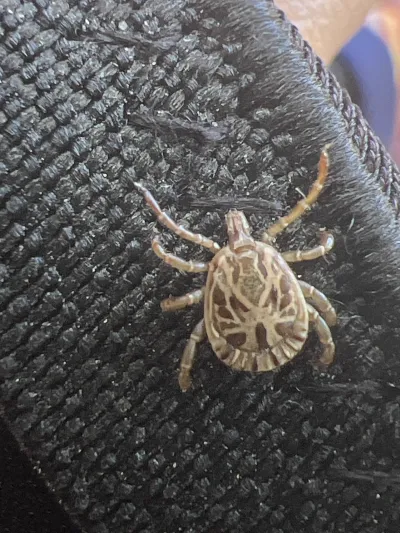
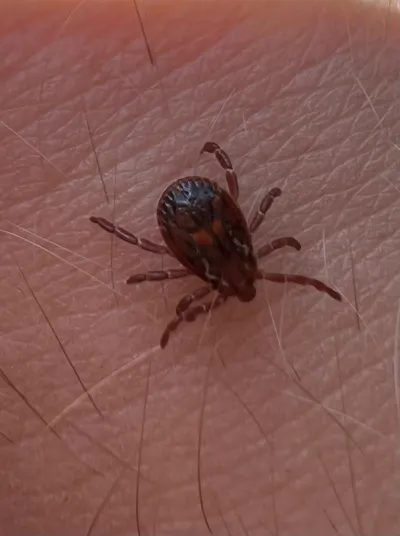
Commonly Confused With
Groundhog Ticks are often mistaken for these similar pests
Where Groundhog Ticks Are Found
Hover over states to see their names. Green regions indicate where groundhog ticks have been reported.
Common Questions about Groundhog Ticks
What do groundhog ticks look like?
+
Groundhog ticks are small, about the size of a sesame seed (1-3mm). Adult females are tan to reddish-brown with a darker shield behind the head. They closely resemble deer ticks but have a lozenge-shaped shield rather than an oval one. Microscopic examination is often needed to tell them apart.
Do groundhog ticks bite humans?
+
Groundhog ticks rarely bite humans. They prefer to feed on groundhogs, raccoons, skunks, weasels, and other small to mid-sized mammals. Human encounters are uncommon because these ticks spend most of their time in or near animal burrows and dens.
Do groundhog ticks carry Lyme disease?
+
No, groundhog ticks do not transmit Lyme disease. While they belong to the same genus as deer ticks, they are considered poor vectors for Lyme disease bacteria. However, they are the primary carriers of Powassan virus, a different but serious tick-borne illness.
What is Powassan virus?
+
Powassan virus is a rare but serious tick-borne illness that can cause brain inflammation (encephalitis). Symptoms include fever, headache, vomiting, weakness, confusion, seizures, and memory problems. About 10-15% of symptomatic cases are fatal, and half of survivors have permanent neurological effects.
Where are groundhog ticks found?
+
Groundhog ticks live throughout the eastern United States and southern Canada, east of the Rocky Mountains. They are especially common in New England, the Great Lakes region, and the northern Midwest. They are typically found in and around groundhog burrows and the dens of other host animals.
When are groundhog ticks most active?
+
Unlike deer ticks that peak in spring and fall, groundhog ticks are most active during summer months, with peak activity in July. They are rarely encountered in winter when they remain dormant in host burrows.
How does your tick treatment work?
+
We apply granular treatments in early spring and late fall to stop tick breeding before peak season. From April through October, we spray the edges of your property where your lawn meets wooded or natural areas, targeting where ticks are most active.

With five years of hands-on experience in the pest control industry, George Schulz is a registered technician with the Virginia Pest Management Association and a proud third-generation professional in a family business that's been protecting homes for over 57 years. He manages and trains a team of service pros while also leading internal research efforts—recently spearheading a deep-dive review of thousands of documents on pest control materials to hand-pick the most kid and pet friendly, most effective solutions tailored specifically for homes in the DC metro area.