Brown Dog Tick Identification Guide
Rhipicephalus sanguineus
The brown dog tick is a reddish-brown parasite that primarily feeds on dogs and can complete its entire life cycle indoors. Unlike most ticks, it thrives in homes and kennels, making it a year-round concern for pet owners.
Taxonomy
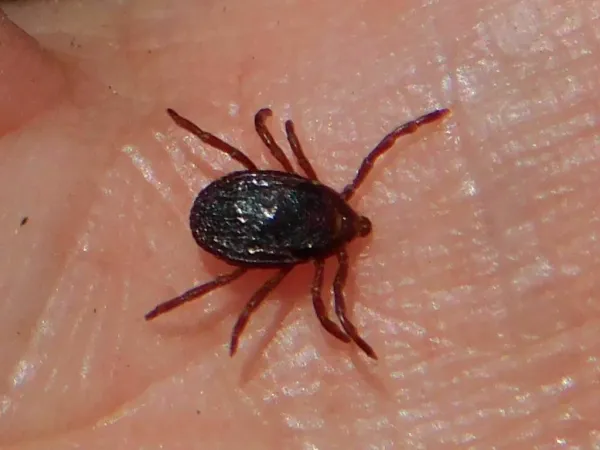
Brown Dog Tick Coloration
Common color patterns to help identify brown dog tick
Brown Dog Tick
Seasonal Activity
When brown dog tick are most active throughout the year



Where Brown Dog Tick Are Found
Hover over states to see their names. Green regions indicate where brown dog tick have been reported.
Brown Dog Tick Identification Guide
Physical Characteristics
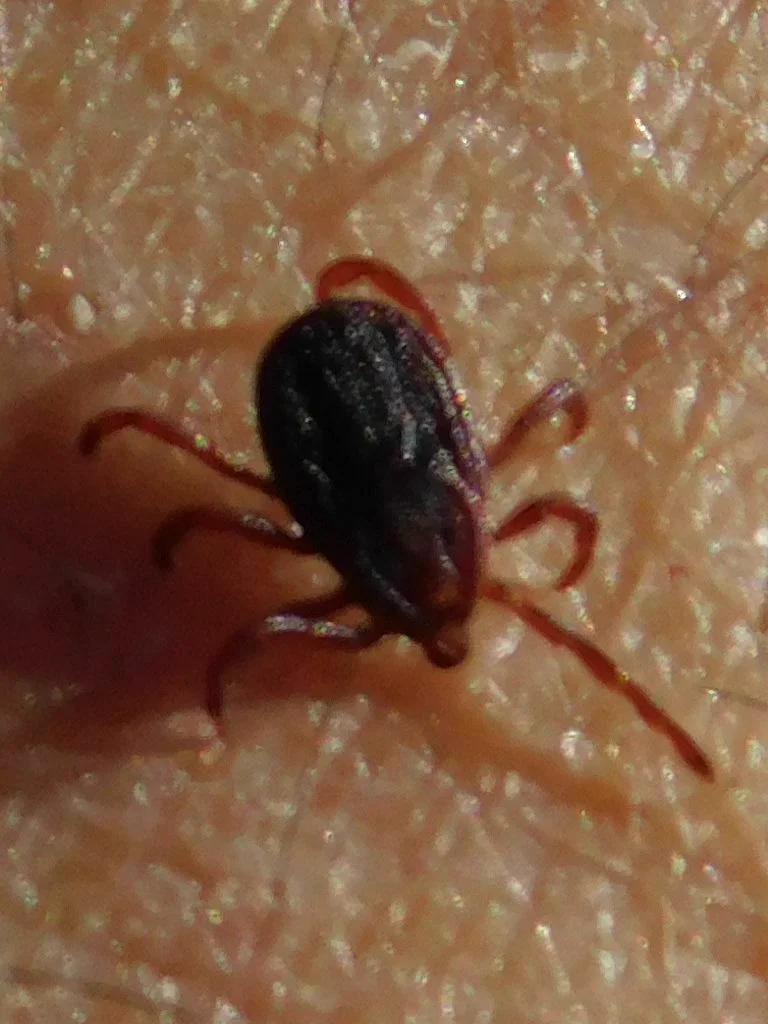
The brown dog tick is a medium-sized tick with reddish-brown to tan coloring. Unfed adults are 2 to 3 millimeters long, about the size of a sesame seed. After feeding, females swell to 12 millimeters and turn grayish in color.
Before feeding, their bodies are flat and oval-shaped. After a blood meal, they become round and bloated. See our picture of a tick guide to compare brown dog ticks with other species. Males have a dark brown shield covering their entire back. Females have a smaller shield that covers only the front part of their body. Both males and females have eyes on the sides of their body and small grooves along the back edge.
Common Species
Rhipicephalus sanguineus is the main brown dog tick species in North America. It is the most common tick in the world. You can find it on every continent except Antarctica. This tick usually lives in warm areas. However, it has learned to survive in cooler climates by living inside heated homes and kennels.
Brown Dog Tick Behavior and Biology
The brown dog tick feeds on three different hosts during its life. Eggs hatch into six-legged larvae. These larvae attach to a dog and feed for about four days. Then they drop off and molt into eight-legged nymphs. A related species, Rabbit Ticks, shares similar characteristics.
Nymphs find a new host, feed for four more days, and drop off to become adults. Adult ticks attach to dogs and feed for about eight days or longer. They mate while on the dog. Then the females drop off to lay eggs. A related species, Winter Ticks, shares similar characteristics.
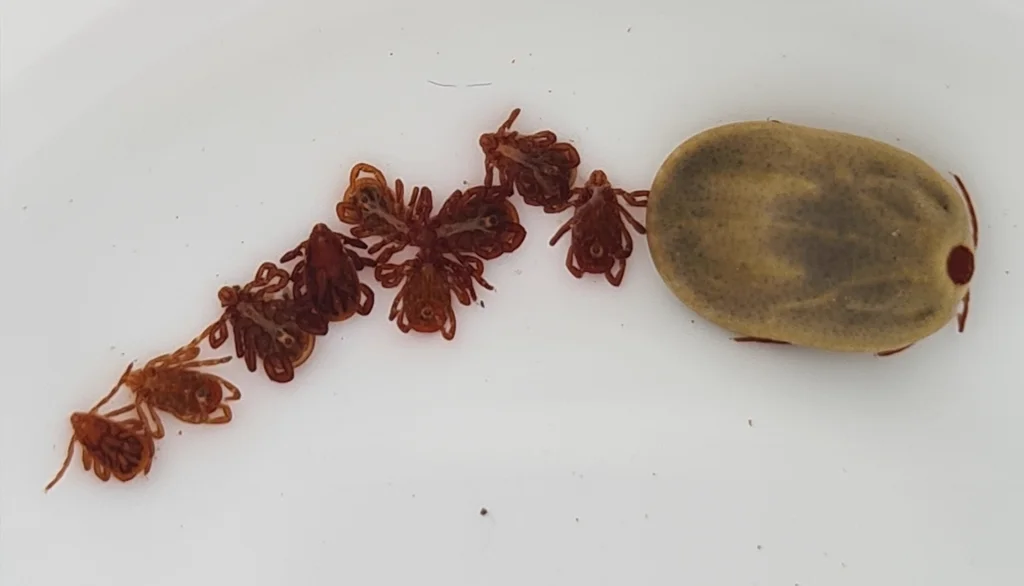
What makes this tick different from other ticks is that it can live its whole life indoors. Fed females look for hidden spots in homes and kennels to lay eggs. They like cracks in walls, spaces behind baseboards, areas under furniture, and gaps in window and door frames. One female can lay 1,000 to 5,000 eggs over several weeks. A related species, Western Black-legged Tick, shares similar characteristics.
Dogs are their favorite host. The ticks like to attach to the ears, between the toes, along the back, and in the armpit area. The full life cycle takes about two months in ideal conditions. Four to five months is more common. Brown dog ticks can produce up to four generations per year. A related species, Wood Tick, shares similar characteristics.
How We Treat for Brown Dog Ticks
Brown dog tick problems need a complete approach. You must treat both the ticks on your pets and the ones hiding in your home. Our treatment plan includes:
-
Interior treatment: We treat cracks, crevices, baseboards, and other hiding spots where ticks lay eggs. This includes areas behind furniture, along walls, and places where pets sleep or rest.
-
Exterior perimeter treatment: We create a barrier around your home’s foundation. We also treat the areas where ticks might enter from outside. In spring and fall, we use granular products to reduce tick numbers before they peak.
-
Seasonal maintenance: From April through October, we spray the edges of your property. This is where ticks are most active. We focus on the border between your lawn and wooded or natural areas.
-
Pet owner guidance: We suggest working with your vet to make sure your pets get proper tick prevention. Treating your home without treating your pets will not solve the problem. Both steps are needed to get rid of an infestation.
Health Risks and Disease Transmission
Brown dog ticks can spread diseases to dogs and sometimes to humans. Knowing these risks shows why tick control matters.
Diseases in dogs:
- Canine ehrlichiosis: This disease causes fever, limping, and loss of appetite. If left untreated, it can lead to bleeding problems and a weak immune system.
- Canine babesiosis: This infection destroys red blood cells. It causes anemia, fever, and weakness in dogs.
Diseases in humans:
- Rocky Mountain spotted fever: Brown dog ticks can spread this disease in the southwestern United States and along the U.S.-Mexico border. It causes fever, headache, and a spotted rash on the skin. American dog ticks and lone star ticks also carry this and other diseases.
Medical Disclaimer: This information is for learning purposes only. It is not medical or veterinary advice. If you think a tick bit you or your pet, or if you see signs of tick disease, call a doctor or vet right away.
References and Further Reading
Other Ticks
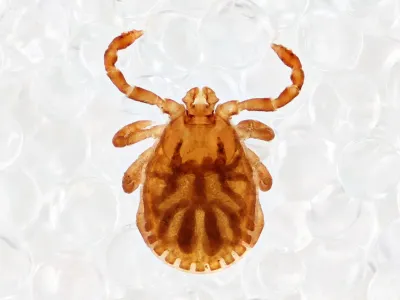
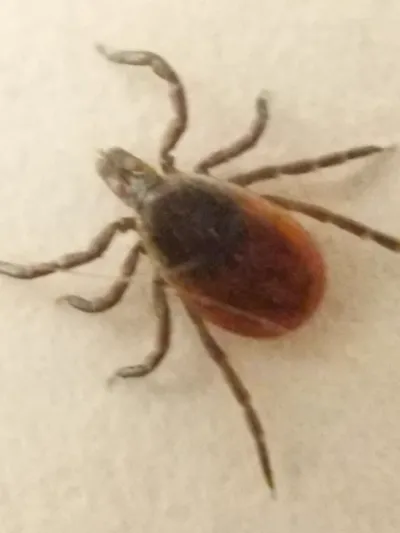
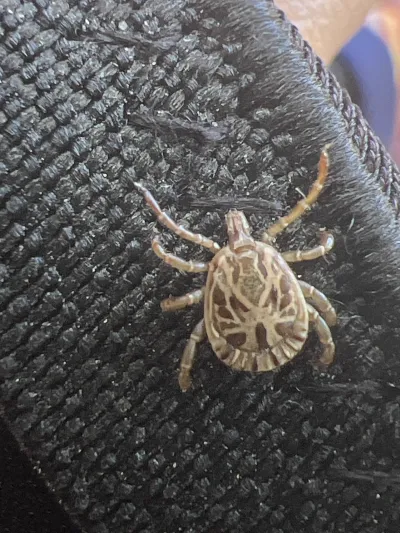
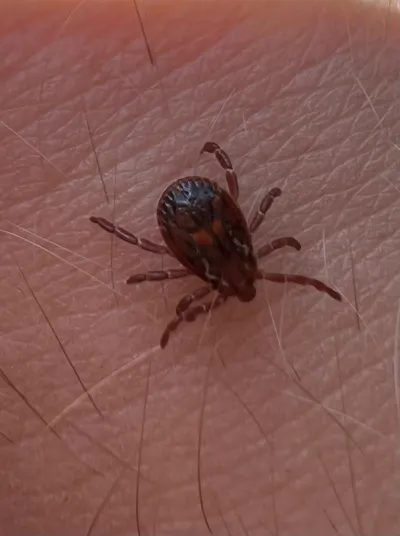
Explore other species in the ticks family
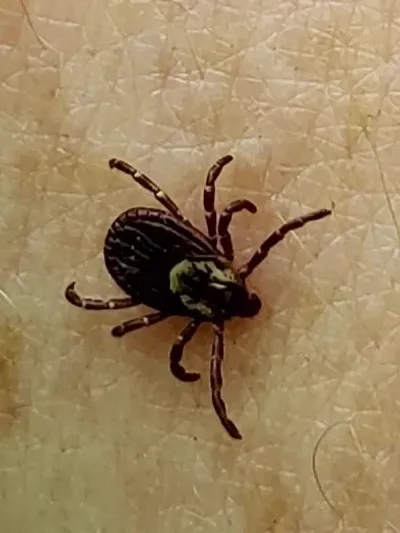
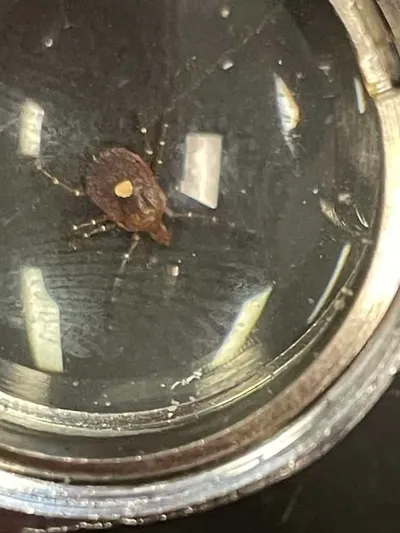
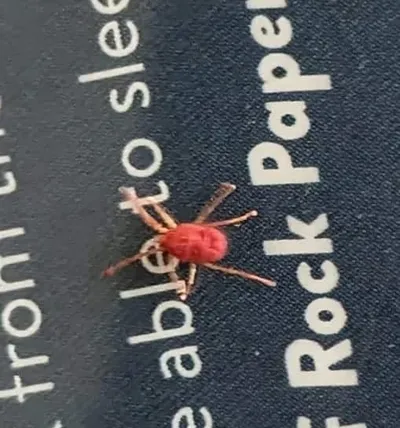
Commonly Confused With
Brown Dog Tick are often mistaken for these similar pests

Where Brown Dog Tick Are Found
Hover over states to see their names. Green regions indicate where brown dog tick have been reported.
Common Questions about Brown Dog Tick
How do I know if my dog has brown dog ticks?
+
Check your dog's ears, between the toes, around the collar area, and along the back. Brown dog ticks are reddish-brown and about the size of a sesame seed when unfed. After feeding, they swell to a grayish color and can reach the size of a small grape.
Can brown dog ticks infest my home?
+
Yes. Unlike most tick species, brown dog ticks can complete their entire life cycle indoors. They hide in cracks, crevices, behind baseboards, and in furniture. A single female can lay thousands of eggs, leading to heavy infestations in homes and kennels.
Do brown dog ticks bite humans?
+
While dogs are their preferred host, brown dog ticks will bite humans when populations are high or when no dogs are available. Research shows they attach more readily to humans in warmer temperatures.
What diseases can brown dog ticks transmit?
+
Brown dog ticks can transmit Rocky Mountain spotted fever to humans, especially in the southwestern United States. In dogs, they spread ehrlichiosis, babesiosis, and other serious diseases that cause fever, anemia, and lameness.
How long can brown dog ticks survive without a host?
+
Brown dog ticks are remarkably hardy. Unfed larvae can survive up to 8 months, nymphs up to 3 months, and adults can live over 18 months without feeding. This makes them difficult to eliminate once established in a home.
Why do I keep finding ticks in my house even without pets?
+
Brown dog ticks may have been brought in by previous pets or visitors with infested animals. Their long survival time without feeding means they can persist in a home for months. Ticks hiding in wall voids and furniture can emerge seeking hosts.
How does tick treatment work for indoor infestations?
+
We treat both the interior and exterior of your home. Indoor treatment focuses on cracks, crevices, and areas where ticks hide. Exterior treatment creates a barrier to prevent re-infestation. Multiple treatments may be needed for severe infestations.

With five years of hands-on experience in the pest control industry, George Schulz is a registered technician with the Virginia Pest Management Association and a proud third-generation professional in a family business that's been protecting homes for over 57 years. He manages and trains a team of service pros while also leading internal research efforts—recently spearheading a deep-dive review of thousands of documents on pest control materials to hand-pick the most kid and pet friendly, most effective solutions tailored specifically for homes in the DC metro area.