Hobo Spiders Identification Guide
Eratigena agrestis
Hobo spiders are medium-sized funnel web spiders native to Europe that have become established in the Pacific Northwest region of North America. Despite past concerns, current research indicates they are not medically significant to humans.
Taxonomy
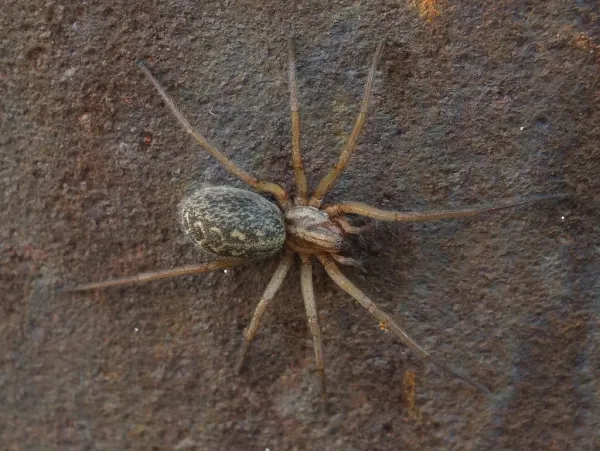
Hobo Spiders Coloration
Common color patterns to help identify hobo spiders
Hobo Spiders
Seasonal Activity
When hobo spiders are most active throughout the year
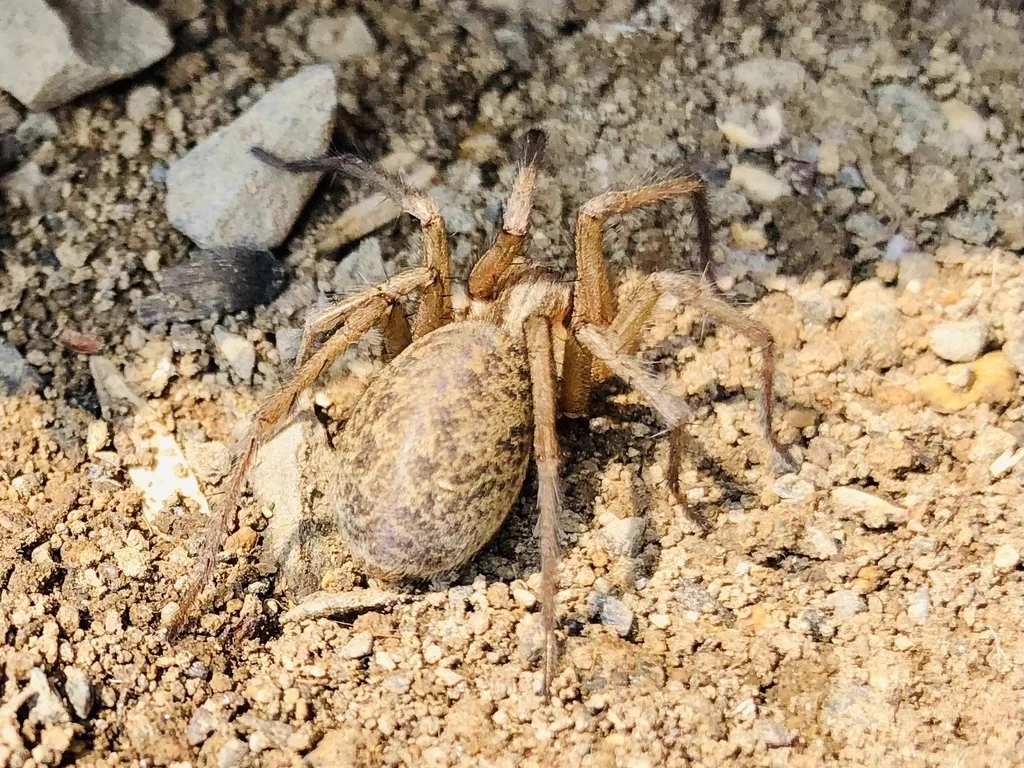
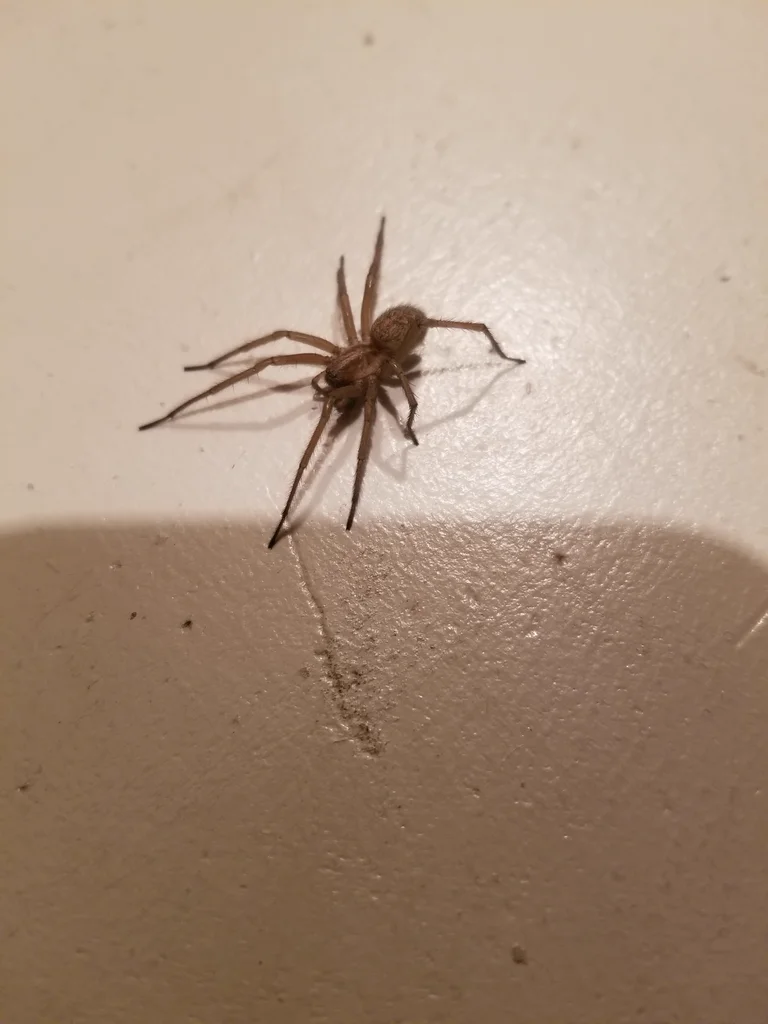
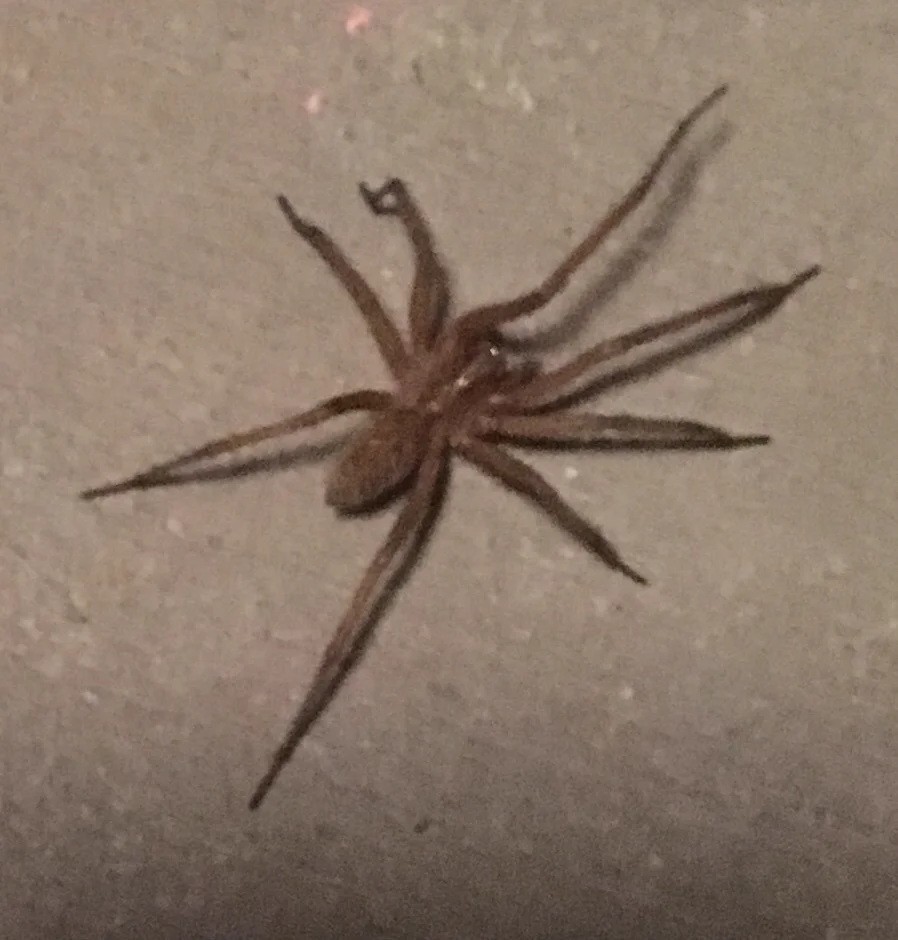

Where Hobo Spiders Are Found
Hover over states to see their names. Green regions indicate where hobo spiders have been reported.
Hobo Spider Identification Guide
Physical Characteristics
Hobo spiders (Eratigena agrestis) are medium-sized funnel web spiders. Adults measure 10 to 14 millimeters long (about half an inch). Females are slightly larger than males. With legs spread out, they measure 40 to 50 millimeters across.
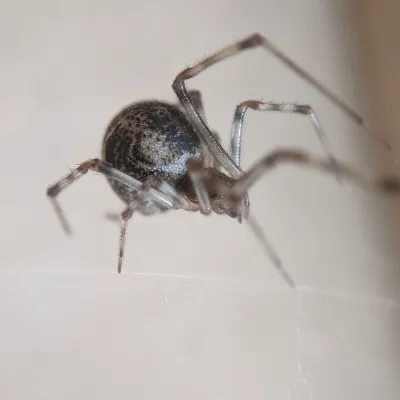
These spiders are light to medium brown in color. Some people describe them as tan or grayish-brown. The abdomen has faint V-shaped markings down the middle. These patterns can be hard to see without looking closely. One helpful tip: hobo spider legs are one solid color. They lack the dark bands seen on similar spiders like giant house spiders.
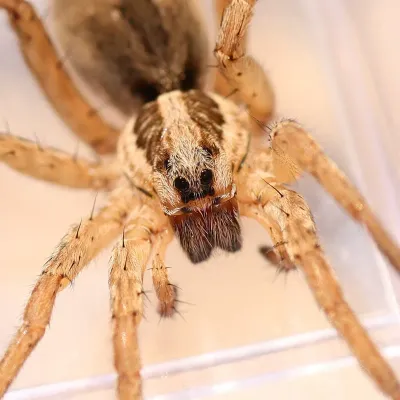
The front body section is darker than the abdomen. It has two darker stripes running lengthwise. Males have large pedipalps near the mouth that look like small boxing gloves. Females have a rounder abdomen than the slender males.
Distinguishing from Similar Spiders
Hobo spiders look like several other funnel web spiders. This makes them hard to identify without a magnifying glass.
Giant House Spider (Eratigena atrica): Looks similar but larger, with legs spanning up to 75mm. Has dark bands on legs that hobo spiders lack. Giant house spiders are pushing hobo spiders out of many cities.
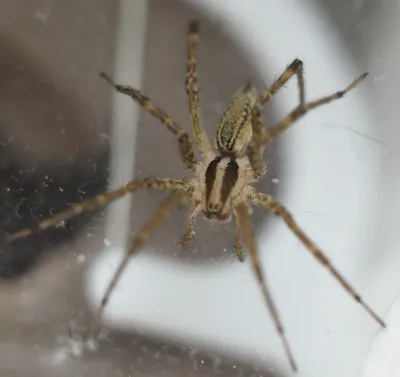
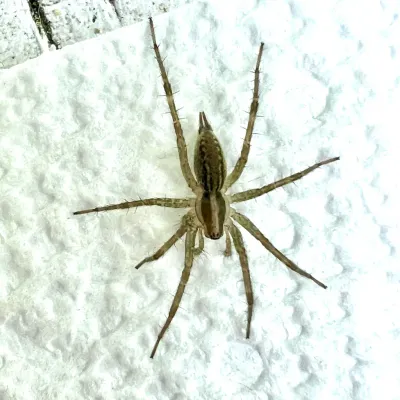
Grass Spiders (Agelenopsis spp.): Also build funnel webs. They have more obvious patterns on their abdomen. You find them more often outdoors in lawns and fields.
Barn Funnel Weaver (Tegenaria domestica): Smaller than hobo spiders with clearer leg bands and body patterns. Common in buildings across North America.
Because they look so much alike, you may need an expert to confirm a hobo spider by looking at it under a microscope.
Common Species
The hobo spider (Eratigena agrestis) is the only species with this common name. Scientists used to call it Tegenaria agrestis before changing its classification. This spider came from Europe, where it still lives but is not viewed as a health threat.
Hobo Spider Behavior and Biology
Habitat Preferences
Hobo spiders live on the ground and build funnel-shaped webs. They like sheltered spots at or below ground level where they can make their webs with a tube-like hiding spot.
Outside:
- Rock walls and rock gardens
- Around and in foundation cracks
- Under woodpiles and debris
- In ground-level holes
- Along railroad tracks
- In thick ground cover plants
Inside:
- Basements and crawl spaces
- Window wells at ground level
- Behind stored items in garages
- Under stairs and in storage areas
- Where floors meet walls
- In cardboard boxes and clutter
Hobo spiders cannot climb smooth walls as well as other spiders because of how their feet are shaped. This is why you usually find them at ground level instead of on walls or ceilings.
Diet and Feeding Habits
Hobo spiders are ambush hunters. They wait in or near their web for prey to walk onto the sheet-like surface. When they feel vibrations from prey, they rush out, bite it, and drag it back into their funnel to eat.
They mostly eat:
- Flies and other flying insects
- Beetles and crawling insects
- Ants
- Earwigs
- Silverfish
- Other spiders
The funnel web is not sticky like other spider webs. Instead, it works like a trip-wire that tells the spider when prey is nearby. The flat part of the web spreads out from the funnel opening. The spider waits just inside the entrance.
Reproduction and Lifecycle
Hobo spiders breed once a year in most of North America.
Mating Season: Males become adults in late summer. From August through October, they leave their webs to find females. During this time, they often wander into homes by accident.
Egg Production: After mating, females make one to four egg sacs. Each sac holds 50 to 100 eggs. They attach the sacs inside their web or in nearby sheltered spots.
Overwintering: Eggs may hatch in fall or wait until spring, depending on the weather. Young spiders and some adults survive winter in protected places.
Development: Young spiders shed their skin many times as they grow. They usually become adults after one to two years.
Males usually die soon after mating season. Females may live longer and make more egg sacs.
Seasonal Activity Patterns
Hobo spider activity changes through the year in the Pacific Northwest:
- Winter (Low): Spiders stay hidden. Very little movement.
- Spring (Moderate): Activity picks up when it gets warmer.
- Summer (High): Most active time. Many webs appear as spiders become adults.
- Late Summer to Fall (High): Males wander looking for mates. This is when people see them indoors most.
- Late Fall (Declining): Activity slows as cold weather arrives.
Are Hobo Spiders Dangerous?
Historical Concerns
In the 1980s and 1990s, people thought hobo spiders caused skin wounds similar to brown recluse bites. For more details, see our hobo spider vs. brown recluse and hobo spider vs. wolf spider comparisons. This led to worry about the spider in the Pacific Northwest.
What Science Says Now
Research over the past 20 years does not support the idea that hobo spiders cause serious wounds. Here is what we know:
- Lab studies could not show that hobo spider venom causes skin damage
- In Europe, where these spiders are also common, they have never been linked to serious bites
- The CDC took hobo spiders off its list of dangerous spiders
- Many reported bites were never proven to be from spiders at all. Some may have been infections instead.
What Happens If You Get Bitten
Hobo spider bites are rare because these spiders are not aggressive. When bites do happen:
- They usually occur when a spider gets trapped against your skin by accident
- You may feel pain, redness, and slight swelling in the bite area
- Symptoms are similar to other minor spider bites and often go away on their own
- See a doctor if you have serious symptoms or signs of infection
Note: This information is for education only. Always talk to a doctor about health concerns.
Treatment Methods for Hobo Spiders
Good hobo spider control uses several methods together: sealing entry points, changing the habitat, and applying targeted treatments.
Keeping Spiders Out
Stopping spiders from getting inside is key to long-term control:
- Seal foundation cracks and gaps where spiders can enter from outside
- Install door sweeps on exterior doors, especially those leading to garages or basements
- Screen foundation vents and window wells
- Caulk around pipes and utility penetrations
- Repair damaged weather stripping around doors and windows
Changing the Environment
Making your home less appealing to spiders helps keep them away:
Exterior modifications:
- Remove rock piles, woodpiles, and debris near foundations
- Trim vegetation and ground cover away from building perimeters
- Address moisture problems around foundations
- Reduce exterior lighting that attracts prey insects
- Clear leaf litter and mulch buildup against foundations
Interior modifications:
- Reduce clutter in basements, garages, and storage areas
- Store items in sealed plastic containers rather than cardboard boxes
- Improve ventilation in damp areas
- Vacuum regularly along baseboards and in corners
- Remove webs when found to discourage rebuilding
Monitoring and Trapping
Sticky traps along walls and in corners can catch spiders and show you where they are active. Place traps:
- Along floor-wall junctions in basements
- Behind furniture and in storage areas
- Near exterior doors
- In garage corners and along walls
Check traps often and replace them when they get full or dusty.
Professional Treatment Options
For bigger hobo spider problems, professional pest control can help with:
- Perimeter treatments around your foundation using products spiders walk through
- Crack and gap treatments in spots where spiders hide
- Dust treatments inside walls and hard-to-reach areas
- Regular checkups to keep spiders under control
Because hobo spiders hunt for food instead of sitting in webs, they may not touch treated areas as often as other pests. This makes sealing entry points and changing their habitat extra important.
References and Further Reading
- Funnel Web Spider - Britannica - General information about funnel web spider biology and classification
- Spiders - UC Pest Notes - Detailed guide on spider identification and control
- Spider Identification - University of Kentucky - Comprehensive spider identification resources
Other Spiders
Explore other species in the spiders family
Commonly Confused With
Hobo Spiders are often mistaken for these similar pests
Where Hobo Spiders Are Found
Hover over states to see their names. Green regions indicate where hobo spiders have been reported.
Common Questions about Hobo Spiders
Are hobo spiders dangerous to humans?
+
Hobo spiders are not considered medically significant. While they were once believed to cause necrotic wounds similar to brown recluse bites, extensive research has not supported this claim. The CDC removed hobo spiders from its list of venomous spiders, and current scientific consensus is that their venom does not pose a serious health risk to humans.
How can I identify a hobo spider?
+
Hobo spiders are medium-sized brown spiders measuring 10-14mm in body length. They have a brownish-tan body with lighter chevron or herringbone patterns on the abdomen, though these markings can be faint. Unlike many similar spiders, hobo spiders have solid-colored legs without distinct banding. They build funnel-shaped webs at ground level.
Where do hobo spiders live?
+
Hobo spiders are primarily found in the Pacific Northwest region of North America, including Washington, Oregon, Idaho, and southern British Columbia. They prefer ground-level habitats and build funnel webs in cracks, under debris, in woodpiles, and around building foundations. Indoors, they are found in basements, crawl spaces, and ground-floor rooms.
Why are hobo spiders called hobo spiders?
+
The name hobo spider likely comes from their association with railroad tracks and their habit of spreading along transportation corridors. After being introduced to the Pacific Northwest from Europe, they expanded their range partly by traveling along railroad lines. They are also sometimes called aggressive house spiders, though this name is misleading as they are not particularly aggressive.
Do hobo spiders bite?
+
Hobo spiders can bite if they feel trapped or threatened, but they are not aggressive toward humans. Most bites occur when spiders are accidentally pressed against skin, such as when reaching into dark areas or putting on clothing where a spider has taken shelter. Bites typically cause minor pain and redness similar to other spider bites.
How do I get rid of hobo spiders in my home?
+
Effective hobo spider control combines exclusion, habitat modification, and targeted treatments. Seal cracks and gaps around foundations, install door sweeps, reduce clutter that provides hiding spots, and address moisture issues. Sticky traps placed along walls can help monitor and reduce populations. Professional pest control treatments create a barrier that prevents new spiders from entering.
What is the difference between hobo spiders and giant house spiders?
+
Hobo spiders and giant house spiders are closely related and difficult to distinguish without magnification. Giant house spiders are typically larger with longer legs and have distinct banding patterns on their legs, while hobo spider legs are more uniformly colored. Giant house spiders actually compete with and may be displacing hobo spiders in some areas.
When are hobo spiders most active?
+
Hobo spiders are most active from June through October, with peak activity in late summer and early fall. During this time, males leave their webs to search for mates and are more likely to wander into homes. They are primarily nocturnal and spend daylight hours in their funnel webs waiting for prey.

With five years of hands-on experience in the pest control industry, George Schulz is a registered technician with the Virginia Pest Management Association and a proud third-generation professional in a family business that's been protecting homes for over 57 years. He manages and trains a team of service pros while also leading internal research efforts—recently spearheading a deep-dive review of thousands of documents on pest control materials to hand-pick the most kid and pet friendly, most effective solutions tailored specifically for homes in the DC metro area.