Giant House Spiders Identification Guide
Eratigena atrica
Giant house spiders are some of the largest spiders found in homes, with leg spans up to 4 inches. Despite their size, these fast spiders are harmless to humans and even help control hobo spider populations.
Taxonomy
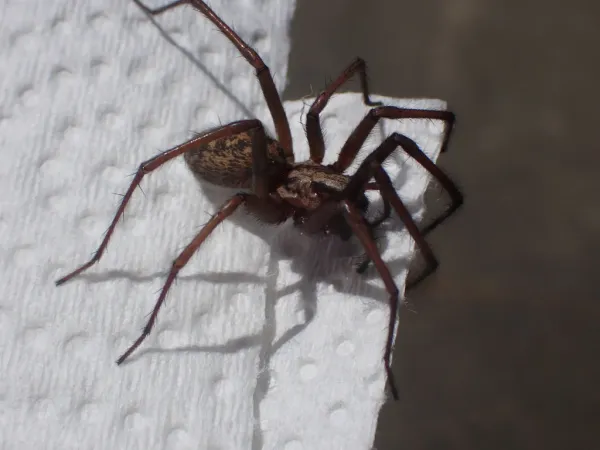
Giant House Spiders Coloration
Common color patterns to help identify giant house spiders
Giant House Spiders
Seasonal Activity
When giant house spiders are most active throughout the year

Where Giant House Spiders Are Found
Hover over states to see their names. Green regions indicate where giant house spiders have been reported.
Giant House Spider Identification Guide
Physical Characteristics
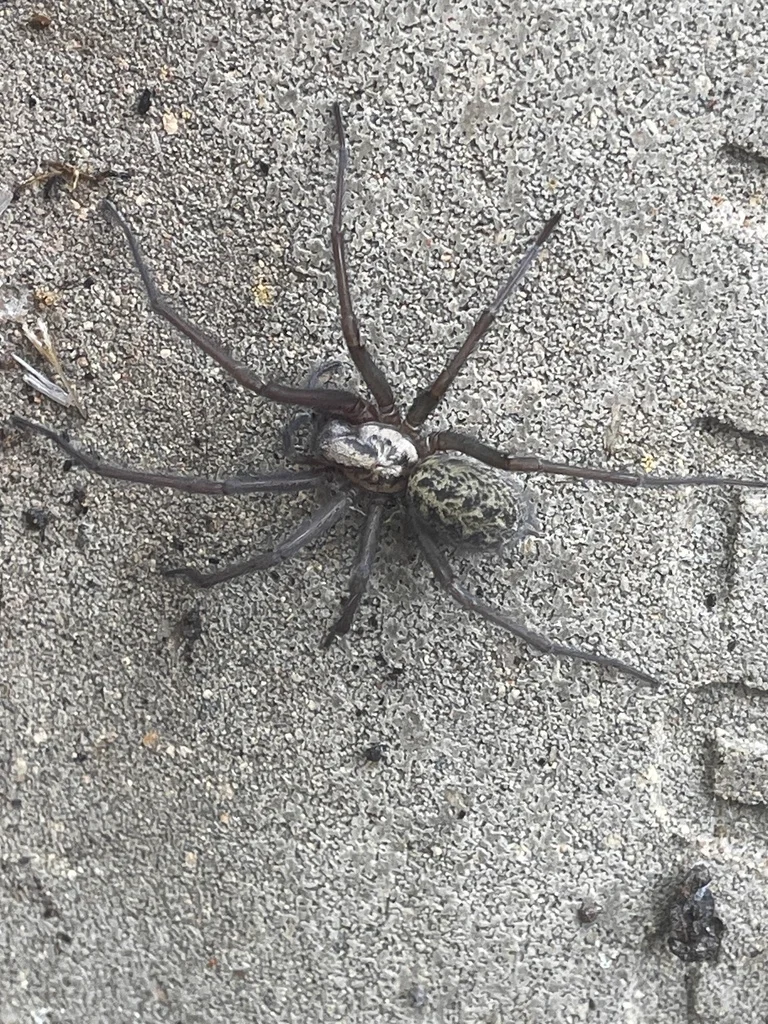
Giant house spiders (Eratigena atrica) are among the largest spiders found in homes. They live mainly in the Pacific Northwest and Great Lakes regions. Female bodies measure 12 to 18 millimeters (about half to three-quarters of an inch). Males are slightly smaller at 12 to 15 millimeters. Their leg span is what catches most people’s attention. Some can reach up to 4 inches across.
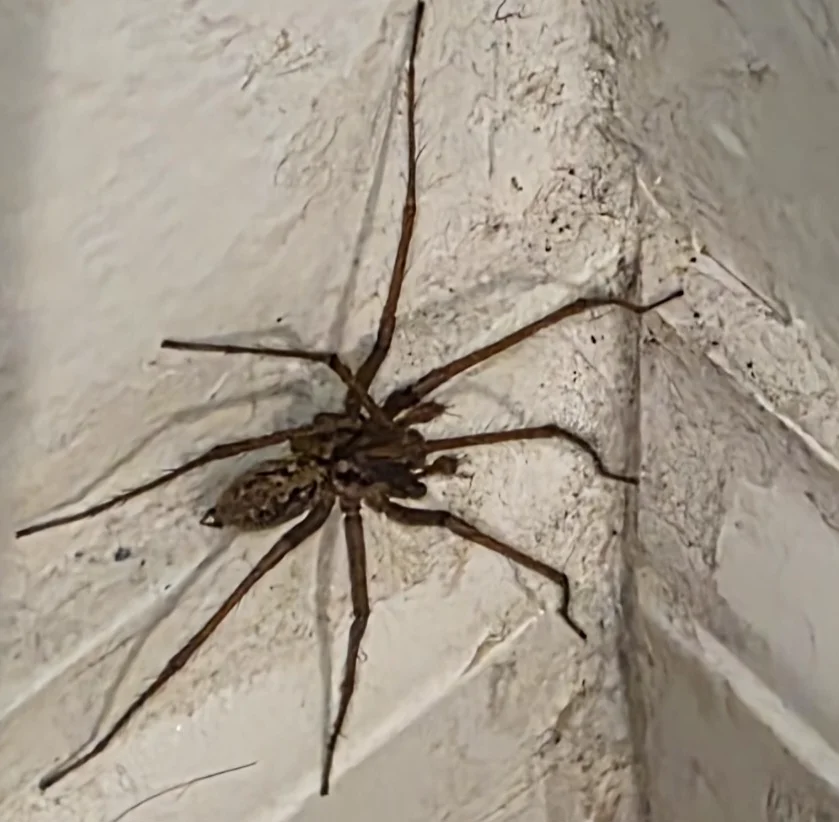
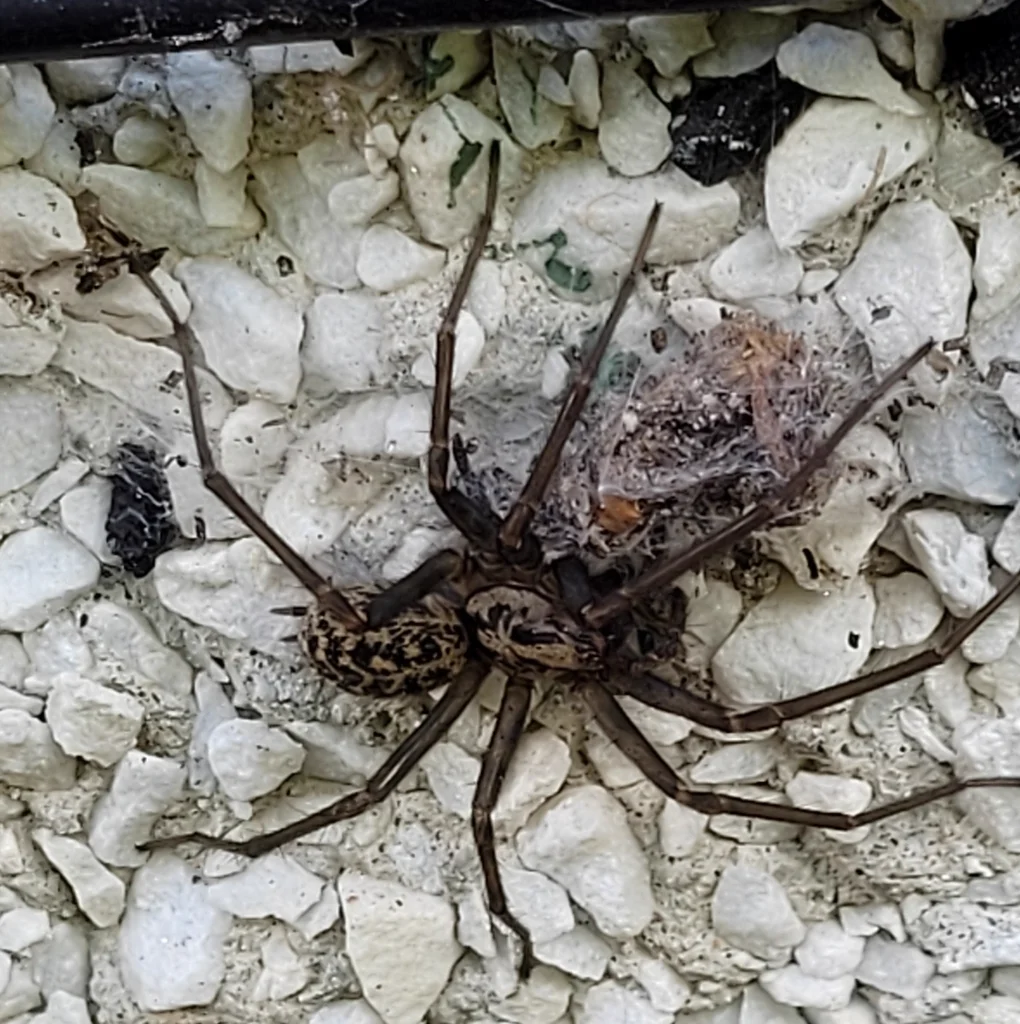
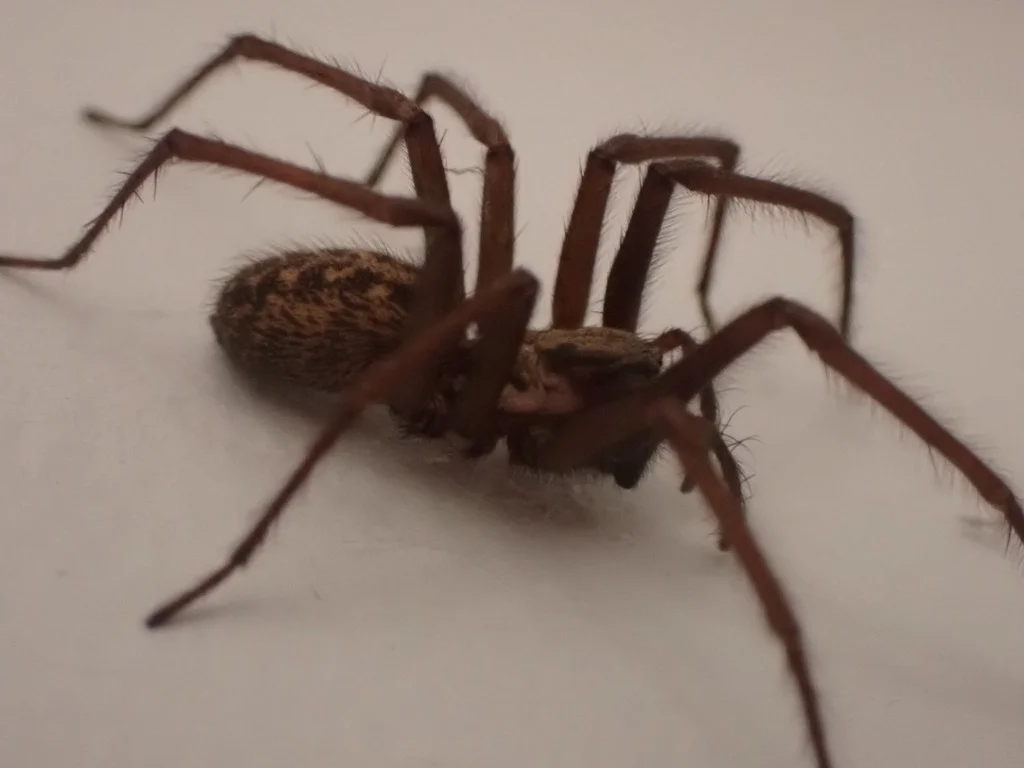
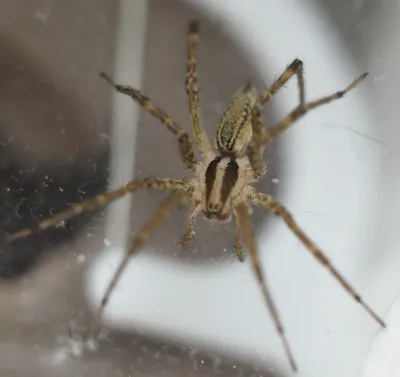
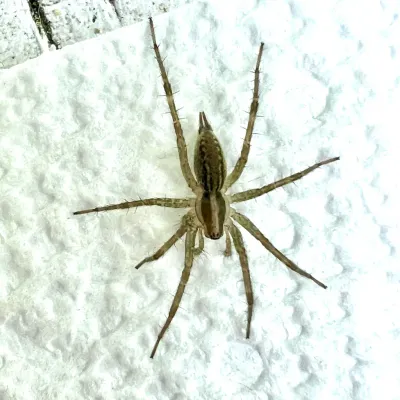
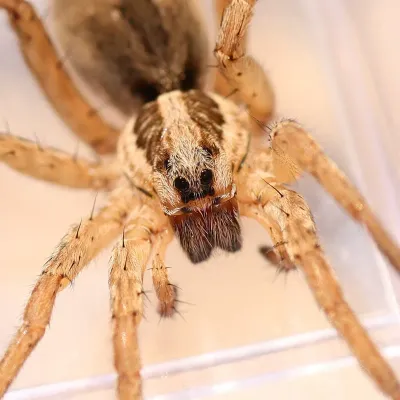
These spiders have a clear look. Their bodies are dark brown with lighter markings. The underside between the legs has a lighter central stripe with three pale spots on each side. This forms an arrow-like pattern pointing toward the head. The abdomen shows a lighter central line with chevron or spot-like markings along each side.
Giant house spiders have noticeably hairy legs and body. Unlike the hobo spider, giant house spiders have solid-colored legs without bands. Their eight eyes are about equal in size and sit in two rows. Their vision mostly just detects light and dark.
Web Characteristics
Giant house spiders are members of the funnel weaver family and build flat, sheet-like webs with a funnel-shaped hiding spot at one end. The spider waits inside this funnel until it feels vibrations from prey walking onto the web. Unlike orb weaver webs, these funnel webs are not sticky. The web acts as a platform where the spider uses its speed to rush out and catch insects before they escape.
Common web locations include:
- Dark corners in basements and crawl spaces
- Behind boxes and stored items in garages
- Under furniture and appliances
- In window wells and foundation gaps
- Between stacked items like firewood
- Attics and unused rooms
Species Complex
What we call the giant house spider may actually be up to three closely related species. These are hard to tell apart. The Eratigena atrica group includes E. atrica, E. duellica, and E. saeva. These species look nearly the same. Only experts with microscopes can tell them apart by looking at their body parts. For homeowners, this does not matter much since they all behave the same way and respond to the same control methods.
Giant House Spider Behavior and Biology
Habitat Preferences
Giant house spiders came from Europe and arrived in North America around 1900. They now have large populations along the Pacific Northwest coast from British Columbia to northern Oregon. They also live in the Great Lakes region.
In nature, these spiders live in caves and dry forests. You can find them under rocks and in sheltered spots. They have adapted well to human homes. This makes them one of the most common large spiders found indoors in their range.
Preferred indoor locations:
- Basements and crawl spaces
- Garages and sheds
- Behind furniture and in closets
- Bathrooms (especially tubs and sinks where they become trapped)
- Window wells and foundations A related species, Crab Spiders, shares similar characteristics.
Outdoor habitats:
- Under rocks and logs
- In woodpiles
- Foundation gaps and cracks
- Caves and rock outcroppings
- Dense ground vegetation
Diet and Feeding Habits
Giant house spiders are ambush hunters. They wait in their funnel hiding spots for prey to walk onto their webs. When they feel vibrations from prey, they rush out at high speed to catch it. They eat:
- Flies and other flying insects
- Beetles and crawling insects
- Mosquitoes and gnats
- Other spiders, including hobo spiders
- Ants and other small bugs
One interesting fact about giant house spiders is their link to hobo spiders. These two species compete for food and space. Giant house spiders often eat hobo spiders. Studies show that where giant house spiders move in, hobo spider numbers go down. This may be why hobo spiders are less common in some cities where giant house spiders live.
Reproduction and Lifecycle
Giant house spiders live longer than many other spider types. Females typically live two to three years. Some can live up to six years in good conditions. Males have shorter lives and usually die within months of becoming adults.
Mating Season: Males become adults in late summer and start looking for females from July through October. During this time, they leave their webs and wander a lot. This is when homeowners see them most often. Males may stay with a female for several weeks and mate multiple times before dying. The female often eats the male after he dies.
Egg Production: Females make egg sacs with many eggs inside. Young spiders hatch and spread out to build their own webs. Females can survive a long time without food or water. This helps them make it through hard times.
Seasonal Activity Patterns
Giant house spider activity follows a set pattern through the year:
- Winter (Low): Spiders stay hidden with little activity
- Spring (Moderate): Activity picks up as temperatures rise
- Summer (High): Active hunting and web building
- Late Summer to Fall (Peak): Males wander looking for mates. This is when most indoor sightings happen.
- Late Fall (Declining): Activity drops as it gets colder
The late summer and fall mating season is when giant house spiders scare homeowners the most. During this time, adult males wander at night. They often show up on floors, in bathtubs, or crossing walls while looking for females.
Treatment Methods for Giant House Spiders
Giant house spiders respond well to control programs that combine sealing entry points, changing the environment, and targeted treatments.
Keeping Spiders Out
Stopping spiders from getting inside is key to long-term control:
- Seal foundation cracks and gaps where pipes and wires enter
- Install door sweeps on doors leading to basements and garages
- Fix damaged weather stripping around windows and doors
- Screen foundation vents with fine mesh
- Caulk around pipes and wiring where they come into the house
Habitat Modification
Making your home less attractive to giant house spiders reduces their numbers:
Exterior:
- Remove woodpiles and debris from near foundations
- Clear vegetation and ground cover away from building perimeters
- Reduce exterior lighting that attracts prey insects
- Address moisture problems around foundations
- Store firewood away from the house and inspect before bringing indoors
Interior:
- Reduce clutter in basements, garages, and storage areas
- Store items in sealed plastic containers rather than cardboard
- Vacuum regularly along baseboards and in corners
- Remove webs when found to discourage rebuilding
- Improve ventilation in damp areas
- Close blinds at night to prevent interior lights from attracting insects
Professional Treatment Approaches
Good spider control often includes:
- Exterior barrier treatments using products that spiders walk through without noticing
- Crack and crevice treatments in areas where spiders hide
- Dust treatments in wall voids and hard-to-reach areas
- Regular web removal around eaves and entry points
Spider treatments work differently than treatments for most insects. Spiders do not groom themselves. They must walk directly through treated areas for products to work. This makes sealing entry points and changing the habitat very important parts of spider control.
What to Expect
Spider control takes time. Here is why complete removal does not happen overnight:
- New spiders may move in from outdoor areas
- Egg sacs can hatch weeks after treatment
- Wandering males during mating season will appear regardless of treatment
- Regular treatments provide the best long-term results
Vacuuming spiders and removing webs are helpful practices that work well alongside chemical treatments.
References and Further Reading
- Giant House Spider - Wikipedia - Overview of taxonomy, distribution, and biology
- Funnel Web Spider - Britannica - Information about funnel web spider family characteristics
- Spiders - UC IPM Pest Notes - Comprehensive guide to spider identification and management
- Spider Management - University of Kentucky Entomology - General spider control guidelines
Other Spiders
Explore other species in the spiders family
Commonly Confused With
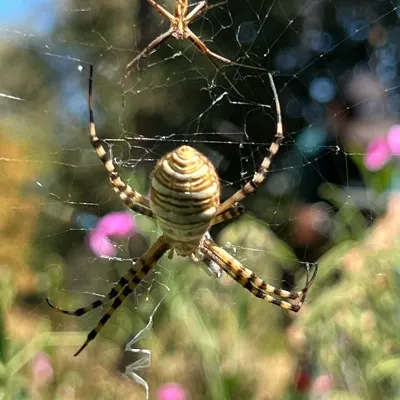
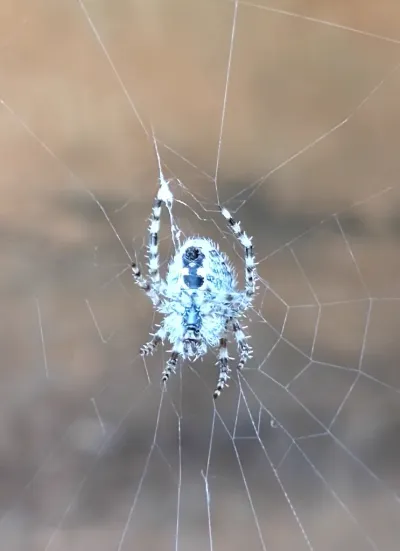
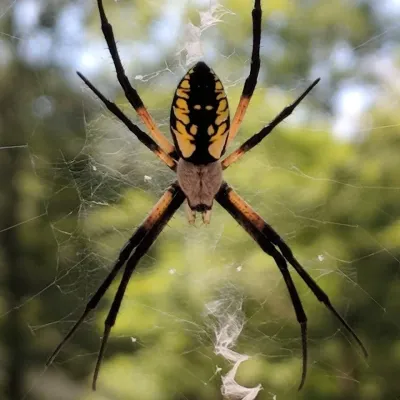
Giant House Spiders are often mistaken for these similar pests
Where Giant House Spiders Are Found
Hover over states to see their names. Green regions indicate where giant house spiders have been reported.
Common Questions about Giant House Spiders
Are giant house spiders dangerous?
+
No, giant house spiders are not dangerous to humans or pets. They can bite if trapped, but their venom only causes minor symptoms like a bee sting. These spiders would rather run away than bite.
Why do I keep finding giant house spiders in my bathtub?
+
Giant house spiders fall into bathtubs and sinks while looking for water at night. Their feet cannot grip smooth surfaces, so they get stuck. This is one of the most common places people find them.
How fast are giant house spiders?
+
Giant house spiders can run at about 1.2 mph. They once held the world record for fastest spider until 1987. This speed helps them catch prey and escape danger.
How can I tell the difference between giant house spiders and hobo spiders?
+
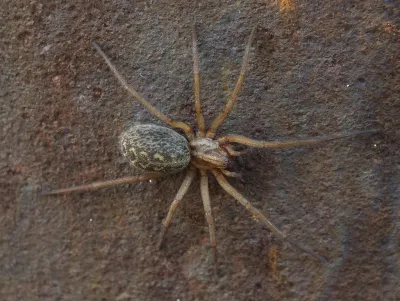
Giant house spiders are bigger than hobo spiders with longer legs (up to 4 inches versus 2 inches). Giant house spiders have solid-colored legs without bands. Often you need an expert to tell them apart for sure.
Do giant house spiders eat hobo spiders?
+
Yes, giant house spiders hunt and eat hobo spiders. Where giant house spiders live, hobo spider numbers go down. This may be why hobo spiders are less common in some Pacific Northwest cities.
How long do giant house spiders live?
+
Giant house spiders live longer than most spiders. Females can live up to six years. Males have shorter lives and usually die a few months after they become adults.
When are giant house spiders most active?
+
Giant house spiders are most active from August through October. During this time, males leave their webs to find females. This is when homeowners see them most often on floors and walls. They hunt mostly at night.
Will giant house spiders infest my home?
+
Giant house spiders do not infest homes like other pests. They live alone and each one has its own web area. You may see several during mating season, but they do not form groups or breed fast indoors. Most are wandering males.

With five years of hands-on experience in the pest control industry, George Schulz is a registered technician with the Virginia Pest Management Association and a proud third-generation professional in a family business that's been protecting homes for over 57 years. He manages and trains a team of service pros while also leading internal research efforts—recently spearheading a deep-dive review of thousands of documents on pest control materials to hand-pick the most kid and pet friendly, most effective solutions tailored specifically for homes in the DC metro area.