Funnel Weaver Spiders Identification Guide
Agelenidae
Funnel weaver spiders are common household spiders known for their distinctive sheet-like webs with tubular retreats. These fast-moving, harmless spiders include the barn funnel weaver and domestic house spider, often found in basements, garages, and dark corners of buildings throughout North America.
Taxonomy
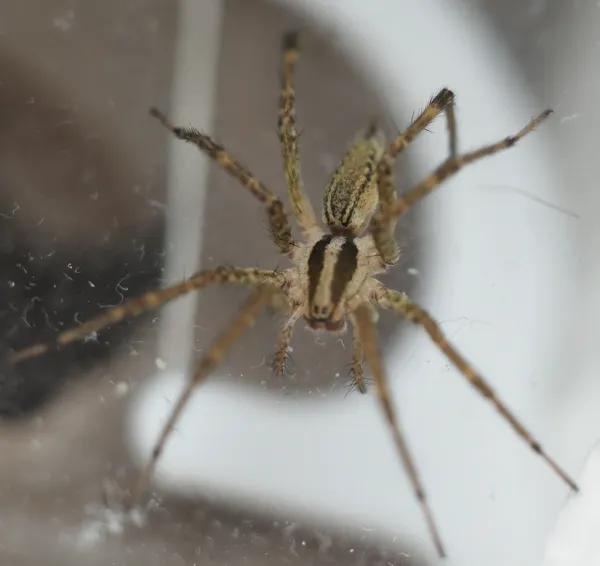
Funnel Weaver Spiders Coloration
Common color patterns to help identify funnel weaver spiders
Funnel Weaver Spiders
Seasonal Activity
When funnel weaver spiders are most active throughout the year
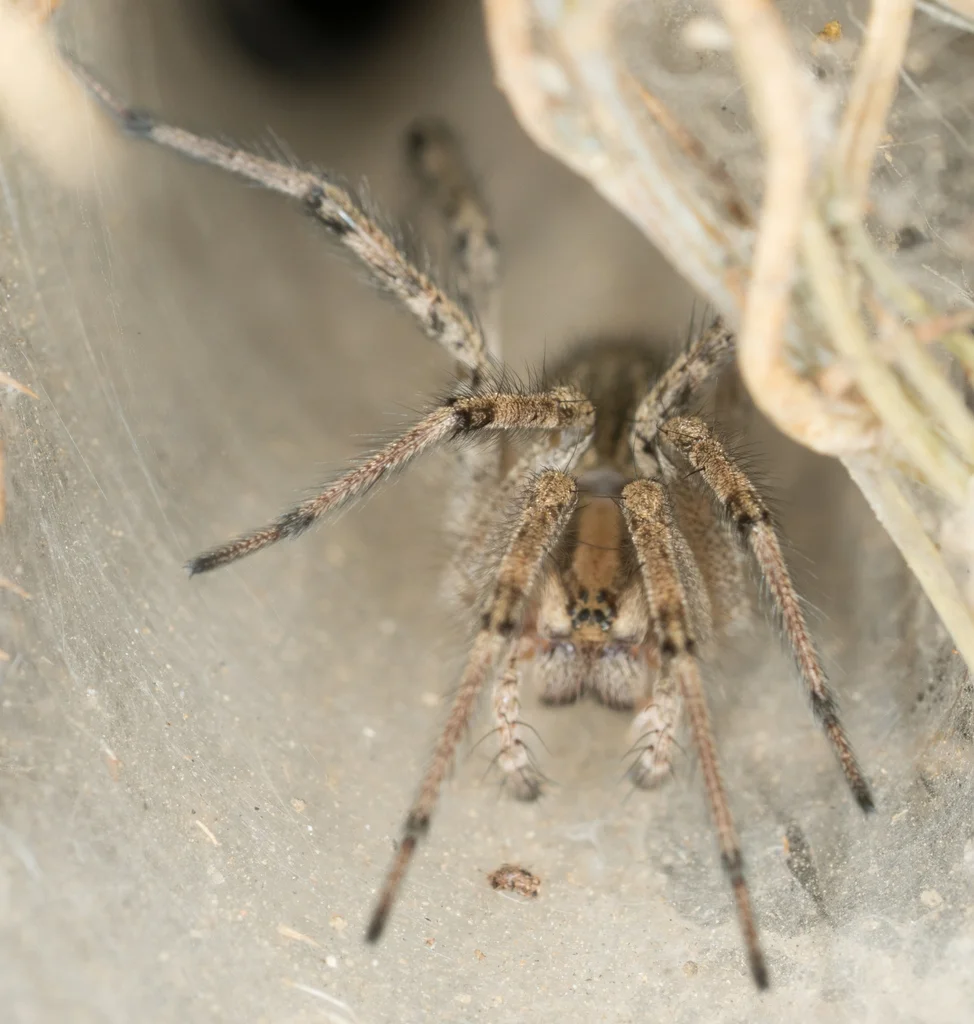
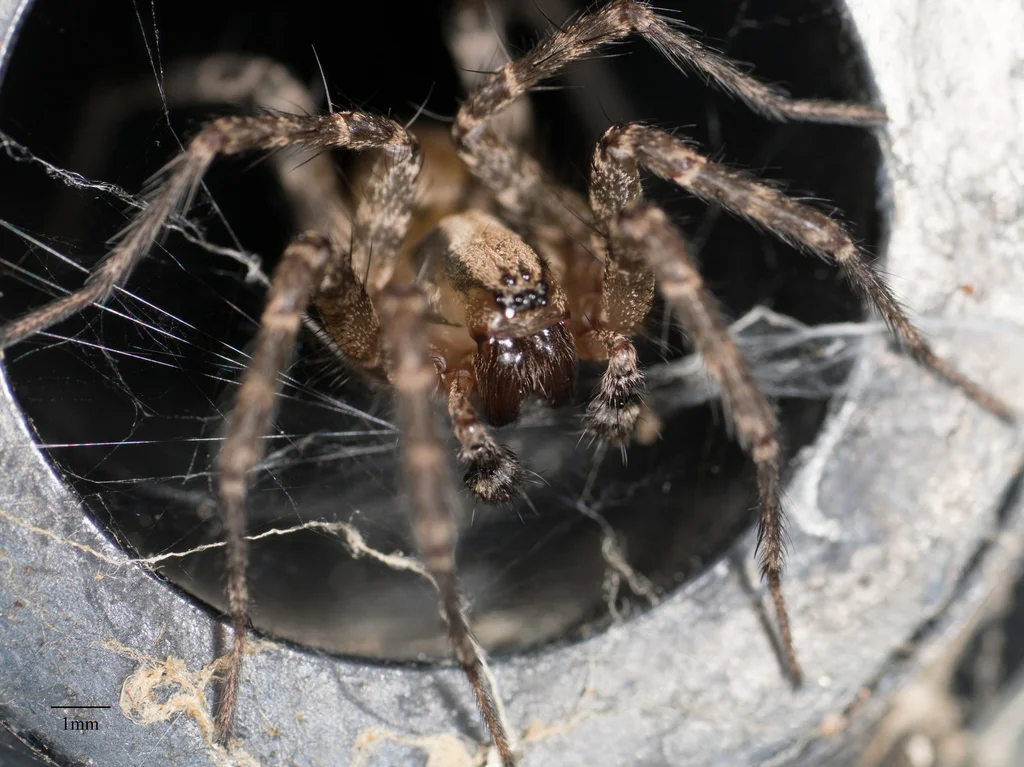
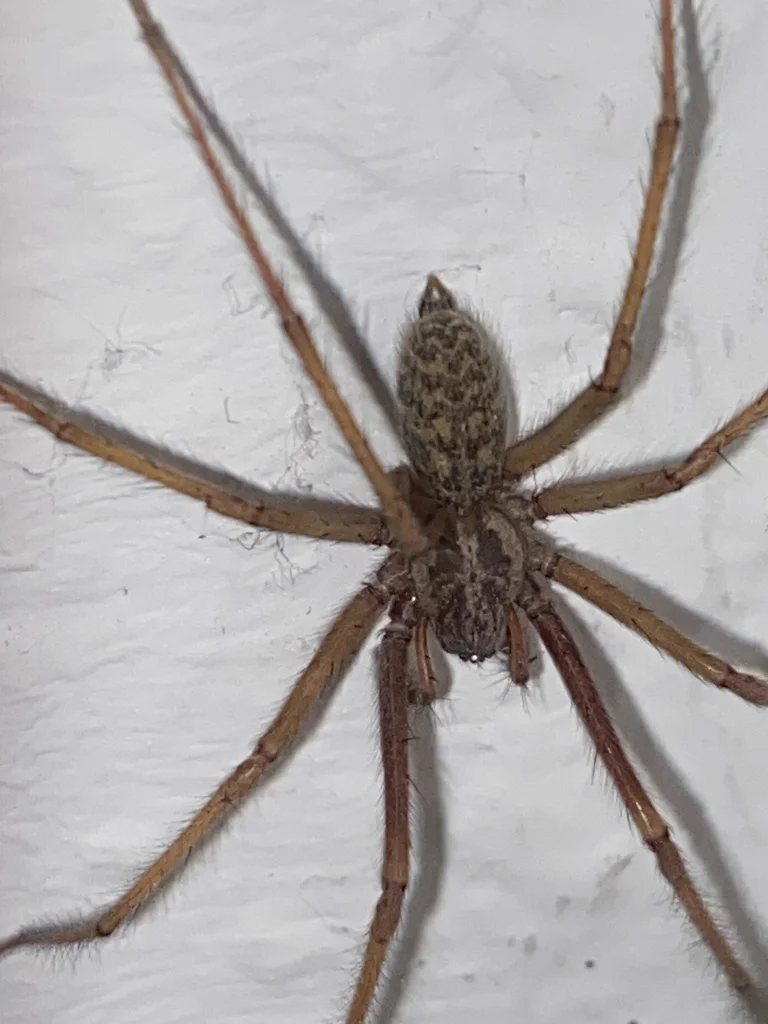

Where Funnel Weaver Spiders Are Found
Hover over states to see their names. Green regions indicate where funnel weaver spiders have been reported.
Funnel Weaver Spider Identification Guide
Physical Characteristics
Funnel weaver spiders belong to the family Agelenidae. They are one of the most common spider families found in North American homes. These spiders range from 4mm to 20mm in body length. Some larger species can have leg spans up to 4 inches.
Key features to look for include:
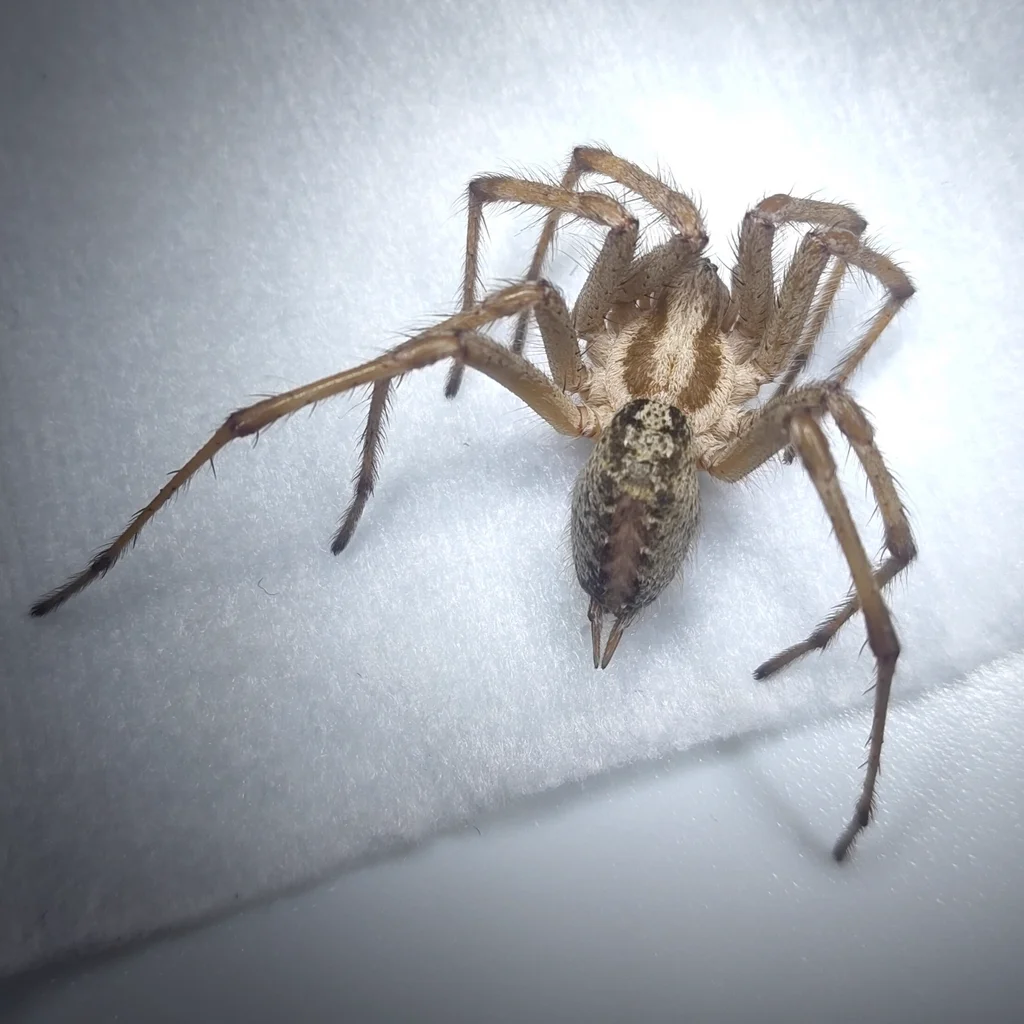
- Prominent spinnerets: These silk-producing organs stick out from the rear of the abdomen. They are often as long as the abdomen itself.
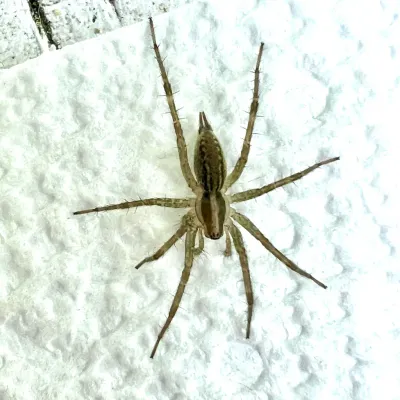
- Two dark stripes: Look for stripes running along each side of the head region. This creates a lighter band down the center.
- Tapered abdomen: The body narrows toward the rear. Wolf spiders have rounder abdomens.
- Eight eyes: They are arranged in two rows of four.
- Banded legs: The legs have darker rings at the joints.
- Mottled patterns: Look for chevron or spotted patterns on the abdomen.
Colors range from yellowish-brown to dark grayish-brown. Fine hairs cover their bodies and help them detect vibrations from their webs.
Web Identification
The easiest way to spot funnel weavers is by their unique web structure. Unlike circular orb webs, funnel weavers build:
- Horizontal sheet webs: Flat areas of silk spread across surfaces. The silk is not sticky.
- Funnel-shaped retreats: A tube at one edge of the sheet where the spider hides and waits.
- Trip lines: Extra threads above the sheet that knock flying insects down.
You will often find these webs in:
- Corners of basements and garages
- Window frames and door corners
- Behind furniture and appliances
- Under deck boards and porch steps
- In woodpiles and rock crevices
- Around foundation walls
The webs are not sticky. Instead, the silk threads tangle prey long enough for the spider to rush out and bite.
Common Species in North America
About 114 species of funnel weavers live in North America. Here are the most common ones found in homes:
Barn Funnel Weaver (Tegenaria domestica): This is one of the most common indoor funnel weavers. You can find them in sheds, barns, basements, and around doors. Females are 7.5-11.5mm long with a pale brown abdomen. They can live up to seven years indoors.
Giant House Spider (Eratigena atrica): These large spiders live mainly in the Pacific Northwest. They can have leg spans of 3-4 inches. Despite their size, they are harmless to humans.
Grass Spiders (Agelenopsis spp.): These outdoor funnel weavers build webs in lawns and shrubs. Adults are 10-20mm long with stripe patterns. Learn more on our grass spiders page.
Hobo Spider (Eratigena agrestis): Found in the Pacific Northwest, hobo spiders were once thought to be dangerous. Current research shows their bites cause only minor effects.
Funnel Weaver Spider Behavior and Biology
Hunting Strategy
Funnel weavers are sit-and-wait predators. They rely on their webs to catch prey rather than hunting actively. Here is how they catch food:
- Detection: The spider waits at the funnel entrance. Its front legs touch the web to sense vibrations.
- Interception: When prey lands on the sheet, it gets tangled in the silk threads.
- Attack: The spider rushes out at high speed to reach the struggling prey.
- Subduing: A quick bite paralyzes the prey within seconds.
- Feeding: The spider drags the prey back into the funnel to eat.
This method requires great speed since the web is not sticky. Funnel weavers are among the fastest spiders. Some species can run up to 1.73 feet per second.
Diet and Feeding Habits
Funnel weavers eat whatever insects and small bugs wander onto their webs. Common prey includes:
- Flies and flying insects knocked down by trip lines
- Crickets and grasshoppers
- Moths and beetles
- Ants and other crawling insects
- Other spiders
Funnel weavers feed on many common household pests, including flies, mosquitoes, and ants. Learn more on our main spiders page.
Reproduction and Lifecycle
Funnel weavers follow predictable breeding patterns:
- Mating season: Males leave their webs to find females. This happens from May through September.
- Egg production: Females create silk egg sacs. Each sac holds dozens to hundreds of eggs.
- Egg sac placement: The sacs hang above the web or hide in protected spots.
- Development: Young spiders grow through several molts. They do not change form.
- Maturity: Most species mature in several months to a year.
Indoor species like the barn funnel weaver can live for years. A single female can produce up to nine egg sacs in her lifetime.
Seasonal Activity
Activity patterns depend on whether the species lives indoors or outdoors.
Outdoor species like grass spiders:
- Are most active in late summer and fall
- Males wander looking for mates in September
- Most adults die after the first hard frost
- Eggs survive winter and hatch in spring
Indoor species like barn funnel weavers:
- Stay active year-round in heated buildings
- Are most active in late summer and fall
- Can survive multiple years
- Can live in your home indefinitely
How We Treat for Funnel Weaver Spiders
Funnel weaver spiders need a special approach. They build webs and may not travel through typical entry points. Our treatment targets both the spiders and what attracts them.
Our Treatment Process
Step 1: Inspection
We start by finding areas with high spider activity. We also look for what draws them in. Key areas include:
- Basement corners, floor joists, and window wells
- Garage interiors and storage areas
- The outside foundation
- Outdoor lights that attract insects
- Moisture problems
- Gaps around windows and doors
Step 2: Exterior Treatment
We apply a non-repellent spray where funnel weavers are active. Non-repellent products work well for spiders because they walk through treated areas without knowing it. We treat:
- Window frames and doorways
- Foundation walls
- Areas where webs appear
- Where the yard meets the house
Step 3: Interior Spot Treatment
We target specific spots inside. Broad spraying does not work well for spiders. We focus on:
- Corners where webs build up
- Entry points and utility lines
- Basement and crawl space areas
- Wall voids with preventative dust
Step 4: Web Removal
We remove spider webs from around your home, including:
- Webs in basement corners and ceilings
- Webs around windows, doors, and eaves
- Funnel retreats in garages and storage areas
Removing webs stops spiders from rebuilding in the same spots.
Step 5: Ongoing Service
Our tri-annual plan includes three visits per year to:
- Reapply exterior treatments before peak activity
- Remove new webs around the structure
- Check activity levels and adjust as needed
- Control insects that attract spiders
Customer Guidance
To get the best results, we suggest:
- Reduce outdoor lighting or use yellow bug lights that attract fewer insects
- Close blinds at night so indoor lights do not draw insects to windows
- Fix moisture problems in basements, bathrooms, and crawl spaces
- Seal gaps under doors, around windows, and at utility lines
- Reduce clutter in storage areas to remove web-building spots
- Vacuum spiders and webs as you see them
Why Regular Service Matters
Funnel weaver control needs ongoing work because:
- New spiders keep moving in from nearby areas
- Egg sacs can hatch weeks after treatment
- Indoor species can live year-round in heated homes
- Controlling insects reduces what attracts spiders
Our tri-annual service keeps a protective barrier in place. It also controls the insects that draw funnel weavers to your property.
References and Additional Resources
- Penn State Extension: Barn Funnel Weaver Spider - Detailed information on Tegenaria domestica identification and biology
- BugGuide: Agelenidae - Taxonomic information and species identification for funnel weavers
- Ohio State University: Funnel Weaver Spiders - Comprehensive guide to funnel weaver identification and behavior
- University of Michigan BioKIDS: Agelenidae - Educational resource on funnel weaver spider biology
- Wikipedia: Agelenidae - General information on funnel weaver spider family characteristics
Other Spiders
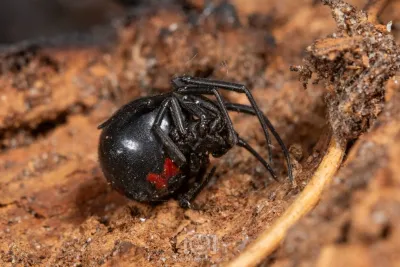
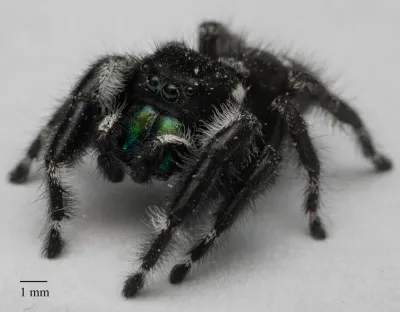
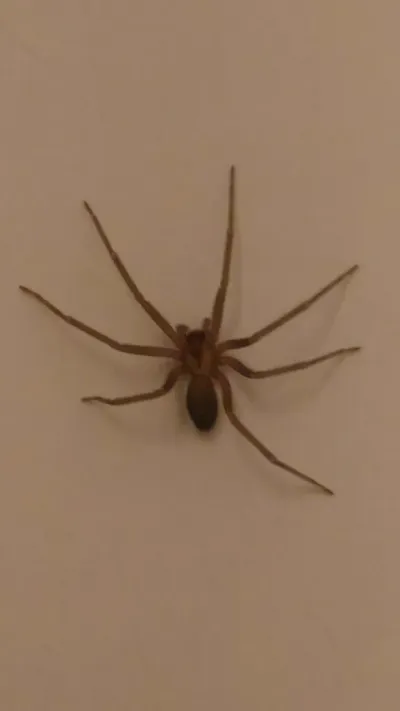
Explore other species in the spiders family
Commonly Confused With
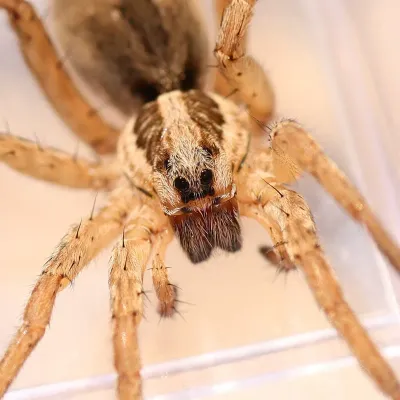
Funnel Weaver Spiders are often mistaken for these similar pests
Where Funnel Weaver Spiders Are Found
Hover over states to see their names. Green regions indicate where funnel weaver spiders have been reported.
Common Questions about Funnel Weaver Spiders
Are funnel weaver spiders dangerous to humans?
+
No, funnel weaver spiders are not dangerous. They have venom for catching insects, but their fangs are small. Their venom does not harm humans. Bites are very rare. If bitten, you may have minor swelling like a bee sting. These spiders are shy and run away when disturbed.
Are funnel weaver spiders the same as Australian funnel-web spiders?
+
No, they are different spiders. North American funnel weavers are harmless. They build sheet webs with funnel retreats. Australian funnel-web spiders are very venomous. They do not live in North America. The names sound alike but the spiders are not related.
How do I identify a funnel weaver spider?
+
Look for long spinnerets sticking out from the back of the body. Check for two dark stripes along the head region. Their legs have dark bands at the joints. Their webs have a funnel-shaped tube. They are usually brown or gray and 4-20mm long.
What is the difference between funnel weavers and wolf spiders?
+
Funnel weavers build webs and wait for prey. Wolf spiders hunt without webs. Funnel weavers have long spinnerets at the back. Wolf spiders do not. Wolf spiders have stockier bodies. Funnel weavers have bodies that taper toward the rear.
Why do I have funnel weaver spiders in my basement?
+
Basements are perfect for funnel weavers. They like dark, quiet spaces with some moisture and insects to eat. Corners, window wells, and storage areas are great spots for their webs. To reduce them, fix moisture problems, seal entry points, and control other insects.
How long do funnel weaver spiders live?
+
It depends on the species. Outdoor species like grass spiders live about one year. They die after the first hard frost. Indoor species like barn funnel weavers can live much longer. Some survive up to seven years in protected places.
Do funnel weaver spiders come out at night?
+
Funnel weavers are mostly active at night. But they will catch prey at any time. They spend most of their time waiting in their funnel retreat. When they feel vibrations, they rush out to catch prey. Males wander more in fall when looking for mates.
How fast are funnel weaver spiders?
+
Funnel weavers are some of the fastest spiders. The giant house spider once held a world record. It can run up to 1.73 feet per second. This speed helps them catch prey. Since their webs are not sticky, they must be fast.

With five years of hands-on experience in the pest control industry, George Schulz is a registered technician with the Virginia Pest Management Association and a proud third-generation professional in a family business that's been protecting homes for over 57 years. He manages and trains a team of service pros while also leading internal research efforts—recently spearheading a deep-dive review of thousands of documents on pest control materials to hand-pick the most kid and pet friendly, most effective solutions tailored specifically for homes in the DC metro area.