Brown Recluse Spiders Identification Guide
Loxosceles reclusa
Venomous spiders recognized by their distinctive violin-shaped marking and six eyes arranged in pairs. Brown recluse spiders prefer dark, undisturbed areas and can cause medically significant bites that may result in tissue damage.
Taxonomy
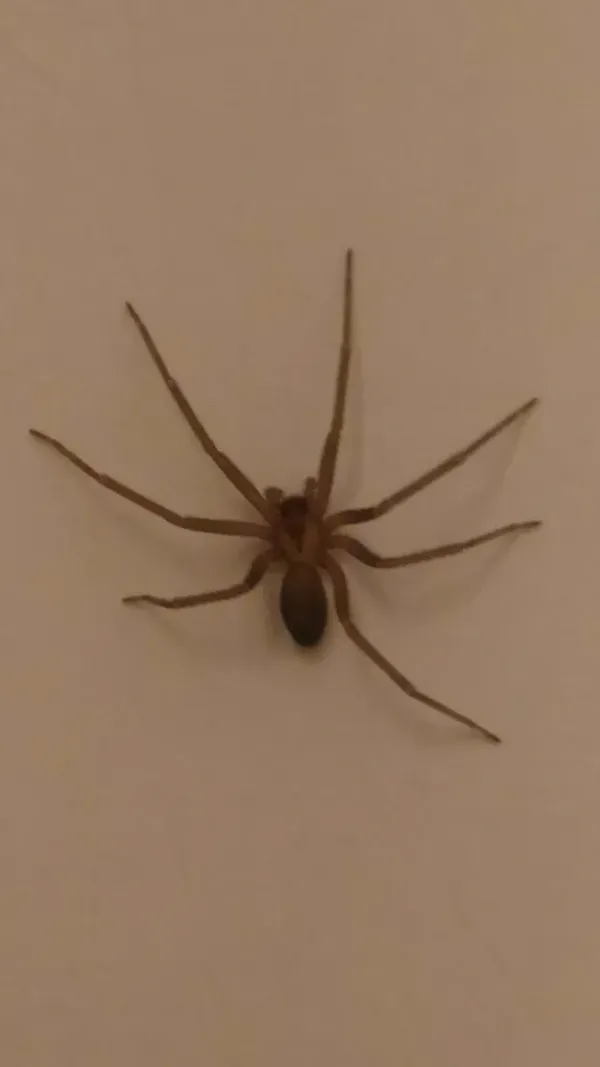
Brown Recluse Spiders Coloration
Common color patterns to help identify brown recluse spiders
Brown Recluse Spiders
Seasonal Activity
When brown recluse spiders are most active throughout the year
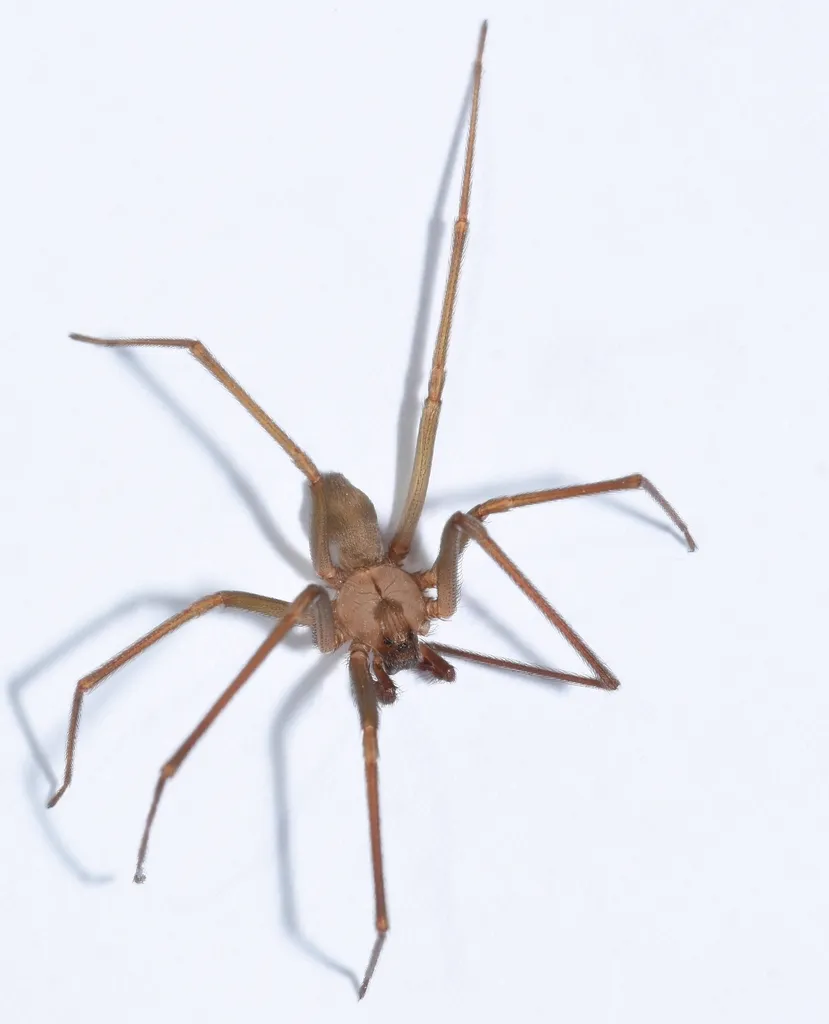
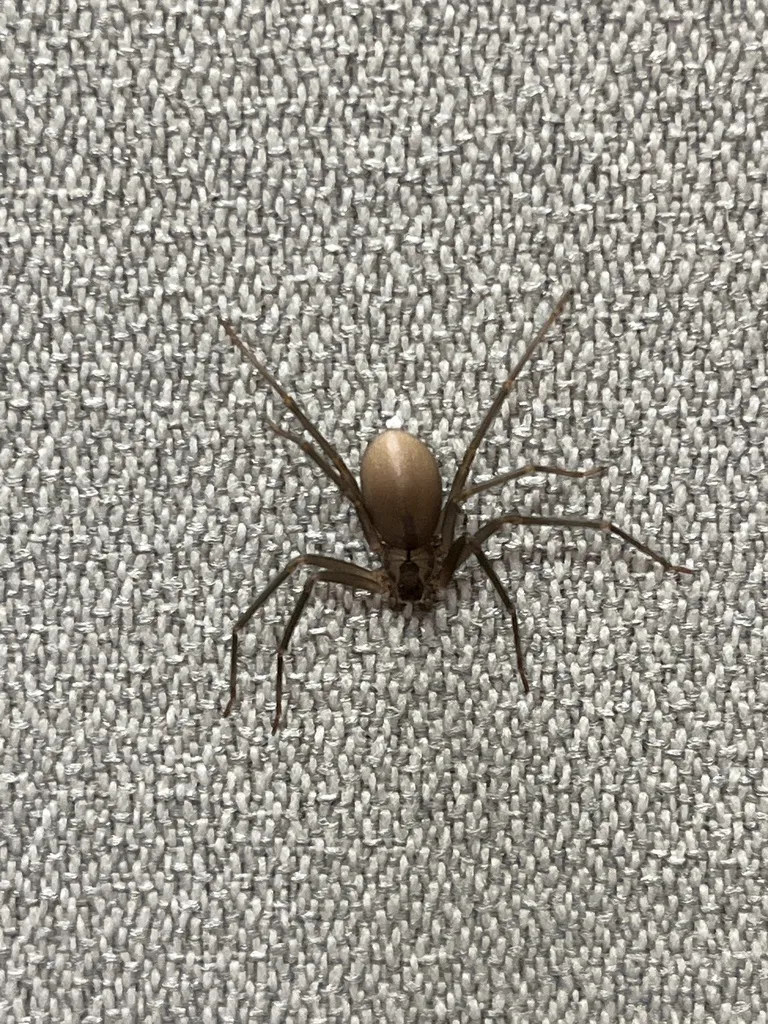
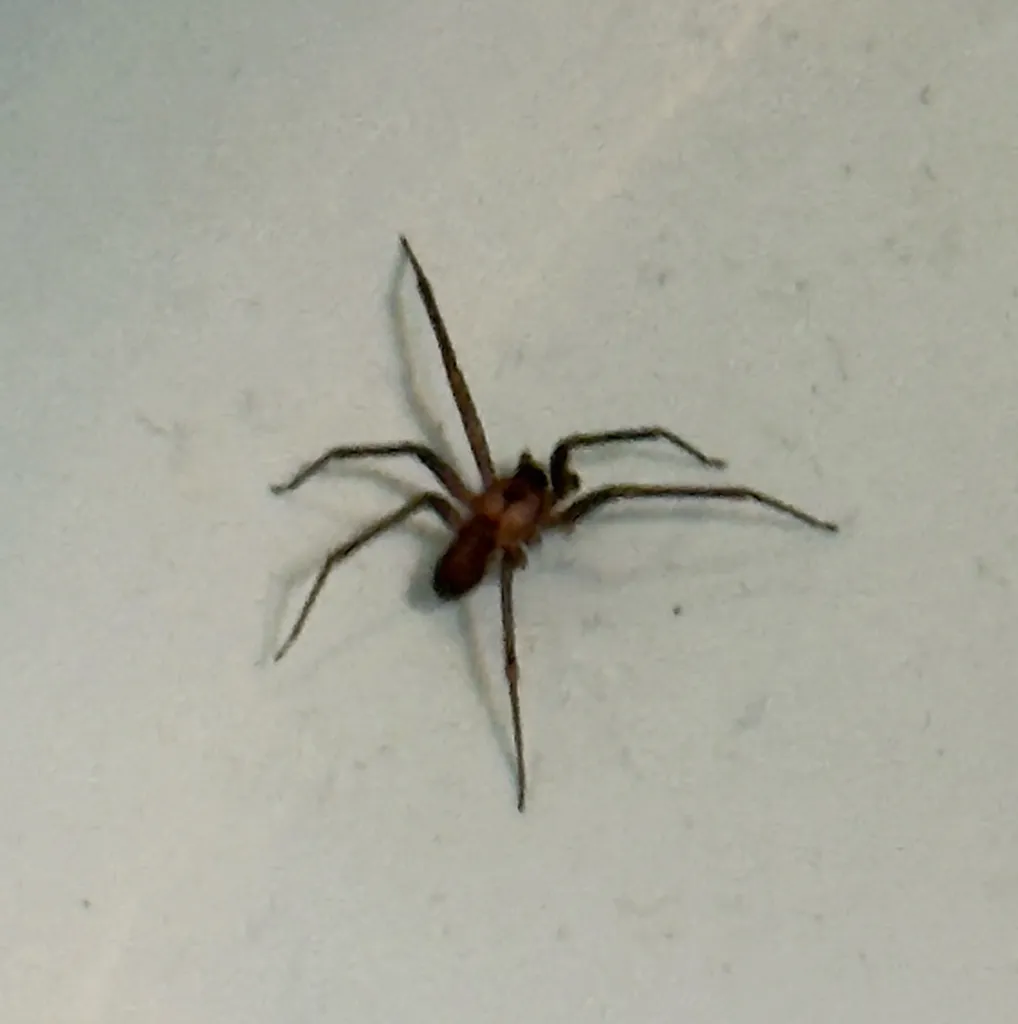

Where Brown Recluse Spiders Are Found
Hover over states to see their names. Green regions indicate where brown recluse spiders have been reported.
See how brown recluses compare to other spiders in our black widow vs. brown recluse guide.
Brown Recluse Spider Identification Guide
Physical Characteristics
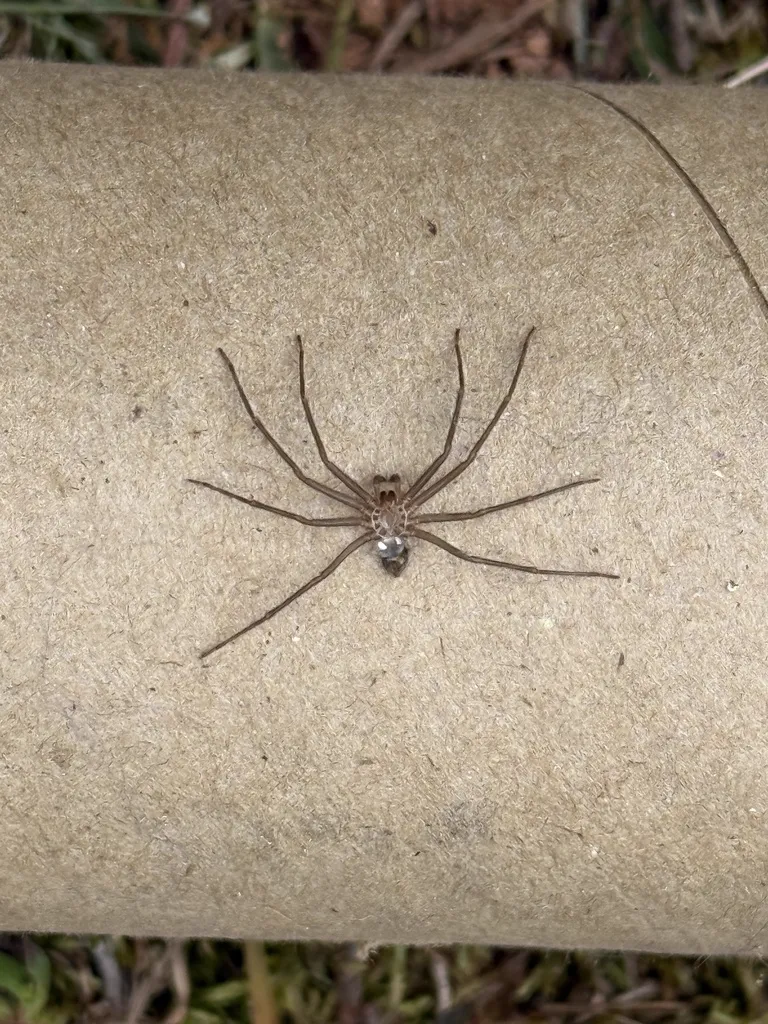
The brown recluse spider (Loxosceles reclusa) is one of the most medically important spiders in North America. Adults measure 6-20 mm in body length. With legs extended, they reach about the size of a U.S. quarter. Their color ranges from tan to dark brown. The abdomen and legs are one solid color without stripes, bands, or spots.
The most notable feature is a dark violin-shaped marking on the front body section. The neck of the violin points toward the back of the spider. This pattern has earned it names like “fiddleback spider” and “violin spider.” Keep in mind that this marking can be faint in young spiders. You should not rely on it alone for identification.
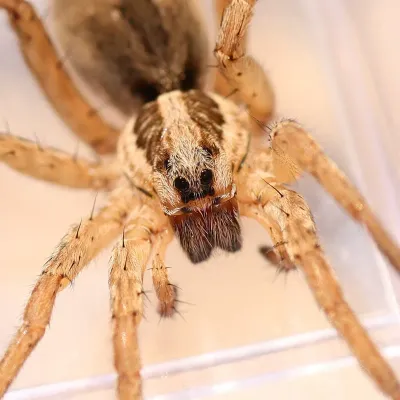
A better way to identify them is by looking at their eyes. Brown recluse spiders have only six eyes in three pairs that form a half-circle. Most spiders have eight eyes. Their legs are long and thin without the visible spines found on many other spiders. They look smooth and delicate, not hairy like wolf spiders or other often misidentified species.
Common Species
Brown Recluse (Loxosceles reclusa) is the most common recluse species in the United States. It lives throughout the south-central and midwestern states. This spider is the one most often found indoors. It is also the main cause of loxoscelism, the medical condition caused by recluse spider bites.
Mediterranean Recluse (Loxosceles rufescens) is a species brought in from other countries. It shows up in buildings from time to time, mainly in northern areas outside the brown recluse’s normal range. It is thought to be less dangerous than the brown recluse.
Desert Recluse (Loxosceles deserta) is native to the Southwest, mainly Arizona, Nevada, and southeastern California. It lives in desert areas and sometimes enters buildings.
Texas Recluse (Loxosceles devia) lives in southern Texas and northern Mexico. It looks similar to the brown recluse and has the same medical concerns.
Brown Recluse Spider Behavior and Biology
Brown recluse spiders hunt at night and do not use webs to catch prey. They actively search for both living and dead insects after dark. During the day, they hide in dark, quiet spots. They do build webs, but these are messy shelters for resting, not traps for catching food. You will usually find these webs in hidden areas, not out in the open.
These spiders are very tough and can handle harsh conditions. They can live in temperatures from near freezing to over 100 degrees Fahrenheit. They can also go many months without food or water. This toughness lets them live in cold basements, hot attics, and other places where most bugs cannot survive.
Brown recluse spiders live longer than most spiders. Females can live two to four years in good conditions. They produce several egg sacs over their lifetime, each holding 40-50 eggs. Young spiders shed their skin many times before becoming adults, which takes about one year. Unlike most spiders, adults keep shedding their skin throughout their lives.
Preferred habitats include:
- Closets, attics, and basements
- Boxes, storage containers, and clutter
- Behind furniture and wall hangings
- Inside shoes, clothing, and bedding left undisturbed
- Garages, sheds, and outbuildings
- Woodpiles, rock piles, and debris
- Crawl spaces and wall voids
Geographic Distribution
Knowing where brown recluses live is key to correctly identifying them. These spiders are found in 16 states: Alabama, Arkansas, Georgia, Illinois, Indiana, Iowa, Kansas, Kentucky, Louisiana, Mississippi, Missouri, Nebraska, Ohio, Oklahoma, Tennessee, and Texas. The most brown recluses are found in Texas, Missouri, Kansas, Oklahoma, Kentucky, and Illinois.
Their range stretches from southeastern Nebraska to southwestern Ohio, down through northwestern Georgia and over to Texas. Finding one outside this area is very rare. When it does happen, it is almost always because the spider hitched a ride in boxes or furniture moved from an area where they live. Studies show that most spiders sent in for testing as “brown recluses” from outside this range turn out to be harmless species.
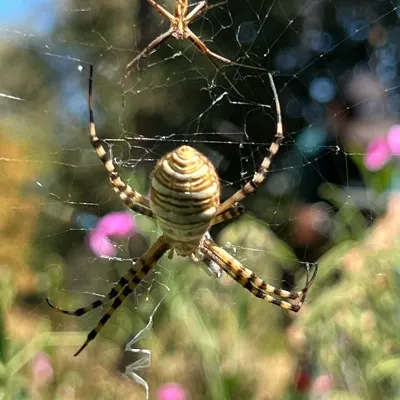
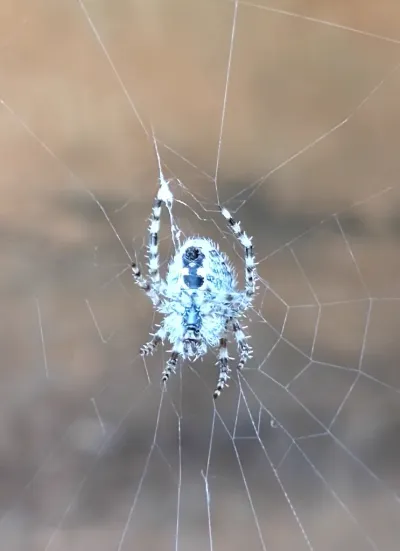
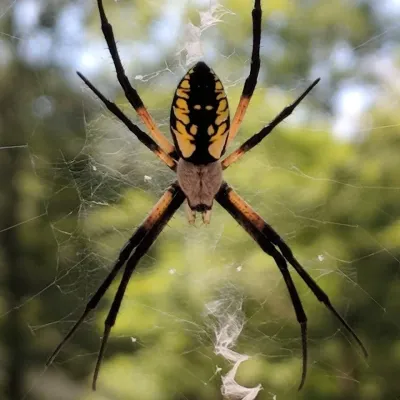
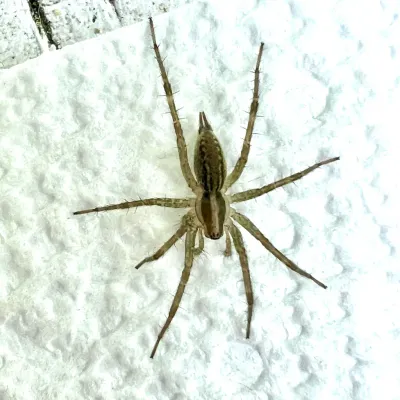
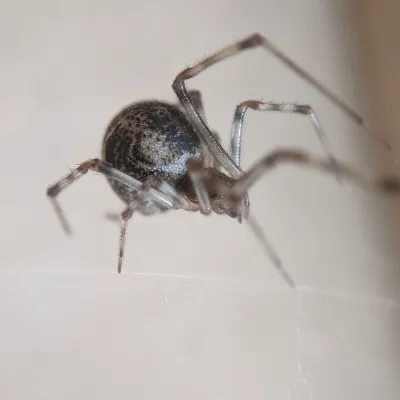
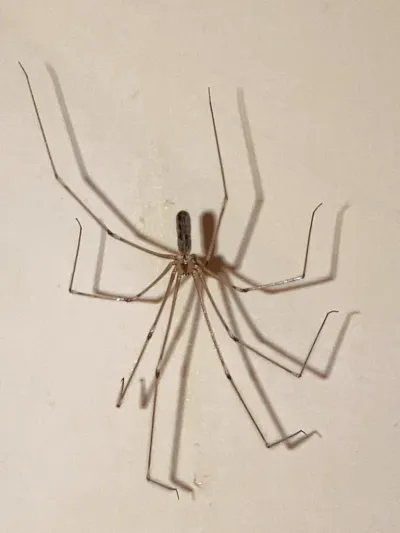
Many brown spiders get mistaken for brown recluses. Wolf spiders, grass spiders, and cellar spiders are common look-alikes. Read our comparisons: grass spider vs. brown recluse, hobo spider vs. brown recluse, and wolf spider vs. brown recluse. Where you live is the most important clue for identification. If you do not live in the brown recluse’s home range, the spider you found is almost certainly a different, harmless species.
Treatment Methods for Brown Recluse Spiders
Getting rid of brown recluse spiders takes a combined approach. This includes chemical treatment, removing spiders by hand, and changing the environment to make it less friendly to them. Pest control pros who know these spiders well can create a plan that works for the building.
Thorough Inspection is the first step. The goal is to find out how bad the problem is and where the spiders are hiding. Brown recluse populations can grow large in the right building. Some homes have hundreds or even thousands of them. The focus should be on storage areas, wall voids, attic spaces, and other dark, quiet spots.
Insecticide Treatment uses products that spiders do not sense or avoid. These are applied to baseboards, corners, closets, and other places where spiders hide. Spiders do not clean themselves like insects do, so they must walk on treated surfaces for the product to work. Dust products work well in wall voids and attic spaces where spiders travel.
Sticky Traps placed along walls, in corners, and near hiding spots help track spider activity. They also catch spiders that wander out at night. Checking these traps often shows how many spiders are present and whether treatment is working.
Habitat Changes make a big difference. Clearing out clutter removes hiding spots and makes it easier to inspect and treat. Using sealed plastic bins instead of cardboard boxes takes away shelter. Sealing cracks in walls, foundations, and around pipes cuts down on entry points and hiding places.
Follow-up Treatment matters a lot with brown recluses. These spiders are tough and breed fast, so one treatment rarely solves the problem. Regular checks and retreatment help reduce the population until control is reached. In bad cases, it may take several months to a year to fully clear an infestation.
Medical Considerations
Disclaimer: The information below is for learning purposes only. It is not medical advice. If a brown recluse bites you or you have worrying symptoms, see a doctor right away.
Brown recluse venom has enzymes that can cause a condition called loxoscelism. This condition has two forms: one affects just the skin, and the other affects the whole body.
Most brown recluse bites cause mild symptoms and heal without major problems. A small number of bites lead to tissue death. This can create an open wound that takes weeks or months to heal. How bad a bite gets depends on how much venom went in, where the bite is, and the person’s overall health.
What happens after a bite:
- The bite usually does not hurt at first and may go unnoticed
- Within 2-8 hours, the area turns red, burns, and swells
- The bite may look like a bullseye or turn bluish
- In worse cases, a blister forms and tissue dies over 1-2 weeks
- Healing takes 3 weeks to several months depending on how bad it is
See a doctor right away if you have:
- Redness or dark color spreading around the bite
- Fever, chills, or flu-like symptoms
- Nausea, throwing up, or muscle pain
- Trouble breathing or fast heartbeat
- Dark urine or less urination than normal
If bitten, wash the wound with soap and water. Apply ice to reduce swelling. Then see a doctor. No antivenom exists in the United States, but doctors can treat symptoms and prevent problems. Most brown recluse bites heal well with basic wound care.
References and Further Reading
- Brown Recluse Spider - University of Kentucky Entomology - Comprehensive guide on identification, biology, and control from a leading research institution.
- Brown Recluse Spiders - Penn State Extension - Detailed information on identification, distribution, and medical significance.
- Brown Recluse Spider Toxicity - NCBI/StatPearls - Medical reference on envenomation and treatment.
- Brown Recluse Spider - University of Florida EDIS - Scientific publication on the brown recluse spider.
- Spider Bites - Mayo Clinic - Medical information on spider bite treatment.
- Brown Recluse Spider - MedlinePlus - Medical encyclopedia entry on brown recluse spider identification and bite treatment.
Other Spiders
Explore other species in the spiders family
Commonly Confused With
Brown Recluse Spiders are often mistaken for these similar pests
Where Brown Recluse Spiders Are Found
Hover over states to see their names. Green regions indicate where brown recluse spiders have been reported.
Common Questions about Brown Recluse Spiders
How do I identify a brown recluse spider?
+
Brown recluse spiders are tan to dark brown with a violin-shaped marking on the front of their body. The neck of the violin points toward the back. They have six eyes in three pairs, while most spiders have eight. Their legs are one solid color with no spines or bands. With legs out, they are about the size of a quarter.
Are brown recluse spiders dangerous?
+
Brown recluse bites can cause tissue damage in some cases. This can lead to tissue death at the bite spot. Most bites heal in a few weeks without big problems. Children, older adults, and people with weak immune systems may have worse reactions. See a doctor if you think a brown recluse bit you.
Where do brown recluse spiders live?
+
Brown recluse spiders like dark, quiet areas. Inside, they hide in closets, attics, basements, crawl spaces, garages, and storage boxes. Outside, they live in woodpiles, rock piles, and under debris. They are tough and can go months without food or water.
What is the range of brown recluse spiders?
+
Brown recluse spiders live in the south-central and midwestern United States. They are found in 16 states: Texas, Oklahoma, Kansas, Missouri, Arkansas, Louisiana, Illinois, Indiana, Ohio, Kentucky, Tennessee, Mississippi, Alabama, and parts of Georgia. They rarely live outside this area.
What should I do if I find a brown recluse?
+
Do not try to touch or grab the spider. If you can, trap it in a jar for ID. Keep kids and pets away. Call a pest control pro, especially if you live where these spiders are common. Clear out clutter to remove hiding spots.
How can I prevent brown recluse spiders?
+
Clear clutter in storage areas, garages, and basements. Seal cracks in walls and foundations. Use plastic bins with lids instead of cardboard boxes. Shake out shoes, clothes, and bedding that have sat unused. Wear gloves when moving firewood or stored items.
What does a brown recluse bite look like?
+
At first, bites often do not hurt and may go unnoticed. Within 2-8 hours, the area turns red and tender. It may look like a bullseye with a pale center and red ring. In some cases, a blister forms and the skin may die over the next few days to weeks.
Are brown recluse spiders aggressive?
+
No, brown recluse spiders are shy by nature. They only bite when pressed against skin by accident. This happens when you put on clothes or shoes where they hide, or reach into boxes or corners. They would rather run away than fight.

With five years of hands-on experience in the pest control industry, George Schulz is a registered technician with the Virginia Pest Management Association and a proud third-generation professional in a family business that's been protecting homes for over 57 years. He manages and trains a team of service pros while also leading internal research efforts—recently spearheading a deep-dive review of thousands of documents on pest control materials to hand-pick the most kid and pet friendly, most effective solutions tailored specifically for homes in the DC metro area.