Barn Spiders Identification Guide
Araneus cavaticus
Barn spiders are orb-weaving spiders famous for building large, wheel-shaped webs in barns, sheds, and around homes. This nocturnal species inspired the character Charlotte in Charlotte's Web.
Taxonomy
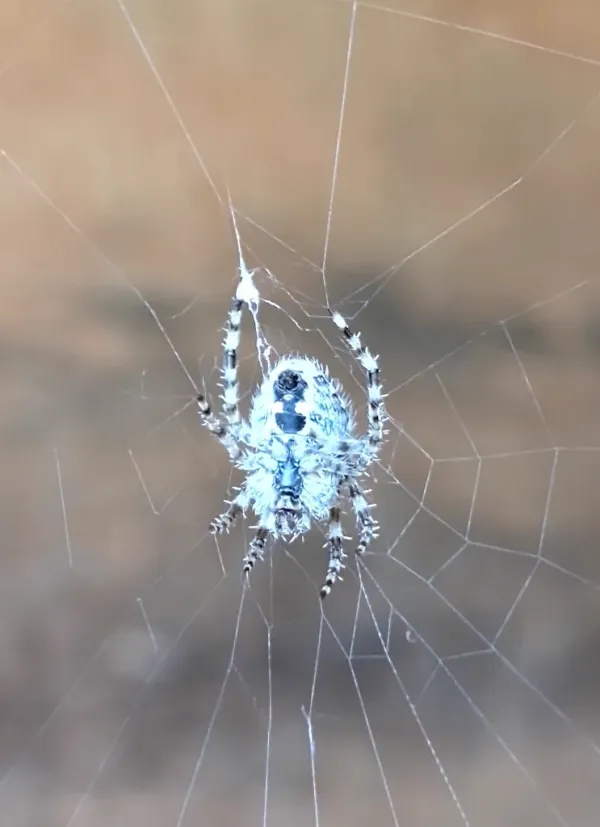
Barn Spiders Coloration
Common color patterns to help identify barn spiders
Barn Spiders
Seasonal Activity
When barn spiders are most active throughout the year
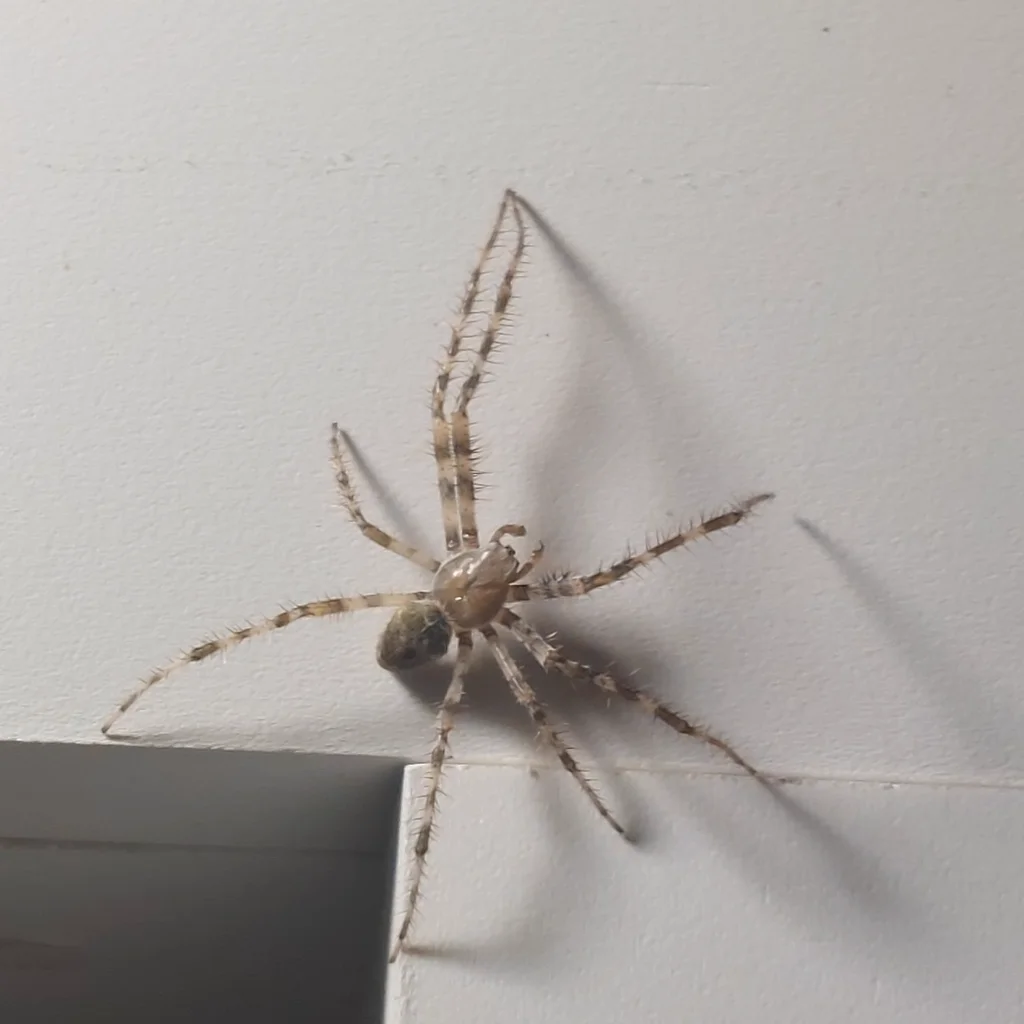
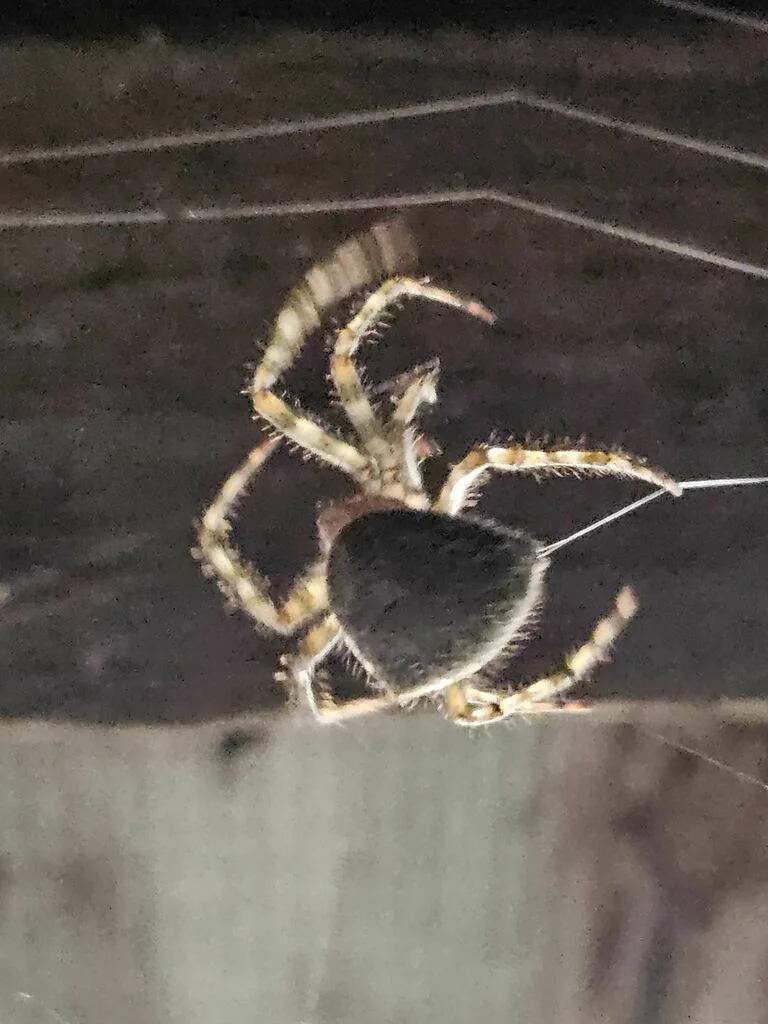
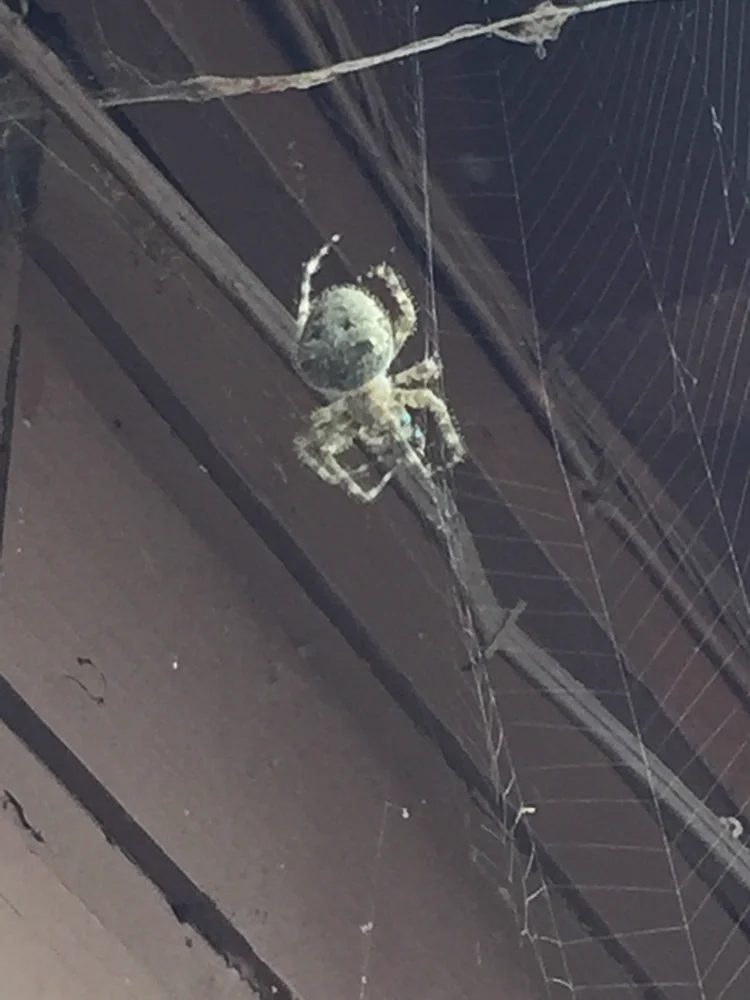

Where Barn Spiders Are Found
Hover over states to see their names. Green regions indicate where barn spiders have been reported.
Barn Spider Identification Guide
Physical Characteristics
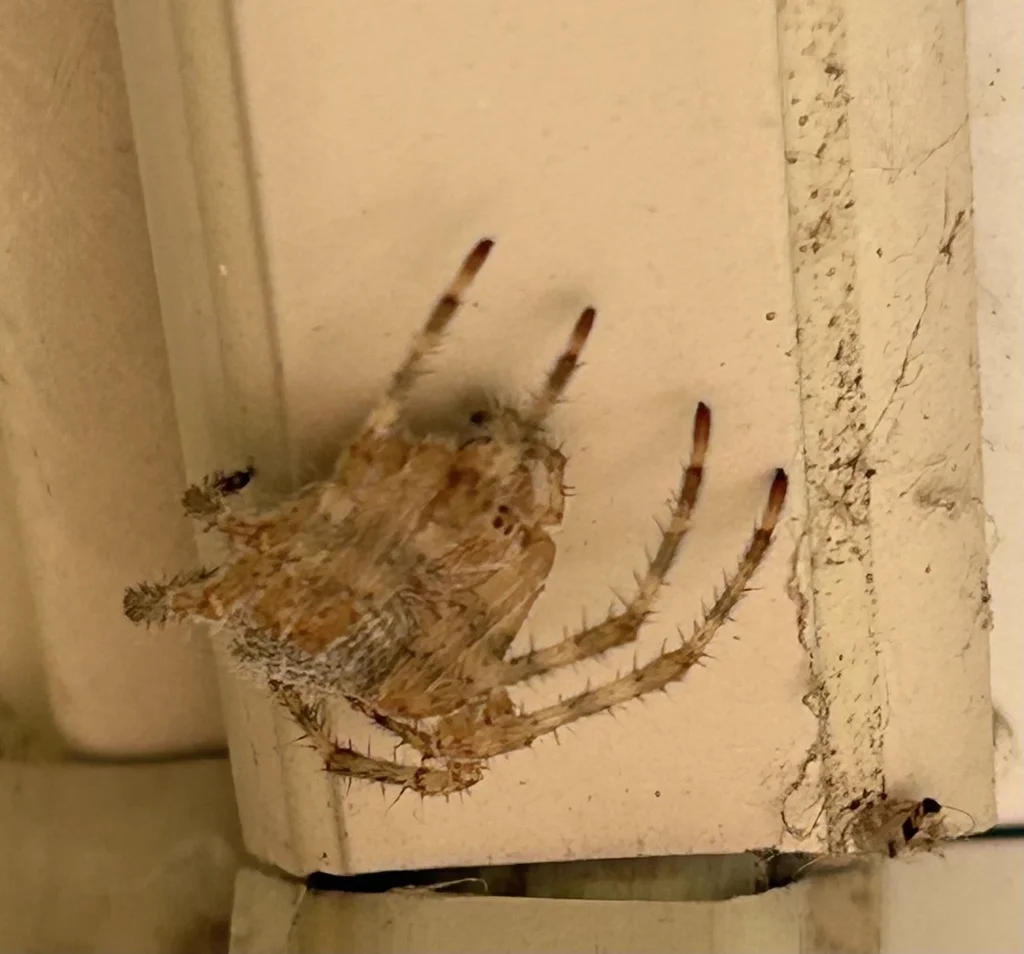
Barn spiders are medium-sized orb weavers. Adult females measure about 0.75 to 1 inch (19-25 mm) in body length. Males are smaller at 0.25 to 0.5 inches (6-13 mm). With legs extended, a large female can span 2 to 3 inches.
These spiders have a round, hairy abdomen that is larger in females. Their bodies are yellow to brown in color, with considerable variation between individuals. Some appear tan or gray. The legs have distinct dark and light stripes or bands.
Key identification features include:
- Body color: Yellow, brown, tan, or gray with darker specks
- Leg pattern: Alternating light and dark bands
- Underside: Black with white markings
- Abdomen shape: Large and round, especially in females
- Eyes: Eight eyes arranged in two rows
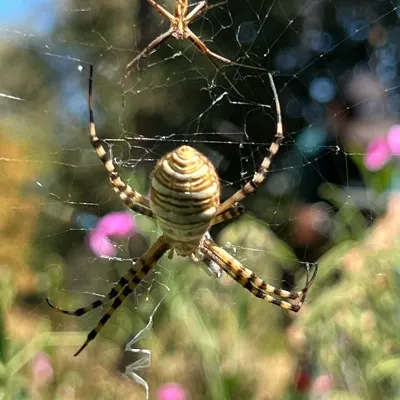
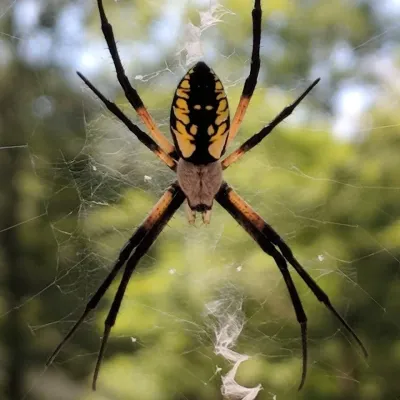
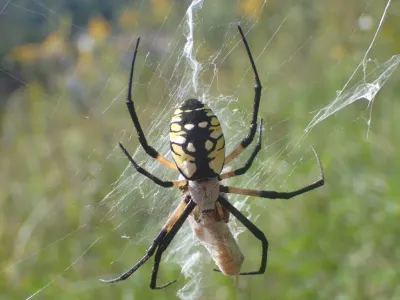
Barn spider colors vary a lot. Two spiders of the same species can look quite different. This often leads people to confuse them with other orb weaver spiders such as garden spiders.
Web Characteristics
Barn spiders build classic orb webs. These wheel-shaped webs have:
- Frame threads: Strong outer support lines attached to structures
- Spokes: Lines radiating from the center to the frame
- Sticky spiral: Circular sticky threads that trap prey
- Hub: The center where the spider waits
Webs can reach 2 feet or more across. Barn spiders typically build in sheltered locations with good anchor points. They prefer spots near light sources because lights attract flying insects.
One habit sets barn spiders apart. They rebuild their web every night. At dawn, the spider eats the old web. This saves the silk proteins. At dusk, it spins a fresh web. This daily cycle keeps the web sticky and ready to catch prey.
Common Species in North America
The true barn spider (Araneus cavaticus) lives in the northeastern United States and southeastern Canada. Several related orb weavers look similar and live in the same areas:
- Spotted Orbweaver (Neoscona crucifera): Sometimes also called “barn spider.” Has an upside-down spruce tree pattern on the abdomen.
- Cross Orbweaver (Araneus diadematus): Has a white cross marking on its back. Introduced from Europe.
- Marbled Orbweaver (Araneus marmoreus): Orange or yellow with purple or brown marbling.
Barn Spider Behavior and Biology
Where They Live
Barn spiders prefer human-made structures that provide shelter and good web anchor points. Common locations include:
- Barns, sheds, and outbuildings
- Covered porches and patios
- Garage door frames and eaves
- Under deck railings
- Window frames and corners
- Near outdoor lighting
- Wooden fences and pergolas
They choose spots protected from direct wind and heavy rain. Access to light sources is important because lights attract the moths, flies, and other insects they eat.
What They Eat
Barn spiders are effective predators of flying insects. Their diet includes:
- Moths and miller moths
- Flies of all sizes
- Mosquitoes
- Beetles
- Flying ants
- Gnats and midges
- Small wasps
When an insect hits the web, the spider feels the vibrations with hairs on its legs. It rushes over, bites the prey, and wraps it in silk. The spider may eat right away or save the meal for later.
Life Cycle
Female barn spiders make one or more egg sacs in late summer or early fall. Each sac holds 100 to several hundred eggs wrapped in tough silk. Females attach these sacs in protected spots near their web.
The eggs stay in the sac through winter. In spring, baby spiders hatch and come out. Young spiders spread out by “ballooning.” They climb up high, release silk threads, and let the wind carry them to new spots.
Baby spiders grow through spring and summer. They shed their skin many times as they get bigger. By late summer, females reach full adult size. Learn more about all spiders found in homes. Mating happens in late summer and fall. Males often die soon after mating. Females live until the first hard frost kills them.
Seasonal Activity
In the Mid-Atlantic region (Virginia, Maryland, DC):
- Winter (December to February): No activity. Eggs remain protected in silk sacs.
- Early Spring (March to April): Spiderlings begin hatching and dispersing.
- Late Spring (May): Young spiders establish territories and build small webs.
- Summer (June to July): Spiders grow rapidly. Web size increases.
- Late Summer (August to September): Peak activity. Adult females reach maximum size. Large webs are most visible.
- Fall (October to November): Mating occurs. Females produce egg sacs. Activity declines with colder temperatures.
Defensive Behavior
When scared, barn spiders react in a few ways. They may bounce up and down fast in their web. This makes them look like a blur and harder to see. If the threat keeps up, they may drop from the web on a silk line and hide. Barn spiders are not aggressive. They only bite if grabbed.
How We Treat for Barn Spiders
Barn spiders build large webs that can become a nuisance in doorways, walkways, and outdoor living areas. Here is how we approach barn spider management.
Our Treatment Approach
Web Removal
We remove webs from high-traffic areas like doorways, walkways, and outdoor living spaces. Regular removal discourages spiders from rebuilding in the same spot. We can reach webs up to 6-8 feet high during service visits.
Reducing Attractants
Barn spiders go where the bugs are. Reducing flying insects around your home means fewer spiders. We recommend:
- Adjust exterior lighting. Bright white lights attract insects, which attract spiders. Switch to yellow “bug lights” or motion-activated lighting.
- Close blinds at night. Interior lights visible through windows draw insects to your home’s exterior.
- Seal entry points. Weatherstripping and door sweeps keep flying insects out, reducing the food supply that attracts spiders.
Perimeter Treatment
For ongoing spider problems, we apply treatments to areas where spiders gather. Spiders pick up the product when they walk across treated spots. We focus on:
- Door and window frames
- Eaves, soffits, and overhangs
- Corners where walls meet
- Porch ceilings and railings
- Areas around exterior lighting
Ongoing Protection
Spider treatments typically remain effective for several months. We return periodically to re-treat the perimeter and remove new webs. Between visits, knocking down webs with a broom helps discourage rebuilding in problem areas.
What to Expect
Our treatment targets spiders in areas where their webs cause problems. We focus on high-traffic zones and entry points. Some homeowners prefer to leave webs in out-of-the-way spots. Let us know your preferences and we will tailor our approach.
References
- Barn Spider Overview - Wikipedia
- Barn Orbweaver - iNaturalist
- Commonly Encountered Pennsylvania Spiders - Penn State Extension
- Cross Orbweaver Spider - Penn State Extension
- Orb Weaver Spiders - Utah State University Extension
Other Spiders
Explore other species in the spiders family
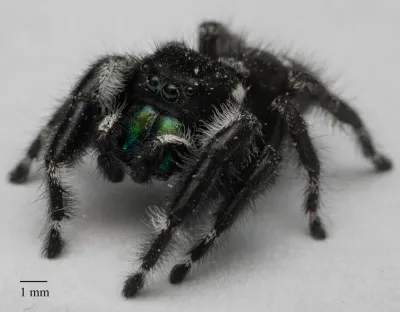
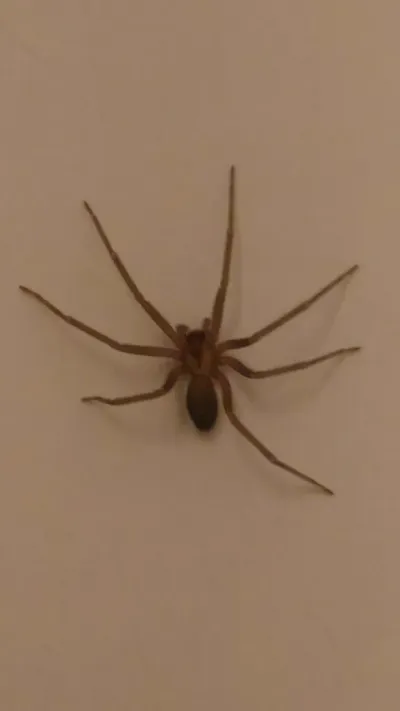
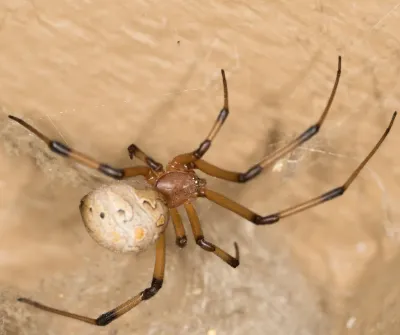
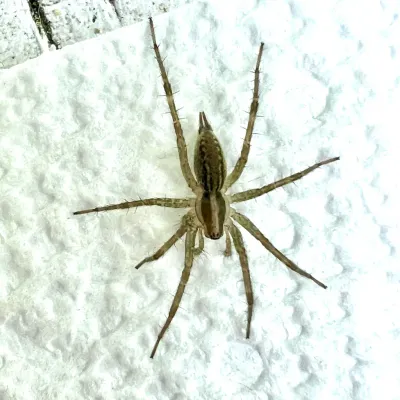
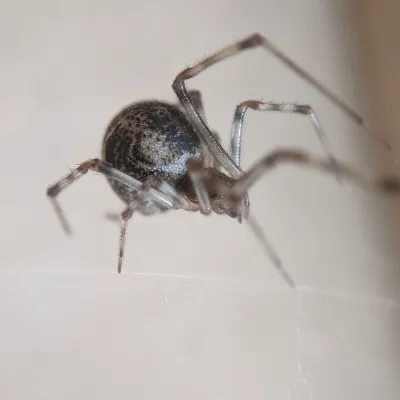
Commonly Confused With
Barn Spiders are often mistaken for these similar pests
Where Barn Spiders Are Found
Hover over states to see their names. Green regions indicate where barn spiders have been reported.
Common Questions about Barn Spiders
Are barn spiders dangerous?
+
No, barn spiders are not dangerous to humans. They can bite if grabbed or squeezed, but their venom is not harmful. Barn spiders are shy and prefer to run away or drop from their web when threatened.
Why is it called a barn spider?
+
Barn spiders get their name from their preference for building webs in barns, sheds, and other wooden structures. These buildings provide excellent anchor points for webs and protection from wind and rain.
Is the barn spider the spider from Charlotte's Web?
+
Yes. The barn spider (Araneus cavaticus) inspired the character Charlotte in E.B. White's book Charlotte's Web. Charlotte's full name in the book is Charlotte A. Cavatica, a direct reference to the spider's scientific name.
Why do barn spiders rebuild their webs every day?
+
Barn spiders eat their old web at dawn and build a new one at dusk. This recycling saves energy and protein. The fresh web is also stickier and catches more prey than a dusty, damaged web.
When are barn spiders most active?
+
Barn spiders are nocturnal. They build and repair their webs at night and hide during the day. You'll see the largest webs and biggest spiders from August through October when females reach full size.
How do I identify a barn spider?
+
Look for a medium-sized spider with a round abdomen and striped legs. Colors range from yellow to brown to gray. The underside is black with white marks. They build classic wheel-shaped webs, often in wooden structures.
Will barn spiders come inside my house?
+
Barn spiders rarely come indoors. They need open space to build their large orb webs and catch flying insects. They prefer porches, garages, barns, sheds, and covered outdoor areas.
How long do barn spiders live?
+
Most barn spiders live about one year. Adults die after the first hard frost in fall. Before dying, females create egg sacs containing hundreds of eggs. The eggs hatch the following spring.

With five years of hands-on experience in the pest control industry, George Schulz is a registered technician with the Virginia Pest Management Association and a proud third-generation professional in a family business that's been protecting homes for over 57 years. He manages and trains a team of service pros while also leading internal research efforts—recently spearheading a deep-dive review of thousands of documents on pest control materials to hand-pick the most kid and pet friendly, most effective solutions tailored specifically for homes in the DC metro area.