Four-Lined Silverfish Identification Guide
Ctenolepisma lineatum
The four-lined silverfish is a common household pest with distinctive dark stripes on its back. Larger and more robust than the common silverfish, it thrives in humid environments and feeds on paper, starches, and fabrics.
Taxonomy
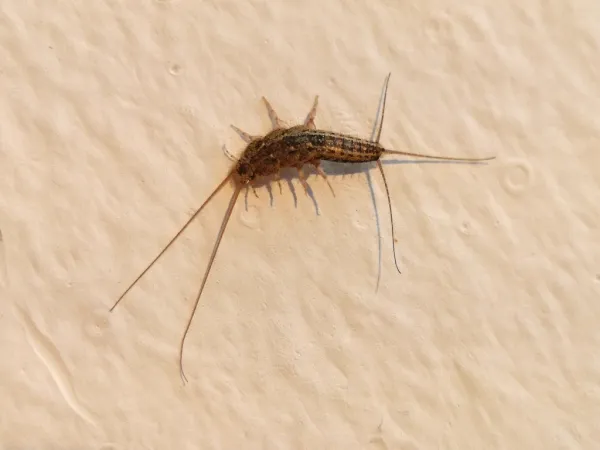
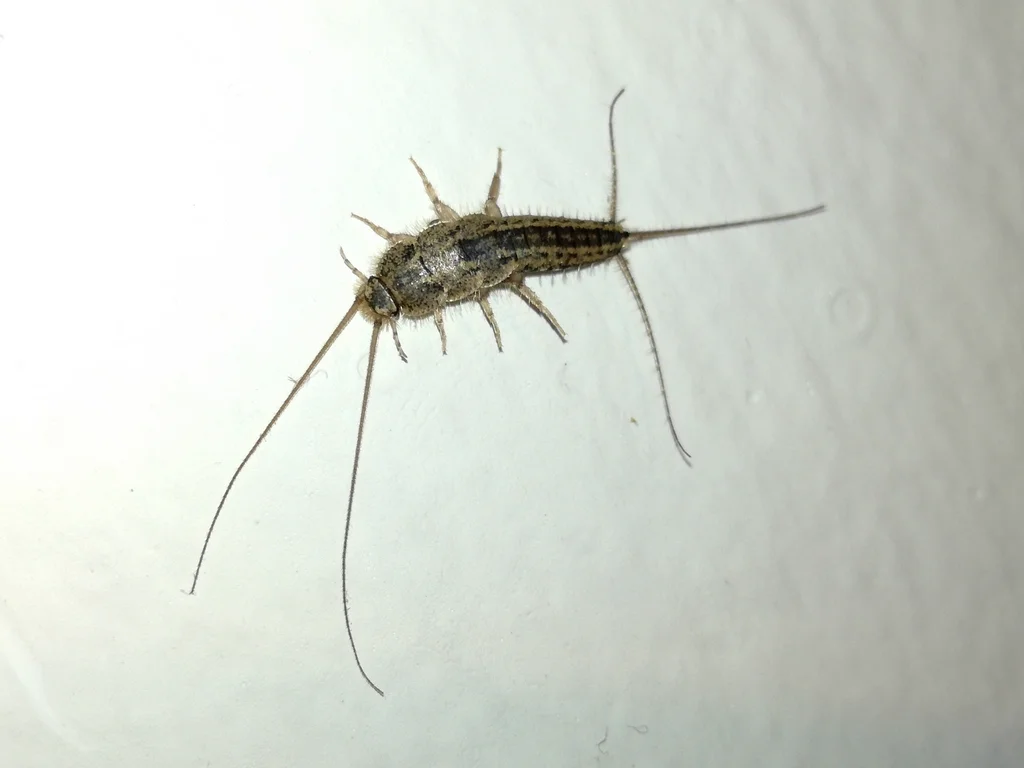
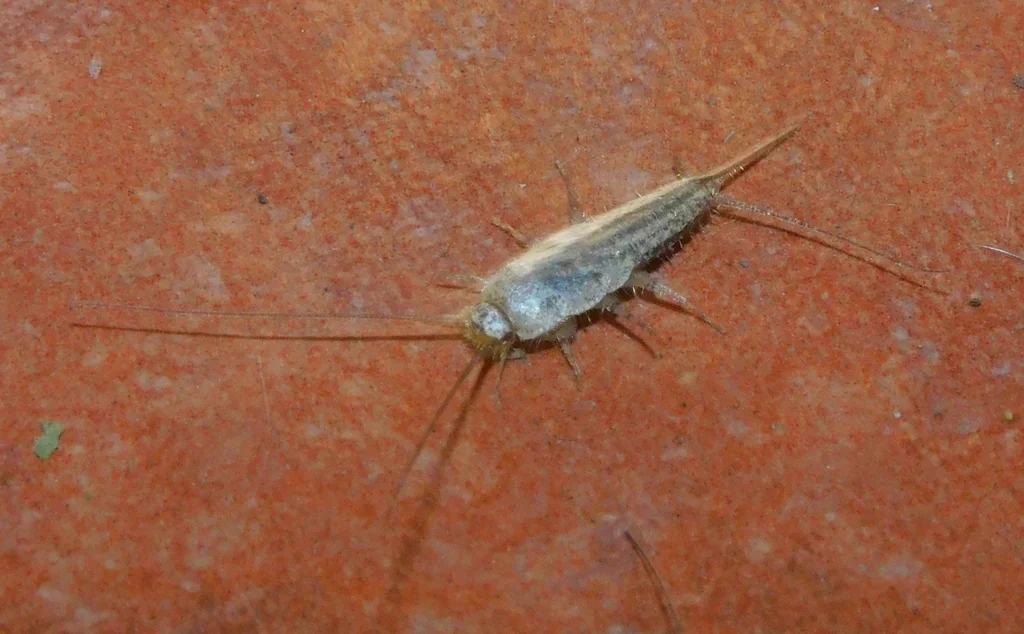
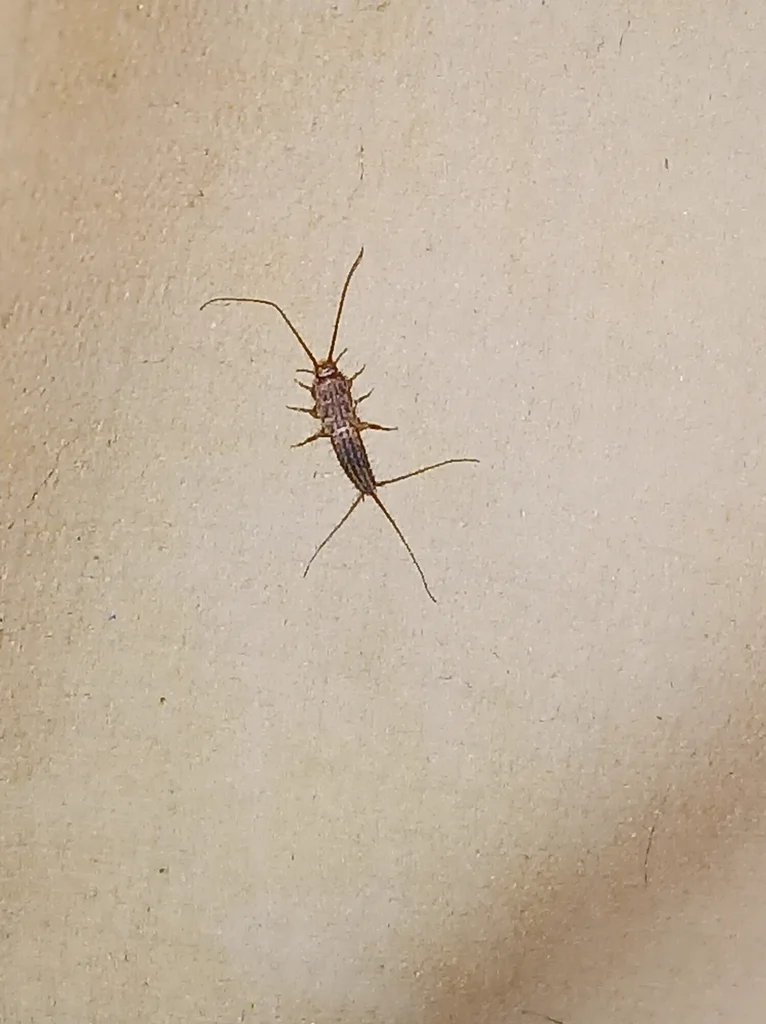
Four-Lined Silverfish Coloration
Common color patterns to help identify four-lined silverfish
Four-Lined Silverfish
Seasonal Activity
When four-lined silverfish are most active throughout the year

Where Four-Lined Silverfish Are Found
Hover over states to see their names. Green regions indicate where four-lined silverfish have been reported.
Four-Lined Silverfish Identification Guide
Physical Characteristics
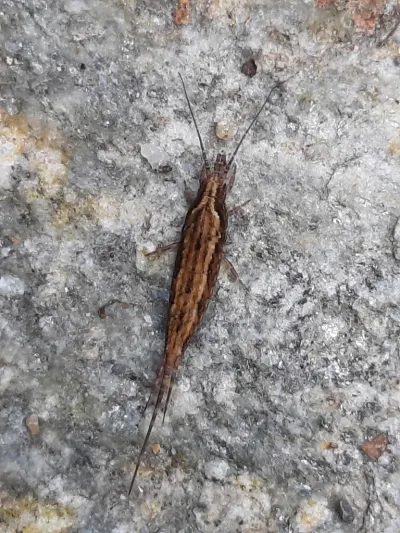
The four-lined silverfish (Ctenolepisma lineatum) is a wingless insect named for the dark stripes running down its back. Adults measure 10 to 15 millimeters long. This makes them a bit larger than the common silverfish. Their bodies have small scales that give them a matte, tan to brownish look. They lack the shiny, metallic sheen of common silverfish.
These insects have a carrot-shaped body that narrows toward the back. Like all silverfish, they have three long tail filaments at the rear and two long antennae at the head. The four-lined silverfish is stockier than its common cousin, with longer antennae and tails. They have small eyes and move with a fast, wiggling motion. This helps them escape danger and slip into tiny cracks.
Similar Species
The four-lined silverfish looks similar to other silverfish family members:
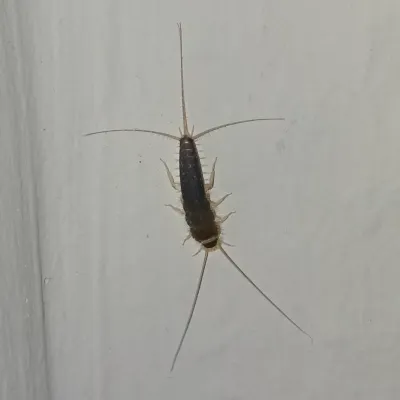
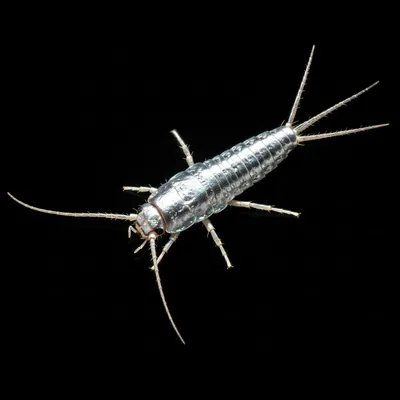
- Common silverfish (Lepisma saccharina): Smaller and more slender with a uniform silver-gray color and metallic sheen. It lacks stripes and has shorter antennae and tail filaments.
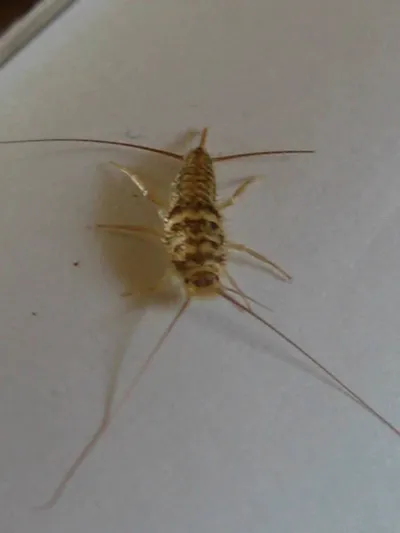
- Gray silverfish (Ctenolepisma longicaudata): Larger at 15-19mm with a dull gray color. The last body segment is squared off. This species is mostly found in commercial buildings.
- Firebrats (Thermobia domestica): Similar body shape but with mottled gray and brown coloring. Firebrats like much warmer spots (90 degrees F and above) and live near heat sources like ovens and furnaces.
Four-Lined Silverfish Behavior and Biology
Habitat Preferences
The four-lined silverfish originally came from Central Europe and the Mediterranean region. It has since spread around the world through shipping and trade. This species now lives in many North American homes. It does well in dark places with moderate temperatures (70-80 degrees F) and high humidity. A related species, Bristletails, shares similar characteristics.
Inside homes, four-lined silverfish live in basements, bathrooms, kitchens, laundry rooms, and attics. They hide in quiet spots like behind baseboards, inside wall voids, under sinks, and in storage boxes. Outside, they can be found under leaf litter, logs, bark, and stones in shady, damp areas. For more information, read our guide on Earwig vs Silverfish: Key Differences Explained.
Diet and Feeding Habits For more information, read our guide on What Attracts Silverfish to Your Home | Effective Solutions.
Four-lined silverfish eat a wide range of foods. They prefer starches and proteins. Their diet includes:
- Paper, cardboard, and book bindings
- Wallpaper paste and glue
- Cereals, flour, and other starchy foods
- Cotton, linen, and silk fabrics
- Dead insects and shed insect skins
- Hair and dandruff
These insects can survive on pure cellulose alone. This is why they can damage valuable books and papers. They can go a long time without food, but they always need moisture to survive. To learn more about their feeding habits, see our guide on the silverfish diet.
Reproduction and Lifecycle
Female four-lined silverfish lay eggs in small batches over their lifetime. They place eggs in cracks and tight spaces where they are protected. Unlike many insects, silverfish grow without going through a larval stage. Young silverfish, called nymphs, look like small adults. They shed their skin many times as they grow.
Growing from egg to adult can take several months to over two years. The timing depends on temperature and humidity. Four-lined silverfish keep shedding their skin even as adults. They can live two to eight years. This long life, along with their hiding habits, lets populations grow slowly over time.
Activity Patterns
Four-lined silverfish are active at night. They stay hidden during the day and come out after dark to find food. They are very fast and can vanish into tiny cracks in less than a second when scared. Their flat body shape helps them squeeze into tight spots. This makes them hard to catch and helps them thrive as household pests.
How We Treat for Four-Lined Silverfish
Our approach to four-lined silverfish control combines direct treatment with moisture control and exclusion. We address both the active infestation and the conditions that let these insects thrive.
-
Thorough Inspection: Our licensed technicians inspect your home to find silverfish activity, entry points, and moisture problems. We check common hiding spots like basements, bathrooms, and storage areas to see how bad the problem is.
-
Interior Treatment: We apply treatments to baseboards, cracks, and other areas where silverfish hide and travel. We use products that silverfish cannot detect. This means they contact the treatment as they move through their normal paths.
-
Exterior Perimeter Treatment: We treat around the foundation and seal entry points on the outside of your home. This creates a barrier that stops new silverfish from getting inside while we control the ones already there.
-
Moisture Reduction Guidance: Four-lined silverfish need high humidity to survive. Our technicians will suggest ways to reduce moisture in problem areas. This may include tips on dehumidifier use, better airflow, and fixing any leaks.
-
Ongoing Prevention: We recommend triannual service visits (three times per year) to keep your home protected. Silverfish are stubborn pests. Regular treatments help keep them under control and catch new problems early. Read our full silverfish control guide for more details on our approach.
References and Further Reading
Other Silverfish
Explore other species in the silverfish family
Commonly Confused With
Four-Lined Silverfish are often mistaken for these similar pests
Where Four-Lined Silverfish Are Found
Hover over states to see their names. Green regions indicate where four-lined silverfish have been reported.
Common Questions about Four-Lined Silverfish
How can I tell a four-lined silverfish from a common silverfish?
+
Four-lined silverfish are larger and stouter than common silverfish. They have a tan or brownish color with dark stripes running down their back, while common silverfish are uniformly silver-gray and more slender. Four-lined silverfish also have noticeably longer antennae and tail filaments.
Are four-lined silverfish harmful to humans?
+
No, four-lined silverfish do not bite, sting, or transmit diseases to humans. However, they can cause damage to books, papers, wallpaper, clothing, and stored food items by feeding on starches and cellulose.
Why do I have four-lined silverfish in my home?
+
Four-lined silverfish are attracted to humid environments with readily available food sources. They commonly enter homes through cracks and gaps seeking moisture. Basements, bathrooms, kitchens, and attics with poor ventilation often provide ideal conditions for them.
How long do four-lined silverfish live?
+
Four-lined silverfish can live between two and eight years, which is significantly longer than many household insects. Their long lifespan means a small infestation can persist and grow over time without proper treatment.
What do four-lined silverfish eat?
+
They feed on starchy materials including paper, book bindings, wallpaper paste, cereals, flour, and fabrics containing cotton or linen. They can also consume dead insects and their own shed skins.
Will reducing humidity help get rid of four-lined silverfish?
+
Yes, reducing indoor humidity is one of the most effective prevention strategies. Using dehumidifiers, improving ventilation, and fixing any water leaks can make your home less hospitable to these moisture-loving insects.
Can four-lined silverfish climb walls?
+
Yes, four-lined silverfish are agile climbers and can scale vertical surfaces including walls, cabinets, and shelving. They are most active at night and can move quickly when disturbed.

With five years of hands-on experience in the pest control industry, George Schulz is a registered technician with the Virginia Pest Management Association and a proud third-generation professional in a family business that's been protecting homes for over 57 years. He manages and trains a team of service pros while also leading internal research efforts—recently spearheading a deep-dive review of thousands of documents on pest control materials to hand-pick the most kid and pet friendly, most effective solutions tailored specifically for homes in the DC metro area.