Deer Mouse Identification Guide
Peromyscus maniculatus
Deer mice are small, native North American rodents known for their bicolored fur and white underbellies. While they typically live outdoors in fields and forests, they frequently enter homes seeking warmth during fall and winter, posing health concerns as carriers of hantavirus.
Taxonomy
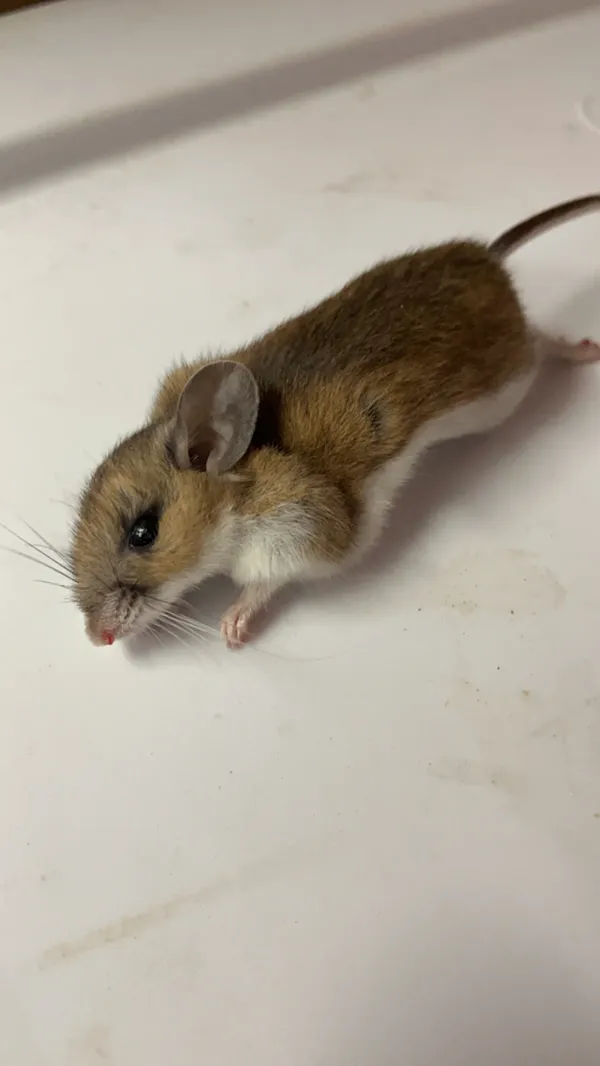
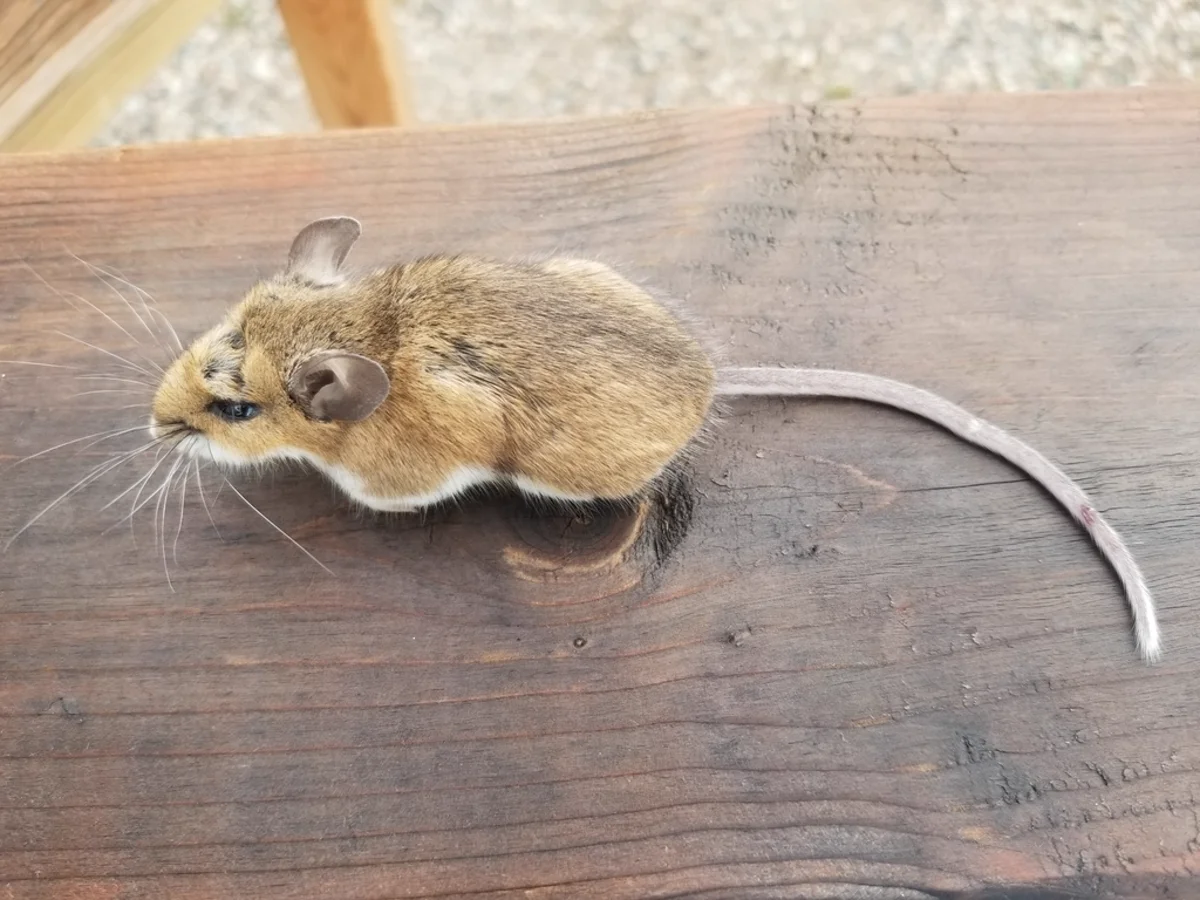
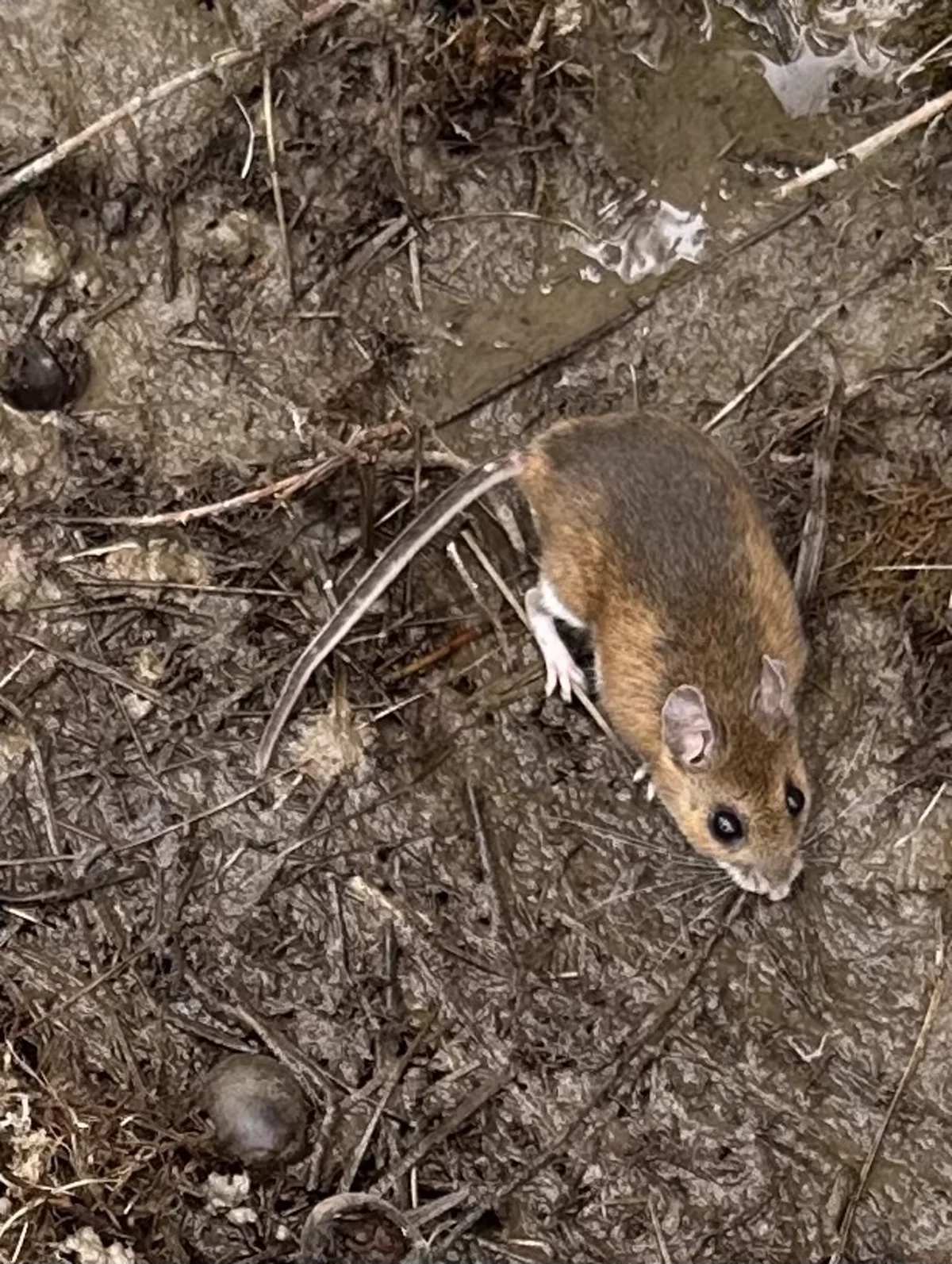
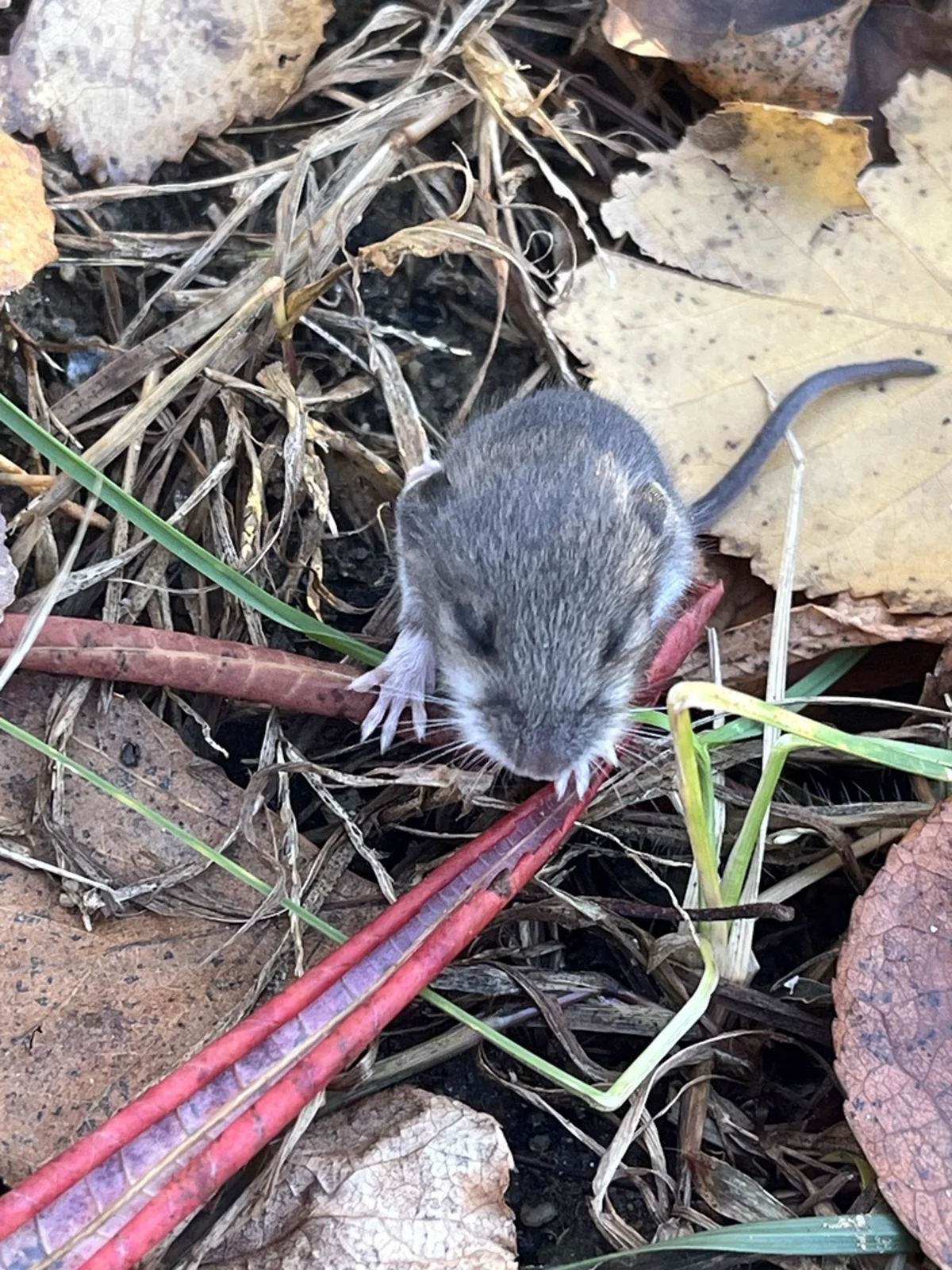
Deer Mouse Coloration
Common color patterns to help identify deer mouse
Deer Mouse
Seasonal Activity
When deer mouse are most active throughout the year

Where Deer Mouse Are Found
Hover over states to see their names. Green regions indicate where deer mouse have been reported.
Deer Mouse Identification Guide
Physical Characteristics
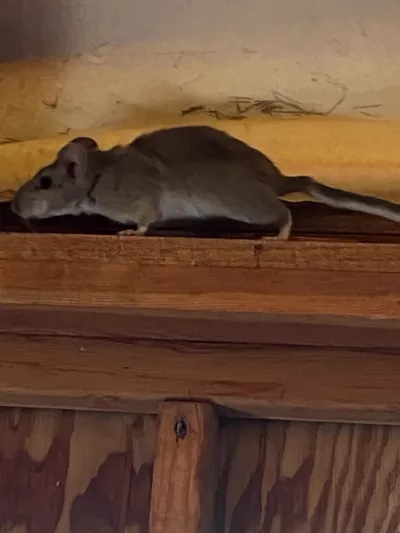
Deer mice are small rodents measuring 3 to 4 inches in body length, not including their tail. Their most distinctive feature is their sharply bicolored fur: the back and sides are grayish to reddish-brown, while the underside and feet are bright white. This color separation is much more defined than in house mice.
Their tails are covered with fine hairs and match the bicolored pattern of their body, with a darker top and lighter bottom. Deer mice have large, prominent ears and large, dark eyes that help them navigate during their nocturnal activities. Their hind feet typically measure 22 mm or less, which helps distinguish them from the closely related white-footed mouse. Deer mice are also frequently confused with house mice; see our comparison of deer mice vs house mice to learn the key differences.
Common Species
Several subspecies of deer mice exist across North America, with two main forms:
-
Woodland deer mouse: Found in forested areas, this form has longer hind legs, a longer tail, and larger ears than the prairie form. Common throughout the eastern United States including Virginia, Maryland, and the DC area.
-
Prairie deer mouse: Adapted to grasslands and open habitats, this form is more compact with shorter appendages. Found primarily in the central and western United States.
-
White-footed mouse (Peromyscus leucopus): A closely related species often confused with deer mice. The color separation between the back and belly is less distinct in white-footed mice.
Deer Mouse Behavior and Biology
Habitat and Nesting
Deer mice are highly adaptable and can thrive in many different environments. In the wild, they prefer prairies, brushy areas, and woodlands. They construct nests in hollow logs, tree cavities, abandoned burrows, or beneath rocks and debris. A single mouse may cache up to 3 quarts of food in hidden spots for winter use.
When they enter homes, deer mice typically nest in attics, wall voids, basements, and storage areas. They prefer undisturbed locations with readily available nesting materials like insulation, paper, or fabric.
Diet and Feeding
Deer mice are omnivores with a varied diet. They eat:
- Seeds from native plants, grasses, and crops
- Insects and other invertebrates
- Berries and other fruits
- Nuts and acorns
Their food caching behavior helps them survive harsh winters. They are nocturnal and spend daylight hours in their nests.
Reproduction
Deer mice breed throughout the year but most actively during warmer months. Key reproductive facts include:
- Gestation period: 21 to 27 days (average 24 days)
- Litter size: 3 to 8 pups, with an average of 4 to 5
- Breeding frequency: Every 3 to 4 weeks in favorable conditions
- Sexual maturity: Juveniles become independent at 18 to 25 days and can breed at 5 to 8 weeks old
This rapid reproduction means a small population can grow quickly if conditions allow.
Health Concerns and Hantavirus
Deer mice are the primary carriers of hantavirus in North America, specifically Sin Nombre virus. This virus causes Hantavirus Pulmonary Syndrome (HPS), a severe and potentially fatal respiratory illness.
How Hantavirus Spreads
People become infected by breathing air contaminated with the virus. This happens when dried mouse urine, droppings, or nesting materials are disturbed and particles become airborne. Activities that increase risk include:
- Sweeping or vacuuming areas with mouse droppings
- Disturbing nests in sheds, cabins, or storage buildings
- Cleaning out enclosed spaces where mice have been active
Symptoms of HPS
Early symptoms appear 1 to 8 weeks after exposure and resemble the flu:
- Fever and fatigue
- Muscle aches, especially in the thighs, hips, and back
- Headaches, nausea, and abdominal pain
Later symptoms include severe coughing and shortness of breath as the lungs fill with fluid. HPS has a mortality rate of 30% to 50%, making prevention and safe cleanup essential.
Safe Cleanup Practices
If you discover deer mouse activity in your home, follow these CDC guidelines:
- Ventilate the area by opening doors and windows for at least 30 minutes before entering
- Do not sweep or vacuum droppings, as this can aerosolize the virus
- Wear rubber gloves and a respirator mask rated N95 or higher
- Spray affected areas with a bleach solution (1 part bleach to 10 parts water) and let it soak for 5 minutes
- Wipe up materials with paper towels and dispose of them in sealed plastic bags
- Disinfect gloves before removing them, then wash hands thoroughly
How We Treat for Deer Mice
Our approach to deer mouse control follows our proven 4-step rodent protocol:
-
Thorough Inspection: We identify “hot spot” areas with active signs such as droppings, gnaw marks, or actual mouse sightings. We also locate potential food sources and entry points.
-
Strategic Baiting: We place tamper-proof rodent stations containing bait near areas of activity. For indoor situations, we primarily use snap traps to avoid the risk of mice dying in inaccessible areas.
-
Follow-Up Visits: We return at approximately 1 and 3 weeks to assess treatment effectiveness and adjust our approach as needed.
-
Long-Term Prevention: We recommend tri-annual service (three times per year) to maintain protection. In high-activity areas, more frequent visits may be needed initially.
Exclusion and Prevention
While exclusion (sealing entry points) is important for long-term control, we typically do not seal openings immediately. Trapping mice inside walls can create odor problems. Once the population is controlled, we can address entry points with materials mice cannot chew through.
Prevention tips for homeowners include:
- Store firewood at least 20 feet from your home
- Keep grass trimmed and remove brush piles near the foundation
- Seal gaps around utility lines and pipes
- Install door sweeps and repair damaged weather stripping
- Store food in airtight containers
- Keep storage areas organized and clutter-free
Deer mice are one of several rodent species we treat in the Virginia, Maryland, and DC area. They are also commonly called field mice, and you can learn more about how they compare in our field mice vs house mice guide. For the best attractants to use in traps, see our best mouse bait guide.
References
Other Rodents
Explore other species in the rodents family





Commonly Confused With
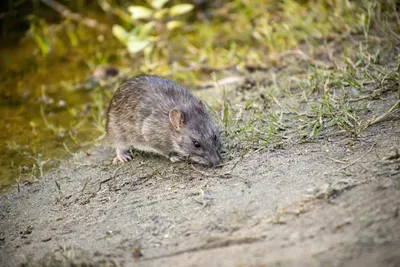
Deer Mouse are often mistaken for these similar pests

Where Deer Mouse Are Found
Hover over states to see their names. Green regions indicate where deer mouse have been reported.
Common Questions about Deer Mouse
How can I tell the difference between a deer mouse and a house mouse?
+
Deer mice have a sharply bicolored appearance with brown or tan fur on top and a pure white underside. Their tails are also bicolored. House mice are more uniformly gray-brown with less distinct color separation. Deer mice also have larger eyes and ears compared to their body size.
Are deer mice dangerous?
+
Yes, deer mice are the primary carriers of hantavirus in North America, which can cause Hantavirus Pulmonary Syndrome (HPS), a serious respiratory illness. They can also carry Lyme disease bacteria. Avoid direct contact with deer mice or their droppings.
Why do deer mice come inside homes?
+
Deer mice typically live outdoors in fields, forests, and brushy areas. They enter homes in fall and winter seeking warmth, shelter, and food. They often nest in attics, basements, garages, and storage areas.
What should I do if I find deer mouse droppings?
+
Never sweep or vacuum deer mouse droppings as this can release hantavirus particles into the air. Instead, ventilate the area, wear gloves, and spray droppings with a bleach solution (1 part bleach to 10 parts water) before wiping them up with paper towels.
How do I prevent deer mice from entering my home?
+
Seal gaps around pipes, vents, and utility lines. Install door sweeps and repair damaged screens. Keep firewood and brush piles away from your home. Store food in airtight containers and keep storage areas clutter-free.
Do deer mice live in groups?
+
Deer mice are generally solitary during warmer months but will nest communally during winter to conserve heat. Groups of 10 or more mice may share a single nest during cold weather.

With five years of hands-on experience in the pest control industry, George Schulz is a registered technician with the Virginia Pest Management Association and a proud third-generation professional in a family business that's been protecting homes for over 57 years. He manages and trains a team of service pros while also leading internal research efforts—recently spearheading a deep-dive review of thousands of documents on pest control materials to hand-pick the most kid and pet friendly, most effective solutions tailored specifically for homes in the DC metro area.