Wood Wasps Identification Guide
Siricidae (Family)
Wood wasps, also known as horntails, are large wood-boring insects that develop in weakened or dying trees and occasionally emerge inside homes built with infested lumber.
Taxonomy
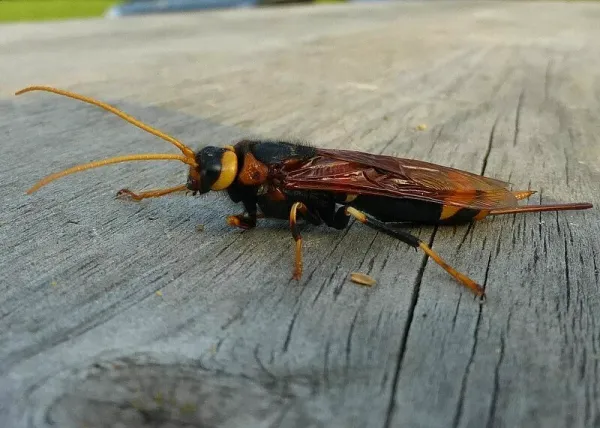
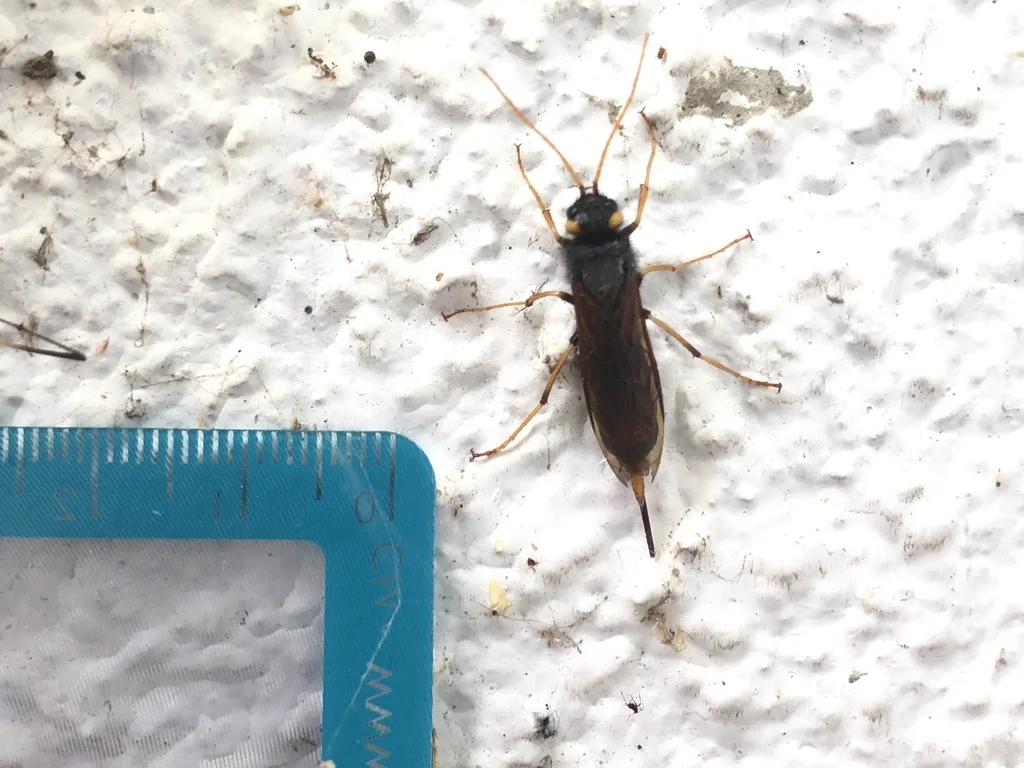
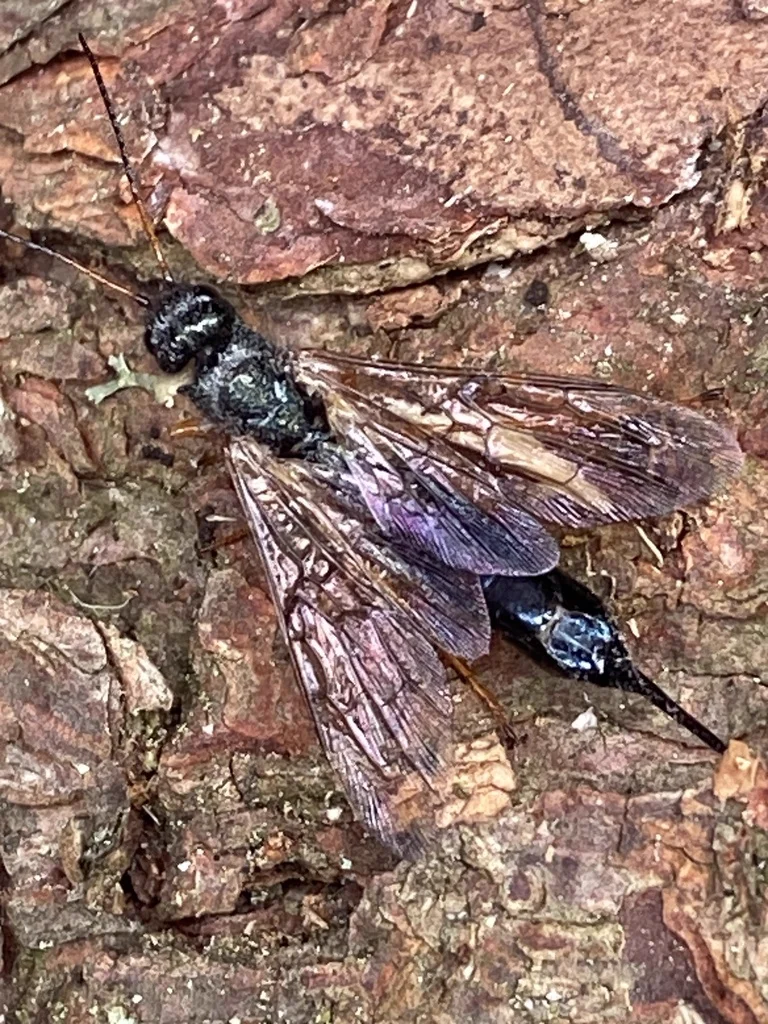
Wood Wasps Coloration
Common color patterns to help identify wood wasps
Wood Wasps
Seasonal Activity
When wood wasps are most active throughout the year

Where Wood Wasps Are Found
Hover over states to see their names. Green regions indicate where wood wasps have been reported.
Wood Wasp Identification Guide
Physical Characteristics
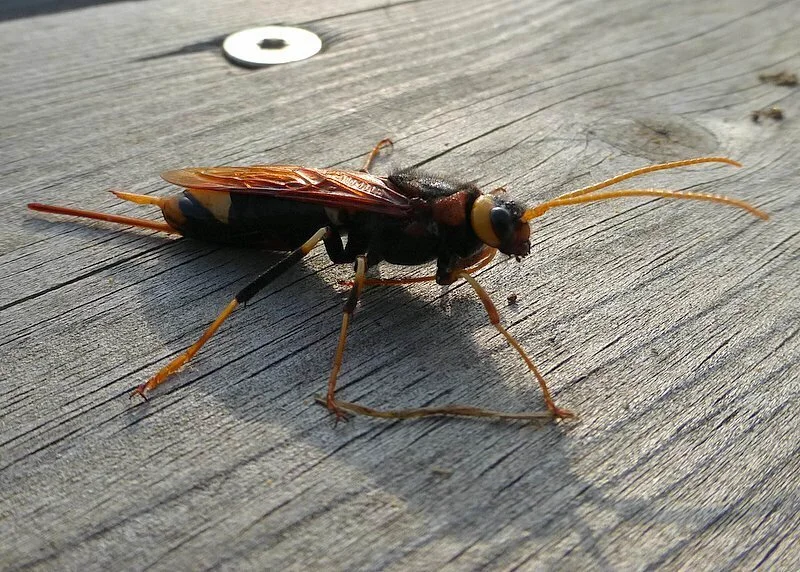
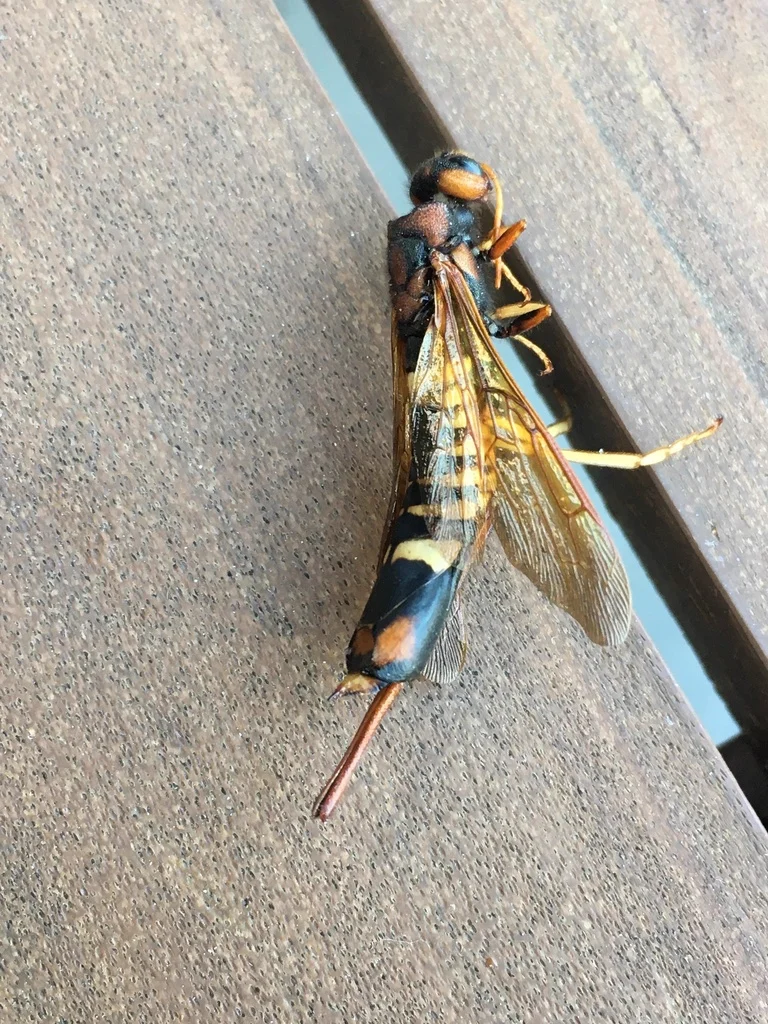
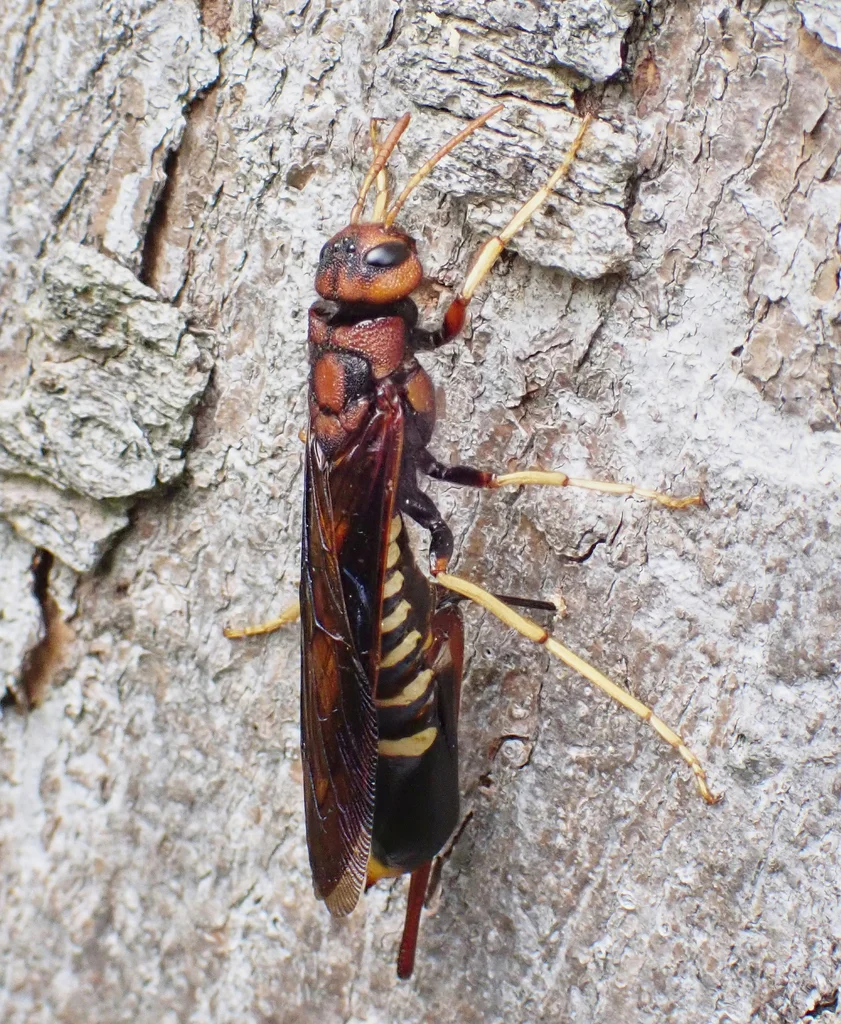
Wood wasps, also called horntails, are among the largest insects homeowners may find. Adults measure 20 to 50 mm (about 3/4 to 2 inches) long, not counting the female’s egg-laying tube. Their most obvious feature is a thick, tube-shaped body. Unlike true wasps, they lack the pinched “wasp waist.”
The name “horntail” comes from a short, pointed spine at the tip of the abdomen. Both males and females have this spine. Females also have a long, needle-like tube called an ovipositor. This organ drills into wood to deposit eggs. It is not a stinger and cannot hurt you.
Colors vary by species. Most are black, blue, brown, yellow, orange, or rust. Many have banded patterns on their abdomen. They have two pairs of clear or smoky wings and short antennae. Their broad heads have small, widely spaced eyes.
Common Species
-
Pigeon Tremex (Tremex columba) is the most common species in eastern North America. Adults are reddish-brown to black with yellow bands. Females can reach 5 cm (2 inches) long. They grow in hardwoods like maple, elm, oak, and beech.
-
Blue Horntail (Sirex cyaneus) is found across North America. Adults have shiny blue-black bodies with smoky wings. Larvae grow in conifers like pine, spruce, and fir.
-
Western Horntail (Sirex californicus) is common in western states. It looks like the blue horntail with a dark shiny body. It infests pines and other conifers.
-
European Woodwasp (Sirex noctilio) is an invasive species first found in North America in 2004. Unlike native species, this horntail can attack and kill healthy pine trees. It is dark blue to black with orange legs.
Wood Wasp Behavior and Biology
Wood wasps go through four life stages. They start as eggs, then become larvae, then pupae, and finally adults. Females use their long ovipositor to drill up to 3/4 inch into wood to lay eggs. Each female can lay 300 to 400 eggs in her lifetime. She places them one at a time inside the wood.
When laying eggs, females also inject a fungus from glands in their abdomen. This fungus (in the genus Amylostereum) causes white rot decay in the wood. The fungus breaks down tough wood fibers. This makes the wood softer and easier for larvae to eat. A related species, Daddy Long Legs, shares similar characteristics.
Eggs hatch after three to four weeks. Larvae then start tunneling through the wood. They are legless white grubs with a spine on their rear end that helps push them through tunnels. They pack their tunnels with fine, powdery waste called frass. Larval growth takes one to five years, depending on the species, wood moisture, and temperature. A related species, Harvestmen, shares similar characteristics.
When ready to become pupae, larvae move close to the wood surface. Adults come out in summer, usually from late June through September. They chew round exit holes about 1/4 to 1/2 inch wide. Adults live only a few weeks. During this time they mate and females look for trees to lay eggs in. A related species, Mexican Chicken Bug, shares similar characteristics.
Wood wasps only attack weak, dying, stressed, or freshly cut trees. They find these trees by smelling chemical signals and fungus from damaged wood. Males sometimes gather on high ground, a behavior called hilltopping. There they wait for females to arrive for mating. A related species, Soldier Bug, shares similar characteristics.
Why Wood Wasps Appear in Homes A related species, Green Lacewings, shares similar characteristics.
When wood wasps appear inside a home, they almost always emerged from lumber used during construction. Here is what happens:
- A tree becomes stressed or dies and wood wasps lay eggs in it
- The tree is harvested and milled into lumber while larvae are still developing inside
- The lumber is used in construction before larvae mature
- One to five years after construction, adult wood wasps emerge inside the home
This can be alarming because the insects are large and appear suddenly. They may chew exit holes through drywall, plaster, hardwood floors, or other surfaces. But wood wasps will not reinfest the wood in your home. They need fresh, moist wood with certain fungal conditions. Seasoned lumber in homes does not have these conditions.
The damage from wood wasp emergence is purely cosmetic. Exit holes can be patched and repaired. Since they cannot reinfest the wood, no treatment of the structure is necessary.
Treatment Methods for Wood Wasps
Because wood wasps cannot reinfest seasoned lumber, structural treatment is generally unnecessary. Here are the recommended approaches:
Wait and Repair
The most practical approach for wood wasps emerging in a home is patience. Adults that emerge indoors are trying to find their way outside. They may appear over several months as different larvae reach maturity. Once emergence stops, simply repair any exit holes with wood putty or patching compound.
Preventive Measures for Timber
For sawmills and lumber operations, kiln drying wood to reduce moisture content below 20% kills developing larvae. Proper seasoning of lumber before use in construction also prevents issues. Avoid using freshly cut or unseasoned wood in construction projects.
Managing Trees on Your Property
Keeping trees healthy through proper watering, mulching, and pruning reduces their appeal to wood wasps. Promptly remove dead or dying trees before wood wasps can infest them. If you store firewood, use it within one year and keep it away from your home.
Natural Controls
Several natural enemies help control wood wasp numbers. Large ichneumon wasps (Megarhyssa species) lay eggs on horntail larvae inside the wood. Woodpeckers also eat the larvae. A tiny worm called Deladenus siricidicola infects larvae and stops adult females from reproducing.
When to Call a Professional
While wood wasps themselves rarely require treatment, you should contact a pest professional if:
- You cannot tell if the insects are wood wasps or a wood-destroying pest
- You see many large exit holes and want to confirm the cause
- The insects look like powder post beetles or other wood-boring beetles that can reinfest wood
- You see sawdust or frass appearing over time, which may mean an active pest problem
A professional inspection can confirm whether you have harmless wood wasps or a pest that requires treatment.
References
Other Other Pests
Explore other species in the other pests family
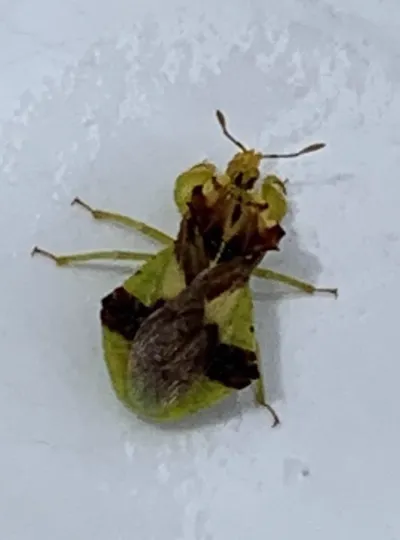
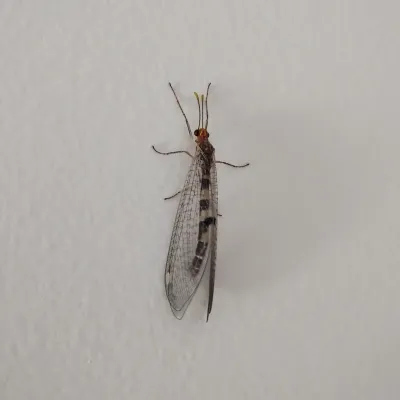
Commonly Confused With
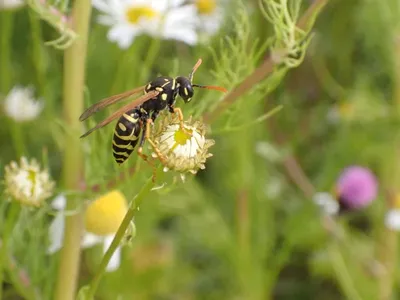
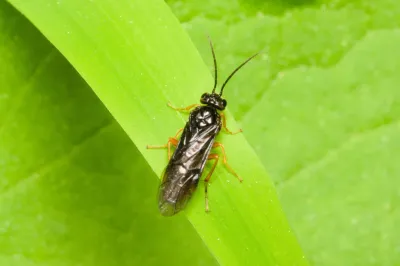
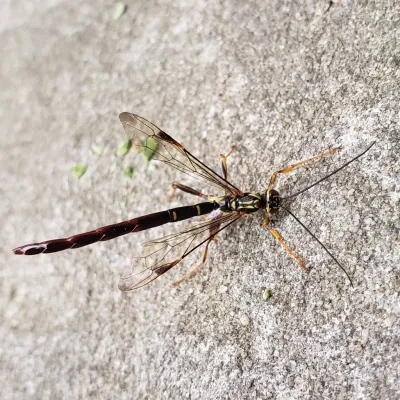
Wood Wasps are often mistaken for these similar pests
Where Wood Wasps Are Found
Hover over states to see their names. Green regions indicate where wood wasps have been reported.
Common Questions about Wood Wasps
Are wood wasps dangerous to people?
+
No, wood wasps cannot sting people. Despite their large size and wasp-like appearance, they lack a stinger. The long needle-like structure on females is an ovipositor used only for laying eggs in wood. Wood wasps are not aggressive and pose no threat to humans or pets.
Do wood wasps damage homes?
+
Wood wasps do not attack or infest finished wood in homes. They only lay eggs in living, dying, or freshly cut trees. If they emerge inside a home, the infestation came from lumber that was already infested before construction. They will not reinfest your home's wood.
Why are wood wasps coming out of my walls?
+
Wood wasps can emerge from lumber used during construction if that wood contained developing larvae. The larvae may take one to five years to mature inside the wood. When adults emerge, they chew round exit holes about 1/4 to 1/2 inch wide. This is a one-time event and they will not lay new eggs in your home.
What is the difference between wood wasps and regular wasps?
+
Wood wasps lack the narrow 'wasp waist' that true wasps have. Their bodies are thick and cylindrical. Wood wasps cannot sting and are solitary, while many true wasps are social and can sting repeatedly. Wood wasps bore into wood as larvae, while true wasps build paper or mud nests.
What do wood wasp larvae look like?
+
Wood wasp larvae are creamy white, legless grubs with a small spine at the tip of their abdomen. They have a well-developed head capsule. Larvae bore through wood, creating tunnels packed with fine sawdust called frass.
How long do wood wasps live?
+
Adult wood wasps live only a few weeks after emerging. However, the larval stage inside wood can last one to five years depending on conditions. Development takes longer in cooler climates or harder wood. The entire life cycle from egg to adult typically takes two to three years.
What attracts wood wasps?
+
Female wood wasps are attracted to stressed, dying, or recently felled trees. They detect chemical signals from weakened trees and the fungus that grows in damaged wood. They do not attack healthy trees or seasoned lumber in homes.

With five years of hands-on experience in the pest control industry, George Schulz is a registered technician with the Virginia Pest Management Association and a proud third-generation professional in a family business that's been protecting homes for over 57 years. He manages and trains a team of service pros while also leading internal research efforts—recently spearheading a deep-dive review of thousands of documents on pest control materials to hand-pick the most kid and pet friendly, most effective solutions tailored specifically for homes in the DC metro area.