Soldier Bug Identification Guide
Podisus maculiventris
Soldier bugs are predatory insects in the stink bug family. They hunt caterpillars, beetle larvae, and aphids. Learn how to identify them and tell them apart from pest stink bugs.
Taxonomy
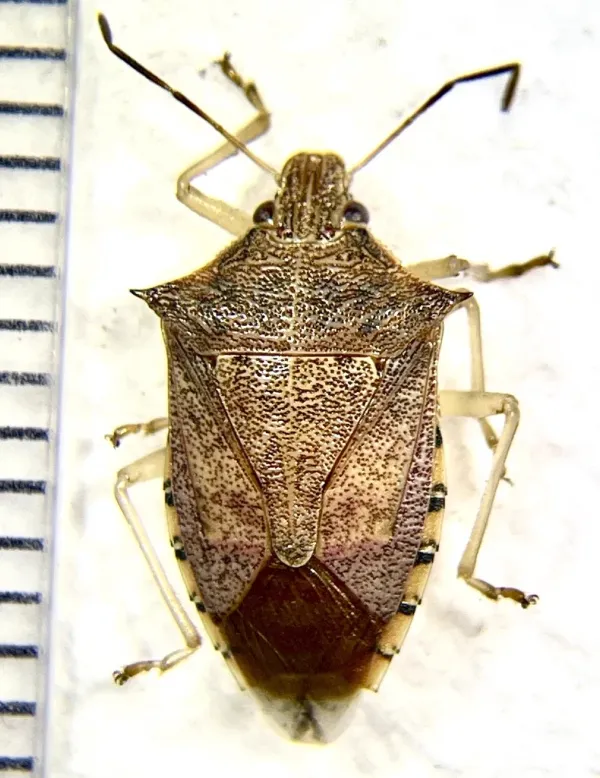
Soldier Bug Coloration
Common color patterns to help identify soldier bug
Soldier Bug
Seasonal Activity
When soldier bug are most active throughout the year

Where Soldier Bug Are Found
Hover over states to see their names. Green regions indicate where soldier bug have been reported.
Soldier Bug Identification Guide
Physical Characteristics
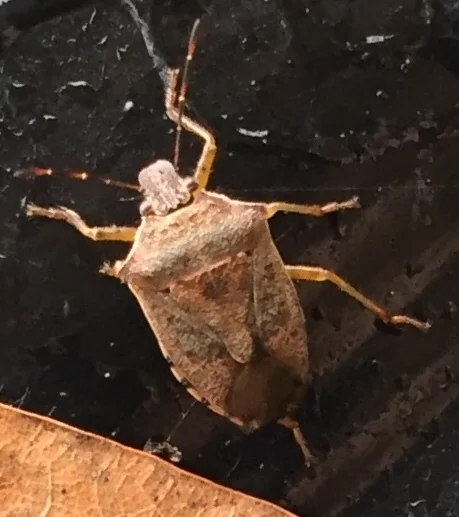
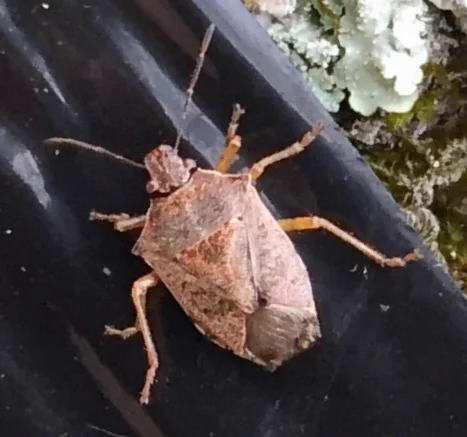
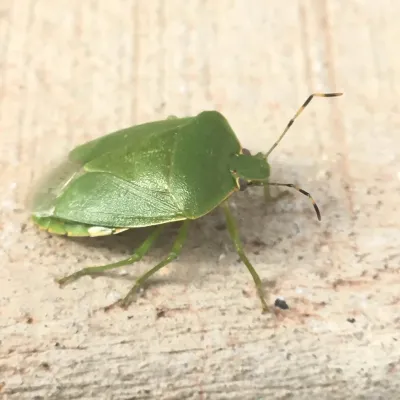
The spined soldier bug (Podisus maculiventris) is the most common soldier bug in North America. Adults are 8 to 13 mm long. They have the shield-shaped body found in all stink bugs. Their color is mottled brown, tan, and gray with small dark spots.
The key feature is a pair of sharp spines on the shoulders, just behind the head. These spines set soldier bugs apart from pest stink bugs, which have rounded shoulders. Soldier bugs also have a thicker beak than plant-feeding stink bugs. This thick beak lets them pierce and eat insect prey.
Like other stink bugs, soldier bugs have scent glands. These glands make a smell when the bug feels threatened. The odor is milder than what pest stink bugs produce.
Nymphs and Life Stages
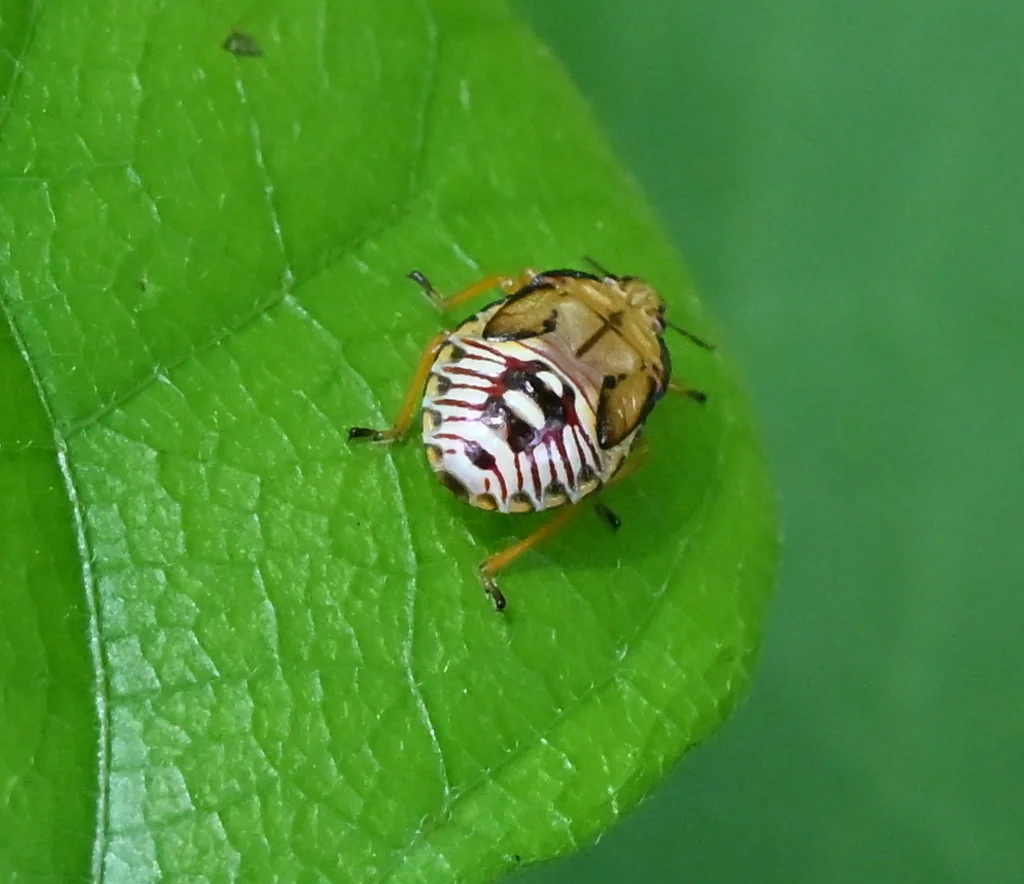
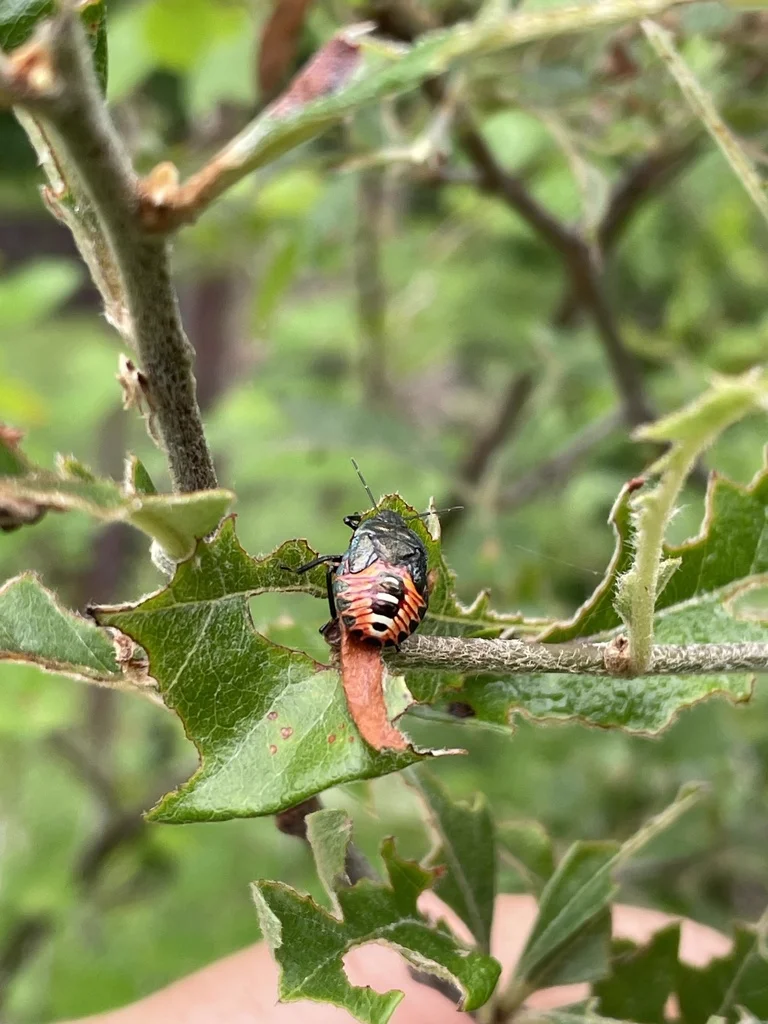
Young soldier bugs look very different from adults. Early nymphs are round with bold black and white or black and red patterns. As they grow through five stages, they turn brown and their wing pads start to show. Late-stage nymphs are orange or tan with small wings forming.
Common Species
-
Spined Soldier Bug (Podisus maculiventris): The most common species in North America. Found throughout the United States and southern Canada.
-
Two-spotted Stink Bug (Perillus bioculatus): Another predatory species with two dark spots on its shoulders. Feeds mainly on Colorado potato beetles.
Soldier Bug Behavior and Biology A related species, Wood Wasps, shares similar characteristics.
Soldier bugs are predators. They hunt and eat many types of soft-bodied insects. Their diet includes caterpillars, beetle larvae, aphids, cabbage loopers, Mexican bean beetles, and Colorado potato beetle larvae. A related species, Daddy Long Legs, shares similar characteristics.
Hunting and Feeding A related species, Harvestmen, shares similar characteristics.
Soldier bugs find prey by sensing movement and chemical signals. When they find a target, they grab it with their front legs. They push their sharp beak into the prey. Then they inject fluids that break down the prey’s insides. Finally, they suck out the liquid. One soldier bug can eat dozens of insects in its lifetime. A related species, Mexican Chicken Bug, shares similar characteristics.
Both young and adult soldier bugs hunt. Adults are better hunters because they are bigger. Nymphs start hunting soon after they hatch. A related species, Green Lacewings, shares similar characteristics.
Reproduction and Lifecycle
Female soldier bugs lay barrel-shaped eggs in clusters on leaves and stems. The eggs form neat rows. After hatching, nymphs go through five growth stages before becoming adults. This takes several weeks depending on the weather.
Adults can live for several months during warm weather. In cooler regions, soldier bugs produce two to three batches of young per year. The last group of adults goes dormant and spends winter in sheltered spots.
Overwintering Behavior
When temperatures drop in fall, adult soldier bugs look for shelter. They hide under leaf litter, loose bark, fallen logs, and thick plants. Unlike pest stink bugs that often enter homes, soldier bugs rarely come indoors. They stay dormant until warm spring weather wakes them up.
Soldier Bugs vs. Pest Stink Bugs
Many homeowners mix up soldier bugs with pest stink bug species. Here are the key differences:
| Feature | Soldier Bug | Pest Stink Bug |
|---|---|---|
| Shoulders | Sharp, pointed spines | Rounded, no spines |
| Beak | Thick and sturdy | Thinner |
| Diet | Hunts other insects | Feeds on plants |
| Plant damage | None | Causes damage |
| Home invasion | Rare | Common in fall |
Treatment Considerations
Soldier bugs are predatory insects that hunt other bugs. They do not damage homes or plants. Most pest control is not needed for soldier bugs alone.
When to Contact a Professional
If you see large numbers of stink bugs entering your home, a pest control pro can help. They can tell you if you have pest stink bugs or soldier bugs. If the bugs are pest species like the brown marmorated stink bug, treatment options include:
- Exterior barrier treatments around entry points
- Sealing cracks and gaps around windows and doors
- Treating wall voids where bugs may be hiding
- Fall preventive treatments before bugs start seeking shelter
A pest control expert can inspect your home and recommend the best approach for your situation.
References
Other Other Pests
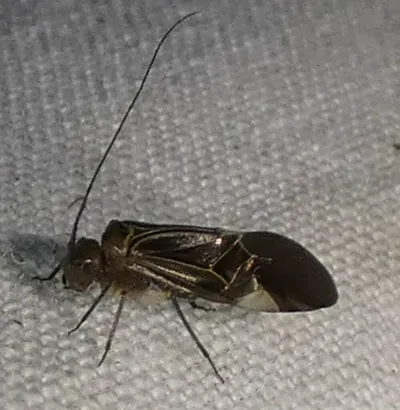
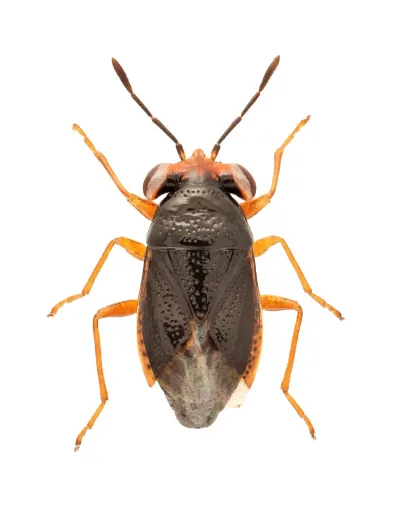
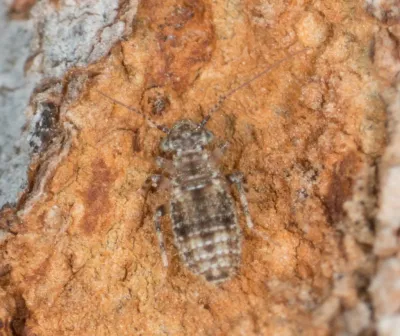
Explore other species in the other pests family
Commonly Confused With
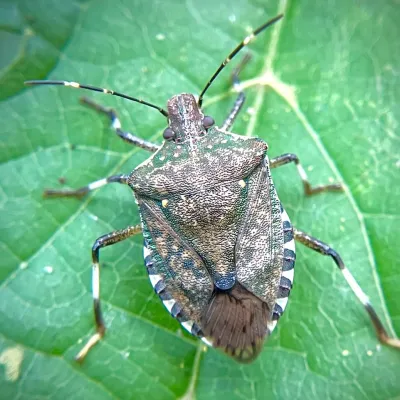
Soldier Bug are often mistaken for these similar pests
Where Soldier Bug Are Found
Hover over states to see their names. Green regions indicate where soldier bug have been reported.
Common Questions about Soldier Bug
Are soldier bugs harmful to humans?
+
No, soldier bugs do not harm humans. They do not bite or sting people. Like other stink bugs, they can release a mild odor when disturbed. They pose no threat to human health.
What do soldier bugs eat?
+
Soldier bugs are predators that feed on other insects. They eat caterpillars, beetle larvae, aphids, cabbage loopers, and Mexican bean beetles. They use their sharp mouthparts to pierce prey and consume them.
How can I tell the difference between soldier bugs and pest stink bugs?
+
Soldier bugs have pointed spines on each shoulder behind the head. They have mottled brown or tan coloring. Pest stink bugs like the brown marmorated stink bug have rounded shoulders and banded antennae.
Do soldier bugs damage plants?
+
No, soldier bugs do not feed on plants. They only hunt other insects. This is different from pest stink bugs, which pierce plants and feed on sap.
Where do soldier bugs live?
+
Soldier bugs live throughout North America. You can find them in gardens, farm fields, meadows, and forest edges. They spend winter under leaf litter, bark, or in sheltered spots.
Why are soldier bugs in my yard?
+
Soldier bugs go where they can find prey. If you have caterpillars, beetles, or aphids in your garden, soldier bugs may show up to hunt them. They are drawn to areas with lots of insect activity.
Can soldier bugs enter my home?
+
Soldier bugs rarely enter homes. Unlike pest stink bugs that swarm into houses each fall, soldier bugs prefer to spend winter outdoors under leaf litter and bark.

With five years of hands-on experience in the pest control industry, George Schulz is a registered technician with the Virginia Pest Management Association and a proud third-generation professional in a family business that's been protecting homes for over 57 years. He manages and trains a team of service pros while also leading internal research efforts—recently spearheading a deep-dive review of thousands of documents on pest control materials to hand-pick the most kid and pet friendly, most effective solutions tailored specifically for homes in the DC metro area.