Psocids Identification Guide
Order Psocodea
Psocids, commonly called booklice or barklice, are tiny soft-bodied insects that thrive in humid environments and feed on mold, fungi, and starchy materials like book bindings and wallpaper paste.
Taxonomy
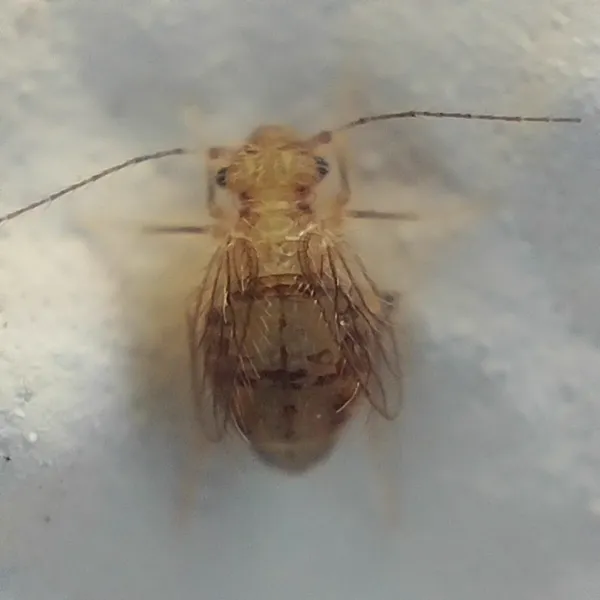
Psocids Coloration
Common color patterns to help identify psocids
Psocids
Seasonal Activity
When psocids are most active throughout the year

Where Psocids Are Found
Hover over states to see their names. Green regions indicate where psocids have been reported.
Psocids Identification Guide
Physical Characteristics
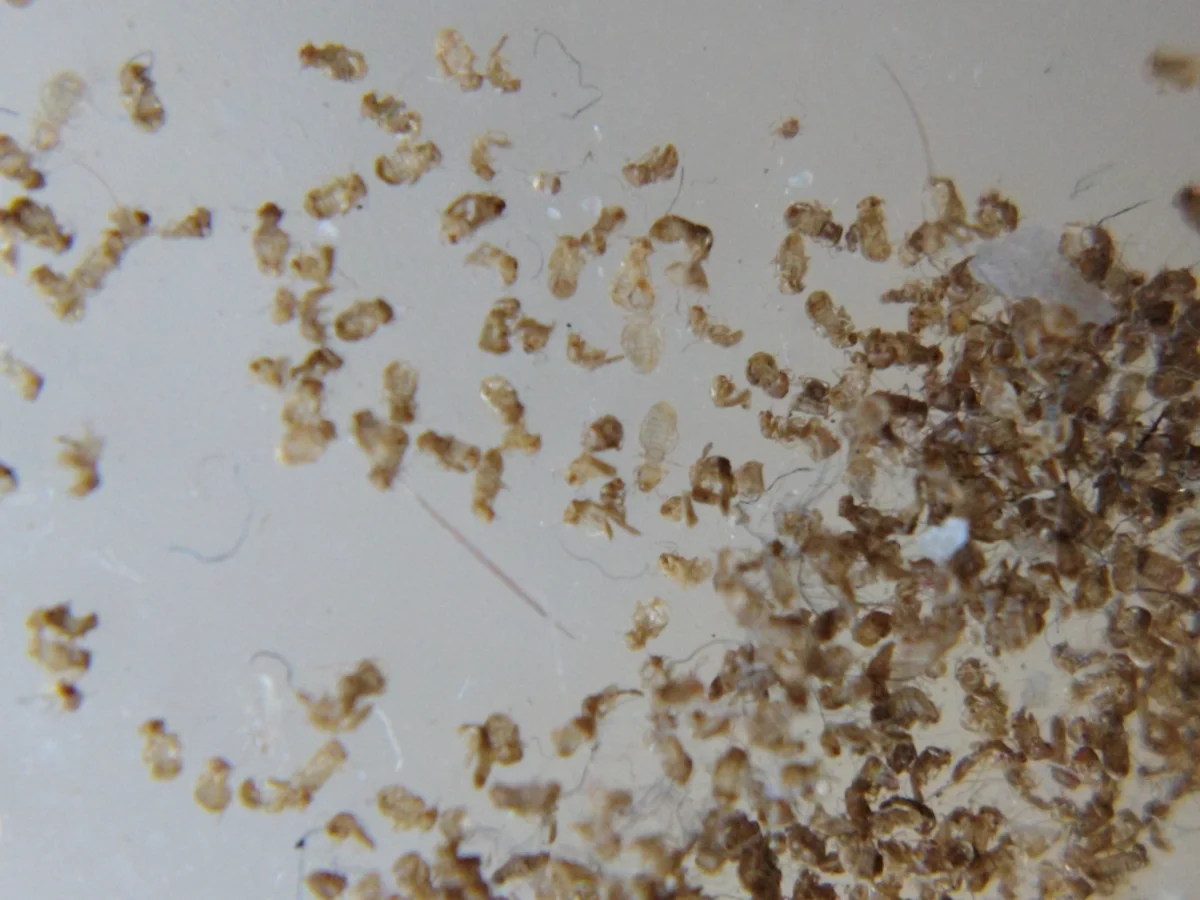
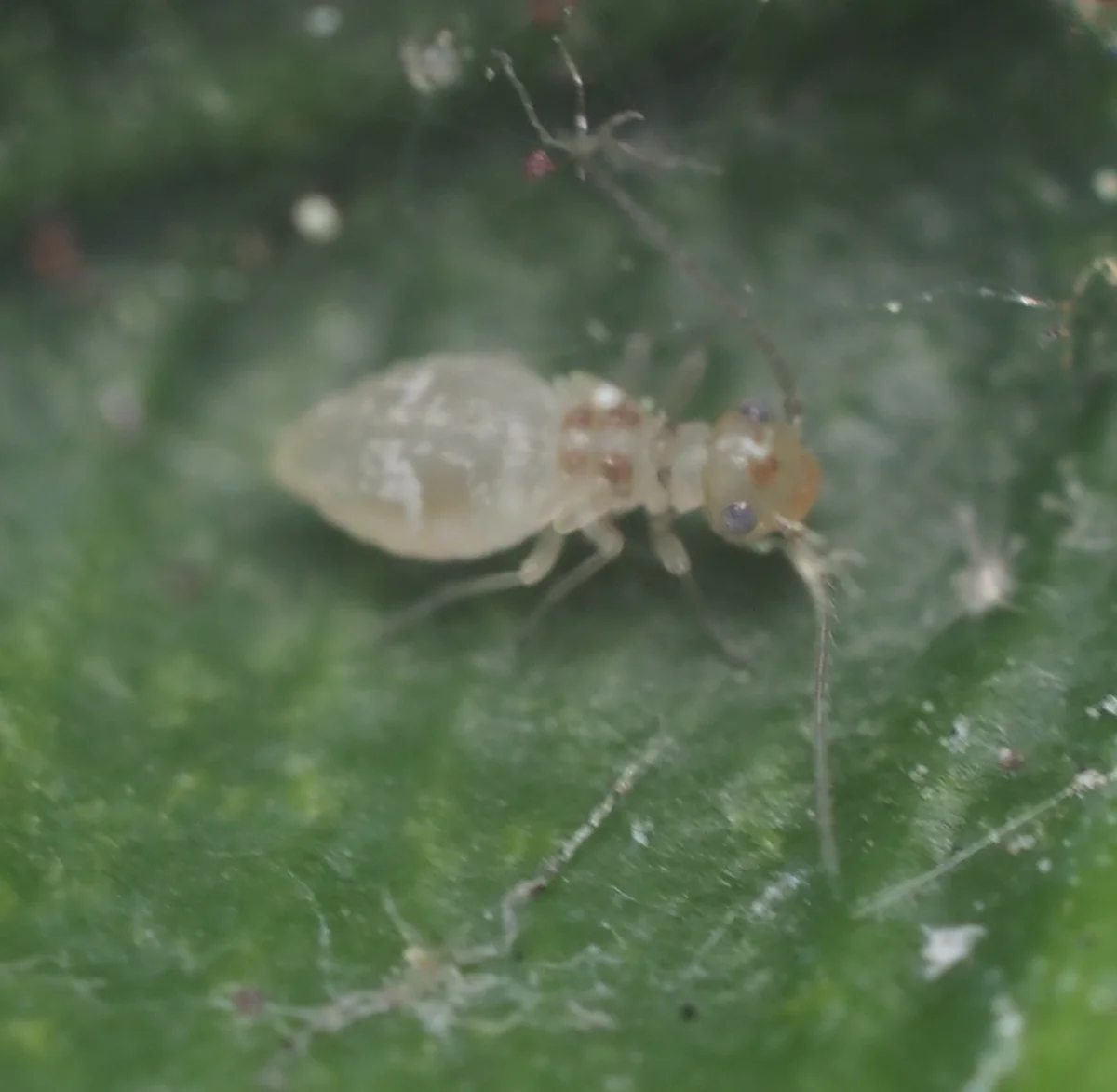
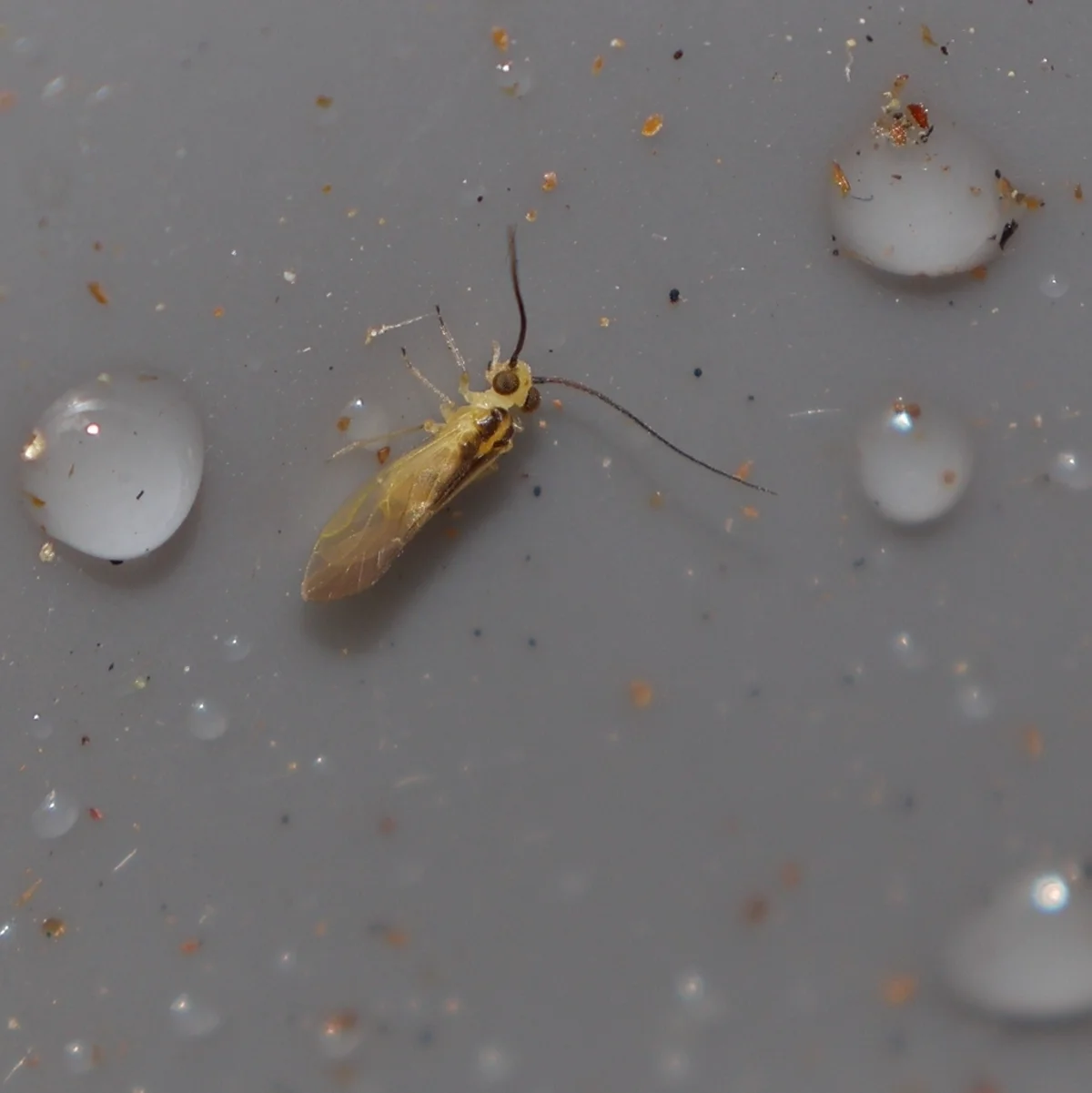
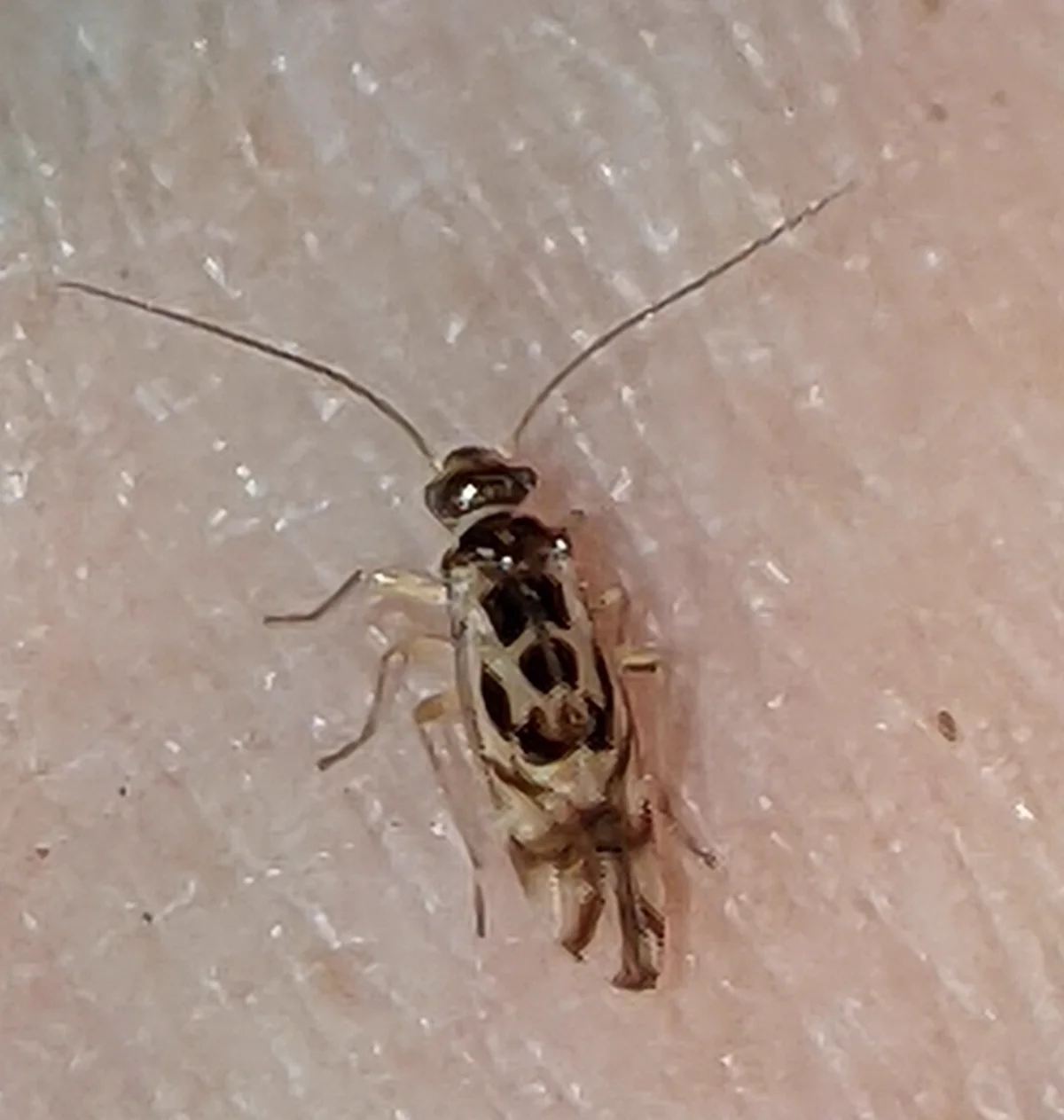
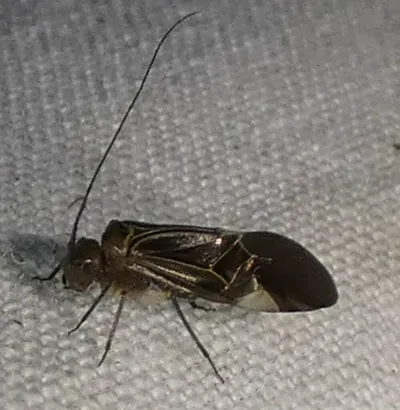
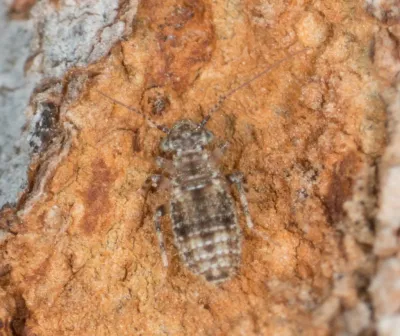
Psocids are some of the smallest bugs you will find in your home. They measure just 1 to 4 millimeters long. That is smaller than a grain of rice. You can barely see them without looking closely. Their soft bodies are cream, tan, gray, or almost clear. They have a wide head with what looks like a large nose. Their antennae are long and thin, often as long as their whole body.
Indoor psocids are called booklice. They do not have wings like their outdoor cousins, the barklice. When you disturb them, booklice move fast in a jerky, hopping way. Some people mistake them for baby bed bugs because of their flat shape. But booklice are much smaller and look quite different up close.
Common Species
-
Liposcelis bostrychophila (House Psocid) - The most common type found indoors. Look for them in kitchens, bathrooms, and damp storage areas.
-
Liposcelis entomophila - Often found in stored food and grain.
-
Trogium pulsatorium (Larger Pale Booklouse) - One of the bigger booklice. You may find them in old books and paper stacks.
-
Lepinotus reticulatus (Reticulated Psocid) - Common in new homes where building materials still hold moisture.
Psocids Behavior and Biology
Psocids love warm, damp places. They do best when the temperature is between 75 and 85 degrees and humidity is above 50%. They do not eat wood, fabric, or bite people. They eat mold, fungi, pollen, and tiny bits of organic matter. When you see booklice on books or wallpaper, they are eating the mold on these items, not the items themselves.
If you have psocids, you likely have a moisture problem. These bugs cannot hold water in their bodies. They are very sensitive to dry air. When humidity drops below 45 to 50%, they die or stop moving. This is why fixing moisture issues works better than sprays.
Female booklice can lay eggs without mating. One female may lay about 60 eggs in her life. She hides them in cracks and small spaces. Eggs hatch in two to four weeks. Young psocids molt four times before they become adults. This takes one to three months. Adults live two to four months. A related species, Wood Wasps, shares similar characteristics.
Booklice are most active in summer when the air holds more moisture. In homes with ongoing damp problems, they may stay active all year. They hide from light and prefer dark, quiet spots like closets, basements, bathrooms, and kitchen cabinets. A related species, Daddy Long Legs, shares similar characteristics.
Treatment Methods for Psocids A related species, Harvestmen, shares similar characteristics.
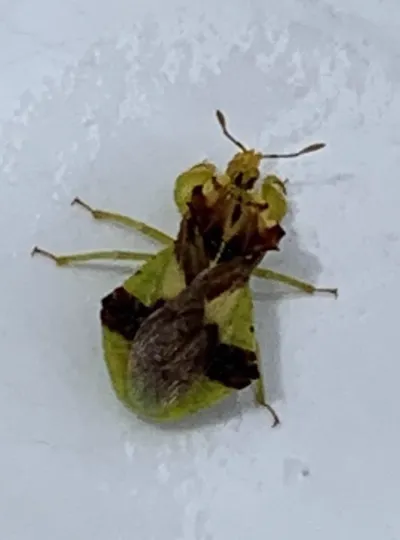
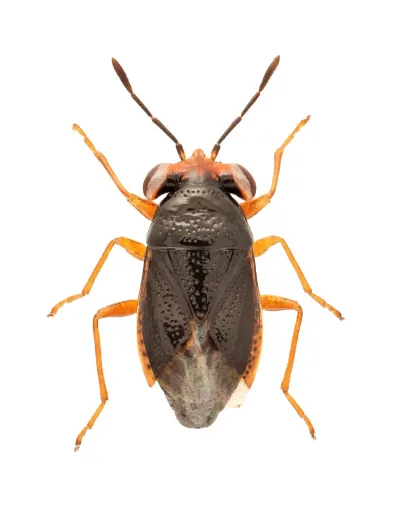
Psocids need moisture to survive. The best way to get rid of them is to reduce humidity, not to use sprays. A related species, Mexican Chicken Bug, shares similar characteristics.
Reduce Humidity A related species, Soldier Bug, shares similar characteristics.
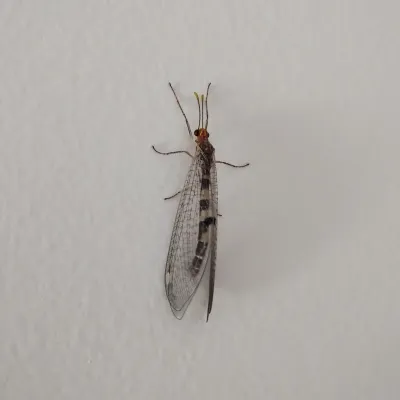
Lowering indoor moisture is the key to psocid control: A related species, Green Lacewings, shares similar characteristics.
-
Use dehumidifiers in basements, bathrooms, and other damp rooms. Keep humidity below 50%.
-
Run exhaust fans in bathrooms and kitchens to remove wet air. Open windows when you can.
-
Fix leaks from pipes, roofs, and foundations. These water sources help mold grow.
-
Use air conditioning in summer. AC removes moisture from the air.
Remove Mold Sources
Getting rid of mold takes away the food psocids need:
-
Throw away moldy books, papers, and cardboard boxes from damp areas
-
Clean moldy surfaces with a mold-killing cleaner
-
Store dry foods in glass or plastic containers with tight lids
-
Move books and papers to dry, cool rooms
Chemical Treatments
Sprays and pesticides rarely work well for booklice. They do not fix the moisture problem that brings psocids in. If sprays are used, they go in cracks and wall voids. But psocids will come back if the air stays damp.
How to Prevent Psocids
Keep psocids away by managing moisture over time:
-
Check humidity with a meter. Keep it between 30% and 50%.
-
Look at used books and stored goods before you bring them home.
-
Store seasonal items in sealed plastic bins, not cardboard.
-
Fix damp crawl spaces and basements before the problem spreads.
-
Run bathroom fans for 20 to 30 minutes after showers.
References
Other Other Pests
Explore other species in the other pests family
Where Psocids Are Found
Hover over states to see their names. Green regions indicate where psocids have been reported.
Common Questions about Psocids
Are psocids harmful to humans?
+
No, psocids do not bite, sting, or transmit diseases to humans. They are nuisance pests that indicate moisture problems in your home but pose no direct health threat.
Why do I suddenly have booklice in my home?
+
Booklice appear when humidity levels rise, typically above 50-60%. New construction, water leaks, poor ventilation, or seasonal humidity changes can create ideal conditions for mold growth, which attracts psocids.
What do psocids eat?
+
Psocids feed primarily on mold, fungi, and mildew. They also eat starchy materials like book bindings, wallpaper paste, and grains. They do not eat the materials themselves but the microscopic mold growing on them.
How do I get rid of booklice?
+
The most effective way to eliminate booklice is to reduce humidity below 50%. Use dehumidifiers, improve ventilation, and fix any moisture sources. Without moisture, mold cannot grow, and psocids will die or leave.
Can booklice infest food?
+
Yes, psocids can infest stored food products like flour, cereals, pasta, and grains, especially if these items have absorbed moisture and developed mold. Discard any infested food and store dry goods in airtight containers.
Are booklice the same as bed bugs?
+
No, booklice and bed bugs are completely different insects. Booklice are much smaller (1-2mm), feed on mold, and do not bite. Bed bugs are larger (4-7mm), feed on blood, and leave itchy bite marks.
How long do psocids live?
+
Adult psocids typically live two to four months under favorable conditions. They reproduce quickly, with females laying around 60 eggs during their lifetime. Eggs hatch in two to four weeks.
Will psocids go away on their own?
+
Psocids may leave if humidity drops below 45-50% for a long time. But if you do not fix the moisture problem, they often come back when conditions are right again.

With five years of hands-on experience in the pest control industry, George Schulz is a registered technician with the Virginia Pest Management Association and a proud third-generation professional in a family business that's been protecting homes for over 57 years. He manages and trains a team of service pros while also leading internal research efforts—recently spearheading a deep-dive review of thousands of documents on pest control materials to hand-pick the most kid and pet friendly, most effective solutions tailored specifically for homes in the DC metro area.