Daddy Long Legs Identification Guide
Opiliones
Daddy long legs (harvestmen) have very long thin legs and a small oval body. They look like spiders but are not. They have no venom and cannot bite.
Taxonomy
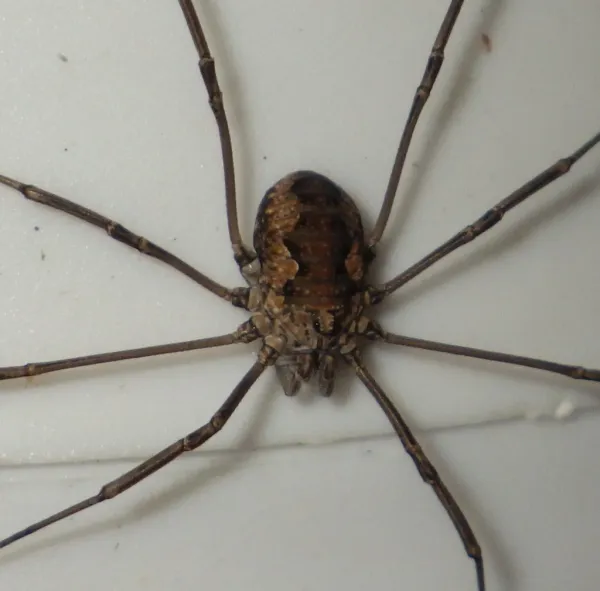
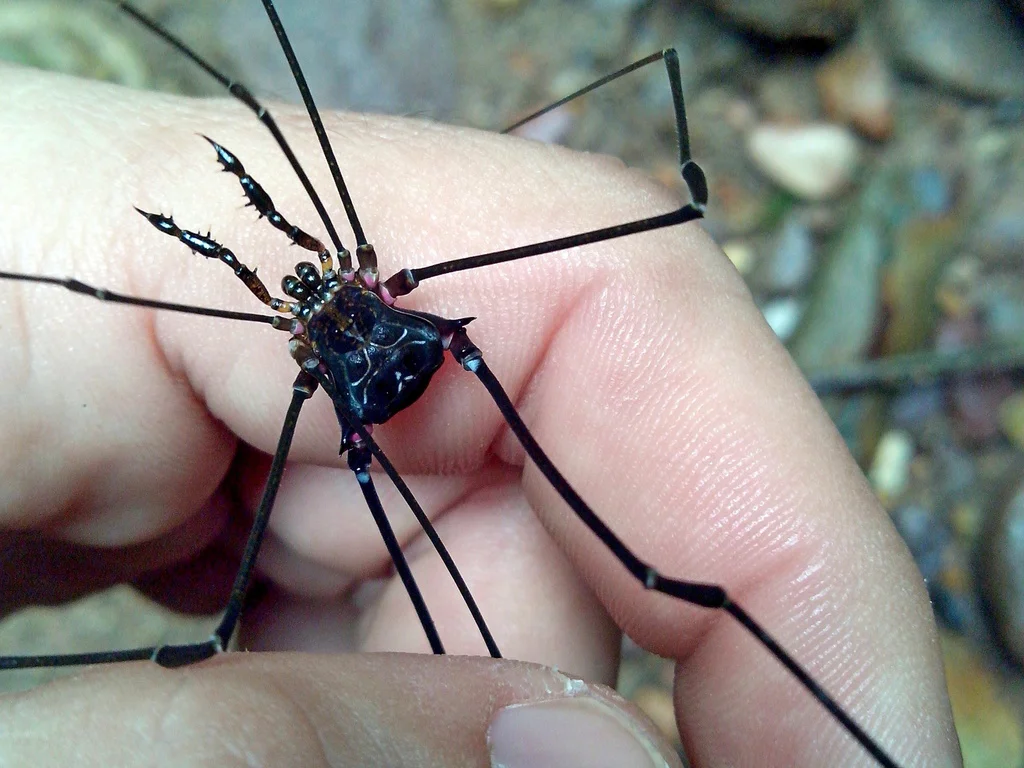
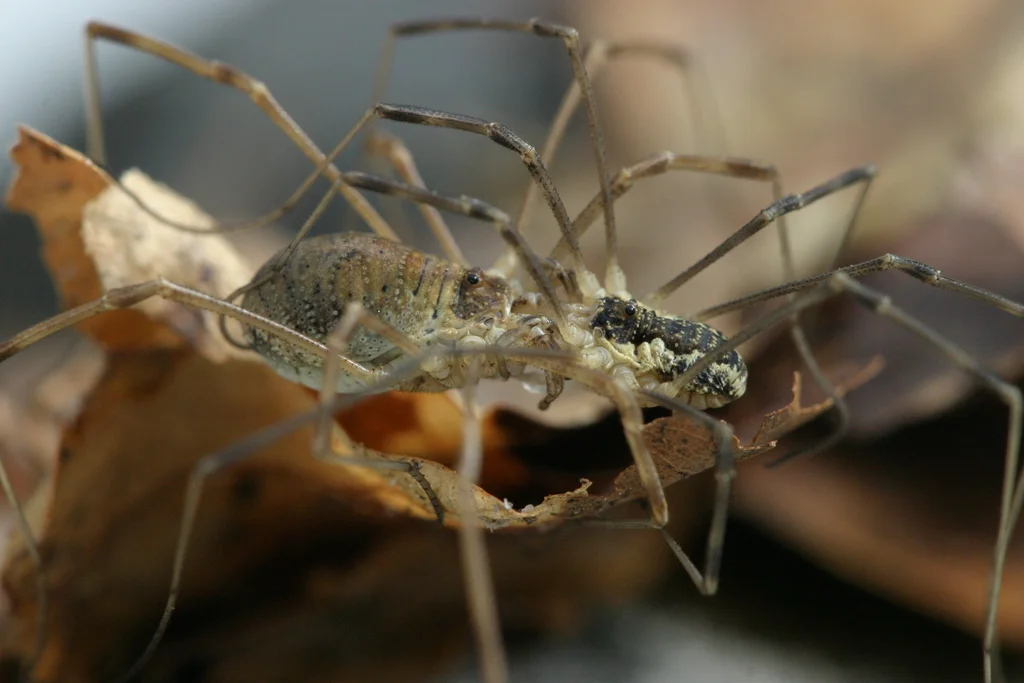
Daddy Long Legs Coloration
Common color patterns to help identify daddy long legs
Daddy Long Legs
Seasonal Activity
When daddy long legs are most active throughout the year
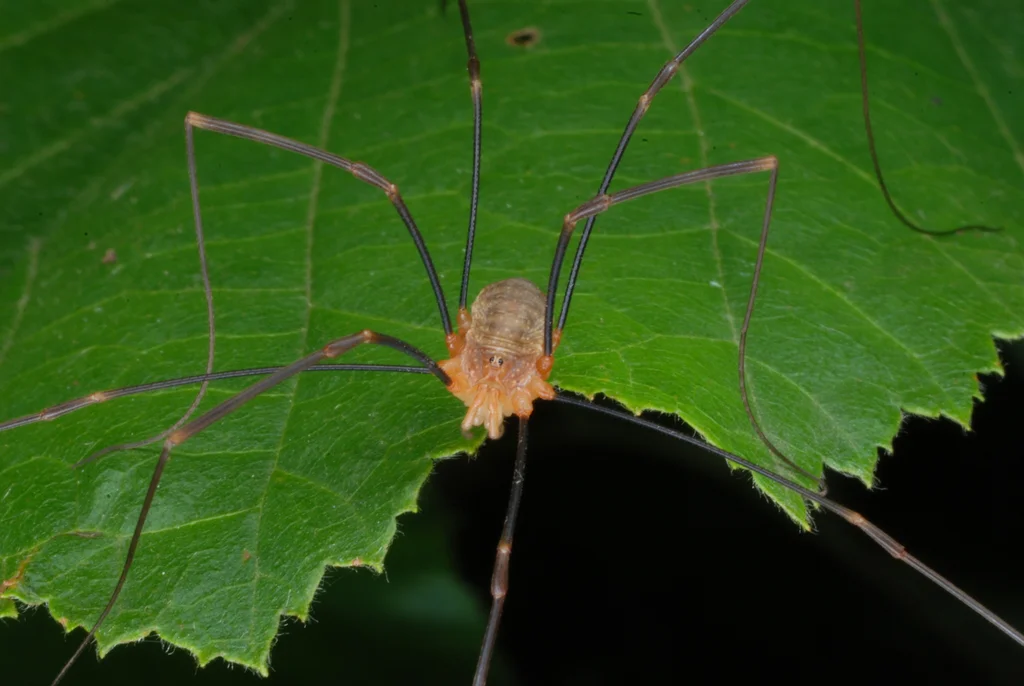
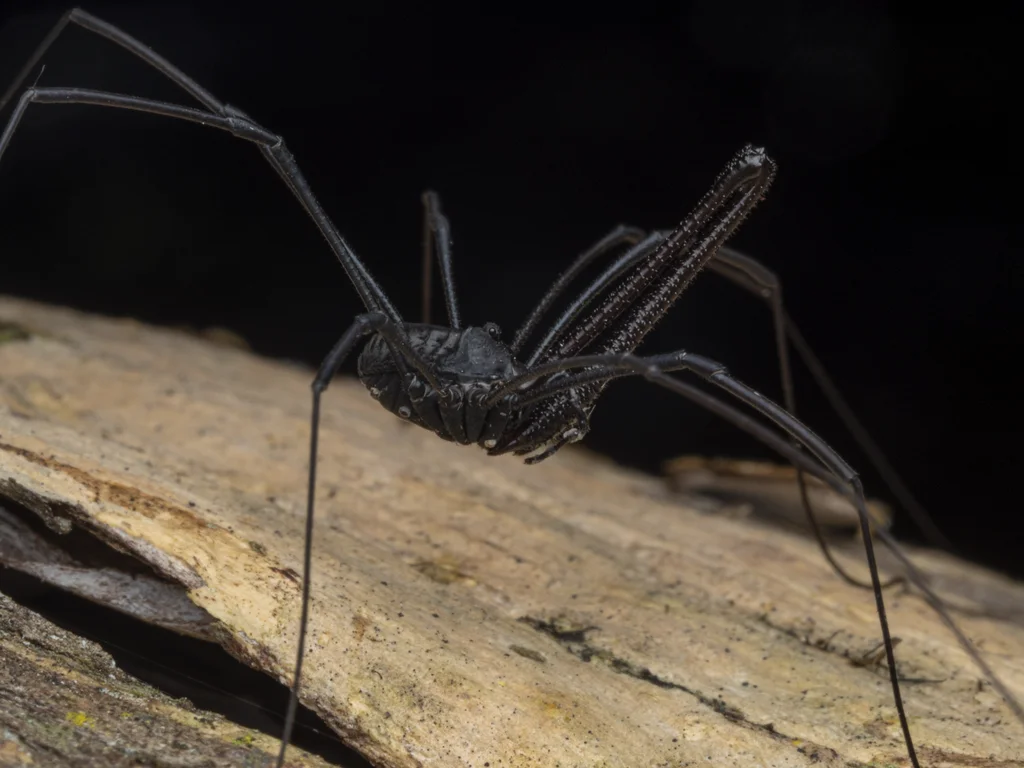
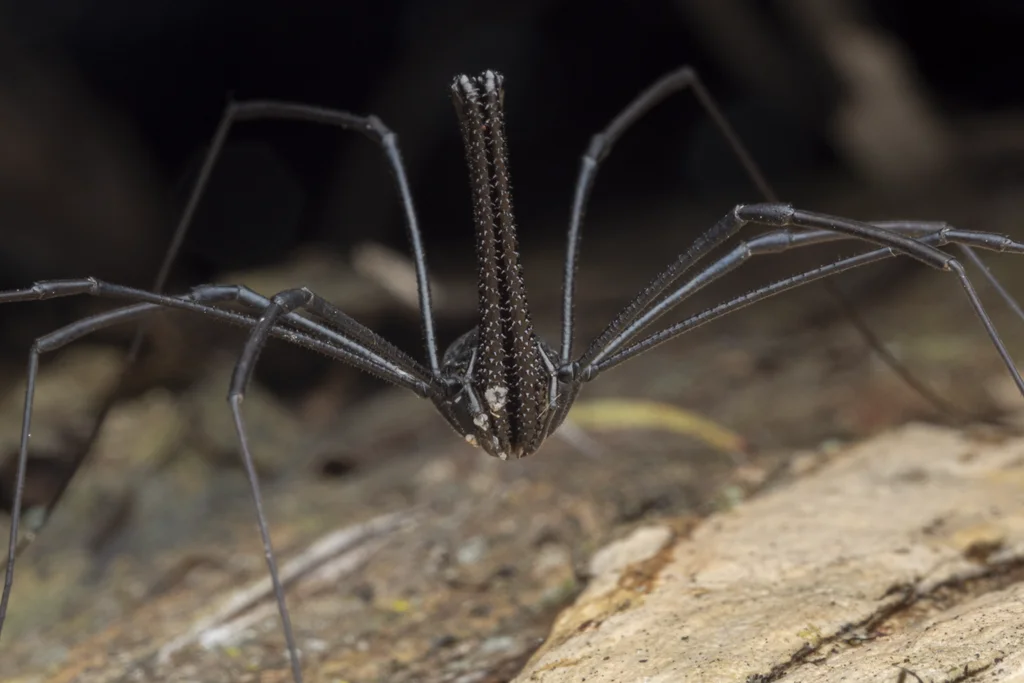

Where Daddy Long Legs Are Found
Hover over states to see their names. Green regions indicate where daddy long legs have been reported.
Daddy Long Legs Identification Guide
Physical Characteristics
Daddy long legs, also called harvestmen (order Opiliones), are easy to spot due to their very long, thin legs and small body. Adults measure 3-10mm in body length. Their legs can span 50mm (2 inches) or more, making them look much larger.
The main feature that sets daddy long legs apart from true spiders is their body shape. Spiders have two body sections (the head area and abdomen). Daddy long legs have just one oval-shaped body where these parts are fused together.
Key features to look for:
- Single oval body with no waist between sections
- Only two eyes, sitting on a small bump on top of the body
- Eight very long, thin legs (the second pair is longest and helps them sense their surroundings)
- No silk glands, so they cannot spin webs
- No venom, so they are harmless to humans
Their color varies by species. Most are brown, tan, gray, or reddish-brown. Some have subtle patterns on their bodies. Unlike spiders, they look simple and compact without distinct body sections.
Body vs. Spider Comparison
This table shows the key differences between daddy long legs and spiders:
| Feature | Daddy Long Legs (Harvestmen) | True Spiders |
|---|---|---|
| Body segments | One fused oval | Two distinct segments |
| Eyes | Two (on raised bump) | Six to eight |
| Venom glands | None | Present |
| Silk production | None | Can spin webs |
| Fangs | Small, not for biting | Larger, used for prey |
Common Species in North America
Over 6,650 species of harvestmen exist worldwide. Common North American species include:
- Eastern Harvestman (Phalangium opilio): The most common species in the eastern United States. It is brown with lighter markings.
- Brown Daddy Longlegs (Leiobunum species): Several species live throughout North America.
- Spiny-backed Harvestmen: Various species with distinctive spiny projections on their bodies.
Daddy Long Legs Behavior and Biology
Habitat Preferences
Daddy long legs live in many habitats across North America. They prefer places with:
- Moisture: They dry out easily and seek humid areas
- Shade: Often found under logs, rocks, leaf litter, and in caves
- Access to food: Near areas with small insects and dead plant matter
Around homes, you may find them in:
- Basements and crawl spaces
- Garages and sheds
- Under porches and decks
- In mulch beds and gardens
- Near foundation plantings
- Woodpiles and compost areas
Unlike cellar spiders, which people often confuse them with, daddy long legs do not build webs. They usually prefer to live outdoors. A related species, Wood Wasps, shares similar characteristics.
Diet and Feeding Habits
Daddy long legs are omnivores and scavengers. They eat many different foods:
- Small bugs like mites, aphids, small spiders, and springtails
- Dead insects (scavenging makes up much of their diet)
- Decaying plant matter like fallen fruit, dead leaves, and fungi
- Bird droppings
- Snails and slugs
Unlike spiders that must turn their food into liquid before eating, harvestmen can eat solid food. Their mouthparts are built to tear and chew, not to inject venom.
Defensive Behaviors
When threatened, daddy long legs use several defense methods:
Bobbing/Vibrating: When disturbed, many species quickly bob their bodies up and down. In large groups, this creates a confusing visual effect that makes it hard for predators to target one individual.
Dropping Legs: Daddy long legs can drop a leg on purpose if a predator grabs them. The dropped leg keeps twitching, which distracts the predator while the harvestman escapes. Unlike some other creatures, they cannot grow back lost legs.
Chemical Defense: Many species have scent glands that release a bad-smelling or bitter fluid when disturbed. This keeps many predators from eating them.
Reproduction and Lifecycle
Here is how daddy long legs reproduce:
- Males and females mate during summer and early fall
- Females lay eggs in soil, under bark, or in small gaps
- Eggs may survive the winter and hatch the following spring
- Young harvestmen (nymphs) molt 4-8 times before becoming adults
- Most species live only one year. They die after the first hard frost
- Adults are most often seen from late summer through fall (which is why they are called “harvestmen”)
Some species show parental care. Males guard the eggs against predators and egg-eating females.
Clustering Behavior
One of the most notable behaviors of daddy long legs is their habit of forming large groups. Dozens to hundreds may cluster together in sheltered spots. Scientists think this behavior:
- Helps them keep moisture by reducing exposed surface area
- Gives them protection in numbers against predators
- May help control body temperature
- Helps them find mates
When a cluster is disturbed, all of them may start bobbing at the same time. This creates a confusing effect for predators.
The “Most Venomous” Myth Debunked
One of the most common myths about daddy long legs is that they are very venomous but cannot bite humans. This is completely false.
Here are the facts:
- Daddy long legs (harvestmen) have no venom glands at all
- They cannot bite humans because their mouthparts are not built for it
- They pose no danger to people or pets
- The myth likely started from confusion with cellar spiders (also called daddy longlegs)
Scientists have studied and disproved this myth. Harvestmen are some of the most harmless creatures you might find in or around your home.
Treatment Methods for Daddy Long Legs
When large numbers of daddy long legs are entering your home or building up in unwanted areas, several approaches can help manage them.
Prevention Strategies
The best approach is to make your home less appealing to daddy long legs:
- Fix leaky pipes, use dehumidifiers in basements, and improve air flow in crawl spaces
- Caulk gaps around windows, doors, and foundation openings
- Clear leaf litter, mulch, and debris away from foundation walls
- Change exterior lighting, since lights attract insects that daddy long legs feed on
- Clean up storage areas to reduce dark hiding spots
Physical Removal
For daddy long legs already inside:
- Vacuum them up and dispose of the contents
- Catch them gently in a cup and release them outdoors
- Remove spider webs around your home (while daddy long legs do not make webs, removing webs reduces the spiders they may eat)
When Professional Help May Be Needed
Daddy long legs usually do not need professional treatment. However, large numbers may point to other issues:
- Excess moisture problems
- Entry points that should be sealed
- Other pest populations they are feeding on
A professional inspection can find the conditions that attract daddy long legs and other pests. Treatment usually focuses on exterior barrier products and fixing moisture issues.
Additional Notes
Daddy long legs are harmless to humans and pets. They feed on small insects and decomposing matter. The prevention and treatment methods above will help reduce their population when they become a nuisance in your home.
References
- Wikipedia. (n.d.). Opiliones. Retrieved from https://en.wikipedia.org/wiki/Opiliones
- Missouri Department of Conservation. (n.d.). Daddy Longlegs (Harvestmen). Retrieved from https://mdc.mo.gov/discover-nature/field-guide/daddy-longlegs-harvestmen
- Ohio State University Extension. (n.d.). Ohio’s Natural Enemies: Harvestmen. Retrieved from https://ohioline.osu.edu/factsheet/ent-68
- Britannica. (n.d.). Daddy longlegs. Retrieved from https://www.britannica.com/animal/daddy-longlegs
- Owlcation. (n.d.). 42 Interesting Facts About Harvestmen or Daddy Longlegs. Retrieved from https://owlcation.com/stem/Facts-About-Harvestmen-or-Daddy-Longlegs-That-May-Surprise-You
- Indiana Nature. (n.d.). Daddy Long Legs Myth. Retrieved from https://indiananature.net/pages/FFF/harvestmen.php
Other Other Pests
Explore other species in the other pests family
Commonly Confused With
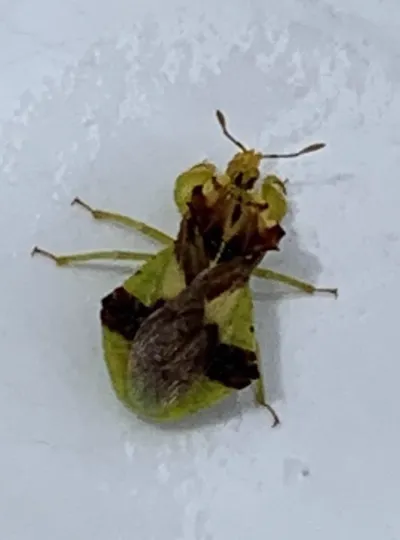
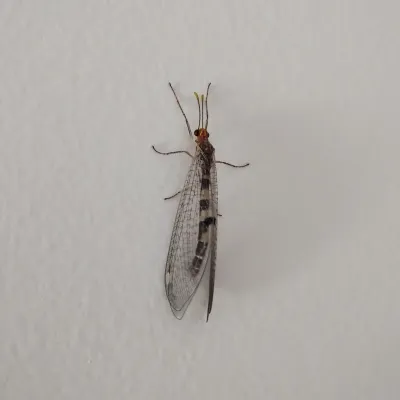
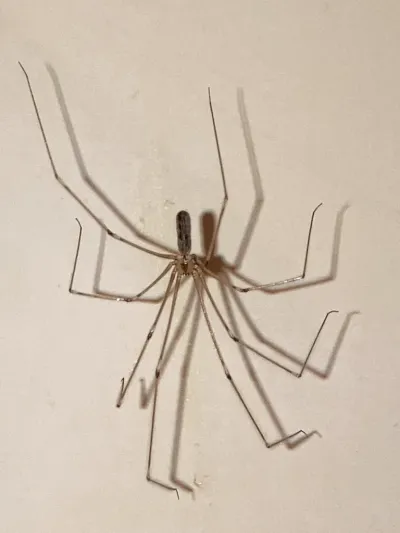
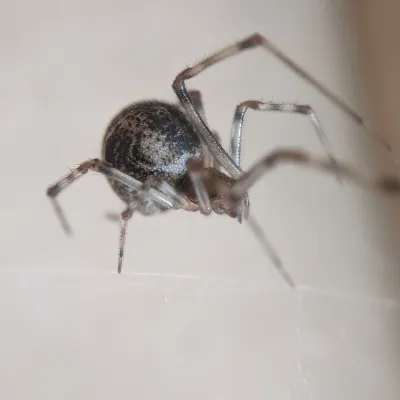
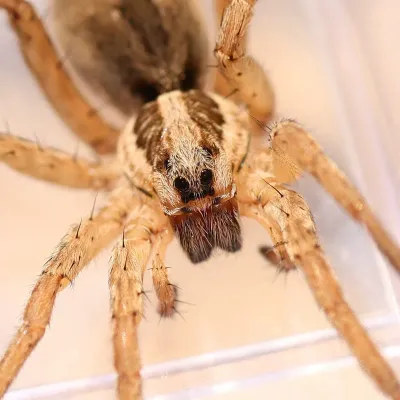
Daddy Long Legs are often mistaken for these similar pests
Where Daddy Long Legs Are Found
Hover over states to see their names. Green regions indicate where daddy long legs have been reported.
Common Questions about Daddy Long Legs
Are daddy long legs the most venomous spider?
+
This is a popular myth that is completely false. Daddy long legs (harvestmen) are not spiders at all and possess no venom glands whatsoever. They cannot bite or sting and are completely harmless to humans. The myth may have originated from confusion with cellar spiders, which are also called daddy longlegs but are true spiders with mild venom.
Are daddy long legs actually spiders?
+
No, daddy long legs (harvestmen) are not spiders. While they belong to the class Arachnida like spiders, they are in a separate order called Opiliones. Key differences include having only two eyes (spiders have eight), lacking venom glands, being unable to produce silk, and having a single oval body segment rather than two distinct segments.
Do daddy long legs bite?
+
No, daddy long legs cannot bite humans. They lack the fangs (chelicerae capable of piercing skin) and venom that spiders possess. Their mouthparts are designed for eating soft foods like decaying plant matter, small insects, and fungi. They are completely harmless.
Why do I have daddy long legs in my house?
+
Daddy long legs often enter homes seeking moisture, shelter, or prey. They prefer dark, damp areas like basements, crawl spaces, and garages. They may also come inside accidentally when temperatures drop in fall. Reducing moisture and sealing entry points can help keep them outdoors.
What do daddy long legs eat?
+
Daddy long legs are omnivores and scavengers. They feed on small insects, mites, spiders, snails, fungi, decaying plant matter, and even bird droppings. Unlike spiders, they can eat solid food particles because they have different mouthparts that allow them to consume pieces rather than only liquids.
Why are they called harvestmen?
+
The name harvestmen comes from the time of year when these creatures are most commonly seen: late summer through fall, around harvest time. Their populations peak during August through October in most of North America.
Can daddy long legs hurt my pets?
+
No, daddy long legs pose no threat to pets. They cannot bite, sting, or produce venom. If your cat or dog were to eat one, it would not cause any harm beyond possibly the unpleasant taste from defensive secretions that some species produce.
Why do daddy long legs cluster together?
+
Daddy long legs often aggregate in large groups, sometimes numbering in the hundreds. Scientists believe this behavior helps them conserve moisture, provides protection from predators, and may help regulate body temperature. When disturbed, a cluster may bob together to confuse predators.

With five years of hands-on experience in the pest control industry, George Schulz is a registered technician with the Virginia Pest Management Association and a proud third-generation professional in a family business that's been protecting homes for over 57 years. He manages and trains a team of service pros while also leading internal research efforts—recently spearheading a deep-dive review of thousands of documents on pest control materials to hand-pick the most kid and pet friendly, most effective solutions tailored specifically for homes in the DC metro area.