Storage Mites Identification Guide
Tyrophagus putrescentiae
Storage mites are microscopic arachnids that infest stored foods, pet food, and household items. These tiny pests thrive in warm, humid conditions and are significant allergens that can trigger asthma, skin irritation, and respiratory issues in sensitive individuals.
Taxonomy
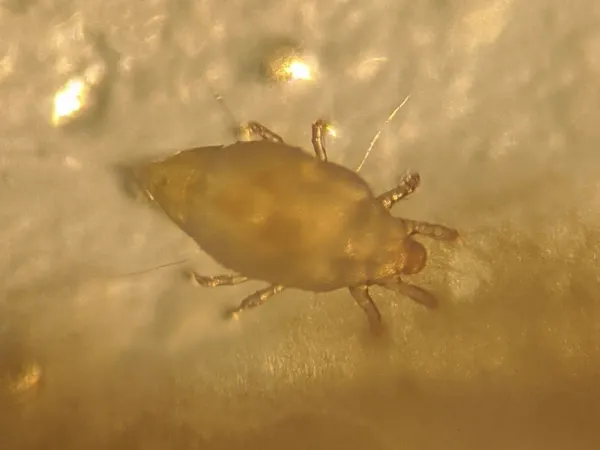
Storage Mites Coloration
Common color patterns to help identify storage mites
Storage Mites
Seasonal Activity
When storage mites are most active throughout the year

Where Storage Mites Are Found
Hover over states to see their names. Green regions indicate where storage mites have been reported.
Storage Mite Identification Guide
Physical Characteristics
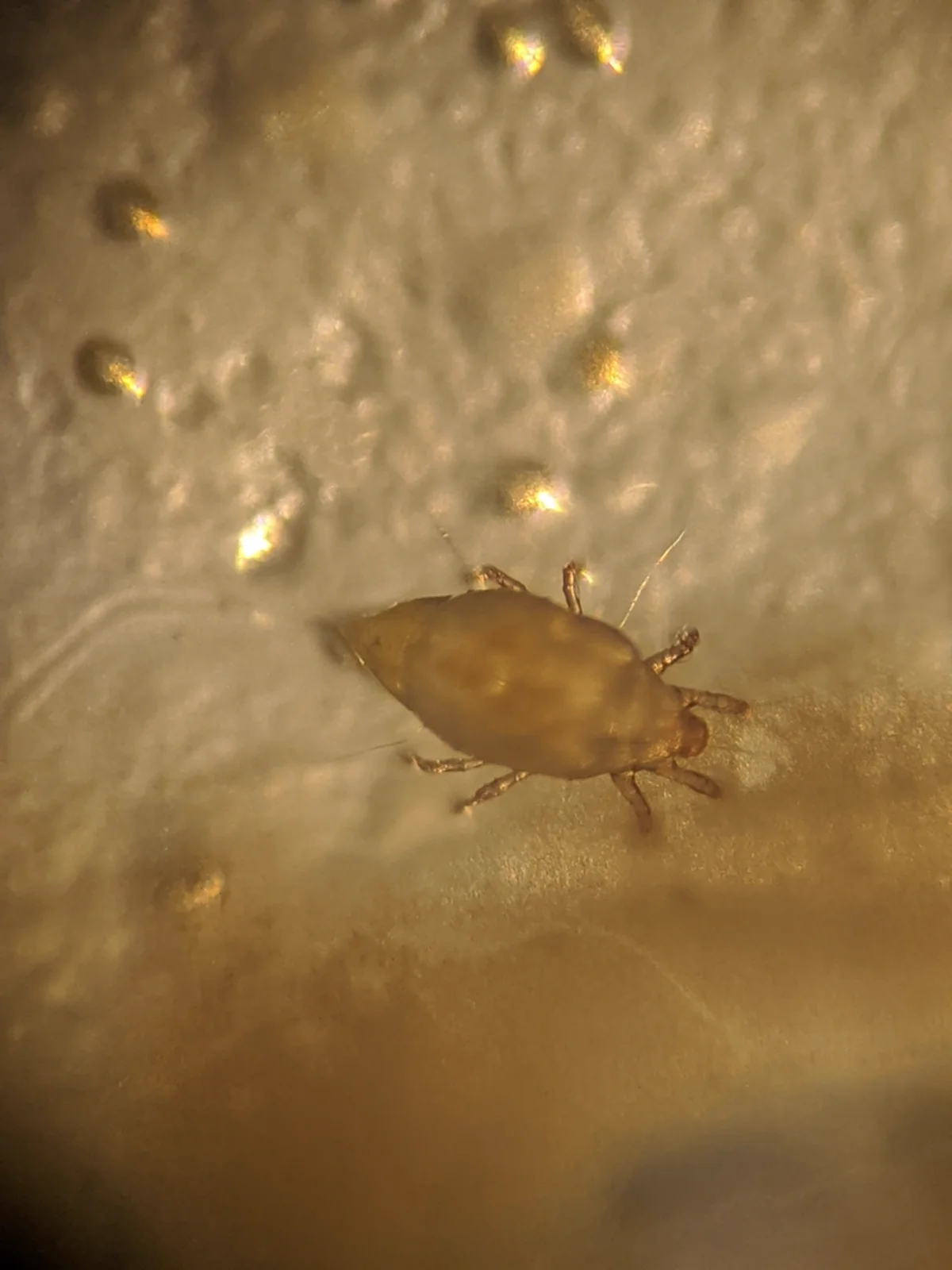
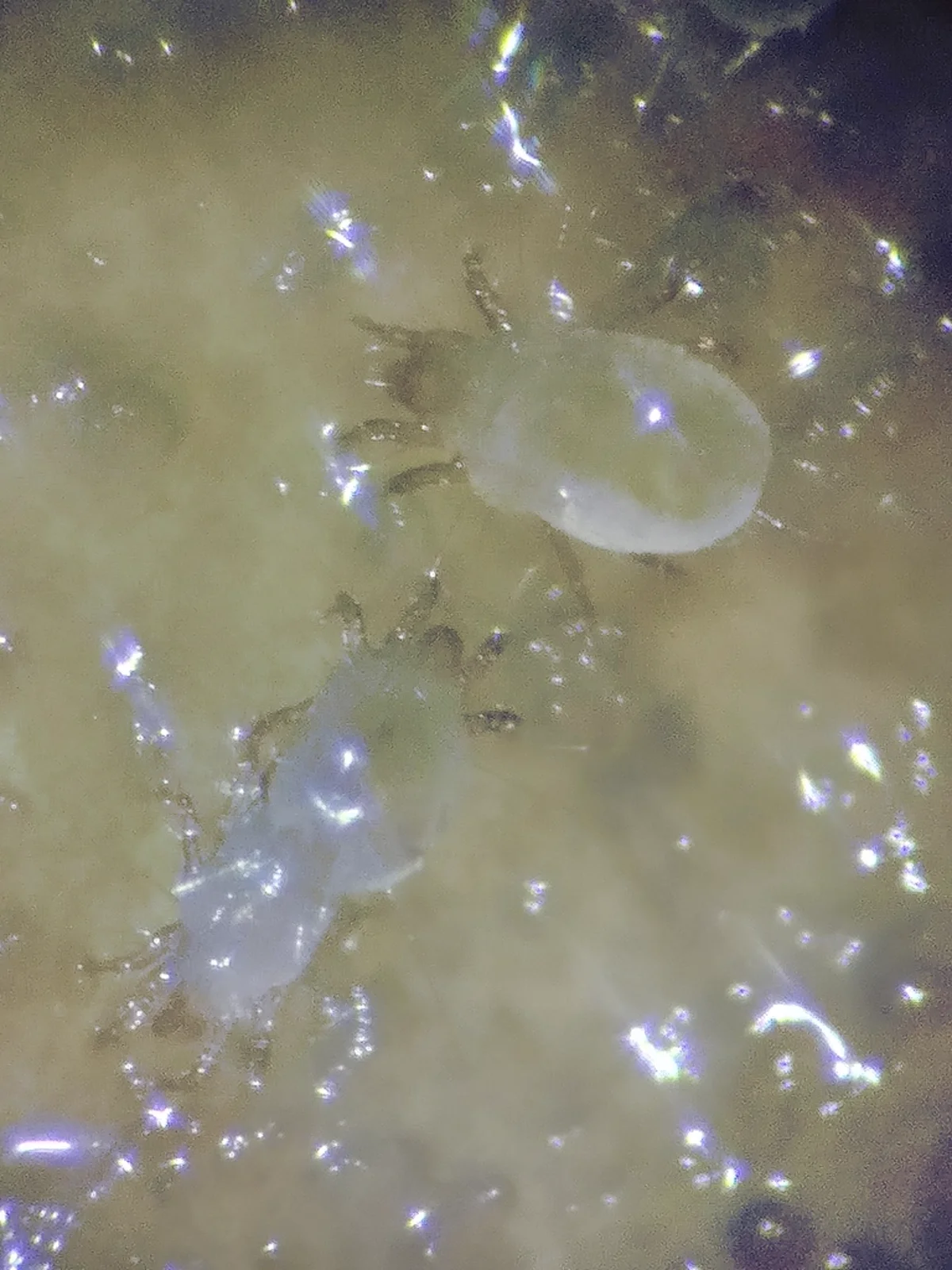
Storage mites are tiny pests that you cannot see without a magnifier. They are only 0.2 to 0.4 millimeters long. Under a microscope, their oval bodies look see-through or cream colored. Adults have eight legs. Fine hairs cover their bodies, with longer hairs at the back end.
These mites belong to the family Acaridae, also called stored products mites. Their tiny size makes them hard to spot. Most people do not notice an infestation until the population grows large. At that point, you may see dust-like residue on food or smell a musty odor.
Common Species
Several mite species are called storage mites. The most common types are:
-
Mold Mite (Tyrophagus putrescentiae): The most common storage mite. It eats fungi on food and causes many allergies. You find it in cheese, nuts, grains, dried eggs, pet food, and mushrooms.
-
Grain Mite (Acarus siro): Also called the flour mite. It lives in flour, cereals, and whole grains. Large numbers give off a sweet or minty smell.
-
Cheese Mite (Tyrolichus casei): Lives in aged cheeses and high-protein foods. Some cheese makers use this mite on purpose to make special rinds.
-
Brown-legged Grain Mite (Aleuroglyphus ovatus): Looks like other storage mites but has darker legs. Lives in grains and dried foods.
Storage Mite Behavior and Biology
Storage mites live all over the world in warm and mild climates. They do best in humid, warm places. They prefer temps above 77 degrees Fahrenheit and humidity above 75 percent. When conditions are right, their numbers can grow very fast.
Life Cycle
Storage mites go through four life stages: egg, larva, nymph, and adult. The full cycle takes less than three weeks in good conditions. Females lay eggs right on food. A small group can grow to thousands in a short time.
Some mites can go dormant to survive bad conditions. Storage mites cannot do this. They die when conditions get harsh and cannot come back when things improve. This makes them easier to control with the right methods. Homeowners dealing with Storage Mites may also encounter Mite, which can appear in similar environments.
Feeding Habits
Storage mites eat many types of food:
- Fungi and mold growing on stored products
- High-protein foods like nuts, seeds, and dried eggs
- Cheese and dairy products
- Pet food (especially dry kibble)
- Cereals and grain products
- Dried fruits and herbs
- Mushrooms and mushroom beds
Storage mites like foods with more moisture. They often go for slightly spoiled or moldy items. They can also carry mold spores from one food to another. This can cause more mold growth in your pantry.
Signs of Infestation
Watch for these indicators of storage mite presence:
- Fine, grayish or brownish dust on stored products
- A musty, sweet, or sometimes minty odor
- Food products that appear clumpy or discolored
- What looks like moving dust on shelves or food surfaces
- Increased allergy symptoms near food storage areas
- Pet food that seems to have a dusty coating
Treatment Methods for Storage Mites
Storage mite control combines cleaning, moisture control, and better food storage. These pests live in food products, so chemical treatments do not work well in homes.
Sanitation and Removal
Start by finding and throwing away all infested food:
- Inspect all stored dry goods, pet food, and pantry items
- Discard any products showing signs of infestation in sealed bags
- Vacuum all shelves, corners, cracks, and crevices thoroughly
- Wipe surfaces with hot, soapy water and allow to dry completely
- Pay special attention to areas where food particles collect
Do not try to save heavily infested food. You cannot fully remove mite eggs and waste from it.
Environmental Control
Storage mites need high humidity to live and breed. Lowering moisture is one of the best ways to control them:
- Keep storage area humidity below 60 percent
- Use a dehumidifier in damp pantries or basements
- Ensure good airflow around stored products
- Store food away from exterior walls where condensation may form
- Address any moisture issues like leaky pipes or poor ventilation
Proper Food Storage
Preventing future infestations requires attention to how food is stored:
- Transfer dry goods to airtight containers with secure lids
- Use glass, metal, or hard plastic containers rather than bags or boxes
- Divide large packages of pet food into weekly portions
- Consider freezing new flour, grains, or pet food for 48 hours before storing
- Rotate stock and use older products first
- Keep pet food containers sealed and in cool, dry locations
Pet Food Management
Pet food is particularly susceptible to storage mite infestation. Studies have found contamination rates exceeding 50 percent in pet food products. To protect your pet and family:
- Purchase pet food in smaller quantities that will be used within a few weeks
- Store kibble in airtight containers, not the original bag
- Consider portioning food and keeping unused portions frozen
- Wash food storage containers frequently with hot water and detergent
- Dry containers completely before refilling
Health Considerations
Storage mites are significant allergens. While they do not bite or spread diseases directly, they can cause health problems for sensitive individuals. Their bodies, shed skins, waste products, and secretions contain proteins that trigger allergic reactions.
Health effects may include:
- Allergic rhinitis (runny nose, sneezing)
- Conjunctivitis (eye irritation)
- Asthma symptoms
- Contact dermatitis and skin rashes
- Respiratory issues from inhaling mite allergens
Research has identified over 20 allergenic proteins in storage mites. Cross-reactivity between storage mites and house dust mites is well documented. This means people with dust mite allergies may also react to storage mites.
Occupational exposure to storage mites has long been recognized as a health risk for bakers, grain handlers, and food workers. However, non-occupational sensitization in urban environments has become increasingly common as storage mites spread through household food products.
If you experience allergy symptoms that may be related to storage mites, consult a healthcare provider. This page is for general information only and is not medical advice.
Storage Mites vs. Other Pantry Pests
Storage mites differ from other common pantry pests in several ways:
- Unlike flour beetles or weevils, storage mites are arachnids, not insects
- They are much smaller than visible pantry pests like Indian meal moths
- Storage mites are primarily allergens rather than food contaminants that cause visible damage
- They require higher humidity than many other stored product pests
If you notice visible insects in your pantry, you may have a different pest problem that requires different control approaches.
References
- Tyrophagus putrescentiae - Wikipedia
- Storage Mite Allergen Information - Thermo Fisher Scientific
- Grain Mite Information - Purdue Extension Entomology
- Tyrophagus Mites - Agriculture and Horticulture Development Board
- Effects of Storage Mite Infestations on Mycotoxin Production - ScienceDirect
- Flour and Grain Mites - Penn State Extension
Other Mites
Explore other species in the mites family
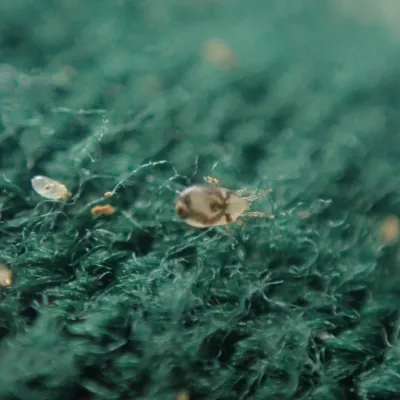
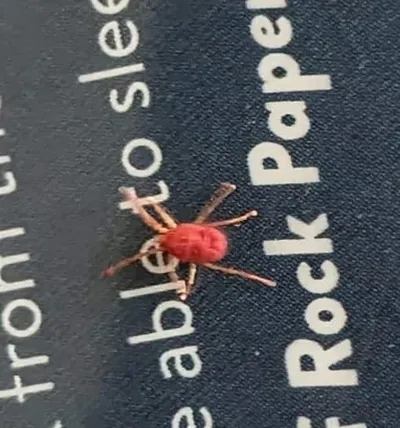
Commonly Confused With
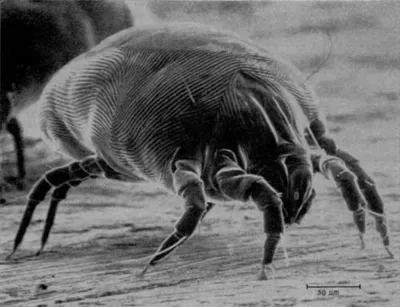
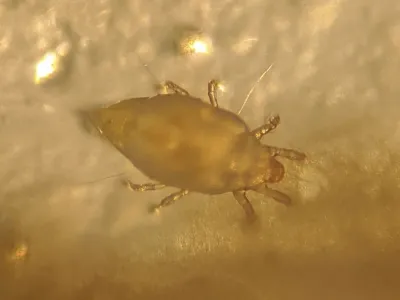
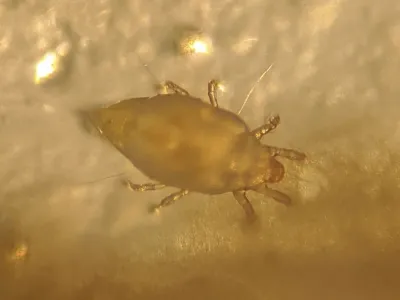
Storage Mites are often mistaken for these similar pests
Where Storage Mites Are Found
Hover over states to see their names. Green regions indicate where storage mites have been reported.
Common Questions about Storage Mites
How do I know if I have storage mites?
+
Storage mites are nearly invisible to the naked eye. Signs of infestation include fine grayish or brownish dust on stored foods, a musty or sweet odor from infested products, and food that appears clumpy or discolored. You may notice what looks like moving dust on food surfaces or pantry shelves if you look closely.
Are storage mites harmful to humans?
+
Storage mites do not bite, but they are significant allergens. Their bodies, shed skins, and waste products can trigger allergic reactions including asthma, rhinoconjunctivitis, skin rashes, and respiratory issues. People with existing dust mite allergies are particularly susceptible to storage mite allergies.
What is the difference between storage mites and dust mites?
+
While both are microscopic arachnids, storage mites primarily infest stored food products and thrive in pantries, while dust mites live in household fabrics and feed on dead skin cells. Storage mites prefer higher humidity levels and are found in food storage areas, pet food containers, and sometimes in house dust.
Can storage mites infest pet food?
+
Yes, pet food is one of the most common sources of storage mite infestations. Studies have found contamination rates of over 50 percent in pet food products. To prevent infestation, divide pet food into weekly portions, store in airtight containers, and keep the containers in the freezer until needed.
How long do storage mites live?
+
Under ideal conditions with temperatures above 86 degrees Fahrenheit and humidity above 85 percent, storage mites can complete their life cycle in less than three weeks. Female mites can live several weeks and lay numerous eggs, allowing populations to grow rapidly in favorable environments.
How can I prevent storage mites?
+
Store all dry goods in airtight containers made of glass or hard plastic. Keep pantry humidity below 60 percent and ensure good ventilation. Inspect food packages before purchasing and avoid buying damaged products. Freeze new dry goods for 48 hours before storing to kill any mites or eggs.
Can I still eat food that has storage mites?
+
Infested food should be discarded. While storage mites are not directly toxic if consumed, they contaminate food with allergens, waste products, and can affect taste and quality. Eating heavily infested food may trigger allergic reactions in sensitive individuals.
What causes storage mite infestations?
+
Storage mites thrive in warm, humid conditions and are often introduced through already-contaminated products from stores. Poor food storage practices, high humidity, and keeping dry goods for extended periods create ideal conditions for infestations to develop and spread.

With five years of hands-on experience in the pest control industry, George Schulz is a registered technician with the Virginia Pest Management Association and a proud third-generation professional in a family business that's been protecting homes for over 57 years. He manages and trains a team of service pros while also leading internal research efforts—recently spearheading a deep-dive review of thousands of documents on pest control materials to hand-pick the most kid and pet friendly, most effective solutions tailored specifically for homes in the DC metro area.