Dust Mites Identification Guide
Dermatophagoides spp.
Dust mites are microscopic arachnids that live in household dust, bedding, and upholstery. They feed on shed human skin cells and are a leading cause of indoor allergies and asthma triggers.
Taxonomy
Dust Mites Coloration
Common color patterns to help identify dust mites
Dust Mites
Seasonal Activity
When dust mites are most active throughout the year

Where Dust Mites Are Found
Hover over states to see their names. Green regions indicate where dust mites have been reported.
Dust Mite Identification Guide
Physical Characteristics
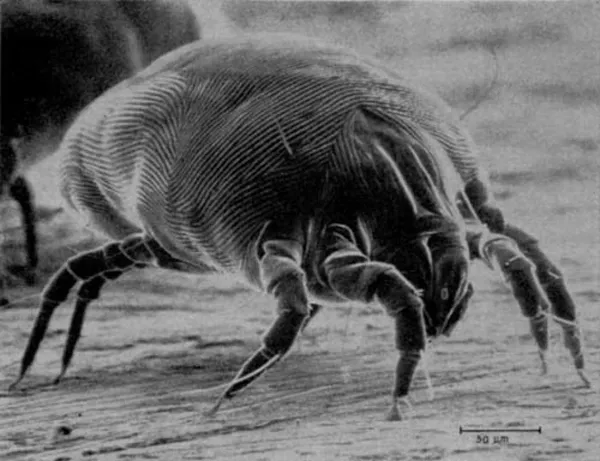
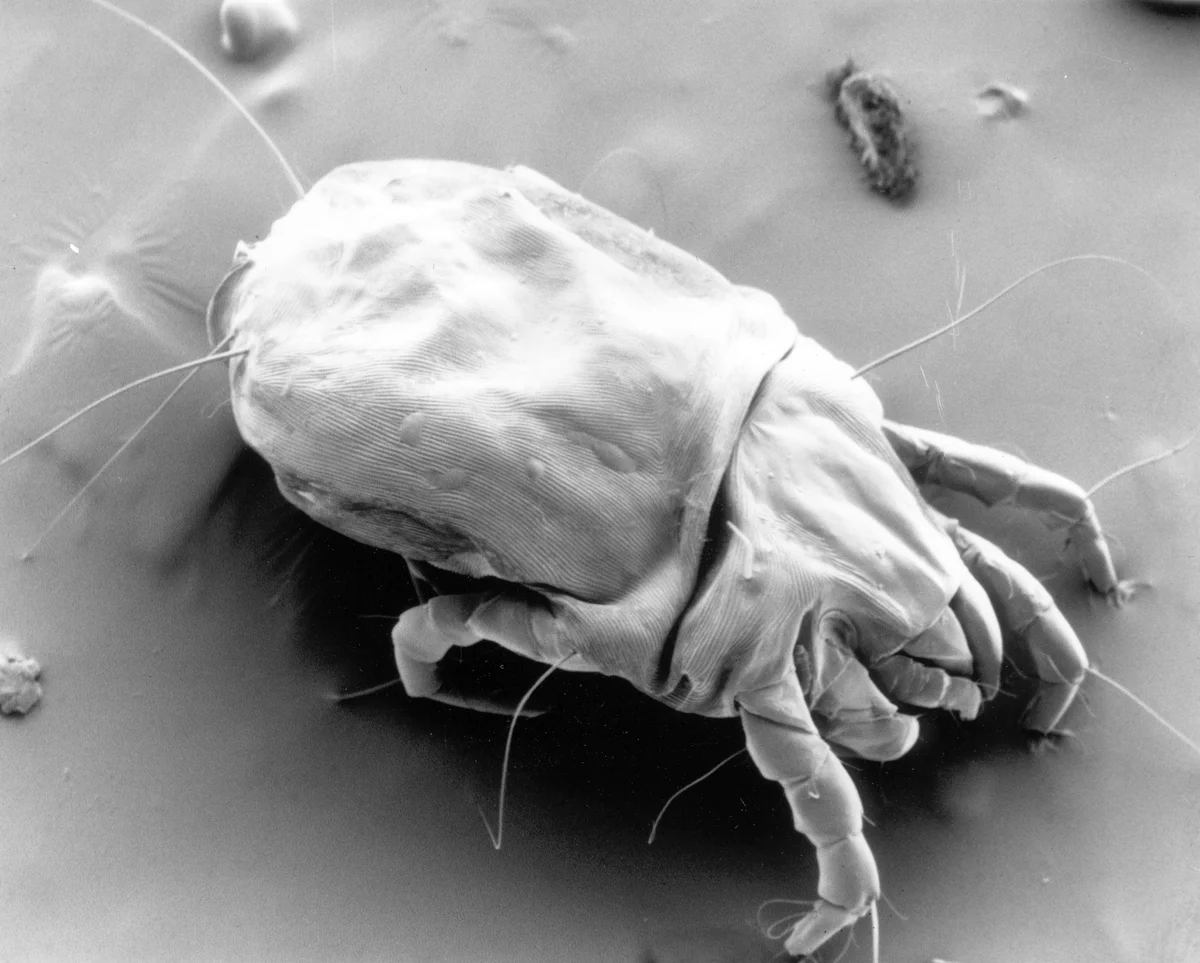
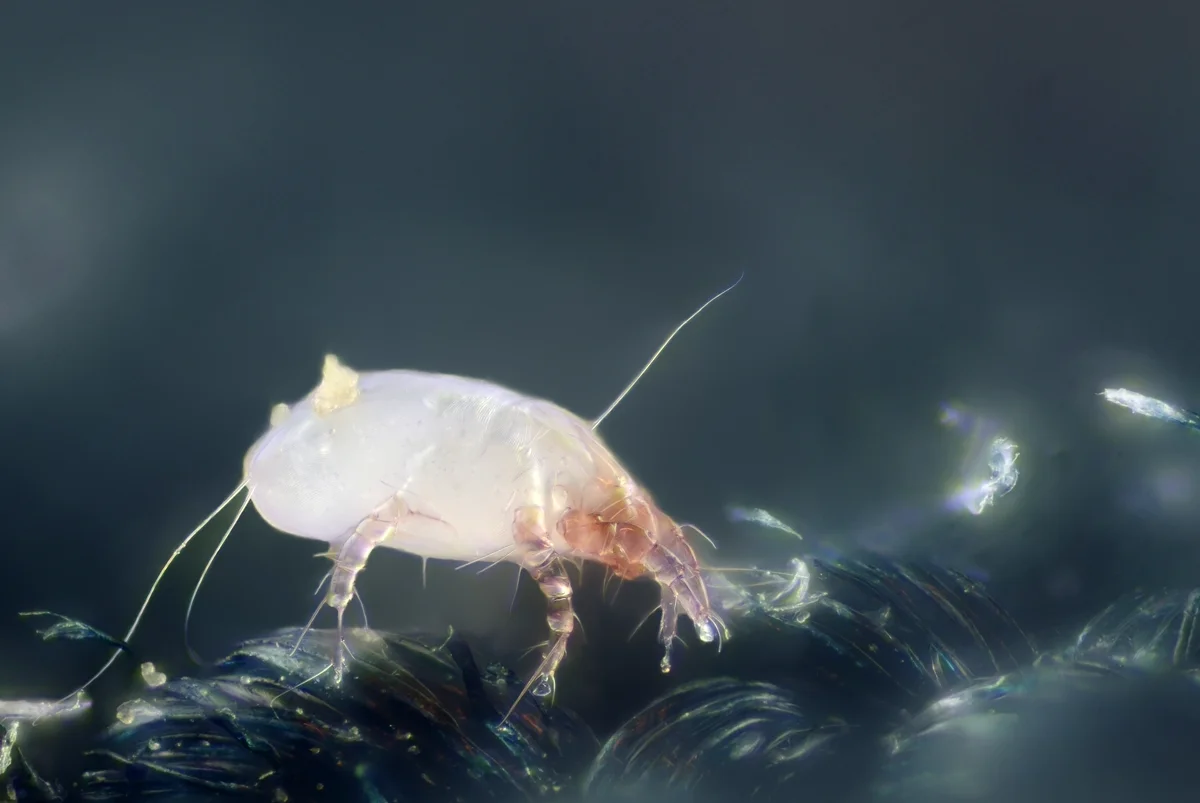
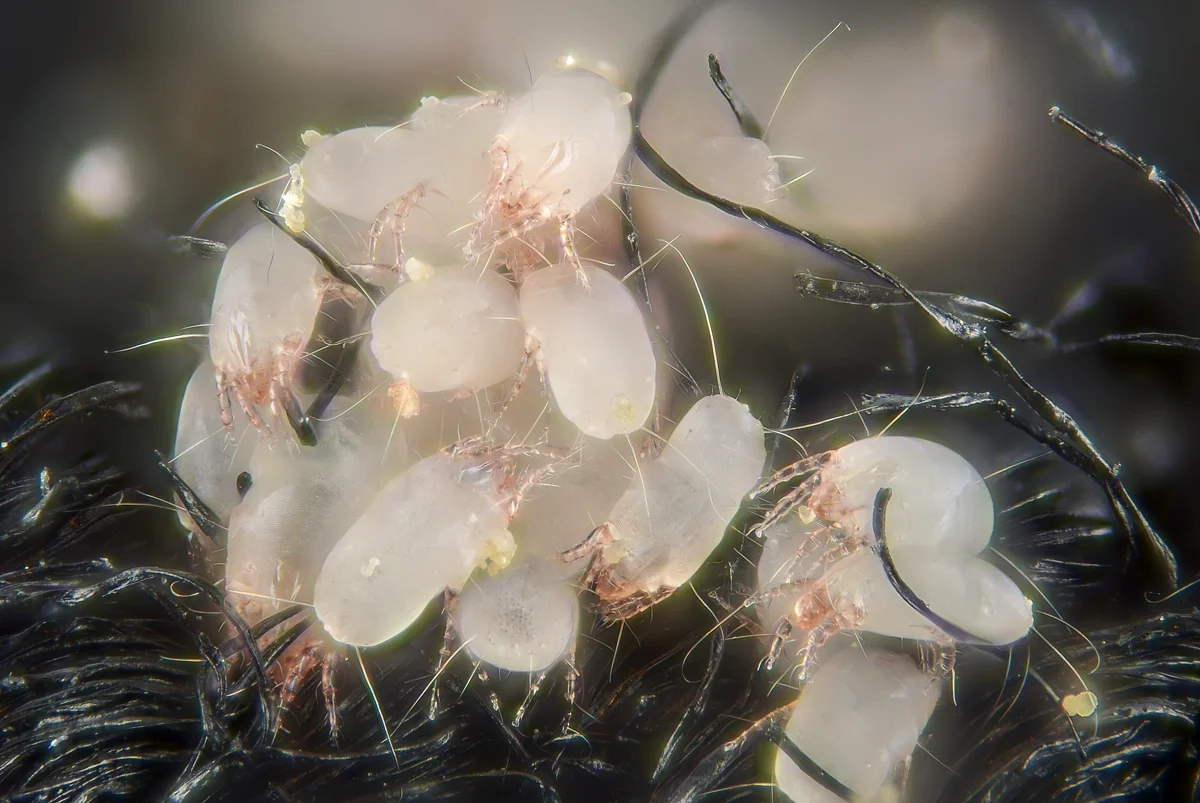
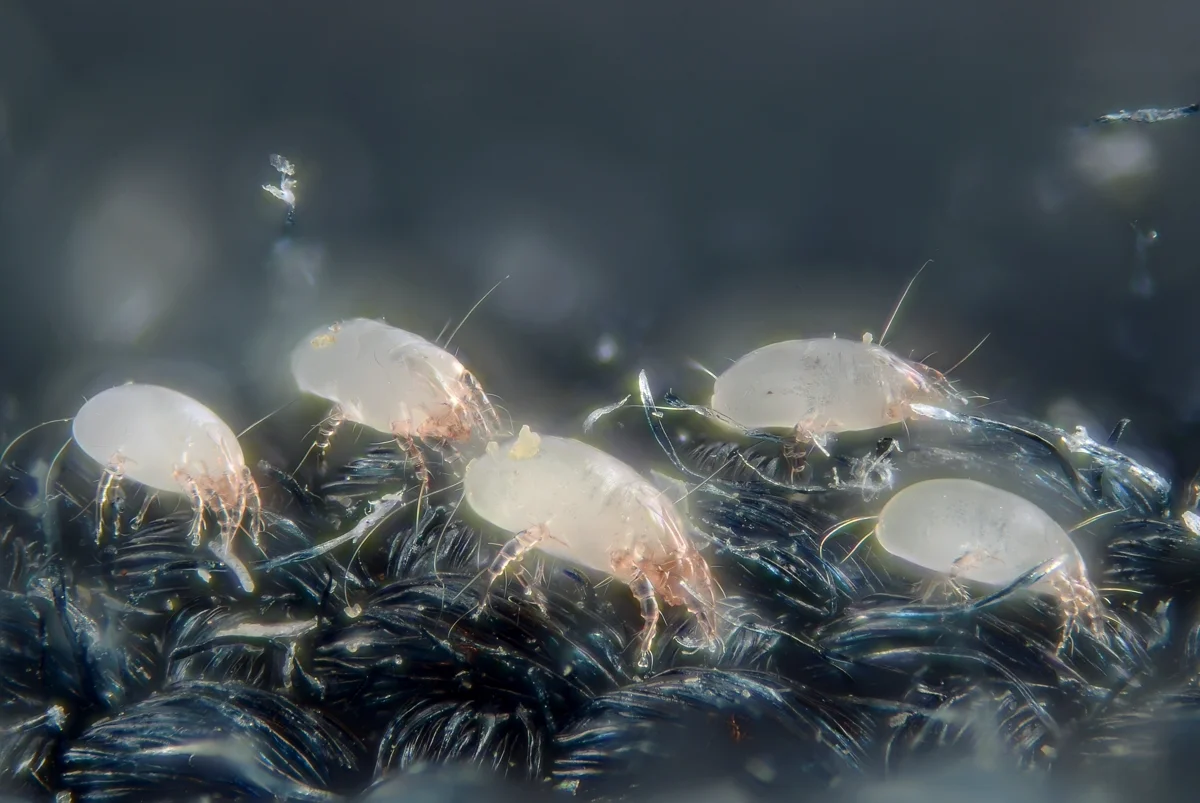
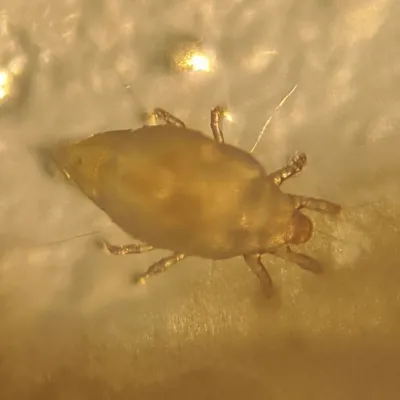
Dust mites are tiny creatures you cannot see without a microscope. They measure only 0.2 to 0.3 millimeters long. That is about the size of a grain of fine sand. Their bodies are white or cream-colored and somewhat see-through. They have a round shape and eight legs, which makes them relatives of spiders rather than insects.
When viewed under a microscope, dust mites have a ridged outer shell. They have no eyes. Instead, they use tiny sensory hairs to find their way around. Their front legs help them grab food particles. Fine bristles on their bodies help them hold onto fabric fibers.
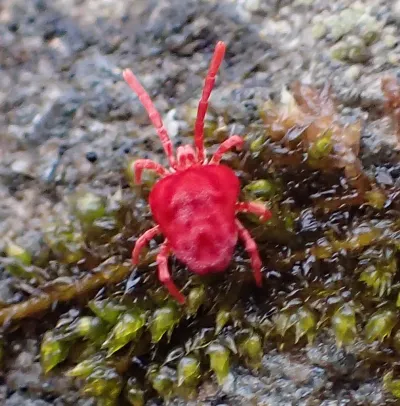
Clover mites are reddish-brown and sometimes visible on windowsills. Dust mites are different. They spend their whole lives hidden in household items. You will never see them without a microscope.
Common Species
Two species of dust mites are most common in North American homes:
-
American House Dust Mite (Dermatophagoides farinae): This species is more common in drier parts of North America. It can survive in humidity as low as 50 percent.
-
European House Dust Mite (Dermatophagoides pteronyssinus): This species likes more moisture. It is common in coastal and humid areas. It needs humidity above 60 percent to thrive.
Both species cause similar allergies and look almost the same. Only an expert can tell them apart.
Dust Mite Behavior and Biology
Habitat and Diet
Dust mites love the warm, humid spaces inside homes. They are found most often in:
- Mattresses and pillows
- Upholstered furniture
- Carpets and rugs
- Bedding and blankets
- Stuffed animals and fabric toys
Their main food is dead skin cells from humans and pets. One person sheds enough skin each day to feed thousands of dust mites. They also eat fungi that grow on skin flakes. This creates a tiny ecosystem in household dust.
Life Cycle
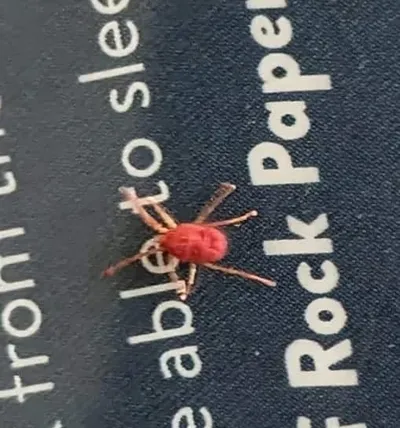
Dust mites go through several life stages: egg, larva, two nymph stages, and adult. The full life cycle takes about one month in good conditions. Key facts about their reproduction: A related species, Velvet Mites, shares similar characteristics.
- Females lay 60 to 100 eggs in their lifetime
- Eggs hatch in about one week
- Adults live for two to three months
- One female can start a large population during her life
Environmental Requirements
Humidity is the most important factor for dust mite survival. Dust mites absorb water from the air instead of drinking. They need humidity above 65 percent to stay hydrated. When humidity drops below 50 percent, dust mites dry out and die.
Temperature also affects their activity. Dust mites prefer temperatures between 68 and 77 degrees Fahrenheit. This matches normal indoor comfort levels. They become inactive below 55 degrees or above 95 degrees.
Health Effects of Dust Mites
Dust mites are one of the most common triggers for indoor allergies, along with storage mites that infest pantry items. The allergic reaction is not caused by the mites themselves. Instead, it comes from proteins in their droppings, body fluids, and dead bodies. One dust mite makes about 20 waste particles per day. These particles build up in bedding, carpets, and furniture.
Common Symptoms
Dust mite allergy symptoms range from mild to severe. They often include:
- Sneezing and runny or stuffy nose
- Itchy, red, or watery eyes
- Coughing and postnasal drip
- Facial pressure and sinus pain
- Itchy throat or roof of mouth
For people with asthma, dust mite contact can trigger or worsen symptoms. These include wheezing, chest tightness, and trouble breathing.
When to Seek Medical Attention
See a doctor if allergy symptoms last more than a week. You should also seek help if symptoms affect your sleep or daily life. Severe symptoms like wheezing, shortness of breath, or asthma attacks need prompt medical care.
Health Disclaimer: This information is for learning purposes only. It is not medical advice. If you think you have a dust mite allergy, please see a doctor for proper diagnosis and treatment.
Dust Mite Control Methods
Dust mites are tiny and live inside household items. This makes them harder to control than most pests. Normal pesticide treatments do not work well against dust mites. The best approach is to change the environment and reduce allergens.
Humidity Control
Keeping indoor humidity below 50 percent is the best way to reduce dust mites over time. Here are some ways to do this:
- Use dehumidifiers in humid areas, especially basements and bedrooms
- Run air conditioning during warm, humid months
- Improve ventilation in bathrooms and kitchens
- Avoid humidifiers in bedrooms during dust mite season
Bedding Protection
Mattresses and pillows hold the most dust mites. Protecting these items is key:
- Allergen-proof covers: Zippered covers made of tight fabric block dust mites in your mattress and pillows
- Wash bedding weekly: Use hot water (at least 130 degrees Fahrenheit) to kill dust mites and wash away allergens
- Replace old pillows: Get new pillows every one to two years
Cleaning Practices
Regular cleaning helps reduce dust mite allergens in your home:
- Vacuum weekly with a vacuum that has a HEPA filter to trap allergens
- Use damp cloths when dusting, since dry dusting spreads allergens into the air
- Remove carpets when you can, especially in bedrooms, and use hard floors instead
- Wash curtains and rugs often in hot water
Air Filtration
HEPA air purifiers can remove dust mite allergens from the air. They work well in bedrooms. For central heating and cooling, use filters with a MERV rating of 11 or higher. These filters catch allergen particles as air moves through your home.
Comparing Dust Mites to Other Mites
People often confuse dust mites with other types of mites:
| Feature | Dust Mites | Clover Mites |
|---|---|---|
| Size | 0.2-0.3 mm (microscopic) | 0.75-0.85 mm (barely visible) |
| Color | Translucent white | Reddish-brown |
| Location | Inside bedding, carpets, furniture | On windowsills, exterior walls |
| Diet | Dead skin cells | Plants and grass |
| Seasonality | Year-round indoors | Spring and fall |
| Biting | Do not bite | Do not bite |
Clover mites come inside from outdoors during certain seasons. Dust mites are different. They live indoors all year and cannot survive outside. You will never see a dust mite infestation with your eyes. You can only detect them through allergy symptoms or by looking under a microscope.
Related Reading
- What Are the Tiny Red Bugs? - Unlike dust mites, clover mites are visible. Learn how to tell them apart.
- Are Arachnids Insects? - Why mites, spiders, and ticks are classified differently from insects.
References
Other Mites
Explore other species in the mites family
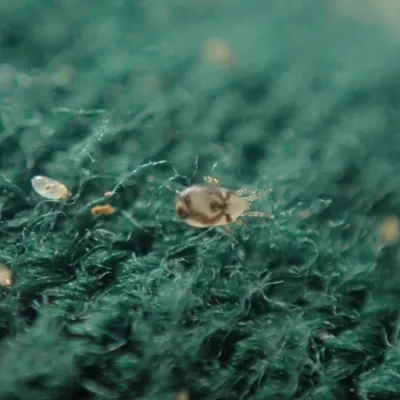
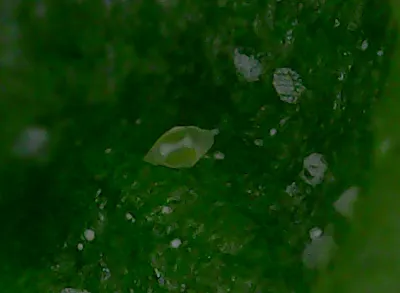
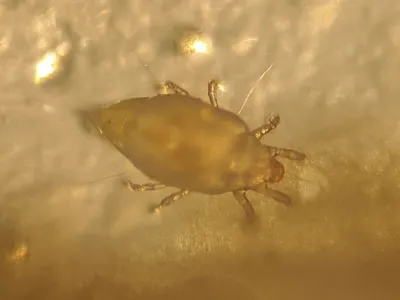
Commonly Confused With
Dust Mites are often mistaken for these similar pests
Where Dust Mites Are Found
Hover over states to see their names. Green regions indicate where dust mites have been reported.
Common Questions about Dust Mites
Can you see dust mites with the naked eye?
+
No, dust mites are too small to see without magnification. They measure only 0.2 to 0.3 millimeters long, about the size of a grain of sand. You would need at least 10x magnification to see them clearly.
Do dust mites bite?
+
No, dust mites do not bite humans. They feed on dead skin cells that naturally shed from people and pets. The allergic reactions people experience are caused by proteins in dust mite droppings, not bites.
What causes dust mite allergies?
+
Dust mite allergies are triggered by proteins found in their droppings, dead bodies, and shed skins. These allergens become airborne and are inhaled, causing symptoms like sneezing, runny nose, and asthma in sensitive individuals.
How do I know if I have dust mites?
+
Dust mites are present in virtually all homes, especially in bedding, carpets, and upholstered furniture. If you experience allergy symptoms that worsen indoors or at night, dust mites may be a contributing factor. An allergist can confirm dust mite allergy through skin or blood tests.
Can dust mites live in pillows and mattresses?
+
Yes, mattresses and pillows are ideal habitats for dust mites. They provide warmth, humidity, and a constant supply of dead skin cells. A typical mattress can contain tens of thousands of dust mites.
What humidity level kills dust mites?
+
Dust mites thrive at humidity levels above 65 percent. Keeping indoor humidity below 50 percent can significantly reduce their populations, as they cannot absorb enough moisture from the air to survive.
Are dust mites the same as bed bugs?
+
No, dust mites and bed bugs are completely different. Dust mites are microscopic arachnids that feed on dead skin and do not bite. Bed bugs are visible insects that feed on blood and leave itchy bite marks.
How long do dust mites live?
+
The average dust mite lives for 65 to 100 days. A female dust mite can lay 60 to 100 eggs during her lifetime. Their populations can grow quickly under favorable conditions.

With five years of hands-on experience in the pest control industry, George Schulz is a registered technician with the Virginia Pest Management Association and a proud third-generation professional in a family business that's been protecting homes for over 57 years. He manages and trains a team of service pros while also leading internal research efforts—recently spearheading a deep-dive review of thousands of documents on pest control materials to hand-pick the most kid and pet friendly, most effective solutions tailored specifically for homes in the DC metro area.