Bulb Mites Identification Guide
Rhizoglyphus echinopus
Bulb mites are tiny, whitish arachnids that infest plant bulbs, tubers, and corms. They attack the underground portions of ornamental and vegetable plants, causing rot and stunted growth. These pests are particularly problematic for gardeners and greenhouse operators.
Taxonomy
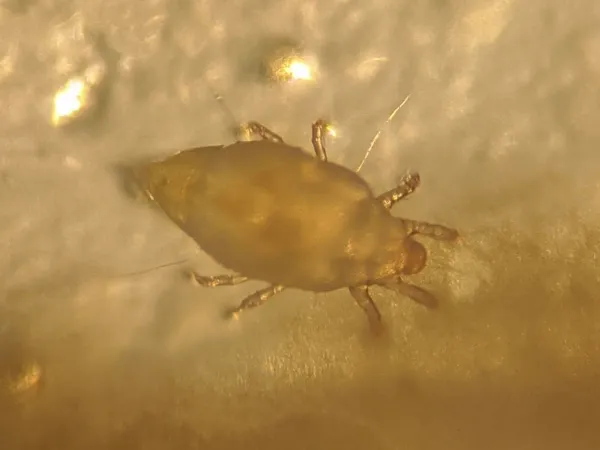
Bulb Mites Coloration
Common color patterns to help identify bulb mites
Bulb Mites
Seasonal Activity
When bulb mites are most active throughout the year

Where Bulb Mites Are Found
Hover over states to see their names. Green regions indicate where bulb mites have been reported.
Bulb Mites Identification Guide
Physical Characteristics
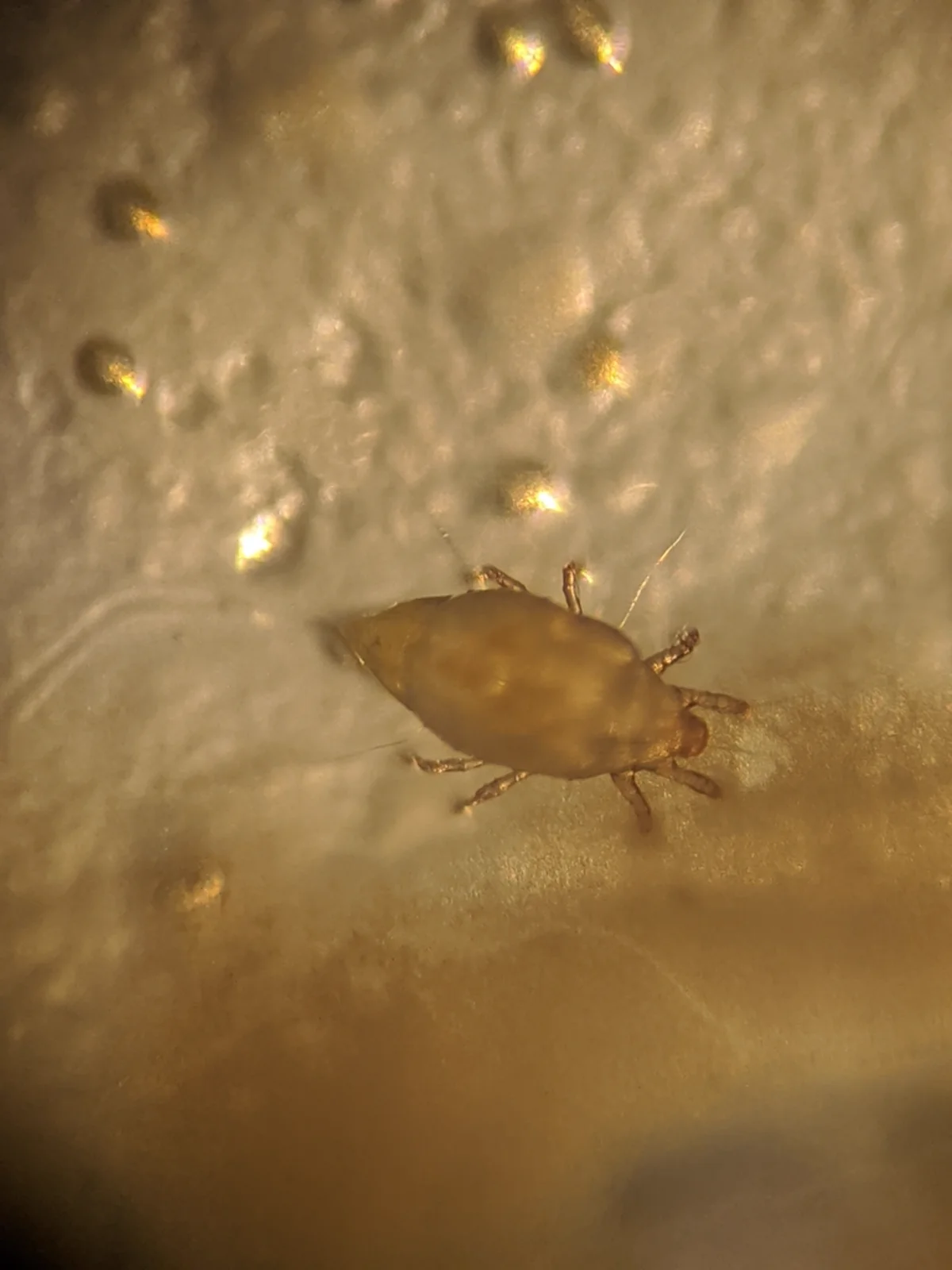
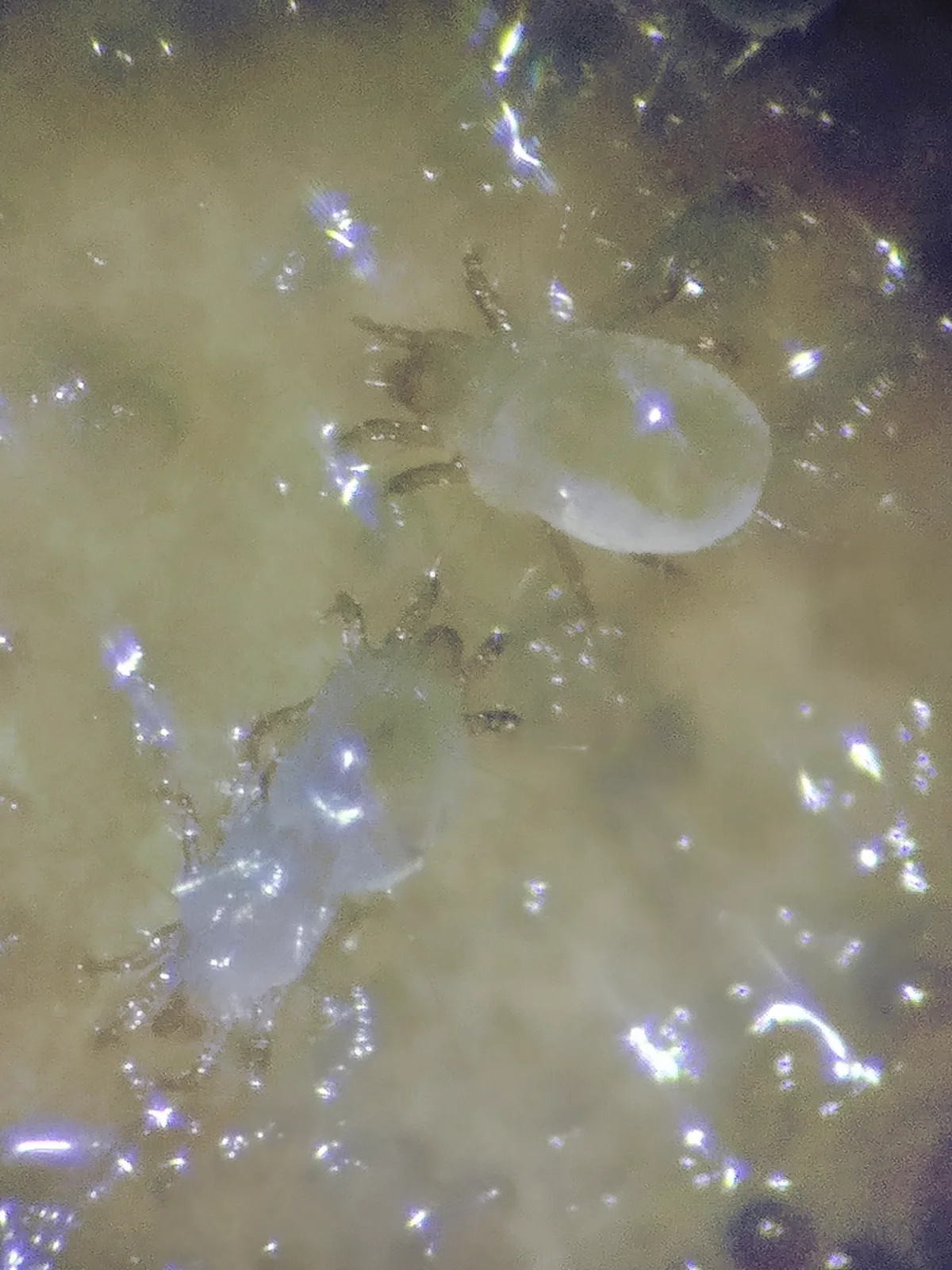
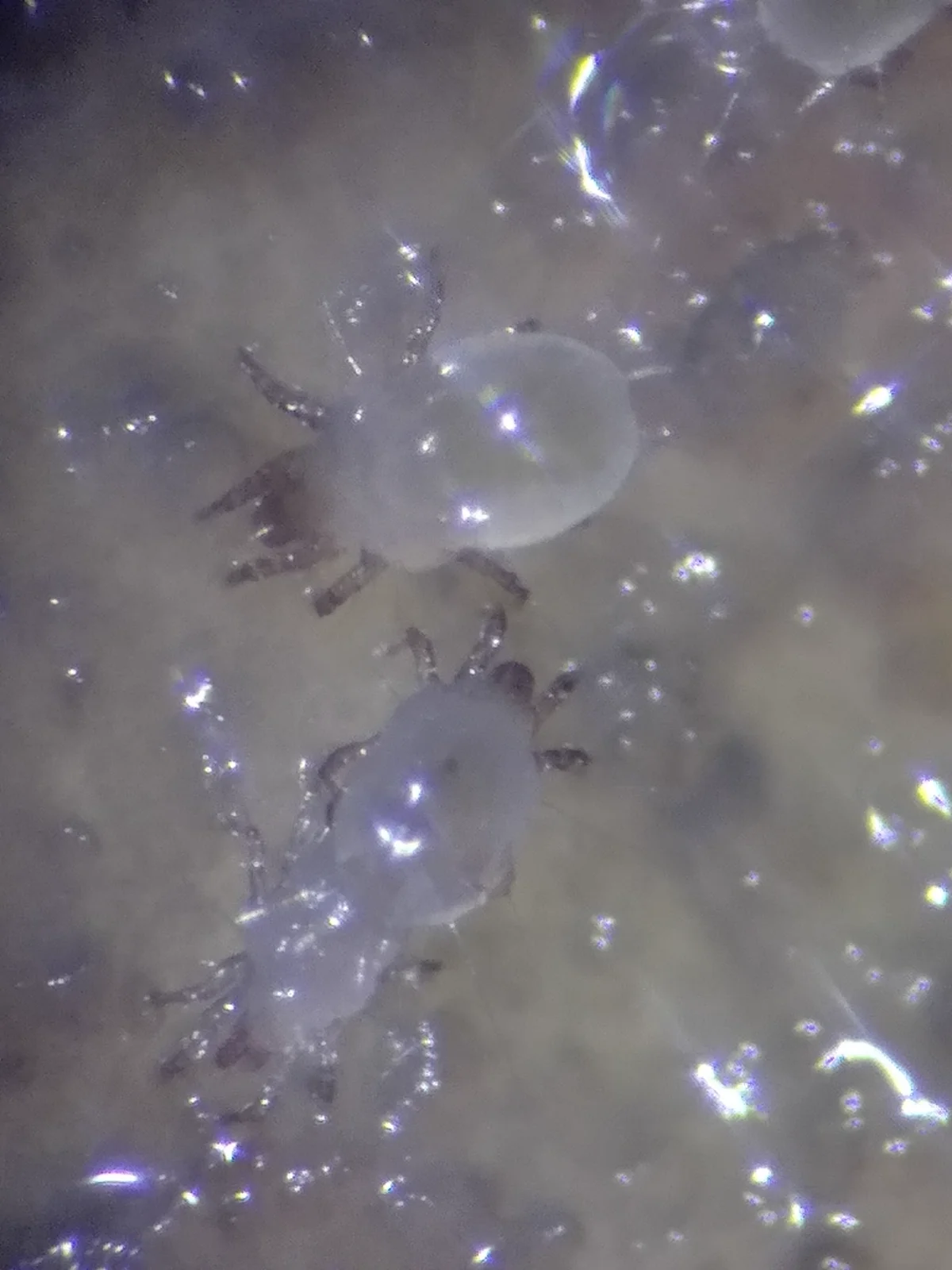
Bulb mites are tiny pests that measure 0.5 to 0.9 millimeters long. Their oval bodies are smooth, shiny, and white to cream colored. Under a magnifier, they look somewhat see-through. Adults have eight legs with reddish-brown coloring. The body stays pale.
These mites have sharp mouthparts made for feeding on plant tissue. Young mites have only six legs and are smaller than adults. You can spot them by their shiny look when viewed under a magnifier.
Bulb mites look a lot like other stored product mites. They are about the same size and color. But bulb mites live on plant bulbs, not dried foods. This helps tell them apart from pantry pests like grain mites and flour mites.
Common Species
Two bulb mite species cause major damage to plants in North America:
- Bulb Mite (Rhizoglyphus echinopus): The most common species found worldwide. It attacks many types of flower and vegetable bulbs.
- Robins Bulb Mite (Rhizoglyphus robini): Looks and acts much like the common bulb mite. Often found in the same places.
Both species have the same habits and cause the same kind of damage.
Bulb Mites Behavior and Biology
Bulb mites spend their whole lives on or near their host plants. They feed on bulb tissue. They prefer areas that are already hurt or wounded. Even a small cut on a bulb lets these pests move in.
Life Cycle
Bulb mites go through several life stages: egg, larva, nymph stages, and adult. In warm temps around 77 degrees Fahrenheit, the full life cycle takes only 12 to 14 days. Females can lay up to 700 eggs in their lifetime.
One nymph stage, called the hypopus, is special. This resting stage has no mouthparts and cannot feed. Instead, it has a sucker plate that lets it attach to passing bugs. This helps bulb mites spread to new plants by hitching rides on beetles, flies, and other insects in the soil.
Adults can live up to 121 days in good conditions. Males often live twice as long as females. Cold temps make them live longer but breed slower.
Feeding Habits A related species, Velvet Mites, shares similar characteristics.
Bulb mites feed on the soft tissue of bulbs, tubers, and corms. They are called secondary pests because they need existing damage or decay to get started. But once they move in, they can cause bad damage by: A related species, Notoedric Mange Mites, shares similar characteristics.
- Digging tunnels into bulb tissue
- Making openings for fungal and bacterial infections
- Killing the growth points of bulbs
- Eating young root tips A related species, Chiggers, shares similar characteristics.
Their feeding often brings in plant diseases like Fusarium fungi and Pseudomonas bacteria. This makes the damage much worse than the mites alone would cause.
Signs of Infestation
Watch for these warning signs of bulb mite problems:
- Soft or mushy spots on stored bulbs
- Brown or reddish discoloration of bulb scales
- Fine, dusty residue on bulb surfaces
- Stunted, distorted, or yellow plant growth
- Plants that fail to emerge or die back suddenly
- Brittle stems on lilies and similar plants
- Suppressed root growth on affected plants
Treatment Methods for Bulb Mites
Bulb mite control focuses on stopping them before they start, storing bulbs the right way, and using good garden habits. These pests are hard to get rid of once they move in. They live inside plant tissue where treatments cannot reach them.
Prevention and Inspection
The best way to deal with bulb mites is to stop them before they start:
- Check all bulbs before buying. Turn down any that are soft, damaged, or show signs of rot.
- Handle bulbs gently when planting and storing. This avoids making wounds.
- Buy bulbs only from trusted sellers with good quality control.
- Keep new bulbs away from your other plants until you are sure they have no pests.
Proper Storage
Bulb mites cannot live in dry places. This makes good storage a strong control tool:
- Store bulbs in cool, dry spots with good air flow.
- Keep humidity below 60 percent in storage areas.
- Let bulbs cure and dry well before storage.
- Do not store damaged bulbs. They attract mites.
- Check stored bulbs often and toss any that look bad.
Cultural Controls
Good garden habits help stop and manage bulb mite numbers:
- Rotate where you plant. Do not replant where infested bulbs grew.
- Remove and throw away all plant waste after harvest.
- Let soil dry between waterings when you can.
- Improve drainage in planting areas.
- Space plants out to boost air flow.
Biological Control
Predatory mites like Cosmolaelaps claviger feed on bulb mites. These predators can be added to greenhouse settings or garden beds to help reduce bulb mite numbers.
Treatment Options
When you find an infestation, several methods may help:
- Hot water treatment: Soak dormant bulbs in water at 110 to 122 degrees Fahrenheit for one to two hours. This kills mites without hurting healthy bulbs.
- Remove and throw away badly infested bulbs. This stops spread to healthy plants.
- Let infested areas sit empty for a season. This can break the pest cycle.
Bulb mites have built up resistance to many pesticides. Special enzymes in their bodies break down chemicals. This makes sprays less useful and shows why stopping them early matters most.
Host Plants
Bulb mites attack many types of flower and food plants:
Flower Plants
- Tulips
- Hyacinths
- Lilies, including Easter lilies
- Narcissus and daffodils
- Gladiolus
- Iris
- Dahlias
- Orchids
- Amaryllis
- Freesia
- Eucharis
Food Crops
- Onions
- Garlic
- Potatoes
- Sweet potatoes
These mites will attack almost any plant with bulbs or tubers. They often target plants that are already weak or damaged.
References
Other Mites
Explore other species in the mites family
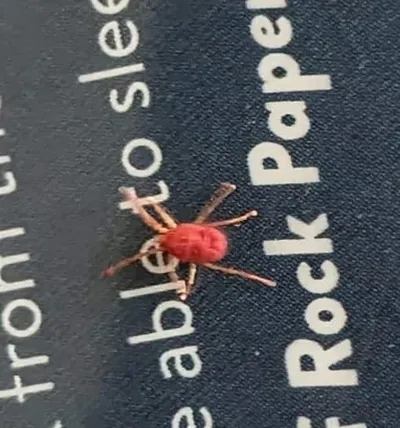
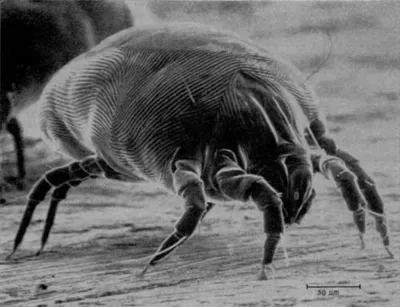
Commonly Confused With
Bulb Mites are often mistaken for these similar pests
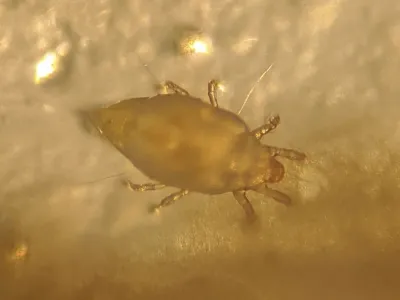
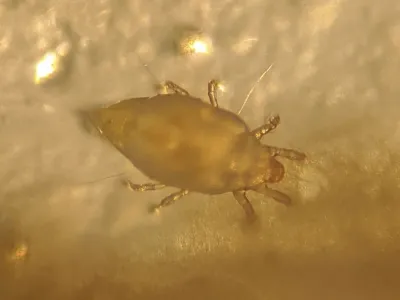
Where Bulb Mites Are Found
Hover over states to see their names. Green regions indicate where bulb mites have been reported.
Common Questions about Bulb Mites
How do I know if my bulbs have mites?
+
Bulb mites are nearly invisible without magnification. Signs of infestation include bulbs that feel soft or mushy, brown or reddish discoloration on bulb scales, stunted or distorted plant growth, and bulbs that fail to sprout. Heavily infested bulbs may have a powdery or dusty appearance.
Are bulb mites harmful to humans?
+
Bulb mites do not bite or directly harm humans. However, handling heavily infested plant material may cause skin irritation in some sensitive individuals. Their primary impact is on ornamental and vegetable plants rather than human health.
What plants do bulb mites attack?
+
Bulb mites infest a wide range of plants including tulips, hyacinths, lilies, narcissus, gladiolus, iris, dahlias, orchids, and amaryllis. They also attack vegetable crops like onions, garlic, and potatoes. Any plant with underground bulbs, tubers, or corms can be affected.
Can infested bulbs be saved?
+
Lightly infested bulbs may be salvaged by removing damaged tissue and treating with appropriate methods. However, heavily infested bulbs that are soft, mushy, or have extensive rot should be discarded. It is often more effective to start with healthy, mite-free bulbs.
How do bulb mites spread?
+
Bulb mites spread through infested plant material, contaminated soil, and by hitching rides on insects. Their dormant stage, called the hypopus, can attach to beetles and flies that carry them to new host plants. They can also spread through shared gardening tools and equipment.
What conditions favor bulb mite infestations?
+
Bulb mites thrive in warm, humid conditions with temperatures around 77 degrees Fahrenheit. Poor storage conditions, damaged bulbs, and excessive moisture create ideal environments for rapid population growth. Dry conditions and proper storage help prevent infestations.
How can I prevent bulb mites?
+
Inspect all bulbs carefully before purchasing or planting. Store bulbs in cool, dry conditions with good air circulation. Handle bulbs gently to prevent wounds that allow mite entry. Rotate planting areas and avoid replanting in soil where infested plants grew. Discard any suspicious bulbs rather than risk spreading mites.

With five years of hands-on experience in the pest control industry, George Schulz is a registered technician with the Virginia Pest Management Association and a proud third-generation professional in a family business that's been protecting homes for over 57 years. He manages and trains a team of service pros while also leading internal research efforts—recently spearheading a deep-dive review of thousands of documents on pest control materials to hand-pick the most kid and pet friendly, most effective solutions tailored specifically for homes in the DC metro area.