Pharaoh Ants Identification Guide
Monomorium pharaonis
Pharaoh ants are tiny, yellowish-brown ants that rank among the most difficult indoor pest ants to control in North America. Known for their ability to establish colonies in warm buildings year-round, these tropical ants are particularly problematic in hospitals, food facilities, and homes where they can contaminate food and spread bacteria.
Taxonomy
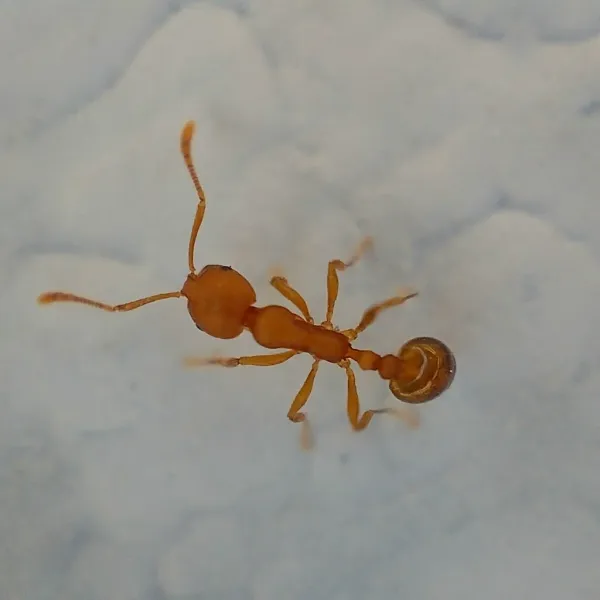
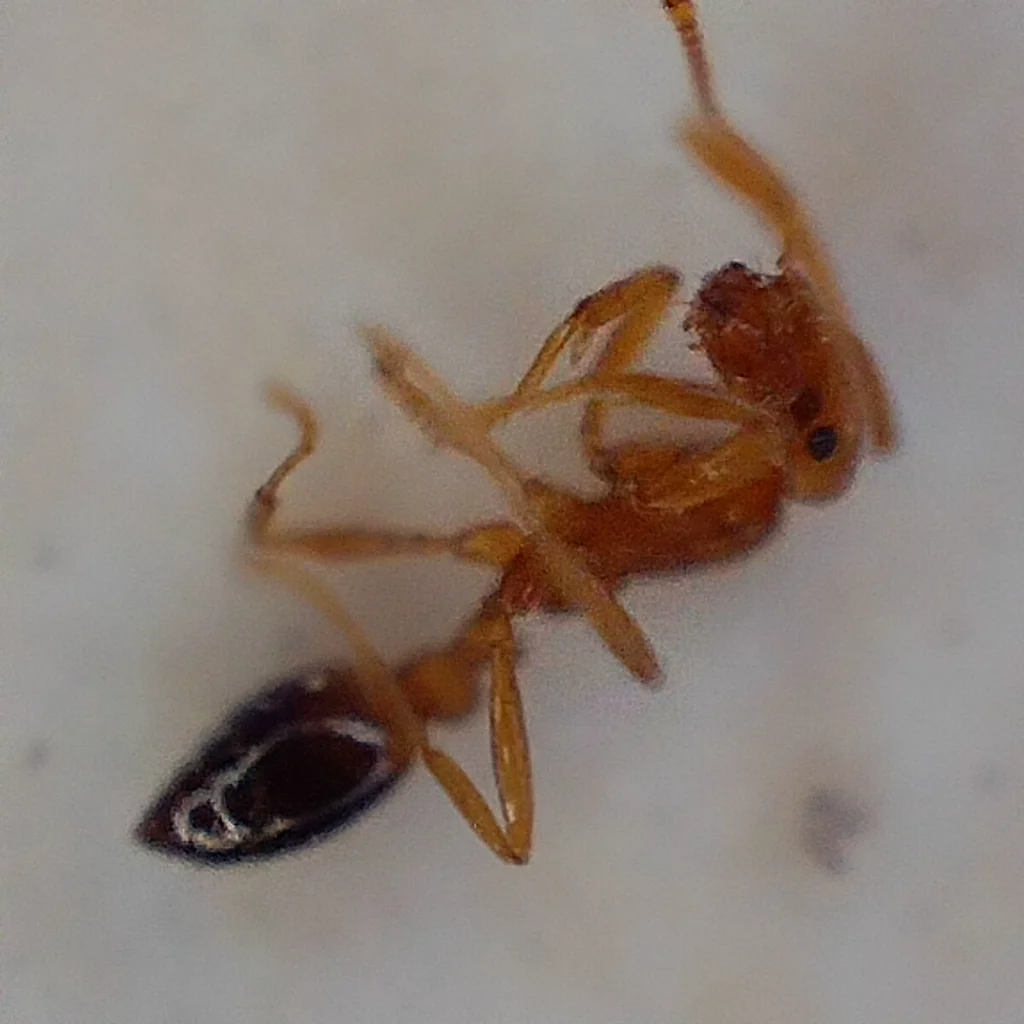
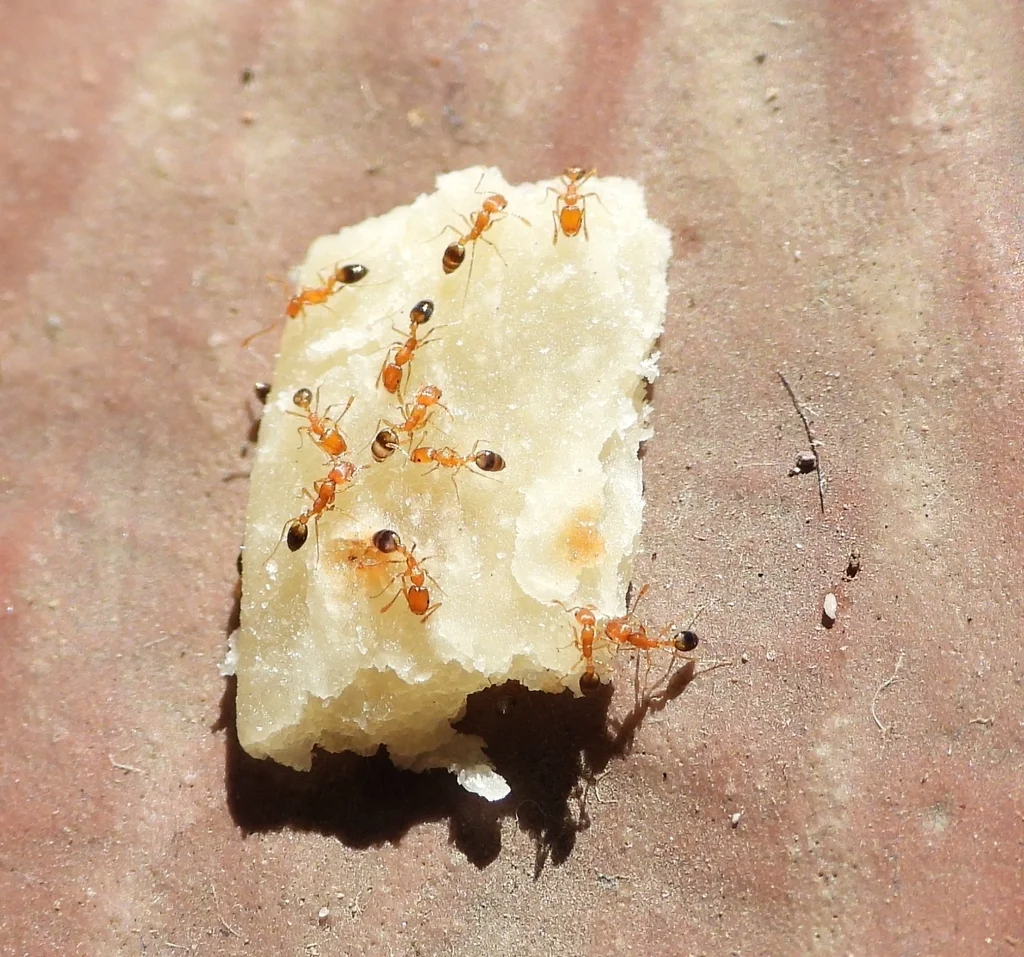
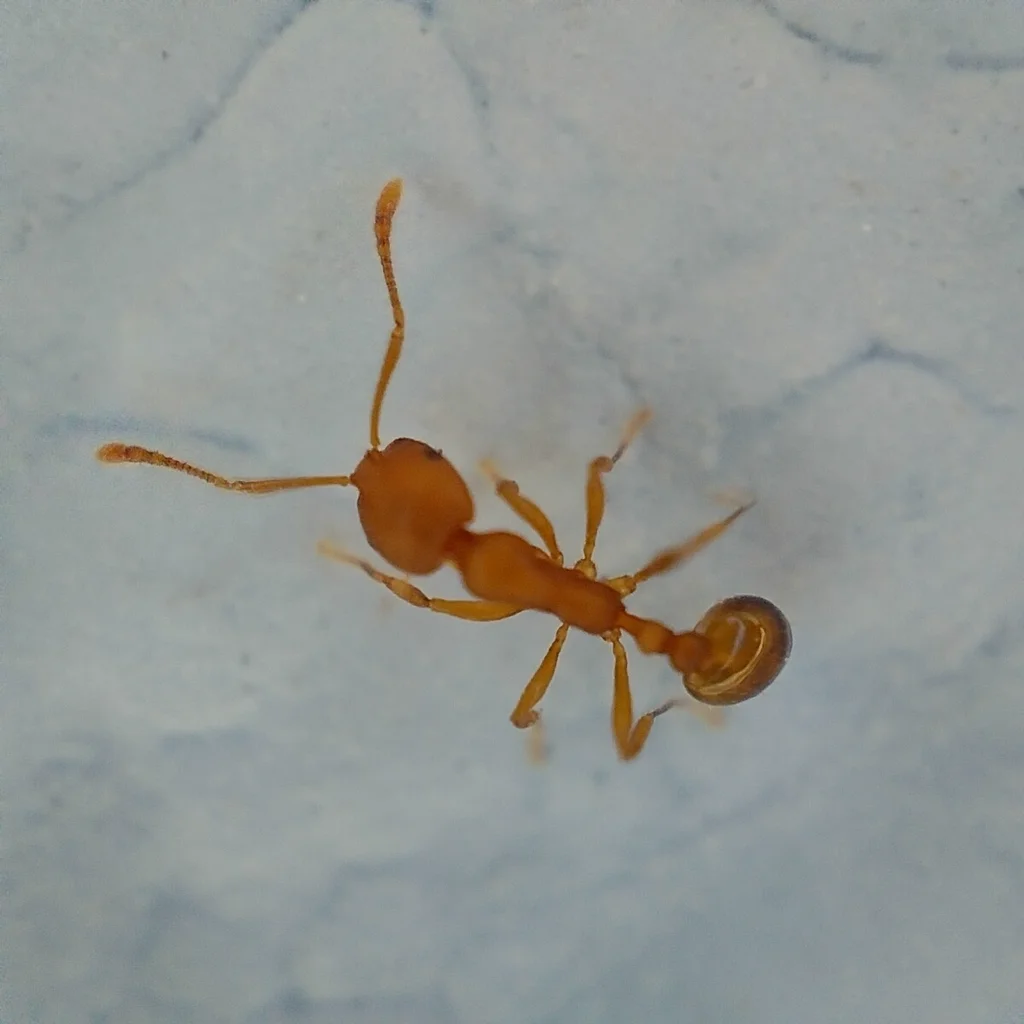
Pharaoh Ants Coloration
Common color patterns to help identify pharaoh ants
Pharaoh Ants
Seasonal Activity
When pharaoh ants are most active throughout the year

Where Pharaoh Ants Are Found
Hover over states to see their names. Green regions indicate where pharaoh ants have been reported.
Pharaoh Ants Identification Guide
Pharaoh ants (Monomorium pharaonis) are among the most challenging ant pests to control in homes, hospitals, and commercial buildings throughout North America. Originally from tropical regions of Africa, these tiny ants have become established worldwide wherever heated buildings provide the warm, stable environment they require. In the DC Metro area, pharaoh ant infestations can occur year-round because these ants thrive indoors regardless of outdoor temperatures.
What makes pharaoh ants particularly problematic is their response to disturbance: when threatened by pesticide applications or physical disruption, colonies “bud” or split into multiple satellite colonies, each containing queens capable of producing new workers. This defensive behavior means that improper treatment attempts often transform a single infestation into many scattered throughout a building.
Physical Characteristics
Pharaoh ants are extremely small, with workers measuring approximately 1/16 inch (1.5-2 mm) in length. Their bodies display a pale yellow to light brown coloration, often appearing golden or honey-colored, with a characteristically darker abdomen (gaster) that ranges from brown to almost black at the tip. This two-toned appearance is a helpful identification feature.
Key identification markers include:
- 12-segmented antennae with a distinctive 3-segmented club at the tip (critical for distinguishing from thief ants)
- Two-node petiole - Two small segments connecting the thorax to the abdomen
- No propodeal spines on the thorax
- Monomorphic workers - All workers are approximately the same size
- Smooth, shiny body with a glossy gaster
Queens are considerably larger than workers, measuring approximately 3.5-5 mm (about 1/8 to 3/16 inch), and appear darker overall. Male reproductives are similar in size to workers (about 2-3 mm) and are black in color. Winged reproductives (alates) are produced but pharaoh ants rarely conduct traditional nuptial flights; mating typically occurs within or very near the nest.
Similar Species Commonly Confused with Pharaoh Ants
Due to their small size and yellowish coloration, pharaoh ants are frequently misidentified. Accurate identification is essential because treatment strategies differ significantly between species:
-
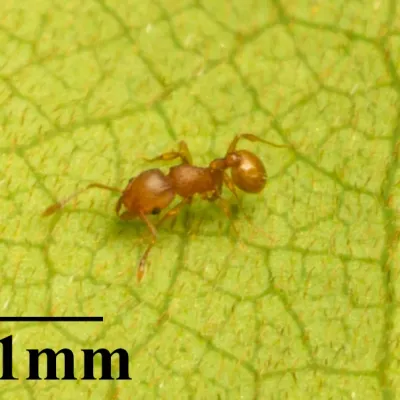
Thief Ants (Solenopsis molesta) - The most common look-alike. Thief ants have 10 antennal segments with a 2-segmented club, compared to the pharaoh ant’s 12 segments and 3-segmented club. Thief ants also have proportionally smaller eyes and prefer greasy/protein-rich foods over sweets.
-
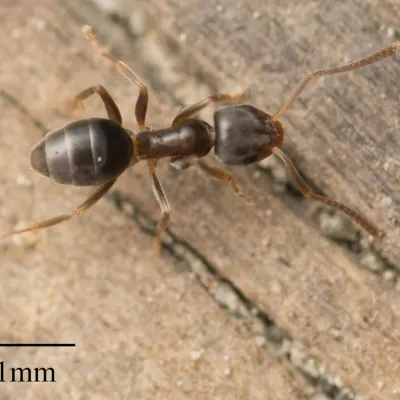
Little Black Ants (Monomorium minimum) - Same genus as pharaoh ants but distinctly darker coloration, ranging from dark brown to jet black. Similar size but uniform dark color throughout the body.
-
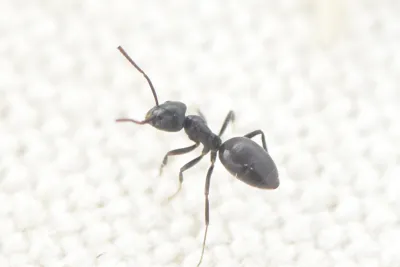
Ghost Ants (Tapinoma melanocephalum) - Similar tiny size but strikingly bicolored with a dark head and thorax contrasting with pale, almost translucent legs and gaster. Single-node petiole rather than two nodes.
-
Odorous House Ants (Tapinoma sessile) - Larger than pharaoh ants and uniformly dark brown to black. When crushed, they emit a distinctive rotten coconut odor. Single-node petiole that is hidden by the gaster.
-
Little Fire Ants (Wasmannia auropunctata) - Similar tiny size and yellowish coloration, but little fire ants deliver a painful sting that pharaoh ants cannot. Little fire ants also have a rougher, sculptured body surface and are primarily found in tropical and subtropical regions.
Misidentification leads to treatment failure. Our ant identification chart can help you compare species. If you’re uncertain which ant species you’re dealing with, our technicians can provide accurate identification during an inspection.
Pharaoh Ants Behavior and Biology
Understanding pharaoh ant biology is essential for effective control. Their unique colony structure and reproductive strategy explain why conventional ant treatments fail and often make infestations worse.
Colony Structure and the Budding Problem
Pharaoh ant colonies are highly polygynous, meaning they contain multiple egg-laying queens - sometimes dozens or even hundreds in large colonies. Colonies are also frequently polydomous, maintaining multiple interconnected nesting sites throughout a structure. A mature colony can contain tens of thousands to hundreds of thousands of workers.
The defining characteristic of pharaoh ant biology is colony budding (also called satellite colony formation or fragmentation). When a colony is stressed - whether by pesticide application, physical disturbance, overcrowding, or resource depletion - groups of workers, brood (eggs, larvae, pupae), and one or more queens will leave to establish new, independent colonies elsewhere.
This budding behavior is why contact insecticides, repellent sprays, and other conventional ant treatments backfire:
- Spray kills foraging workers but doesn’t reach the nest
- The colony detects the threat through chemical signals or loss of workers
- The colony fragments into multiple satellite colonies, dispersing throughout the building
- Each satellite colony contains queens and begins producing new workers
- What was one infestation becomes many, scattered, and harder to locate
Professional pharaoh ant control must use slow-acting, non-repellent materials that workers unknowingly carry back to share with queens and brood before any alarm response can trigger budding.
Diet and Foraging Behavior
Pharaoh ants are omnivorous opportunists that will eat virtually any human food. They are a frequent cause of ants in the kitchen and ants in the bathroom. Common food targets include:
- Sweets - Sugar, honey, syrup, fruit, soft drinks, jelly
- Proteins - Meat, cheese, eggs, pet food, dead insects
- Fats and oils - Cooking grease, butter, peanut butter, oily foods
- Miscellaneous - Toothpaste, soap residue (in bathrooms), IV solutions (in hospitals)
Foragers establish trails along edges, pipes, electrical wires, and other structural features. Their tiny size allows them to penetrate packaging and containers that seem sealed, and to travel through incredibly small cracks and crevices.
Pharaoh ants practice trophallaxis, sharing food through mouth-to-mouth transfer. This social food sharing is actually the key to successful baiting - foragers carry bait back to the nest and share it with nestmates, queens, and developing larvae, distributing the active ingredient throughout the colony.
Nesting Preferences
Pharaoh ants seek warm (80-86 degrees F optimal), humid, protected locations near food and water sources. Unlike many ant species, they nest almost exclusively indoors in temperate regions.
Common indoor nesting locations include:
- Wall voids and hollow doors
- Behind baseboards and crown molding
- Inside electrical boxes and behind switch plates
- Under and inside appliances (especially near motors that generate heat)
- In folded linens, stacked papers, and cardboard boxes
- Within cabinet voids and behind backsplashes
- Near hot water pipes and HVAC equipment
- In potted plant soil
- Inside medical equipment and supply cabinets (in healthcare settings)
Colonies often maintain multiple nesting sites connected by foraging trails. A single building infestation may involve numerous satellite nests distributed throughout walls, floors, and ceilings.
Life Cycle and Reproduction
Pharaoh ants undergo complete metamorphosis: egg, larva, pupa, and adult. Development time varies with temperature and humidity:
- Eggs hatch in approximately 5-7 days under optimal conditions
- Larval stage lasts about 18-19 days
- Pupal stage lasts approximately 9 days
- Total development from egg to adult worker: approximately 38-45 days
Queens can live several years and may lay 400 or more eggs in their lifetime. Because colonies contain multiple queens, reproductive potential is enormous. Under favorable conditions, pharaoh ant populations can grow rapidly.
Unlike most ant species, pharaoh ants do not conduct conspicuous nuptial flights. Mating typically occurs within or very near the nest. Winged reproductives are produced but dispersal happens primarily through budding rather than flight. This is one reason pharaoh ant colonies spread so effectively within buildings - new colonies establish through walking, not flying.
Seasonal Activity in the Mid-Atlantic Region
Because pharaoh ants are primarily indoor pests in our region, they remain active year-round in heated buildings, unlike many outdoor species that follow seasonal ant patterns:
| Season | Activity Level | Notes |
|---|---|---|
| December - February | Moderate | Active indoors; activity tied to building conditions rather than outdoor temperature |
| March - April | Moderate | Colony growth continues; may notice increased foraging |
| May - September | High | Peak reproductive activity; colonies at maximum size and foraging intensity |
| October - November | Moderate | Activity continues indoors; no seasonal decline in heated buildings |
In subtropical areas like southern Florida, pharaoh ants can maintain outdoor colonies and activity year-round. In the Mid-Atlantic, outdoor survival is not possible during winter months.
How We Treat for Pharaoh Ants
Pharaoh ant control requires a fundamentally different approach than most ant species. The critical rule is this: do not use repellent sprays or contact insecticides inside the structure. These products trigger colony budding and make the problem dramatically worse.
Our treatment protocol uses strategic baiting with slow-acting, non-repellent materials that workers carry back to the colony before any defensive response can occur.
Initial Inspection and Species Confirmation
The technician begins by confirming you have pharaoh ants rather than thief ants, ghost ants, or another small ant species. Using a hand lens or magnifier, we examine:
- Antennal segment count (12 segments with 3-segmented club confirms pharaoh ant)
- Body coloration and two-toned appearance
- Petiole structure (two nodes)
- Foraging trail patterns and behavior
This identification step is non-negotiable because treatment approaches differ significantly between species. Pharaoh ant control absolutely requires baiting; using the wrong approach results in colony fragmentation.
During the inspection, we:
- Map active foraging trails throughout the structure
- Identify likely nesting locations based on trail patterns and warm/moist areas
- Locate food and water sources attracting ants
- Assess the extent of infestation (localized vs. building-wide)
- Check for conducive conditions like moisture problems, food storage issues, or structural gaps
Strategic Baiting Program
Baiting is the cornerstone of pharaoh ant control. We deploy multiple bait formulations to match the colony’s varied dietary needs:
- Sweet baits - Sugar-based formulations that appeal to carbohydrate-seeking workers
- Protein baits - Formulations targeting protein needs, particularly important during brood-rearing periods
- Grease/fat baits - Oil-based options that some pharaoh ant populations prefer
Bait stations are placed:
- Directly on observed foraging trails
- Near identified or suspected nesting areas
- In kitchens, bathrooms, and other high-activity zones
- Along edges, baseboards, and structural features where ants travel
- Out of reach of children and pets
The slow-acting bait formulation allows workers to recruit nestmates, return to the colony, and share the material through trophallaxis (food sharing) with other workers, queens, and larvae. This social food distribution is how the active ingredient reaches the reproductive queens that must be killed for colony elimination.
Interior Treatment Protocol
Inside your home, we focus on targeted, non-repellent crack and crevice treatments in areas where ants may be nesting or traveling:
- Wall voids and hollow spaces (accessed through existing openings)
- Behind baseboards and trim in high-activity areas
- Around pipes, conduits, and utility penetrations
- Near HVAC registers and electrical boxes
As noted in our treatment protocols, non-repellent insecticides are essential for ant control because ants cannot detect these materials. Workers contact the product and transfer it to nestmates through normal grooming and social interaction, extending the treatment effect throughout the colony.
What we do NOT do: We avoid broadcast spraying of repellent insecticides inside the structure. This is critical - repellent applications trigger budding and fragment the colony throughout the building.
Exterior Inspection
While pharaoh ants are primarily indoor pests in our region, the technician will inspect the exterior perimeter to:
- Identify potential entry points
- Check for conducive conditions (moisture problems, foundation cracks, gaps around utilities)
- Apply a preventive perimeter treatment using non-repellent insecticide
What to Expect After Treatment
Pharaoh ant control requires patience. The baiting process takes time because we need the colony to consume and distribute the bait before queens are eliminated.
Timeline:
- Days 1-7: Ant activity may continue or even appear to increase as foragers discover bait stations and recruit nestmates. This recruitment is desirable - it means more ants are carrying bait back to the colony.
- Days 7-14: You should begin seeing reduced foraging activity as the bait affects the colony.
- Days 14-28: Significant reduction in visible ants. Some well-established infestations may require additional time.
- Days 28-56: Large, building-wide infestations may take 6-8 weeks for complete control due to multiple satellite colonies.
Critical instruction: Do not apply any over-the-counter sprays, foggers, or ant products during the treatment period. These products:
- Contaminate baits and make them unappealing
- Create repellent barriers that disrupt foraging
- May trigger colony budding, fragmenting the infestation
- Directly interfere with professional treatment success
If you see increased activity in new areas, contact us immediately - this may indicate budding in response to some disturbance.
Ongoing Protection and Maintenance
Pharaoh ants can reinvade from neighboring units, connected buildings, or through infested items brought into the home. Our tri-annual maintenance program (three visits per year) provides:
- Inspection for new ant activity or signs of reinfestation
- Fresh bait placement as needed
- Perimeter retreatment to maintain protective barriers
- Monitoring for conducive conditions
If you observe pharaoh ant activity between scheduled visits, contact us for a callback at no additional charge.
Prevention Recommendations
While we address the infestation, you can support treatment success and prevent future problems:
- Food management - Store food in sealed containers; clean up spills and crumbs promptly; keep pet food picked up when not in use; empty garbage regularly
- Moisture control - Fix leaky pipes and faucets; use exhaust fans in kitchens and bathrooms; reduce humidity where possible
- Exclusion - Seal cracks around pipes, electrical outlets, baseboards, and exterior penetrations; repair gaps around doors and windows. See our guide on how to keep ants away for more prevention strategies.
- Sanitation - Clean under appliances periodically; avoid leaving dirty dishes overnight; wipe down counters and food preparation areas
- Inspection of incoming items - Check boxes, bags, and used furniture/appliances for signs of ants before bringing them inside
These practices create an environment less favorable for pharaoh ant establishment and support the long-term success of professional treatment.
A Note on Healthcare and Food Service Facilities
Pharaoh ants are particularly serious pests in hospitals, nursing homes, food processing plants, and commercial kitchens. Research has documented pharaoh ants carrying pathogenic bacteria including Salmonella, Staphylococcus, Streptococcus, and other organisms. In healthcare settings, they have been found in patient wounds, IV solutions, and sterile supplies.
If you manage a commercial facility experiencing pharaoh ant issues, we offer comprehensive commercial pest management programs with documentation for regulatory compliance. Pharaoh ant control in these sensitive environments requires building-wide coordination and may involve working with multiple departments over an extended treatment period.
Note: The information provided here about potential disease transmission is for educational purposes only and should not be considered medical advice. If you have health concerns related to pest infestations, please consult a healthcare professional.
References and Further Reading
- Beatson, S.H. (1972). Pharaoh’s ants as pathogen vectors in hospitals. The Lancet, 299(7747), 425-427.
- Smith, M.R. (1965). House-infesting ants of the eastern United States. USDA Technical Bulletin 1326.
- Klotz, J.H., et al. (2008). Urban Ants of North America and Europe: Identification, Biology, and Management. Cornell University Press.
- Hedges, S.A. (2010). Field Guide for the Management of Structure-Infesting Ants. G.I.E. Media.
- University of Florida IFAS Extension. Pharaoh Ant Fact Sheet. https://entnemdept.ufl.edu/creatures/urban/ants/pharaoh_ant.htm
- Vail, K.M. (1996). Pharaoh Ant. University of Tennessee Extension Publication SP341-H.
Other Ants
Explore other species in the ants family
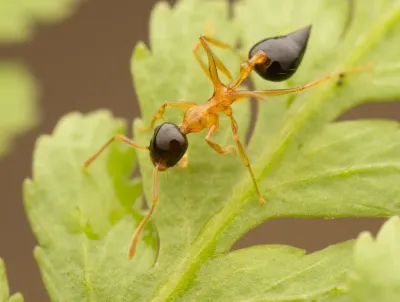
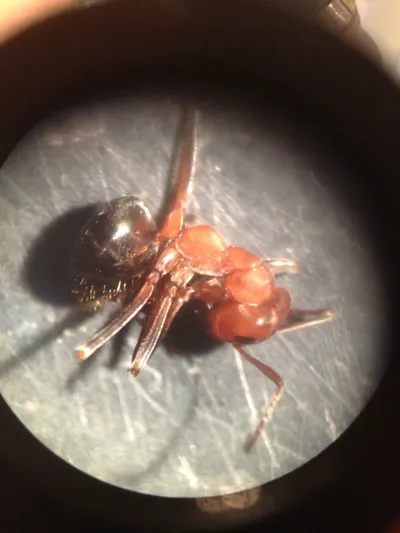
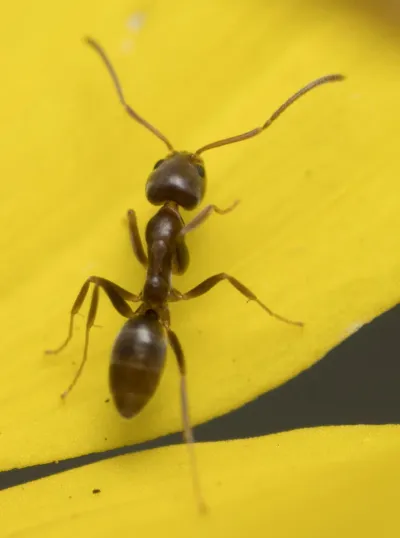
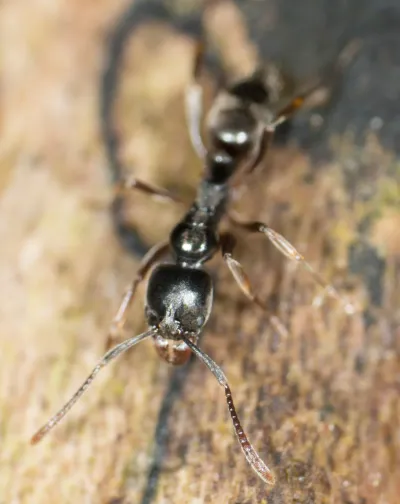
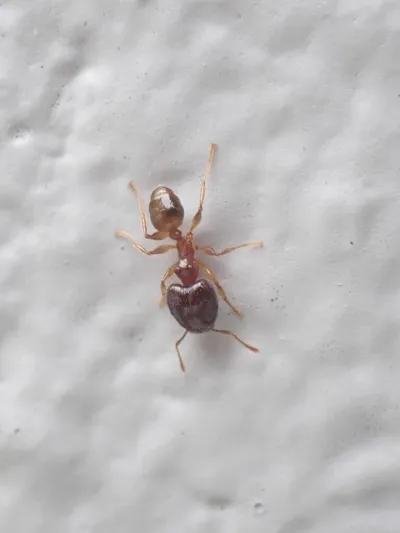
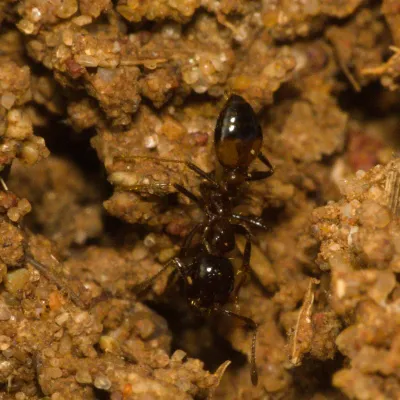
Commonly Confused With
Pharaoh Ants are often mistaken for these similar pests
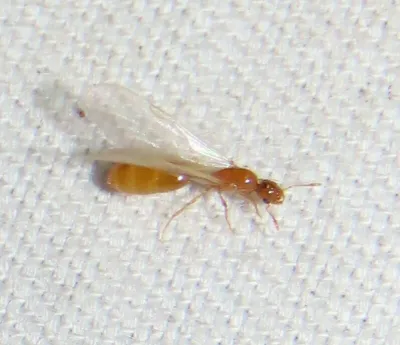
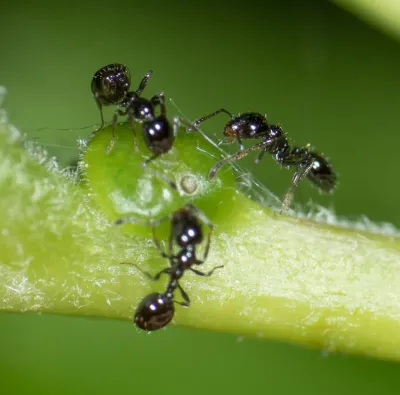
Where Pharaoh Ants Are Found
Hover over states to see their names. Green regions indicate where pharaoh ants have been reported.
Common Questions about Pharaoh Ants
Why are pharaoh ants so hard to get rid of?
+
Pharaoh ants are notoriously difficult to control because they practice 'budding' - when stressed or disturbed, colonies split into multiple satellite colonies, each with their own queens. Using repellent sprays or contact insecticides causes the colony to fragment and spread throughout the structure, making the infestation worse. Only slow-acting, non-repellent baits allow workers to carry the active ingredient back to queens before the colony can react.
How can I tell if I have pharaoh ants or thief ants?
+
Both are tiny yellowish ants, but you can distinguish them by antenna structure: pharaoh ants have 12 antennal segments with a 3-segmented club, while thief ants have 10 segments with a 2-segmented club. Pharaoh ants also tend to be slightly larger (about 1/16 inch) and have larger eyes relative to their head size. A pest professional can confirm identification using a magnifying lens.
Are pharaoh ants dangerous to my health?
+
While pharaoh ants don't bite or sting humans, they can act as mechanical vectors of bacteria. Studies have found pharaoh ants carrying organisms including Salmonella, Staphylococcus, and Streptococcus, which is why they're particularly concerning in hospitals, nursing homes, and food preparation facilities. If you have specific health concerns, please consult a healthcare professional.
Where do pharaoh ants nest in homes?
+
Pharaoh ants nest in warm, humid, hidden locations near food and water. Common indoor nesting sites include wall voids, behind baseboards, inside cabinet voids, under appliances, behind electrical outlets, in folded linens or papers, within insulation, and near hot water pipes. They often establish multiple satellite nests connected by foraging trails throughout a structure.
Why do I see pharaoh ants in my bathroom?
+
Pharaoh ants need moisture and warmth to thrive, making bathrooms ideal habitat. They're attracted to the humidity, access to water at sinks and tubs, and often nest in wall voids near pipes. You may also notice them near leaky faucets, in medicine cabinets, or around toilet bases where moisture accumulates.
Can pharaoh ants live outdoors in my area?
+
In the Mid-Atlantic region, pharaoh ants are primarily indoor pests because they cannot survive cold winters outdoors. They're a tropical species that requires consistently warm temperatures (80-86 degrees F is optimal). They can only survive outdoors year-round in southern Florida and other subtropical climates. In our area, infestations originate from indoor populations or are introduced through infested materials.
How long does it take to eliminate pharaoh ants?
+
Professional baiting typically shows significant reduction within 2-4 weeks, but complete elimination of large, established infestations can take 6-8 weeks or longer. The slow-acting baits must be carried back to reach all queens in potentially multiple satellite nests throughout the structure. Patience is critical - premature use of sprays will cause budding and restart the process.
What attracts pharaoh ants to my kitchen?
+
Pharaoh ants are omnivorous and will eat almost anything, but they're particularly attracted to sweets, proteins, and fatty foods. In kitchens, they target sugar, honey, fruit, peanut butter, cheese, meat, grease, and pet food. Their tiny size (about 1/16 inch) allows them to access food containers and packages that seem sealed to other insects.

With five years of hands-on experience in the pest control industry, George Schulz is a registered technician with the Virginia Pest Management Association and a proud third-generation professional in a family business that's been protecting homes for over 57 years. He manages and trains a team of service pros while also leading internal research efforts—recently spearheading a deep-dive review of thousands of documents on pest control materials to hand-pick the most kid and pet friendly, most effective solutions tailored specifically for homes in the DC metro area.