Pest Library
Drawing from 300 years of combined experience serving 100,000+ DC Metro homes, our expert guides help you spot exactly what's bugging you and how to get rid of it fast.



Identification Tools
Use our interactive tools to identify pests and learn about effective treatments
Find by Color
Select the colors you saw to find matching pest species. Results show pests with all selected colors.
Compare Pests
Not sure which pest you have? Compare two pests side by side to see their differences in size, color, and behavior.
AI Pest Identifier
Upload photos of a pest and our AI will analyze them to identify the species. Get instant results plus email.
Browse by Category
Select a pest category below to explore detailed identification guides, behavior information, and professional control methods.
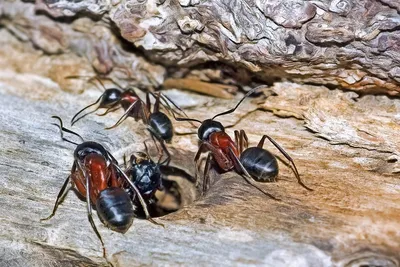
Ants are social insects that live in highly organized colonies. With over 12,000 known species worldwide, they are among the most common household pests, invading homes in search of food, water, and shelter.
Explore Ants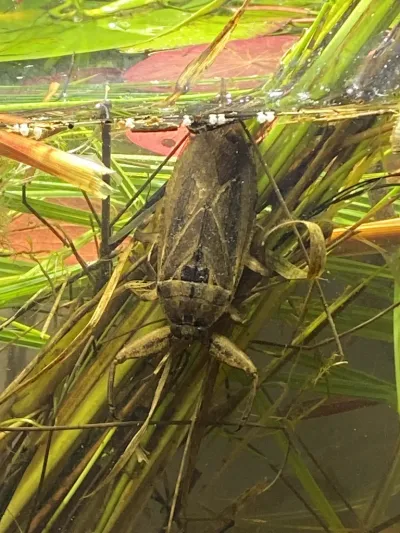
Aquatic insects spend all or part of their lives in or near water. While most are harmless and even beneficial to ecosystems, some can become nuisances around pools, ponds, and homes near water sources. These insects range from graceful mayflies to intimidating giant water bugs.
Explore Aquatic Insects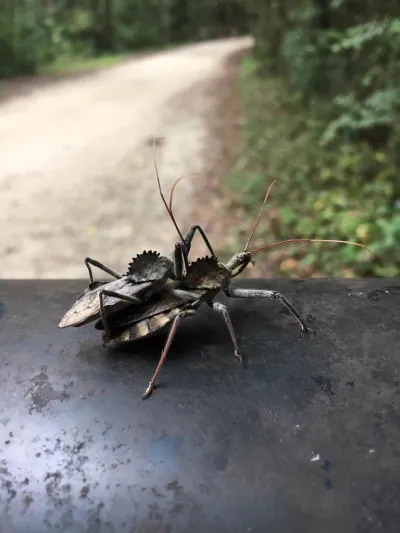
Assassin bugs are predatory insects that hunt other bugs using their sharp beak to inject venom. They can deliver painful defensive bites to humans if handled.
Explore Assassin Bugs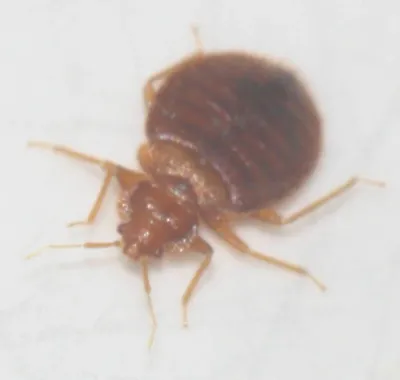
Bed bugs are small, reddish-brown insects that feed on human blood at night while people sleep. They hide in mattress seams, furniture cracks, and other dark spaces near beds.
Explore Bed Bugs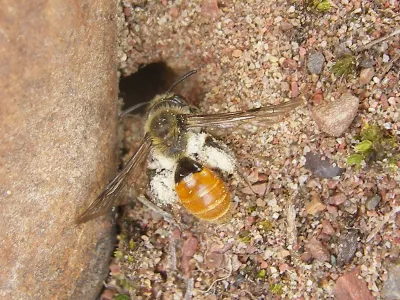
When bees nest too close to homes or in high-traffic areas, they can become a concern. Learn how to identify different bee species and understand the treatment options available for your situation.
Explore Bees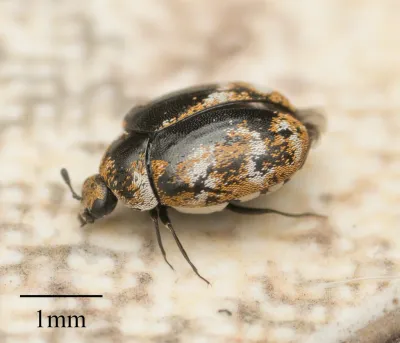
Carpet beetles are small, oval-shaped insects whose larvae cause significant damage to carpets, clothing, upholstery, and other natural fiber materials in homes.
Explore Carpet Beetles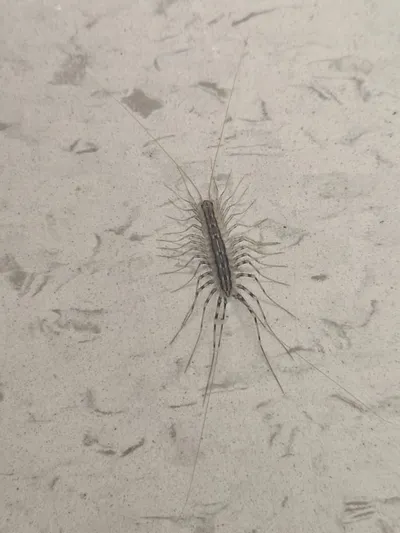
House centipedes are fast-moving predatory arthropods commonly found in damp, dark areas of homes like basements, bathrooms, and crawl spaces. They have numerous long legs and venomous claws used to capture insect prey.
Explore Centipedes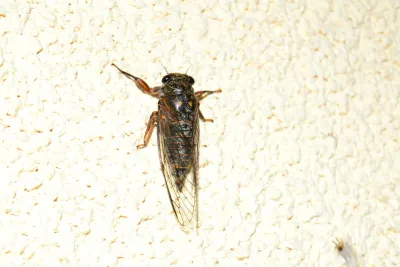
Cicadas are large, noisy insects known for their distinctive buzzing calls and periodic mass emergences that can last several weeks.
Explore Cicadas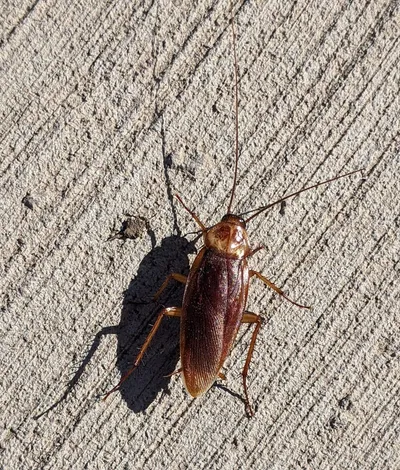
Cockroaches are resilient, nocturnal insects that thrive in warm, humid environments. As one of the most common household pests, they contaminate food, spread bacteria, and trigger allergies and asthma in sensitive individuals.
Explore Cockroaches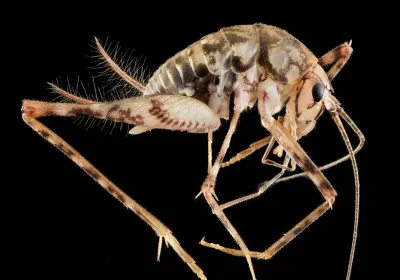
Crickets are jumping insects known for their distinctive chirping sounds. While most species are harmless outdoor dwellers, some can become household pests, invading basements and garages or causing significant damage to lawns and landscaping.
Explore Crickets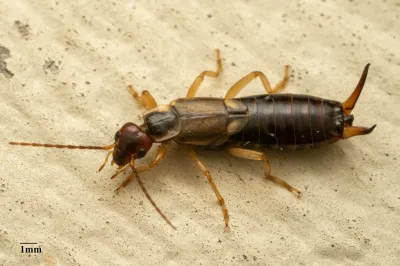
Earwigs are flat, reddish-brown insects with curved pincers at the end of their body. They are active at night, love damp spots, and often get into homes through cracks and gaps.
Explore Earwigs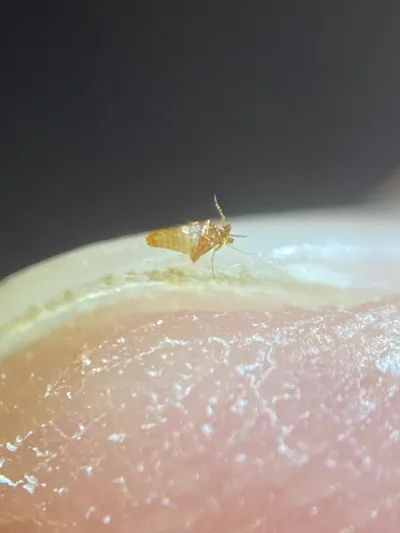
Fleas are small, wingless parasitic insects that feed on the blood of mammals and birds. The cat flea is the most common species found infesting homes, pets, and carpets throughout North America.
Explore Fleas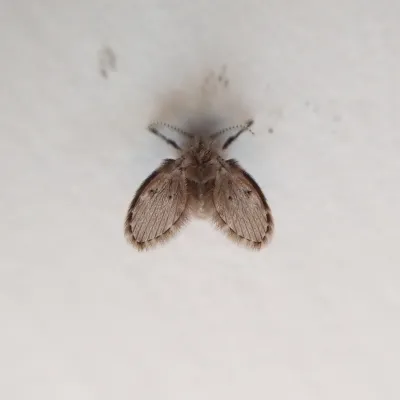
Flies are two-winged insects that can become household nuisances. Many species breed in decaying organic matter, drains, and moist environments around homes.
Explore Flies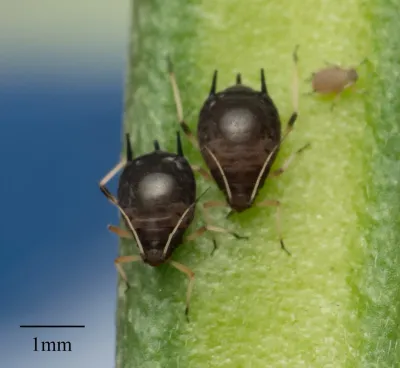
Garden pests include a variety of sap-sucking insects that damage ornamental plants, vegetables, and fruit trees. From tiny aphids to spotted lanternflies, these pests weaken plants by feeding on their fluids and can transmit plant diseases.
Explore Garden Pests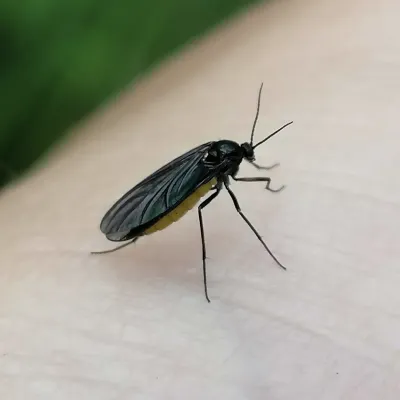
Gnats are small, flying insects that often appear in clouds near moist environments. These tiny pests can be a nuisance in homes, particularly around houseplants, drains, and areas with decaying organic matter.
Explore Gnats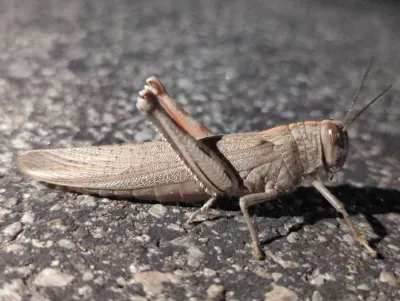
Grasshoppers are jumping insects known for their powerful hind legs and ability to damage gardens and crops. These herbivores are most active during warm summer months.
Explore Grasshoppers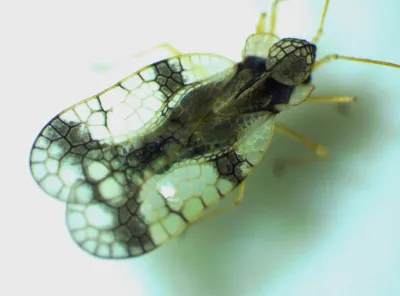
Lace bugs are small, delicate insects named for the lace-like pattern on their wings and thorax. They are common pests of ornamental trees and shrubs, causing distinctive stippled damage to leaves that can make plants unsightly and stressed.
Explore Lace Bugs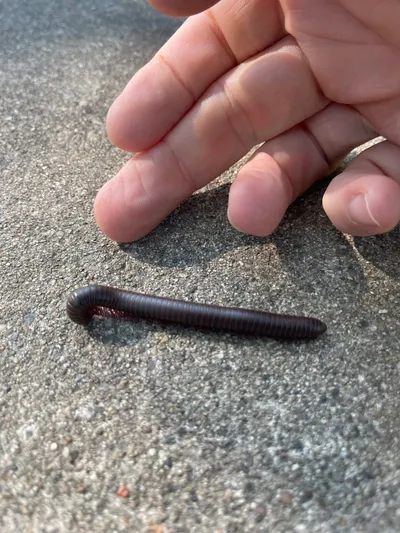
Millipedes are long, worm-like bugs with many legs. They move slowly and like damp places with rotting leaves and mulch.
Explore Millipedes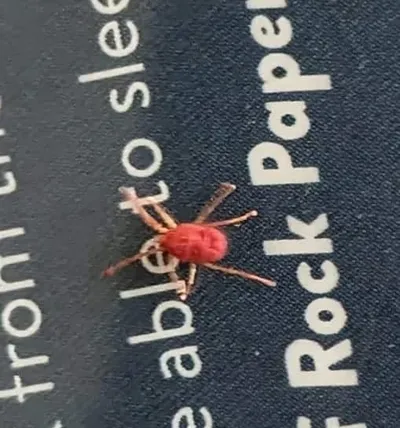
Mites are tiny pests that can enter homes in large numbers during spring and fall. Most house mites do not bite, but they can be a bother and may cause allergies.
Explore Mites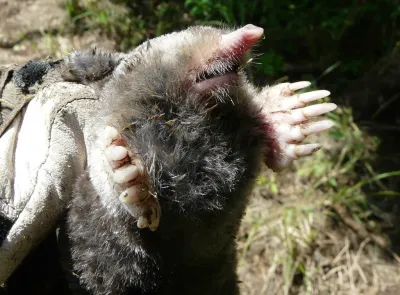
Moles are small, burrowing mammals known for their velvety fur and powerful digging claws. While they help aerate soil and eat grubs, their tunneling causes significant damage to lawns, gardens, and landscaping, making them unwelcome visitors for most homeowners.
Explore Moles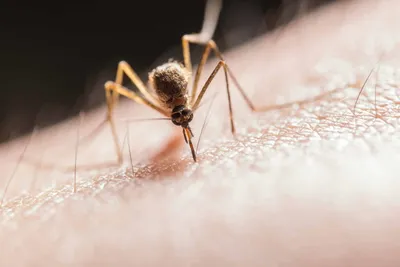
Tiny, blood-feeding insects that spread disease and disrupt outdoor activities.
Explore Mosquitoes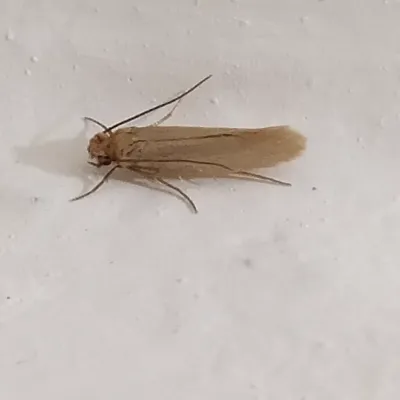
Moths are fabric and food pests that damage clothing, carpets, and stored pantry goods. The larvae cause the damage by feeding on natural fibers like wool and silk or stored grains and dried foods.
Explore Moths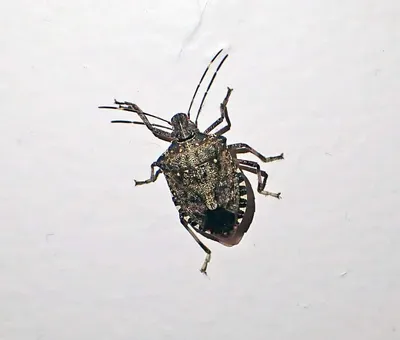
Beyond common household pests, many occasional invaders can find their way into homes. From stink bugs to earwigs, these pests may not pose major threats but can be a nuisance when they appear in large numbers.
Explore Other Pests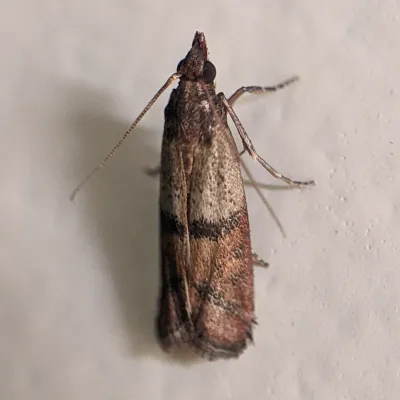
Pantry pests are insects that infest stored food products including flour, grains, cereals, dried fruits, nuts, and spices. Common pantry pests include Indian meal moths, flour beetles, grain beetles, and weevils.
Explore Pantry Pests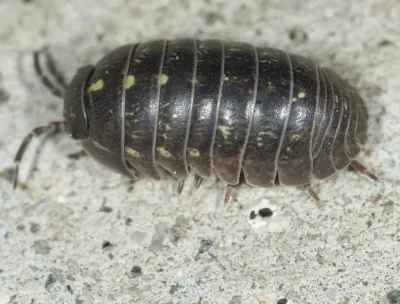
Pillbugs, also known as roly-polies or potato bugs, are small gray crustaceans that curl into a tight ball when disturbed. They thrive in damp environments and often enter homes seeking moisture.
Explore Pillbugs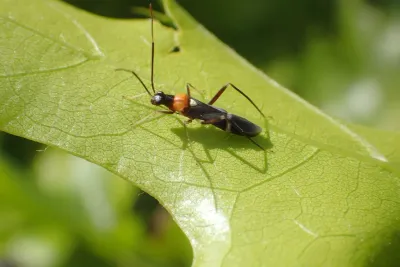
Plant bugs are a diverse group of true bugs that feed on plants by piercing tissues and sucking out fluids. While some are beneficial predators, many species are significant agricultural and garden pests that can damage ornamental plants, vegetables, and fruit trees.
Explore Plant Bugs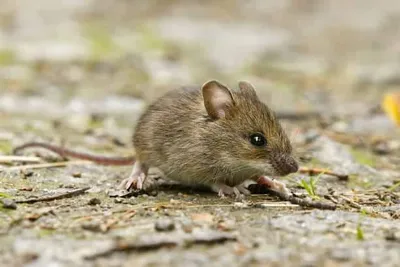
Mice and rats are common household pests. They ruin food, spread germs, chew through wires, and breed fast. If you spot signs of rodents, getting help quickly is key.
Explore Rodents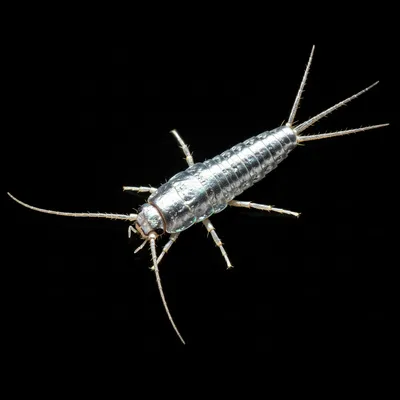
Silverfish are small, wingless insects with a silvery-blue color and fish-like movements. They live in dark, humid areas and can damage books, paper, fabrics, and wallpaper.
Explore Silverfish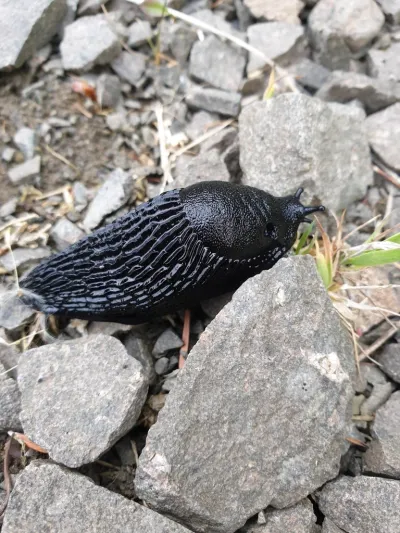
Slugs are soft-bodied mollusks without shells that feed on plants and thrive in moist environments, often damaging gardens and occasionally entering homes.
Explore Slugs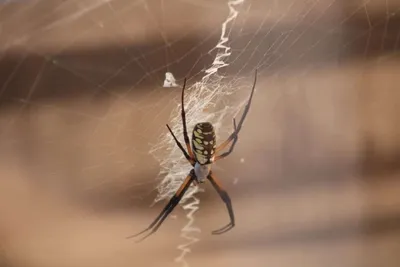
Spiders can be difficult to control due to their varied entry points and behaviors. Most spiders are harmless predators that feed on insects, but some species like black widows and brown recluses can deliver venomous bites.
Explore Spiders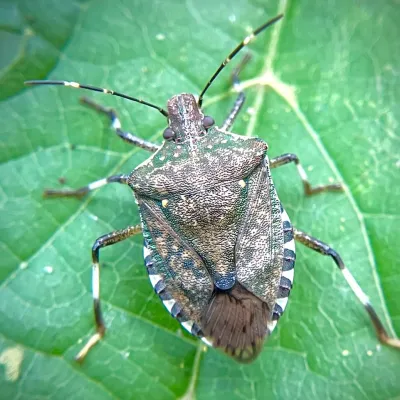
Stink bugs invade homes in large numbers during the fall and release a foul odor when disturbed.
Explore Stink Bugs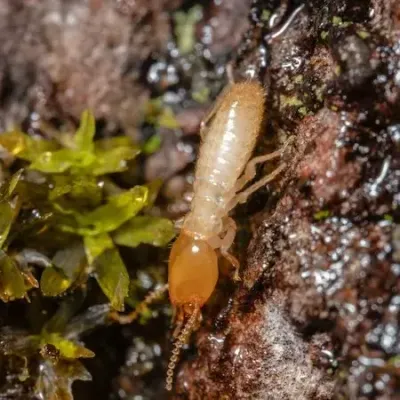
Termites can hide in your home for years and cause costly damage. Eastern subterranean termites are the most common wood-destroying bugs in the United States.
Explore Termites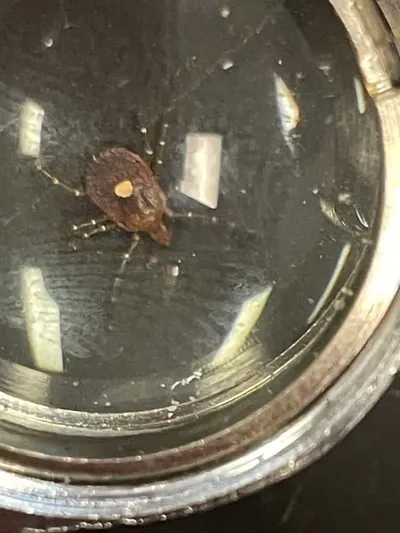
Ticks are small blood-feeding parasites that spread diseases like Lyme disease, Rocky Mountain spotted fever, and ehrlichiosis. The black-legged tick (deer tick) is the main carrier of Lyme disease in Northern Virginia.
Explore Ticks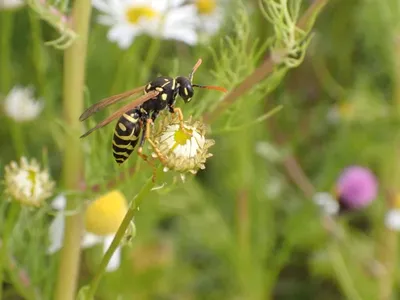
Wasps are stinging insects known for their aggressive defense of nests. Wasps near homes pose a significant sting risk, especially for those with allergies.
Explore Wasps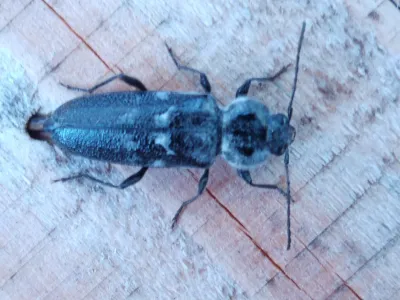
Wood boring beetles are a group of insects whose larvae tunnel through and damage structural wood, furniture, and hardwood flooring in homes across North America.
Explore Wood Boring BeetlesLooking for a specific species? Browse our complete A-Z directory.
Browse All 622 Species A-Z