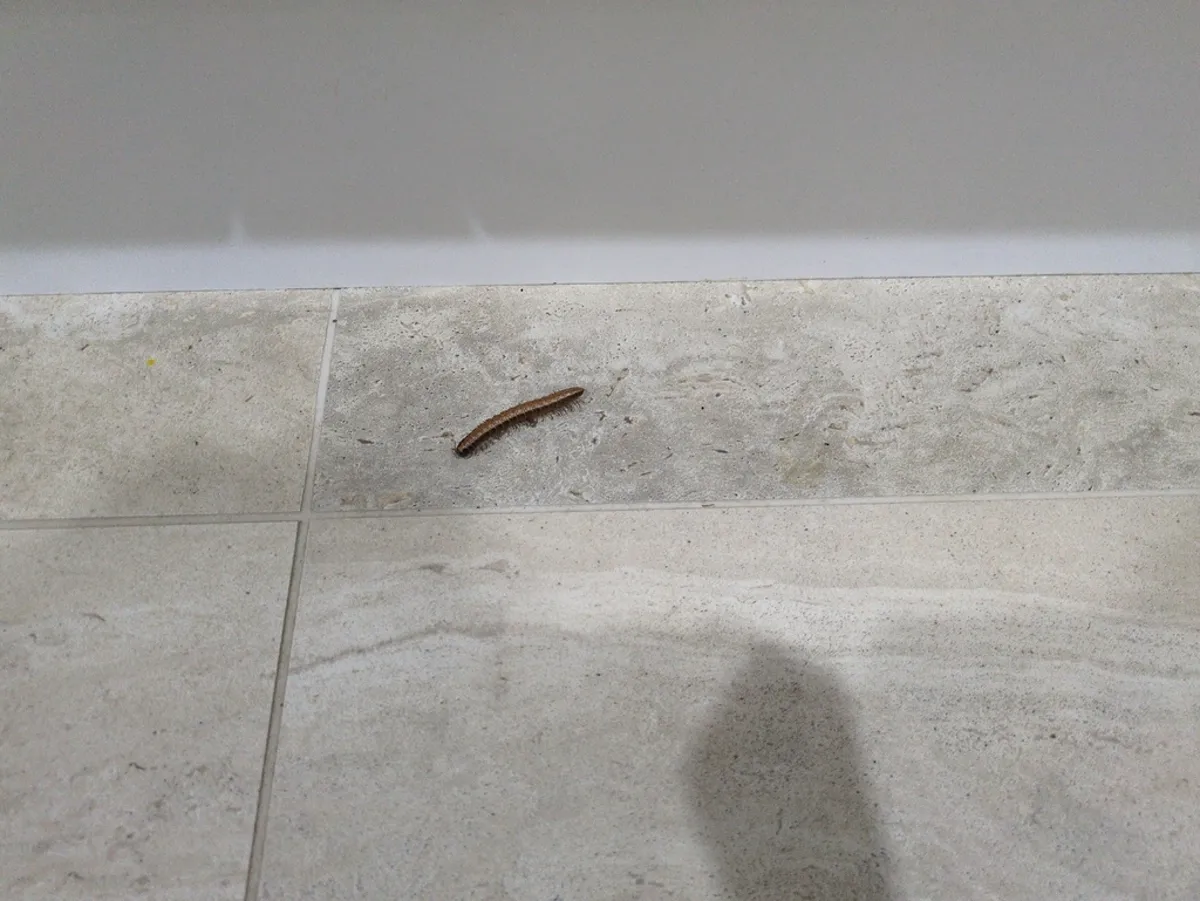

If you’ve spotted long, dark, worm-like creatures crawling across your basement floor or bathroom tile, you’re probably dealing with millipedes. These multi-legged pests are one of the most common “occasional invaders” we encounter in homes throughout the DC metro area, especially during wet seasons or after heavy rains.
The good news? Millipedes in your house aren’t dangerous. They don’t bite, sting, or spread disease. But that doesn’t make them any less unsettling to find in your living space. In my experience as a licensed technician with over 5 years helping homeowners, millipede problems are almost always tied to one thing: moisture.
In this guide, I’ll explain exactly why millipedes end up in houses, how to identify them, and most importantly - how to get rid of them and keep them out for good.
What Are Millipedes?
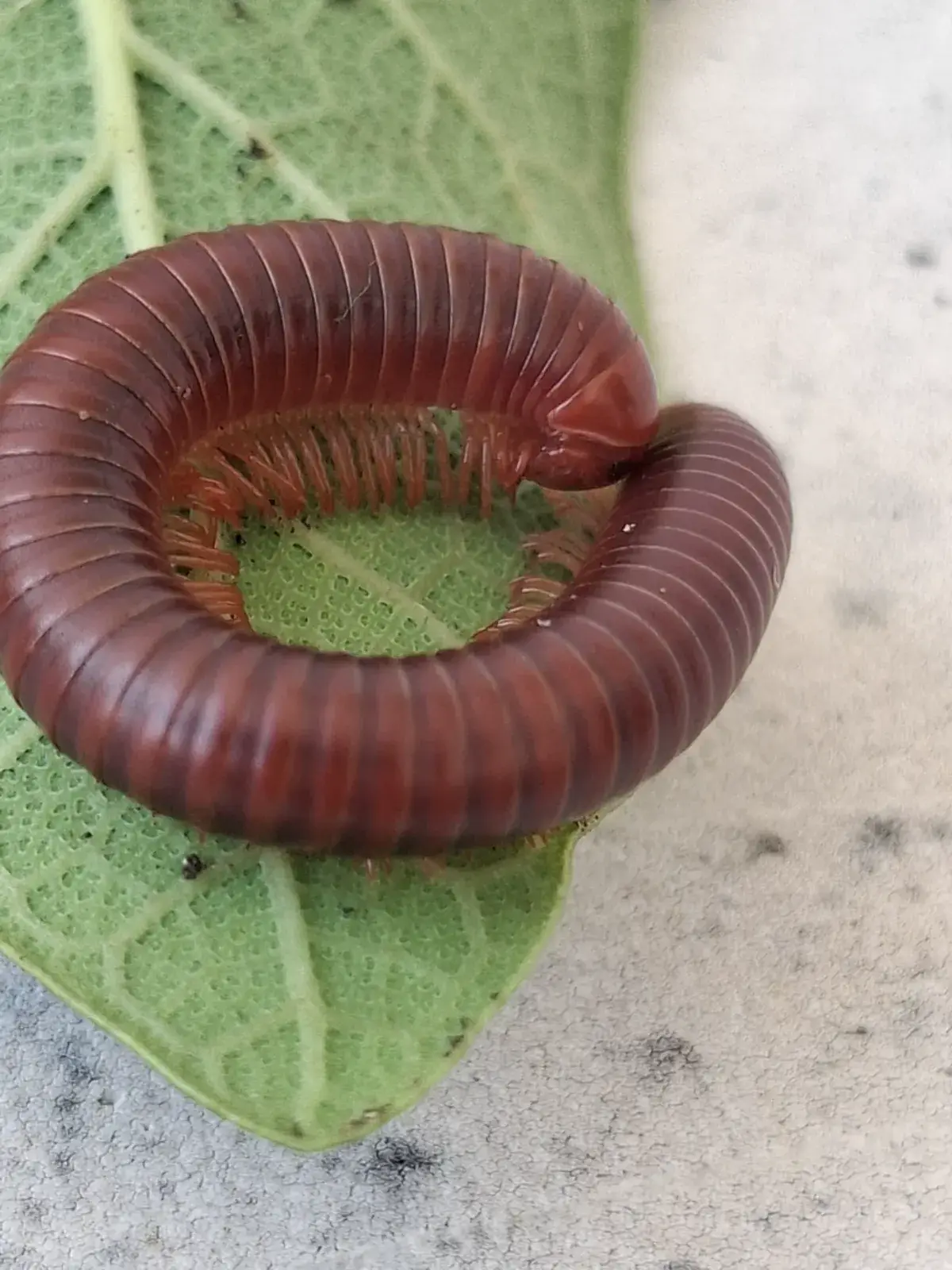
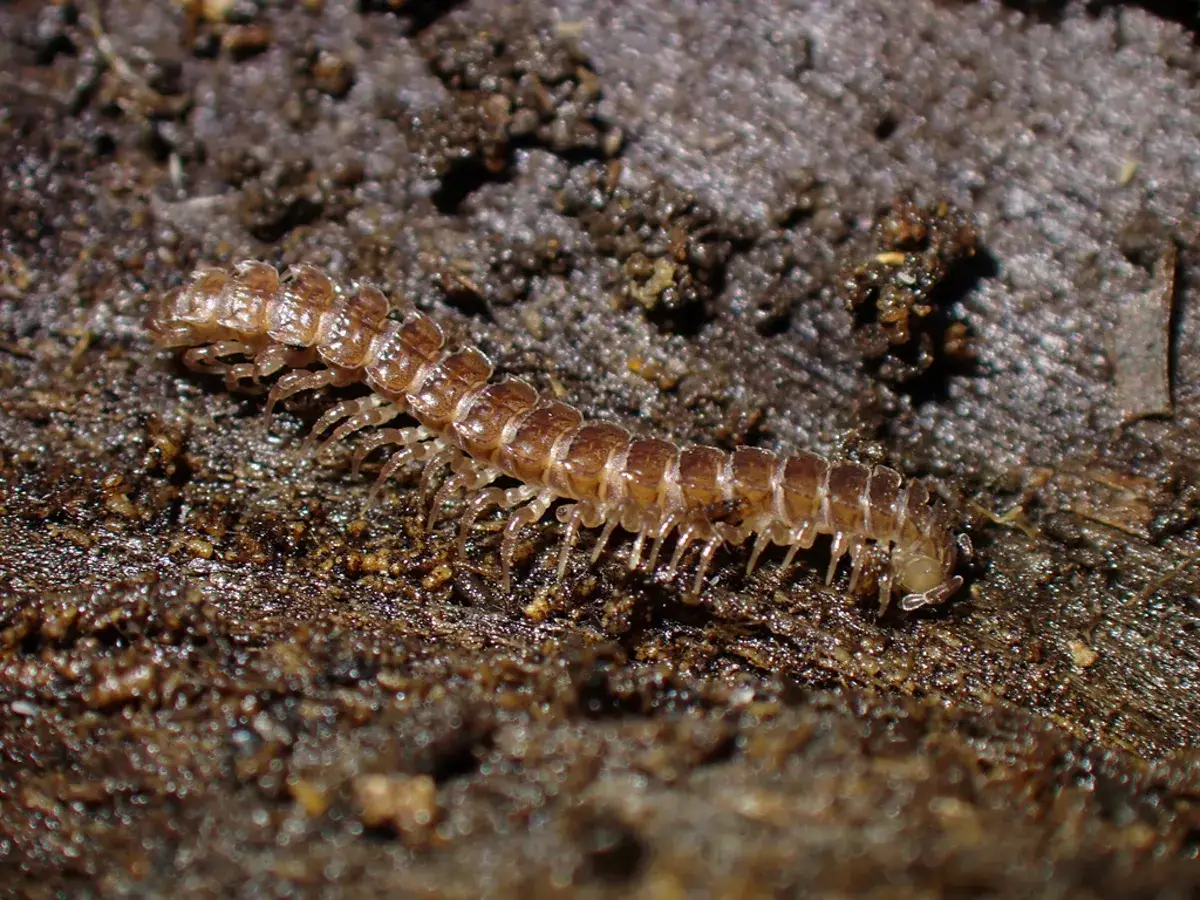
Millipedes are arthropods with long, segmented bodies and many legs. Despite their name (which means “thousand legs”), most species have between 30 and 90 pairs of legs. The key feature that sets them apart from centipedes is that millipedes have two pairs of legs per body segment, while centipedes have just one pair.
The common garden millipede you’ll find in homes is usually brownish-black and about one inch long. They move slowly and tend to curl into a tight coil when disturbed - this is their main defense mechanism.
According to Missouri Extension, the easiest way to tell millipedes from centipedes is by looking at their legs and behavior. Millipede legs point downward beneath their bodies and they move slowly. Centipede legs project outward and they move quickly. Centipedes are predators that can bite, while millipedes are harmless decomposers that feed on decaying plant matter.
Why Do Millipedes Come Inside Houses?
Millipedes don’t actually want to be in your house. They end up indoors when outdoor conditions become unsuitable for them. Since millipedes need constant moisture to survive, they’re driven inside by two main triggers. The same weather patterns also push slugs and earwigs toward homes:
Weather That Drives Millipedes Indoors
Hot, dry weather causes millipedes to leave their normal outdoor habitats in search of moisture. When the soil and leaf litter dry out, they start wandering toward any source of humidity - including your home.
Extremely wet conditions can also push millipedes inside. When soil becomes water-saturated after heavy rain, millipedes are forced to the surface and higher ground. They often end up on concrete slabs, foundations, and eventually inside through cracks and gaps.
According to NC State Extension, millipedes may also migrate in the fall while searching for overwintering sites. All of these activities result in millipedes invading crawl spaces, basements, and other areas of buildings.
One homeowner I spoke with in the Alexandria area had a serious problem with millipedes in her basement. She was finding dozens of them every day on her basement floor and couldn’t figure out why.
After an inspection, we deduced that the cause of the issue was the high moisture content of the soil around her home. Her gutters were clogged and overflowing, creating saturated soil right against the foundation. Combined with a lack of proper grading, water was pooling near the basement walls.
The solution wasn’t just spraying - it was addressing the moisture. Once she cleaned the gutters, extended the downspouts, and improved drainage around the foundation, the millipede problem resolved within a few weeks.
This case shows why treating the root cause (moisture) matters more than just spraying.
Once you know why they’re coming in, the next step is finding where they’re hiding.
Where Do Millipedes Hide in Your House?
When millipedes get inside, they seek out the dampest areas. You’ll most commonly find them in:
- Basements and crawl spaces - especially unfinished areas with exposed soil or concrete
- Bathrooms - near tubs, toilets, and under sinks
- Laundry rooms - where humidity tends to build up
- Garages - particularly if attached to the house with cracks in the foundation
- Ground-floor entry points - along door thresholds and window frames
The ironic thing is that most homes are too dry for millipedes to survive long-term. According to pest experts, millipedes can only survive a few days in the dry environment found in most homes. Any infestation is likely to be short-lived once you stop new ones from entering.
Are Millipedes Dangerous?
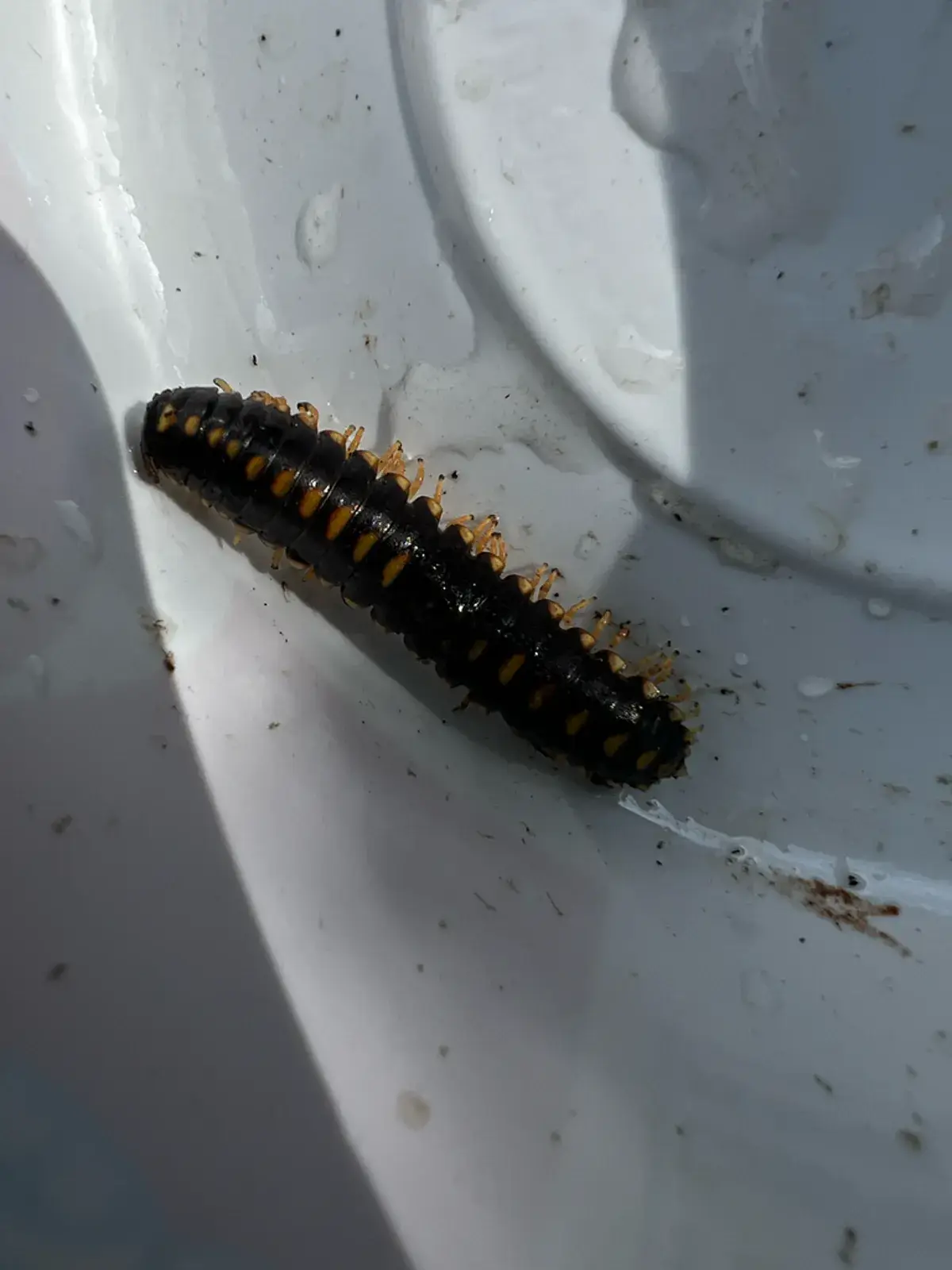
No. Millipedes are not dangerous to humans, pets, or your home. Here’s what you need to know:
- They don’t bite - Millipedes have very weak mouthparts designed only for eating soft, decaying plant matter
- They don’t sting - Unlike some insects, millipedes have no stinger
- They don’t spread disease - Millipedes are not known to transmit any pathogens
- They don’t damage your home - They won’t eat wood, fabric, or food in your pantry
How to Get Rid of Millipedes in Your House
Getting rid of millipedes requires a two-pronged approach: dealing with the ones already inside and preventing new ones from entering. Here’s how to do both:
Step 1: Remove Millipedes Already Inside
For the millipedes currently in your home, the simplest solution is often just to vacuum them up or sweep them into a dustpan. Since they’ll die within a few days from lack of moisture anyway, removing them physically is often all you need.
Step 2: Reduce Indoor Moisture
Since millipedes are drawn to moisture, making your home less humid will make it less attractive to them:
- Use a dehumidifier in basements, crawl spaces, and other damp areas
- Run exhaust fans in bathrooms after showers
- Fix any plumbing leaks promptly - even small drips create moisture that attracts pests
- Improve ventilation in enclosed spaces like crawl spaces
- Install a vapor barrier over exposed soil in crawl spaces
Step 3: Seal Entry Points
Millipedes enter through gaps and cracks in your home’s exterior. Sealing these entry points is critical for long-term prevention:
- Caulk cracks in your foundation and around basement windows
- Install door sweeps on all exterior doors
- Seal gaps around pipes, wires, and vents where they enter the house
- Check expansion joints where patios and sidewalks meet your foundation
- Weather-strip doors and windows that don’t seal tightly
Step 4: Modify Your Landscaping
The area immediately around your home has the biggest impact on millipede problems. According to Alabama Cooperative Extension, removing their habitat near your foundation is one of the most effective long-term solutions:
- Move mulch back at least 6-12 inches from your foundation walls
- Remove leaf litter, wood piles, and stones from against the house
- Clear debris from gutters and extend downspouts away from the foundation
- Improve drainage so water flows away from your home, not toward it
- Keep grass mowed short near the foundation to reduce humidity at ground level
If these steps haven’t solved the problem within a couple weeks, it may be time to bring in a pro.
When to Call a Professional for Millipedes
While DIY methods work for occasional millipede sightings, there are situations where professional help makes sense:
- Large numbers appearing daily - This suggests a significant moisture issue or a large outdoor population near your home
- You’ve addressed moisture but they keep coming - A professional can identify hidden entry points or moisture sources you may have missed
- Recurring seasonal invasions - A preventive perimeter treatment can create a barrier that stops millipedes before they enter
- You’re not comfortable doing the work yourself - Crawl space inspections and foundation sealing can be challenging
At Better Termite & Pest Control, we’ve been helping homeowners in Northern Virginia, Maryland, and the DC area deal with occasional invaders like millipedes for over 57 years. Our approach focuses on finding and fixing the root cause - not just treating symptoms.
According to NC State Extension, indoor insecticide applications along baseboards and living areas don’t really stop millipede invasions. Bug bombs and foggers are also ineffective. The most effective chemical treatments are outdoor perimeter applications around the foundation - but these work best when combined with moisture control and habitat modification. Products containing pyrethroids like bifenthrin or cyfluthrin can help reduce invasions when applied to a 2-5 foot band around the foundation.
How to Prevent Millipedes From Coming Back
Prevention is always easier than dealing with an active invasion. Here’s a checklist for keeping millipedes out of your home long-term:
Outdoor Prevention:
- Keep mulch 6-12 inches away from your foundation
- Clean gutters regularly and ensure downspouts direct water away from the house
- Remove leaf piles, wood stacks, and debris from near the foundation
- Improve grading so the ground slopes away from your home
- Trim vegetation so air can circulate near the foundation
Indoor Prevention:
- Maintain humidity below 60% in basements and crawl spaces
- Fix leaky pipes and faucets immediately
- Use exhaust fans in bathrooms and kitchens
- Seal all cracks and gaps in the foundation and around windows/doors
- Install door sweeps on exterior doors
Seasonal Checks:
- Inspect your foundation in spring and fall for new cracks
- Check gutters before rainy seasons
- Monitor basement humidity during humid months
Call Us for Help With Millipedes in Your House
Finding millipedes in your house can be frustrating, but the good news is they’re one of the easier pest problems to solve. The key is addressing the moisture that attracts them in the first place.
If you’re dealing with persistent millipede problems in the DC metro area, our team at Better Termite & Pest Control can help. With over 57 years of experience and more than 1,000 five-star reviews, we know how to identify the source of pest problems and fix them for good.
Give us a call at 703-683-2000 or email us at info@bettertermite.com for a free inspection. We’ll find out why millipedes are getting into your home and develop a plan to keep them out.