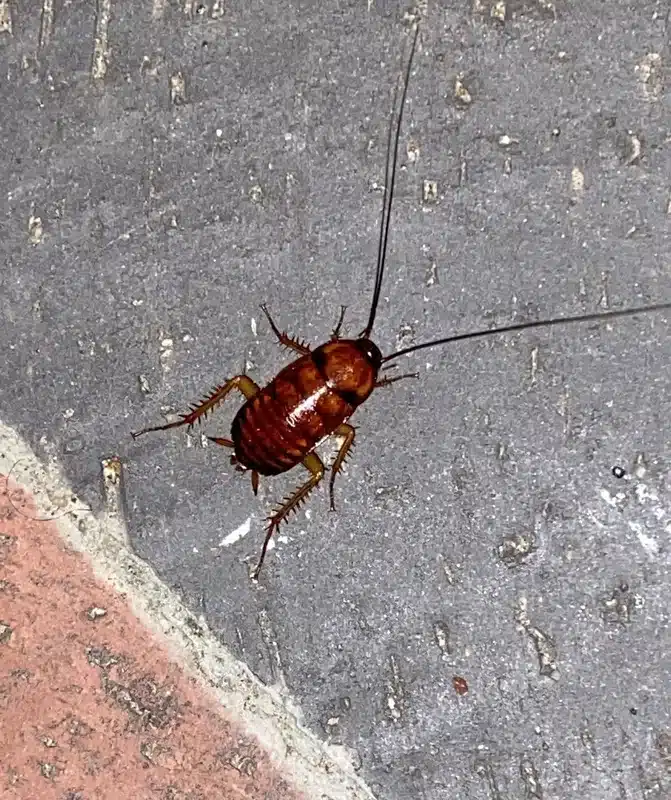

Finding a large, dark critter scurrying across your kitchen floor can be alarming. When that pest happens to be a palmetto bug, you’re dealing with one of the most common cockroach species in the DMV area. In my four years as a registered technician, I’ve helped hundreds of homeowners tackle these persistent pests.
Palmetto bugs are actually just another name for cockroaches, specifically larger outdoor species like the American cockroach and smokybrown cockroach. While they prefer outdoor environments, these adaptable insects frequently invade homes seeking water, food, and shelter.
What Are Palmetto Bugs?
The term “palmetto bug” originally came from the leaves of the palmetto tree, where these cockroaches were commonly found. Today, this name refers to several different species of cockroaches that share similar traits.
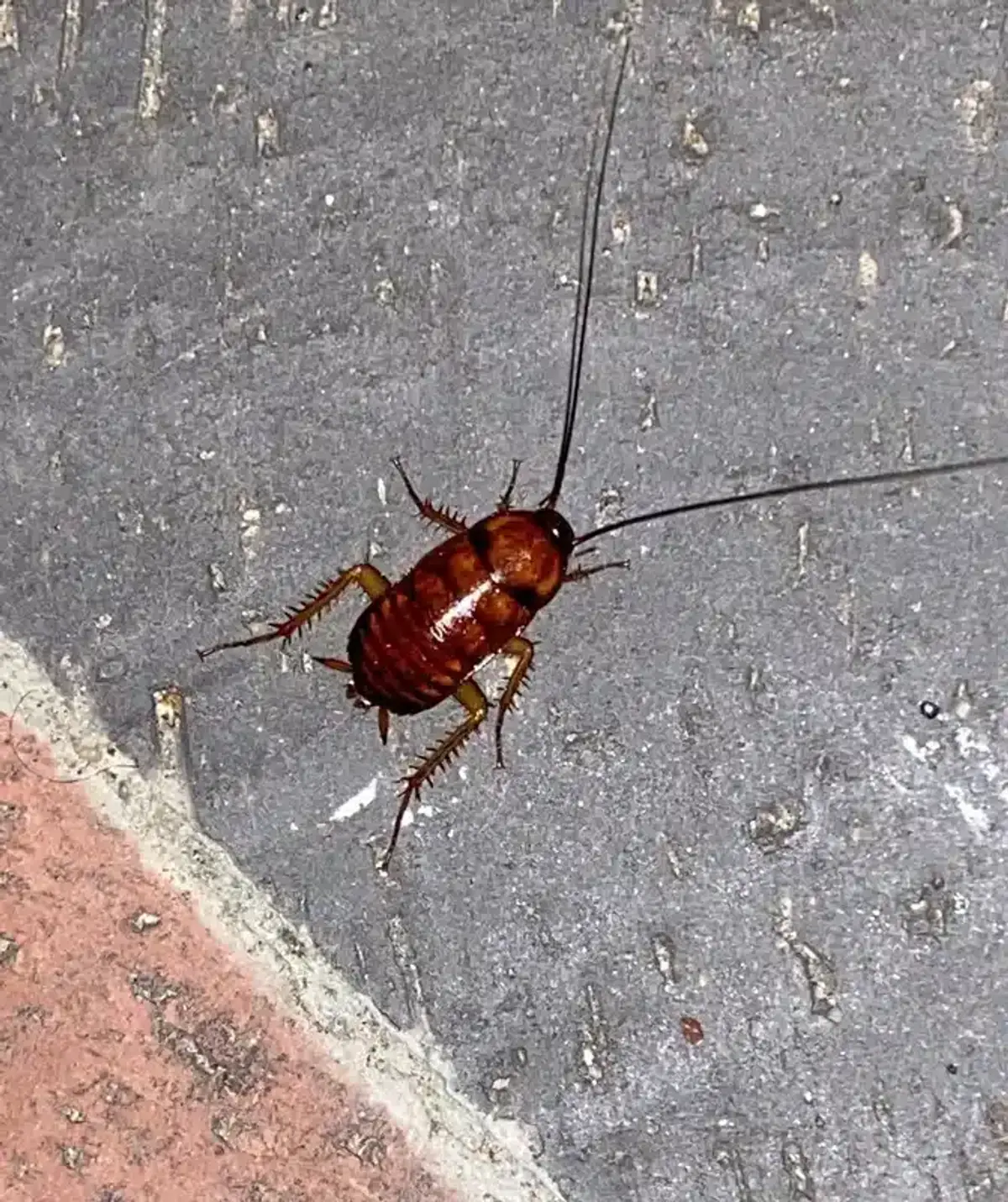
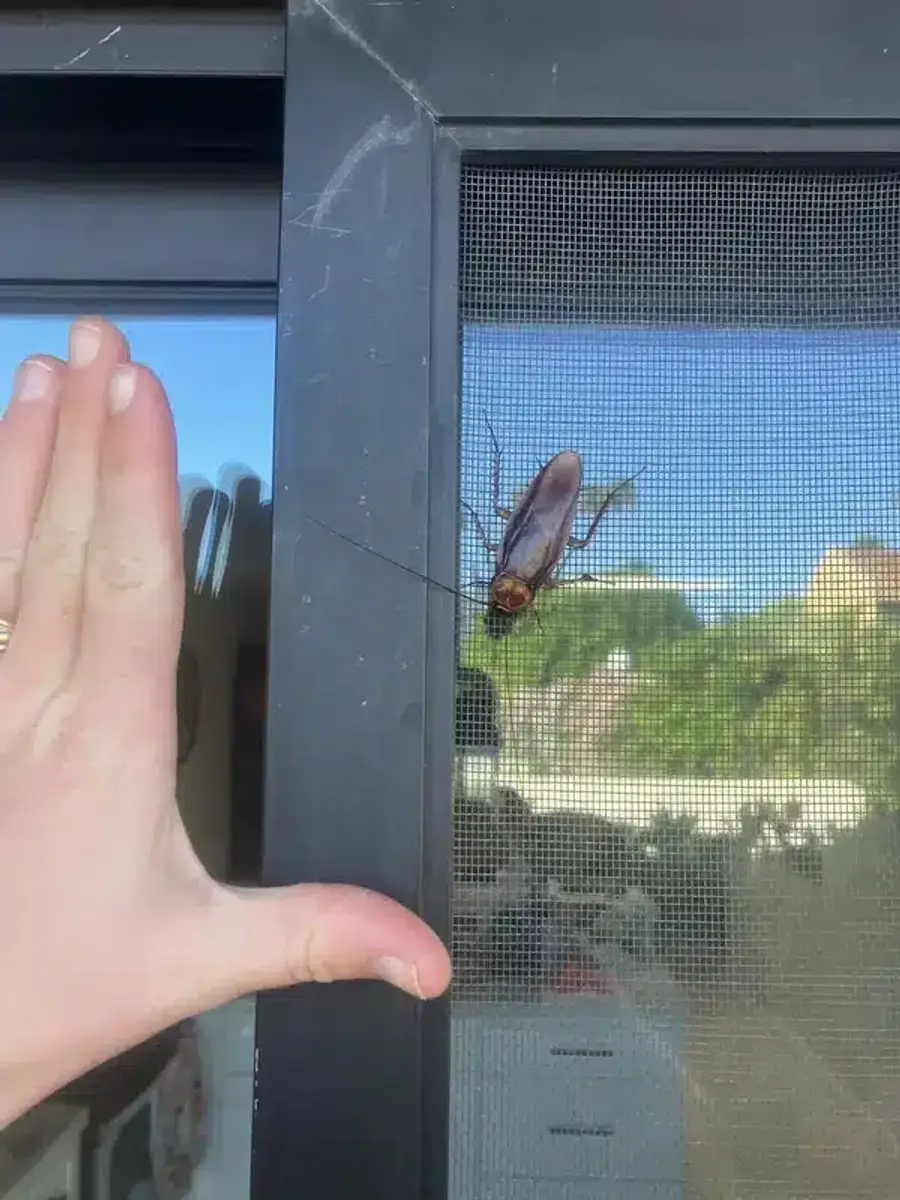
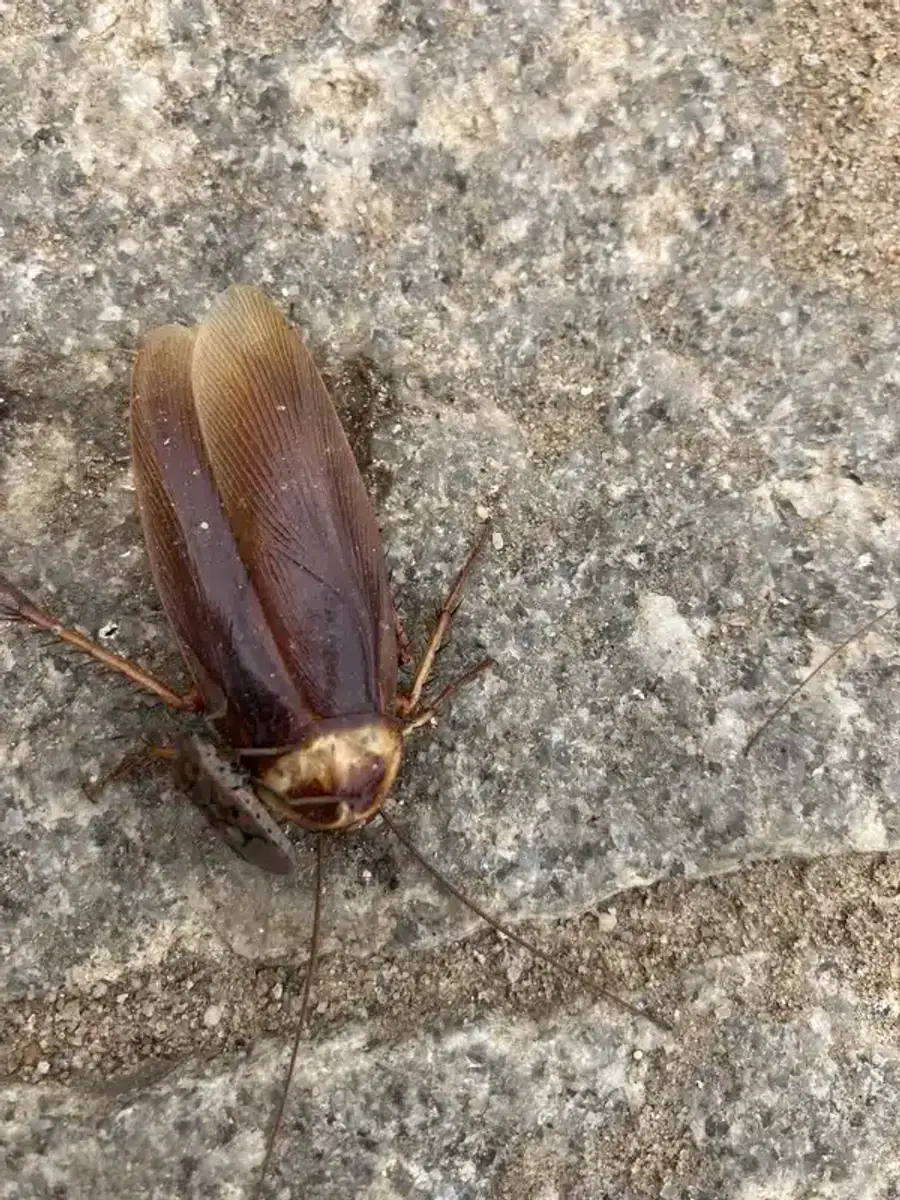
Palmetto bugs are a type of large outdoor cockroach. The most common types include the American cockroach, which can reach 2 inches in length, and the smokybrown cockroach, which typically measures around 1.5 inches. Both species have wings and can fly short distances, though they prefer to run when disturbed.
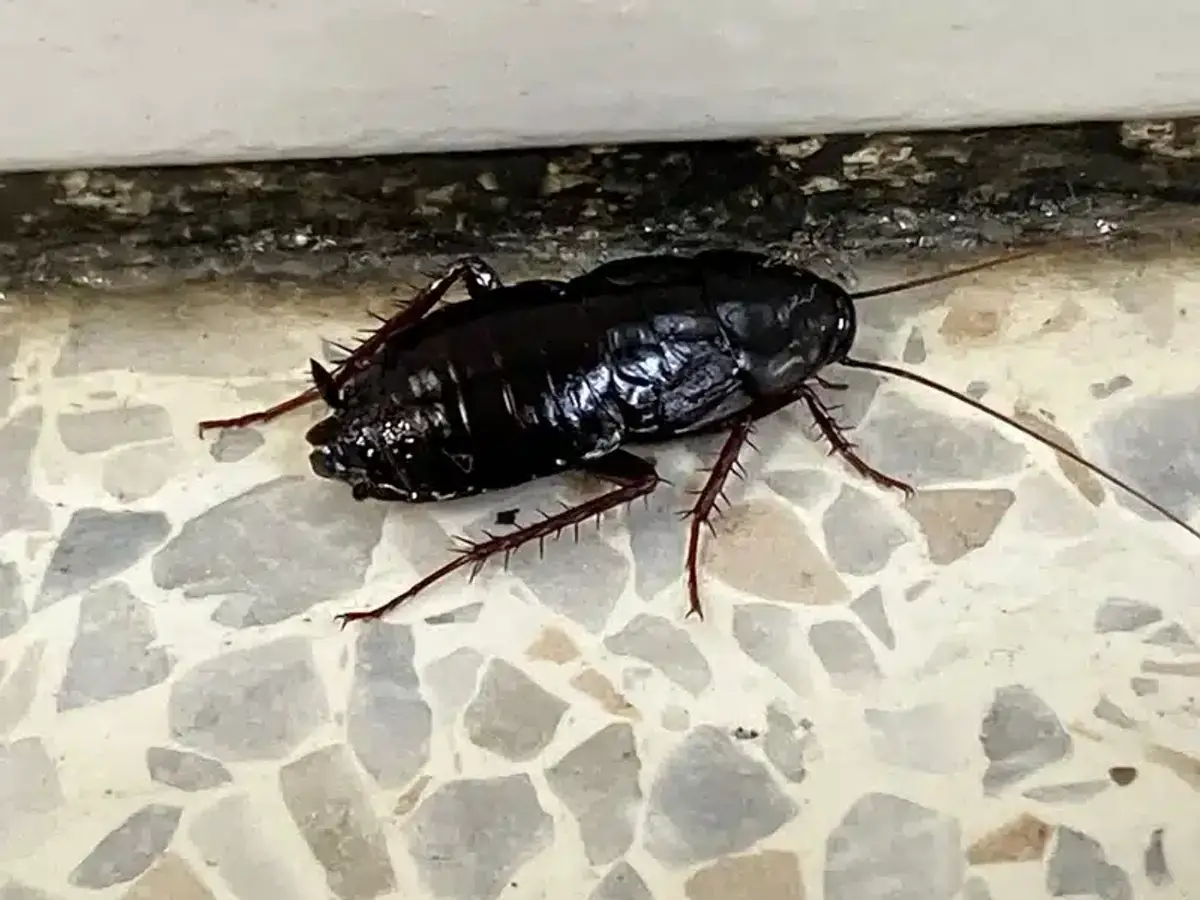
These roaches have a distinctive reddish-brown color and shiny exoskeleton. Adult palmetto bugs can be easily distinguished from smaller indoor species like German cockroaches by their size and darker coloration.
Signs of a Palmetto Bug Infestation
Recognizing early warning signs helps you address problems before they become serious. Palmetto bugs leave several telltale indicators of their presence.
Signs of a Palmetto Bug Problem
Live sightings represent the most obvious sign. You’ll typically notice more palmetto bugs during evening hours when they’re most active. Additionally, finding egg cases (oothecae) about 8mm long indicates breeding activity.
Shed skins from molting nymphs often appear in hidden areas like behind kitchen cabinets or near basement walls. These brown, translucent casings show where young roaches have grown.
Additional Palmetto Bug Infestation Signs
A musty smell often develops when populations grow larger. This odor comes from pheromones the roaches produce to communicate with each other.
Small, dark droppings resembling coffee grounds appear along baseboards and in corners. These waste products tend to accumulate in areas where palmetto bugs frequently travel.
Why Palmetto Bugs Invade Homes
Understanding what attracts palmetto bugs helps prevent future infestations. These pests seek three basic necessities: food, water, and shelter.
Moisture Sources
Water represents the primary attractant. Leaky pipes, clogged drains, and humid areas like basements create ideal conditions. Even small amounts of standing water can sustain these cockroaches for weeks.
Poor ventilation in crawl spaces and bathrooms increases humidity levels that palmetto bugs love. Our family business has encountered countless cases where fixing moisture problems eliminated recurring infestations.
Food Sources
Palmetto bugs eat almost anything organic. Pet food left out overnight, crumbs around appliances, and even book bindings provide sustenance. They particularly enjoy starches, sugars, and decaying organic matter.
Outside, these roaches feed on leaf litter, mulch, and other decomposing materials. When outdoor food sources become scarce, they venture indoors seeking alternatives.
How To Get Rid Of Palmetto Bugs: Step-by-Step Treatment
Effective palmetto bug control requires a comprehensive approach combining multiple strategies. Based on decades of experience serving the DMV area, here’s our proven elimination process.
Step 1: Thorough Inspection
Start by identifying where palmetto bugs hide and travel. Check behind appliances, under sinks, and around water heaters. Look for entry points like gaps around doors and windows, cracks in foundations, and openings around utility lines. Learn more in our pest library.
Document any moisture problems, food sources, or harborage areas. This information guides your treatment approach and helps prevent future invasions. For more information, read our guide on How To Kill Boxelder Bugs: Get Rid Of Them For Good.
Step 2: Eliminate Food and Water Sources For more information, read our guide on Bugs That Look Like Ladybugs But Aren.
Remove attractants by storing food in sealed containers and cleaning up crumbs immediately. Fix leaky faucets, repair damaged pipes, and improve ventilation in humid areas. For more information, read our guide on Pictures of Bed Bugs & Bites: Complete Identification Guide.
Keep pet food in airtight containers and avoid leaving water bowls out overnight. Address any drainage issues around your home’s foundation.
Step 3: Seal Entry Points
Use caulk to seal cracks around windows, doors, and utility penetrations. Install door sweeps and repair damaged screens. Focus on gaps larger than 1/8 inch, as adult palmetto bugs can squeeze through surprisingly small spaces.
Pay special attention to areas where different building materials meet, such as where siding joins the foundation or around plumbing penetrations.
Step 4: Apply Targeted Treatments
Several treatment options can effectively kill palmetto bugs:
- Gel baits work well for targeted control, especially in cracks and crevices
- Boric acid applied as a light dust in wall voids provides long-lasting control
- Diatomaceous earth acts as a natural insecticide when properly applied
- Roach traps help monitor populations and catch individual insects
Professional pest management typically combines multiple approaches for maximum effectiveness.
Treatment Method Comparison
| DIY Methods | Professional Treatment | |
|---|---|---|
| Effectiveness | Limited to minor problems | Comprehensive elimination |
| Duration | Temporary relief | Long-term protection |
| Materials | Store-bought products | Professional-grade materials |
| Best For | Occasional invaders | Active infestations |
How to Keep Palmetto Bugs Out: Prevention Strategies
Long-term success requires ongoing prevention efforts. These strategies help keep palmetto bugs out of your house permanently.
Outdoor Habitat Modification
Reduce outdoor harborage by keeping mulch at least 12 inches away from your foundation. Remove leaf litter, woodpiles, and other debris where these cockroaches can hide.
Trim vegetation away from your home’s exterior and ensure proper drainage around the foundation. These changes make your property less attractive to palmetto bugs.
Regular Maintenance
Schedule routine inspections of potential problem areas. Check for new entry points, moisture issues, and signs of activity. Early detection makes elimination much easier.
Consider professional pest control for ongoing protection. Our tri-annual programs (three times per year) maintain protective barriers while monitoring for new activity.
- Moisture Control: Fix leaks promptly, maintain proper ventilation, and keep humidity below 50% in basements and crawl spaces
- Entry Point Sealing: Caulk gaps around doors, windows, and utility penetrations larger than 1/8 inch
- Food Source Elimination: Store food in sealed containers, clean up crumbs immediately, and don’t leave pet food out overnight
- Outdoor Maintenance: Keep mulch 12+ inches from foundation, remove leaf litter and debris, trim vegetation away from home exterior
- Regular Inspections: Check monthly for new entry points, moisture issues, and early signs of activity
Natural Ways to Get Rid of Palmetto Bugs
Several natural approaches can supplement professional treatments or provide temporary relief for minor problems.
Essential Oil Deterrents
Peppermint oil creates a natural repellent when mixed with water and sprayed around entry points. While peppermint and other essential oils won’t eliminate existing infestations, they may deter new arrivals.
Reapply these natural treatments frequently, as their effectiveness diminishes quickly compared to professional-grade materials.
Physical Removal
Vacuum individual palmetto bugs when spotted, then immediately dispose of the bag contents. This method works well for occasional invaders but won’t address larger populations.
Sticky traps placed along walls can capture roaches traveling through your home. However, DIY methods alone rarely solve significant palmetto bug infestations.
Palmetto Bug Health Risks and Concerns
Palmetto bugs pose legitimate health concerns beyond just being unwelcome guests. These cockroaches can contaminate food and trigger allergic reactions in sensitive individuals.
Like other cockroach species, palmetto bugs can carry various harmful pathogens and bacteria that pose risks to human health.
According to the American Lung Association, cockroaches including palmetto bugs can carry various pathogens including salmonella and other harmful bacteria. They pick up these organisms while crawling through sewers, garbage, and other unsanitary areas, then transfer them to food surfaces and cooking areas in homes. The allergens produced by cockroaches can trigger asthma attacks, especially in children, and these allergens can persist in household dust for months even after the insects are eliminated.
The allergens these roaches produce can trigger asthma attacks, especially in children. Even after eliminating the insects, allergen-laden dust can persist in homes for months.
When Professional Cockroach Treatment is Needed
Certain situations require professional intervention for effective palmetto bug control. Our three generations of experience have shown when homeowner efforts typically fall short.
If you’re seeing multiple palmetto bugs weekly or finding them during daytime hours, the infestation likely exceeds what DIY methods can handle. Similarly, discovering egg cases indicates breeding activity that requires comprehensive treatment.
Structural issues like shared walls in row houses or complex plumbing systems often need professional assessment. Additionally, households with severe allergies or asthma should prioritize professional pest management to minimize health risks.
Professional Palmetto Bug Treatment Methods
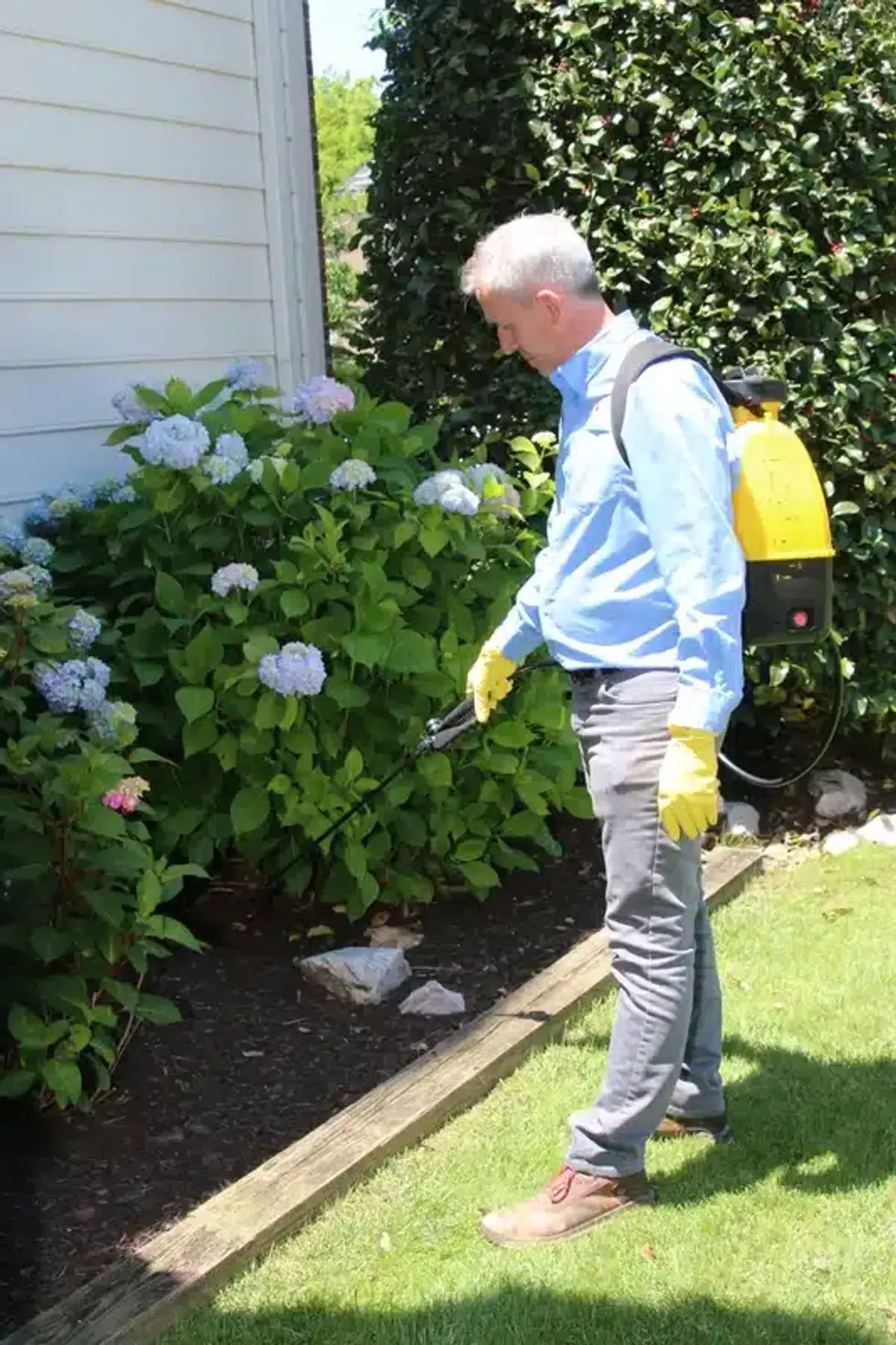
Licensed pest control professionals have access to more effective tools and techniques than typical homeowner methods.
Integrated Pest Management Approach
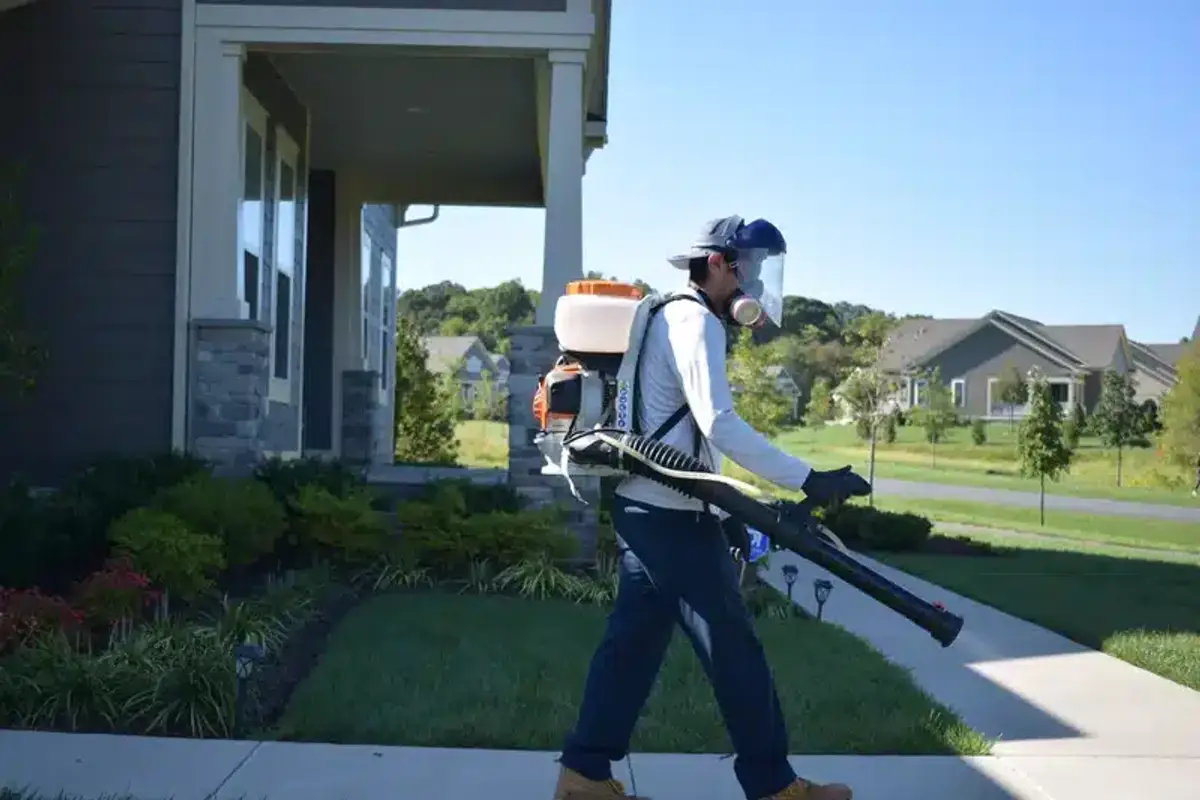
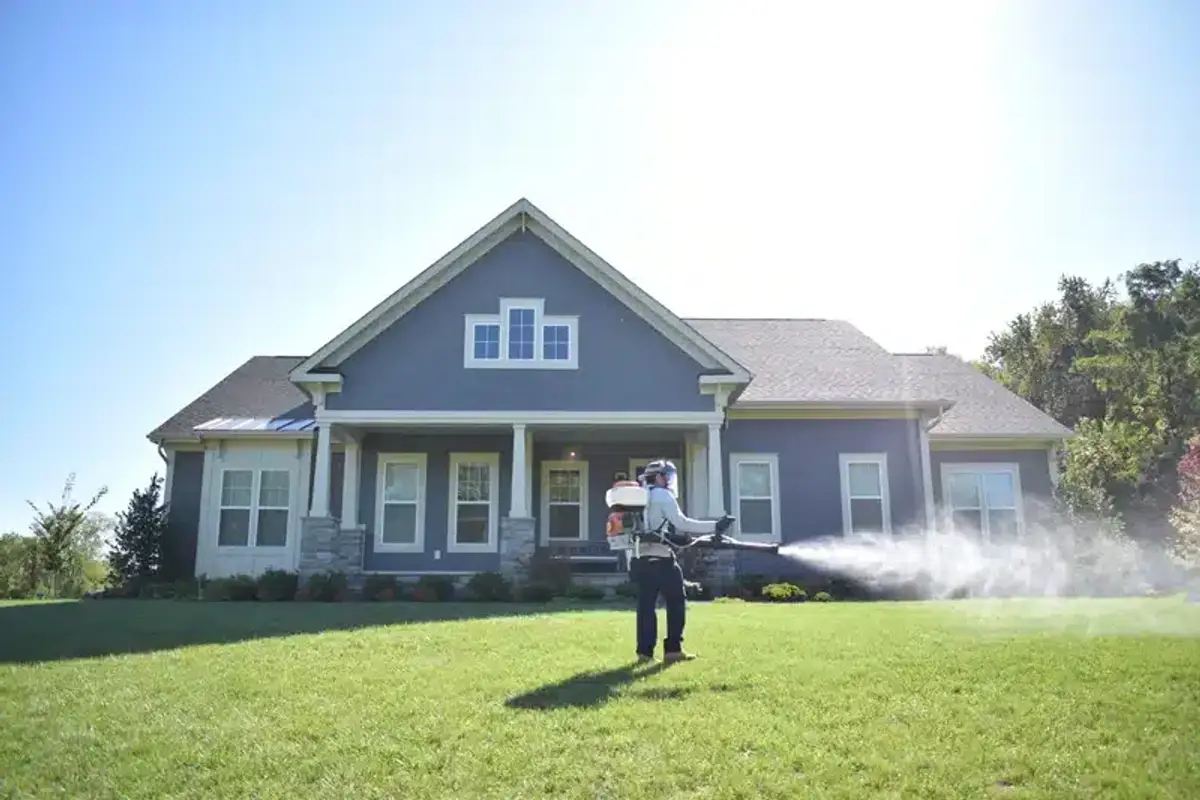
Professional pest control combines multiple strategies for comprehensive elimination. This includes targeted baiting, exclusion work, and habitat modification tailored to your specific situation.
Our approach focuses on long-term solutions rather than quick fixes. We identify and address root causes while establishing protective barriers around your property.
During my four years as a registered technician, one case particularly stands out. A homeowner in Arlington had tried multiple DIY approaches over six months - gel baits, sprays, and traps - but palmetto bugs kept returning. What seemed like a persistent infestation had a simple underlying cause.
- Initial situation: Weekly palmetto bug sightings despite DIY treatments
- Root cause discovered: A slow leak under the kitchen sink creating constant moisture
- Our solution: Fixed the leak, dried the area, and applied targeted gel baits
- Long-term result: Zero palmetto bug sightings for over two years with annual maintenance
This experience reinforced our family business philosophy: successful palmetto bug control requires addressing root causes, not just treating symptoms. Moisture control remains our first recommendation for every customer.
Advanced Treatment Methods
Professional-grade materials often provide longer-lasting control than store-bought options. Gel baits with specialized attractants target palmetto bugs more effectively than generic products.
Wall void dusting with boric acid or other desiccants creates long-term protection in areas where these roaches hide. Professional equipment allows precise application in hard-to-reach spaces.
Palmetto Bug Treatment Costs
Professional palmetto bug control costs vary based on infestation severity and property size. Initial treatments typically range from moderate to substantial, depending on the extent of work required.
However, ongoing prevention programs often cost less than repeated DIY attempts that fail to solve the underlying problem. Our family business has found that comprehensive initial treatment followed by regular maintenance provides the best value.
Consider the potential costs of property damage, health impacts, and lost time when evaluating treatment options. Professional pest management often proves more economical in the long run.
Eliminating palmetto bugs requires persistence and the right approach. Whether you choose DIY methods or professional treatment, addressing moisture issues and sealing entry points remains crucial for long-term success. Our decades of experience serving Virginia, Maryland, and DC have shown that comprehensive strategies work best for lasting control.
If you’re dealing with a palmetto bug problem or want to prevent future infestations, our registered technicians can help develop a customized solution. Call us at 703-683-2000 or email info@bettertermite.com to discuss your specific situation and get a detailed treatment plan.