Ants

Do Ants Hibernate? Discover Where Ants Go During Winter

George Schulz Published:
Do Ants Hibernate? Discover Where Ants Go During Winter

In my years working pest control here in the DC metro area, I’ve noticed something interesting about ant calls. During spring and summer, ants are one of our most common complaints - homeowners find them marching through kitchens and bathrooms regularly. But once winter arrives, those calls practically disappear.

Most people assume ants just die off when the temperature drops, but that’s not what actually happens. Instead, ants enter a state similar to hibernation called diapause, where they retreat deep into their nests and slow down their activity until warmer weather returns.

Understanding what happens to ants in winter is important for effective pest management year-round. Let’s explore how these social insects survive the cold months and why you might still find ants in your house even when it’s freezing outside.

How Ants Adapt to Cold Temperatures

Unlike mammals that can regulate their body temperature, ants are cold-blooded insects. When their body temperature drops with the surrounding air, they become sluggish and eventually unable to function normally.

But ants don’t just accept this fate. Different species of ants have developed remarkable strategies to survive the winter without dying off completely. The key lies in how they prepare for winter during late summer and early fall.

Two ants under magnification showing body structure
The anatomy of ants shows how their cold-blooded nature requires special adaptations for winter survival

As daylight hours decrease in late summer, ants prepare by building up fat reserves and producing natural antifreeze compounds like glycerol. These preparations help prevent ice crystals from forming in their bodies when temperatures drop below freezing.

Do Ants Hibernate? The Science Behind Winter Survival

So do ants hibernate like bears or other mammals? Not exactly. What ants do in the winter is enter a state called diapause - a period of dormancy that’s specifically designed for insects.

During diapause, ants experience a slower metabolic state where their oxygen consumption drops by 70-90% compared to summer activity levels. This dramatic slowdown helps them conserve energy and survive without food for months.

Ants are social insects that work together to create the best possible winter environment. Scientific research has documented remarkable preparation strategies that these insects use before winter arrives.

What does the science say? 🔬

According to Virginia Tech research on overwintering carpenter ants, these insects can accumulate over 80% of their body mass as fat and protein reserves before winter hits. The study found that successful overwintering colonies begin preparation as early as late summer, systematically building energy stores that will sustain them through 4-6 months of dormancy.

The colony also produces natural antifreeze compounds. These cryoprotectants prevent deadly ice formation inside their bodies, allowing them to survive temperatures well below 32 degrees Fahrenheit.

Amazing Fact

During diapause, ants can reduce their oxygen consumption by up to 90% compared to summer activity levels. This dramatic metabolic slowdown allows entire colonies to survive months without any food sources.

Temperature Thresholds That Trigger Dormancy

Most ant species in our area enter diapause when soil temperatures consistently drop to around 50 degrees Fahrenheit. Full dormancy kicks in once temperatures reach approximately 10 degrees Celsius (about 50°F) and stay there.

However, some species respond differently. Winter ants actually become more active during mild winter days, taking advantage of reduced competition when other ant colonies are dormant.

Where Ants Go in the Winter

When ants prepare for winter, they don’t just huddle wherever they happen to be. The entire colony works together to create the most protected environment possible for overwintering.

Most ant colonies move deep into the soil, often 60-120 centimeters below ground level. At this depth, they’re safely beneath the frost line where temperatures stay relatively stable throughout the cold months.

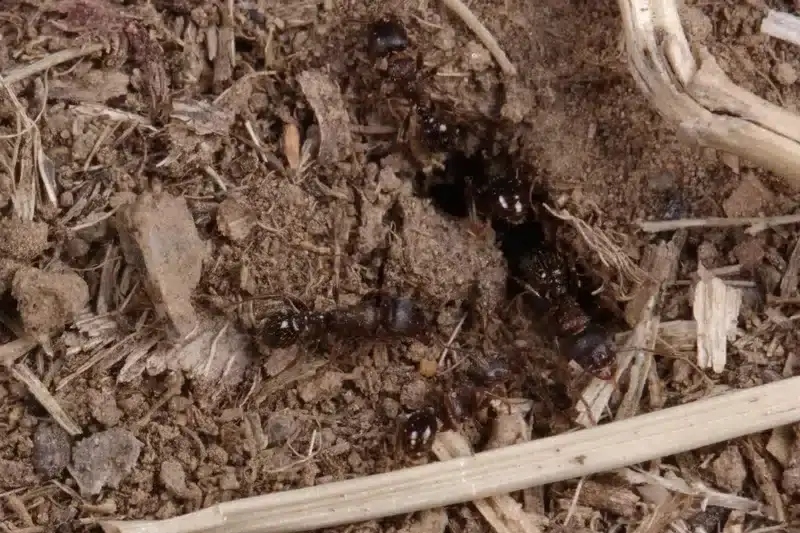
Ant colony around entrance in soil showing natural nesting behavior
Ant colonies create deep soil nests that provide protection from freezing temperatures during winter

Ants build their winter nest with impressive engineering. They seal entrance holes with soil, debris, or even small stones. This insulation helps maintain a stable microclimate inside the nest where thousands of ants cluster together for warmth.

Some ant species get creative with their winter housing. Carpenter ants often overwinter in damp wood, including tree bark or even wall cavities in heated buildings. Pavement ants take advantage of concrete’s thermal mass, which absorbs heat during sunny winter days.

How Different Species Choose Winter Locations

The specific location where ants go during winter depends largely on the species. Odorous house ants practice something called seasonal polydomy - they split into multiple nests during warm months but consolidate into a single deep nest before winter arrives.

Carpenter ants prefer to nest in wood structures where they can benefit from some insulation. This is why you might notice ants in the house during winter - they could be overwintering inside your walls where temperatures are more moderate.

Why You Might Still See Ants During Winter

If ants hibernate in winter, why do some homeowners still find ants in their home during the coldest months? There are several reasons this happens, and it’s actually an important clue about where the colony is located.

When you see ants in the winter inside your house, it usually means their primary nest is somewhere within your heated structure. The warm indoor environment disrupts their natural diapause cycle, keeping them active when they should be dormant.

Close-up of black ant on gravel in natural environment
During winter, finding ants active indoors often indicates their nest is located within the heated structure

Sometimes you might notice ants on unusually warm winter days. A mild winter day that reaches 60°F can trigger temporary activity as ants respond to the temperature change. They may venture out briefly in search of food before returning to their winter shelter.

Indoor ant activity during winter months is often more noticeable because there’s less outdoor competition for your attention. When you’re not dealing with garden pests or other seasonal issues, a few ants in the kitchen become much more obvious.

Important Warning

If you see ants active in your home during winter, their colony is likely nesting somewhere inside your heated structure. This makes winter the ideal time to locate and treat the source before spring population explosions occur.

Case Study: Arlington Winter Discovery

When a February Service Call Revealed Hidden Carpenter Ant Activity

Last February, I received an unusual call from a homeowner in Arlington who was seeing large, slow-moving ants near their kitchen window during a cold snap. Most pest control calls drop off dramatically in winter, so indoor ant activity in freezing weather always gets my attention.

  • Initial observation: 6-8 carpenter ants moving sluggishly near a south-facing kitchen window
  • Weather conditions: Outside temperature was 28°F, but the wall stayed warm from morning sun
  • Investigation findings: Moisture damage behind kitchen backsplash from a small plumbing leak
  • Colony location: Large carpenter ant nest established in the wall void behind the dishwasher

Key Takeaway: This experience reinforced why winter ant sightings are actually valuable diagnostic information - they point directly to indoor colonies that would be impossible to locate during peak activity seasons when outdoor foraging masks the source.

How Different Ant Species Hibernate During Winter

Different ant species have developed unique strategies for surviving winter in our region. Understanding these patterns helps explain why some ants come back stronger each spring while others seem to disappear entirely.

Winter Survival Strategies by Species

SpeciesPreferred LocationActivity LevelDuration
Carpenter AntsWood structures, wall voidsSemi-active indoors4-5 months
Odorous House AntsDeep soil, consolidated nestsFull dormancy5-6 months
Pavement AntsUrban infrastructure, heated areasReduced activity3-4 months
Winter AntsShallow nests, leaf litterMore active in cool weatherYear-round
What does the science say? 🔬

A recent study on pavement ant thermal tolerance found that these urban-adapted species can survive in environments where natural forest ants would perish. The research shows their success stems largely from their association with human infrastructure, which provides consistent thermal refugia during winter months. This adaptation allows them to maintain shorter dormancy periods compared to native species.

Carpenter Ants and Winter Activity

Carpenter ants are particularly interesting because they often choose to overwinter in wooden structures. During winter, you might find these larger ants moving slowly through wall voids or emerging near windows on warm days.

If you consistently see carpenter ants in your home during winter, it strongly suggests their primary nest is inside your house rather than in outdoor trees. This makes winter an excellent time for pest control professionals to pinpoint the exact location of the colony.

How Odorous House Ants Handle Cold

Odorous house ants demonstrate fascinating winter preparation behavior. These ants maintain multiple satellite nests during spring and summer, but they abandon these temporary locations when cold weather approaches.

The entire extended colony consolidates into a single, well-protected nest that can house thousands of ants through the winter. This cooperation helps them maintain body temperature and share food resources more efficiently.

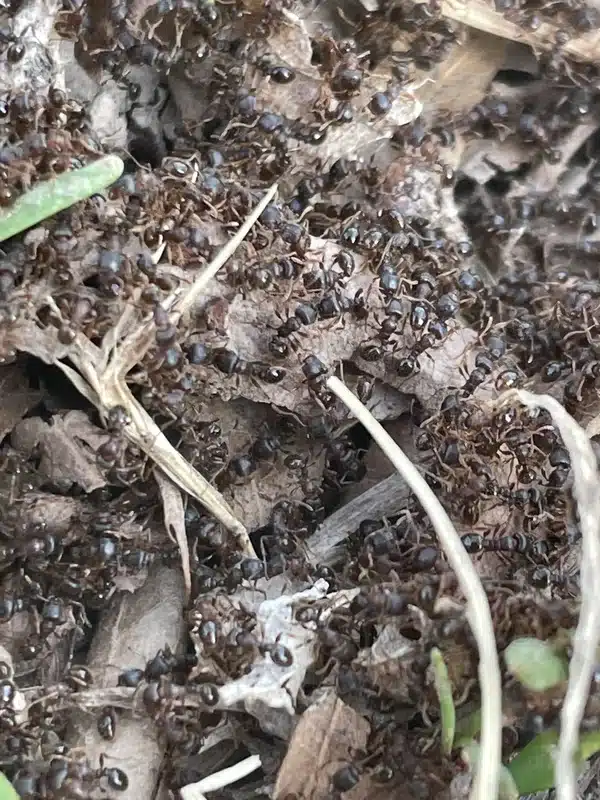
Group of ants showing social interaction and cooperation
Ants work together during winter preparation, sharing resources and clustering for warmth
Ant among decaying wood showing winter habitat selection
Decaying wood provides natural insulation that many ant species seek for winter protection

Pavement Ants and Urban Winter Survival

Pavement ants have adapted well to urban environments, especially during winter. These ants take advantage of heated sidewalks, building foundations, and other human-made structures that provide thermal advantages.

What does the science say? 🔬

A recent study on pavement ant thermal tolerance found that these urban-adapted species can survive in environments where natural forest ants would perish. The research shows their success stems largely from their association with human infrastructure, which provides consistent thermal refugia during winter months. This adaptation allows them to maintain shorter dormancy periods compared to native species.

What Happens to Ant Colonies When Spring Returns

The transition from winter dormancy back to active foraging doesn’t happen overnight. As soil temperatures begin rising in late February and March, ant colonies gradually wake up from their winter sleep.

Worker ants slowly become more active as their metabolism increases with warmer temperatures. The first sign of spring activity often happens on warm days when temperatures reach the mid-60s, even if nighttime temperatures still drop near freezing.

Ants don’t immediately resume full activity when spring rolls around. Instead, they carefully test conditions with scout ants while most of the colony remains protected in the winter nest. Only when conditions prove consistently favorable does the full colony begin expanding back into summer territories.

Small orange ants walking in formation showing seasonal activity patterns
As spring approaches, scout ants begin foraging activities while the main colony remains protected

When Do Ants Come Out After Winter?

This gradual emergence explains why ant problems often seem to appear suddenly in spring. The timing of when ants come out depends on both temperature and food availability, which is why they often first appear in kitchens and bathrooms where moisture and food sources are most reliable.

Implications for Year-Round Ant Control

Understanding ant hibernation patterns completely changes how effective pest control should be approached. Rather than just treating active infestations, successful ant pest control requires thinking about the entire seasonal cycle.

Winter provides unique opportunities for pest management professionals. Since foraging trails disappear when ants enter diapause, any indoor ant activity during cold months points directly to interior nesting sites that might be impossible to locate during active seasons.

Late fall treatments, applied before ants fully enter their winter state, ensure that pest control materials reach the entire colony before they become inaccessible. This timing maximizes the chance of affecting the queen and core colony members.

Professional technician working with bait stations for ant control
Professional ant control considers seasonal patterns to provide more effective year-round protection

Prevention Strategies Based on Winter Behavior

Knowing that ants seek warm, protected spaces for overwintering helps homeowners focus prevention efforts more effectively. The goal is to eliminate attractive winter shelter options before ants begin their fall preparation.

Essential Winter Ant Prevention Steps

  • Seal Entry Points: Check where utility lines enter heated spaces - even small thermal leaks attract ants seeking winter shelter.
  • Eliminate Moisture Sources: Fix roof leaks, prevent soil contact with wood, and address damp conditions that carpenter ants prefer.
  • Maintain Vegetation Clearance: Keep branches from touching your home to prevent pathways between outdoor and indoor nesting sites.
  • Fall Inspection Timing: Schedule professional inspections in September-October before ants establish winter colonies.
  • Monitor Warm Areas: Pay special attention to areas around heating systems, water heaters, and south-facing walls during winter.

Professional ant control strategies work best when they account for these seasonal movement patterns rather than just addressing active infestations after they’re already established.

Why Winter Inspections Matter

Winter months offer the best opportunity for thorough home inspections to identify potential ant problems before they become serious pest issues. Without active foraging trails to distract attention, trained technicians can focus on structural conditions that make homes vulnerable.

Areas around bathrooms and kitchens receive special attention during winter inspections, since these moisture-rich environments often serve as indoor overwintering sites for various ant species.

Early spring perimeter treatments take advantage of ants’ nutrient deficit when they first emerge. Hungry ants aggressively recruit to carbohydrate sources, making properly placed baits much more effective than during peak summer when natural food sources are abundant.

Climate Change and Ant Winter Patterns

Warming winter temperatures are already affecting ant behavior in our region. Climate research is documenting significant changes to insect hibernation patterns as temperatures continue to rise.

What does the science say? 🔬

Research published in PLOS ONE on climate warming effects demonstrates that even small temperature increases (1-2°C) can significantly shorten diapause periods and extend active foraging seasons. The study found that warming winters disrupt synchronized colony emergence, leading to more overlapping generations and potentially larger pest populations during traditionally quiet periods.

Milder winters mean ants may remain active longer in the fall and emerge earlier in spring. For homeowners, this translates to longer periods when ant infestations are possible and pest problems may become more persistent.

These changes also affect pest management timing. Successful ant control programs may need to start treatments earlier in fall and extend protection later into winter as temperature patterns continue shifting.

Understanding these evolving patterns helps explain why some homeowners report seeing more ants during traditionally quiet winter periods. What seemed like unusual ant activity may actually represent the new normal as insects adapt to changing conditions.

Conclusion

While ants don’t truly hibernate in winter like mammals, they do enter a fascinating state of dormancy called diapause that allows entire colonies to survive months without food or activity. These remarkable social insects prepare extensively for winter by building fat reserves, producing natural antifreeze, and creating insulated nests deep underground.

Understanding what happens to ants in winter helps explain both why they seem to disappear during cold months and why effective pest control requires year-round thinking. Whether you’re dealing with carpenter ants in wall voids or preventing spring invasions, the key lies in recognizing how seasonal patterns affect ant behavior.

If you’re experiencing ant problems during winter months or want to prevent spring infestations before they start, our experienced team can help develop a comprehensive approach that works with natural ant cycles rather than against them. Call us at 703-683-2000 to discuss your specific situation, or email us at info@bettertermite.com for more information about our year-round ant control programs.

Frequently Asked Questions

What month do ants go away?

+

Ants typically enter dormancy in October when soil temperatures consistently drop below 50 degrees Fahrenheit. However, the exact timing varies by species and local weather conditions. Most ant activity stops by November in our region and doesn't resume until temperatures warm up in March or April.

Do ants hibernate in houses?

+

Ants don't hibernate in the true sense, but they can overwinter in houses if they've established nests in wall voids, basements, or other protected areas. Indoor temperatures often prevent normal diapause, keeping ants somewhat active throughout winter. This is actually a sign that the primary colony is located inside your home rather than outdoors.

Will ants in the house eventually go away?

+

Ants in your house during winter rarely go away on their own because the warm indoor environment disrupts their natural seasonal cycle. Without proper treatment, indoor colonies often grow larger over time since they avoid the natural population controls that occur during outdoor winter dormancy. Professional pest control is usually needed to address indoor ant problems effectively.

Why should you not squish ants in your house?

+

Squishing ants can actually make problems worse because many species release alarm pheromones when crushed, alerting other colony members to potential danger. This can trigger defensive behaviors and cause ants to avoid the area temporarily while seeking alternative routes. Additionally, killing individual worker ants doesn't address the underlying colony, so more ants will simply replace the ones you eliminate.

How long do ants stay dormant in winter?

+

Ants typically remain in diapause from October through March in our region, approximately 5-6 months depending on weather conditions. The dormancy period ends gradually as soil temperatures consistently rise above 50 degrees Fahrenheit and daylight hours increase. Mild winter weather can briefly interrupt dormancy, but ants return to their protected state until spring is truly established.

Do all ant species survive winter the same way?

+

Different ant species use varying strategies to survive winter. Carpenter ants often overwinter in wood structures, odorous house ants consolidate multiple nests into single winter colonies, and pavement ants take advantage of heated urban infrastructure. Some species like winter ants actually increase activity during cool weather when competition is reduced. The specific survival strategy depends on the species and available shelter options.

When is the best time to treat for ants to prevent winter problems?

+

Late fall treatment, typically in September or early October before ants fully enter dormancy, is most effective for preventing winter ant problems. This timing ensures treatment materials reach the colony while ants are still active enough to carry treatments back to their overwintering sites. Winter inspections are also valuable for identifying indoor nesting locations that aren't obvious during active seasons.

George Schulz
About the Author
George Schulz

With five years of hands-on experience in the pest control industry, George Schulz is a registered technician with the Virginia Pest Management Association and a proud third-generation professional in a family business that’s been protecting homes for over 57 years. He manages and trains a team of service pros while also leading internal research efforts—recently spearheading a deep-dive review of thousands of documents on pest control materials to hand-pick the most kid and pet friendly, most effective solutions tailored specifically for homes in the DC metro area.