Longhorn Beetles Identification Guide
Cerambycidae
Longhorn beetles are wood-boring insects recognized by their extremely long antennae. Their larvae tunnel through wood, and some species can cause significant damage to trees and structural lumber.
Taxonomy
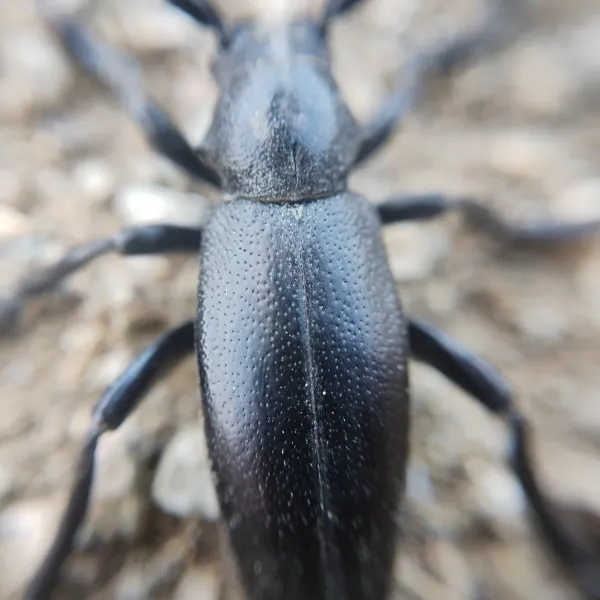
Longhorn Beetles Coloration
Common color patterns to help identify longhorn beetles
Longhorn Beetles
Seasonal Activity
When longhorn beetles are most active throughout the year

Where Longhorn Beetles Are Found
Hover over states to see their names. Green regions indicate where longhorn beetles have been reported.
Longhorn Beetle Identification Guide
Longhorn beetles belong to one of the largest beetle families in the world and are an important group of wood-boring beetles. Scientists have named over 35,000 species, and more than 900 live in North America. These beetles get their name from their most obvious feature: antennae that can be as long as their entire body, or even longer.
Physical Characteristics
Adult longhorn beetles come in many sizes. Most North American species measure 6mm to 50mm long. Some tropical species grow to 150mm or more. Their bodies are long and round, a shape that helps them move through tunnels in wood.
Key identification features include:
- Very long antennae with many segments (often as long as the body or longer)
- Antennae that grow from raised bumps on the face (only this beetle family has this)
- Long, round body shape
- Hard wing covers that meet in a straight line down the back
- Eyes with a notch that wraps around the antenna base
- Six legs
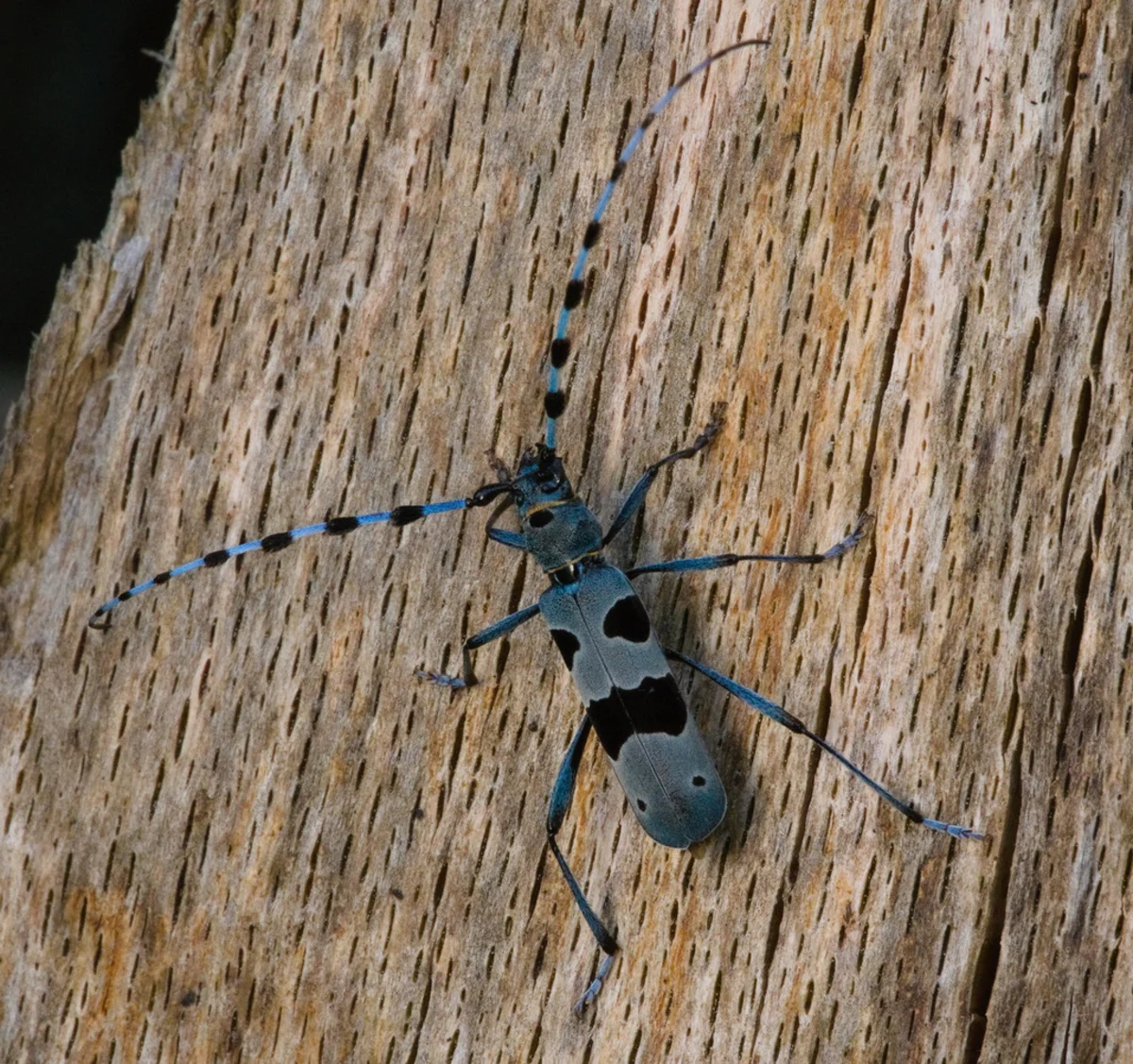
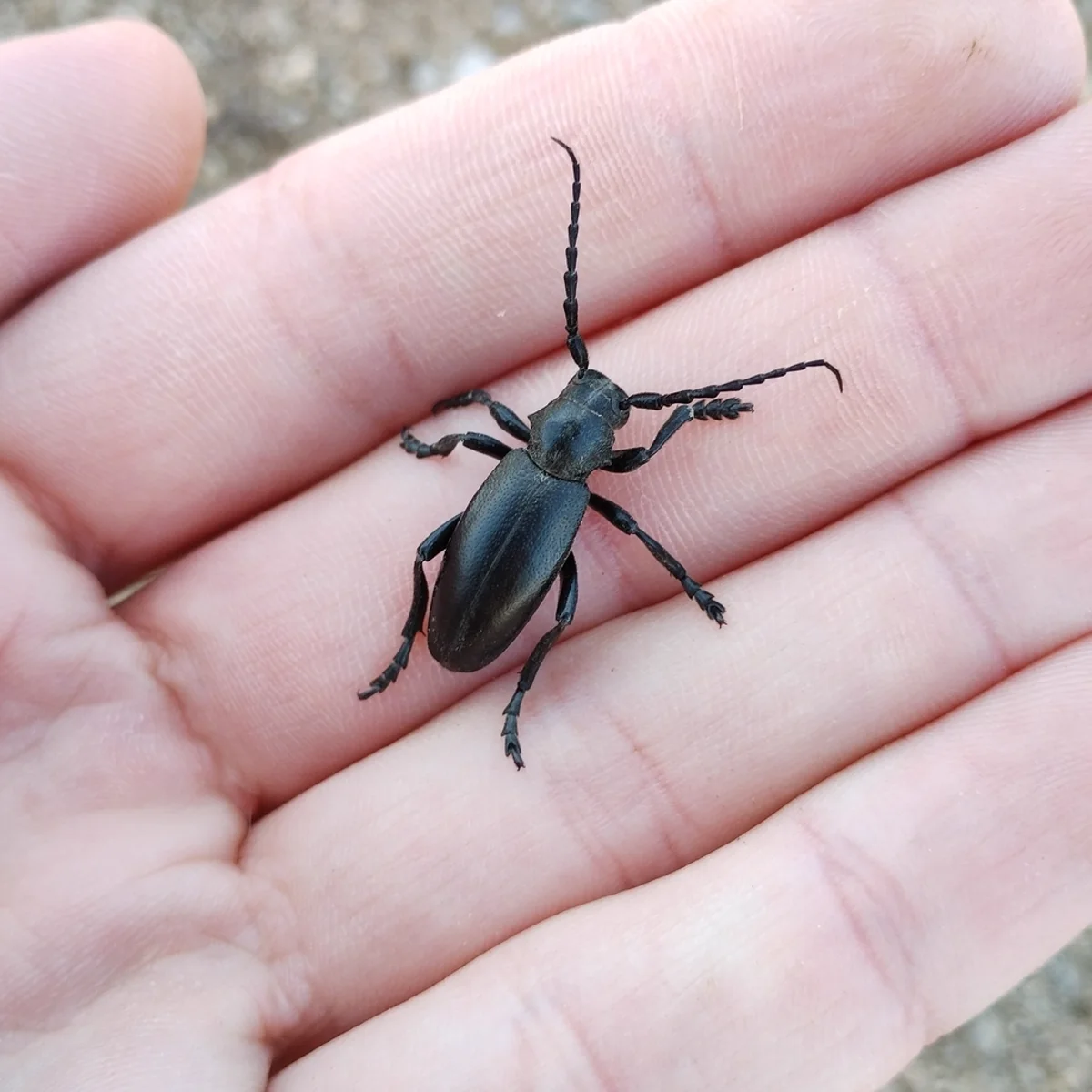
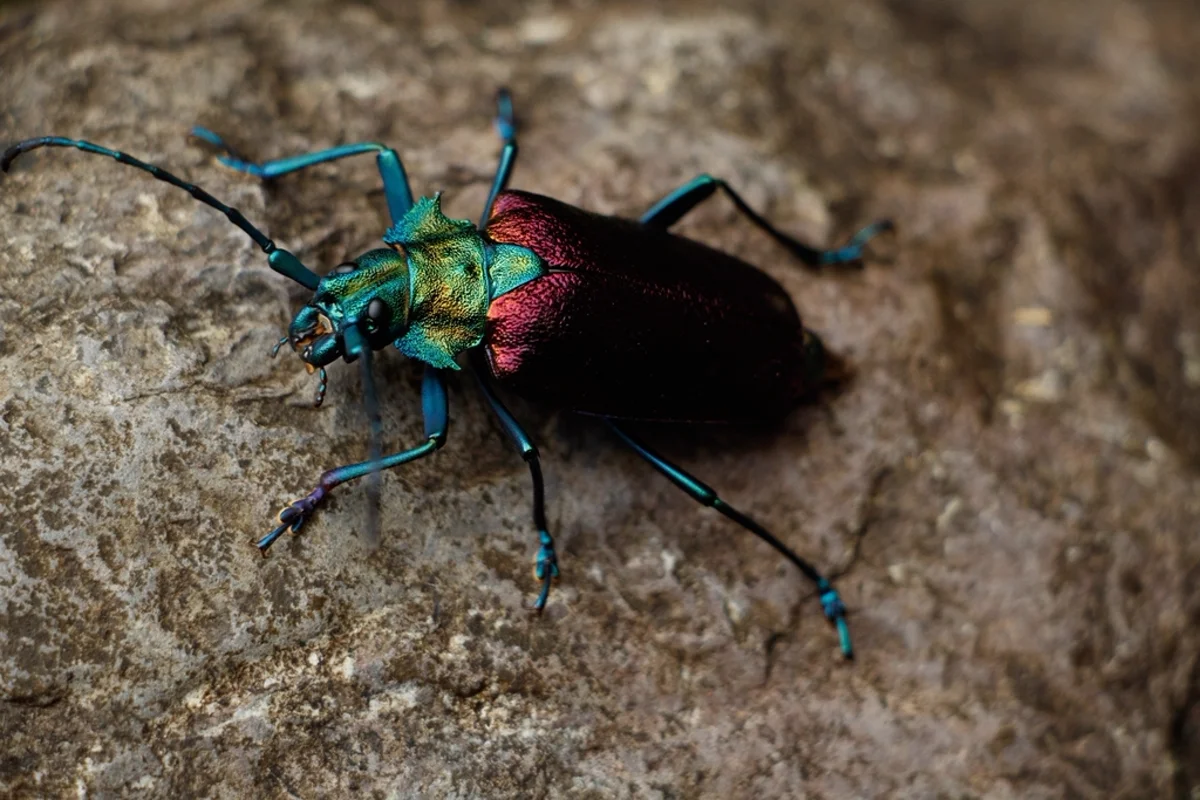
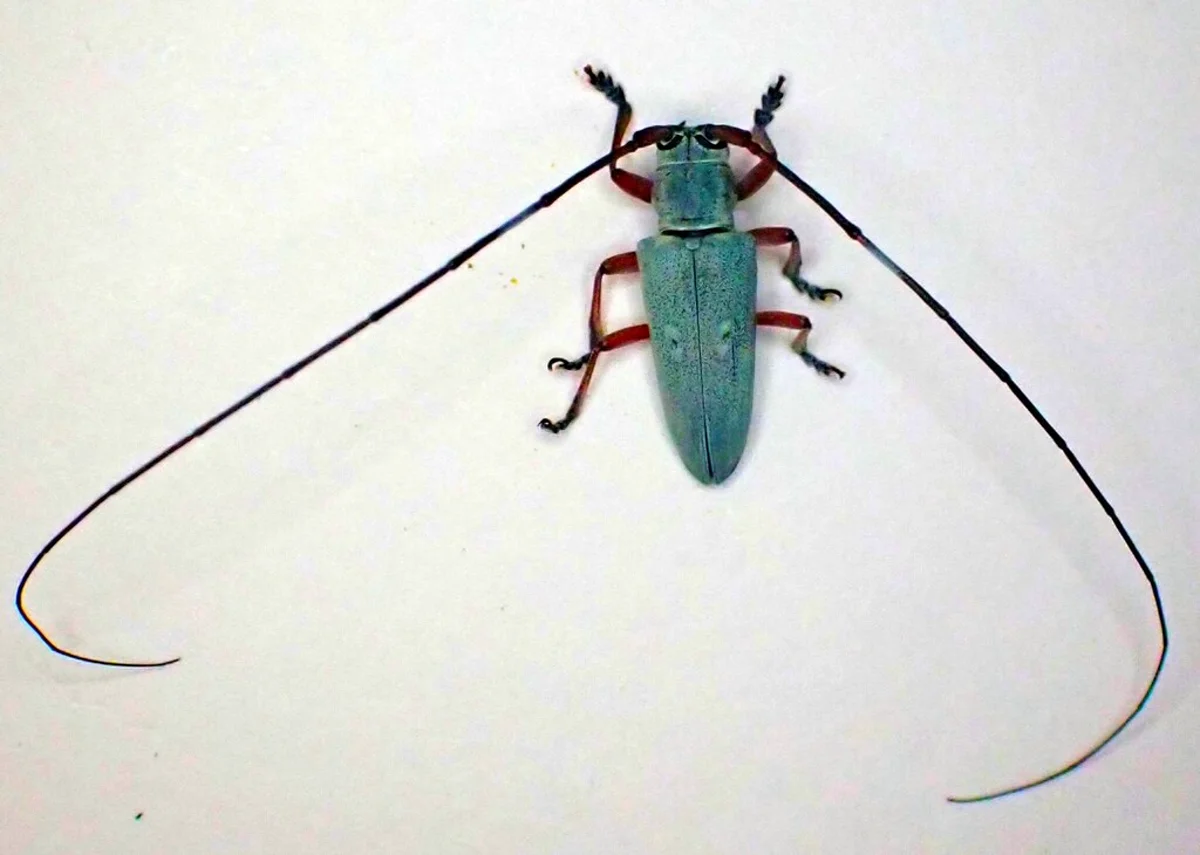
Colors vary a lot between species. Many longhorn beetles are brown, black, or gray. These dull colors help them hide on bark and wood. Some species have bold patterns of yellow, orange, or red bands. Others show bright metallic greens, blues, or coppers. The colorful species often fly during the day and visit flowers.
Common Species in North America
Old House Borer (Hylotrupes bajulus) causes major damage to homes in North America. Adults are 15-25mm long with a flat grayish-black body and white patches on the wing covers. Their antennae are shorter than most longhorns, only about half the body length. These beetles attack softwood lumber used to build homes, especially pine, spruce, and fir. Larvae can live inside framing wood for 3-15 years.
Sawyer Beetles (Monochamus species) are large beetles that reach 20-35mm long. They are gray-brown to black with mottled patterns and very long antennae, especially the males. Sawyers attack pine and other cone-bearing trees. You often see them on fresh-cut logs or dying pines. They mostly infest forest trees, but can emerge from firewood or lumber brought into homes.
Round-headed Apple Tree Borer (Saperda candida) is a cream and brown-striped beetle about 20mm long. It attacks apple, pear, and other fruit trees. The stripes running down its body make it easy to spot. This species causes serious damage in orchards across eastern North America.
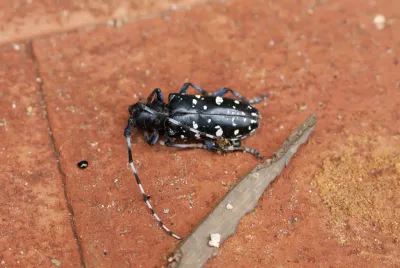
Asian Longhorned Beetle (Anoplophora glabripennis) came from China and threatens North American hardwood trees. Adults are 25-40mm long, shiny black with white spots on the wing covers. They have black and white banded antennae. Unlike most longhorns, they attack healthy trees like maple, elm, willow, and birch. Officials have found them in New York, Massachusetts, Ohio, and South Carolina. Eradication efforts continue in these areas.
Locust Borer (Megacyllene robiniae) stands out with its bright yellow and black bands that look like wasp markings. Adults are 15-20mm long and often visit goldenrod flowers in fall. Their larvae only feed on black locust trees.
Longhorn Beetle Behavior and Biology
Lifecycle and Development
Longhorn beetles go through four life stages: egg, larva, pupa, and adult. The larval stage lasts the longest. This is when all the wood damage happens.
Eggs are laid in bark cracks, under loose bark, or in notches chewed into wood. Female beetles use their strong jaws to make these spots. They may lay eggs one at a time or in small groups. Most females lay 100-200 eggs during their lives.
Larvae hatch and start boring into the wood right away. They are cream-colored, legless grubs with a dark head and strong jaws. For more on identifying these grubs, see our beetle larva guide. As larvae feed on wood, they create tunnels called galleries. The tunnel patterns differ by species and can help identify what type of beetle caused the damage. Larvae take anywhere from one year to over ten years to fully develop. This depends on the species, wood moisture, and temperature. A related species, Dermestid Beetles, shares similar characteristics.
Pupae form in chambers near the wood surface. During this stage, the larva changes into an adult. Pupae do not eat. This stage usually lasts 2-4 weeks. A related species, June Bugs, shares similar characteristics.
Adults chew their way out of the wood. They leave behind oval exit holes. Adult beetles do not damage wood. Their only job is to reproduce. Most adults live 2-6 weeks. During this time they mate, and females look for good spots to lay eggs. Some species fly at night. Others are active during the day and visit flowers for nectar and pollen.
Habitat and Host Preferences
Longhorn beetles live in many habitats across North America. You can find them in forests and in cities with trees. Different species prefer different types of wood:
Softwood specialists like the old house borer and sawyer beetles attack pine, spruce, fir, and hemlock. They usually target dead or dying trees, logs, and lumber.
Hardwood specialists include species that attack trees like oak, maple, ash, hickory, and willow. The Asian longhorned beetle stands out because it attacks healthy, living trees.
Plant stem feeders are smaller longhorn species. Their larvae grow inside the stems of wildflowers, shrubs, or vines instead of trees.
Most native longhorn beetles help break down dead wood in forests. They play a useful role by recycling fallen trees. Problems start when beetles infest lumber, firewood brought into homes, or attack valuable trees.
Signs of Infestation
Exit holes are the clearest sign of longhorn beetle activity. These holes are oval to round and usually 6-12mm wide. Fresh exit holes have clean, light-colored edges. Old house borer exit holes are oval-shaped. You often find them in softwood framing in crawlspaces and near roof lines.
Frass and sawdust piles up below exit holes and around infested wood. Longhorn beetle frass is coarse and stringy. It sometimes packs tightly in tunnels. This differs from the fine, powder-like frass of powderpost beetles or the meal-like frass of false powderpost beetles.
Sounds can sometimes come from heavily infested wood. Old house borer larvae make clicking or rasping sounds as they chew. You hear these sounds more often in warm weather. The sounds may travel through walls. Inspectors sometimes use a stethoscope to detect them.
Gallery patterns show up when you cut infested wood open. Longhorn beetle tunnels are usually wider than those of other wood borers. They contain coarse frass packed inside.
Adult beetles may show up on windowsills, especially in summer. They fly toward light when they emerge indoors. You may see them trying to escape through windows.
Treatment Methods for Longhorn Beetles
Assessment and Identification
Good beetle control starts with knowing which species you have. Different beetles need different treatment approaches based on their habits and the wood they prefer. A professional assessment should find out:
- Which species is present based on beetles, exit holes, or frass type
- Whether the infestation is active or old
- How much structural damage exists
- Whether affected wood needs treatment or replacement
Chemical Treatments
For infestations you can reach in structural wood, several chemical options may work:
Borate treatments soak into untreated wood and kill feeding larvae over time. These solutions go on unfinished wood surfaces. They soak in and provide lasting protection. Borate-treated wood resists future infestations.
Residual insecticides applied to wood surfaces kill adult beetles when they emerge. This does not kill larvae already inside wood, but it can break the breeding cycle over several seasons.
Injection treatments put insecticide directly into beetle tunnels. This can speed up elimination of active larvae.
Heat Treatment
Heating infested wood to 130-140 degrees Fahrenheit kills all life stages. Heat treatment works well for:
- Furniture and wooden items
- Small sections of flooring or structural wood
- Items that cannot be chemically treated
Special equipment makes sure wood reaches the right temperature throughout.
Fumigation
For severe infestations where beetles are in hard-to-reach spots, fumigation of the whole structure may be needed. The gas penetrates all wood to kill all life stages. This costs more and requires leaving the home. But it may be the only option for extensive old house borer infestations in structural timber.
Prevention Strategies
Stopping longhorn beetle problems is easier than treating them:
- Use properly dried lumber for building and repairs. Kiln-dried wood with moisture below 12 percent does not attract most species.
- Inspect firewood before you buy it. Store it well away from your home. Bring only small amounts inside and burn it right away.
- Remove dead trees and stumps from your property. These attract female beetles looking to lay eggs.
- Seal and finish wood with paint, stain, or varnish. This stops beetles from laying eggs on exposed surfaces.
- Inspect antique furniture and salvaged wood before bringing it inside.
If you are seeing small beetles in your home, our guide on little black beetles in your house can help you identify them.
- Report suspected Asian longhorned beetles to your state agriculture department or USDA APHIS. This invasive species is under eradication programs.
References and Further Reading
Other Wood Boring Beetles
Explore other species in the wood boring beetles family
Commonly Confused With
Longhorn Beetles are often mistaken for these similar pests
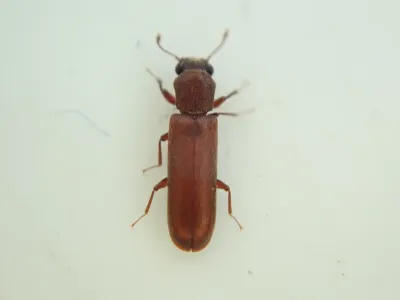
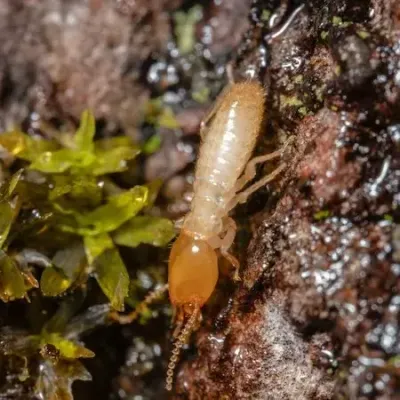
Where Longhorn Beetles Are Found
Hover over states to see their names. Green regions indicate where longhorn beetles have been reported.
Common Questions about Longhorn Beetles
What are longhorn beetles?
+
Longhorn beetles belong to the family Cerambycidae, one of the largest beetle families with over 35,000 species worldwide and more than 900 in North America. They are named for their extremely long antennae, which can be as long as or longer than their entire body. The larvae of most species bore into wood, where they feed for months or years before emerging as adults.
How do I identify longhorn beetles?
+
Longhorn beetles are most easily recognized by their long, segmented antennae that often curve backward over their body. They have elongated, cylindrical bodies ranging from 6mm to 75mm depending on species. Many are brown, black, or gray, though some species display striking metallic colors. Their antennae arise from distinctive raised sockets on the face.
Do longhorn beetles damage homes?
+
Some longhorn beetle species can cause structural damage to homes. The old house borer targets softwood lumber like pine used in framing. Other species may infest firewood, furniture, or trees on your property. Damage comes from larvae tunneling through wood over several years before emerging as adults through oval exit holes.
What do longhorn beetle larvae look like?
+
Longhorn beetle larvae are cream-colored, legless grubs with a dark head capsule. They have an elongated, somewhat flattened body that can grow quite large in some species. The larvae spend most of their lives hidden inside wood, making them difficult to detect until damage becomes apparent or adults emerge.
How long do longhorn beetles live?
+
The complete lifecycle of longhorn beetles varies greatly by species and conditions. Larvae can feed inside wood for 1 to 15 years depending on the species and wood conditions. Old house borers are known for particularly long larval development periods. Adult beetles typically live only a few weeks, during which they mate and lay eggs.
Are longhorn beetles harmful to humans?
+
Longhorn beetles are not harmful to humans directly. They do not bite, sting, or transmit diseases. However, their wood-boring larvae can cause significant damage to trees, lumber, and wooden structures. Some invasive species like the Asian longhorned beetle are serious threats to North American forests and urban trees.
What attracts longhorn beetles to my property?
+
Longhorn beetles are attracted to wood, particularly trees that are stressed, dying, or recently dead. Firewood stored near your home, lumber, and wooden structures can attract them. Some species are drawn to lights at night. Female beetles seek out suitable wood for egg-laying, and many species have specific host tree preferences.
How do I prevent longhorn beetle infestations?
+
Prevent infestations by using kiln-dried lumber for construction, keeping firewood stored away from your home and bringing only small amounts inside at a time, removing dead trees and stumps from your property, and inspecting secondhand wooden furniture before purchase. Painting or sealing exposed wood can also deter egg-laying.

With five years of hands-on experience in the pest control industry, George Schulz is a registered technician with the Virginia Pest Management Association and a proud third-generation professional in a family business that's been protecting homes for over 57 years. He manages and trains a team of service pros while also leading internal research efforts—recently spearheading a deep-dive review of thousands of documents on pest control materials to hand-pick the most kid and pet friendly, most effective solutions tailored specifically for homes in the DC metro area.