Bark Beetles Identification Guide
Scolytinae subfamily
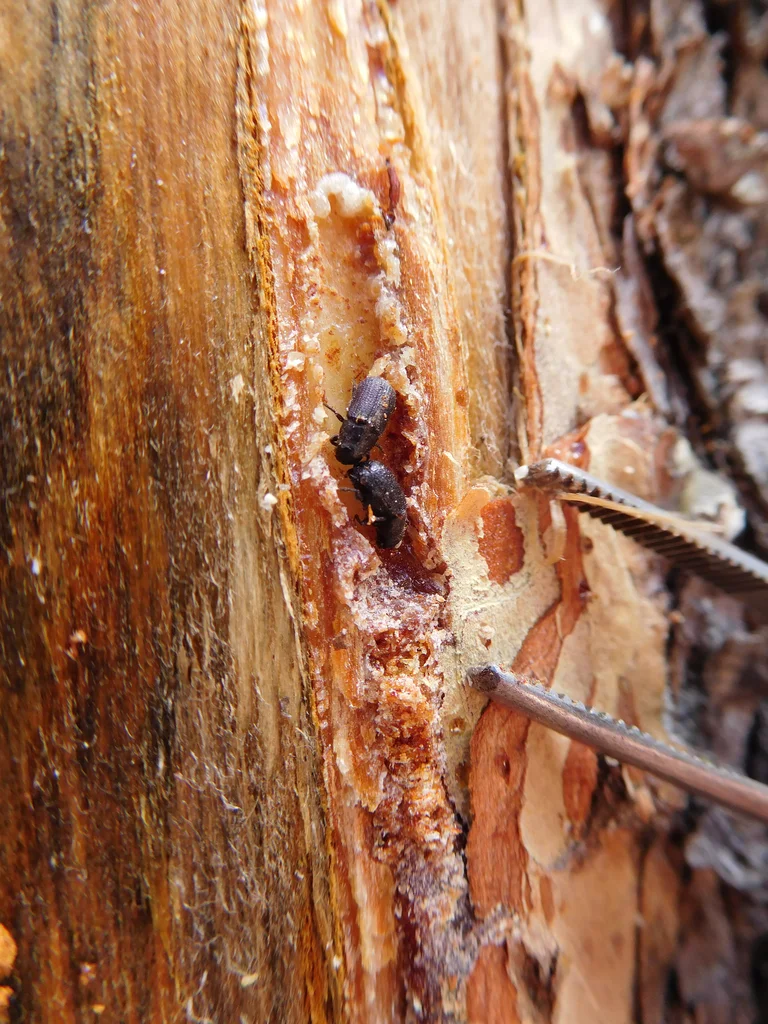
Bark beetles are small, cylindrical beetles that bore into the bark of trees to lay eggs. While they primarily attack trees rather than structures, they can emerge from firewood or infested lumber brought indoors.
Taxonomy
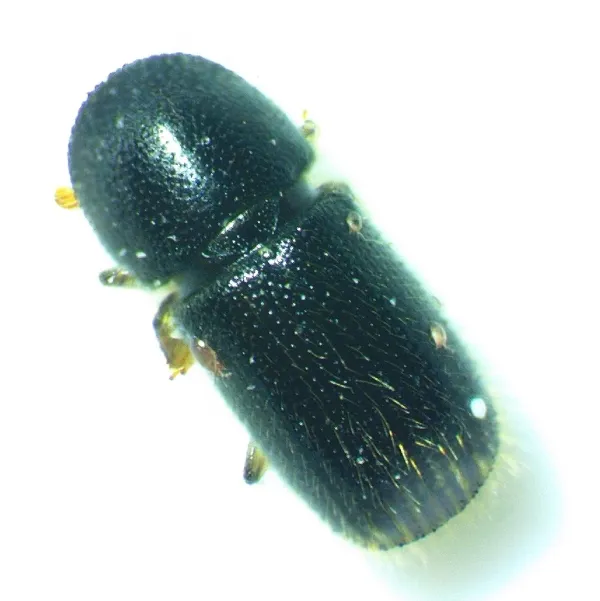
Bark Beetles Coloration
Common color patterns to help identify bark beetles
Bark Beetles
Seasonal Activity
When bark beetles are most active throughout the year

Where Bark Beetles Are Found
Hover over states to see their names. Green regions indicate where bark beetles have been reported.
Bark Beetle Identification Guide
Bark beetles play a key role in North American forests. They help break down dead and dying trees. But when their numbers grow too large, they can kill millions of acres of timber. Homeowners usually find bark beetles when they come out of firewood or wood products brought inside. They belong to the broader group of wood-boring beetles that can affect properties.
Physical Characteristics
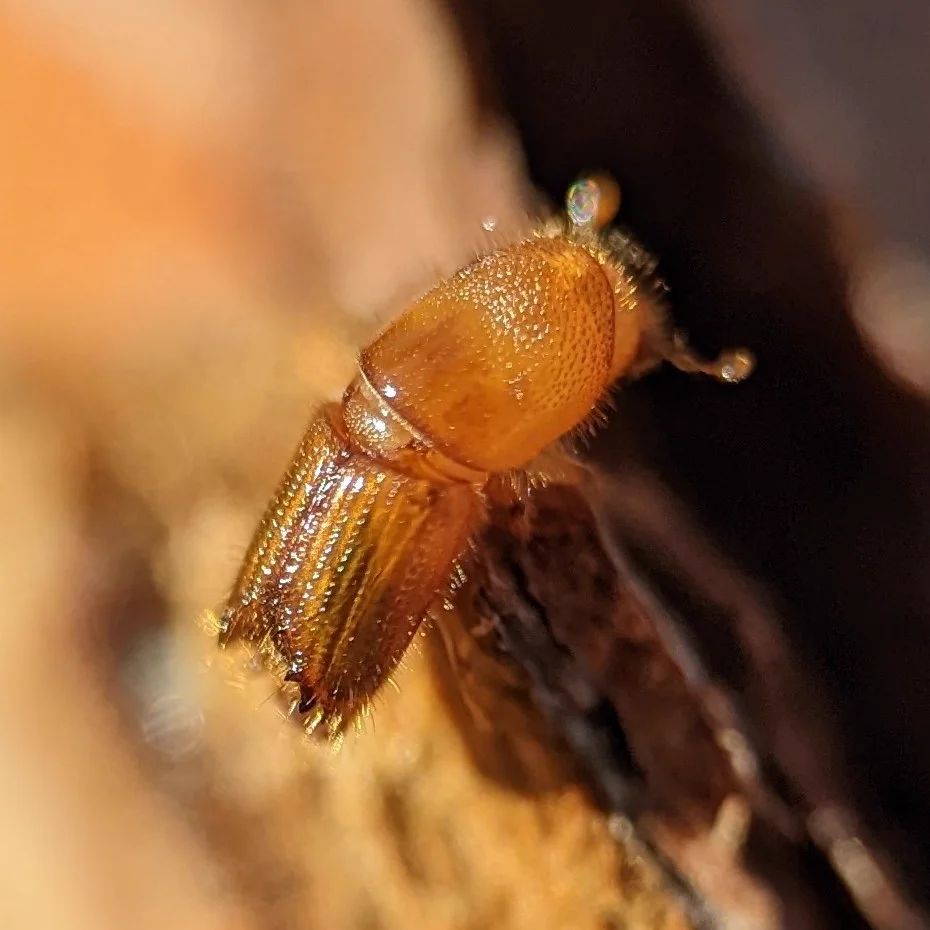
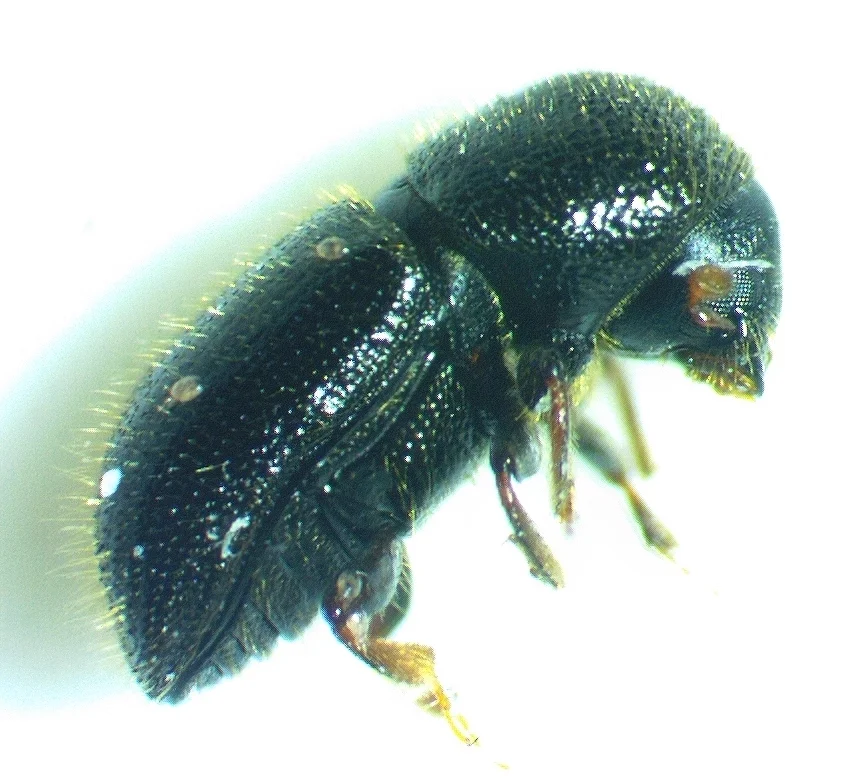
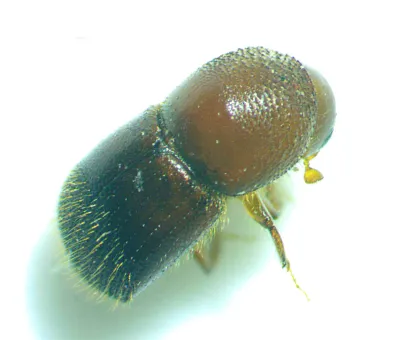
Bark beetles are small insects that measure 2-8mm long. Their tube-shaped bodies let them bore through bark with ease. They feed and breed in the layer just under the bark. Most are dark brown to black. Some are reddish-brown.
Key features to look for:
- Tube-shaped body built for tunneling
- Hard wing covers that meet in a straight line down the back
- Short antennae with a club-shaped tip
- Strong jaws made for chewing through bark
- Six short legs held close to the body
The head often hides under a hood-like shield when seen from above. This helps tell them apart from other small beetles.
Common Species in North America
Mountain Pine Beetle (Dendroctonus ponderosae) is the most harmful bark beetle in western North America. Adults are black and about 5mm long. They attack lodgepole, ponderosa, and other pines. Major outbreaks have killed billions of trees from British Columbia to Mexico.
Southern Pine Beetle (Dendroctonus frontalis) causes the most damage in southern pine forests. Adults are small (2-4mm) and range from reddish-brown to black. They attack all southern yellow pines. During outbreaks, they can kill trees in just a few weeks.
Ips Engraver Beetles (Ips species) are found across North America. They measure 3-6mm and are brown to black. The back end of their wing covers has teeth or spines. Each species prefers certain pine or spruce trees.
Elm Bark Beetle (Scolytus multistriatus) spreads Dutch elm disease fungus. Related species like ambrosia beetles also carry fungi that damage trees. Adults are about 3mm long and shiny brown. The beetles cause little direct harm. But the fungal spores they carry have wiped out many American elms.
Spruce Beetle (Dendroctonus rufipennis) attacks spruce trees across North America. Adults are dark brown and 5-7mm long. Outbreaks often start after storms knock down trees, which provide breeding sites.
Bark Beetle Behavior and Biology
Lifecycle and Development
Bark beetles go through four life stages: egg, larva, pupa, and adult. The full cycle takes one to two years, depending on the species and weather.
Eggs are laid in tunnels beneath the bark. Female beetles bore through the bark and dig breeding tunnels. They lay 30-300 eggs along the tunnel walls. Eggs hatch in 1-3 weeks.
Larvae are white, legless grubs with brown heads. They feed on the inner bark layer. As they eat, they dig tunnels that spread out from the main tunnel. This feeding stops the tree from moving water and nutrients. Larvae take several months to over a year to grow.
Pupae form in small chambers at the end of larval tunnels. This resting stage lasts 1-3 weeks. The pupae then change into adults.
Adults chew exit holes through the bark and fly to new trees. Many species spend winter as adults under bark. In warm areas, some species produce more than one generation per year. This speeds up population growth.
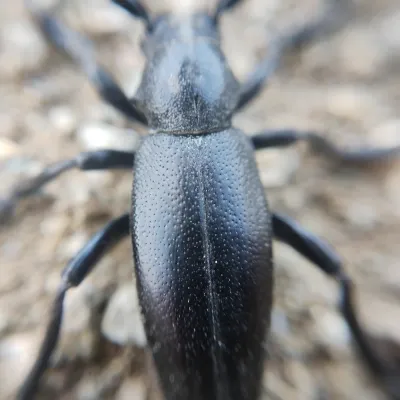
Gallery Patterns A related species, Dermestid Beetles, shares similar characteristics.
The tunnel patterns under bark can help identify the beetle species: A related species, June Bugs, shares similar characteristics.
- Dendroctonus species make winding tunnels that may cross each other
- Ips species make Y-shaped or H-shaped tunnels with branches spreading out
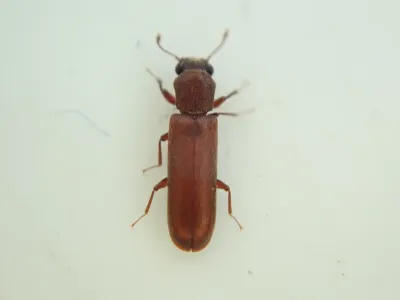
- Scolytus species make parallel grooves that look like carving A related species, False Powderpost Beetles, shares similar characteristics.
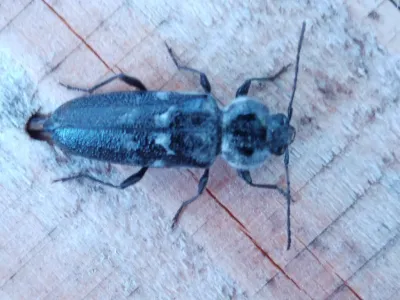
These tunnel patterns cut off the tree’s water and nutrient flow. This can kill the tree even if beetles do not destroy every cell. A related species, Old House Borers, shares similar characteristics.
What Attracts Bark Beetles?
Several things make trees open to bark beetle attack:
- Drought stress: Trees that cannot make enough resin are easy targets
- Crowded forests: Trees fighting for water and nutrients get weak
- Root damage: Building work, packed soil, or disease hurts tree health
- Storm damage: Broken branches and lightning strikes create entry points
- Tree age and type: Some species and older trees face higher risk
When the first beetles settle in a tree, they release scents that draw thousands more. This mass attack breaks through the tree’s defenses.
Blue Stain Fungi
Many bark beetles carry fungi that turn wood blue or gray. These fungi help the beetles in several ways:
- Give extra food to growing larvae
- Break down tree defenses
- Lower the moisture in wood
- May make scents that draw more beetles
For the tree, these fungi are often deadly. They block cells that carry water and speed up tree death even after beetles stop feeding.
Bark Beetles and Your Property
When Bark Beetles Enter Homes
Bark beetles usually get into homes through firewood or rustic wood items. When you bring stored firewood inside, the warmth makes adult beetles come out. They look for new trees to infest. Since they cannot infest finished wood, they just fly toward windows trying to escape.
Signs of bark beetles inside your home:
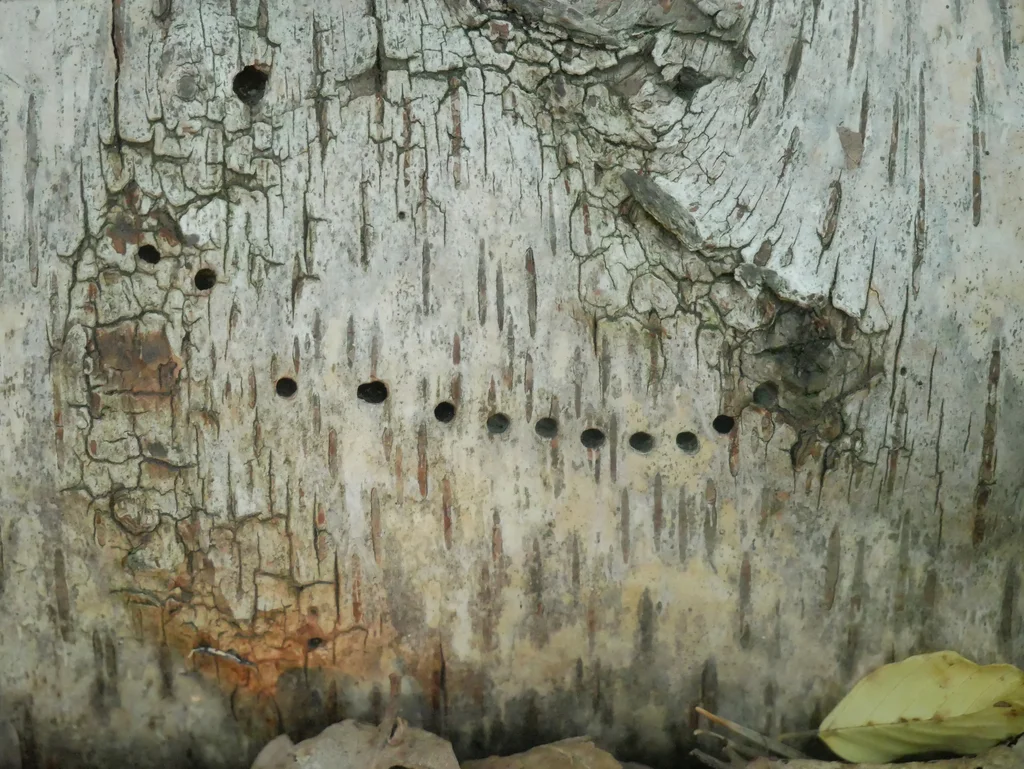
- Small round holes showing up in firewood
- Fine sawdust piling up under stored wood
- Small dark beetles on windowsills
- Beetles flying toward lights
These beetles inside are just a short-term problem. They cannot harm your home’s wood framing. Without live trees, they will die. If you are finding little black beetles in your house, they may be bark beetles that emerged from firewood.
Protecting Trees on Your Property
If you have pine, spruce, or other at-risk trees, these steps can help protect them:
Keep trees healthy by watering during dry spells. This is key for new trees or those near building sites. Healthy trees can fight off beetles by pushing resin into bore holes.
Do not wound trees with mowers, string trimmers, or equipment. Wounds give off smells that draw beetles and create entry points.
Remove infested trees quickly before beetles spread to nearby healthy trees. Chip, burn, or strip bark from infested wood to kill beetles inside.
Thin crowded tree stands to cut down on stress from fighting for resources.
Think about preventive treatments for high-value trees in outbreak areas. These must go on before beetles arrive. A tree care expert can help with this.
Firewood Best Practices
To avoid bringing bark beetles and other pests home:
- Buy firewood locally and burn it where you buy it
- Store firewood away from live trees and buildings
- Keep firewood off the ground on racks
- Cover the top but leave sides open for air flow
- Use oldest wood first to reduce beetle problems
- Never store large amounts indoors for long periods
Treatment Approaches for Bark Beetles
Bark beetle control focuses on living trees, not buildings. This makes it different from other wood-boring beetle problems that target structural lumber. For more on wood-destroying beetle species, see our blog post on wood-boring beetles.
Assessment and Monitoring
Finding beetles early gives trees the best chance. Check your trees often for:
- Resin tubes, sawdust, or exit holes on the trunk
- Brown or yellow needles in the crown
- Pheromone traps can detect beetles in the area
- Call an arborist if valuable trees show stress
Preventive Treatments for Trees
For trees you want to protect, preventive sprays can help:
Trunk sprays with carbaryl, permethrin, or bifenthrin go on bark before beetle flight season. You must coat the whole trunk and main branches. Protection lasts about one season.
Systemic treatments are injected into the trunk or put in the soil. The product moves through the tree’s system. This takes less work than trunk sprays. But it may take weeks to reach full effect.
Timing matters most because treatments must be in place before beetles attack. Once beetles get under the bark, no treatment can save a badly infested tree.
Managing Infested Trees
Trees with heavy bark beetle damage rarely live. The goal shifts to stopping the spread:
- Remove and process infested trees before beetles emerge (usually before spring)
- Strip bark from logs to expose and kill beetles inside
- Chip infested wood into small pieces that dry fast
- Burn infested wood in winter when fire risk is low
- Cover logs with clear plastic in sunny spots to heat-treat them
References and Further Reading
Other Wood Boring Beetles
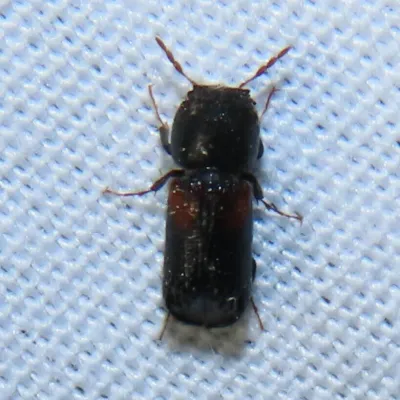
Explore other species in the wood boring beetles family
Commonly Confused With
Bark Beetles are often mistaken for these similar pests
Where Bark Beetles Are Found
Hover over states to see their names. Green regions indicate where bark beetles have been reported.
Common Questions about Bark Beetles
What are bark beetles?
+
Bark beetles are small beetles (2-8mm) that bore into the bark of trees to lay eggs and feed. They belong to the subfamily Scolytinae, which contains over 6,000 species worldwide. Unlike other wood-boring beetles that attack structural timber, bark beetles primarily target living or recently dead trees.
Do bark beetles damage homes?
+
Bark beetles rarely damage homes directly because they target living trees, not structural lumber. However, they can emerge indoors from firewood, rustic furniture, or log cabin walls made from infested wood. Once inside, they cannot reinfest kiln-dried lumber or finished wood products.
How can I tell if I have bark beetles?
+
Look for small round exit holes (1-3mm diameter) in tree bark, fine sawdust at the base of trees, or distinctive gallery patterns under the bark. On healthy trees, you may see pitch tubes where the tree tried to push out the beetles with resin. Yellowing or browning foliage often indicates a severe infestation.
Why are bark beetles such a problem for forests?
+
Bark beetles have killed millions of acres of trees across North America, particularly during drought years. Stressed trees cannot produce enough resin to repel beetles. When beetle populations explode, they can overwhelm even healthy trees through mass attacks. Climate change has extended their range and allowed more generations per year.
Can I save a tree infested with bark beetles?
+
Trees with bark beetles are very difficult to save once infested. The beetles introduce blue stain fungi that block water transport within the tree. Healthy, well-watered trees have the best chance of fighting off attacks. Preventive insecticide treatments can protect high-value trees but must be applied before beetles arrive.
Should I burn firewood with bark beetles?
+
You can burn beetle-infested firewood, but store it away from living trees and your home until ready to use. Do not transport firewood more than 10 miles to avoid spreading beetles to new areas. Many states restrict firewood movement to prevent the spread of invasive bark beetles and other wood pests.
What attracts bark beetles to certain trees?
+
Bark beetles target stressed, weakened, or dying trees. Drought stress, root damage, disease, and lightning strikes all make trees more vulnerable. Some species release pheromones that attract more beetles once they find a suitable host tree, leading to mass attacks.

With five years of hands-on experience in the pest control industry, George Schulz is a registered technician with the Virginia Pest Management Association and a proud third-generation professional in a family business that's been protecting homes for over 57 years. He manages and trains a team of service pros while also leading internal research efforts—recently spearheading a deep-dive review of thousands of documents on pest control materials to hand-pick the most kid and pet friendly, most effective solutions tailored specifically for homes in the DC metro area.