European Hornets Identification Guide
Vespa crabro
European hornets are large, social wasps that build paper nests in hollow trees, wall voids, and attics. As the only true hornet established in North America, they are notable for their nocturnal activity and can deliver painful stings when their nest is threatened.
Taxonomy
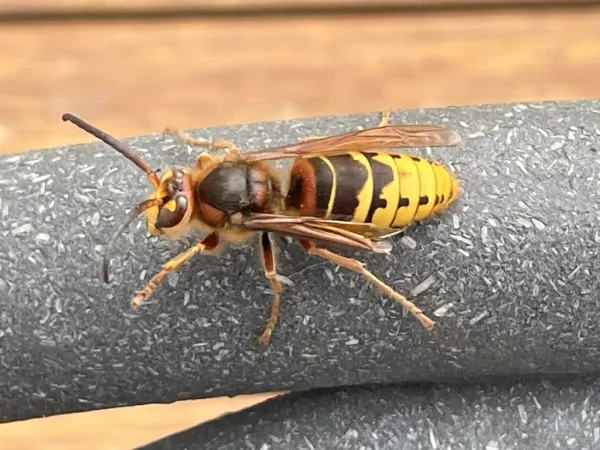
European Hornets Coloration
Common color patterns to help identify european hornets
European Hornets
Seasonal Activity
When european hornets are most active throughout the year

Where European Hornets Are Found
Hover over states to see their names. Green regions indicate where european hornets have been reported.
European Hornet Identification Guide
Physical Characteristics
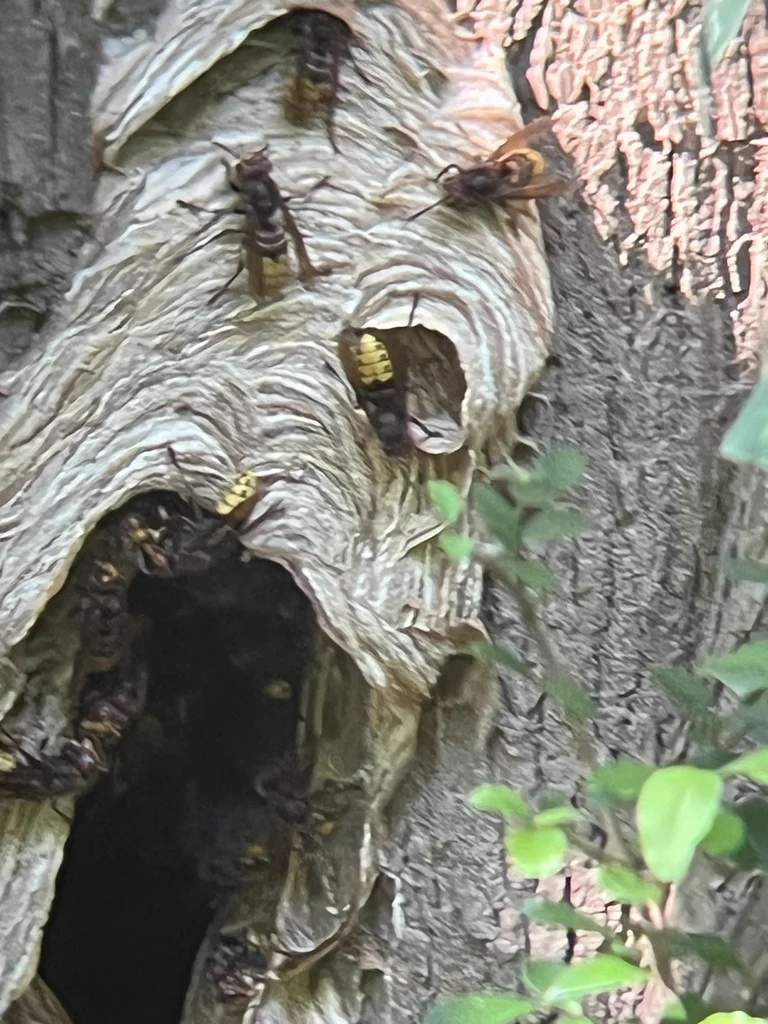
European hornets (Vespa crabro) are the largest wasps in North America. They are also the only true hornet on the continent. Workers are about 1 inch long, while queens can grow up to 1.3 inches. This makes them much larger than yellowjackets, which are only about half an inch.
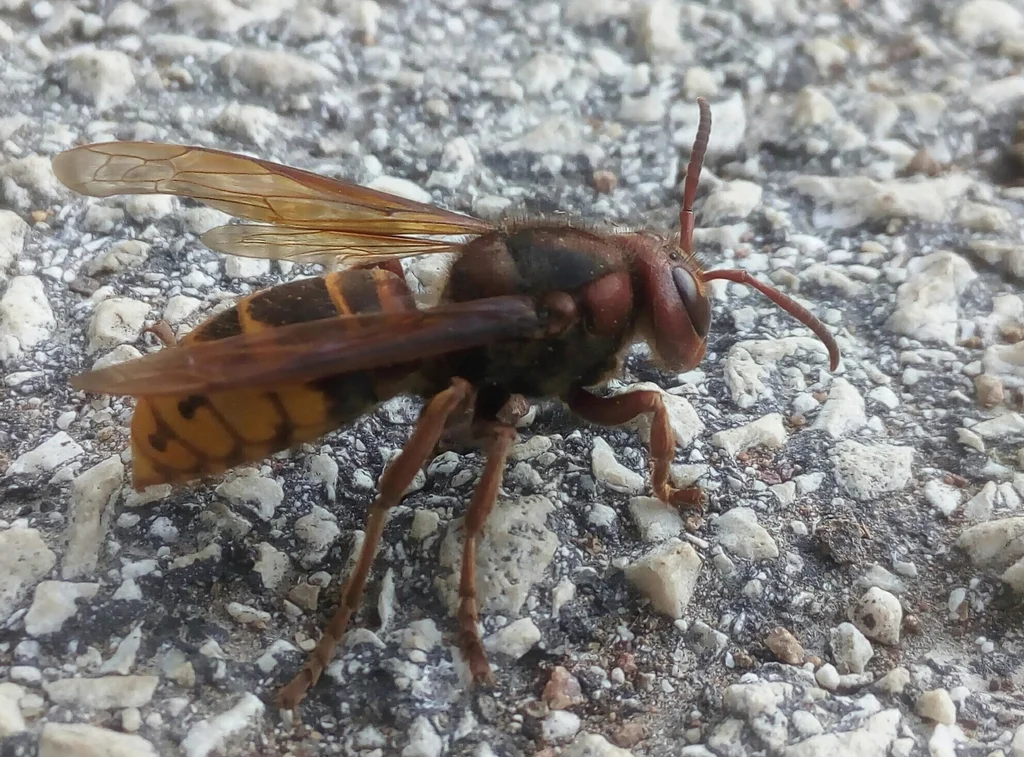
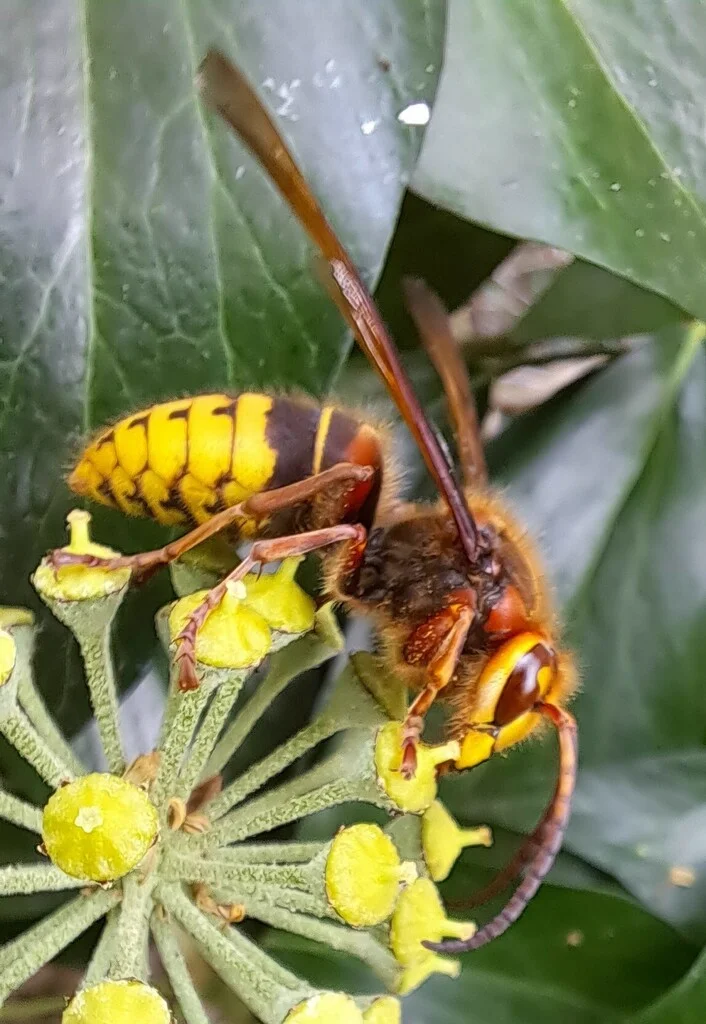
You can spot European hornets by their colors. Their heads are reddish-brown with a yellow face. The middle section (thorax) is brown with reddish marks. Their abdomens start brown near the front and turn yellow toward the back, with brown teardrop shapes. They also have reddish-orange wings and C-shaped eyes that curve inward.
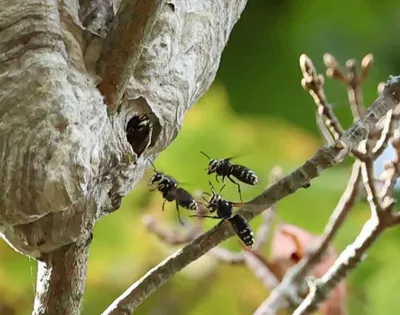
Do not confuse European hornets with Asian giant hornets. European hornets have more reddish-brown on their heads, while Asian giant hornets are more yellow-orange all over.
Common Species
Vespa crabro is the only hornet species in North America. It arrived in the eastern United States in the mid-1800s. Other subspecies live in Europe and Asia, but they have not spread to North America.
European Hornet Behavior and Biology A related species, Northern Giant Hornets, shares similar characteristics.
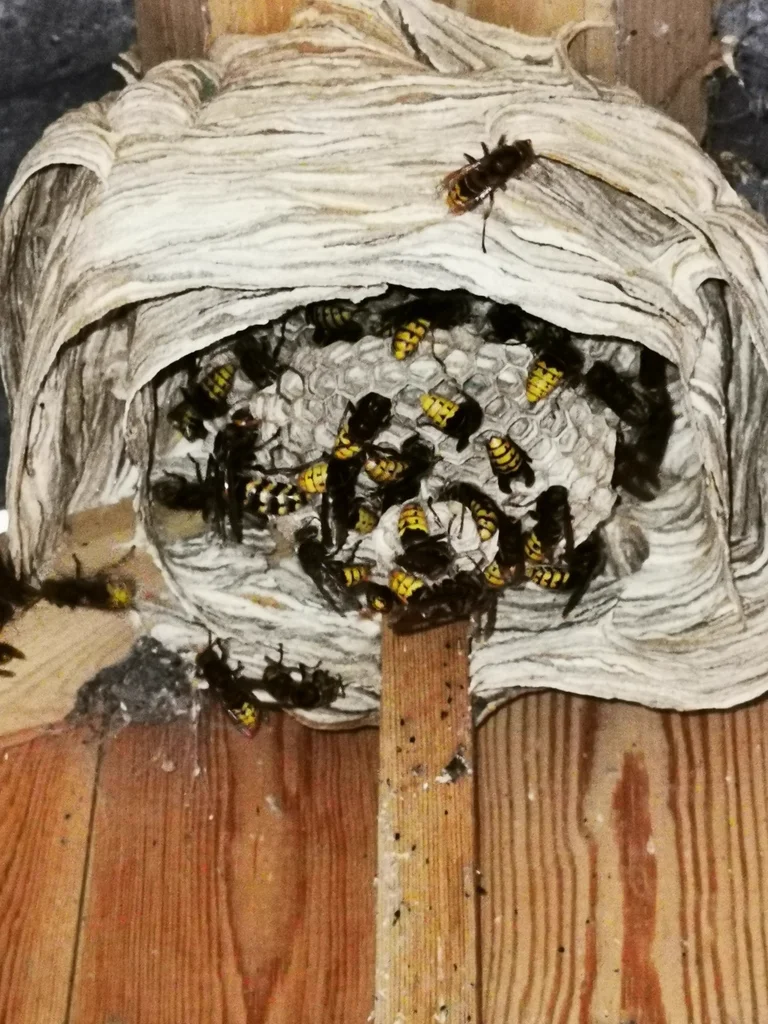
European hornets live in large colonies with 200 to 400 workers. Some nests can hold up to 1,000 hornets. Only mated queens live through the winter. They hide under loose bark, in soil, or inside building cracks. When spring arrives, queens come out and start new colonies. Eggs hatch into workers over several weeks. Learn more about this pest family in our Hornet guide.
Unlike most wasps, European hornets are active at night. They fly toward lights and often buzz around porch lights and windows after dark. This behavior is unique among North American wasps. Homeowners often worry when they see several hornets beating against their windows at night. For more information, read our guide on Hornet vs Wasp: How to Identify Common DC Area Species.
European hornets hunt other insects to feed their young. They catch beetles, grasshoppers, dragonflies, and other wasps. They also drink plant sap and eat fallen fruit, especially in late summer and fall. To get sap, they strip bark from trees and shrubs. This can harm plants like lilac, birch, and dogwood.
These hornets build nests in protected spots. They like hollow trees, wall voids, barns, and old beehives. The nest is made from paper that they create by chewing wood and mixing it with saliva. Unlike bald-faced hornets, European hornets rarely build nests out in the open.
European hornets defend their nests and will sting many times if they feel threatened. Away from the nest, they are less aggressive than yellowjackets. The invasive yellow-legged hornet is sometimes confused with European hornets but is smaller and darker. Their stings hurt more because they are larger and inject more venom. People with insect allergies face a higher risk of severe reactions. If you have concerns about a sting reaction, talk to your doctor.
How We Treat for European Hornets
Our technicians follow a step-by-step process to handle European hornets.
-
Finding the Nest. We start by locating the nest. Since these hornets fly at night, we may inspect in the evening to watch where they go.
-
Treating the Nest. For nests in trees or on buildings, we apply insecticide directly to the nest. We treat between dusk and dawn when most hornets are inside and less active.
-
Wall Void Treatment. Nests inside walls need special care. We apply insecticidal dust to the nest entrance. We may also use foam products to reach hornets deeper inside. Sometimes we need follow-up visits to get the whole colony.
-
Prevention Tips. After treatment, we share tips to keep hornets away. This includes using yellow outdoor lights, picking up fallen fruit, and sealing spots where hornets might nest.
If the nest shows activity after treatment, we come back at no extra charge to finish the job. For more details, see our guide on types of hornets and how they compare to other stinging insects.
References and Further Reading
- European Hornet - Penn State Extension - Comprehensive identification and behavior guide
- European Hornets - NC State Extension - Information on biology and control
- Species Vespa crabro - BugGuide - Scientific identification resources
- Stinging Insect Allergy - AAFA - Health information regarding sting allergies
- European Hornet - National Pest Management Association - Pest control industry resources
Other Wasps
Explore other species in the wasps family
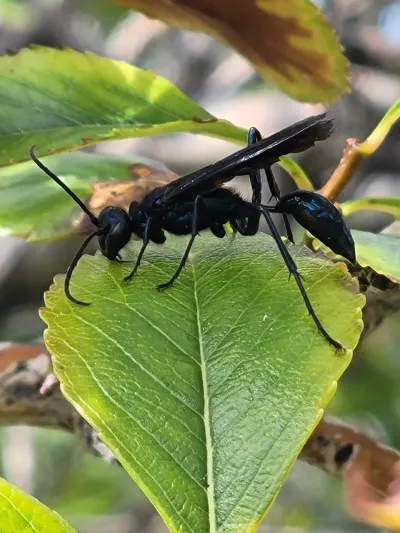
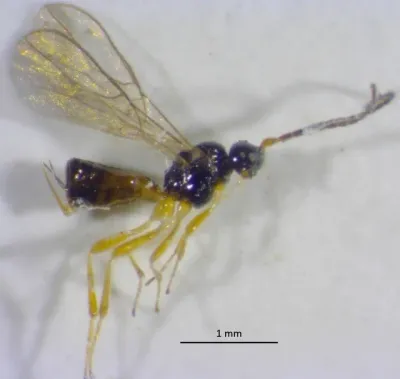
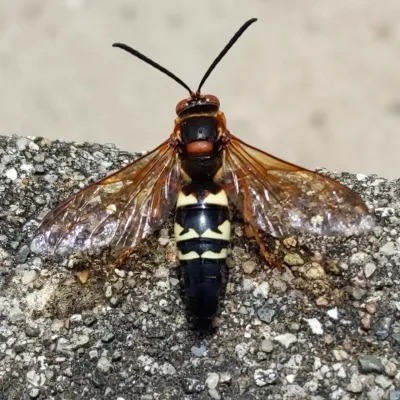
Commonly Confused With
European Hornets are often mistaken for these similar pests
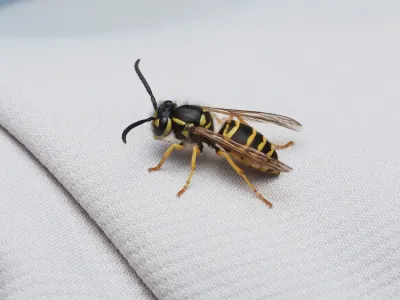
Where European Hornets Are Found
Hover over states to see their names. Green regions indicate where european hornets have been reported.
Common Questions about European Hornets
Are European hornets dangerous?
+
European hornets can sting and will defend their nest. They are less aggressive than yellowjackets, but their larger size means more venom per sting. People with insect allergies should be careful. European hornet stings cause severe reactions more often than other wasp stings.
How can I tell if I have European hornets versus yellowjackets?
+
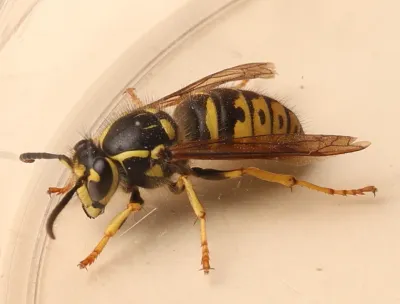
European hornets are much larger, about 1 to 1.3 inches long. Yellowjackets are only 0.5 inches. European hornets are brown and yellow with reddish-brown heads. Yellowjackets are black and bright yellow. European hornets also fly at night and come to lights.
Why are European hornets attracted to my porch lights at night?
+
European hornets are active at night, unlike other wasps. They use lights to navigate. You may see them buzz against windows and porch lights after dark. Try yellow LED bulbs or motion-sensor lights to reduce their visits.
Where do European hornets build their nests?
+
European hornets like protected spaces. They nest in hollow trees, wall voids, barns, and old beehives. They rarely build nests out in the open like bald-faced hornets do. Their nests are made of paper from chewed wood.
Can European hornets damage my property?
+
Yes, they can cause some damage. They strip bark from trees like lilac, birch, and dogwood to get sap. This can kill small branches. Old nests in walls can also attract other pests if not removed.
Do I need to remove a European hornet nest immediately?
+
It depends on the location. Nests away from people can wait until winter when the colony dies naturally. But nests near doors, play areas, or inside walls should be treated right away to avoid stings and damage.
How does Better Termite & Pest Control treat European hornets?
+
We first find the nest. For nests in trees or on buildings, we apply insecticide to the nest. For nests in walls or tree holes, we use dust and foam products. We treat in the evening when hornets are calmer. If the nest is still active after treatment, we come back free of charge.
Will European hornets return after treatment?
+
European hornets do not reuse old nests. Once we treat a colony, new hornets will not move in. But if good nesting spots remain on your property, new queens may start colonies nearby the next spring.

With five years of hands-on experience in the pest control industry, George Schulz is a registered technician with the Virginia Pest Management Association and a proud third-generation professional in a family business that's been protecting homes for over 57 years. He manages and trains a team of service pros while also leading internal research efforts—recently spearheading a deep-dive review of thousands of documents on pest control materials to hand-pick the most kid and pet friendly, most effective solutions tailored specifically for homes in the DC metro area.