Winter Ticks Identification Guide
Dermacentor albipictus
Winter ticks are one-host parasites that primarily affect moose, deer, and elk in North America. Unlike most ticks, they are most active during colder months from fall through spring and can occasionally attach to dogs, cats, and humans.
Taxonomy
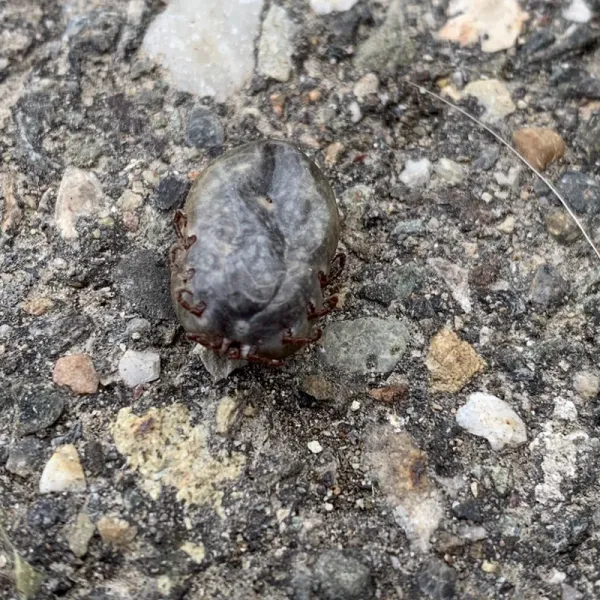
Winter Ticks Coloration
Common color patterns to help identify winter ticks
Winter Ticks
Seasonal Activity
When winter ticks are most active throughout the year
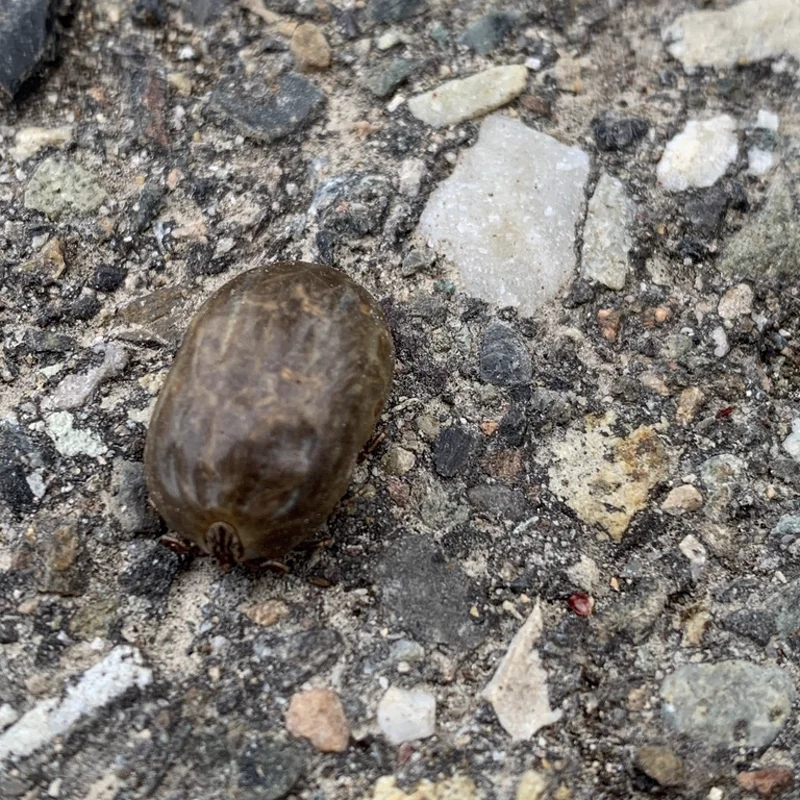
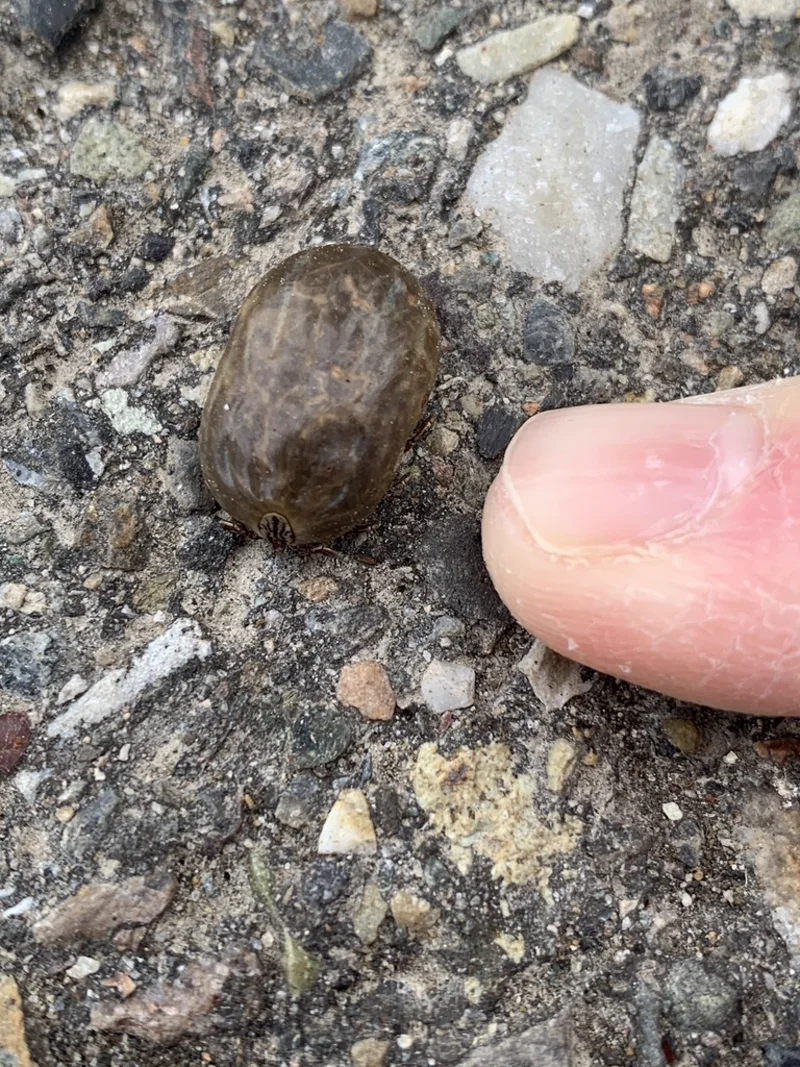
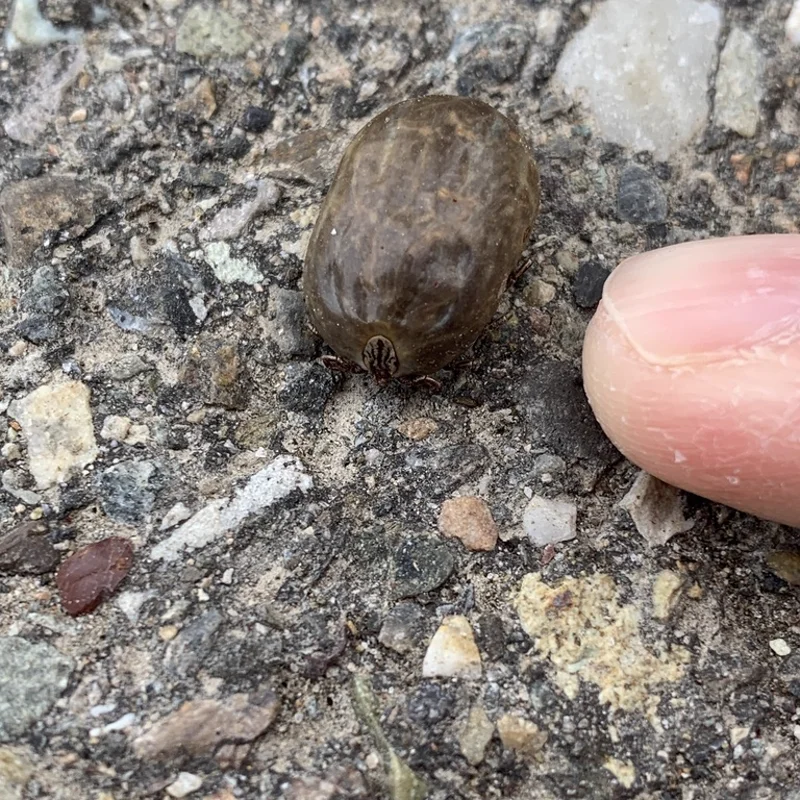

Where Winter Ticks Are Found
Hover over states to see their names. Green regions indicate where winter ticks have been reported.
Winter Tick Identification Guide
Physical Characteristics
Winter ticks are larger than most tick species in North America. Unfed adult females are 5 to 7 millimeters long, about the size of a small apple seed. After feeding, females swell to 15 millimeters or more. Their color shifts to gray or bluish as they fill with blood.
The body shape changes dramatically with feeding. Unfed ticks are flat and oval. Engorged ticks become rounded and balloon-like, sometimes resembling a small grape. Winter ticks have eight legs as adults and nymphs. Larvae have six legs.
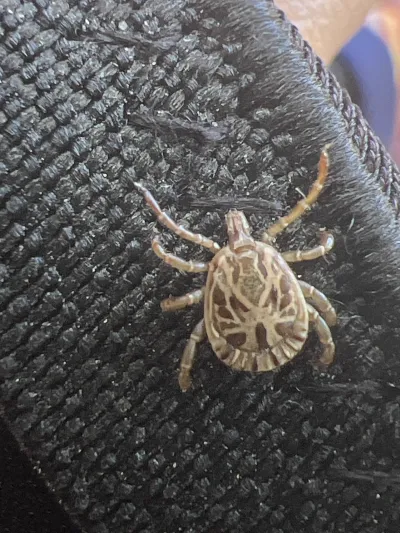
Winter ticks come in two color forms. One has white or cream markings on the back. The other is plain brown all over. Scientists once thought these were two species. Now they know both are Dermacentor albipictus.
How to Tell Winter Ticks Apart from Other Ticks
Winter ticks can be confused with other Dermacentor species in North America. Several features help with identification.
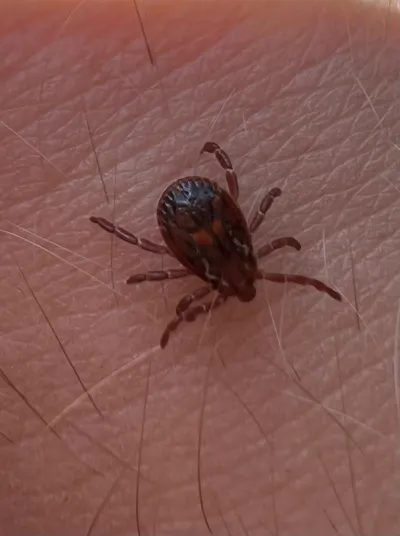
American dog tick. These ticks are active in spring and summer, not winter. They have distinct white markings on the back and prefer dogs and humans as hosts.
Rocky Mountain wood tick. Found in the western United States and Canada, this species is also active in warmer months and readily bites humans.
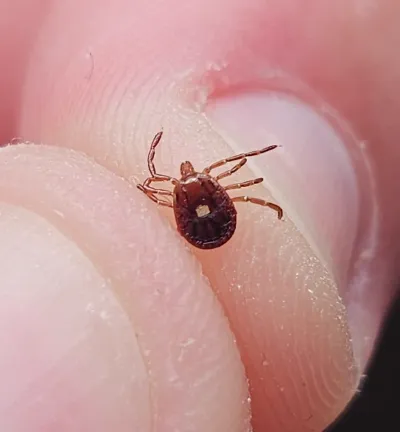
Deer tick (black-legged tick). Much smaller than winter ticks with distinctive dark legs. Deer ticks are the primary carriers of Lyme disease.
The easiest way to distinguish winter ticks is by the season. If you find an active, unfed tick on wildlife or pets during winter months, it is likely a winter tick.
Winter Tick Behavior and Biology
One-Host Life Cycle
Winter ticks have a one-host lifecycle. This means they stay on the same animal from larva to adult. Most other ticks, like deer ticks and dog ticks, feed on different animals at each life stage. The moose tick page covers how this species affects moose populations in greater detail. Winter ticks do not.
The lifecycle takes about one year to complete. Eggs hatch in late summer, releasing thousands of tiny six-legged larvae. These larvae climb onto low vegetation, typically up to about 4 feet high, and wait in clusters for a host to pass by.
When a moose, deer, elk, or other large mammal brushes against the vegetation, the larvae grab on. Multiple larvae often attach at once because they cluster together while waiting. This is why a single animal can end up hosting tens of thousands of ticks.
Once attached, larvae feed and molt into nymphs with eight legs. Nymphs rest through mid-winter in a stage called diapause. In late winter, they molt into adults. Adults then feed and mate on the host. Engorged females drop off in late winter to early spring. They lay eggs on the ground and die. The eggs wait through summer before hatching, starting the cycle again. A related species, Rabbit Ticks, shares similar characteristics.
Seasonal Activity A related species, Lone Star Ticks, shares similar characteristics.
Winter ticks are most active when other tick species are dormant. Larvae begin questing for hosts in September and October. Activity peaks from December through January. By late winter and early spring, adult females have finished feeding and dropped off their hosts. A related species, Western Black-legged Tick, shares similar characteristics.
This pattern puts the biggest burden on wildlife during the coldest months. Animals already struggle with cold and less food. Adding thousands of feeding ticks can push them past their limit.
Host Preferences
Moose suffer the most from winter ticks. Their large size and habit of living alone makes them easy targets for heavy infestations. White-tailed deer, mule deer, elk, and caribou can also be hosts.
Domestic animals sometimes pick up winter ticks too. Cattle, horses, dogs, and cats may get them, especially if they share habitat with wildlife. Reports of winter ticks on pets have gone up in recent years in some areas.
Humans rarely encounter winter ticks. These ticks prefer large mammals and do not seek out people. When human contact does happen, it is usually in people who spend a lot of time outdoors in wildlife areas during winter.
Wildlife Impact and the “Ghost Moose” Phenomenon
Winter ticks have drawn attention for their harmful impact on moose across North America. The “ghost moose” problem shows just how bad heavy infestations can get.
How Infestations Harm Moose
A single moose can carry 30,000 to over 100,000 winter ticks in a bad year. In extreme cases, researchers have counted up to 150,000 ticks on one animal. Each tick feeds on blood. Together, they cause serious health problems.
The most visible sign of a heavy infestation is hair loss. Moose rub and scratch against trees to relieve the itching from thousands of feeding ticks. This removes patches of their dark brown coat. It exposes pale skin underneath. This is why they are called “ghost moose.”
Beyond hair loss, infested moose suffer from anemia due to blood loss. They lose weight at a time when winter already makes survival hard. Calves are most at risk. Studies in New Hampshire found that up to 70 percent of moose calves died from tick infestations in some years.
Climate Change Connection
Warmer winters appear to favor winter tick survival and reproduction. Shorter, milder winters mean:
- Larvae survive better through fall while waiting for hosts
- More ticks successfully attach to hosts before cold kills them
- Engorged females that drop in early spring have better survival
- The overall tick population increases year over year
Research shows a link between mild winters and higher tick numbers on moose. This has led to moose population drops in some northeastern states and Canadian provinces.
Disease Transmission Potential
Winter ticks are not major disease carriers for humans or pets. They spend their whole life on one host, which limits the spread of germs between animals.
Lab studies show winter ticks can carry certain germs. These include Rickettsia rickettsii (Rocky Mountain spotted fever) and Anaplasma marginale (a cattle disease). Whether they spread these germs in the wild is still unclear.
Medical Disclaimer: This information is for educational purposes only. If you find a tick attached to yourself or a pet, remove it promptly and watch for any signs of illness. Consult a healthcare provider or veterinarian if symptoms develop.
Treatment Approaches for Tick Control
Winter ticks mostly affect wildlife, not homes. Most homeowners do not need special control for this species. However, good tick management habits can reduce ticks of all kinds in your yard.
Habitat modification. Keep grass short and remove leaf litter and brush near living areas. Create a barrier of wood chips or gravel between wooded areas and your lawn.
Wildlife management. Deer and moose can bring ticks onto properties. Fencing gardens and removing attractants like fallen fruit can reduce wildlife visits.
Pet protection. Dogs and cats that go outdoors in wooded areas may pick up winter ticks. Check pets often during fall and winter, especially after walks in wildlife areas.
Professional tick treatments. Yard treatments in spring and fall target many tick species. These treatments reduce tick numbers in areas where your family and pets spend time.
Prevention Tips
Reduce your risk of tick encounters with these steps:
- Check yourself and pets for ticks after spending time outdoors, even in cold weather
- Wear light-colored clothing to spot ticks more easily
- Tuck pants into socks when walking through tall vegetation
- Stay on cleared trails when hiking in areas with moose or deer
- Use EPA-registered tick repellents when in tick-prone areas
- Shower soon after returning from outdoor activities
References and Further Reading
- Penn State Extension - Managing Winter Tick on Deer Farms
- University of Saskatchewan - Dermacentor albipictus
- Cornell Wildlife Health Lab - Winter Tick
- Texas A&M Tick App - Winter Tick Identification
- National Geographic - Ghost Moose and Tick Impacts
- UNH Today - Winter Ticks Killing Moose
- North Dakota Game and Fish - Winter Ticks and Moose
Other Ticks
Explore other species in the ticks family
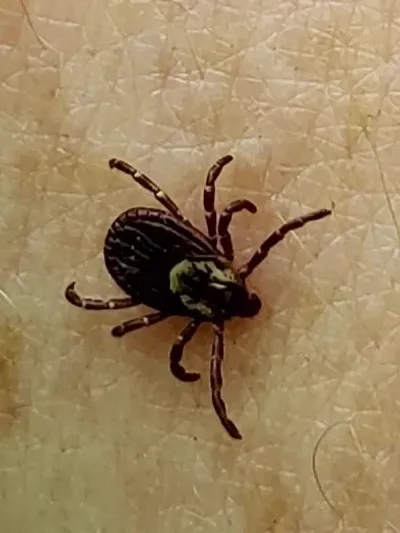
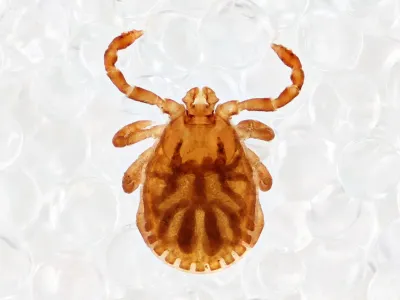
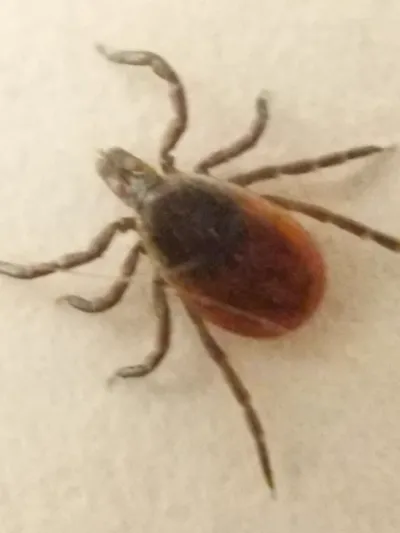
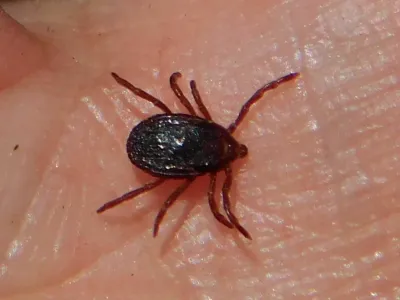
Commonly Confused With
Winter Ticks are often mistaken for these similar pests
Where Winter Ticks Are Found
Hover over states to see their names. Green regions indicate where winter ticks have been reported.
Common Questions about Winter Ticks
What do winter ticks look like?
+
Winter ticks are large ticks that range from reddish-brown to grayish-brown. Unfed adults are about 5-7 mm long, while engorged females can swell to 15 mm or more. They have a flat, oval body when unfed that becomes rounded and balloon-like after a blood meal.
Why are they called winter ticks?
+
Winter ticks get their name from their unusual activity pattern. Unlike most tick species that are active in warm months, winter ticks quest for hosts primarily from October through March, with peak activity during winter months.
Do winter ticks bite humans?
+
Winter ticks rarely bite humans. Their primary hosts are large mammals like moose, deer, elk, and cattle. However, they can occasionally attach to dogs, cats, horses, and in rare cases, people who spend time in wildlife habitats.
Can winter ticks transmit diseases to humans?
+
Winter ticks are not major disease carriers for humans. They spend their entire life on one animal, so the chance of spreading disease between hosts is very low. Studies have looked at whether they can carry Rocky Mountain spotted fever and anaplasmosis, but there is little evidence they spread these diseases in the wild.
What is a 'ghost moose'?
+
A ghost moose is a moose that has lost most of its dark brown hair due to severe winter tick infestation. The moose rubs off its fur trying to relieve irritation from the ticks, exposing pale skin and giving it a ghostly appearance. Heavy infestations can be fatal, especially to calves.
Where do winter ticks live?
+
Winter ticks are found throughout North America in forested areas where their primary hosts live. They thrive in regions with moose, deer, and elk populations. Larvae wait on vegetation up to about 4 feet high to attach to passing animals.
How do winter ticks affect wildlife?
+
Winter ticks can be devastating to moose populations. A single moose can host 75,000 to 150,000 ticks during severe infestations. This causes anemia, weight loss, hair loss, and can lead to death, particularly in young animals during harsh winters.

With five years of hands-on experience in the pest control industry, George Schulz is a registered technician with the Virginia Pest Management Association and a proud third-generation professional in a family business that's been protecting homes for over 57 years. He manages and trains a team of service pros while also leading internal research efforts—recently spearheading a deep-dive review of thousands of documents on pest control materials to hand-pick the most kid and pet friendly, most effective solutions tailored specifically for homes in the DC metro area.