Moose Tick Identification Guide
Dermacentor albipictus
Moose ticks, also known as winter ticks, are one-host parasites that can infest moose with tens of thousands of individuals. These ticks cause the 'ghost moose' phenomenon and have contributed to moose population declines across North America.
Taxonomy
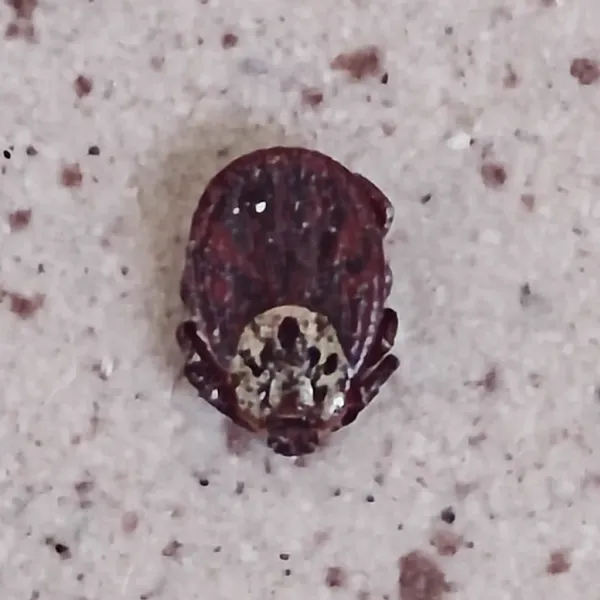
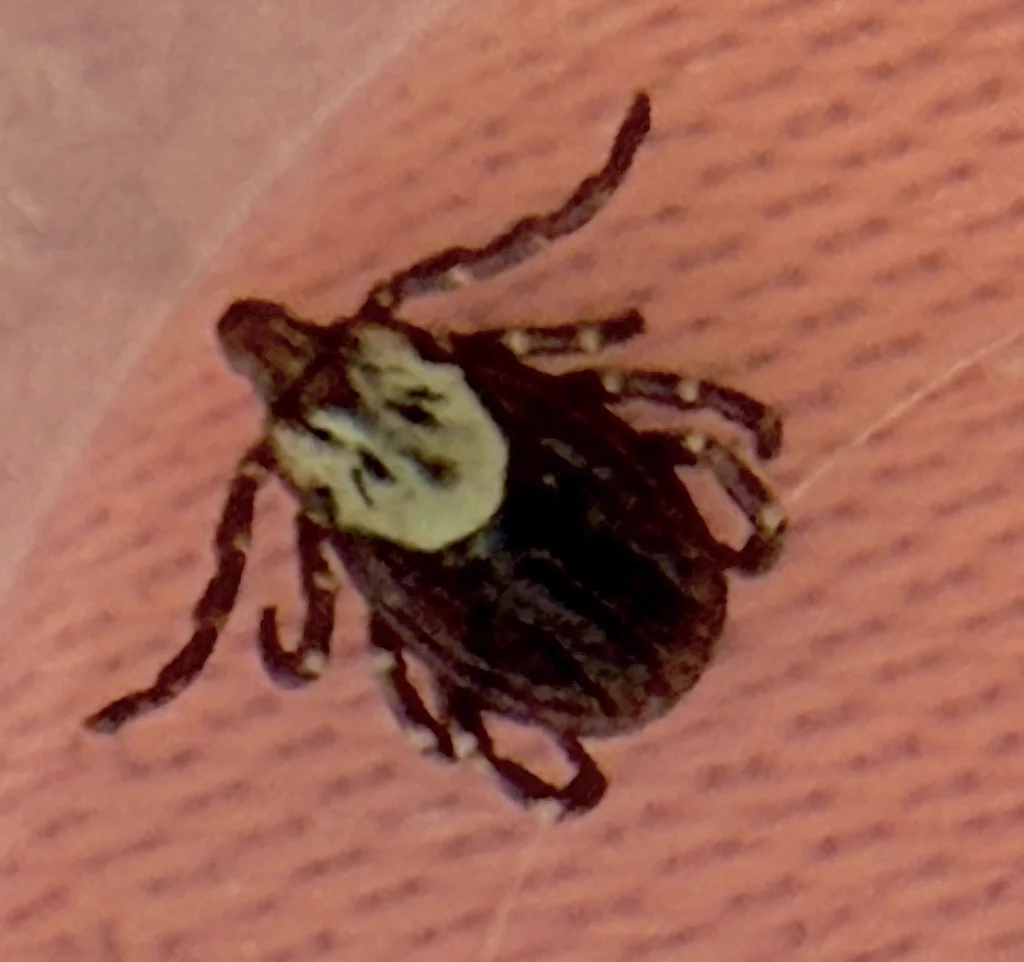
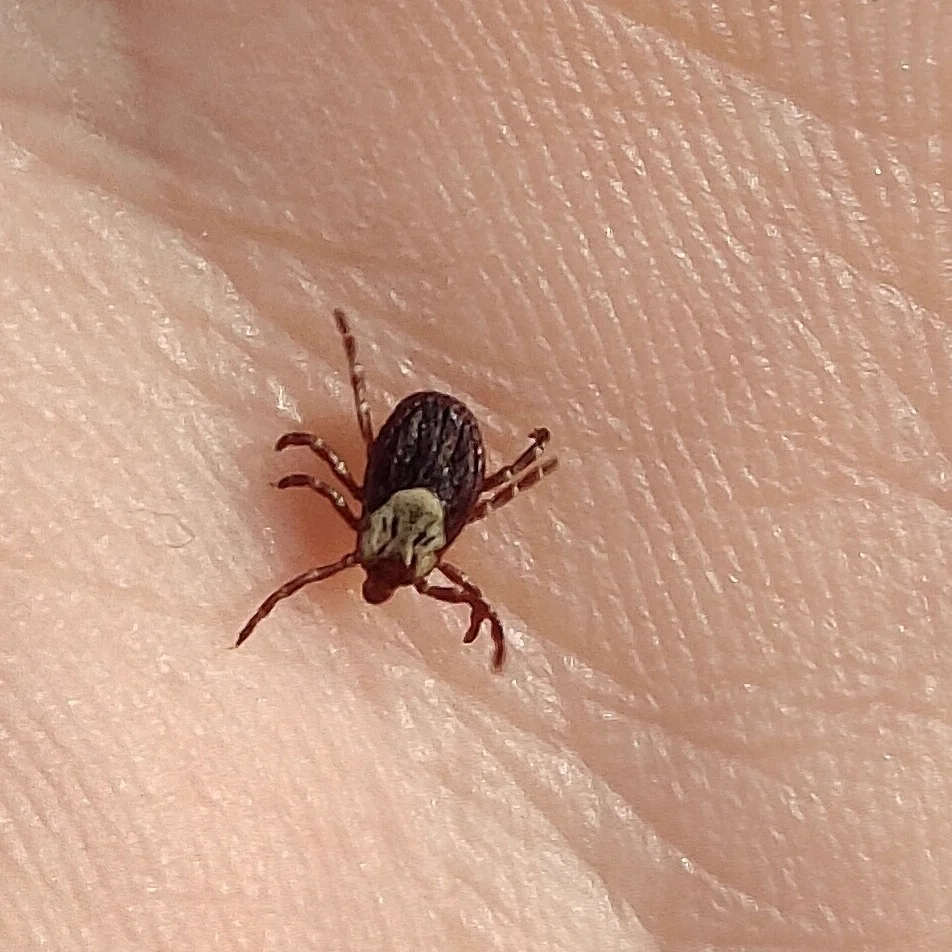
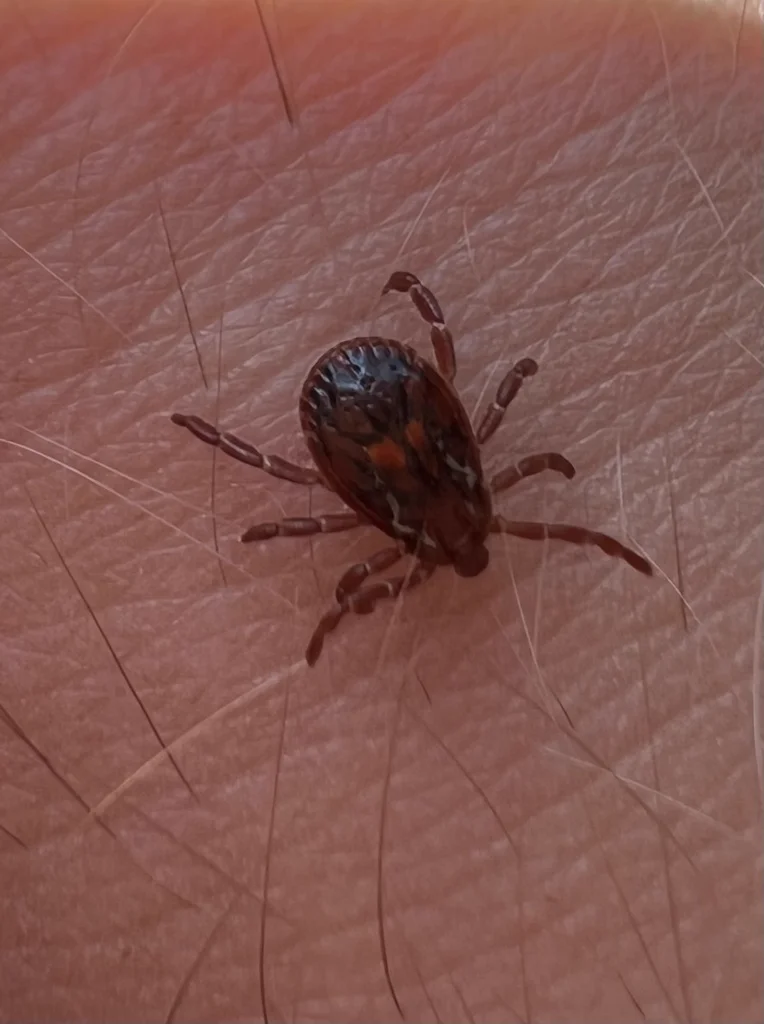
Moose Tick Coloration
Common color patterns to help identify moose tick
Moose Tick
Seasonal Activity
When moose tick are most active throughout the year

Where Moose Tick Are Found
Hover over states to see their names. Green regions indicate where moose tick have been reported.
Moose Tick Identification Guide
The moose tick is the same species as the winter tick. Its scientific name is Dermacentor albipictus. It got the name “moose tick” in northern areas where moose get heavy infestations. Learning about this pest helps explain why moose numbers have dropped in parts of North America.
Physical Characteristics
Moose ticks are hard ticks in the Dermacentor genus. They look like dog ticks but act differently and show up at different times of year.
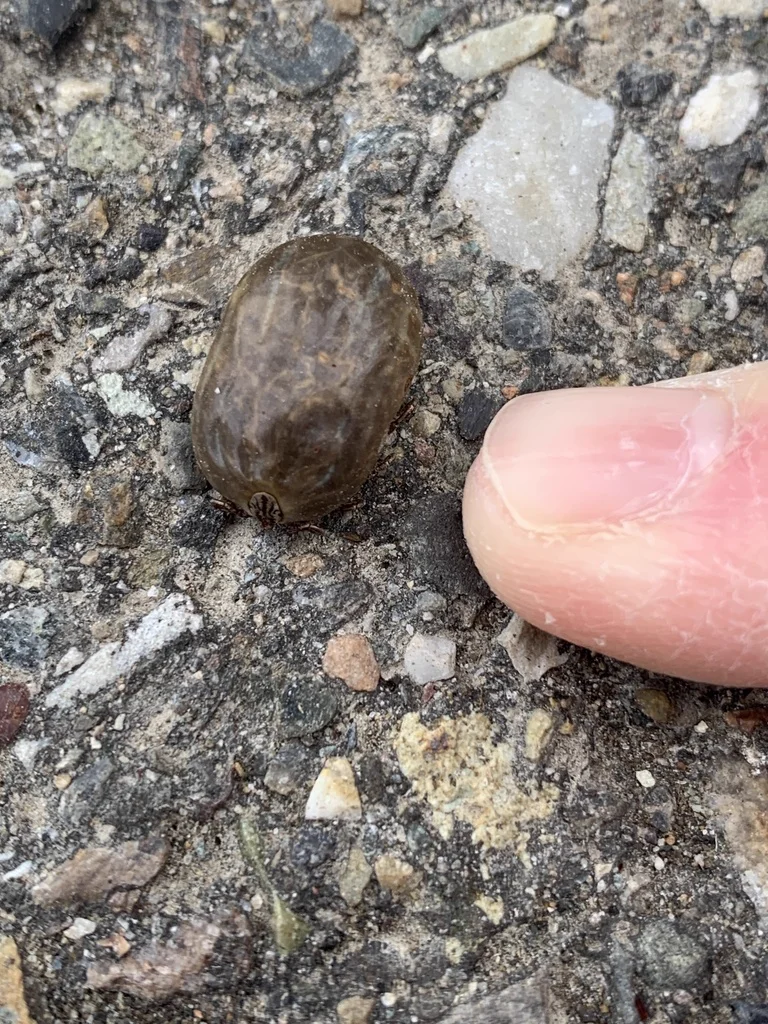
Unfed adult females are 5 to 7 millimeters long. After feeding, females grow to 15 millimeters or more. That is about the size of a small grape. The color shifts from reddish-brown when unfed to grayish or bluish when full of blood.
Adult and nymph moose ticks have eight legs. Larvae have six legs. The body is flat and oval when unfed. It becomes round and balloon-like after feeding. Both patterned and plain brown forms exist in this species.
Comparing Moose Ticks to Other Species
Several tick species live in moose habitat across North America. Here is how to tell them apart.
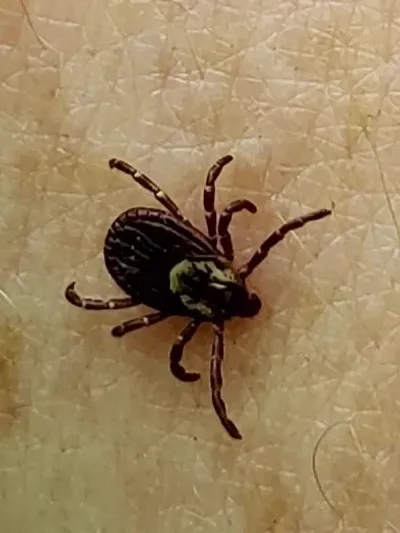
American dog tick. These look similar but are active in spring and summer. They have bolder white markings on the back. American dog ticks often bite humans and dogs.
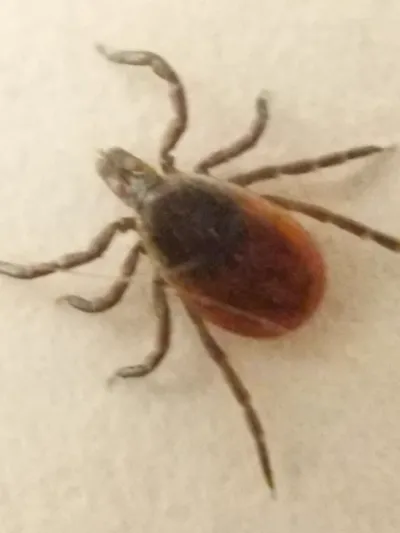
Deer tick. Also called the blacklegged tick. Much smaller with dark legs and a black shield near the head. Deer ticks spread Lyme disease. Moose ticks do not.
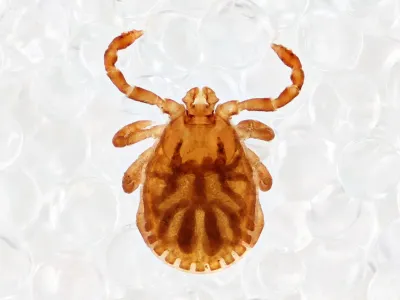
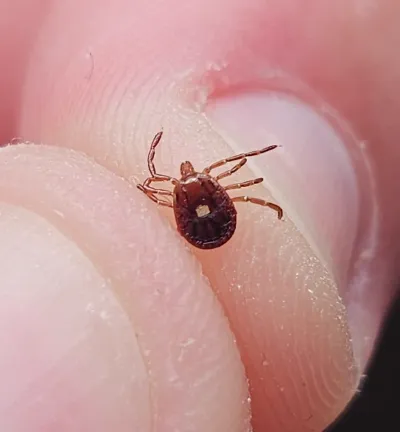
Lone star tick. Adult females have a white dot on the back. They bite often and are active in warm months.
The best way to identify a moose tick is by when you find it. Ticks active during fall and winter are most likely moose ticks. Other species go dormant in cold weather.
Moose Tick Behavior and Biology
The One-Host Lifecycle
Moose ticks have an unusual lifecycle. They are one-host ticks. This means larvae, nymphs, and adults all feed on the same animal. A related species, Rabbit Ticks, shares similar characteristics.
The yearly cycle starts when eggs hatch in late summer. Larvae wait on plants in large clusters. When a moose, deer, or elk walks past, hundreds or thousands of larvae attach at once. This grouping habit explains why tick counts get so high on one animal. A related species, Western Black-legged Tick, shares similar characteristics.
Larvae feed for several weeks, then molt into nymphs while still on the host. Nymphs rest through mid-winter in a phase called diapause. They molt into adults in late winter. Adults feed and mate on the host. Full females drop off in March or April to lay eggs and die. A related species, Wood Tick, shares similar characteristics.
Why Moose Are Hardest Hit
Moose suffer from moose ticks more than any other host. Several factors explain this:
- Poor grooming ability. Moose cannot remove ticks from most of their body. Their short necks limit their reach.
- Large body size. More surface area means more space for ticks to attach.
- Solitary behavior. Living alone means no help with grooming from herd members.
- Shared habitat. Moose live in forests where moose tick larvae wait on plants.
White-tailed deer share the same habitat but handle tick loads better. Deer groom often and can remove many ticks before they attach firmly. Studies show deer carry far fewer ticks than moose in the same area.
The Ghost Moose Phenomenon
Ghost moose have become a symbol of the harm moose ticks cause. These are moose that have rubbed off most of their fur trying to stop the itching from thousands of feeding ticks.
The pale skin shows through where dark brown hair is missing. From a distance, these moose look white or grayish. This is why they are called “ghost moose.” The hair loss happens in late winter when tick feeding reaches its peak.
Ghost moose face many threats beyond blood loss. Losing their winter coat leaves them open to cold. They spend energy scratching instead of eating. Weak moose may not survive late winter storms or may fall prey to predators.
Population-Level Impacts
Moose tick infestations have helped cause moose population drops across the northeastern United States and eastern Canada. Young moose are most at risk.
Research from New Hampshire found that up to 70 percent of moose calves died from tick infestations in some years. Adult moose survive heavy tick loads more often but may be weak going into the next year.
Scientists have linked warmer winters to higher moose tick survival. Milder falls let more larvae find hosts before freezing. Shorter winters mean more females survive to lay eggs. The result is growing tick numbers and fewer moose.
Disease Transmission and Human Health
Moose ticks pose little disease risk to humans. Their one-host lifecycle means they rarely move germs between animals. They spend their whole life on one moose, deer, or elk.
Lab research has found that moose ticks can carry certain germs. These include Anaplasma marginale, which causes cattle disease. They may also carry Babesia duncani, which can cause human babesiosis in western states. However, spread to humans is rare.
Medical Disclaimer: This information is for learning only. If you find any tick on you, remove it right away and watch for symptoms like fever, rash, or fatigue. See a doctor if symptoms appear.
Treatment Approaches for Tick Control
Moose tick control differs from typical home tick work because these ticks mostly affect wildlife. Most homeowners do not need special treatment for moose ticks. However, general tick control helps properties near wildlife areas.
Habitat changes. Clear brush and leaf litter from yard edges. Keep grass cut short. Create a gravel or wood chip barrier between wooded areas and your lawn.
Fall and winter treatments. If tick activity on your property lasts into fall and winter, treatments during these months can lower moose tick numbers along with other species.
Wildlife management. Deer fencing can limit wildlife access to your property and reduce the tick numbers they bring.
Pet protection. Dogs and cats that spend time in wooded areas may pick up moose ticks now and then. Check pets often during fall and winter, not just in warm months.
Prevention Tips
Reduce your risk of tick encounters with these steps:
- Check yourself and pets after outdoor activities, even in cold weather
- Wear long pants and long sleeves in brushy areas
- Use EPA-registered tick repellent on exposed skin
- Stay on cleared trails when hiking in moose or deer habitat
- Shower within two hours of returning indoors
- Examine gear and clothing for hitchhiking ticks
- If you hunt or handle wildlife, wear gloves and check carefully afterward
References and Further Reading
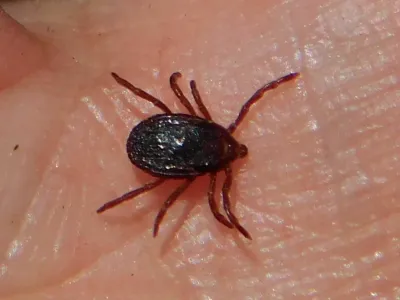
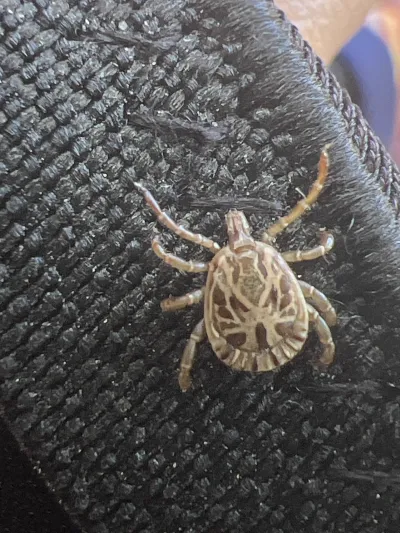
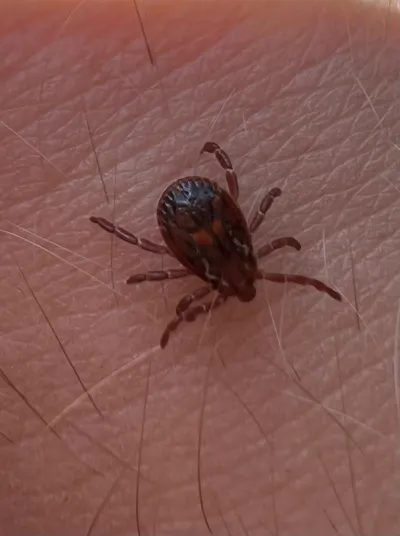
Other Ticks
Explore other species in the ticks family
Commonly Confused With
Moose Tick are often mistaken for these similar pests
Where Moose Tick Are Found
Hover over states to see their names. Green regions indicate where moose tick have been reported.
Common Questions about Moose Tick
What is a moose tick?
+
A moose tick is another common name for the winter tick (Dermacentor albipictus). It earned this name because moose are among its primary hosts and suffer the most severe infestations. A single moose can carry over 100,000 of these ticks at once.
Why do moose ticks affect moose more than other animals?
+
Moose do not groom themselves as effectively as deer. White-tailed deer can remove many ticks through grooming, but moose cannot reach much of their body. This allows tick numbers to build up to deadly levels on moose while deer manage their tick loads better.
What is a ghost moose?
+
A ghost moose is a moose that has lost most of its dark brown hair from constant scratching due to severe tick infestation. The exposed pale skin gives the moose a ghostly white appearance. Ghost moose often die from blood loss, cold exposure, or weakness.
Do moose ticks bite humans?
+
Moose ticks rarely bite humans. They strongly prefer large mammals like moose, deer, elk, and cattle. Human bites are uncommon and usually happen to hunters or wildlife workers who handle infested animals directly.
Can moose ticks spread Lyme disease?
+
Moose ticks are not known to spread Lyme disease to humans. They are one-host ticks that stay on a single animal their entire life, which limits disease spread. Lyme disease is primarily transmitted by blacklegged ticks (deer ticks), not moose ticks.
When are moose ticks most active?
+
Moose ticks are active from fall through early spring, with peak activity during winter months. Larvae seek hosts from September through March. This unusual cold-weather activity is why they are also called winter ticks.
How many ticks can be on one moose?
+
A single moose can host between 30,000 to over 150,000 moose ticks during a severe infestation. This massive tick load can drain enough blood to cause fatal anemia, especially in young calves already stressed by winter conditions.

With five years of hands-on experience in the pest control industry, George Schulz is a registered technician with the Virginia Pest Management Association and a proud third-generation professional in a family business that's been protecting homes for over 57 years. He manages and trains a team of service pros while also leading internal research efforts—recently spearheading a deep-dive review of thousands of documents on pest control materials to hand-pick the most kid and pet friendly, most effective solutions tailored specifically for homes in the DC metro area.