Gulf Coast Ticks Identification Guide
Amblyomma maculatum
Gulf Coast ticks are hard-bodied ticks with ornate markings that transmit Rickettsia parkeri, causing a milder form of spotted fever. Originally found along the Gulf Coast, they have expanded into the Mid-Atlantic and beyond.
Taxonomy
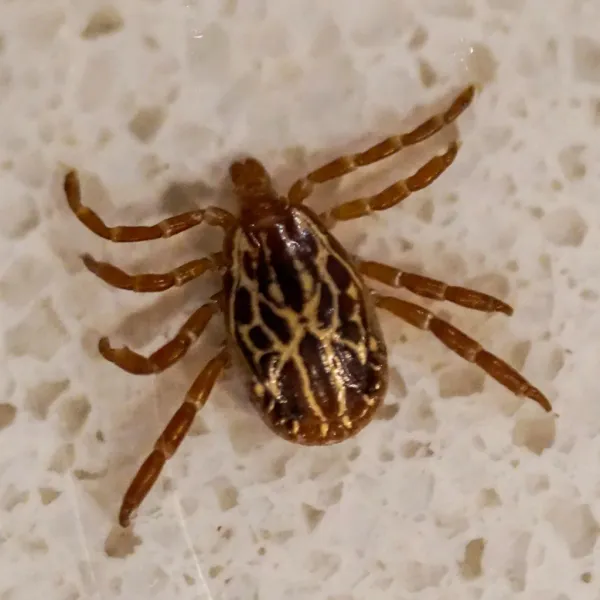
Gulf Coast Ticks Coloration
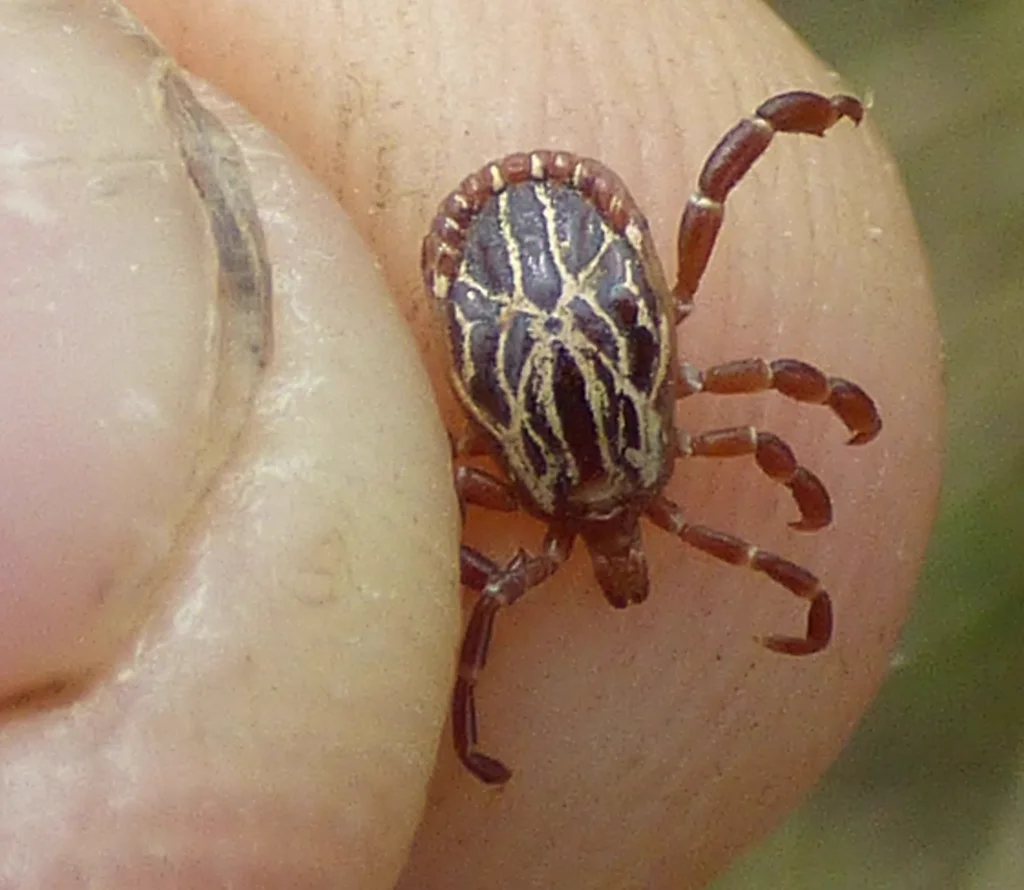
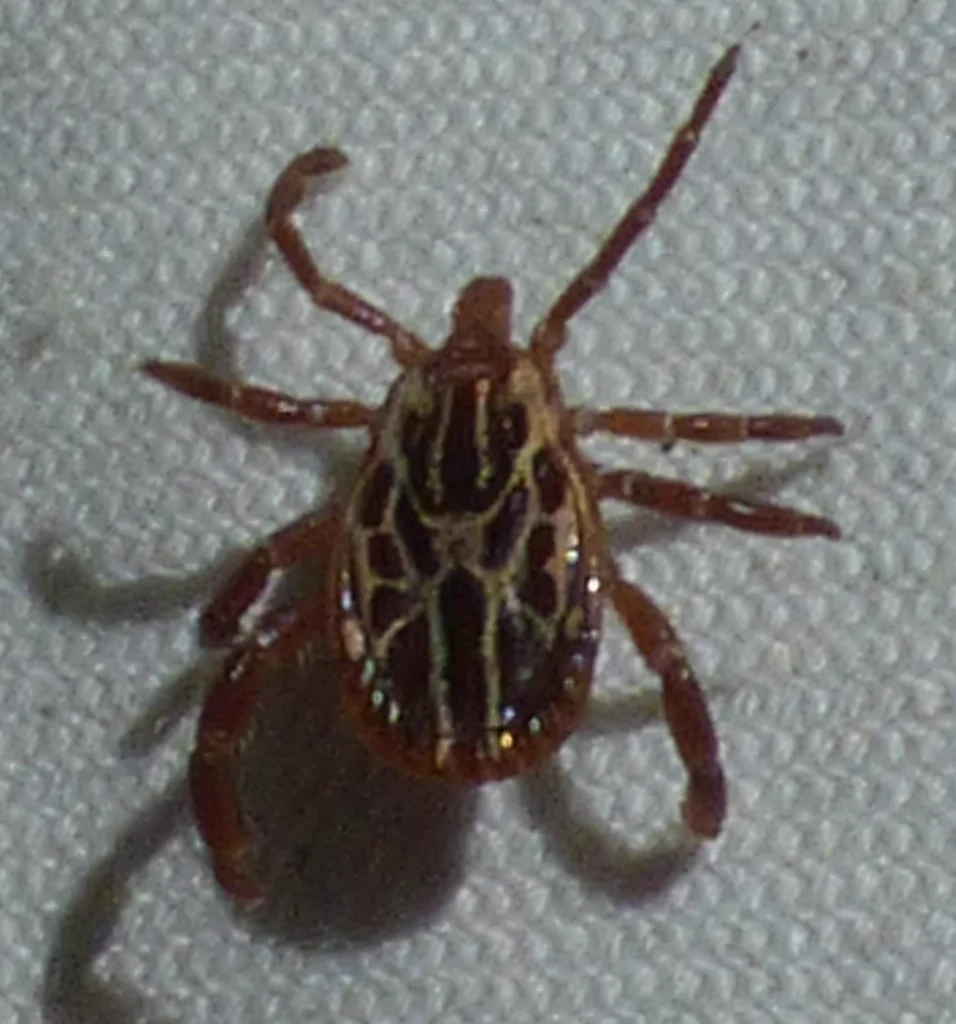
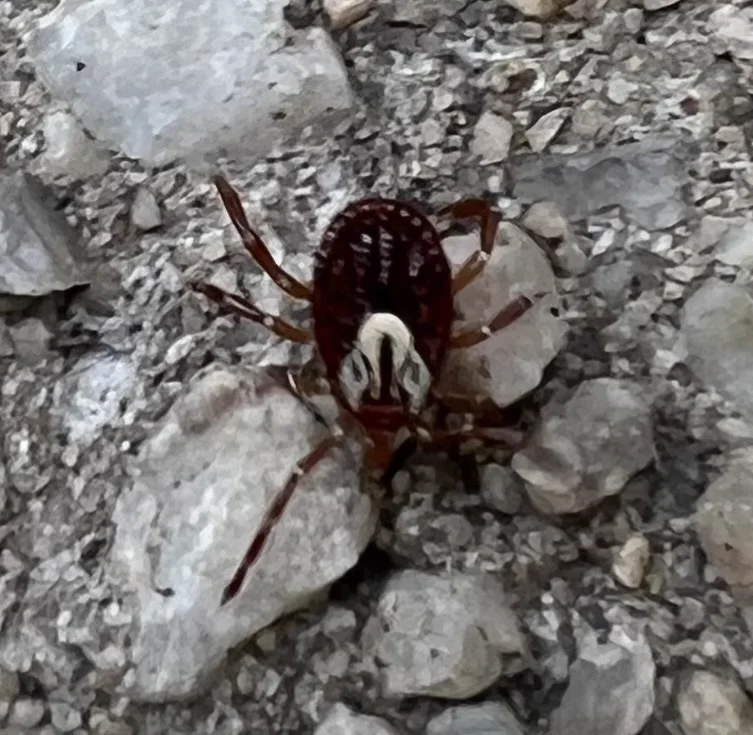
Common color patterns to help identify gulf coast ticks
Gulf Coast Ticks
Seasonal Activity
When gulf coast ticks are most active throughout the year

Where Gulf Coast Ticks Are Found
Hover over states to see their names. Green regions indicate where gulf coast ticks have been reported.
Gulf Coast Tick Identification Guide
Physical Characteristics
Gulf Coast ticks (Amblyomma maculatum) are medium to large ticks with hard bodies and decorative markings. They get their name from their original home along the Gulf of Mexico and southern Atlantic coast.
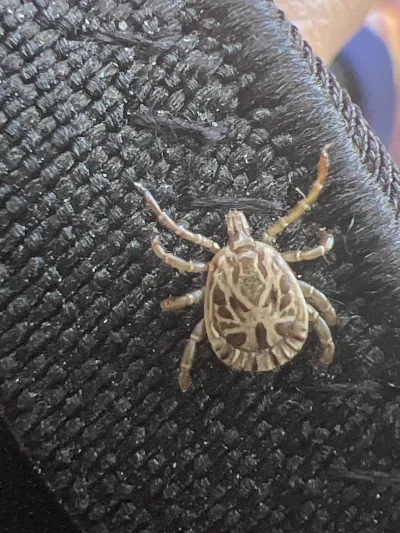
Adult Gulf Coast ticks are 3 to 7 millimeters long, about the size of a sesame seed when unfed. After feeding on blood, females swell up and look much larger and darker. Both males and females have eight legs and reddish-brown bodies with silvery-white markings on their scutum (the hard plate on their back).
Female Gulf Coast ticks have a smaller scutum that covers only about half their back. This plate has silvery-white patterns with one center stripe and two side stripes. Males have a larger scutum that covers their whole back. Their silvery-white patterns connect together in an intricate design.
One easy way to identify these ticks is by their mouthparts. Gulf Coast ticks have long, rectangular mouthparts that anchor firmly into skin during feeding. American dog ticks have shorter, pyramid-shaped mouthparts, making them easy to tell apart.
Life Stages
Gulf Coast ticks go through four life stages: egg, larva, nymph, and adult.
- Eggs: Females lay about 10,000 eggs at once. Eggs hatch in up to three weeks when conditions are warm and humid.
- Larvae: These tiny ticks are about 0.5 millimeters long with six legs. They look pink, white, or gray after feeding. People often call groups of newly hatched larvae “seed ticks.”
- Nymphs: About 1.33 by 0.75 millimeters when unfed, nymphs have eight legs. They look like small adults but without full coloring.
- Adults: Full-grown ticks with decorative markings and eight legs. Females are larger than males.
How to Tell Gulf Coast Ticks Apart from Similar Species
Several tick species look alike. Here are the key differences:
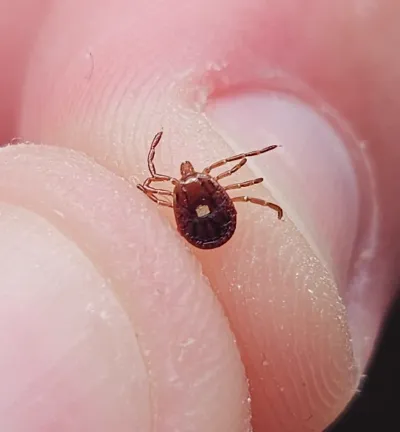
- Lone star tick: Both species have decorative markings. Female lone star ticks have a single white spot in the center of their back. Gulf Coast ticks have connected patterns instead. Male lone star ticks have six separate markings along their body edges. Male Gulf Coast ticks have connected silvery lines.
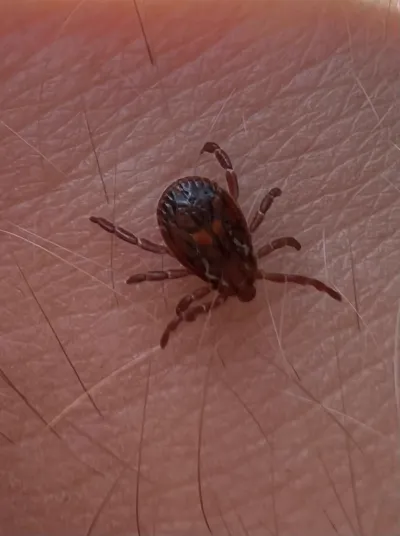
- American dog tick: These ticks have shorter mouthparts than Gulf Coast ticks. Their markings are also less detailed.
- Brown dog tick: These ticks are solid brown with no white or silver markings. They are smaller and often found indoors.
Gulf Coast Tick Behavior and Biology
Life Cycle
Gulf Coast ticks are three-host ticks. This means each life stage feeds on a different animal. The full life cycle takes about two years.
After hatching, larvae look for small hosts like birds, rodents, and rabbits. They attach and feed for up to 10 days, then drop off and molt into nymphs. Larvae can survive up to six months without feeding.
Nymphs feed on small to medium-sized animals. They can survive up to seven months without a blood meal. After feeding, nymphs molt into adults. A related species, Rabbit Ticks, shares similar characteristics.
Adult Gulf Coast ticks prefer larger animals. Deer, dogs, coyotes, cattle, and other large mammals are common hosts. Males release chemicals after about eight days of feeding to attract females. After mating, females feed fully, drop off the host, and lay their eggs in leaf litter or soil. A related species, Winter Ticks, shares similar characteristics.
In lab settings, unfed adult Gulf Coast ticks have survived up to 16 months. This shows how well they can wait for a host.
Feeding Behavior
Gulf Coast ticks do better in dry areas than most other tick species. They find hosts through “questing.” They climb up plants and stretch out their front legs to grab onto passing animals or people.
Gulf Coast ticks often attach to the ears of their hosts. Heavy infestations in livestock can cause “Gotch ear.” This condition causes swelling, crusting, hair loss, and sometimes drooping ears. In bad cases, the tissue can die.
Habitat Preferences
Gulf Coast ticks like open, grassy areas more than thick forests. You can find them in:
- Grassland prairies with grasses and shrubs but few trees
- Coastal uplands and marshland edges
- Newly disturbed areas with young plant growth
- The edges where kept lawns meet wilder natural areas
- Pastures and places where livestock and wildlife roam
This is why you often find them in yards that border natural or farm land. Use our tick identification chart to compare Gulf Coast ticks with other species you may find on your property.
Geographic Range Expansion
Gulf Coast ticks were once found only along the Gulf of Mexico and southern Atlantic coast. Over the past few decades, they have spread far beyond that area. Established groups now live in states hundreds of miles inland. These include Arkansas, Missouri, Kentucky, Illinois, Indiana, and Ohio. Along the Atlantic coast, they now reach as far north as Connecticut.
CDC research from 2024 confirmed Gulf Coast ticks and Rickettsia parkeri in northeastern states. This marks a big expansion of both the tick and the disease it carries. Migratory grassland birds likely help spread these ticks to new areas.
Health Risks and Diseases
Gulf Coast ticks can spread diseases to both people and pets.
Rickettsia parkeri Rickettsiosis
Gulf Coast ticks are the main carrier of Rickettsia parkeri, a bacteria that causes a spotted fever in humans. Infection rates are high. Studies found up to 56% of adult ticks infected in some areas. In northeastern states like Connecticut, New York, and New Jersey, 23% to 53% of ticks tested positive.
This illness is like Rocky Mountain spotted fever but usually milder. A key sign is an eschar, a dark scab-like sore where the tick bit. Within a few days of this sore appearing, you may get fever, headache, muscle aches, and a rash. Antibiotics like doxycycline work well to treat this illness.
American Canine Hepatozoonosis
Gulf Coast ticks spread Hepatozoon americanum, a parasite that causes disease in dogs. Unlike most tick diseases, dogs get infected by eating infected ticks, not from tick bites. This often happens when dogs groom themselves or chew on attached ticks.
Signs in dogs include severe muscle pain, tiredness, fever, weight loss, and a stiff walk. Without treatment, this disease can be deadly. Keep dogs free of ticks with products your vet recommends.
Other Health Concerns
- Tick paralysis: In rare cases, Gulf Coast tick bites can cause slowly spreading paralysis in dogs, people, and other animals. A toxin in tick saliva causes this. Removing the tick fixes the problem.
- Leptospirosis: Lab studies show these ticks can spread Leptospira pomona to livestock. How often this happens in nature is unclear.
- Heartwater: Gulf Coast ticks can spread Ehrlichia ruminantium, which causes heartwater disease in livestock. This disease is not in the United States yet but could be a future risk.
Medical Disclaimer: This content is for learning only and is not medical advice. If you think a tick bit you or you have symptoms like fever, rash, or an eschar, see a doctor right away.
How We Treat for Gulf Coast Ticks
Gulf Coast tick numbers are highest from late spring through early fall. Peak activity is usually May through September. Our seasonal program targets ticks when they are most active.
-
Granular treatments in March and November: We treat areas where ticks breed and spend the winter. This stops tick numbers from growing before and after peak season.
-
Spray treatments from April to October: We treat the edges of your property where your lawn meets natural areas. Gulf Coast ticks gather in these zones, so we focus there.
-
Property check: Our technicians find high-risk areas on your property. This includes spots with tall grass, brush, and edges where your yard meets natural terrain.
-
Ongoing care: Regular seasonal treatments work best for long-term tick control. We target each tick life stage through the year.
Prevention Tips for Homeowners
Lower your chances of tick bites with these steps:
- Keep grass cut short and clear brush, leaf litter, and debris
- Put a 3-foot barrier of wood chips, gravel, or mulch between wooded areas and your lawn
- Wear light-colored clothes so you can spot ticks easily
- Tuck pants into socks when walking through tall grass or brush
- Use EPA-registered tick repellents on exposed skin and clothes
- Check yourself, family members, and pets after being outdoors
- Shower within two hours of coming inside to wash off loose ticks
- Keep pets on tick prevention products from your vet all year
References and Further Reading
- CDC - Establishment of Amblyomma maculatum Ticks and Rickettsia parkeri in the Northeastern United States
- University of Florida IFAS Extension - Gulf Coast Tick
- Ohio State University Extension - Gulf Coast Tick
- CDC - Tick-Borne Diseases
- PubMed - High Rates of Rickettsia parkeri Infection in Gulf Coast Ticks from Fairfax County, Virginia
- University of Rhode Island TickEncounter Resource Center
Other Ticks
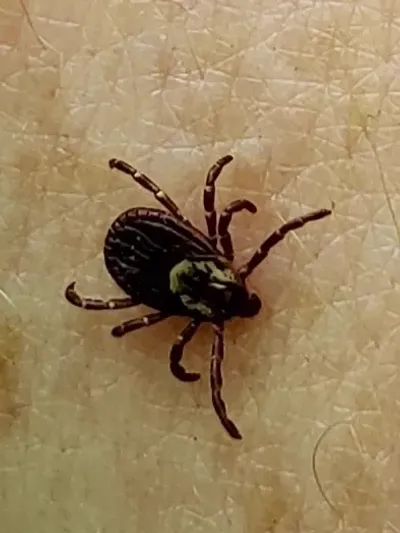
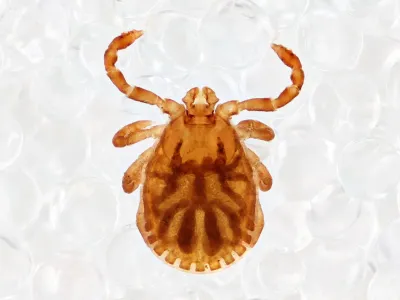
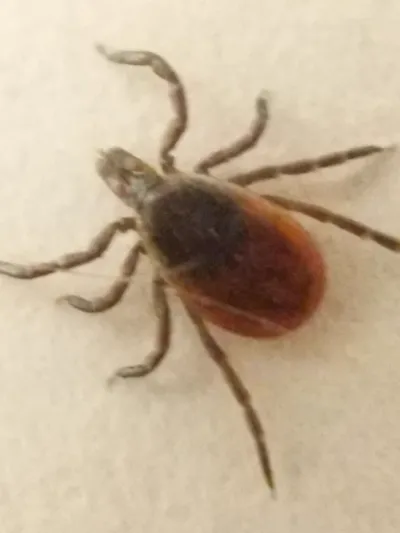
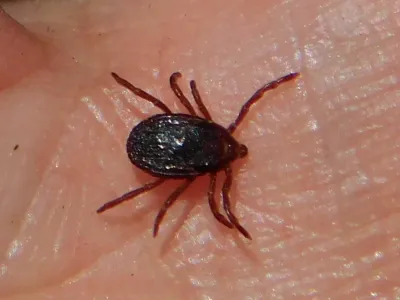
Explore other species in the ticks family
Commonly Confused With
Gulf Coast Ticks are often mistaken for these similar pests
Where Gulf Coast Ticks Are Found
Hover over states to see their names. Green regions indicate where gulf coast ticks have been reported.
Common Questions about Gulf Coast Ticks
How do I identify a Gulf Coast tick?
+
Gulf Coast ticks have ornate silvery-white markings on their back that form interconnected patterns. They have long, rectangular mouthparts that distinguish them from American dog ticks. Adults measure 3 to 7 millimeters and are reddish-brown with distinctive decorative markings.
What diseases do Gulf Coast ticks carry?
+
Gulf Coast ticks primarily transmit Rickettsia parkeri, which causes a spotted fever similar to but milder than Rocky Mountain spotted fever. They also carry Hepatozoon americanum, which causes serious illness in dogs. Heavy infestations can cause tick paralysis in pets and livestock.
Are Gulf Coast ticks found in Virginia and Maryland?
+
Yes, Gulf Coast tick populations have expanded well beyond their original Gulf Coast range. Established populations now exist in Virginia, Maryland, and states along the Atlantic coast as far north as Connecticut. Their range continues to expand northward and inland.
What does a Rickettsia parkeri infection look like?
+
Rickettsia parkeri infection often begins with an eschar, a dark scab-like sore at the bite site. Within several days, symptoms include fever, headache, muscle aches, and a rash. The illness is typically milder than Rocky Mountain spotted fever and responds well to antibiotic treatment.
Where do Gulf Coast ticks live?
+
Gulf Coast ticks prefer grassland prairies, coastal uplands, and the edges of wooded areas. They thrive in drier habitats compared to other tick species. They are commonly found where maintained lawns transition to less manicured natural areas.
What animals do Gulf Coast ticks feed on?
+
Larvae and nymphs feed on small animals like birds, rodents, and rabbits. Adults prefer larger mammals including deer, dogs, coyotes, and cattle. They often attach to the ears of their hosts, which can cause a condition called Gotch ear in livestock.
How does your tick treatment work?
+
We apply granular treatments in early spring and late fall to disrupt tick breeding. From April through October, we spray the edges of your property where landscaping meets natural areas. This targets the transition zones where ticks wait for hosts.

With five years of hands-on experience in the pest control industry, George Schulz is a registered technician with the Virginia Pest Management Association and a proud third-generation professional in a family business that's been protecting homes for over 57 years. He manages and trains a team of service pros while also leading internal research efforts—recently spearheading a deep-dive review of thousands of documents on pest control materials to hand-pick the most kid and pet friendly, most effective solutions tailored specifically for homes in the DC metro area.