Dog Ticks Identification Guide
Dermacentor variabilis
American dog ticks are brown, flat parasites commonly found on dogs and humans. They spread Rocky Mountain spotted fever and tularemia but do not carry Lyme disease.
Taxonomy
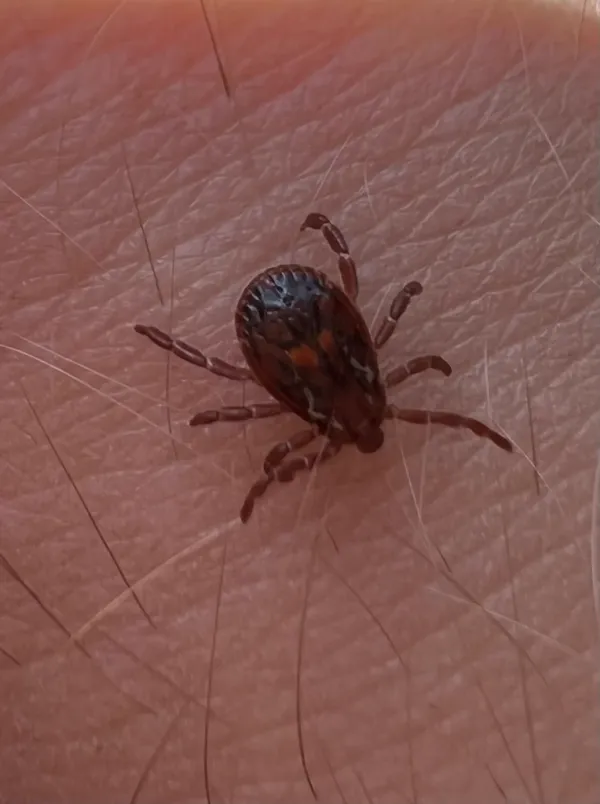
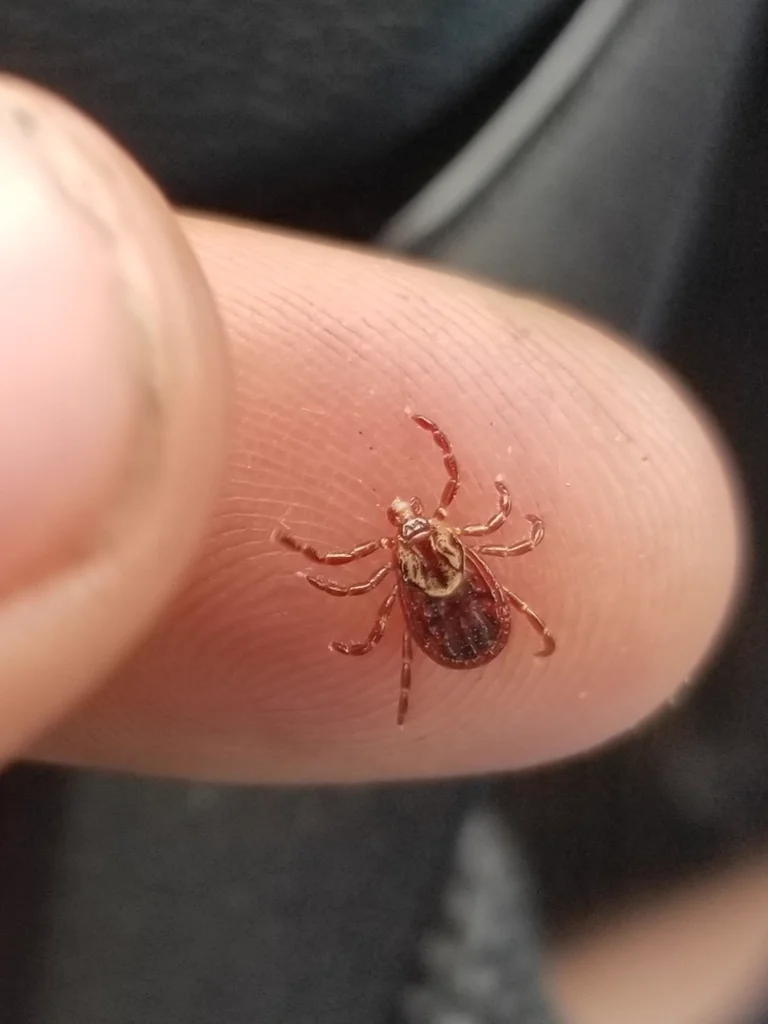
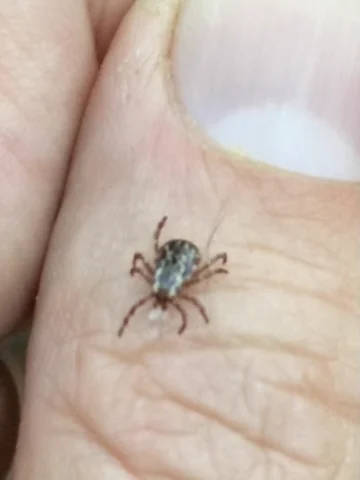
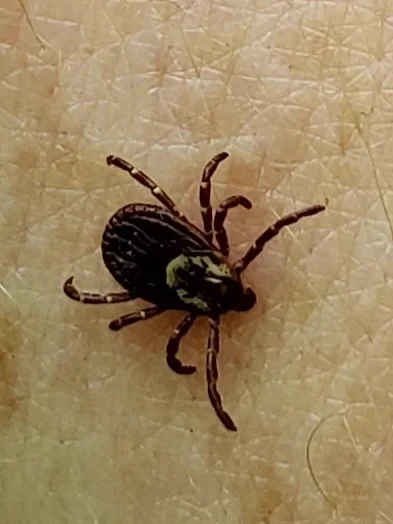
Dog Ticks Coloration
Common color patterns to help identify dog ticks
Dog Ticks
Seasonal Activity
When dog ticks are most active throughout the year
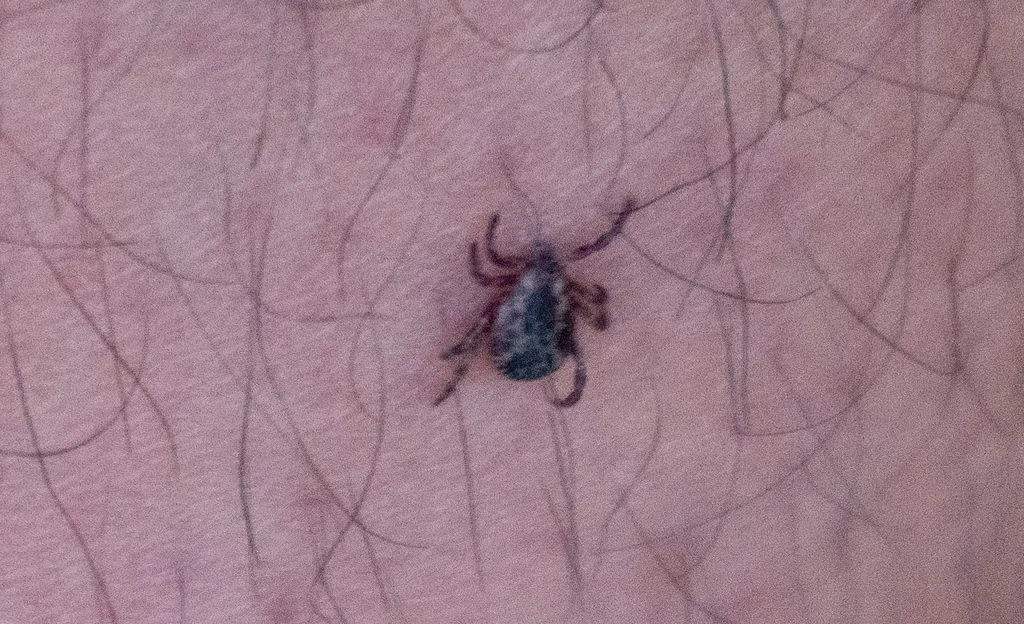

Where Dog Ticks Are Found
Hover over states to see their names. Green regions indicate where dog ticks have been reported.
Dog Tick Identification Guide
Physical Characteristics
American dog ticks (Dermacentor variabilis) are medium to large ticks with flat, oval bodies. Unfed adults measure 3 to 5 millimeters long. After a blood meal, females can swell to 15 millimeters or more. Males are smaller and do not enlarge much when feeding.
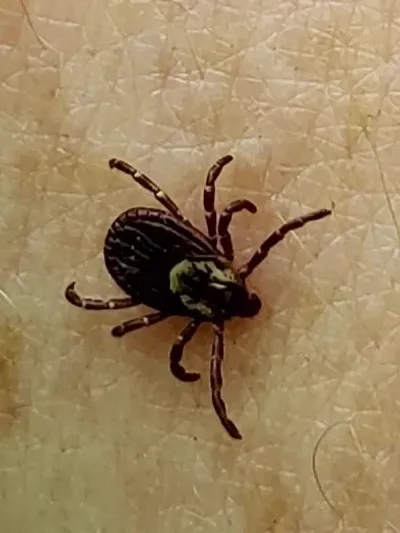
These ticks have a distinct color pattern. Males have a mottled brown and white appearance across their entire back. Females have a dark brown body with an off-white shield (called a scutum) behind the head. This shield does not expand when the tick feeds, which is why engorged females look mostly gray or olive-colored.
Like all ticks, dog ticks have eight legs as nymphs and adults. Larvae have only six legs. They lack antennae and have a hard outer shell that protects them from crushing. See our picture guide to compare dog ticks with other common species, or learn how fleas and ticks differ.
How to Tell Dog Ticks from Other Species
Dog ticks are often confused with other common tick species. Here is how to tell them apart:
-
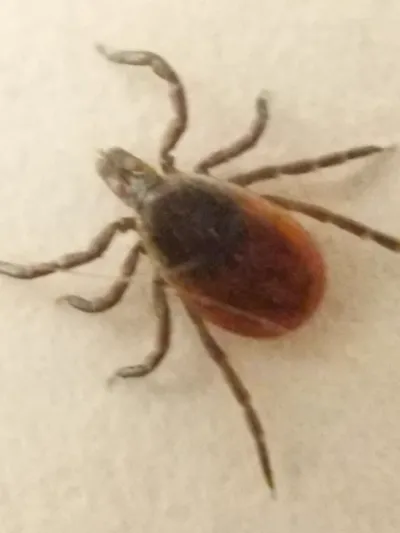
Deer ticks (black-legged ticks): Much smaller with solid dark brown or black bodies and no white markings. Deer ticks spread Lyme disease while dog ticks do not.
-
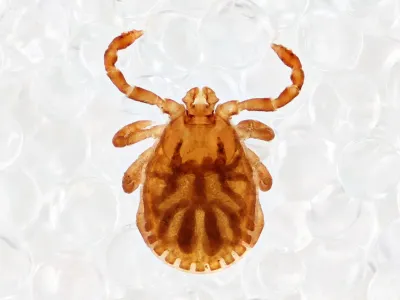
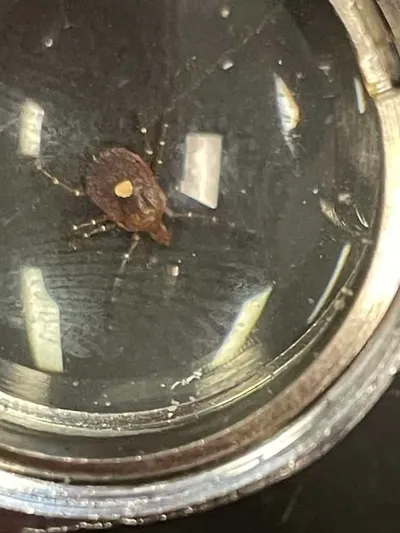
Lone star ticks: Females have a single white dot in the center of their back. Dog tick females have a white shield near the head instead.
-
Brown dog ticks: Uniformly reddish-brown without the mottled white pattern. Brown dog ticks prefer to live indoors and feed mainly on dogs.
Dog Tick Behavior and Biology
Life Cycle
American dog ticks go through four life stages: egg, larva, nymph, and adult. The full cycle takes about two years to complete.
Females lay 4,000 to 6,500 eggs on the ground after feeding. Eggs hatch in 26 to 40 days depending on temperature. Larvae find small mammals like mice to feed on. After feeding for a few days, they drop off and molt into nymphs.
Nymphs also feed on small mammals. After another blood meal, they molt into adults. Adult dog ticks prefer larger hosts like dogs, deer, and humans. This three-host feeding pattern gives the tick multiple chances to pick up and spread disease.
Questing Behavior
Dog ticks find hosts through a behavior called questing. They climb onto grass, shrubs, or low vegetation and extend their front legs outward. When a potential host brushes past, they grab on. Ticks sense hosts by detecting body heat, movement, and the carbon dioxide we breathe out.
Research suggests that dog ticks gather along trails and paths where animals frequently travel. The scent left by passing animals may attract ticks to these areas.
Seasonal Activity
Adult dog ticks are most active from mid-April through early September. They overwinter in soil, leaf litter, or other protected spots. Warmer temperatures in spring trigger their activity.
Under good conditions, unfed larvae can survive up to 11 months without a meal. Nymphs and adults can also survive extended periods between feedings, making them persistent pests.
Health Risks and Diseases
American dog ticks spread several diseases to humans and pets. The most important ones include:
Rocky Mountain Spotted Fever
Despite its name, Rocky Mountain spotted fever occurs throughout the eastern United States. Dog ticks are the main carriers of the bacteria Rickettsia rickettsii that causes this illness. Symptoms include sudden fever, headache, muscle pain, and a spotted rash. Without treatment, this disease can be fatal. Early antibiotic treatment is highly effective.
Tularemia
Dog ticks can spread Francisella tularensis, the bacteria that causes tularemia. This illness causes fever, skin ulcers, and swollen lymph nodes. Hunters and people who handle wild animals have higher risk. Tularemia responds well to antibiotics when caught early.
Tick Paralysis
In rare cases, a feeding female dog tick can release a neurotoxin that causes ascending paralysis. Symptoms begin in the legs and move upward, similar to Guillain-Barre syndrome. Removing the tick usually leads to rapid recovery within 24 hours.
Important Note About Lyme Disease
American dog ticks cannot spread Lyme disease. While they may encounter the Borrelia burgdorferi bacteria in the environment, they are not competent vectors for this pathogen. Black-legged ticks (deer ticks) are responsible for Lyme disease transmission.
Medical Disclaimer: This information is for educational purposes only and should not replace professional medical advice. If you suspect a tick bite or develop symptoms after one, contact your healthcare provider promptly.
How We Treat for Dog Ticks
Tick populations peak in spring and fall. Our treatment plan targets these high-activity periods:
-
Granular applications in March and November: We apply products to tick hiding spots before breeding season. This reduces the population before they become most active.
-
Topical sprays from April to October: We treat the ecotone of your property. This is the zone where your maintained lawn meets natural areas like woods or tall grass. Ticks concentrate in these transition zones while waiting for hosts.
-
Habitat assessment: Our technicians identify problem areas on your property. We recommend clearing brush, removing leaf litter, and keeping grass trimmed short near high-traffic areas.
-
Pet protection guidance: We suggest working with your veterinarian to keep pets on tick prevention products. Pets often bring ticks into yards and homes.
References and Further Reading
Other Ticks
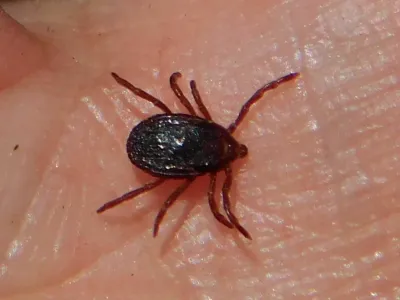
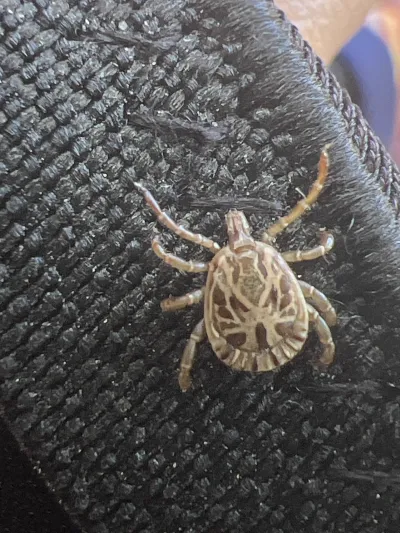
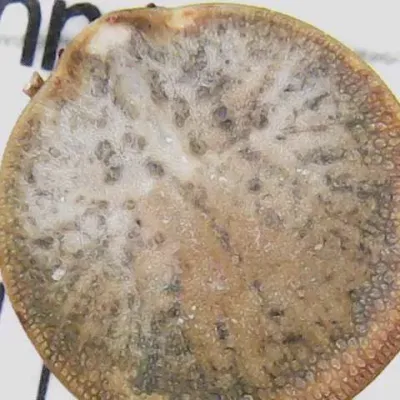
Explore other species in the ticks family
Commonly Confused With
Dog Ticks are often mistaken for these similar pests

Where Dog Ticks Are Found
Hover over states to see their names. Green regions indicate where dog ticks have been reported.
Common Questions about Dog Ticks
What is the difference between dog ticks and deer ticks?
+
Dog ticks are larger than deer ticks and have a mottled brown and white pattern on their backs. Deer ticks are smaller with solid dark brown or black bodies. Dog ticks spread Rocky Mountain spotted fever, while deer ticks spread Lyme disease.
Can dog ticks transmit Lyme disease?
+
No. American dog ticks cannot spread Lyme disease. While they may be exposed to the bacteria that causes Lyme disease, they are not able to pass it to humans or animals. However, they can spread Rocky Mountain spotted fever and tularemia.
How long does a dog tick need to be attached to spread disease?
+
A dog tick generally needs to be attached for 6 to 8 hours before it can transfer disease-causing bacteria. Some research suggests it could take as little as 3 to 6 hours. Remove ticks as soon as possible to reduce your risk.
Where do dog ticks live in my yard?
+
Dog ticks prefer grassy fields, shrubby areas, and the edges where your lawn meets wooded zones. They climb onto tall grass and low shrubs to wait for hosts to walk by. They are most common along trails and pathways.
What time of year are dog ticks most active?
+
Dog ticks are most active from mid-April through early September. They overwinter in soil and leaf litter and become active when temperatures warm up in spring. Peak activity occurs during late spring and summer.
What is the proper way to remove a dog tick?
+
Use fine-tipped tweezers to grasp the tick as close to your skin as possible. Pull straight up with steady, even pressure. Do not twist, crush, or use heat. Clean the bite area with rubbing alcohol or soap and water.
What symptoms should I watch for after a dog tick bite?
+
Watch for fever, headache, muscle aches, and a spotted rash that may appear 2 to 14 days after a bite. Rocky Mountain spotted fever symptoms can be serious. See a doctor right away if you develop these signs.

With five years of hands-on experience in the pest control industry, George Schulz is a registered technician with the Virginia Pest Management Association and a proud third-generation professional in a family business that's been protecting homes for over 57 years. He manages and trains a team of service pros while also leading internal research efforts—recently spearheading a deep-dive review of thousands of documents on pest control materials to hand-pick the most kid and pet friendly, most effective solutions tailored specifically for homes in the DC metro area.