Cayenne Ticks Identification Guide
Amblyomma cajennense
Cayenne ticks are ornate hard ticks found from southern Texas through Central and South America. They have long mouthparts, feed on many host species, and can transmit Rocky Mountain spotted fever.
Taxonomy
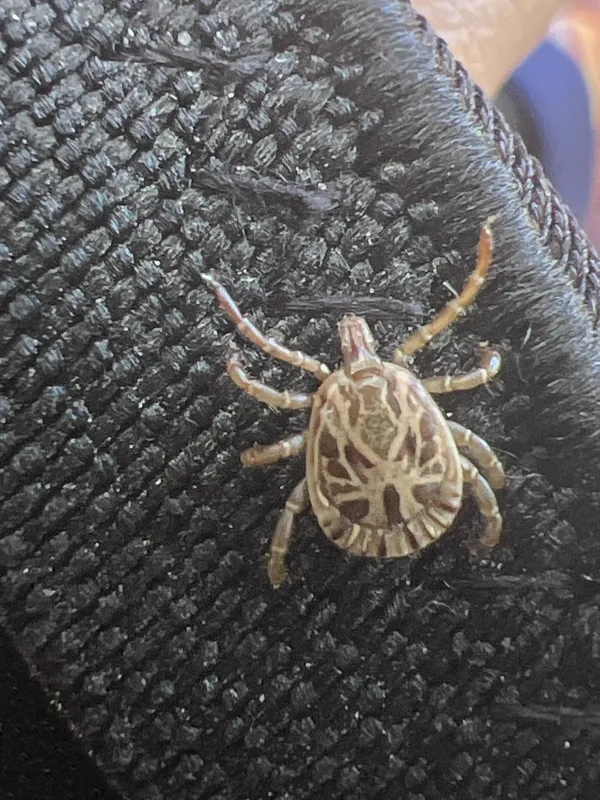
Cayenne Ticks Coloration
Common color patterns to help identify cayenne ticks
Cayenne Ticks
Seasonal Activity
When cayenne ticks are most active throughout the year
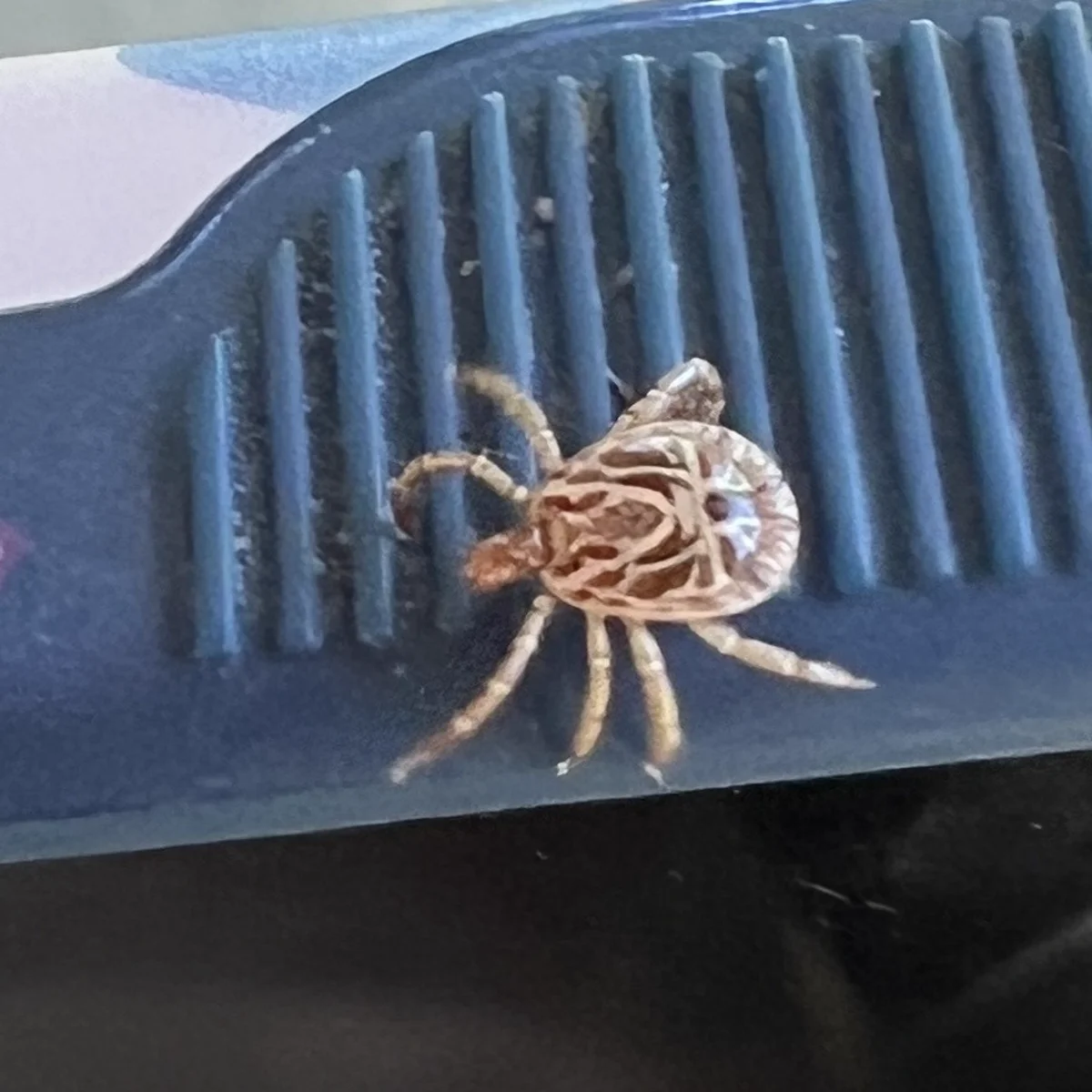
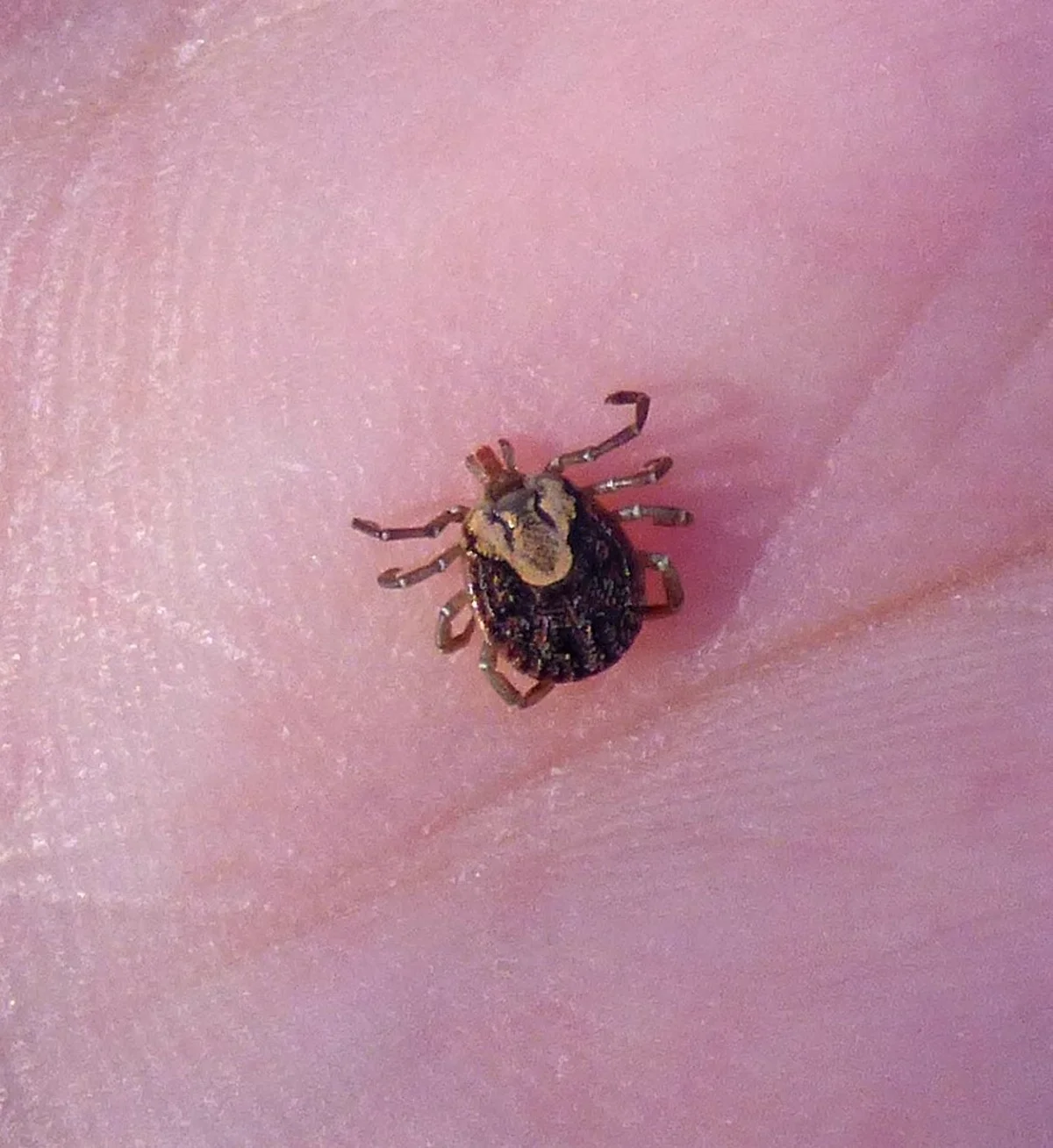
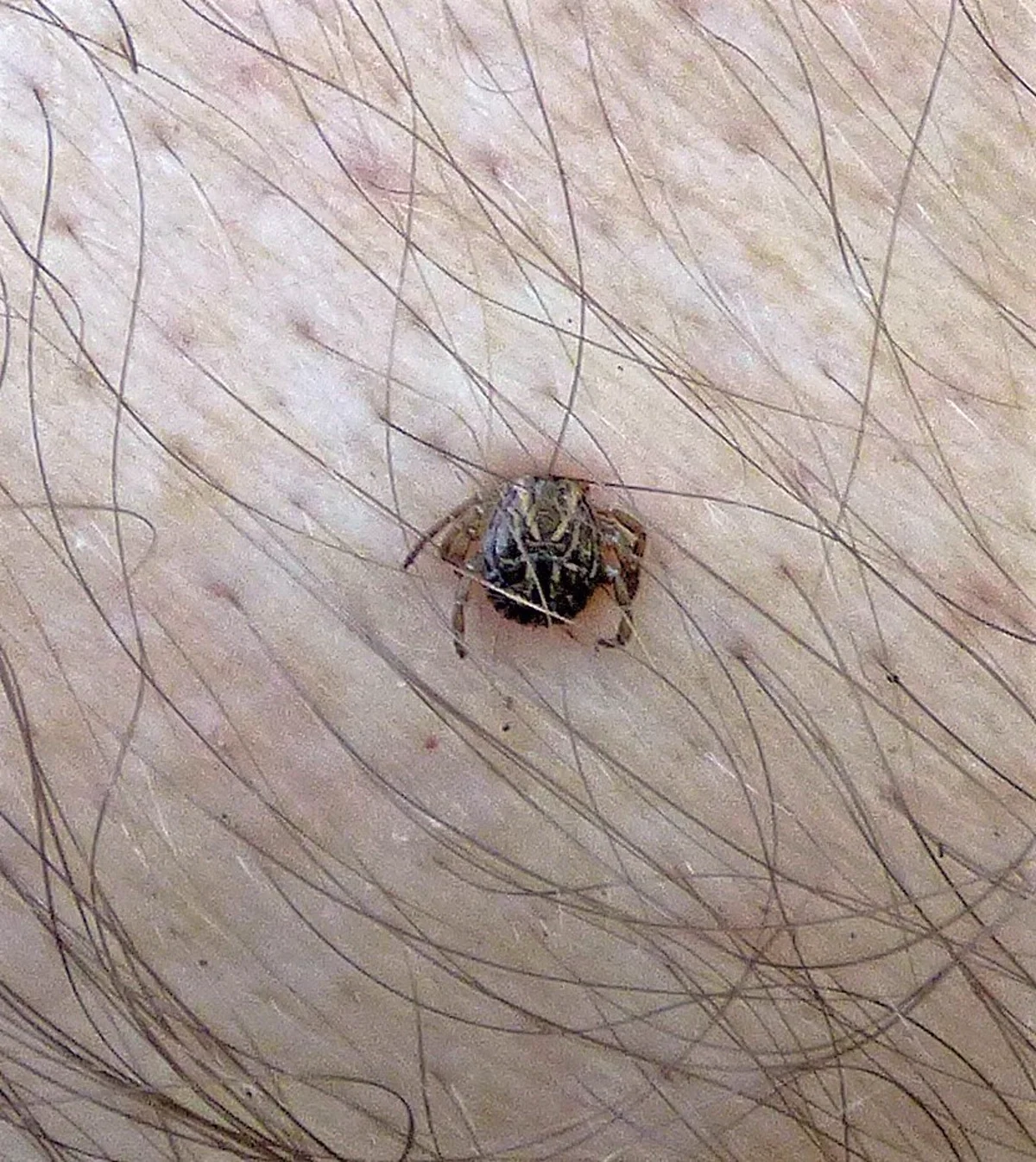

Where Cayenne Ticks Are Found
Hover over states to see their names. Green regions indicate where cayenne ticks have been reported.
Cayenne Tick Identification Guide
Physical Characteristics
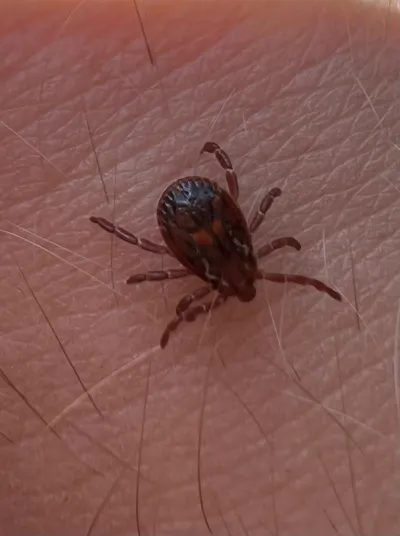
Cayenne ticks (Amblyomma cajennense) are hard ticks with fancy markings. They have some of the longest mouthparts of any tick in the Americas. These long mouthparts dig deep into skin when they feed. This makes them hard to remove.
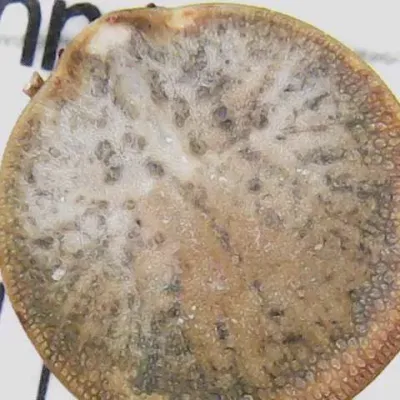
Adult females measure 2 to 6 millimeters before feeding. After a blood meal, they can swell to 10 to 15 millimeters or larger. The female has a hard shield behind the head called a scutum. It is tan with a dark brown pattern that looks like a pendant necklace. The rest of her body is dark brown.
Males are smaller at 2 to 5 millimeters. Their shield covers most of the upper body. It ranges from tan to golden-beige with dark brown stripes and rust-colored patches.
Nymphs look like small adults but cannot reproduce yet. Larvae have six legs instead of eight. They are tiny and hard to spot.
How to Tell Cayenne Ticks Apart from Similar Species
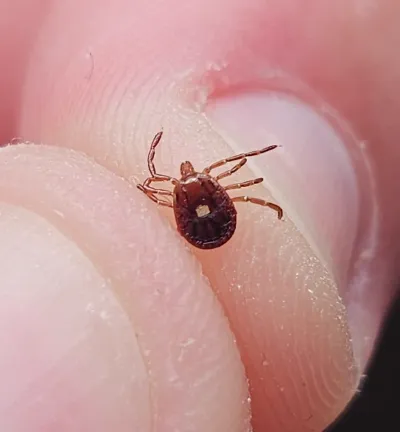
Cayenne ticks share an aggressive feeding style with lone star ticks and can look similar at first glance. See our tick identification chart for more help telling ticks apart. Key differences help with identification:
- Lone star tick: Females have a single white spot on their back. Cayenne tick females have no white spot. They are dark brown with a tan shield.
- American dog tick: Bigger with white or silver markings on the back. Cayenne ticks have tan and brown coloring only.
- Deer tick: Much smaller with dark legs and a reddish-orange body. Cayenne ticks are larger with tan and brown markings.
In southern Texas, Cayenne ticks can be hard to tell apart from Amblyomma imitator. The two species live in the same brushland areas and look very similar.
Cayenne Tick Behavior and Biology
Life Cycle
Cayenne ticks go through four life stages: egg, larva, nymph, and adult. The full cycle takes two to four years. How fast they grow depends on finding hosts and the weather.
Females lay eggs in leaf litter after their last blood meal. When larvae hatch, they climb onto plants to wait for hosts. Larvae usually feed on small mammals and birds. After eating, they drop off and molt into nymphs.
Nymphs will feed on many animals. They attach to birds, rodents, reptiles, and larger mammals like humans. After another blood meal, nymphs become adults.
Adult Cayenne ticks prefer large mammals. Horses are a top choice. This is why some people call them “horse ticks.” Cattle and other farm animals are also common hosts. Females need a blood meal before they can lay eggs.
Feeding and Questing Behavior A related species, Dog Ticks, shares similar characteristics.
Cayenne ticks are aggressive. They do not wait for hosts to come to them. Instead, they hunt for hosts using a behavior called questing. Ticks climb onto grass and shrubs, then reach out their front legs to grab passing animals or people. A related species, Rabbit Ticks, shares similar characteristics.
They can sense carbon dioxide, body heat, and movement. When a host walks by, the tick latches on and crawls to find a good spot to bite. Their long mouthparts dig into the skin. Feeding may last several days.
All active life stages bite humans. Nymphs and adult females cause most bites because they are bigger and feed longer.
Habitat and Range
Cayenne ticks live in warm, tropical areas. They cannot survive cold winters. You can find them from far southern Texas through Mexico, Central America, and the Caribbean. They also live in much of South America down to northern Argentina.
In the United States, Cayenne ticks only live in the brushland of south Texas. This area has the warm, humid weather they need.
Common habitats include:
- Grassy pastures and rangeland
- Forest edges and wooded areas
- Brushland with mixed plants
- Areas with horses and cattle
- Warm, humid tropical areas
Because they like livestock, Cayenne ticks are common on farms and ranches with horses and cattle.
Health Risks and Disease Transmission
Cayenne ticks carry germs that can make people and animals sick. Their role in spreading disease is well known in areas where they live.
Rocky Mountain Spotted Fever
Cayenne ticks spread Rickettsia rickettsii. This is the germ that causes Rocky Mountain spotted fever. The disease is a major concern in Mexico and Central America where these ticks are common. Symptoms include high fever, bad headache, rash, and muscle pain. Without quick antibiotic treatment, this disease can kill.
Equine Piroplasmosis
Lab studies show that Cayenne ticks can spread Theileria equi. This parasite causes a horse disease called equine piroplasmosis. It damages red blood cells and causes weakness and anemia. Infected horses can die. This disease hurts horse farming in areas where Cayenne ticks are common.
Other Diseases
Scientists are still studying other germs Cayenne ticks may carry. They have found various bacteria, viruses, and parasites in these ticks. We do not yet know all the diseases they can spread.
Medical Note: This information is for learning only. It is not medical advice. If you think you have a tick bite or feel sick after visiting areas with Cayenne ticks, see a doctor right away.
Treatment Approaches for Cayenne Ticks
In areas where Cayenne ticks live, control usually involves several methods. These target both the ticks and the places where they live.
Habitat Management
Cutting back tick habitat is a key step. This includes:
- Keep grass and plants trimmed where people and animals spend time
- Remove brush and leaf litter where ticks hide
- Create barriers between wild areas and living spaces
- Control wildlife that ticks feed on
Protecting Livestock
Cayenne ticks love horses and cattle. Protecting farm animals is key in areas with these ticks:
- Check animals often for attached ticks
- Use approved tick-killing products on livestock
- Rotate pastures to break the tick life cycle
- Treat high-risk grazing areas
Protecting Yourself
People in Cayenne tick areas can lower their risk:
- Wear long sleeves and pants in tick habitat
- Use EPA-approved bug sprays with DEET, picaridin, or permethrin
- Check your clothes and skin after being outdoors
- Shower within two hours of coming inside
- Remove any attached ticks right away with fine-tipped tweezers
Naming and Classification
For a long time, scientists thought Cayenne ticks were one species. New DNA studies show they are actually six different species that look alike.
The ticks in the United States and Mexico are now often called Amblyomma mixtum. The name Amblyomma cajennense now mainly refers to ticks in South America. Both names are still used, and scientists continue to study these ticks.
References and Further Reading
Other Ticks
Explore other species in the ticks family
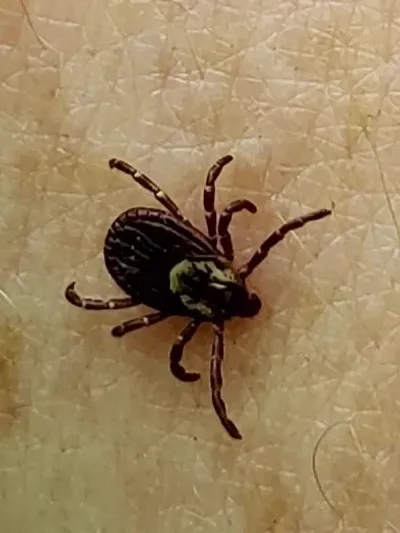
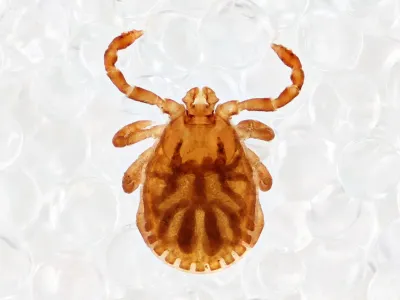
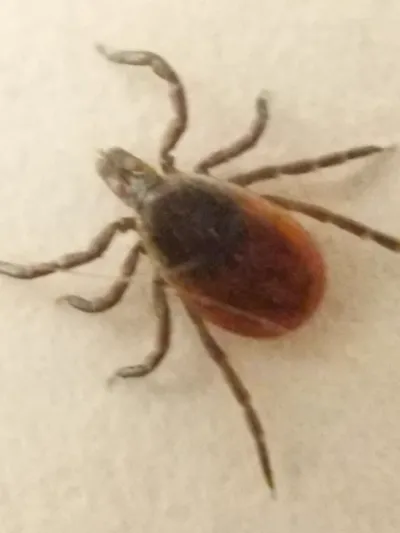
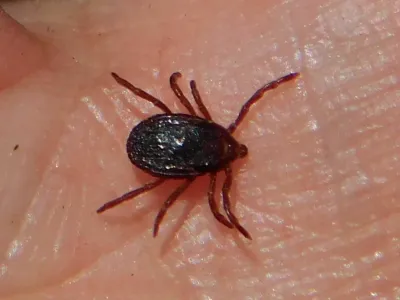
Commonly Confused With
Cayenne Ticks are often mistaken for these similar pests
Where Cayenne Ticks Are Found
Hover over states to see their names. Green regions indicate where cayenne ticks have been reported.
Common Questions about Cayenne Ticks
How do I identify a Cayenne tick?
+
Cayenne ticks are ornate ticks with distinctive tan and dark brown markings. Females have a tan scutum with a dark brown pattern that resembles a pendant necklace. They have very long mouthparts compared to other tick species. Males are smaller with tan to golden-beige coloring and mottled dark striations.
Where are Cayenne ticks found?
+
Cayenne ticks are found from extreme southern Texas through Mexico, Central America, the Caribbean, and into South America as far as northern Argentina. They are cold-sensitive and thrive in tropical and subtropical climates. In the U.S., they are limited to the Tamaulipan biome of south Texas.
What diseases do Cayenne ticks transmit?
+
Cayenne ticks transmit Rocky Mountain spotted fever caused by Rickettsia rickettsii, particularly south of the U.S. border. They can also transmit equine piroplasmosis caused by Theileria equi. Research continues on other potential pathogens this species may carry.
Are Cayenne ticks aggressive?
+
Yes, Cayenne ticks are aggressive biters similar to lone star ticks. They actively seek hosts by questing on vegetation. All three life stages, larvae, nymphs, and adults, will readily bite humans and other hosts.
What animals do Cayenne ticks feed on?
+
Cayenne ticks feed on a wide range of hosts. Adults prefer large mammals, especially horses and cattle. Nymphs are less selective and feed on many species including birds, rodents, and humans. Larvae typically feed on small mammals and ground-feeding birds.
How long do Cayenne ticks live?
+
Cayenne ticks typically live two to four years. Their lifespan varies based on how quickly they find hosts for blood meals. Females die after laying eggs, which occurs after their final blood meal as adults.
How can I tell Cayenne ticks apart from lone star ticks?
+
Cayenne ticks and lone star ticks look similar in size and behavior. However, female Cayenne ticks lack the white dorsal spot that gives lone star ticks their name. Cayenne tick females are uniformly dark brown with a tan scutum bearing a pendant necklace pattern. Lone star tick females have a distinctive single white spot on their back.

With five years of hands-on experience in the pest control industry, George Schulz is a registered technician with the Virginia Pest Management Association and a proud third-generation professional in a family business that's been protecting homes for over 57 years. He manages and trains a team of service pros while also leading internal research efforts—recently spearheading a deep-dive review of thousands of documents on pest control materials to hand-pick the most kid and pet friendly, most effective solutions tailored specifically for homes in the DC metro area.