American Dog Tick Identification Guide
Dermacentor variabilis
The American dog tick is one of the most common ticks in the eastern United States. It is the primary carrier of Rocky Mountain spotted fever and can also transmit tularemia. These ticks prefer dogs but will readily bite humans.
Taxonomy
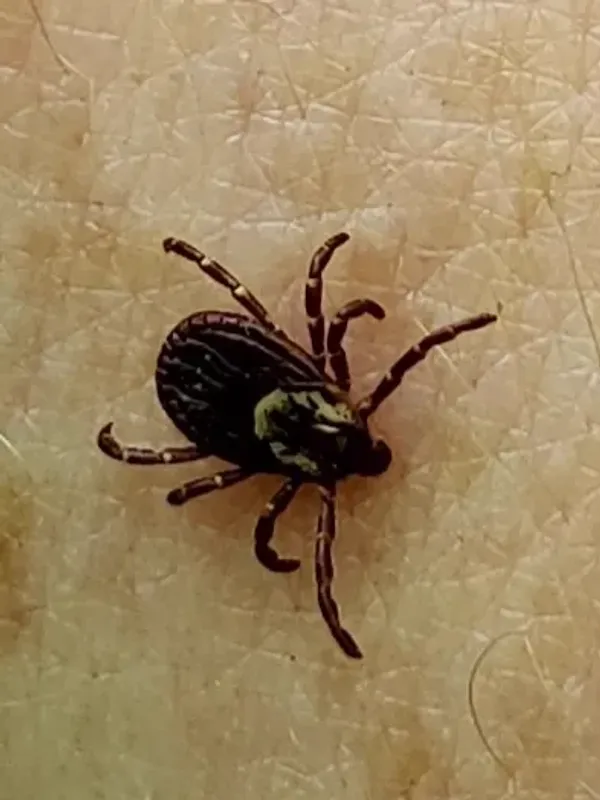
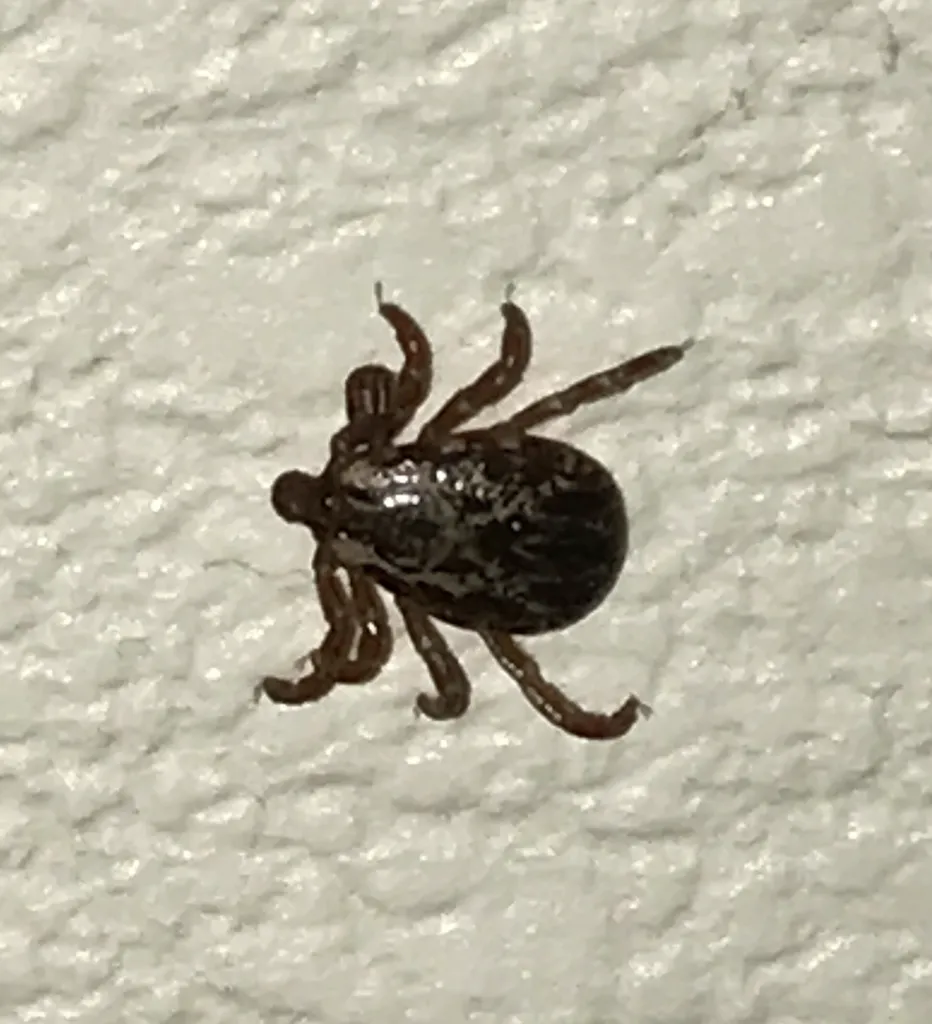
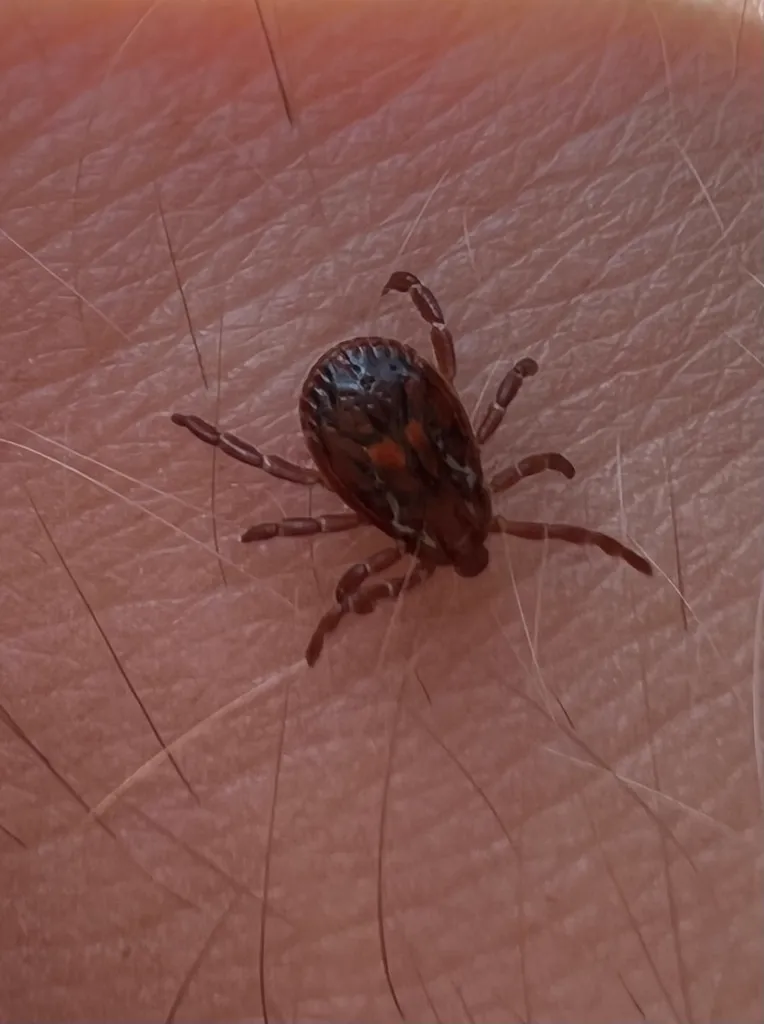
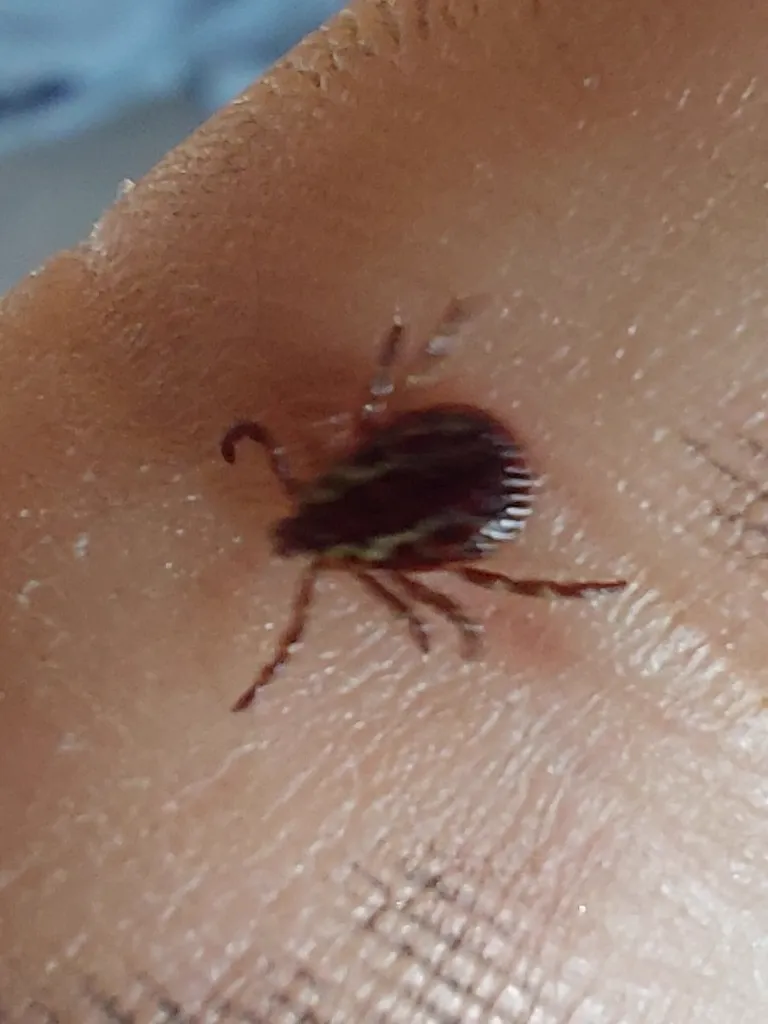
American Dog Tick Coloration
Common color patterns to help identify american dog tick
American Dog Tick
Seasonal Activity
When american dog tick are most active throughout the year

Where American Dog Tick Are Found
Hover over states to see their names. Green regions indicate where american dog tick have been reported.
American Dog Tick Identification Guide
Physical Characteristics
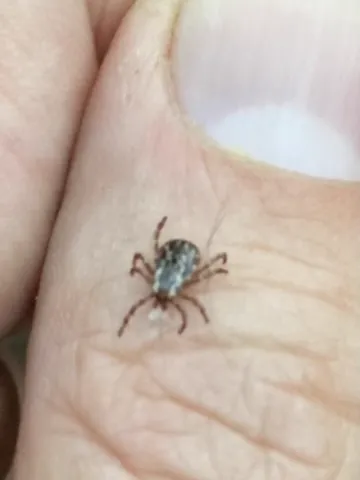
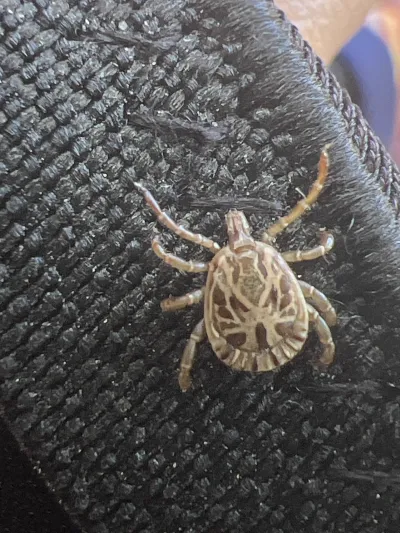
The American dog tick (Dermacentor variabilis) is easy to spot. Unfed adults are flat and oval, about 3 to 5 millimeters long. After feeding, females can swell to 15 millimeters or more. The pattern on their back helps you tell them apart from other ticks. Females have a large cream or off-white shield behind the head. The rest of the body is brown. Males have gray and brown mottled markings across their whole back.
Like all ticks, adults and nymphs have eight legs. Larvae have only six. You may notice their front legs stretched forward. This is called “questing,” and it helps them grab onto passing hosts. Up close, you can see their mouthparts. These have barbed parts that anchor them into skin while they feed. For help telling this tick apart from others, see our tick identification chart.
Common Species
The American dog tick belongs to the Dermacentor genus, one of several tick families found across the United States. This group includes several ticks that can spread disease:
-
American dog tick (Dermacentor variabilis): The most common species in the eastern U.S. Also called the wood tick.
-
Rocky Mountain wood tick (Dermacentor andersoni): Found in the Rocky Mountain region. Looks similar but lives in a different area.
-
Pacific Coast tick (Dermacentor occidentalis): Found along the West Coast from Oregon to Baja California.
American Dog Tick Behavior and Biology
American dog ticks need three different hosts to complete their life cycle. They feed on a different animal at each stage. The full life cycle can take 54 days in ideal conditions. In the wild, it often takes two years or more.
Life Cycle
After mating, female ticks drop to the ground. They lay 4,000 to 6,500 eggs in leaf litter or soil. The eggs hatch into larvae after about a month. These tiny six-legged larvae climb onto low plants. They wait for small animals like mice and voles. After feeding for several days, they drop off and molt into nymphs.
Nymphs have eight legs. They prefer medium-sized hosts like raccoons, opossums, and groundhogs. After feeding and molting again, they become adults. Adults target larger animals, including dogs, deer, and humans. Larvae can survive up to 11 months without food. Adults can live up to two years between meals.
Habitat Preferences
Black-legged ticks like shaded, wooded areas. American dog ticks are different. They do well in open areas with little tree cover. You can find them in:
- Grassy fields and meadows
- Along trails and walkways
- Forest edges and clearings
- Roadside vegetation
- Salt marshes and freshwater marshes
- Areas where grass meets woods (ecotones)
These ticks handle dry conditions better than other tick species. This lets them live in drier places. They are most common where their favorite hosts live.
Host-Finding Behavior
American dog ticks find hosts through “questing.” They climb onto grass or low plants and stretch their front legs outward. Then they wait for an animal to walk by. They sense body heat, movement, and carbon dioxide from breathing. When a host brushes against them, they grab on fast. Then they look for a good spot to feed.
How We Treat for American Dog Ticks
Tick numbers peak in spring and fall. Our treatments target these times. We focus on areas where ticks are most likely to meet you, your family, and your pets.
-
Granular treatments in March and November: We apply granules to reduce ticks before spring activity starts. Fall treatments knock down ticks before winter. These target hiding spots in leaf litter and soil.
-
Sprays from April through October: During tick season, we treat the edges of your property. This is where your lawn meets woods, brush, or tall grass. Ticks gather in these zones while waiting for hosts.
-
Habitat tips: Our technicians look for conditions that attract ticks. They suggest ways to improve your yard. Keeping grass short, removing leaf litter, and adding a barrier between woods and living areas can cut tick numbers.
-
Pet protection advice: We recommend talking to your vet about tick prevention for your pets. Dogs are favorite hosts for adult American dog ticks. They can bring ticks into your home.
Health Risks and Disease Transmission
American dog ticks can spread serious diseases to people and animals. Removing ticks quickly and knowing the warning signs can help prevent problems.
Rocky Mountain Spotted Fever (RMSF)
The name is misleading. Rocky Mountain spotted fever happens throughout the eastern U.S. The American dog tick is the main carrier in this region. The disease comes from the bacterium Rickettsia rickettsii. It can be deadly without fast treatment.
Signs usually show up 2 to 14 days after a bite. They include sudden fever, bad headache, muscle pain, nausea, and vomiting. A spotted rash often starts on the wrists and ankles. It then spreads to other body parts. Early treatment with antibiotics like doxycycline is key. Without treatment, 15 to 20 percent of cases are fatal.
Tularemia
American dog ticks can spread Francisella tularensis, the germ that causes tularemia. You can also get this disease from infected animals or dirty water. Signs may include fever, skin sores, swollen lymph nodes, and breathing problems.
Tick Paralysis
In rare cases, a bite can cause tick paralysis. This happens when a feeding female tick makes a toxin that affects nerves. Signs include weakness that starts in the legs and moves up the body. It is similar to Guillain-Barre syndrome. The good news is that it reverses within 24 to 72 hours after you remove the tick. Finding and removing the tick quickly is key.
Medical Disclaimer: This information is for educational purposes only and is not medical advice. If you experience symptoms after a tick bite, seek medical attention immediately.
References and Further Reading
Other Ticks
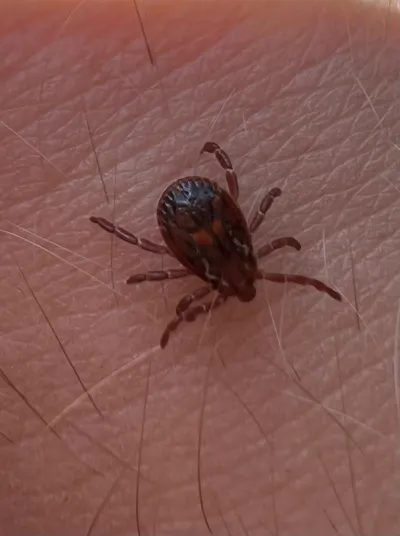
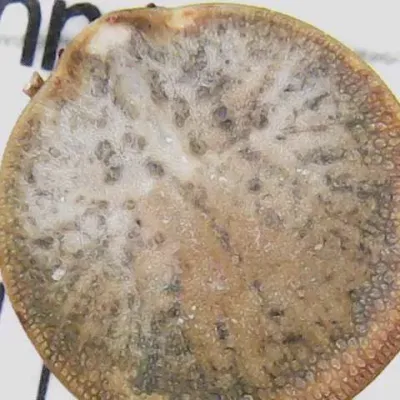
Explore other species in the ticks family
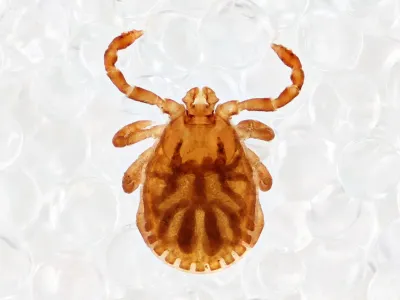
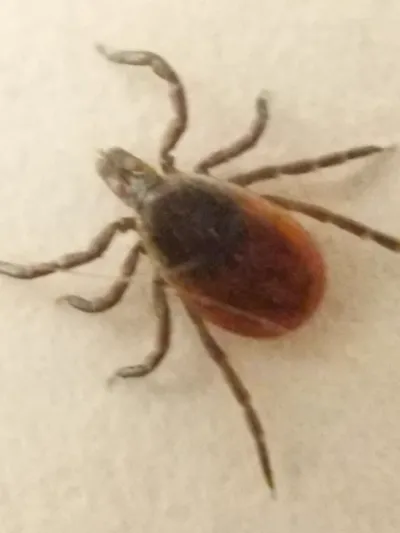
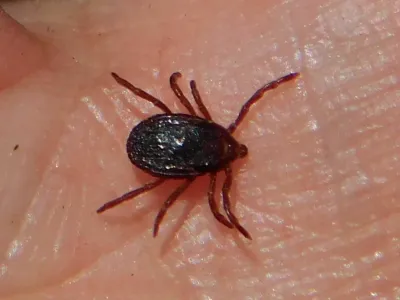
Commonly Confused With
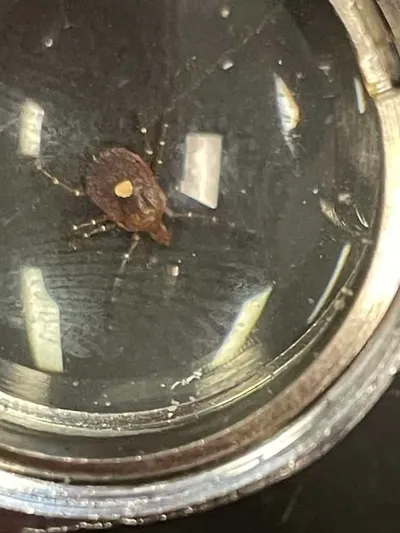
American Dog Tick are often mistaken for these similar pests
Where American Dog Tick Are Found
Hover over states to see their names. Green regions indicate where american dog tick have been reported.
Common Questions about American Dog Tick
How do I identify an American dog tick?
+
American dog ticks are brown with distinctive white or gray mottled markings on their backs. Females have a large off-white shield behind their head, while males appear more uniformly mottled. They are larger than deer ticks, reaching up to 15mm when engorged.
Where are American dog ticks found?
+
These ticks prefer grassy areas with low vegetation, forest edges, and trails. They wait on tall grass and shrubs with their front legs extended, ready to grab onto passing hosts. They are commonly found along walkways, in meadows, and at the edges of wooded areas.
What diseases do American dog ticks carry?
+
American dog ticks are the primary carrier of Rocky Mountain spotted fever, a serious bacterial infection. They can also transmit tularemia. In rare cases, their bite can cause tick paralysis, which reverses once the tick is removed.
When are American dog ticks most active?
+
Adult American dog ticks are most active from mid-April through early September, with peak activity in May and June. They overwinter in soil and leaf litter and become active again when temperatures warm in spring.
How long can American dog ticks survive without feeding?
+
American dog ticks are remarkably resilient. They can survive up to two years without a blood meal at any life stage. This makes them persistent pests that can remain in your yard for extended periods.
Will American dog ticks infest my home?
+
Unlike [brown dog ticks](/pests/ticks/brown-dog-tick/), American dog ticks rarely infest homes. They complete their life cycle outdoors and typically only come inside when attached to a pet or person. Removing the tick usually solves the problem.
How do you treat for American dog ticks?
+
We use granular applications in spring and fall to target tick breeding areas, combined with topical sprays from April through October. We focus on the ecotone where your lawn meets wooded or brushy areas, which is where ticks are most active.

With five years of hands-on experience in the pest control industry, George Schulz is a registered technician with the Virginia Pest Management Association and a proud third-generation professional in a family business that's been protecting homes for over 57 years. He manages and trains a team of service pros while also leading internal research efforts—recently spearheading a deep-dive review of thousands of documents on pest control materials to hand-pick the most kid and pet friendly, most effective solutions tailored specifically for homes in the DC metro area.