Subterranean Termites Identification Guide
Reticulitermes flavipes
Subterranean termites are the most destructive wood-destroying insects in North America, causing billions of dollars in damage annually. They live underground and build mud tubes to reach wood above soil level.
Taxonomy
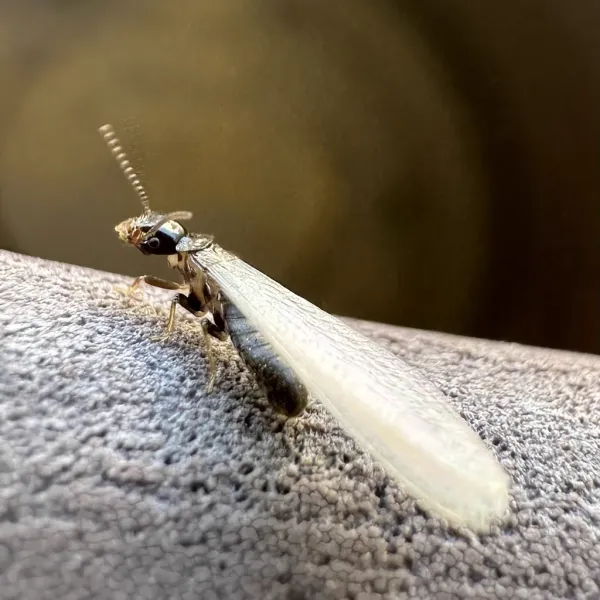
Subterranean Termites Coloration
Common color patterns to help identify subterranean termites
Subterranean Termites
Seasonal Activity
When subterranean termites are most active throughout the year

Where Subterranean Termites Are Found
Hover over states to see their names. Green regions indicate where subterranean termites have been reported.
Subterranean Termite Identification Guide
Physical Characteristics
Subterranean termites live in underground colonies with three types of members: workers, soldiers, and reproductives. Each type looks different and has a specific job.
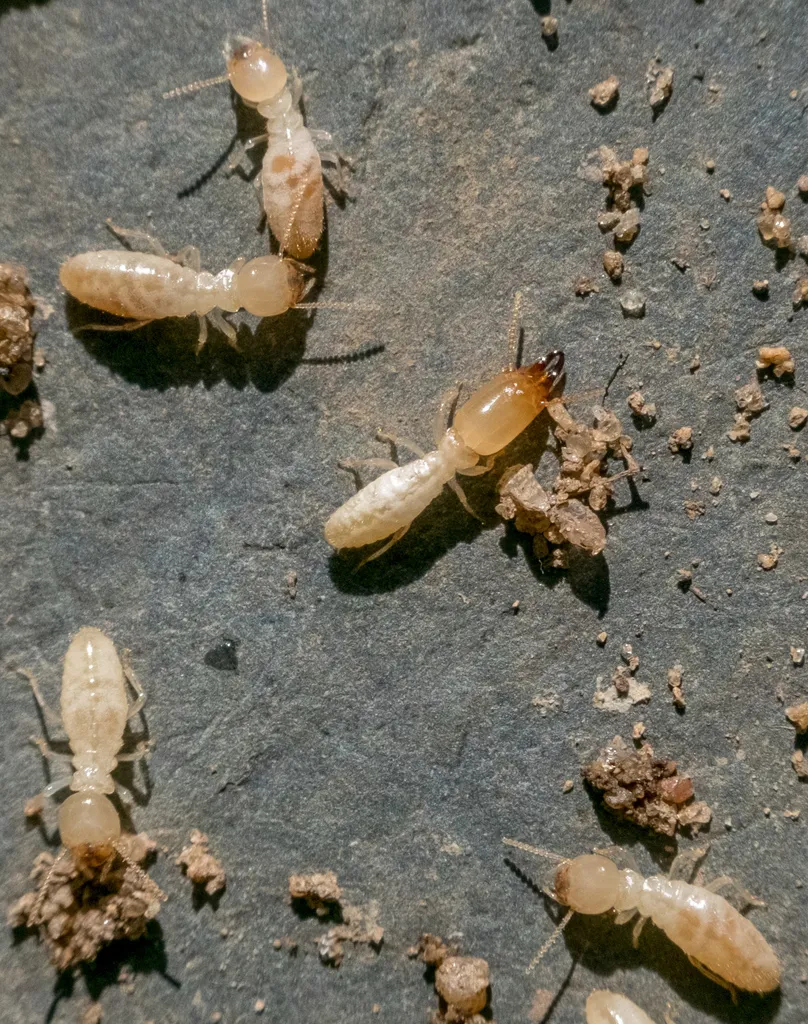
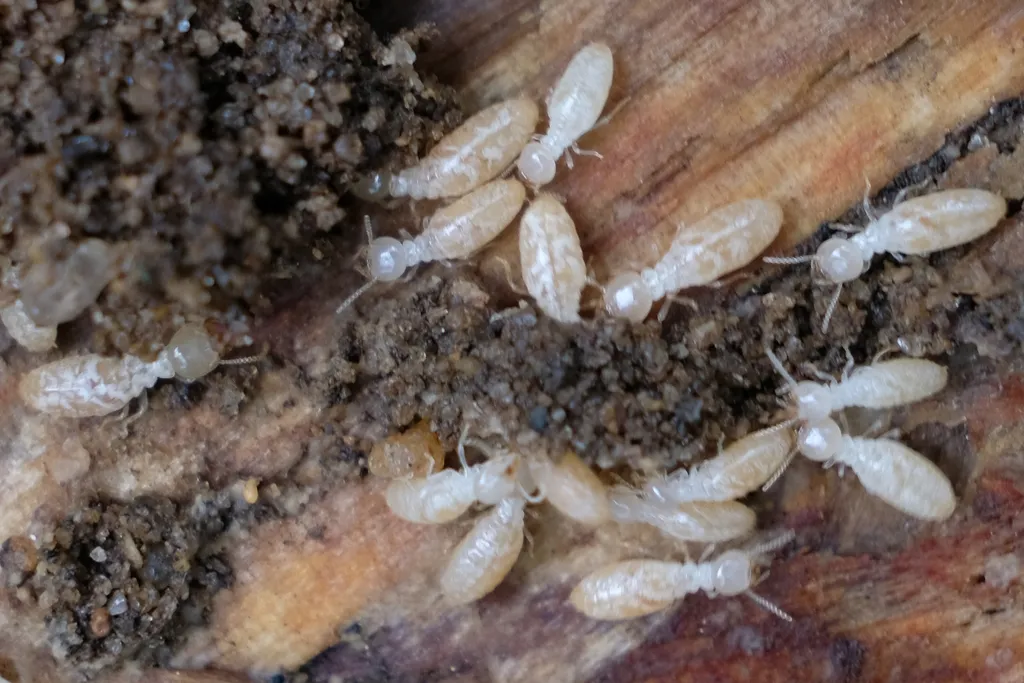
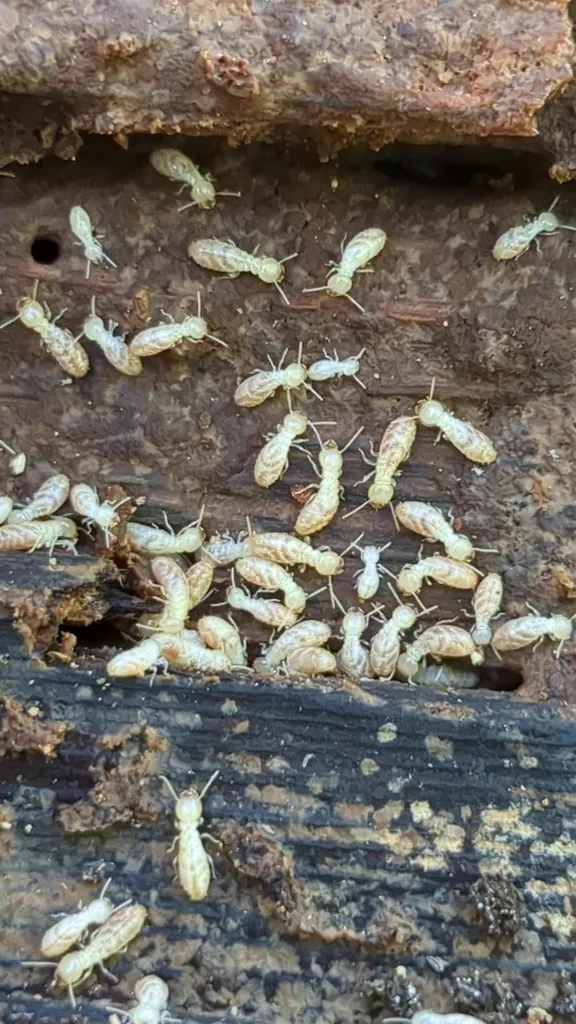
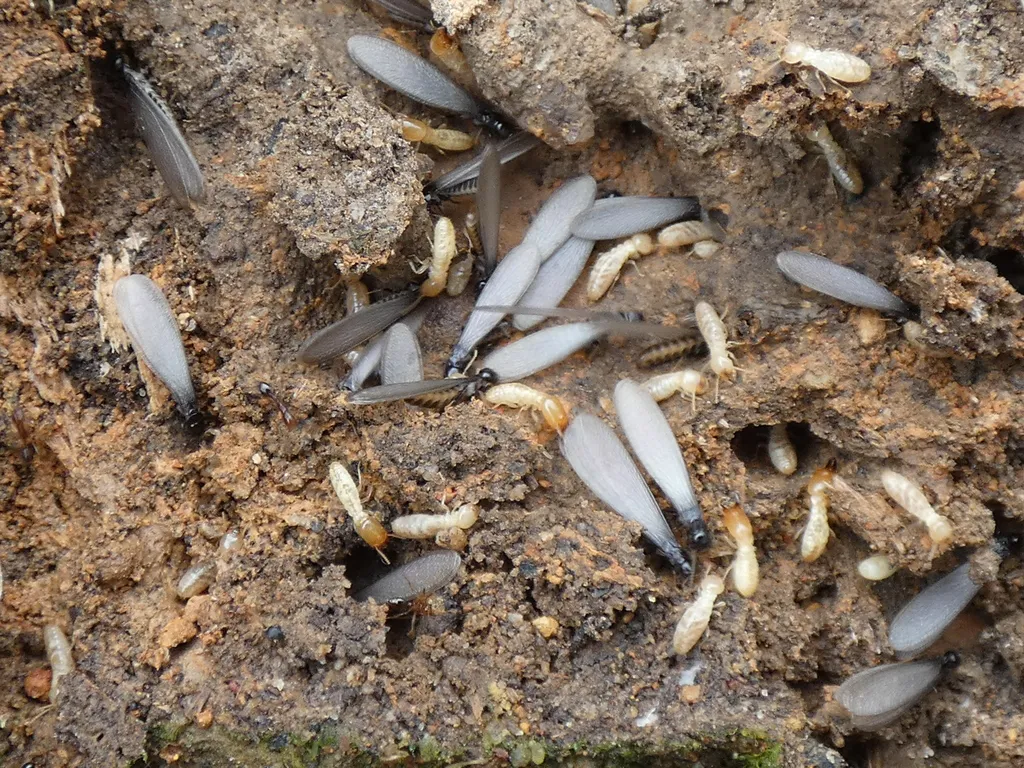
Workers make up most of the colony and cause all the damage. They are about 1/8 to 1/4 inch long with pale, cream-colored, soft bodies. Workers are blind and have no wings. They spend their whole lives in dark tunnels, eating wood and feeding other colony members.
Soldiers protect the colony from ants and other threats. They have larger, darker heads with strong jaws. Soldiers cannot feed themselves, so workers must feed them. Their big heads make them easy to spot in damaged wood.
Reproductives include the king, queen, and winged swarmers. Swarmers are the only termites most homeowners ever see. They are dark brown to black, about 3/8 inch long with wings, and have two pairs of see-through wings that are equal in length. After they swarm, they drop their wings and try to start new colonies.
Common Species in North America
The eastern subterranean termite (Reticulitermes flavipes) is the most common species in the eastern and central United States. Other native species include:
- Western subterranean termite (Reticulitermes hesperus): Found in California and the Pacific Northwest
- Dark southern subterranean termite (Reticulitermes virginicus): Common in southeastern states
- Light southern subterranean termite (Reticulitermes hageni): Found throughout the South
The Formosan subterranean termite (Coptotermes formosanus) is an invasive species found in Gulf Coast states and Hawaii. Formosan termites build much larger colonies with millions of members and cause damage much faster than native species.
Subterranean Termite Behavior and Biology
Colony Structure and Development
Subterranean termite colonies start when winged swarmers leave an existing colony during their yearly mating flight. A male and female land together, drop their wings, and look for a good spot in moist soil near wood. This pair becomes the king and queen of a new colony.
New colonies grow slowly at first. The queen may only lay a few eggs in year one. As the colony gets older, she lays many more eggs. A mature colony can have 60,000 to 1 million termites. Formosan colonies can have over 5 million.
Queens can live 15 to 25 years. Some colonies grow backup reproductives that take over egg-laying if the queen dies. This lets colonies survive for a very long time.
Foraging and Feeding
Subterranean termites need soil moisture to stay alive. They build mud tubes from soil, spit, and waste to travel between their underground nest and wood above ground. These tubes keep them safe from open air.
Workers search through soil until they find wood or other food. Once they find food, they leave scent trails that bring other workers to the spot. A single colony can search an area larger than 10,000 square feet.
Termites digest wood with help from tiny organisms in their guts. These bacteria and protozoa break down wood fibers into food the termites can use. Young termites get these helpful organisms by feeding from older termites.
Damage Patterns
Subterranean termites eat wood along the grain. They prefer softer wood and avoid harder layers. This creates a layered or honeycomb look in damaged wood. Unlike drywood termites, subterranean termites pack their tunnels with mud and soil.
Damage usually starts where wood touches the ground or where moisture lets termites reach a structure. Common entry points include:
- Foundation cracks
- Gaps around plumbing and utility penetrations
- Porch attachments
- Door frames and window sills
- Areas where soil grade is too high
How We Treat for Subterranean Termites
At Better Termite & Pest Control, we offer proven termite treatment options based on your situation.
Sentricon Baiting System
Best for: Ongoing protection, early infestations, and homeowners who prefer low-impact options
Sentricon uses bait stations placed around your home. Each station holds Recruit HD, a wood-based bait with an active ingredient called noviflumuron. This stops termites from growing by blocking their ability to molt.
When termites find the bait, they eat it and share it with other colony members. The active ingredient spreads through the colony and kills workers, soldiers, and the queen. Most colonies die within a few months.
Key benefits of Sentricon:
- No trenching or drilling needed
- Kills the whole colony, not just some termites
- Uses less chemicals than liquid treatments
- Monitors for new termite activity
- Works as both treatment and early warning system
Curative Liquid Treatments
Best for: Active infestations that need fast results, severe damage cases
Liquid treatments create a barrier in the soil around your foundation. Modern products like fipronil are undetectable to termites. Termites walk through the treated soil and spread the product to other colony members.
Treatment includes:
- Trenching along outside foundation walls
- Drilling through concrete slabs, stoops, and patios as needed
- Pumping termiticide into the soil to create a complete barrier
- Treating the inside perimeter in crawl spaces
Liquid treatments stop termites right away and can kill colonies that contact the treated soil.
Annual Inspections and Warranties
All termite customers get yearly inspections. During these visits, our technicians:
- Check for mud tubes on foundations
- Tap wood to find hollow spots
- Look in crawl spaces for new activity
- Check Sentricon stations and add bait as needed
- Note any conditions that attract termites
Our warranty covers retreatment at no extra cost if we find termite activity while your plan is active.
Prevention Tips
Lower your risk of termites with these steps:
- Remove wood-to-soil contact around your home
- Keep water draining away from foundations
- Keep mulch at least 6 inches from foundation walls
- Remove dead trees and stumps near the house
- Fix leaks quickly to reduce moisture
- Make sure crawl spaces have good airflow
- Store firewood far from the house and off the ground
- Fix any spots where wood touches dirt on decks or porches
References and Further Reading
- University of Maryland Extension. Termites. Accessed January 2025.
- University of Florida IFAS Extension. Eastern Subterranean Termite. EDIS Publication IN284.
- EPA. Termites: How to Identify and Control Them. US Environmental Protection Agency.
- Potter, M.F. Termite Control: Answers for Homeowners. University of Kentucky Entomology.
Other Termites
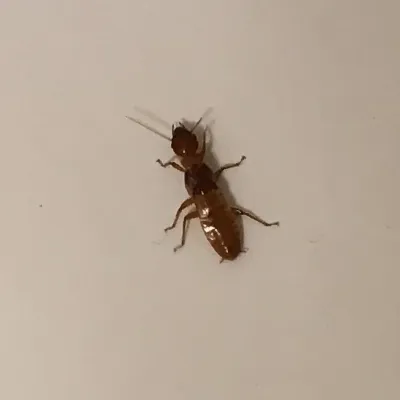
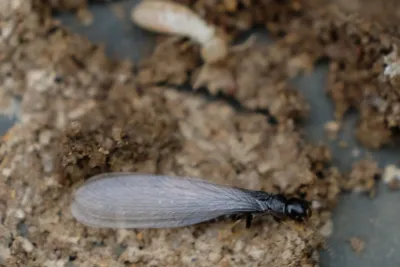
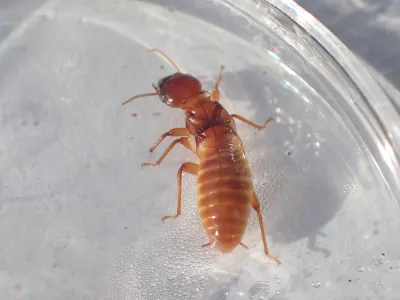
Explore other species in the termites family
Commonly Confused With
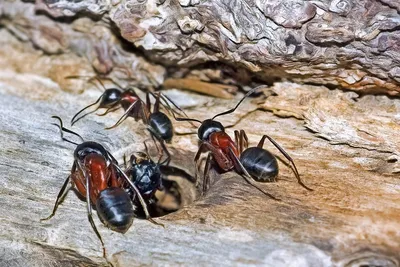
Subterranean Termites are often mistaken for these similar pests
Where Subterranean Termites Are Found
Hover over states to see their names. Green regions indicate where subterranean termites have been reported.
Common Questions about Subterranean Termites
What are the signs of subterranean termites?
+
Look for mud tubes on foundation walls, wood that sounds hollow when tapped, shed wings near windows or doors, and visible damage to wood. Termites often hide for years because they eat wood from the inside out.
How much damage can subterranean termites cause?
+
Subterranean termites cause about $5 billion in damage each year in the U.S. The average homeowner spends $3,300 on repairs. Termites can hide for years, so damage often gets bad before anyone sees it.
When do subterranean termites swarm?
+
In the Mid-Atlantic, termites usually swarm from March through May on warm days after rain. Swarms happen during the day. If you see winged termites or shed wings inside, a colony is living nearby.
What is the difference between termites and ants?
+
Termites have straight antennae, a thick waist, and two pairs of wings that are the same size. Ants have bent antennae, a thin waist, and front wings that are longer than back wings. Termite workers are pale and soft. Ant workers are darker and harder.
Can I treat subterranean termites myself?
+
DIY treatments rarely work on subterranean termites. These pests live deep in the ground in colonies with millions of members. You need professional baiting or liquid treatments to kill entire colonies.
How long does termite treatment take to work?
+
Baiting systems like Sentricon kill colonies in a few months as termites share the bait. Liquid treatments work right away by stopping termites from entering, but may not kill termites far from your home.
Do I need termite protection if I have no current infestation?
+
Yes, protection is a good idea, especially in high-risk areas like Northern Virginia. Termites can attack any home with wood touching soil or moisture problems. Monitoring catches them early and stops costly damage.
What attracts subterranean termites to homes?
+
Termites want moisture and wood. Things that draw them in include mulch against foundations, wood scraps near the home, bad drainage, tree stumps, and any place where wood touches soil.

With five years of hands-on experience in the pest control industry, George Schulz is a registered technician with the Virginia Pest Management Association and a proud third-generation professional in a family business that's been protecting homes for over 57 years. He manages and trains a team of service pros while also leading internal research efforts—recently spearheading a deep-dive review of thousands of documents on pest control materials to hand-pick the most kid and pet friendly, most effective solutions tailored specifically for homes in the DC metro area.