Light Southern Subterranean Termites Identification Guide
Reticulitermes hageni
The light southern subterranean termite is a native wood-destroying insect found across the southeastern United States. Named for the distinctive yellowish-brown color of its swarmers, this species causes structural damage to homes throughout its range.
Taxonomy
Light Southern Subterranean Termites Coloration
Common color patterns to help identify light southern subterranean termites
Light Southern Subterranean Termites
Seasonal Activity
When light southern subterranean termites are most active throughout the year

Where Light Southern Subterranean Termites Are Found
Hover over states to see their names. Green regions indicate where light southern subterranean termites have been reported.
Light Southern Subterranean Termite Identification Guide
Physical Characteristics
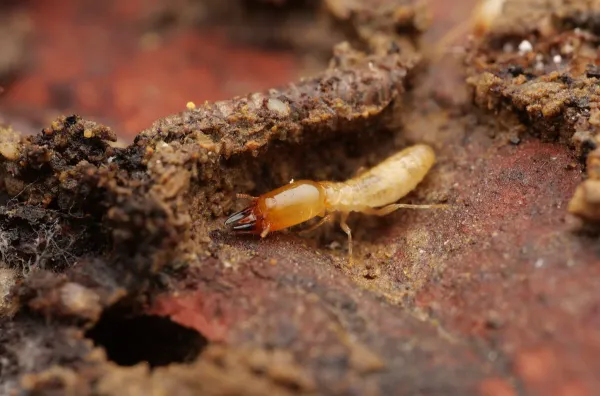
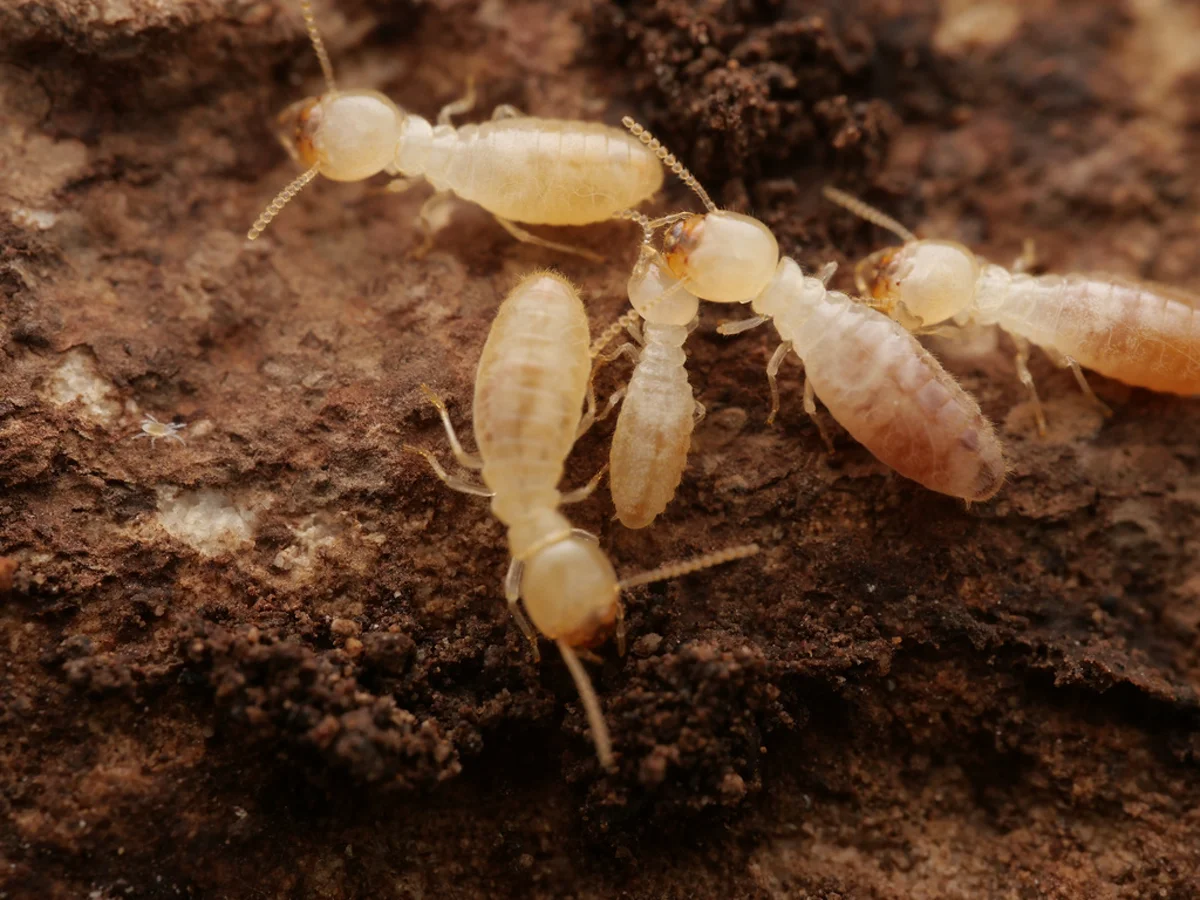
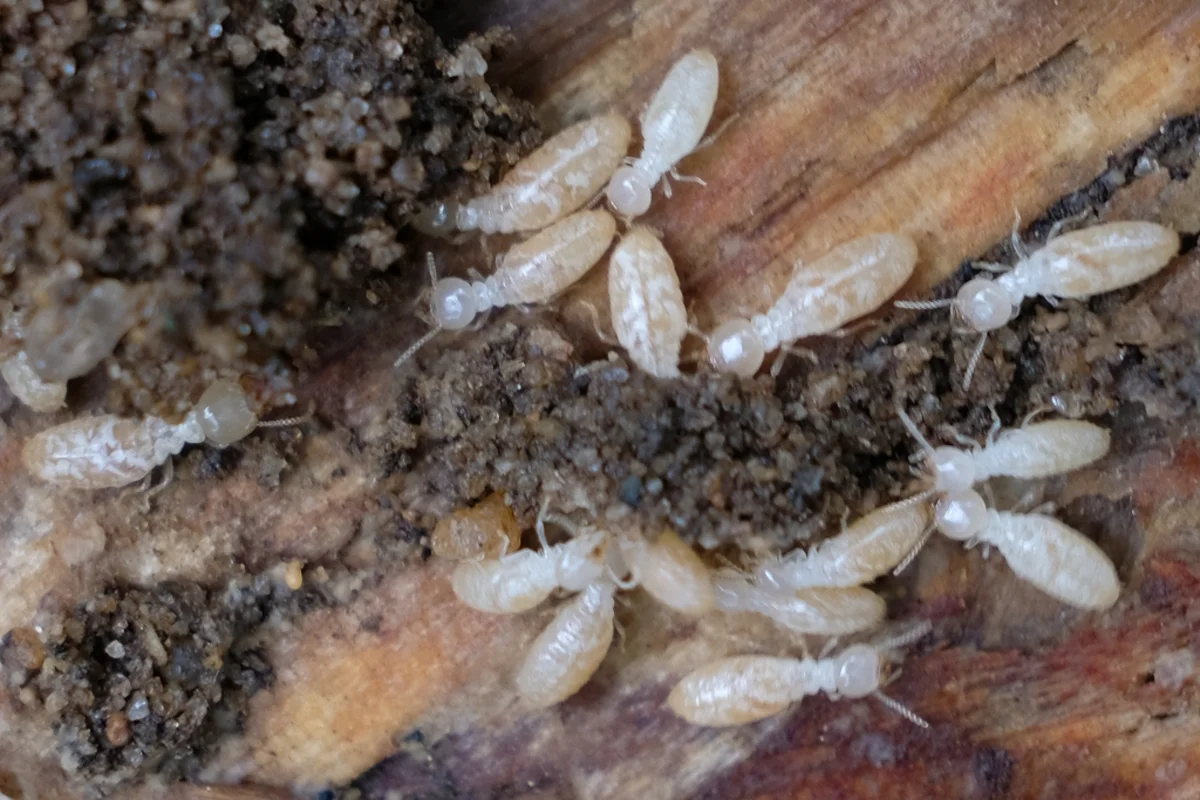
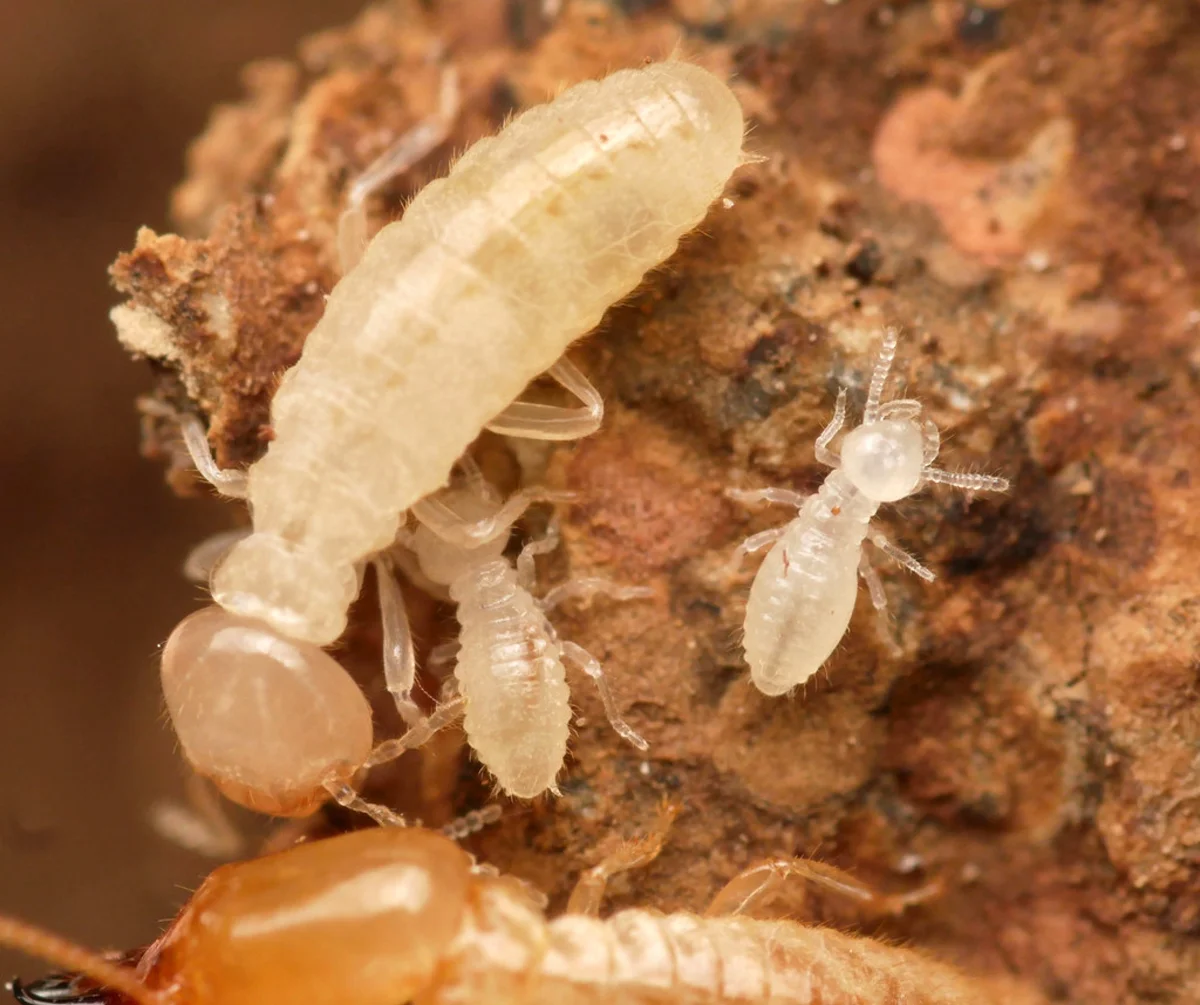
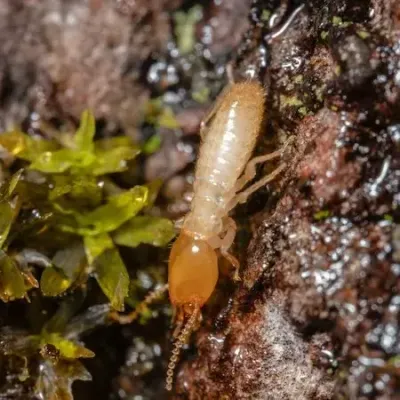
Light southern subterranean termites are 3mm to 8mm long. Size depends on their role in the colony. Workers are about 3mm long with soft, creamy white bodies. They have no eyes since they live underground or inside wood.
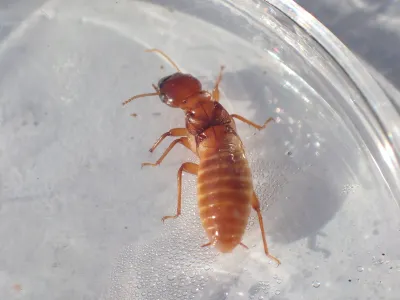
Soldiers have large, box-shaped heads. Their heads are yellowish to yellowish-brown with big dark jaws. They use these jaws to fight off ants and other threats. Soldiers have pale bodies like workers and cannot feed themselves.
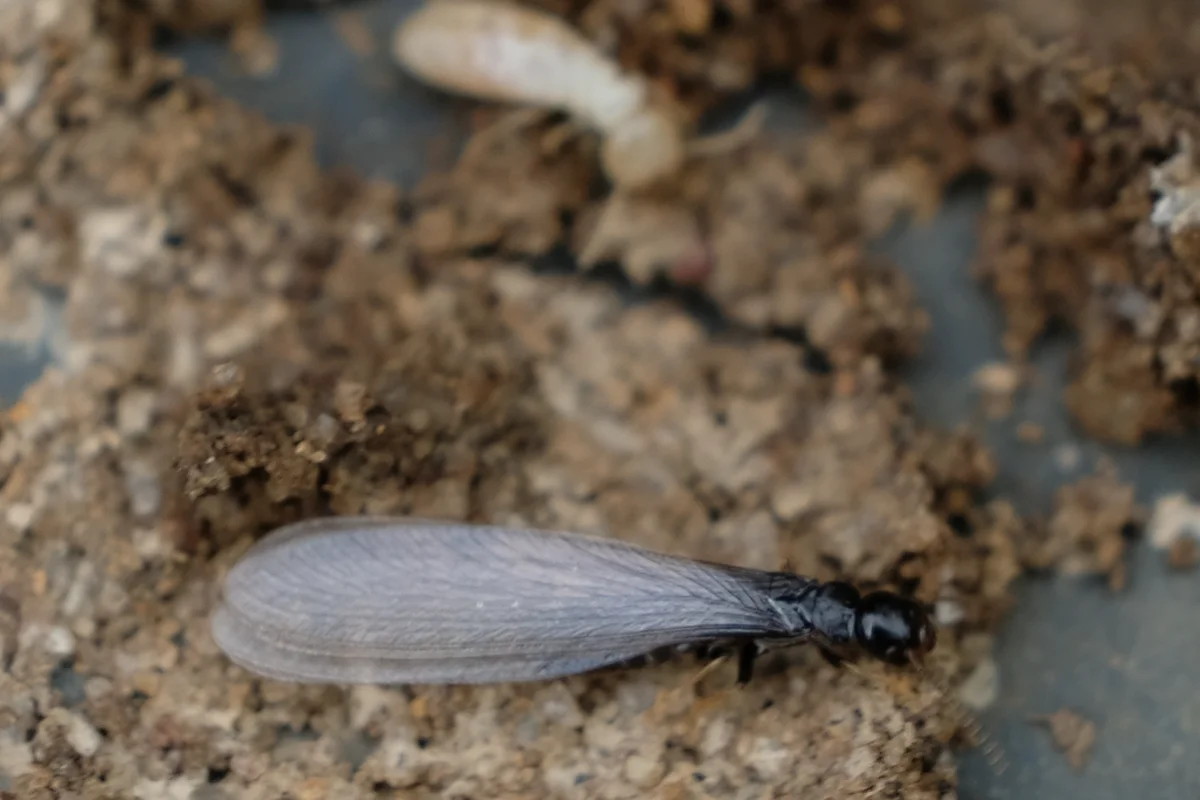
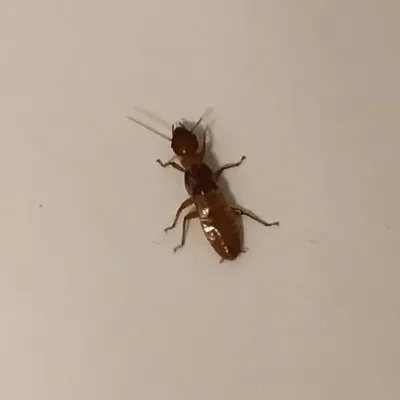
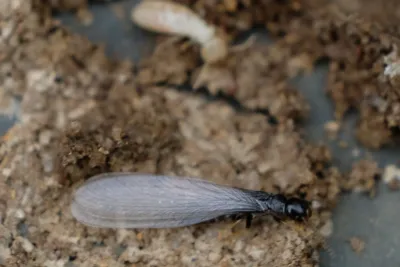
The winged termites, called swarmers or alates, stand out the most. Most subterranean termite swarmers are dark brown or black. But this species has yellowish-brown or orange-brown swarmers. This lighter color is why they are called “light southern” termites. Swarmers are about 7-8mm from head to wingtip.
Key Identification Features
- Swarmers are yellowish-brown, not dark brown or black
- Swarmers measure 12.5-15mm from head to wing tip
- Swarmers fly in the evening, not during the afternoon
- Workers have pale, soft bodies with no color
- Soldiers have large yellowish-brown heads with dark jaws
- Antennae are straight and bead-like (ants have bent antennae)
Related Species in the Southeast
Several termite species live in the same areas across the southeastern United States:
- Eastern subterranean termite (Reticulitermes flavipes): The most common species
- Dark southeastern subterranean termite (Reticulitermes virginicus): Lives in similar areas
- Reticulitermes malletei: Found mostly north of the Fall Line
- Light southern subterranean termite (Reticulitermes hageni): Less common with a smaller range
Workers of these species look very similar. The best way to tell them apart is by looking at swarmers and when they fly.
Light Southern Subterranean Termite Behavior and Biology
Colony Structure
Light southern subterranean termites live in underground colonies. Each colony has workers, soldiers, and reproductives. Workers make up most of the colony. They find food, feed other termites, care for eggs, and build tunnels.
Soldiers make up only 1-2% of the colony. Their job is to defend against ants and other attackers using their large jaws. The king and queen produce eggs. Young winged termites called alates will one day leave to start new colonies.
Foraging Patterns
These termites dig random tunnels underground until they find food. Workers are blind. They use temperature and chemical signals to find their way. They prefer areas with mild temperatures and enough moisture.
When workers find wood, they leave a scent trail for other termites to follow. They build mud tubes from soil, waste, and spit to protect themselves above ground. These tubes keep the air humid so the termites do not dry out.
Swarming Behavior
Light southern subterranean termites swarm in the evening. This is different from other termite species. Eastern and dark southeastern termites swarm during warm, sunny afternoons after rain. Light southern termites fly at dusk instead.
In Tennessee, swarming happens from July through September. In warmer areas, some swarm from December through February. This timing is very different from termites that swarm in spring.
After a short flight, pairs land and drop their wings. They look for a good spot to start a nest. The new king and queen dig a small chamber in moist soil near wood. The queen starts laying eggs, but colony growth is slow at first. It can take 5 to 10 years before a colony is big enough to produce its own swarmers.
Feeding Preferences
Like all subterranean termites, this species eats materials containing cellulose. This includes wood, paper, cardboard, and dead plants. In nature, these termites break down fallen trees and add nutrients back to the soil.
Problems start when they eat wood in buildings. Workers eat from the inside out, following the wood grain. They leave only thin outer shells. Their tunnels are lined with mud and waste. Damage can go unseen for years until the wood becomes weak.
Signs of Light Southern Subterranean Termite Infestation
Watch for these signs of termite activity:
- Mud tubes on foundation walls, piers, or pipes
- Swarmers or shed wings near lights in the evening during summer
- Hollow-sounding wood when you tap it
- Wood damage with tunnels along the grain, filled with soil and waste
- Sagging floors or ceilings from weakened wood
- Bubbling paint on wood hiding damage underneath
Light southern subterranean termites are less common than eastern termites. People may not recognize an infestation right away. Yellowish-brown swarmers flying at night in summer are a clear sign of this species.
Treatment Methods for Light Southern Subterranean Termites
Subterranean termites need professional treatment. Their colonies hide underground where homeowners cannot reach them. The same methods that work on other termite species work on this one too.
Baiting Systems
Pest control experts place bait stations in the ground around a building. Workers find the bait while searching for food. The bait stops termites from molting properly. Workers bring the bait back and share it with the colony. Over time, this causes the colony to die off.
Bait stations also help detect termites early before damage becomes severe.
Liquid Soil Treatments
Liquid products create a barrier in the soil around the foundation. Applying them means digging a trench along the walls and treating the soil. The best products are ones termites cannot sense. Termites walk through treated soil and spread the product to other colony members.
Wood Treatments
Borate products can be applied directly to wood for lasting protection. Borates soak into the wood and stay active for years. This works best during building or remodeling when wood is easy to reach.
Combined Approaches
Using more than one treatment method often works best. A bait system can work alongside liquid treatment. Wood treatments can add extra protection. The right plan depends on how bad the problem is and the type of building. Learn more about how long termite treatment lasts.
Prevention Tips
These steps help lower your termite risk:
- Keep wood from touching soil around your foundation
- Keep mulch at least 12 inches away from foundation walls
- Make sure gutters and grading send water away from the building
- Fix leaky pipes and improve drainage
- Remove dead trees, stumps, and wood scraps from the yard
- Store firewood away from the house and off the ground
- Add vents to crawl spaces to reduce moisture
- Get a termite inspection every year from a licensed professional
References
- Native Subterranean Termites - University of Florida IFAS Extension
- Reticulitermes hageni - University of Tennessee Extension
- Biology of Subterranean Termites in the Eastern United States - University of Georgia CAES
- Species Reticulitermes hageni - BugGuide
- Reticulitermes hageni - U.S. Fish & Wildlife Service
Other Termites
Explore other species in the termites family
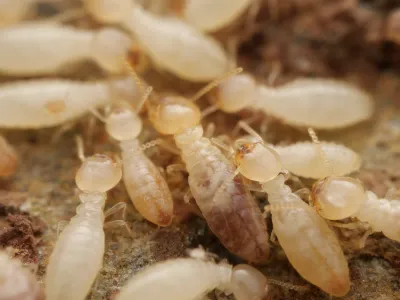
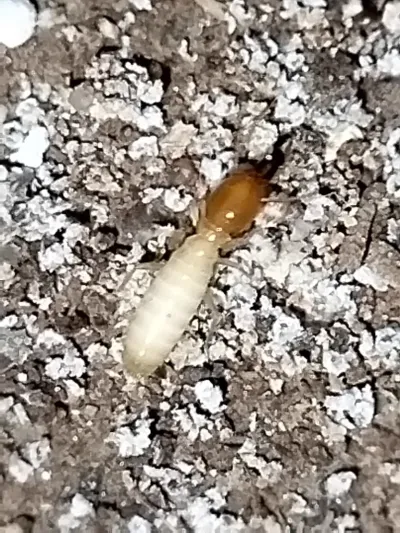
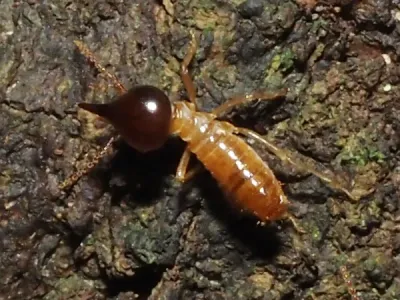
Commonly Confused With
Light Southern Subterranean Termites are often mistaken for these similar pests
Where Light Southern Subterranean Termites Are Found
Hover over states to see their names. Green regions indicate where light southern subterranean termites have been reported.
Common Questions about Light Southern Subterranean Termites
Where are light southern subterranean termites found?
+
These termites live across the southeastern United States. Their range goes from Texas and Oklahoma east to the Atlantic Coast. They are found from Florida north to Virginia and West Virginia. Most live south of a line running from Alabama to New Jersey.
How do I identify light southern subterranean termites?
+
Look at the swarmers. This species has yellowish-brown or orange-brown swarmers. Other common termites have nearly black swarmers. Workers and soldiers look like other termite species. Workers are creamy white. Soldiers have large yellowish-brown heads.
When do light southern subterranean termites swarm?
+
These termites swarm in the evening from July through September. Most other termites swarm during warm, sunny afternoons in spring. The evening flight time helps tell this species apart from others.
Are light southern subterranean termites as damaging as other termites?
+
They cause similar damage to other termites. But they are seen as less of a threat overall. This is because they have a smaller range and fewer numbers than eastern termites. Still, they can cause major damage if not treated.
What is the difference between light southern and eastern subterranean termites?
+
The main differences are color and flight time. Light southern swarmers are yellowish-brown and fly at night in summer. Eastern swarmers are nearly black and fly on sunny spring afternoons. Workers and soldiers are hard to tell apart without a microscope.
How do light southern subterranean termites find food?
+
These termites dig random tunnels underground until they find wood. They are blind and use temperature and smell to find their way. When they find food, workers leave scent trails for other termites to follow.
Can light southern subterranean termites survive without soil contact?
+
Subterranean termites need moisture from soil to live. They build mud tubes to stay humid when going above ground. Without enough moisture, workers dry out and die.
How long does it take for a colony to mature?
+
A new colony takes 5 to 10 years to grow big enough to make swarmers. Colony growth is slow at first. The queen lays more eggs over time and worker numbers grow. Mature colonies can have thousands to tens of thousands of termites.

With five years of hands-on experience in the pest control industry, George Schulz is a registered technician with the Virginia Pest Management Association and a proud third-generation professional in a family business that's been protecting homes for over 57 years. He manages and trains a team of service pros while also leading internal research efforts—recently spearheading a deep-dive review of thousands of documents on pest control materials to hand-pick the most kid and pet friendly, most effective solutions tailored specifically for homes in the DC metro area.