Formosan Termites Identification Guide
Coptotermes formosanus
Formosan termites are an invasive species known as 'super termites' due to their aggressive behavior and large colonies. They can cause severe structural damage much faster than native termite species.
Taxonomy
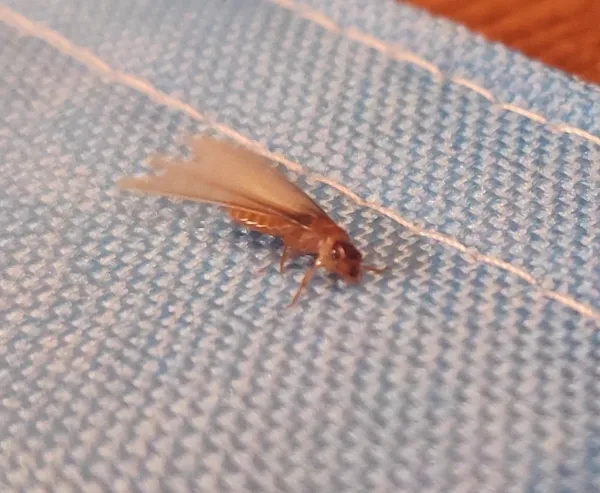
Formosan Termites Coloration
Common color patterns to help identify formosan termites
Formosan Termites
Seasonal Activity
When formosan termites are most active throughout the year

Where Formosan Termites Are Found
Hover over states to see their names. Green regions indicate where formosan termites have been reported.
Formosan Termite Identification Guide
Physical Characteristics
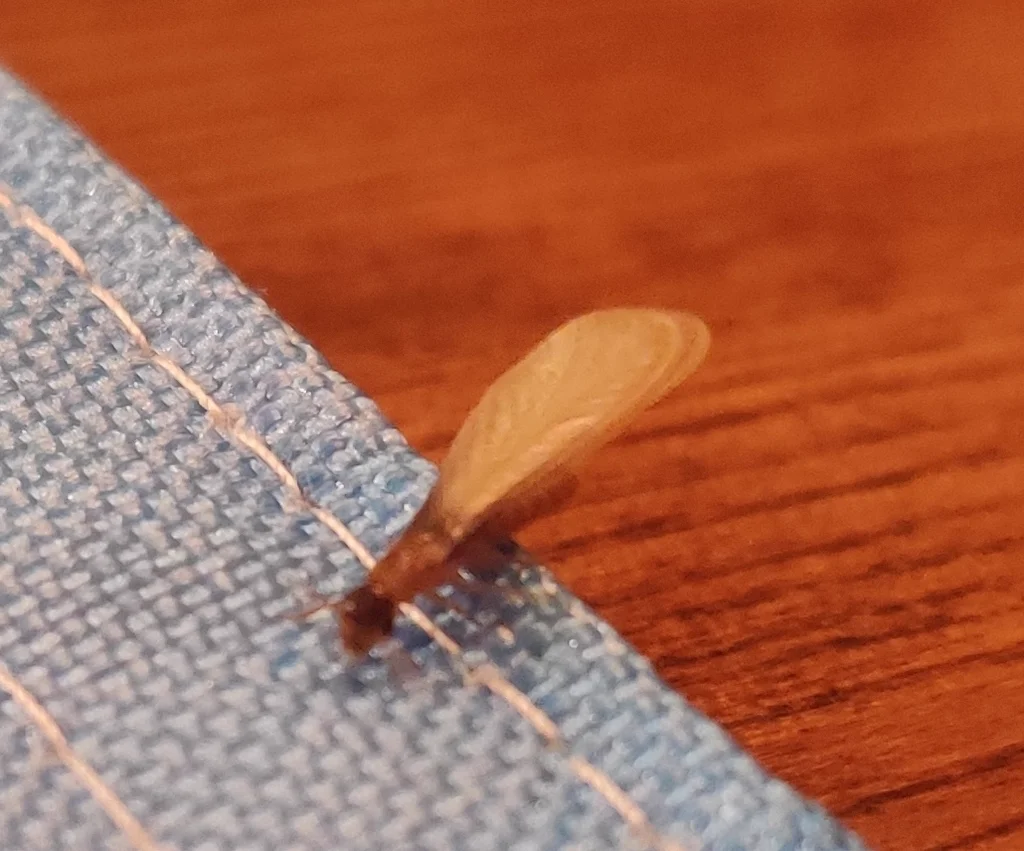
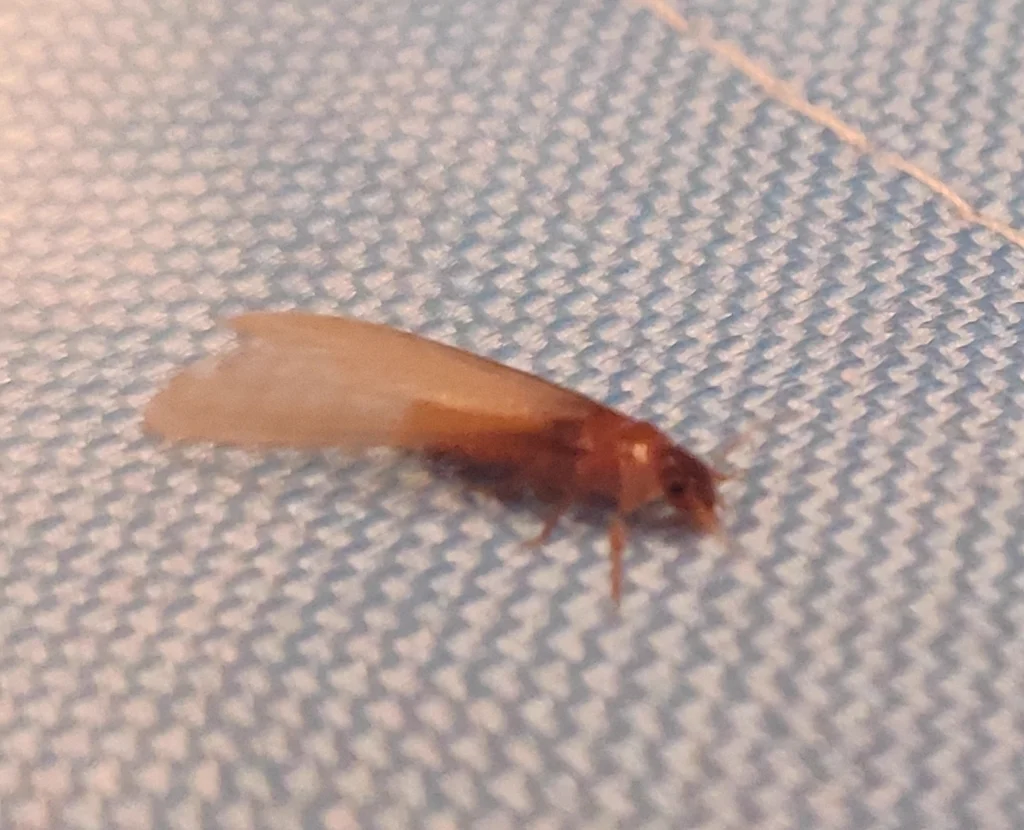
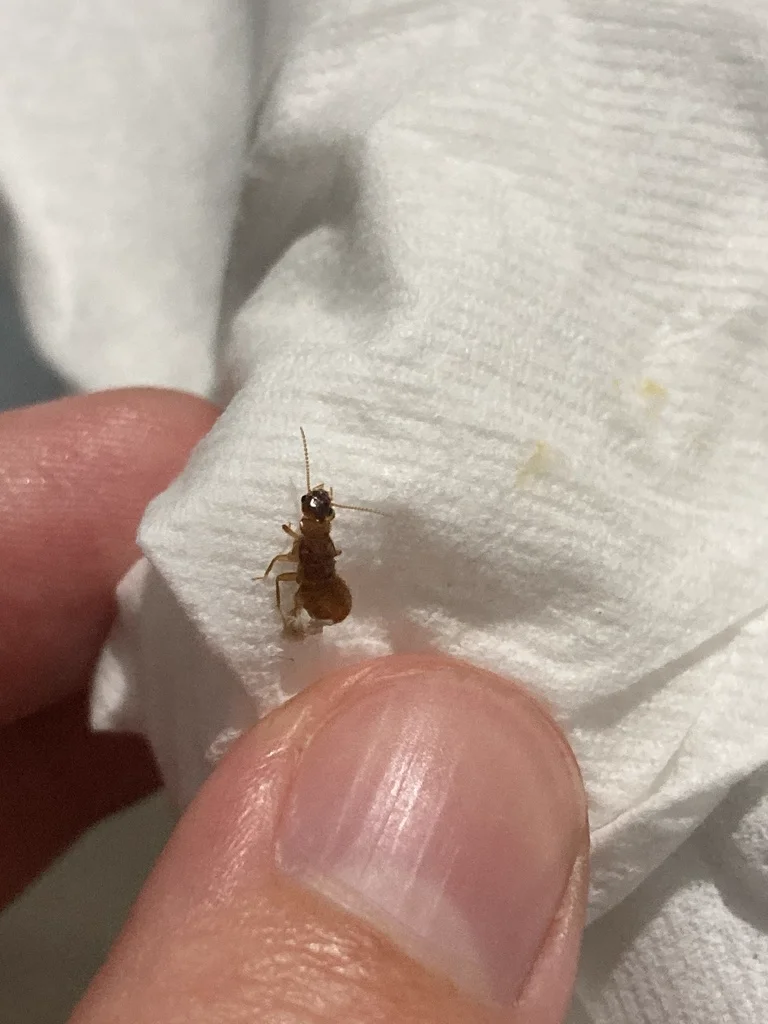
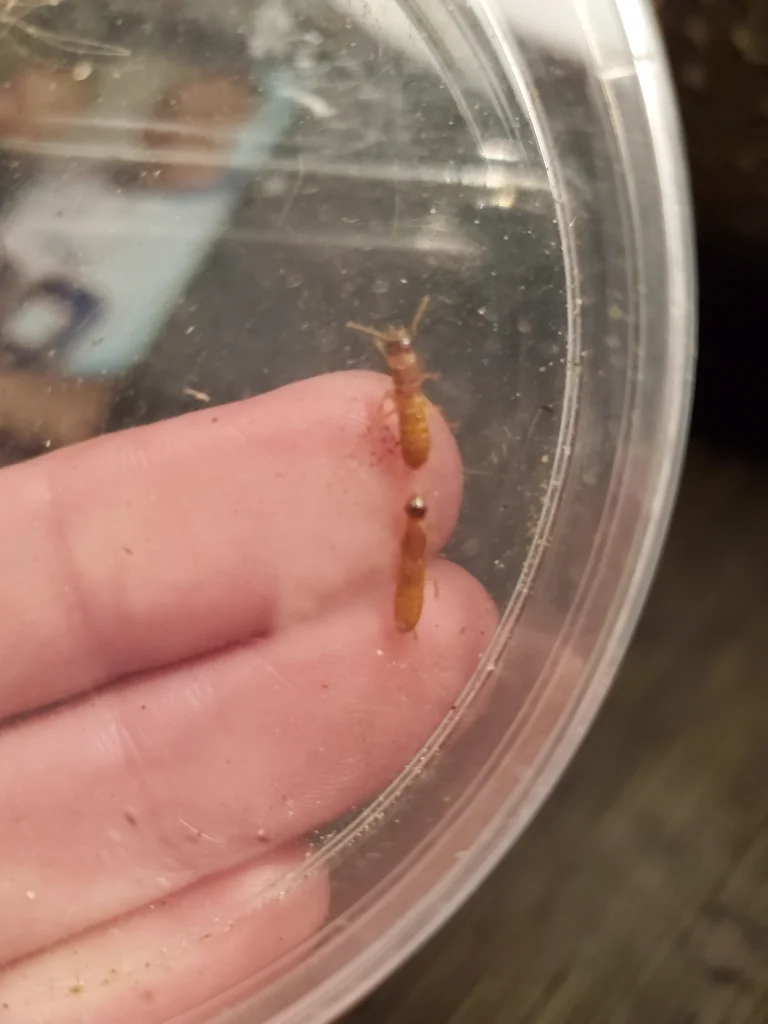
Formosan termites are one of the largest termite types in North America. Winged adults, called swarmers, are about half an inch long with their wings. They have yellowish-brown bodies and golden-brown heads. Their clear wings have tiny hairs on them. This helps tell them apart from other termites.
Soldiers make up 5 to 10 percent of a colony. They have white bodies and orange-brown heads shaped like eggs or teardrops. Native subterranean termite soldiers have heads that are more square-shaped. When bothered, Formosan soldiers release a white, sticky fluid from a gland on their forehead.
Workers are pale and white, like other termite workers. They gather food, build nests, and feed the rest of the colony.
Common Species
- Formosan subterranean termite (Coptotermes formosanus)
This is the only Formosan termite species established in North America. It is native to southern China and Taiwan, where the name “Formosa” originated. In the Southeast, Formosan termites often share territory with eastern subterranean termites and Asian subterranean termites.
Formosan Termite Behavior and Biology
Colony Structure and Size
Formosan termites build huge colonies with over one million members. Native termite colonies usually have between 60,000 and one million termites. The large size of Formosan colonies is why they cause damage so fast.
Each colony has three groups: workers, soldiers, and reproductives. Workers find food and care for the nest. Soldiers guard the colony with strong jaws and sticky fluids. The king and queen make eggs to grow the colony.
Feeding Habits
Formosan termites eat cellulose in wood, paper, cardboard, and plants. They feed very fast. A large colony can eat about 13 ounces of wood each day. That is over 400 grams. This is much quicker than native termites.
These termites attack both living trees and lumber in homes. They can feed on more than 50 types of living plants. They cannot chew through solid concrete. But they can damage plastic, asphalt, and thin metal if these block their path to food.
Nest Building
Formosan termites can build nests above ground inside buildings. These nests are called carton nests. They are made from chewed wood, soil, spit, and waste. Some grow to be several cubic feet in size. Having nests both underground and above ground makes them more harmful.
With a moisture source from an above-ground nest, the colony does not need to stay connected to soil. This lets them infest upper floors of buildings and even boats.
Swarming Behavior
Formosan termites swarm at night in late May and early June. They fly toward lights. In places like New Orleans with big infestations, swarms can show up on weather radar.
After swarming, males and females pair up. They drop their wings and look for a place to start a new nest. New colonies grow slowly at first but cause major damage within a few years.
Signs of Formosan Termite Infestation
Finding Formosan termites early matters because they cause damage fast. Watch for these warning signs:
- Mud tubes on foundation walls, pipes, or surfaces that lead from soil to wood
- Swarmers or shed wings near windows, doors, and lights at night
- Wood that sounds hollow when you tap it
- Damage like buckling wood, peeling paint, or sagging floors
- Carton material in wall spaces that looks like a mix of soil and waste
Treatment Methods for Formosan Termites
Formosan termites need professional pest control because of their large colonies and above-ground nests. Unlike drywood termites that live entirely inside wood, Formosan termites maintain connections to soil. Several methods work well against them.
Baiting Systems
Bait stations are placed around a property. Worker termites find the bait, eat it, and share it with the colony. The bait stops termites from molting. Over time, this kills the whole colony including the queen. Bait systems also help monitor for new activity.
Liquid Soil Treatments
Liquid products create a barrier in the soil around a building. A shallow trench is dug around the foundation, and the product is applied. Sometimes drilling through concrete is needed to treat the soil below. Modern products are non-repellent, so termites pass through the treated soil and spread the product to others.
Localized Treatments
Above-ground nests may need direct treatment. Foam or dust can be applied into wall spaces where carton nests are found. Treating all nests is key to full control.
Wood Treatments
Borate products can protect wood from Formosan termites. Borates soak into wood and stay active for years. This works best during building or remodeling when wood is easy to reach.
Prevention Tips
These steps can help keep Formosan termites away from your home:
- Remove wood that touches soil around your foundation
- Fix drainage so water does not pool near the building
- Keep mulch at least 12 inches from foundation walls
- Store firewood away from the house and off the ground
- Fix leaks quickly to reduce moisture in walls and crawl spaces
- Get regular inspections from a licensed termite professional
- Remove dead trees and stumps from your yard
References
Other Termites
Explore other species in the termites family
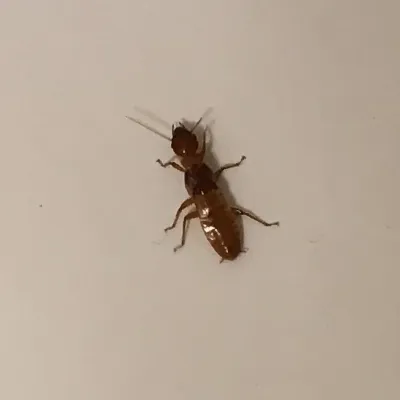
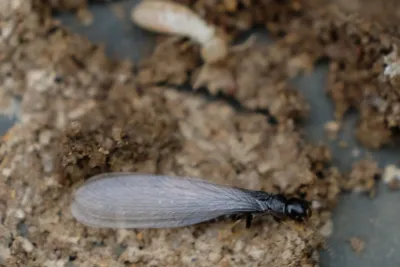
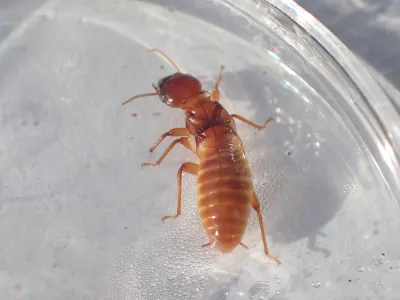
Commonly Confused With
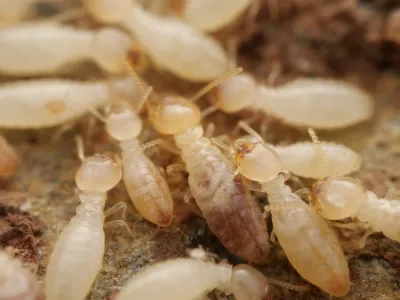
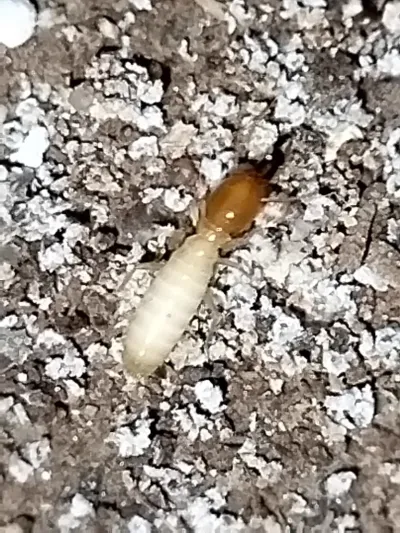
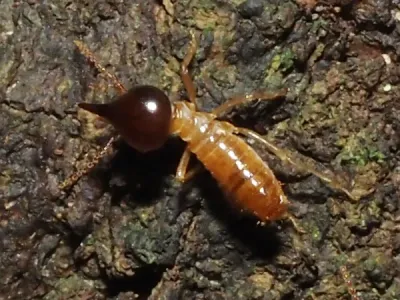
Formosan Termites are often mistaken for these similar pests
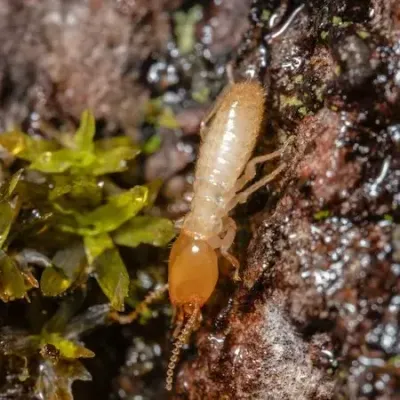
Where Formosan Termites Are Found
Hover over states to see their names. Green regions indicate where formosan termites have been reported.
Common Questions about Formosan Termites
How do I know if I have Formosan termites instead of native termites?
+
Formosan termite soldiers have egg-shaped or teardrop-shaped heads, while native subterranean termite soldiers have rectangular heads. Formosan swarmers are yellowish-brown and about half an inch long. They swarm at night and are attracted to lights, typically in late May or early June.
Where are Formosan termites found in the United States?
+
Formosan termites are found primarily in southern states including Alabama, California, Florida, Georgia, Hawaii, Louisiana, Mississippi, North Carolina, South Carolina, Tennessee, and Texas. Their range is limited because their eggs cannot hatch below 68 degrees Fahrenheit.
How much damage can Formosan termites cause?
+
A mature Formosan termite colony can consume about 13 ounces of wood per day. They can severely damage a structure in as little as three months. The average cost of Formosan termite damage to a home is around $10,000, with severe cases requiring complete demolition.
Why are Formosan termites called super termites?
+
Formosan termites are called super termites because of their large colony sizes, which can exceed one million insects. They consume wood faster than native species and can build aerial nests inside structures, making them harder to control.
Can Formosan termites build nests above ground?
+
Yes, unlike most subterranean termites, Formosan termites can build aerial nests inside structures. These carton nests are made from chewed wood, soil, saliva, and fecal material. They can be several cubic feet in size.
When do Formosan termites swarm?
+
Formosan termites typically swarm at night during late May and early June. They are strongly attracted to lights. A large swarm can appear on weather radar due to the sheer number of flying termites.
What attracts Formosan termites to a home?
+
Like other subterranean termites, Formosan termites are attracted to moisture and cellulose materials like wood. Mulch near foundations, wood-to-soil contact, poor drainage, and water leaks can all attract these pests.
Are Formosan termites invasive?
+
Yes, Formosan termites are invasive in North America. They originated in southern China and Taiwan (formerly called Formosa) and were introduced to the United States in the 1950s, likely through wooden shipping materials.

With five years of hands-on experience in the pest control industry, George Schulz is a registered technician with the Virginia Pest Management Association and a proud third-generation professional in a family business that's been protecting homes for over 57 years. He manages and trains a team of service pros while also leading internal research efforts—recently spearheading a deep-dive review of thousands of documents on pest control materials to hand-pick the most kid and pet friendly, most effective solutions tailored specifically for homes in the DC metro area.