Eastern Subterranean Termites Identification Guide
Reticulitermes flavipes
Eastern subterranean termites are the most common and economically important wood-destroying insects in North America, causing billions of dollars in structural damage annually.
Taxonomy
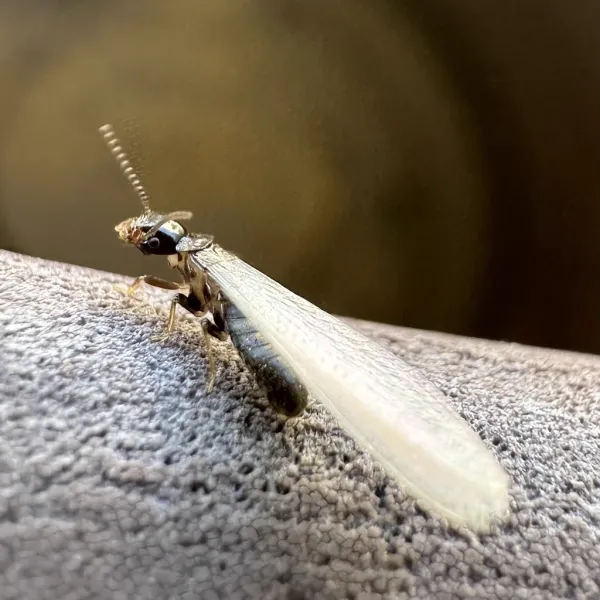
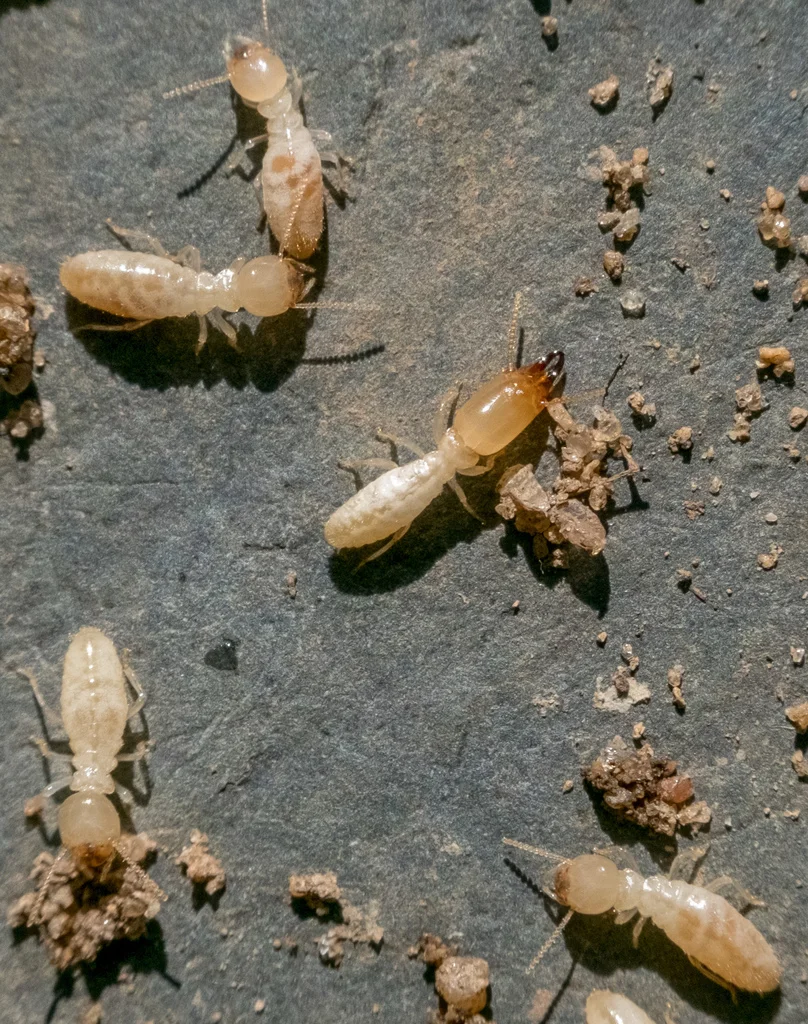
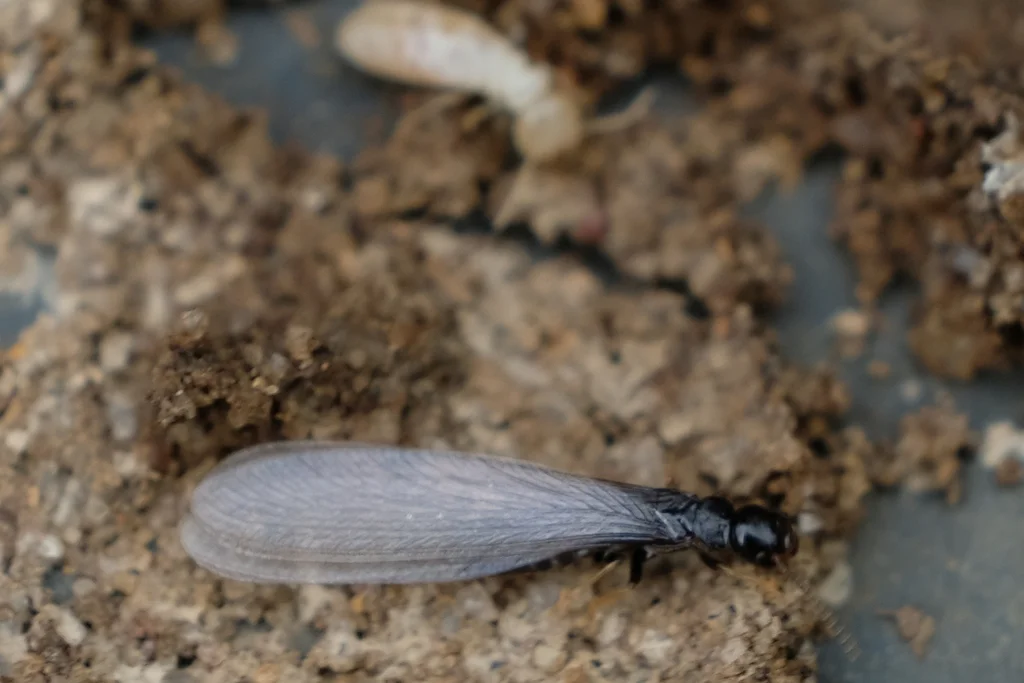
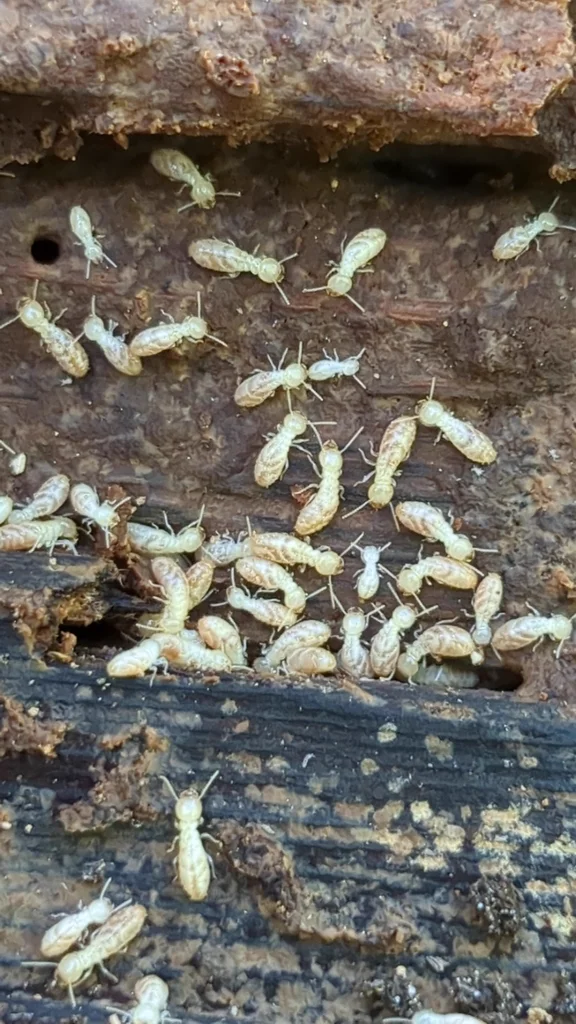
Eastern Subterranean Termites Coloration
Common color patterns to help identify eastern subterranean termites
Eastern Subterranean Termites
Seasonal Activity
When eastern subterranean termites are most active throughout the year

Where Eastern Subterranean Termites Are Found
Hover over states to see their names. Green regions indicate where eastern subterranean termites have been reported.
Eastern Subterranean Termite Identification Guide
Physical Characteristics
Eastern subterranean termites (Reticulitermes flavipes) are social insects and the most common species within the broader subterranean termite group. They live in underground colonies with different types of members called castes.
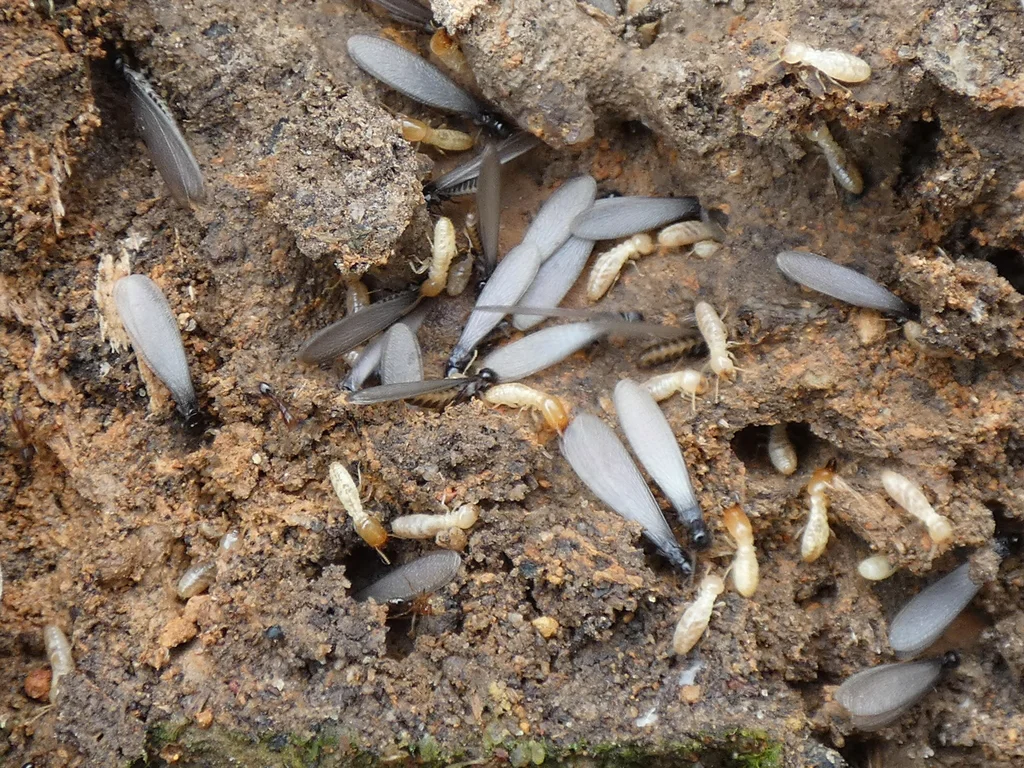
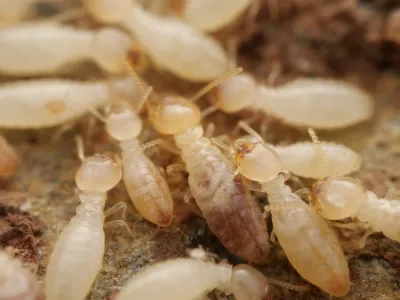
Workers make up most of the colony and cause all the damage to your home. They are 3-7mm long (about 1/8 to 1/4 inch) with soft, cream-colored bodies. Workers have no eyes or wings. They spend their whole lives underground looking for wood to eat.
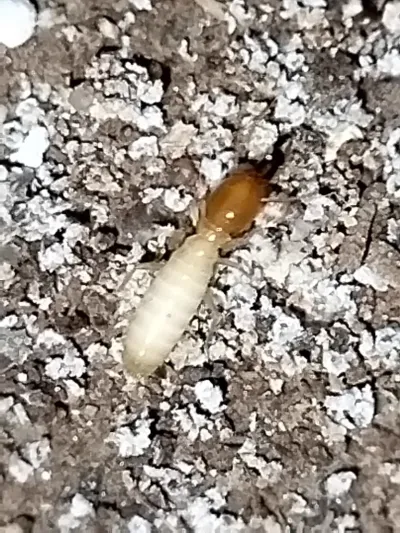
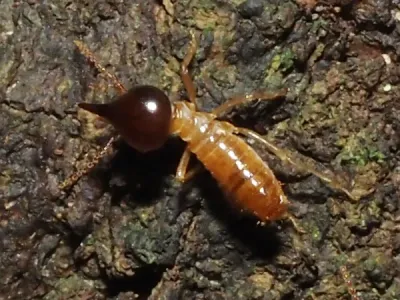
Soldiers protect the colony. They are about the same size as workers but have large, rectangular heads that are yellowish-brown. Their big heads and strong jaws make them easy to spot when you find damaged wood.
Swarmers are the termites that reproduce. They are 8-11mm long including their wings (about 3/8 to 1/2 inch). Swarmers have dark brown to black bodies with two pairs of see-through wings that are the same length. After a short flight, they drop their wings and try to start new colonies.
How to Tell Termites from Ants
Many people confuse termites with ants. See our guide on flying ants vs termites for more detail. Here is how to tell them apart:
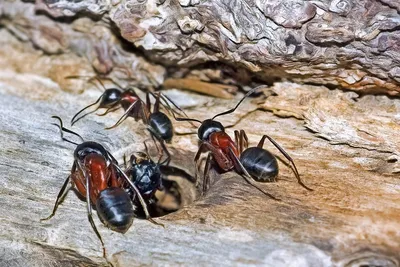
- Antennae: Termites have straight, bead-like antennae. Ants have bent antennae.
- Waist: Termites have a thick waist with no pinch. Ants have a thin, pinched waist.
- Wings: Both pairs of termite wings are the same length. Ant front wings are longer than back wings.
- Wing loss: Termite wings break off easily and you may find piles of shed wings near windows.
Eastern Subterranean Termite Behavior and Biology
Colony Structure
Eastern subterranean termites live in large social groups. A mature colony can have hundreds of thousands to over a million termites. Colonies grow slowly and take 3-5 years before they start producing swarmers. The queen can live for decades and lays eggs her whole life.
Workers do most of the work in the colony. They find food, feed the other termites, and take care of the nest. They share food mouth-to-mouth with other colony members. This is how bait treatments work. When workers eat the bait, they share it with the whole colony. Learn more about how to get rid of termites effectively.
Feeding Habits
These termites eat cellulose, which is found in wood, paper, cardboard, and plants. They have tiny organisms in their gut that help them digest the wood. Workers search for food underground. They travel through soil or build mud tubes to reach wood above ground.
Termites can travel 100 feet or more from their colony to find food. More than one colony may be feeding on the same area. This means your home could be under attack from several colonies at once.
Mud Tubes
Mud tubes are a key sign of subterranean termite activity. These pencil-width tunnels are made of soil, wood bits, and termite secretions. They let termites travel between their underground colony and food sources without being exposed to open air, which would dry them out.
You can find mud tubes on foundation walls, piers, and floor joists. They appear anywhere termites need to cross from soil to wood. If you break open an active mud tube, you will see workers and possibly soldiers inside.
Seasonal Activity
In the Mid-Atlantic region, termite activity changes with the seasons:
- Spring (March-May): This is peak swarming season. Swarms happen on warm, calm days after rain. Most homeowners first notice termite problems during this time.
- Summer (June-August): Termites keep foraging and feeding. Colonies grow larger and workers cause the most damage during warm months.
- Fall (September-November): Activity slows down as the weather gets colder. Some colonies may swarm again.
- Winter (December-February): You will see little activity above ground. But termites stay active in heated buildings and below the frost line in the soil.
How We Treat for Eastern Subterranean Termites
At Better Termite & Pest Control, we offer several termite treatment options to fit your needs.
Sentricon Baiting System
The Sentricon system is our top choice for termite protection and colony removal. Here is how it works:
- Bait stations with Recruit HD bait are placed around your property.
- Workers find the bait while looking for food and share it with the rest of the colony.
- The active ingredient stops termites from molting, which kills them.
- The whole colony dies as the bait spreads to all termites, including the queen.
Sentricon has many benefits over liquid treatments. It kills the entire colony instead of just pushing termites away. It does not require drilling or digging. It also has low impact on the environment. The stations also let us monitor for new activity.
Curative Liquid Treatments
For active problems that need quick action, we use liquid termiticides to create a barrier around your foundation:
- Trenching around the outside of your foundation
- Drilling through concrete slabs, porches, and stoops as needed
- Applying termiticide to the treated soil
We use non-repellent products that termites cannot detect. Termites walk through the treated soil and carry the product back to their colony.
Annual Inspections and Warranties
Finding termites early is the best way to limit damage. Our termite warranty customers get:
- Yearly inspections of your whole property
- Checking that treatments are still working
- Free retreatment if termites come back
- Peace of mind knowing your home is protected
Tips to Reduce Risk
You can help prevent termites by fixing conditions around your home:
- Keep 18-24 inches of space between soil and wood siding
- Remove wood piles, stumps, and dead trees near your foundation
- Fix leaks and drainage problems that cause moisture buildup
- Keep mulch away from your foundation walls
- Make sure crawl spaces have good airflow
- Store firewood away from your house
References
- University of Florida IFAS Extension. Native Subterranean Termites
- Penn State Extension. Eastern Subterranean Termites
- NC State Extension. Monitoring and Management of Eastern Subterranean Termites
- Environmental Protection Agency. Termites: How to Identify and Control Them
Other Termites
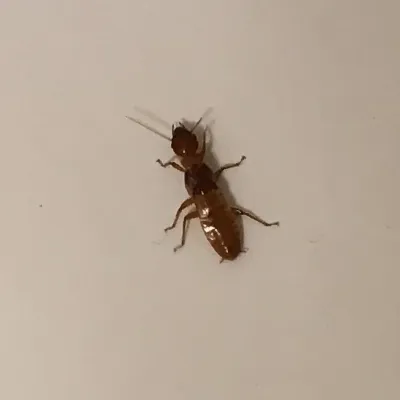
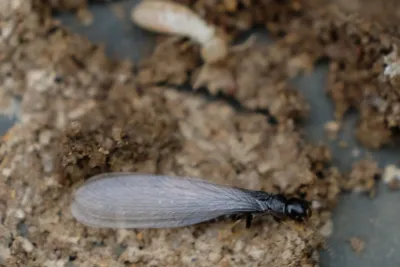
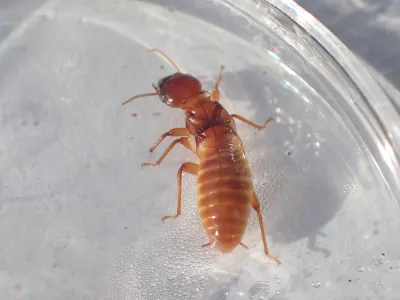
Explore other species in the termites family
Commonly Confused With
Eastern Subterranean Termites are often mistaken for these similar pests
Where Eastern Subterranean Termites Are Found
Hover over states to see their names. Green regions indicate where eastern subterranean termites have been reported.
Common Questions about Eastern Subterranean Termites
What are the signs of an eastern subterranean termite infestation?
+
Look for mud tubes on foundation walls, hollow-sounding wood when tapped, piles of wings near windows and doors in spring, and bubbling or peeling paint. Termites can be active for years before you see any damage.
How much damage can eastern subterranean termites cause?
+
These termites cause billions of dollars in damage every year in the United States. The average infestation costs homeowners about $3,300 to fix. Damage often goes unnoticed for years.
When do eastern subterranean termites swarm?
+
In the Mid-Atlantic region, swarming usually happens from March through May. Swarms occur on warm days after rain, often in the morning. If you see swarmers inside your home, there is likely an active colony nearby.
What is the difference between termites and flying ants?
+
Termites have straight antennae, a thick waist, and two pairs of wings that are the same length. Flying ants have bent antennae, a thin waist, and front wings longer than back wings. Termite wings also fall off easily.
Do I need termite protection if I do not see termites?
+
Yes. Termites can stay hidden for years while causing major damage. By the time you see signs, a lot of damage may have already been done. Getting protection early saves money in the long run.
How do eastern subterranean termites get into homes?
+
They travel through soil and build mud tubes to reach wood above ground. They can enter through cracks in foundations, gaps around pipes, and spots where wood touches soil. They only need a tiny gap to get in.
Can eastern subterranean termites be treated without tenting?
+
Yes. Unlike [drywood termites](/pests/termites/drywood-termites/), subterranean termites do not need fumigation. Good options include liquid barriers and baiting systems like Sentricon. These methods kill colonies without tenting your home.
How long does it take to eliminate an eastern subterranean termite colony?
+
With baiting systems, it usually takes 2-6 months for the colony to die as the bait spreads. Liquid treatments work faster but may not kill the whole colony. Yearly monitoring keeps your home protected.

With five years of hands-on experience in the pest control industry, George Schulz is a registered technician with the Virginia Pest Management Association and a proud third-generation professional in a family business that's been protecting homes for over 57 years. He manages and trains a team of service pros while also leading internal research efforts—recently spearheading a deep-dive review of thousands of documents on pest control materials to hand-pick the most kid and pet friendly, most effective solutions tailored specifically for homes in the DC metro area.