Drywood Termites Identification Guide
Kalotermitidae
Drywood termites live entirely within wood and do not require contact with soil. They infest dry, sound wood in structures and furniture, making them difficult to detect until significant damage occurs.
Taxonomy
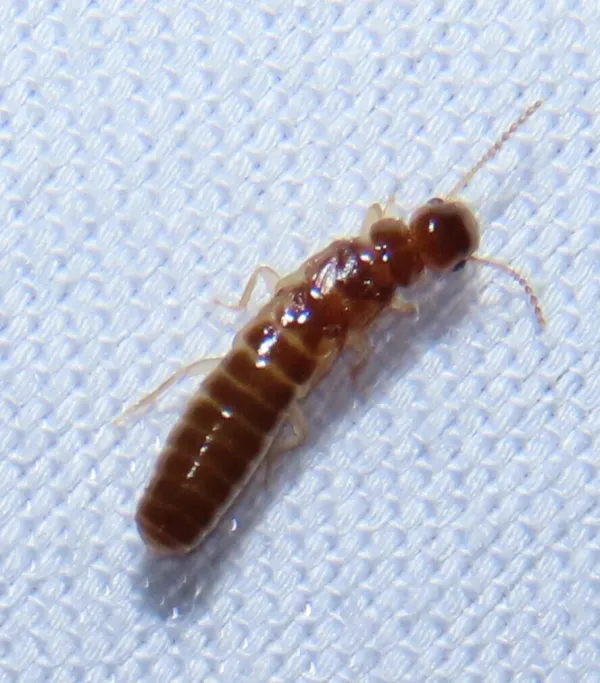
Drywood Termites Coloration
Common color patterns to help identify drywood termites
Drywood Termites
Seasonal Activity
When drywood termites are most active throughout the year

Where Drywood Termites Are Found
Hover over states to see their names. Green regions indicate where drywood termites have been reported.
Drywood Termite Identification Guide
Physical Characteristics
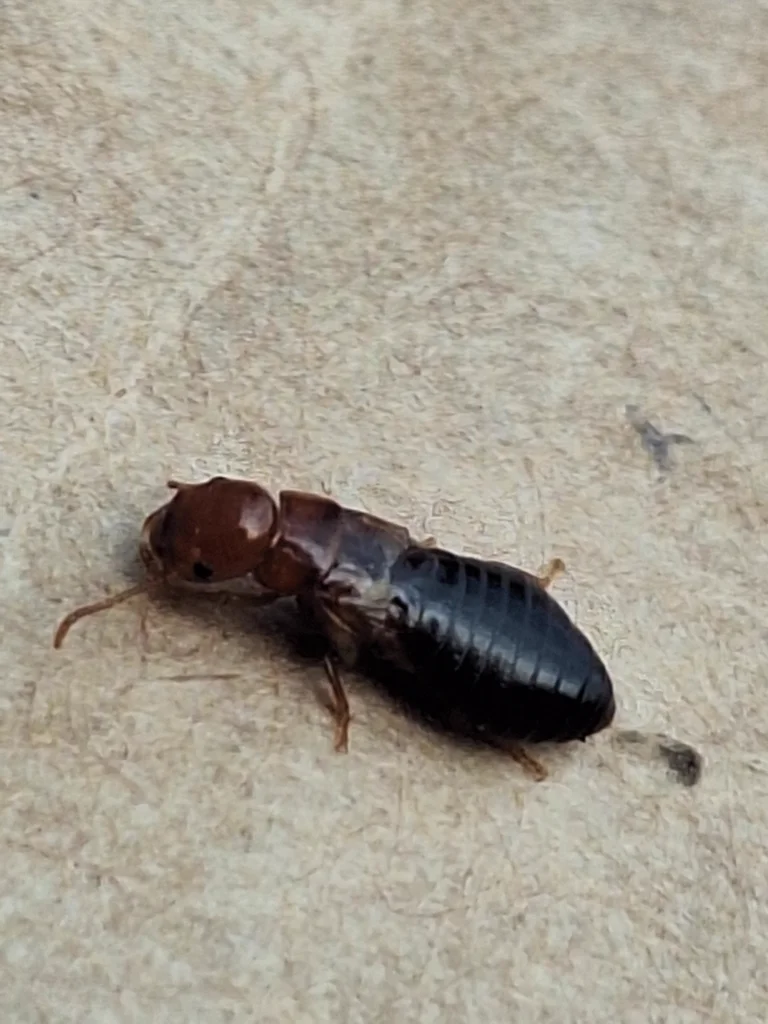
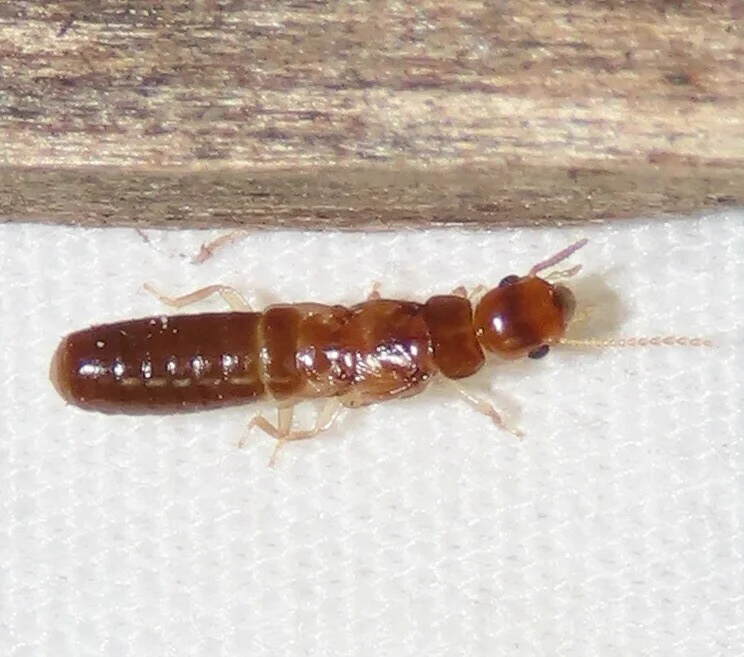
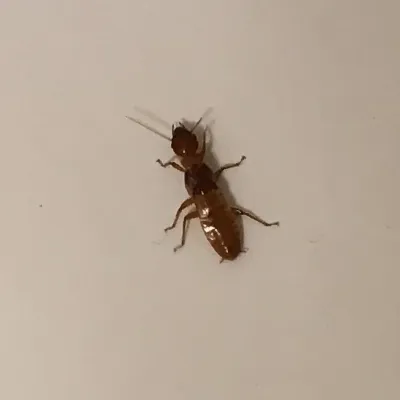
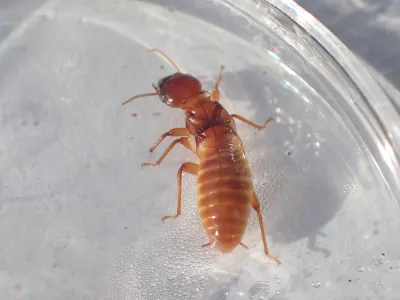
Drywood termites are social insects that live in colonies inside the wood they eat. Adults are 6 to 13 millimeters long. Size depends on their role in the colony. Workers and young termites are creamy white to pale tan with soft bodies. These are sometimes called “false workers” because they are not fully grown yet. Soldiers have larger heads that are darker in color. Their heads range from yellowish-brown to reddish-brown. They have strong jaws to protect the colony.
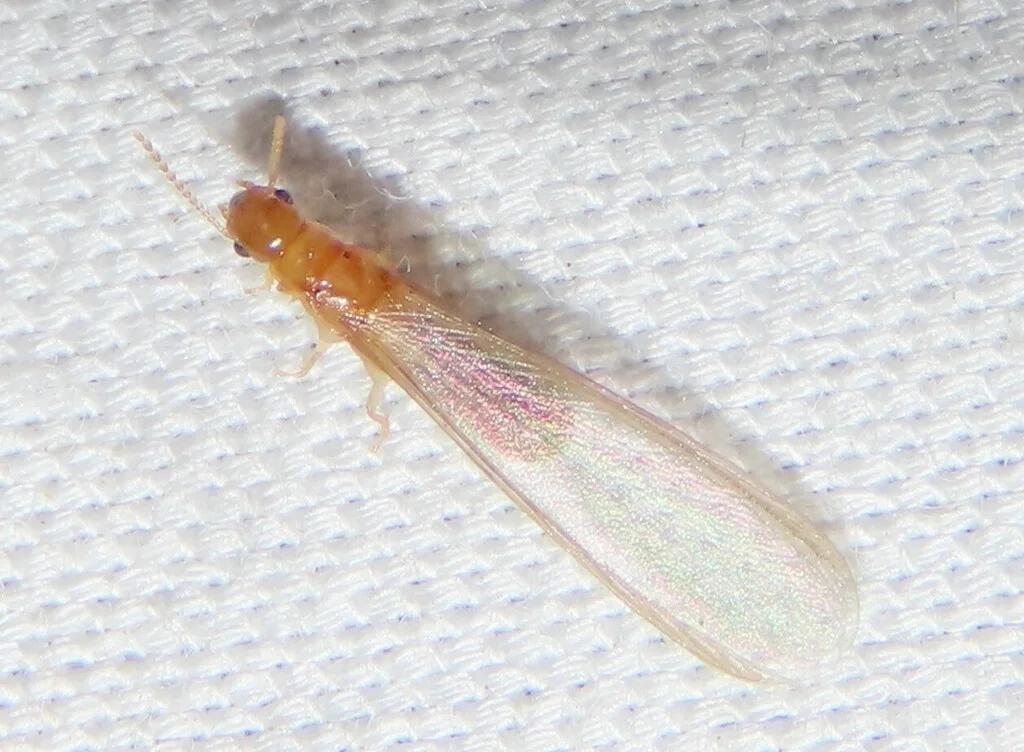
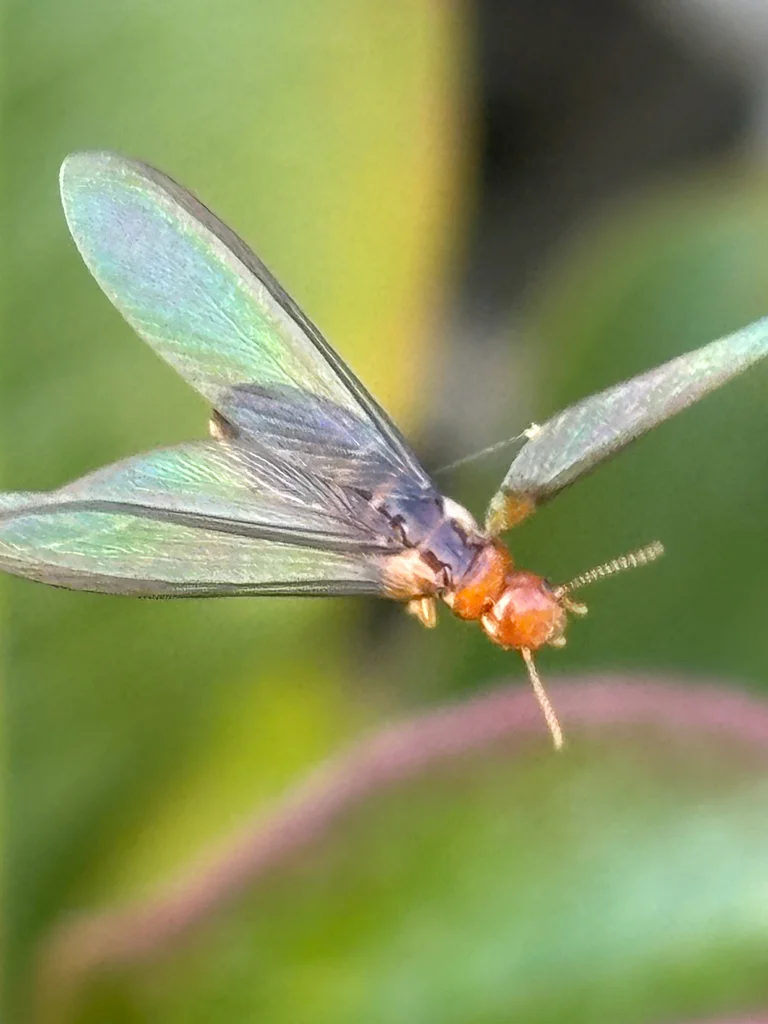
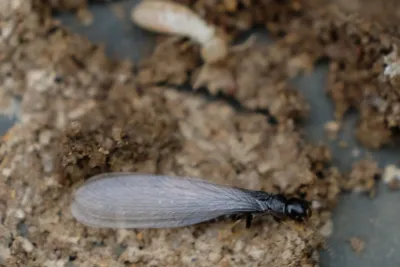
Winged termites, called swarmers, are the largest members. They have dark brown to black bodies with two pairs of wings of equal length. The wings extend past the body. After they swarm, they shed their wings. You may find piles of wings near windows and doors.
Common Species in North America
Several drywood termite species live across North America. They are most common in southern and coastal areas.
-
Western Drywood Termite (Incisitermes minor): The most common drywood termite in California and the Southwest. Soldiers have dark heads and pale bodies.
-
Southeastern Drywood Termite (Incisitermes snyderi): Found in Florida and southeastern coastal states. Colonies often infest roof spaces and wooden structures.
-
West Indian Drywood Termite (Cryptotermes brevis): This species came from the Caribbean. It has spread through Florida and Gulf Coast states. It often infests furniture and wood items.
-
Florida Drywood Termite (Cryptotermes cavifrons): Native to Florida. Creates small colonies in structural wood and furniture.
Drywood Termite Behavior and Biology
Colony Structure and Development
Drywood termites live in colonies where each member has a job. Unlike subterranean termites, drywood colonies are small. Most have fewer than 1,000 members, even when fully grown. Colonies grow slowly. It often takes five years or more for a colony to mature.
Each colony has a king and queen who reproduce. Soldiers defend the colony. Young termites do the work of finding food and caring for others. These young termites can grow into soldiers or reproductives based on what the colony needs.
Habitat and Nesting Behavior
Drywood termites live entirely inside the wood they eat. They create tunnel systems as they feed. Unlike subterranean termites, they do not need contact with soil. For a detailed comparison, see our guide on subterranean termites vs drywood termites. They get all the water they need from the wood itself.
These termites prefer dry, solid wood. They commonly infest:
- Wooden roof shingles and eaves
- Window and door frames
- Wooden siding and trim
- Furniture and picture frames
- Hardwood flooring
- Roof framing and rafters
Their tunnels follow the wood grain and look smooth inside. Drywood termites eat both soft and hard parts of wood. This sets them apart from some other wood-eating insects.
Signs of Infestation
The best way to spot drywood termites is by finding their droppings, called frass. These tiny termite pellets have a distinct look:
- About 1 millimeter long
- Six-sided with flat ends
- All the same shape and size
- Tan to dark brown color
- Found in small piles below tiny holes
Termites push frass out of their tunnels through small “kick-out holes.” These holes are only 1-2mm wide. Finding these holes with piles of pellets below is a strong sign of termites.
Other warning signs include:
- Piles of wings near windows, doors, or lights after a termite swarm
- Wood that sounds hollow when you tap it
- Blistering on wood surfaces
- Visible damage to wood structures or furniture
Treatment Methods for Drywood Termites
Professional treatment is the best choice for drywood termites. The products and methods needed are not sold to homeowners. Treatment type depends on how bad the problem is and where the termites are located.
Localized Treatments
For small or easy-to-reach infestations, spot treatments can work well:
- Spot treatments: Drilling into infested wood and putting termiticide right into the tunnels
- Heat treatment: Raising wood temperature high enough to kill termites
- Cold treatment: Using liquid nitrogen to freeze termites in areas you can reach
- Microwave treatment: Using microwave energy to heat and kill termites in one spot
Whole-Structure Treatments
When the problem is widespread or hard to reach, fumigation may be needed:
- Structural fumigation: Also called “tenting.” This means covering the whole building and filling it with a gas that kills termites in all the wood
- This method is common in states like California and Florida where drywood termites are a big problem. Learn more about how much termite treatment costs
Prevention Tips
You can help prevent drywood termite problems by:
- Checking used furniture and wood items before bringing them home
- Sealing cracks around windows, doors, and pipes
- Painting or sealing exposed wood surfaces
- Using treated or resistant wood in high-risk areas
- Getting regular professional inspections if you live where drywood termites are common
References
Other Termites
Explore other species in the termites family
Commonly Confused With
Drywood Termites are often mistaken for these similar pests
Where Drywood Termites Are Found
Hover over states to see their names. Green regions indicate where drywood termites have been reported.
Common Questions about Drywood Termites
How do I know if I have drywood termites?
+
Look for small, six-sided pellets called frass. These pellets get pushed out of tiny holes in the wood. They pile up and look like sawdust or coffee grounds. You may also see piles of wings near windows or doors after termites swarm.
What is the difference between drywood and subterranean termites?
+
Drywood termites live inside wood and do not need soil or ground moisture. Subterranean termites live in the soil and build mud tubes to reach wood. Drywood colonies are smaller but harder to spot since they leave no mud tubes.
Where are drywood termites found in the United States?
+
Drywood termites live mostly in coastal and southern states. This includes California, Florida, Texas, Arizona, Hawaii, and the Gulf Coast. They like warm, dry weather and are rare in cold northern states.
Can drywood termites spread to furniture?
+
Yes. Drywood termites often infest wooden furniture, picture frames, and other wood items. They can travel to new places inside infested furniture. This makes them a problem even in areas where they do not normally live.
How much damage can drywood termites cause?
+
Drywood colonies are smaller than subterranean colonies, but they still cause major damage over time. They are hard to find, so infestations can go on for years. This lets damage build up before treatment starts.
What does drywood termite frass look like?
+
Frass pellets are tiny, hard, and about 1mm long. They have six sides and flat ends. Color ranges from light tan to dark brown based on the wood type. Unlike sawdust, all the pellets are the same shape and size.
How do drywood termites get into homes?
+
Drywood termites usually enter homes during swarm season. Winged termites fly out to find new places to nest. They can also come in through infested furniture, wood, or picture frames that you bring into your home.
Do drywood termites need water?
+
No. Unlike subterranean termites, drywood termites do not need a water source. They get all the moisture they need from the wood they eat. This lets them live in dry wood with no connection to soil.

With five years of hands-on experience in the pest control industry, George Schulz is a registered technician with the Virginia Pest Management Association and a proud third-generation professional in a family business that's been protecting homes for over 57 years. He manages and trains a team of service pros while also leading internal research efforts—recently spearheading a deep-dive review of thousands of documents on pest control materials to hand-pick the most kid and pet friendly, most effective solutions tailored specifically for homes in the DC metro area.