Desert Subterranean Termites Identification Guide
Heterotermes aureus
The desert subterranean termite is a wood-eating insect found in the hot, dry Southwest United States and northern Mexico. These termites can cause serious damage to homes and buildings in desert areas.
Taxonomy
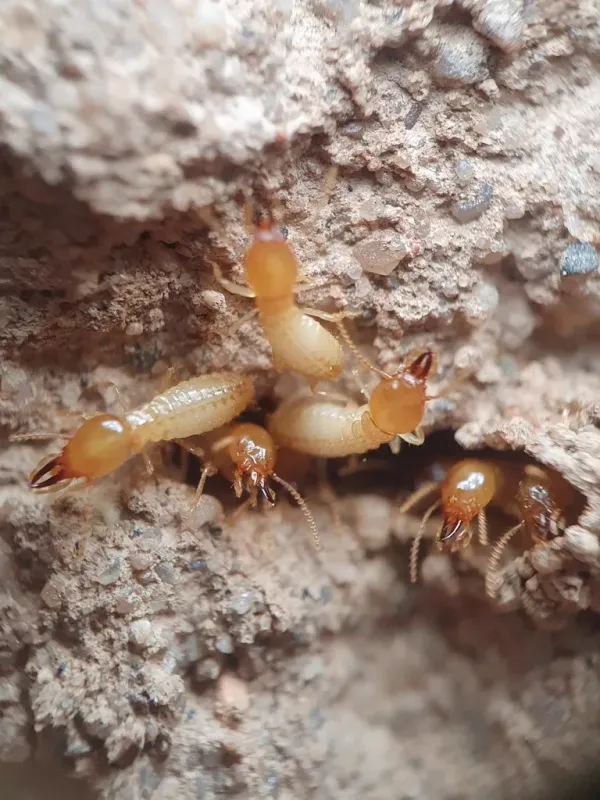
Desert Subterranean Termites Coloration
Common color patterns to help identify desert subterranean termites
Desert Subterranean Termites
Seasonal Activity
When desert subterranean termites are most active throughout the year

Where Desert Subterranean Termites Are Found
Hover over states to see their names. Green regions indicate where desert subterranean termites have been reported.
Desert Subterranean Termite Identification Guide
Physical Characteristics
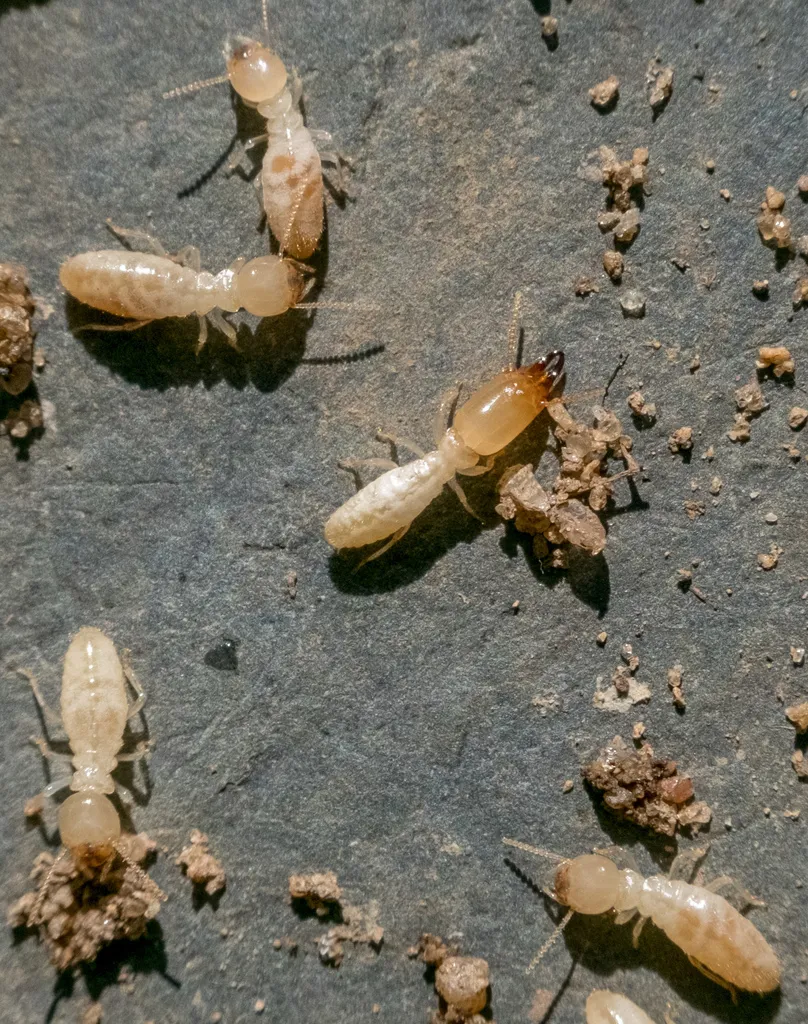
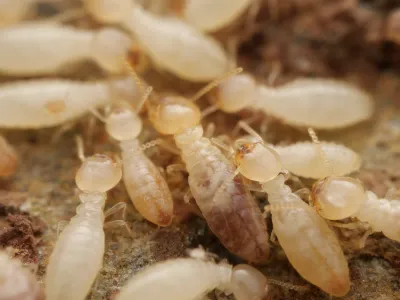
Desert subterranean termites are smaller than most other subterranean termites. This small size helps them get into places other termites cannot reach. Workers are about 3 to 5 millimeters long with soft, creamy white bodies. They do not have eyes. Their small size lets them fit through tiny cracks in concrete that larger termites cannot pass through.
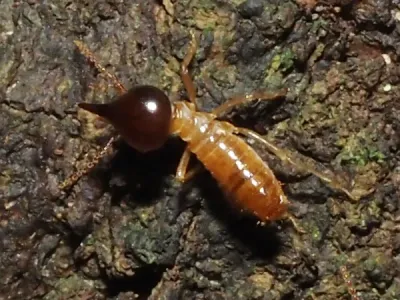
Soldiers are a bit bigger than workers and defend the colony. They have rectangle-shaped heads that are yellowish-brown. Their jaws are long and thin, mostly straight with a slight curve at the tips. You can tell them apart from western subterranean termites by looking at these jaws. Western termites have thicker, more curved jaws.
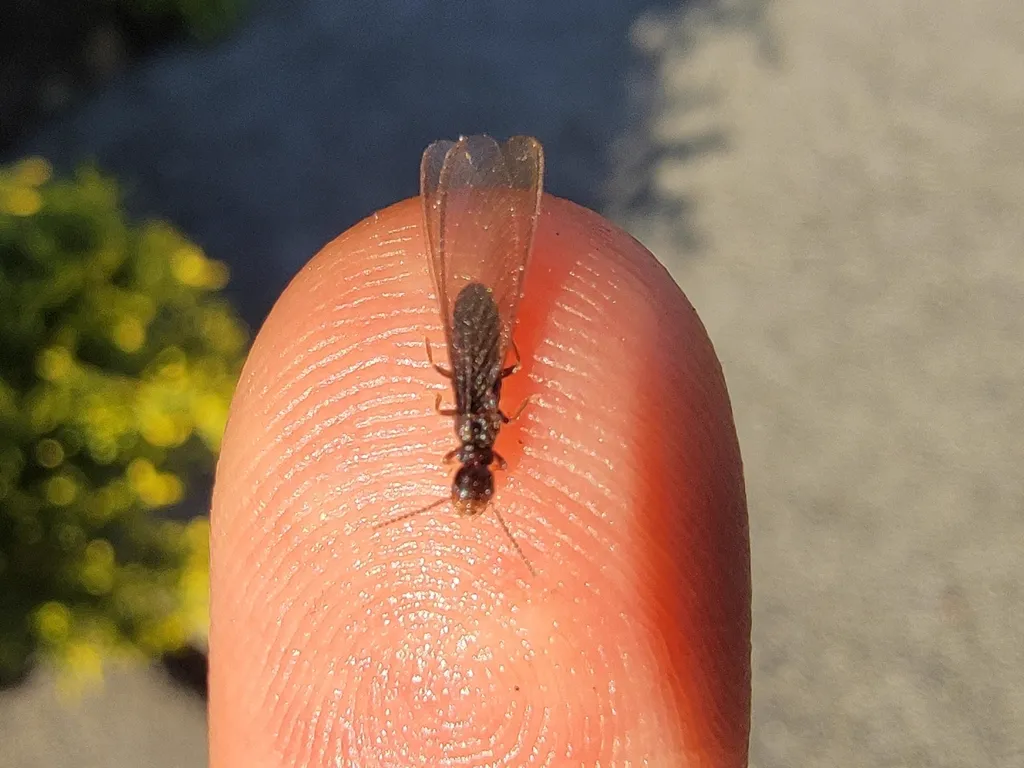
Swarmers are the reproductive adults that start new colonies. They are about 10 millimeters long when you include their wings. They have light brown bodies and well-developed eyes. Their front wings are bigger than their back wings. Swarmers fly to lights and often show up near outdoor fixtures on summer evenings.
Key Identification Features
- Workers: pale white, soft bodies, about 3 to 5mm long
- Soldiers: yellowish-brown rectangle-shaped head with long, thin jaws
- Swarmers: light brown, about 10mm with wings, drawn to lights at night
- Mud tubes: yellowish-brown tubes with a round shape
- Drop tubes: tubes that hang down from ceilings, 6 to 12 inches long
Distribution
Desert subterranean termites live in northern Mexico and the southwestern United States. They do well in the hot, dry climate of the Sonoran and Colorado deserts. You can find them in southern Arizona, southeastern California, western Texas, and New Mexico. In Arizona, they cause more damage than any other termite species. They share their range with desert drywood termites and arid-land subterranean termites.
Desert Subterranean Termite Behavior and Biology
Colony Structure
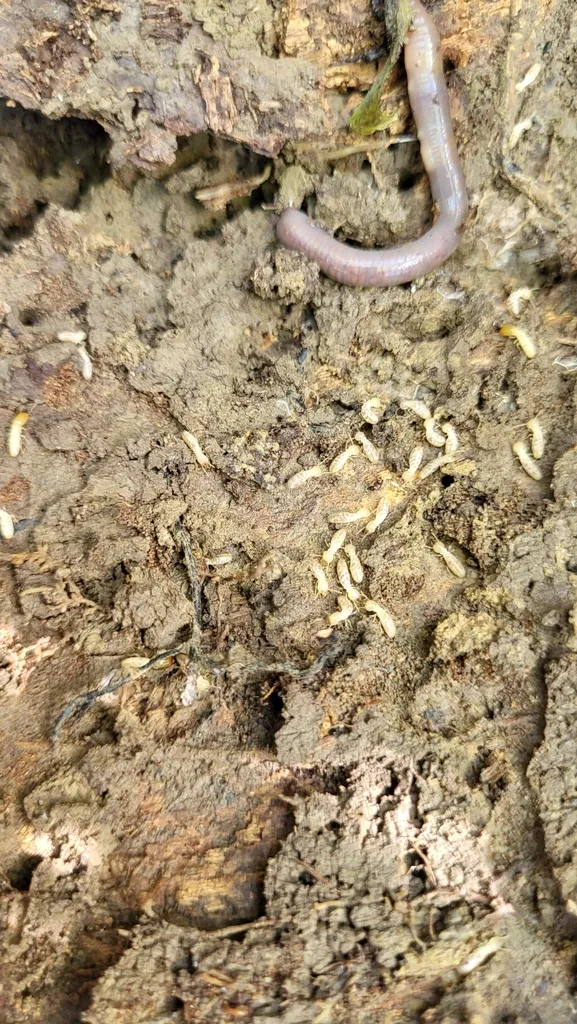
A desert subterranean termite colony has four types of termites. The queen lives deep in the ground and lays eggs. Workers make up most of the colony. They find food, feed other termites, and build tunnels. Soldiers guard the colony from ants and other threats but cannot feed themselves. Winged swarmers leave the colony to start new ones.
Colonies have between 45,000 and 300,000 workers. Very large colonies sometimes split into smaller groups called satellite colonies. This lets the termites find food over a bigger area. Some colonies spread across an acre of ground.
Foraging Behavior
Desert subterranean termites search for food day and night through most of the year. They slow down during the cooler months from December through February. Activity picks up in spring and fall, then reaches its peak during hot summer months. More termites come out to forage as temperatures rise.
These termites cannot see. They find their way using scent trails and temperature changes in the soil. Even though they live in deserts, they like to search for food in shaded or damp spots. When they hit a barrier, they build yellowish-brown mud tubes to stay moist while traveling.
Feeding Preferences
Desert subterranean termites eat many kinds of dead wood. In the wild, they feed on dead cacti, desert trees, and fallen branches. Studies in the Sonoran Desert found they eat blue palo verde trees most often. But they prefer cholla, mesquite, and catclaw when they can find them.
When these termites get into buildings, they eat the softer parts of wood first. They leave the harder parts alone. This creates a honeycomb look in damaged wood. You will often find soil and wood bits in the tunnels they make.
Swarming and Reproduction
Large colonies send out swarmers during the rainy monsoon season, usually from July through September. Most termite species swarm during the day. Desert subterranean termites are different. They come out in late afternoon or early evening. The light-brown winged termites fly toward lights.
After mating, pairs drop their wings and look for good spots to start new colonies. The new king and queen dig a small chamber in soil near wood. The queen starts laying eggs. The colony grows slowly at first. It takes several years before there are enough termites to cause visible damage to a structure.
Signs of Desert Subterranean Termite Infestation
Finding termites early helps limit damage. Look for these warning signs:
- Mud tubes on foundation walls, floor joists, and other wood. Termites build these to stay moist while moving between soil and food.
- Drop tubes that hang from ceiling rafters, drywall, or plasterboard. These can be 6 to 12 inches long.
- Swarmers or shed wings near windows, doors, and light fixtures during summer evenings
- Hollow-sounding wood when you tap it with a screwdriver handle
- Damaged wood that looks like a honeycomb with tunnels full of soil
- Soft wood that you can easily poke through near windows, doors, and baseboards
Desert subterranean termites can enter structures through very small openings. Their compact size lets them slip through cracks in concrete and masonry that would keep out larger termite species. They also need less moisture than other subterranean termites. This lets them attack drier wood than most termites can.
Treatment Methods for Desert Subterranean Termites
Controlling desert subterranean termites takes professional help. The colonies live underground and can spread over large areas. Several methods work well against these pests.
Baiting Systems
Bait stations are placed in the ground around a building. Foraging termites find the bait and share it with the colony. Modern baits stop termites from shedding their skin properly. When workers die and cannot be replaced, the whole colony slowly dies off.
Bait systems also help find termites early. Regular checks show where termites are active and how well treatment is working.
Liquid Soil Treatments
Liquid products applied to soil around a foundation create a barrier. Workers dig a shallow trench along foundation walls and put the product in the soil. For concrete slabs, they may need to drill holes to reach the soil below. The best products are ones termites cannot sense. Workers walk through treated soil and spread the product to other termites in the colony.
Physical Barriers
Barriers put in during building can block termites from getting in. These include steel mesh, special sand, and treated concrete. Keeping at least 12 inches of concrete, coarse sand, or similar material between soil and wood lowers the chance of termite entry.
Combined Methods
Many pest control experts use more than one method for the best results. They might use bait stations along with liquid treatment. The right approach depends on the type of building, how bad the problem is, and the property layout.
Prevention Tips
These steps can help lower the risk of a termite problem:
- Keep wood from touching soil around your foundation
- Clear dead trees, stumps, and wood scraps from your yard
- Store firewood far from the house and off the ground
- Make sure water drains away from your foundation
- Fix plumbing leaks right away
- Remove dead cactus and woody plants near your home
- Fill cracks in concrete slabs
- Get a yearly inspection from a licensed termite pro
- Think about adding barriers when building new homes
For more advice, read our termite prevention tips and learn about how long termite treatment lasts.
References
Other Termites
Explore other species in the termites family
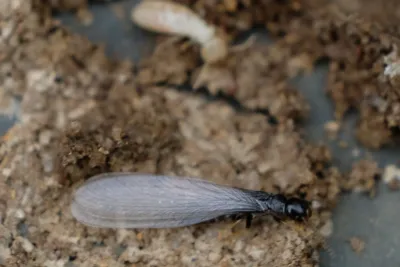
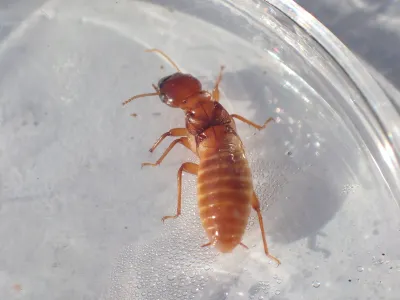
Commonly Confused With
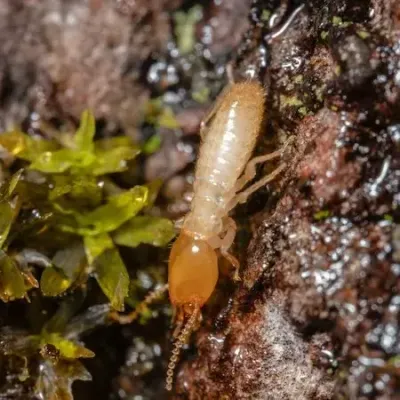
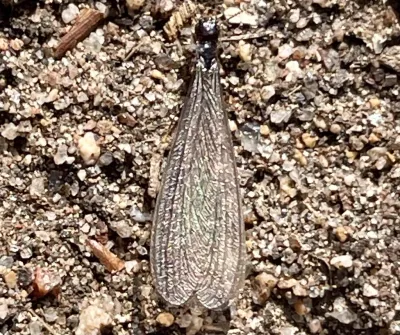
Desert Subterranean Termites are often mistaken for these similar pests
Where Desert Subterranean Termites Are Found
Hover over states to see their names. Green regions indicate where desert subterranean termites have been reported.
Common Questions about Desert Subterranean Termites
Where are desert subterranean termites found?
+
Desert subterranean termites live in the hot, dry Southwest US and northern Mexico. You can find them in Arizona, southern California, western Texas, and New Mexico. They cause more damage than any other termite in Arizona.
How do I identify desert subterranean termites?
+
These termites are small. Workers are about 3 to 5mm long with pale white bodies. Soldiers have yellowish-brown heads with long, thin jaws. Swarmers are about 10mm long with wings and light brown bodies.
When do desert subterranean termites swarm?
+
They swarm during the rainy monsoon season, usually July through September. Unlike most termites that swarm during the day, these come out in late afternoon or early evening. They fly toward lights.
What do desert subterranean termites eat?
+
They eat dead wood from many sources like cacti, mesquite, palo verde, and other desert plants. In buildings, they eat the softer parts of wood first. This leaves behind a honeycomb pattern filled with soil.
How are desert subterranean termites different from other termites?
+
They can live in very dry places where other termites cannot. They are smaller than most termites, so they can get in through tiny cracks. They also build tubes that hang from ceilings, sometimes 6 to 12 inches long.
What kind of damage do desert subterranean termites cause?
+
They can cause serious damage to homes and buildings. Colonies have 45,000 to 300,000 workers. With so many termites, they can damage wood fast. They attack wood beams, utility poles, posts, and any wood that touches soil.
What are signs of a desert subterranean termite infestation?
+
Look for mud tubes on walls, drop tubes from ceilings, wood that sounds hollow when tapped, soft wood with a honeycomb look, and winged termites or shed wings near windows during summer evenings.
How large can desert subterranean termite colonies get?
+
Colonies can have between 45,000 and 300,000 workers. Very large colonies split into smaller groups. This lets them find food over a bigger area, sometimes up to an acre.

With five years of hands-on experience in the pest control industry, George Schulz is a registered technician with the Virginia Pest Management Association and a proud third-generation professional in a family business that's been protecting homes for over 57 years. He manages and trains a team of service pros while also leading internal research efforts—recently spearheading a deep-dive review of thousands of documents on pest control materials to hand-pick the most kid and pet friendly, most effective solutions tailored specifically for homes in the DC metro area.