Dark Southern Subterranean Termites Identification Guide
Reticulitermes virginicus
Dark southern subterranean termites are wood-eating insects found in the southeastern United States. They are one of the most common termite species that damage homes.
Taxonomy
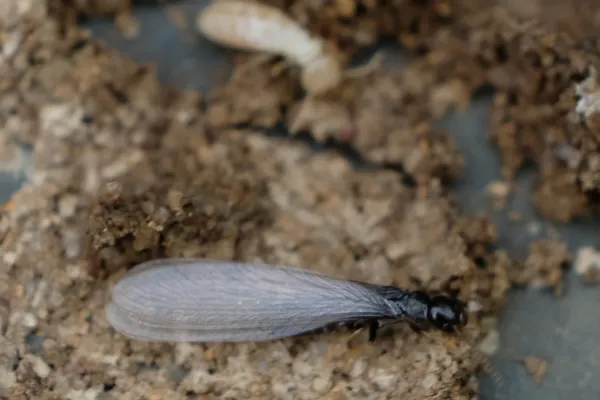
Dark Southern Subterranean Termites Coloration
Common color patterns to help identify dark southern subterranean termites
Dark Southern Subterranean Termites
Seasonal Activity
When dark southern subterranean termites are most active throughout the year
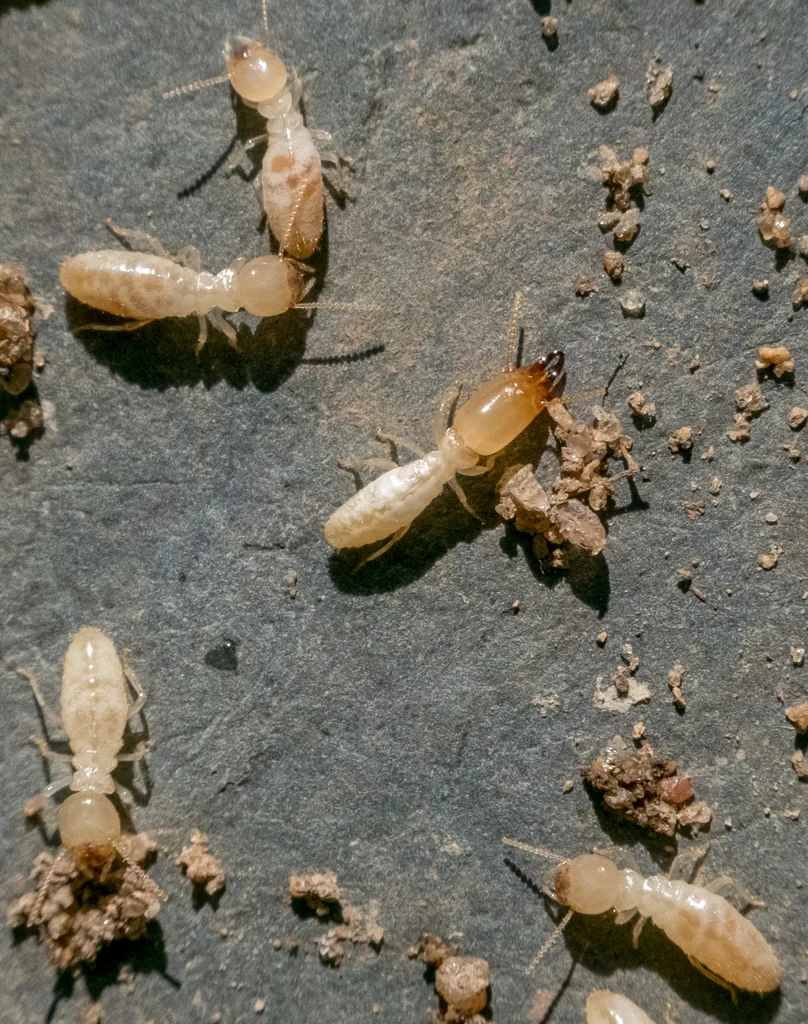
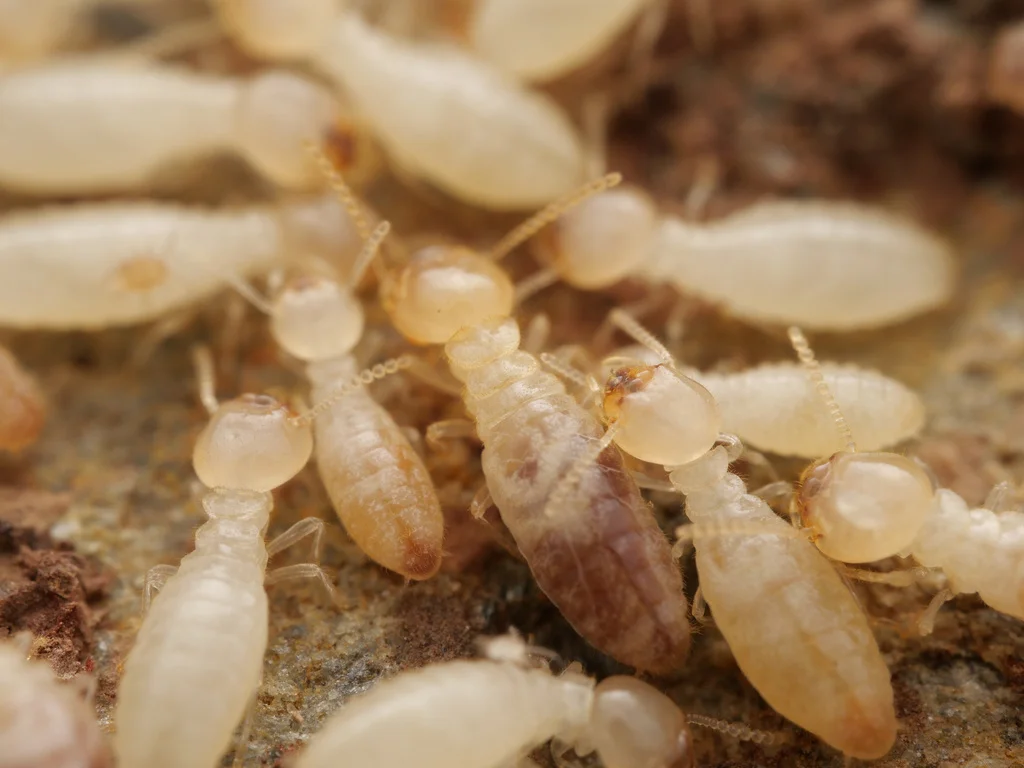
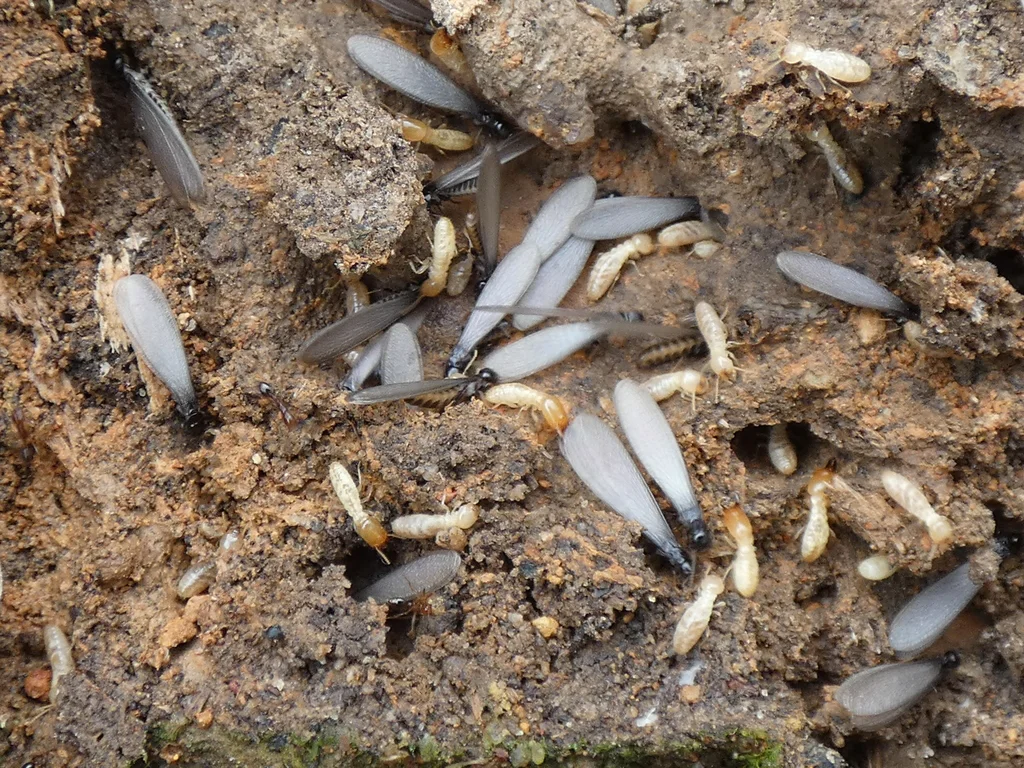

Where Dark Southern Subterranean Termites Are Found
Hover over states to see their names. Green regions indicate where dark southern subterranean termites have been reported.
Dark Southern Subterranean Termite Identification Guide
Physical Characteristics
Dark southern subterranean termites range from 3mm to 10mm in size. The size depends on their role in the colony.
Workers are the smallest at about 3-5mm long. They have soft, creamy white bodies and no eyes. Workers do most of the work in a colony. They find food, feed other termites, and build tunnels.
Soldiers measure about 4.5-5mm long. They are smaller than eastern subterranean termite soldiers. Soldiers have blocky heads that are yellowish-brown with large, dark jaws for defense. Like workers, soldiers are blind and need workers to feed them.
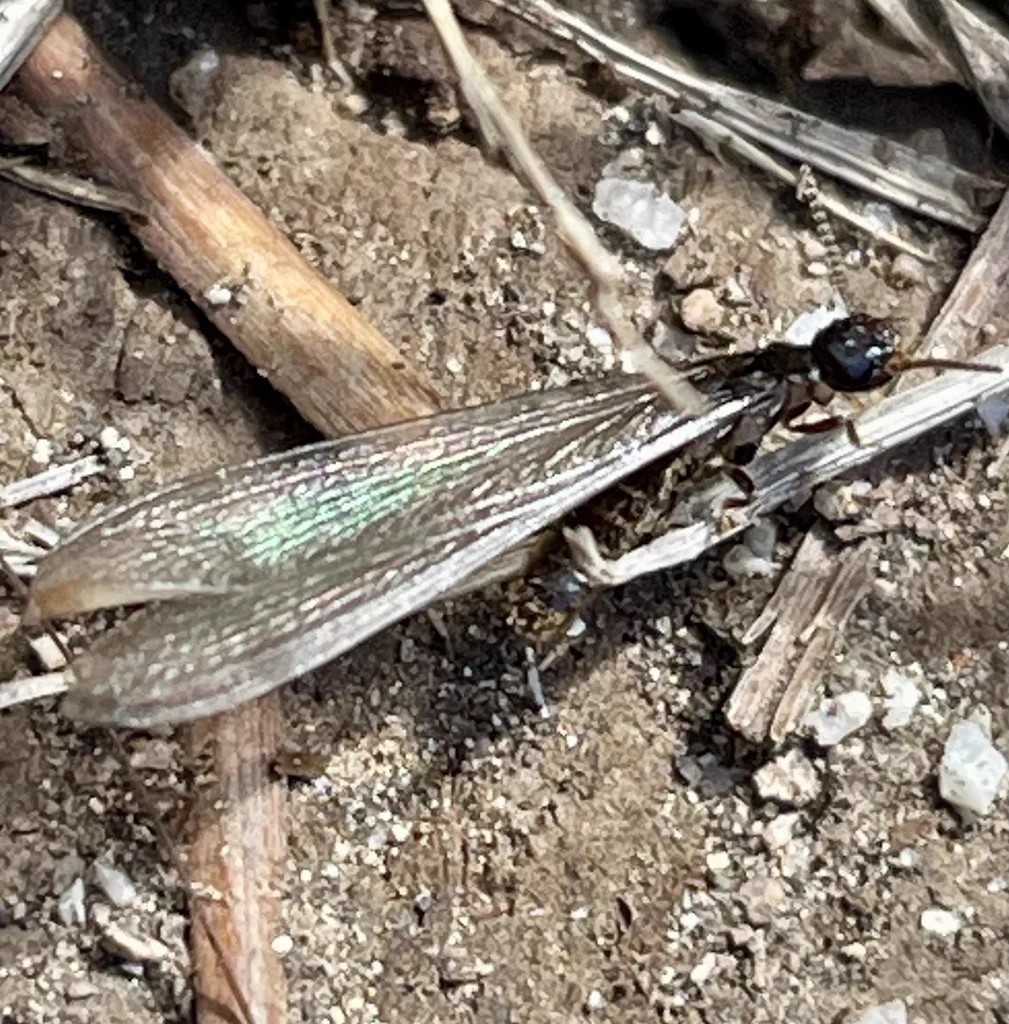
Swarmers are the flying adults that start new colonies. They measure about 7-10mm with wings. Their bodies are dark brown to almost black. This dark color gives this species its common name. Swarmers have two pairs of see-through wings of equal length. Experts can tell this species apart from the eastern subterranean termite by looking at the rounded edge of their pronotum (the plate behind the head).
Key Identification Features
- Straight antennae that look like beads on a string. Ants have bent antennae.
- Wide waist between the body sections. Ants have thin, pinched waists.
- Workers: pale, soft bodies with no eyes
- Soldiers: smaller than eastern subterranean termite soldiers with yellowish-brown heads
- Swarmers: dark brown to black bodies with wings about twice their body length
Common Subterranean Termite Species in Eastern North America
- Eastern subterranean termite (Reticulitermes flavipes): Most common species in the eastern United States
- Dark southern subterranean termite (Reticulitermes virginicus): Found in southeastern states, often living near eastern subterranean termites
- Light southern subterranean termite (Reticulitermes hageni): Found in Florida and Gulf Coast states
Studies in Georgia found that the eastern subterranean termite, dark southern subterranean termite, and a related species called Reticulitermes nelsonae were the most common termites in the region.
Dark Southern Subterranean Termite Behavior and Biology
Colony Structure
Dark southern subterranean termites live in large, organized colonies. A mature colony can have hundreds of thousands of termites. The colony is split into three groups: workers, soldiers, and reproductives.
Workers find food, care for eggs and young termites, build tunnels, and feed all other colony members. Soldiers fight off predators like ants. The king and queen produce eggs. When a queen gets old, new queens can develop from female workers.
One interesting fact about this species is that almost all soldiers are female. This is different from many other termite species.
Foraging Behavior
These termites build their nests underground. The nests are usually below where the ground freezes in winter but above the water table. They dig tunnels through soil looking for wood and other food. They can travel up to 150 feet from their nest to find food. Studies show that dark southern subterranean termite colonies often cover more ground than eastern subterranean termite colonies nearby.
When termites need to reach food above ground, they build mud tubes. These tubes keep the air moist so the termites do not dry out. The tubes also protect them from ants and other threats. Termites dry out fast in open air, so they stay inside their tubes except when swarming.
Feeding Preferences
Dark southern subterranean termites eat wood and other plant materials. They seem to prefer pine and Douglas fir lumber and plywood. Bacteria in their gut help them break down wood fibers. As they eat, they hollow out wood from the inside. They leave only a thin surface layer behind. This makes it hard to spot damage until it gets serious.
In nature, these termites help break down dead trees and add nutrients back to soil. They become pests when they start eating the wood in homes and buildings.
Swarming and Reproduction
Mature colonies release swarmers between early February and late May. These flights happen on warm, sunny, calm afternoons, often after rain. Unlike workers and soldiers, swarmers have working eyes and full wings that let them fly short distances.
After a short flight, swarmers land and shed their wings. Males and females pair up and look for a good spot near wood. They dig a small chamber to start a new colony. The new king and queen begin laying eggs within weeks. Colony growth is slow at first. It takes several years before a colony gets big enough to cause real damage to a home.
Signs of Dark Southern Subterranean Termite Infestation
Finding termites early is the best way to prevent serious damage. Look for these warning signs:
- Mud tubes on foundation walls, piers, crawl space beams, or pipes that connect soil to wood
- Swarmers or shed wings near windows, doors, or lights between February and May
- Hollow-sounding wood when you tap it with a screwdriver handle
- Damaged wood that looks like a honeycomb inside, with tunnels following the wood grain and packed with mud
- Bubbling or peeling paint on wood where termites are eating underneath
- Sagging floors or ceilings caused by weakened wood
Mud tubes are a clear sign of termite activity. These pencil-sized tunnels let termites travel between soil and wood without drying out. If you break open an active tube, you will see small, pale workers inside.
How We Treat for Dark Southern Subterranean Termites
At Better Termite and Pest Control, we offer several proven ways to protect your home from termites.
Sentricon Baiting System
The Sentricon system is our top choice for long-term termite protection. We install bait stations in the ground around your home. The stations hold Recruit HD, a wood-based bait that contains a growth disruptor called noviflumuron.
When workers find the bait, they eat it and share it with the colony. Over time, workers die and cannot be replaced. The whole colony collapses. This method kills colonies at the source instead of just blocking them.
Benefits of Sentricon:
- Kills the entire colony, including the queen
- Does not disturb your yard (no trenching or drilling)
- Low risk to people and pets
- Stations also work as monitoring tools
- No binding contracts. Cancel anytime.
Curative Liquid Treatments
For active infestations that need fast action, we use liquid soil treatments. We dig a trench along foundation walls and apply termiticide to the soil. This creates a barrier around your home.
Non-repellent products work best. Termites cannot detect them and pass the active ingredient to other termites. Depending on your home, we may need to drill through concrete slabs or front stoops. This method works well for severe problems.
Pre-Construction Treatments
If you are building a new home, we can treat it before termites become a problem. We apply borate to the wood during construction or treat the soil under the foundation. New homeowners get a one-year warranty from the date they move in.
Termite Inspections and Warranties
Yearly inspections help catch termites early. Our termite plan customers get annual inspections. We check for activity, look at conditions that attract termites, and decide if retreatment is needed. Our inspectors look for mud tubes, hollow wood, and other signs in your home and crawl space.
Prevention Tips
These steps can lower your risk of a termite problem:
- Keep mulch at least 12 inches away from your foundation
- Remove any wood that touches soil around your home
- Store firewood away from the house
- Remove dead trees and stumps near the foundation
- Make sure HVAC units do not trap moisture against your home
- Fix plumbing leaks and improve drainage around the foundation
- Keep crawl spaces open for regular inspections
- Store boxes and items away from walls in basements and crawl spaces
- Schedule yearly termite inspections with a licensed professional
References
Other Termites
Explore other species in the termites family
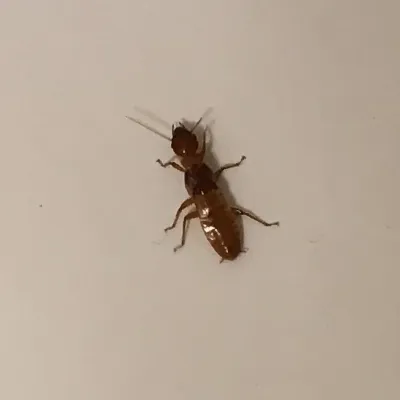
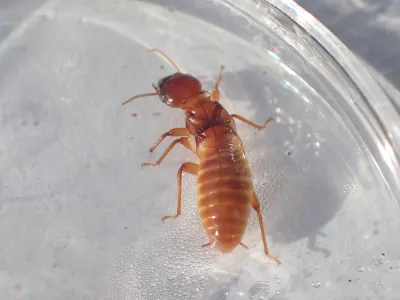
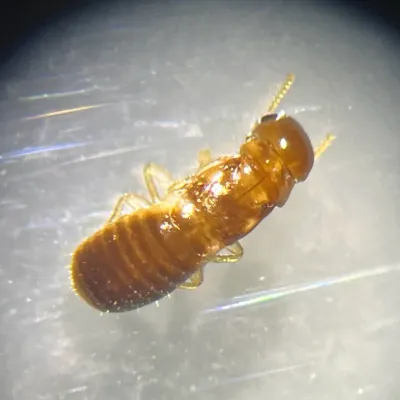
Commonly Confused With
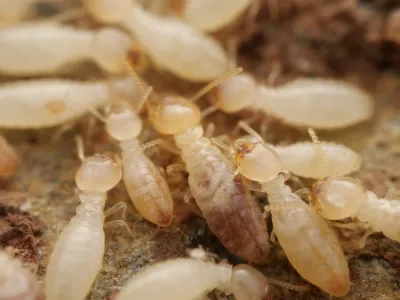
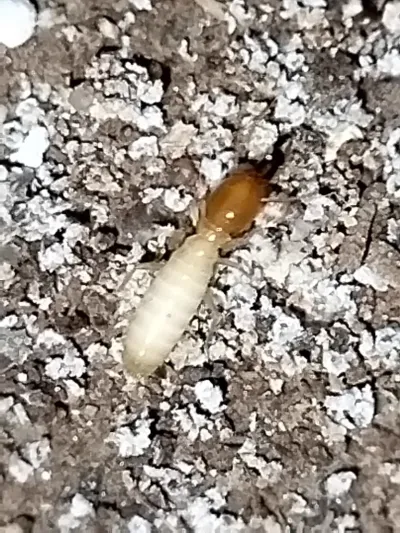
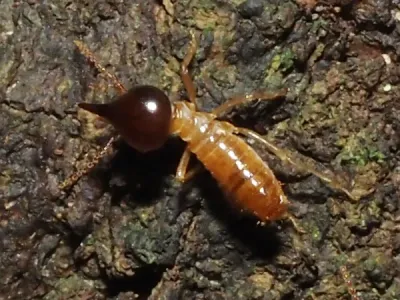
Dark Southern Subterranean Termites are often mistaken for these similar pests
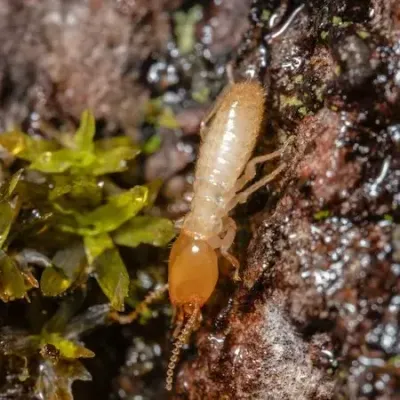
Where Dark Southern Subterranean Termites Are Found
Hover over states to see their names. Green regions indicate where dark southern subterranean termites have been reported.
Common Questions about Dark Southern Subterranean Termites
Where are dark southern subterranean termites found?
+
These termites live in the southeastern United States. They range from New England to Florida and west to Texas. They are common in Virginia, Maryland, and Washington DC. You often find them near eastern subterranean termites.
How do I identify dark southern subterranean termites?
+
Workers are creamy white and about 3-5mm long. Soldiers have yellowish-brown heads with dark jaws. Swarmers are dark brown to black, about 7-10mm long with wings. The dark color of swarmers is why they are called dark southern termites.
When do dark southern subterranean termites swarm?
+
These termites swarm between early February and late May. They fly on warm, sunny, calm afternoons, often after rain. If you see swarmers inside your home, a colony is likely nearby.
What is the difference between dark southern and eastern subterranean termites?
+
The main differences are in the swarmers and soldiers. Dark southern swarmers are darker, almost black. Eastern subterranean swarmers are lighter brown. Dark southern soldiers are also smaller. Both species cause similar damage and need similar treatments.
How much damage can dark southern subterranean termites cause?
+
These termites cause major damage. Together with eastern subterranean and Formosan termites, they cause 80% of termite damage in the U.S. They can travel up to 150 feet from their nest. Colonies can have hundreds of thousands of termites and cause thousands of dollars in damage.
What conditions attract dark southern subterranean termites?
+
These termites need moisture and wood to live. They like mulch near foundations, wood touching soil, poor drainage, AC units against the house, tree stumps, and firewood near structures. They follow moisture and temperature to find food.
Can dark southern subterranean termites infest any home?
+
Yes. Termites can infest any home, old or new. New homes are at risk if they were not treated during building. Termites get in through foundation cracks, gaps, and any place where wood touches soil.
How do professionals treat dark southern subterranean termites?
+
Pros use bait systems like Sentricon to kill entire colonies over time. They also use liquid treatments that create barriers in the soil. The best method depends on how bad the problem is. Yearly inspections help catch termites early.

With five years of hands-on experience in the pest control industry, George Schulz is a registered technician with the Virginia Pest Management Association and a proud third-generation professional in a family business that's been protecting homes for over 57 years. He manages and trains a team of service pros while also leading internal research efforts—recently spearheading a deep-dive review of thousands of documents on pest control materials to hand-pick the most kid and pet friendly, most effective solutions tailored specifically for homes in the DC metro area.