Arid-Land Subterranean Termites Identification Guide
Reticulitermes tibialis
The arid-land subterranean termite is a wood-destroying insect native to western and north-central North America. Found in deserts, prairies, and other dry environments, this species has a broader geographic range than any other Reticulitermes termite in the United States.
Taxonomy
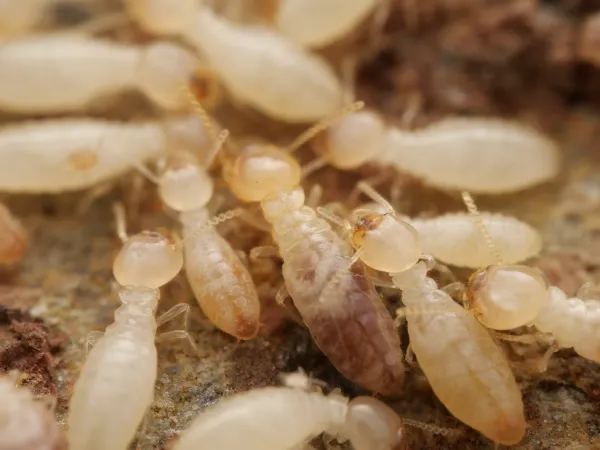
Arid-Land Subterranean Termites Coloration
Common color patterns to help identify arid-land subterranean termites
Arid-Land Subterranean Termites
Seasonal Activity
When arid-land subterranean termites are most active throughout the year
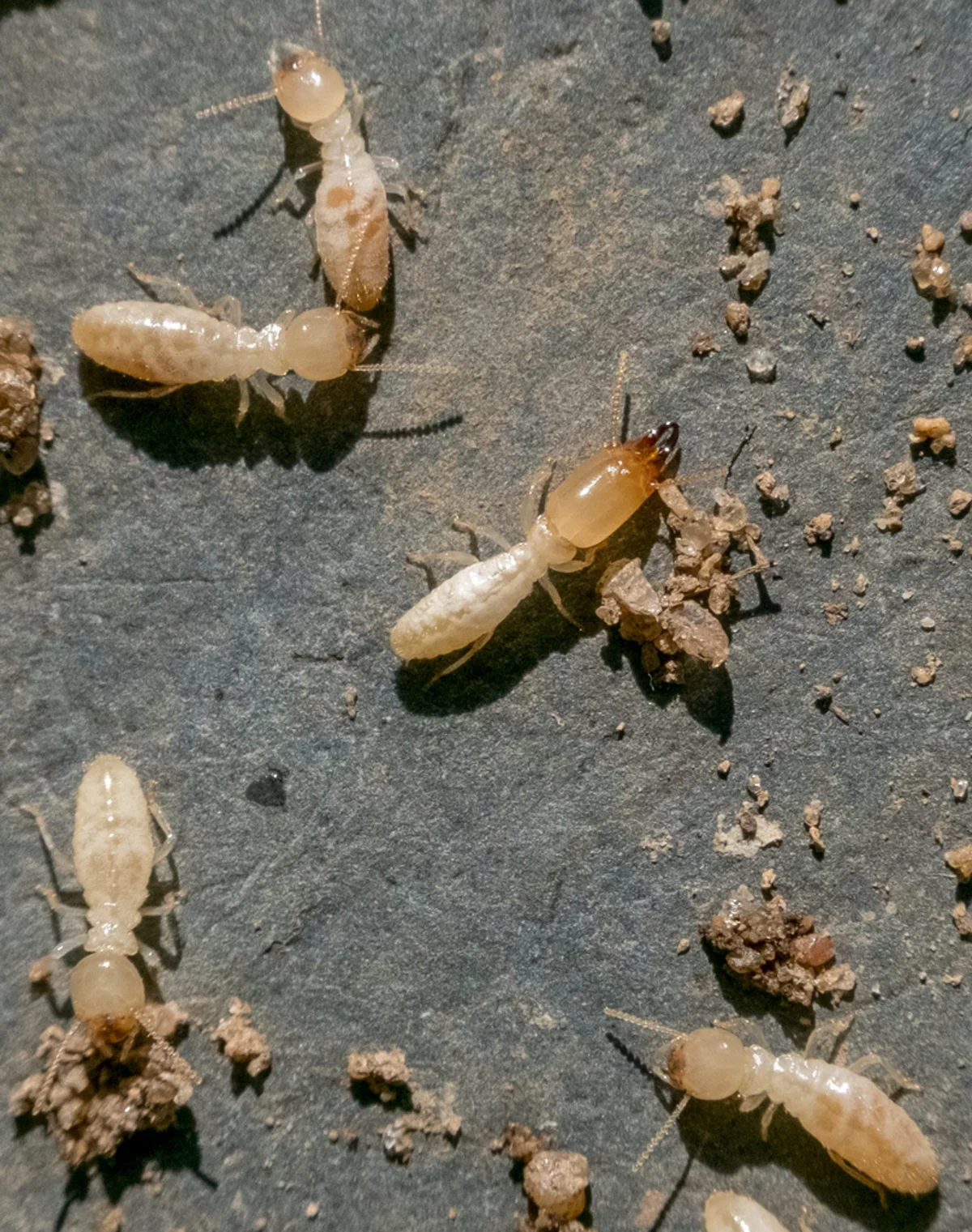
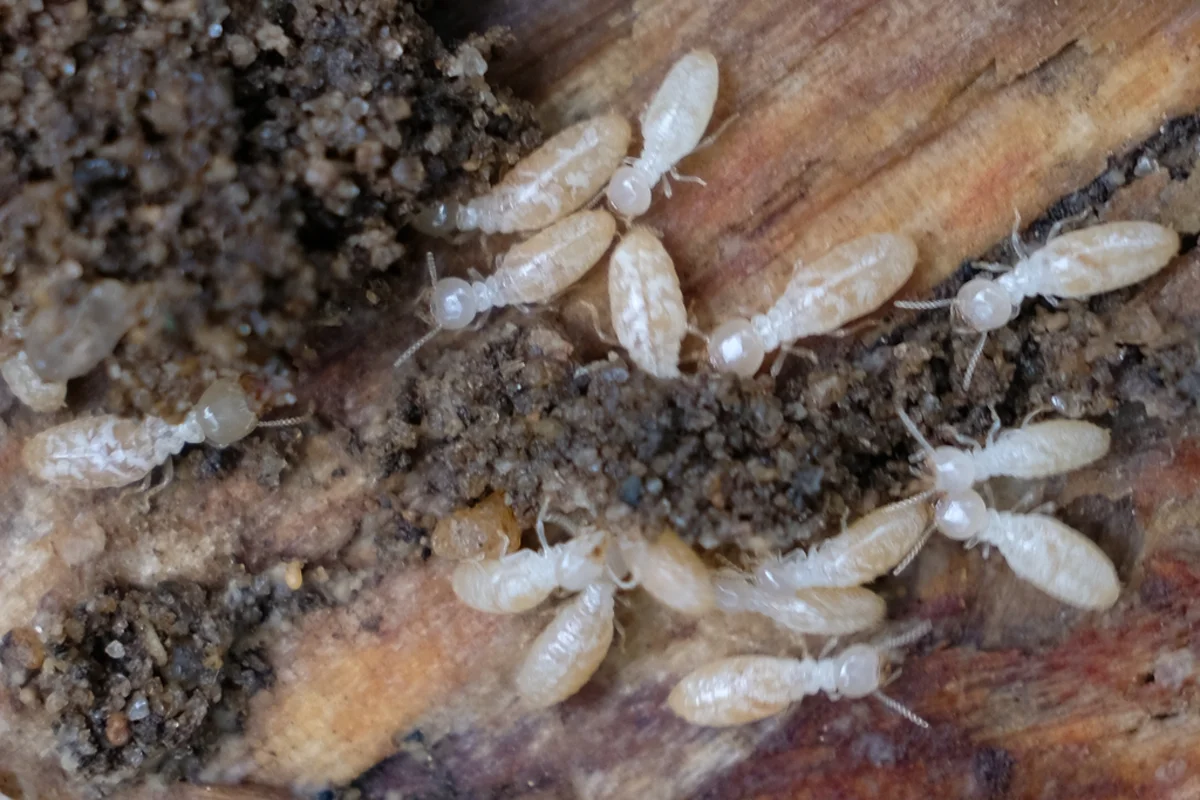
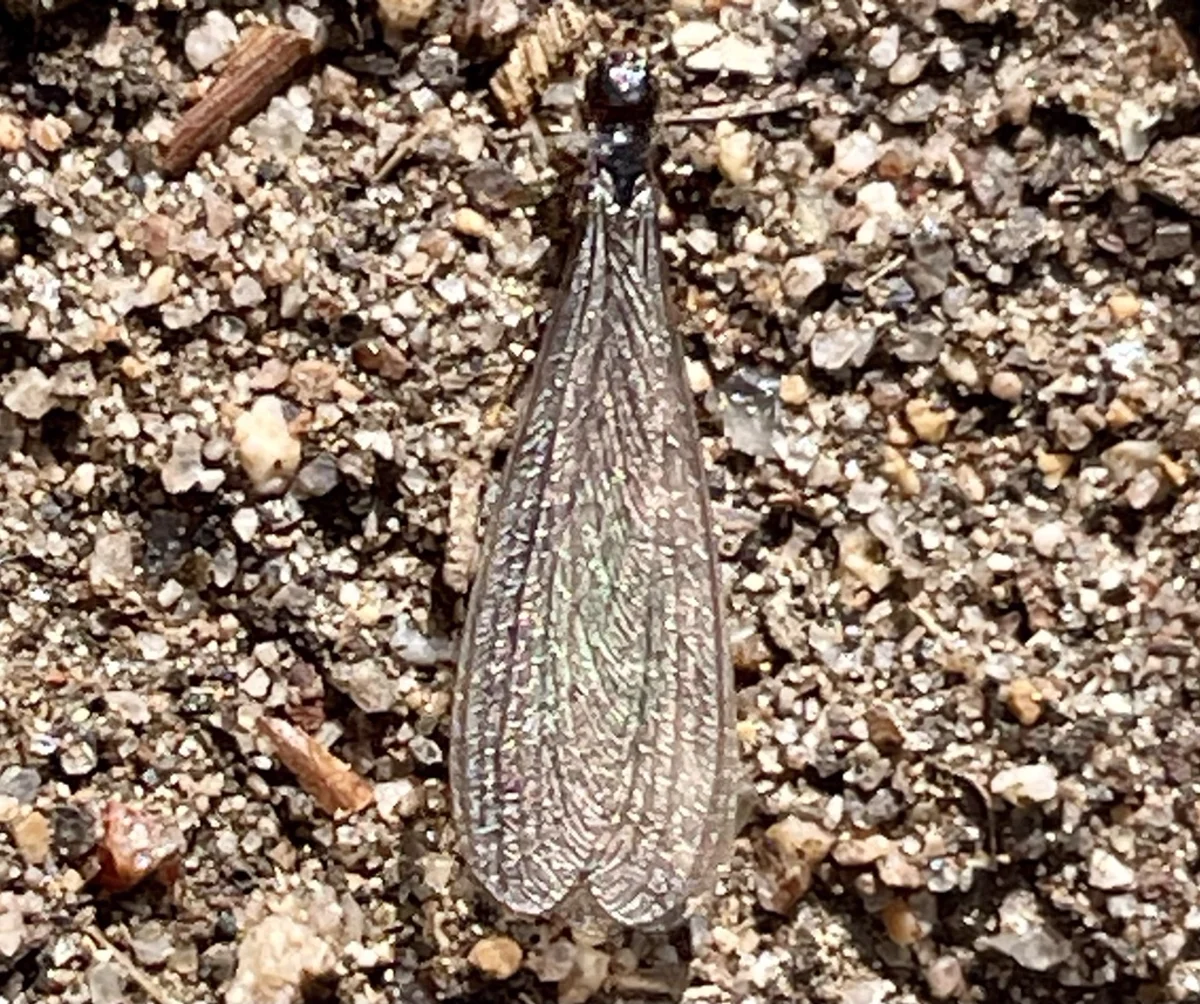

Where Arid-Land Subterranean Termites Are Found
Hover over states to see their names. Green regions indicate where arid-land subterranean termites have been reported.
Arid-Land Subterranean Termite Identification Guide
Physical Characteristics
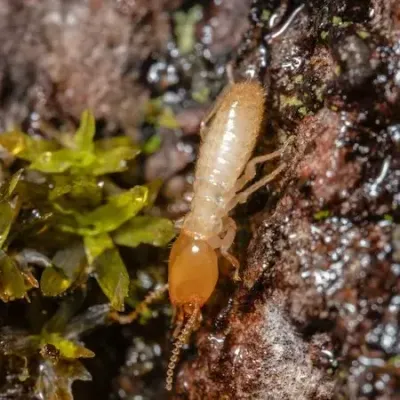
Arid-land subterranean termites are small insects that live in organized colonies with distinct castes. Workers, the most common caste, measure 3-4mm in length with soft, creamy white bodies. They lack eyes and spend their lives underground or inside wood. Workers gather food, build tunnels, and care for other colony members.
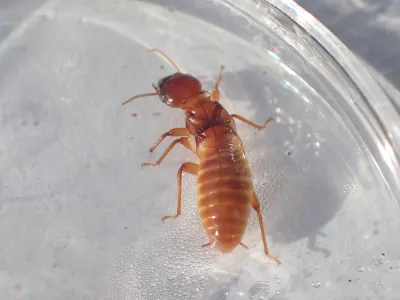
Soldiers are larger than workers and have darker, more defined heads. Their mandibles are nearly straight but noticeably thicker than those of desert termites, which helps with identification. Soldiers defend the colony from predators like ants. They cannot feed themselves and depend on workers for nutrition.
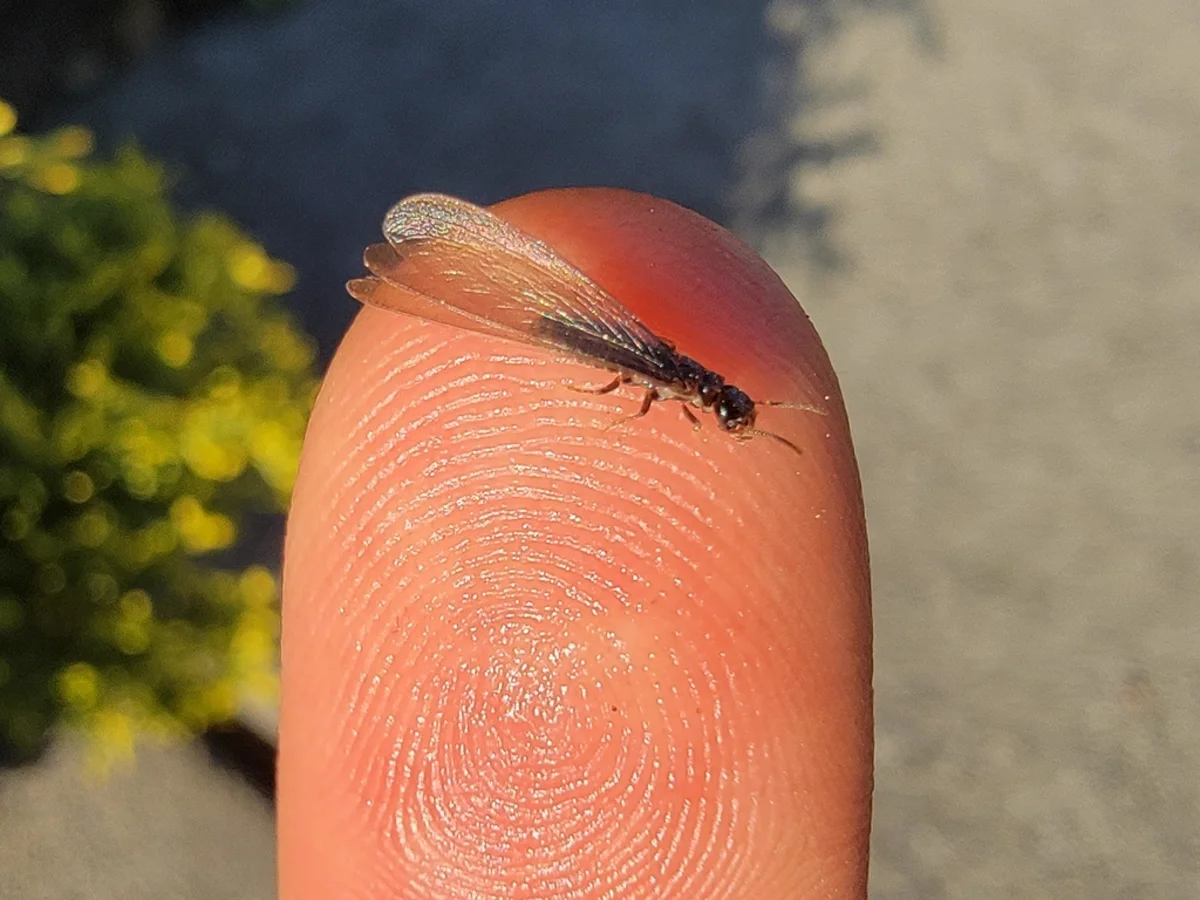
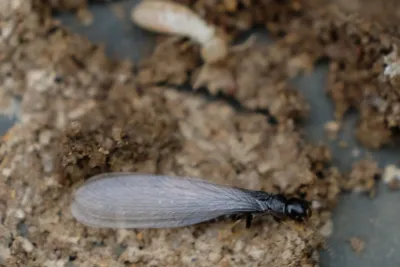
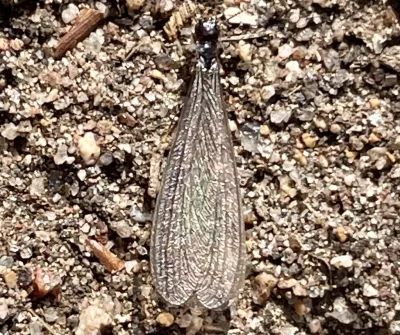
Reproductive adults, called alates or swarmers, are the largest members of the colony at about 10mm long including wings. Their bodies are dark brown to black with well-developed eyes. Each swarmer has two pairs of translucent wings with visible veins. After mating flights, they shed these wings and search for nesting sites.
Key Identification Features
- Straight, bead-like antennae (ants have elbowed antennae)
- Broad waist connecting thorax and abdomen (ants have narrow, pinched waists)
- Workers: pale, soft bodies without pigmentation
- Soldiers: darker heads with thick, straight mandibles
- Swarmers: dark bodies, approximately 10mm long with clear wings
Similar Species
Several Reticulitermes species share overlapping ranges with the arid-land subterranean termite:
- Western subterranean termite (Reticulitermes hesperus) - Pacific coastal regions
- Eastern subterranean termite (Reticulitermes flavipes) - Eastern overlap zone
- Reticulitermes arenincola - South of Lake Michigan overlap zone
Visual identification between these termite species is difficult. The arid-land subterranean termite tends to occupy drier, more inland habitats compared to related species. Definitive identification often requires genetic analysis.
Arid-Land Subterranean Termite Behavior and Biology
Habitat Preferences
The arid-land subterranean termite has adapted to survive in environments that would challenge most termite species. They thrive in deserts, prairies, and other dry locations with hard-packed or alkaline soil. Their range extends into canyons, river valleys, and sand dunes. These termites occur at elevations up to 7,000 feet in the Rocky Mountains.
Despite their name, arid-land termites also inhabit moist river lowlands along waterways. They require soil contact and moisture to survive, but need less moisture than their eastern relatives. This adaptation allows them to colonize areas where other subterranean termites cannot establish.
Colony Structure and Development
Like all subterranean termites, arid-land termites live in colonies centered around a reproductive pair. After swarming and mating, a king and queen locate a suitable underground site near wood. The queen begins laying eggs within weeks. Early colony growth is slow because the first workers must be raised before the colony can expand.
A mature colony contains workers, soldiers, and reproductives. Workers make up the majority of individuals. They forage for cellulose, feed other castes, care for young, and maintain tunnel systems. Soldiers defend against predators but represent a small percentage of the population. Over time, colonies can grow to contain tens of thousands of members.
Foraging and Feeding
Arid-land subterranean termites are blind and navigate underground using chemical and temperature cues. They use changes in temperature to locate food sources. Warmer, drier areas above ground contrast with cooler, moister conditions near wood, creating gradients that guide foraging workers.
These termites consume a variety of cellulose sources. In natural settings, they feed on creosote bushes, greasewood, brush, dead tree limbs, and fallen timber. They also consume animal manure, which provides cellulose and nutrients. When attacking structures, they target untreated wood such as utility poles, fence posts, and building lumber. They have been known to damage plant root systems.
Swarming Behavior
Reproductive swarming allows colonies to spread and establish new populations. The timing of swarms varies with elevation and geography. In Arizona, colonies at lower elevations (below 4,000 feet) swarm from January through March. Higher elevation colonies (above 4,000 feet) delay swarming until June or July when temperatures warm.
Swarmers emerge from the colony on warm days, often following rain. After a brief dispersal flight, males and females pair up, shed their wings, and search for nesting locations. Most swarmers die without establishing colonies, but successful pairs begin the slow process of building new populations.
Signs of Arid-Land Subterranean Termite Activity
Detecting termites early helps limit structural damage. These signs indicate possible infestation:
- Mud tubes on foundation walls, piers, or utility connections leading from soil to wood
- Swarmers or discarded wings near windows, doors, or light fixtures during swarming season
- Hollow-sounding wood when tapped with a solid object
- Wood damage with galleries that follow the grain and contain soil particles
- Sagging floors or ceilings from weakened structural lumber
- Soft or damaged wood around areas with moisture problems
Mud tubes are particularly reliable indicators. These pencil-sized tunnels protect termites from drying out and from predators. Active tubes contain pale workers when broken open.
Treatment Methods for Arid-Land Subterranean Termites
Professional treatment is necessary because colonies are hidden underground and cannot be reached with surface applications. Several approaches have proven effective against subterranean termites in arid regions.
Baiting Systems
Bait stations installed around a structure intercept foraging termites. When workers discover the bait, they recruit nestmates and share the material throughout the colony. Modern baits contain insect growth regulators like chitin synthesis inhibitors that prevent successful molting. As workers die and are not replaced, the colony population declines and eventually collapses.
Bait systems work slowly but target the entire colony. They also serve as monitoring tools to detect termite activity around a property.
Liquid Soil Treatments
Liquid termiticides create chemical barriers in soil around foundations. Application involves trenching along foundation walls and applying product to the soil. Non-repellent termiticides work best because workers cannot detect them. They pass through treated soil and transfer the active ingredient to other colony members through normal contact.
Common active ingredients used against subterranean termites include fipronil, imidacloprid, chlorantraniliprole, and chlorfenapyr. These products provide immediate and long-lasting protection when applied correctly.
Wood Treatments
Borate products applied directly to wood provide lasting protection. Borates penetrate into wood fibers and remain active for years. This approach works well during construction when framing is accessible. Treated wood both kills termites and deters future feeding.
Integrated Management
Many pest management professionals combine multiple methods for best results. A bait system may supplement liquid treatment, or localized wood applications may reinforce soil barriers. The specific approach depends on construction type, infestation severity, and local conditions.
Prevention Tips
These practices reduce the risk of arid-land subterranean termite problems:
- Eliminate wood-to-soil contact around foundations
- Maintain proper grading to direct water away from structures
- Repair plumbing leaks and address drainage issues promptly
- Remove dead vegetation, stumps, and wood debris from the property
- Store firewood and lumber away from buildings and off the ground
- Inspect utility poles and fence posts regularly for damage
- Schedule professional inspections, especially after purchasing property in termite-prone areas. Learn about how long termite treatment lasts
References
- Arid-Land Subterranean Termite - Wikipedia
- Arid-Land Subterranean Termite - Bugwoodwiki
- Native Subterranean Termites - University of Florida IFAS Extension
- Western U.S. Has More Subterranean Termite Species Than Previously Thought - Entomology Today
- Species Reticulitermes tibialis - BugGuide.Net
- Arid Land Subterranean Termite - iNaturalist
Other Termites
Explore other species in the termites family
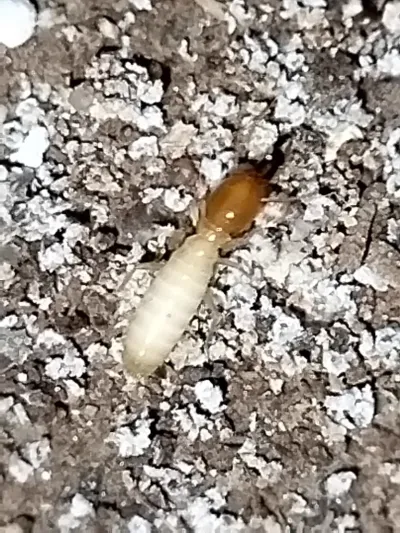
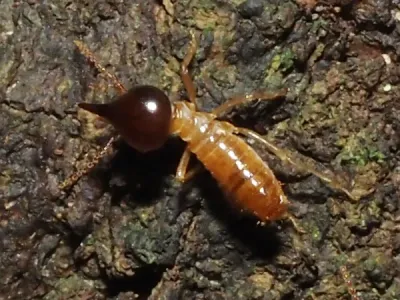
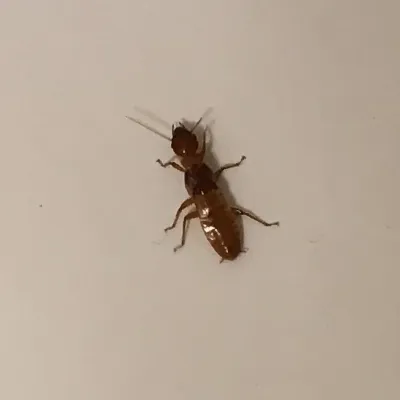
Commonly Confused With
Arid-Land Subterranean Termites are often mistaken for these similar pests
Where Arid-Land Subterranean Termites Are Found
Hover over states to see their names. Green regions indicate where arid-land subterranean termites have been reported.
Common Questions about Arid-Land Subterranean Termites
Where are arid-land subterranean termites found?
+
Arid-land subterranean termites have the broadest range of any Reticulitermes species in North America. They are found throughout the western and north-central United States, from California east to Illinois. They thrive in deserts, prairies, canyons, and river valleys. They do not occur in the eastern coastal states.
How do I identify arid-land subterranean termites?
+
Workers are creamy white and about 3-4mm long. Soldiers have straight, thick mandibles and darker heads. Winged swarmers are dark brown to black, about 10mm long with translucent wings. Like all termites, they have straight antennae and broad waists, unlike ants which have elbowed antennae and narrow waists.
When do arid-land subterranean termites swarm?
+
Swarming depends on elevation and location. In Arizona at elevations below 4,000 feet, they swarm from January through March. At higher elevations above 4,000 feet, swarming occurs from June through July. Fall, winter, and spring swarms happen in different regions.
Are arid-land subterranean termites destructive?
+
They are less destructive to structures than eastern subterranean termites, mainly because they live in areas with fewer buildings. However, when homes are built in their habitat and natural food sources are removed, they can cause significant damage over 3-8 years. In Arizona, they are the most destructive termite species.
What do arid-land subterranean termites eat?
+
These termites feed on cellulose from wood, brush, dead tree limbs, and even animal manure. In the wild, they attack creosote bushes and greasewood. They commonly damage utility poles, fence posts, and plant root systems. They prefer wood with some moisture damage.
How can I tell arid-land termites apart from western subterranean termites?
+
These species are very difficult to tell apart visually. Both belong to the genus Reticulitermes and share similar physical features. Geographic location helps, as arid-land termites prefer drier inland habitats while western subterranean termites are more common along the Pacific Coast. Definitive identification often requires genetic testing.
Do arid-land subterranean termites need soil contact?
+
Yes, like other subterranean termites, they require contact with soil moisture. They build mud tubes to travel from underground nests to food sources above ground. However, they are adapted to drier conditions than eastern species and can thrive in sandy or alkaline soils.
What attracts arid-land subterranean termites to homes?
+
These termites are drawn to moisture and cellulose. In dry areas where homes replace natural vegetation, termites that lose their food sources may attack structures. They prefer areas with water damage or leaky plumbing. Wood-to-soil contact and mulch near foundations increase risk.

With five years of hands-on experience in the pest control industry, George Schulz is a registered technician with the Virginia Pest Management Association and a proud third-generation professional in a family business that's been protecting homes for over 57 years. He manages and trains a team of service pros while also leading internal research efforts—recently spearheading a deep-dive review of thousands of documents on pest control materials to hand-pick the most kid and pet friendly, most effective solutions tailored specifically for homes in the DC metro area.