All About Sugar Ants
The Tiny Kitchen Invaders That Follow Sweet Trails Into Your Home
Quick Facts about Sugar Ants

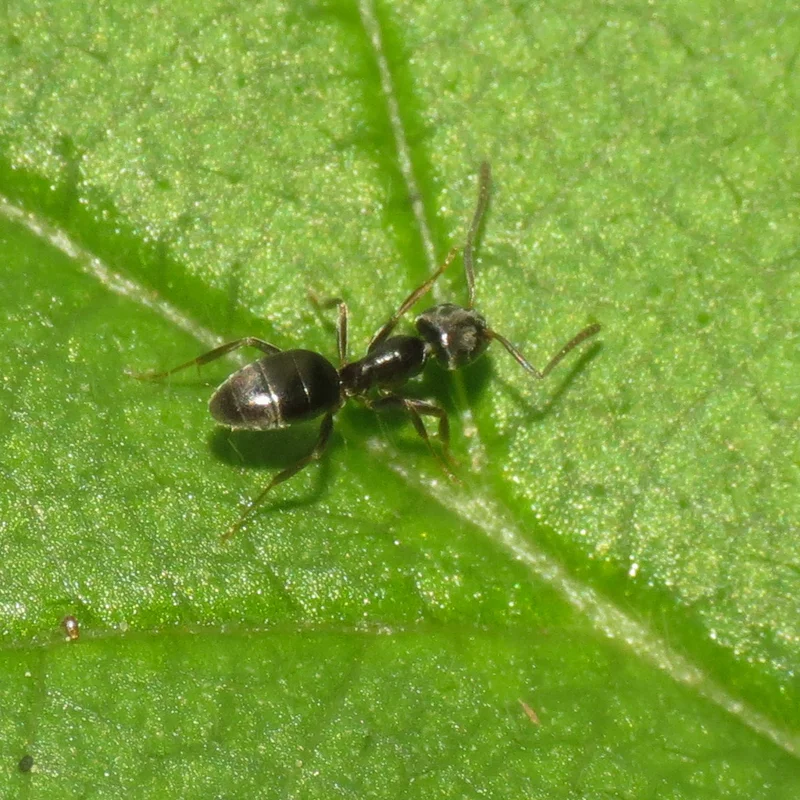
Sugar ants are attracted to sweet substances in nature and homes alike
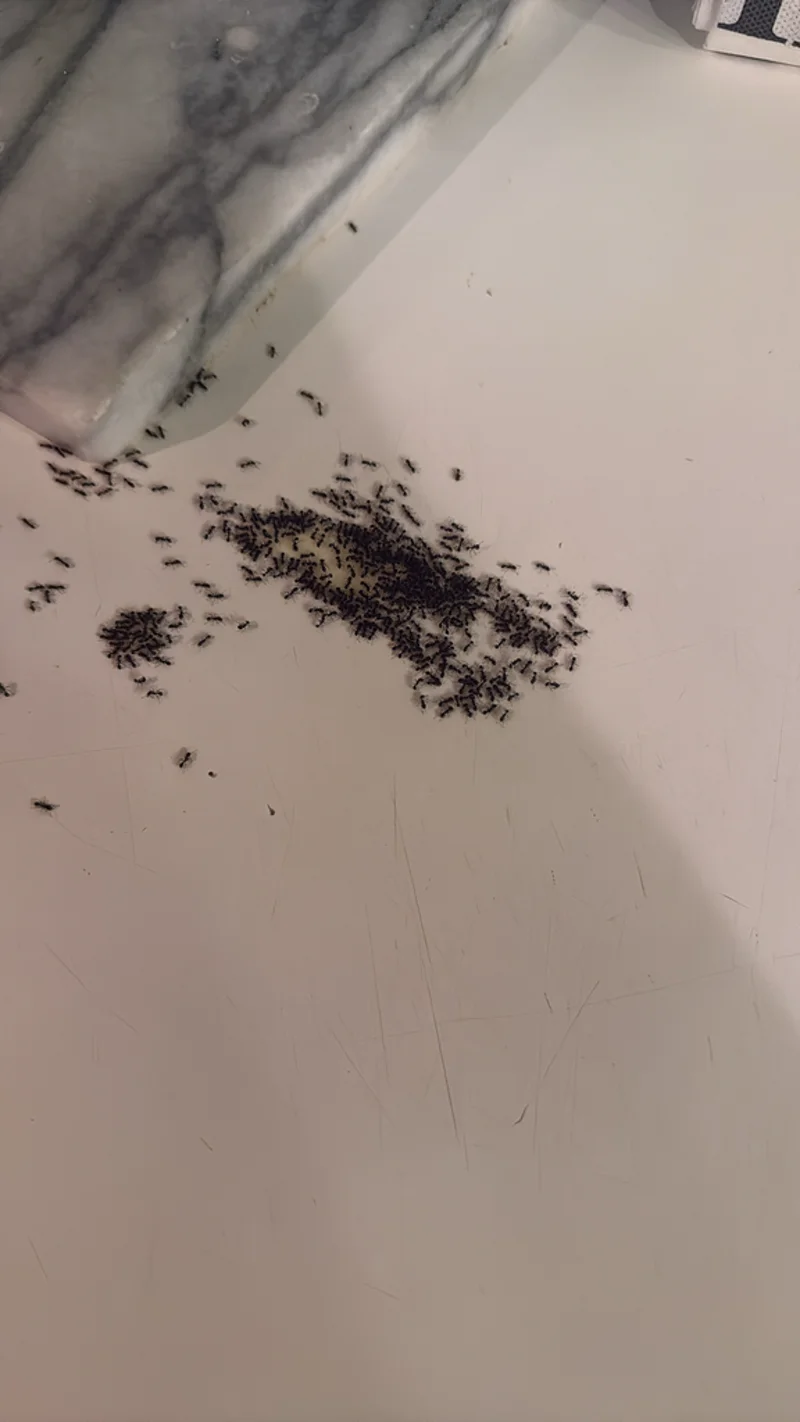
Sugar ants often appear in large numbers near food sources
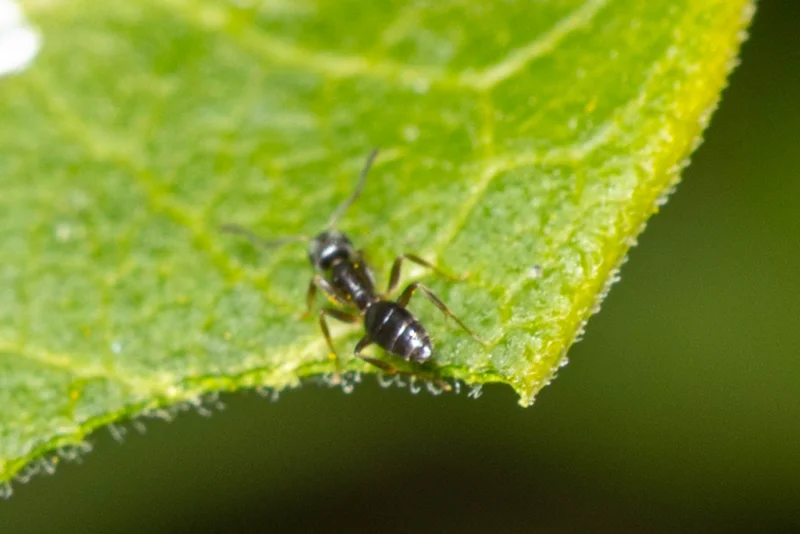
These ants leave pheromone trails that guide other colony members to food
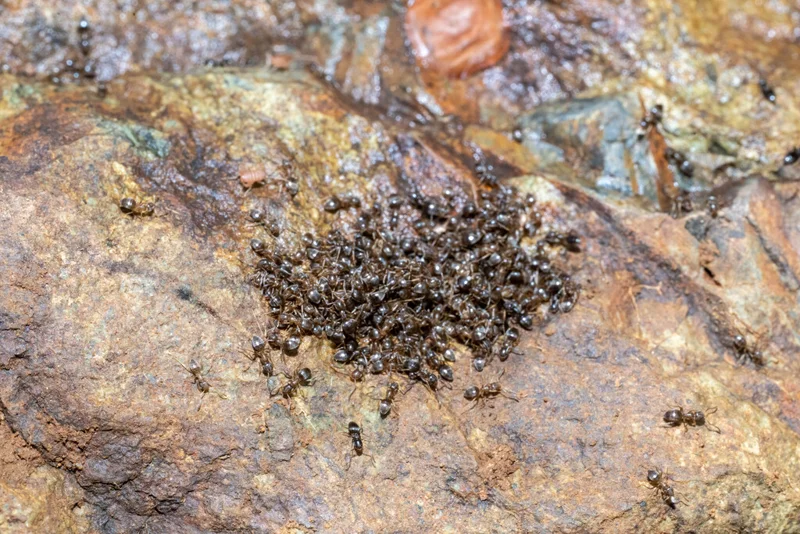
Sugar ant colonies can contain thousands of workers

Sugar Ants Identification Guide
“Sugar ant” is the common name homeowners use for the small, dark ants that invade kitchens looking for sweet foods. In the DC Metro area, the ants you’re seeing are most likely odorous house ants (Tapinoma sessile). They’re one of the most common ant complaints we get in Northern Virginia, especially during spring and summer.
Physical Characteristics
Sugar ants are small—typically 1/16 to 1/8 inch long. They have dark brown to black bodies with a single node (the small bump between the thorax and abdomen). Their antennae have 12 segments without a club at the end.
The easiest way to identify them? Crush one. Sugar ants release a distinct smell often described as rotten coconut or blue cheese. This odor comes from the chemicals they use to communicate, and it’s why they’re also called “odorous house ants.”
Other Ants Commonly Called “Sugar Ants”
Several ant species get lumped under the “sugar ant” label because they share similar behaviors:
- Pavement Ants - Slightly larger, brown to black, often found near sidewalks and foundations
- Pharaoh Ants - Very small, yellowish-brown, common in apartments and commercial buildings
- Little Black Ants - Tiny, jet black, often confused with odorous house ants
In my experience, most homeowners first notice these ants in the kitchen or bathroom. They form visible trails along countertops, windowsills, and baseboards—especially near sinks where moisture is present.
Sugar Ants Behavior and Biology
Sugar ants are social insects that live in colonies with a clear hierarchy. A typical colony contains 2,000 to 10,000 workers, but some can grow much larger. What makes sugar ants particularly tough to control is their ability to have multiple queens in a single colony.
What Attracts Sugar Ants to Your Home
Sugar ants are looking for three things: food, water, and shelter. They’re especially drawn to:
- Sweet foods (sugar, honey, syrup, juice, fruit)
- Greasy or protein-rich foods
- Pet food left in bowls
- Moisture around sinks, pipes, and bathrooms
- Cracks and gaps that provide entry points
Once a scout ant finds food, it leaves a pheromone trail back to the colony. Within hours, you can have hundreds of ants following that invisible path into your kitchen.
Nesting Habits
Sugar ants are opportunistic nesters. Outside, they build colonies under rocks, mulch, debris, and in soil. Inside your home, they’ll nest in wall voids, behind baseboards, under floors, and near moisture sources like leaky pipes.
One thing that surprises homeowners: sugar ants will relocate their entire colony if conditions change. A sudden increase in moisture, a new food source, or even changes in temperature can cause them to move—sometimes deeper into your home.
Seasonal Patterns in Northern Virginia
Sugar ant activity in the DC Metro area follows a predictable pattern:
- Spring - Peak season. Colonies become active and send out foragers looking for food. This is when most homeowners first notice them.
- Summer - Activity remains high, especially during humid weather.
- Fall - Ants may move indoors seeking warmth and food before winter.
- Winter - Activity decreases but doesn’t stop. Colonies nesting indoors remain active year-round.
How We Treat for Sugar Ants
Our approach targets the entire colony, not just the ants you see. Here’s how we eliminate sugar ant infestations:
Initial Treatment
A licensed technician starts with a thorough inspection of your home, inside and out. We check the areas where sugar ants are most active—kitchens, bathrooms, pantries, and basements. We look for trails, entry points, and potential nesting sites.
For the interior, we apply a non-repellent insecticide to cracks, crevices, and voids where ants travel. Non-repellents are key because ants can’t detect them. They walk through the treated areas and carry the product back to the colony. It spreads through contact and grooming. This approach wipes out the colony at the source.
On the exterior, we create a perimeter treatment around the foundation. This barrier stops new ants from entering while the interior treatment works on the existing infestation. We also spot problems—like wood rot or moisture buildup—and advise you on fixing them to prevent future issues.
Ongoing Protection
Most ant control products break down in about 90 days. That’s why we return quarterly for maintenance treatments. Each visit reinforces the barrier around your home and catches any new activity before it becomes a problem.
If you see sugar ants between visits, just call us. We provide free unlimited callbacks to retreat the issue at no additional cost. That’s part of our Better Promise—we keep coming back until the problem is solved.
Why Non-Repellent Products Matter
Traditional sprays only kill the few ants they touch. Worse, they can cause “budding”—when a stressed colony splits into multiple new colonies. This is why DIY treatments often make sugar ant problems worse.
Our non-repellent products work differently. Ants spread the material among their population naturally, eliminating the colony from within. Our research team has removed 9 of the industry’s harshest chemicals from our programs, choosing better alternatives like Alpine and Essentria that we’d use in our own homes.
Common Questions about Sugar Ants
How do I know if I have sugar ants?
+
Look for trails of tiny dark brown or black ants, usually about 1/16 to 1/8 inch long. You'll most often spot them in kitchens and bathrooms, near food sources or moisture. Crush one and smell it—sugar ants give off a rotten coconut or blue cheese odor.
Why are they called sugar ants?
+
These ants are strongly attracted to sweet foods like sugar, honey, syrup, and fruit. While their scientific name is odorous house ant, most homeowners call them sugar ants because of their love for anything sweet.
Are sugar ants dangerous?
+
Sugar ants don't bite or sting, and they don't cause structural damage like carpenter ants. However, they contaminate food and can spread bacteria as they crawl across surfaces. Large infestations are also a nuisance and can be stressful to deal with.
Why do sugar ants keep coming back?
+
Sugar ants leave invisible pheromone trails that guide other ants to food sources. Even after you clean up, these trails can persist. The colony may also have multiple queens, allowing it to recover quickly. Professional treatment targets the entire colony, not just the ants you see.
Can I get rid of sugar ants myself?
+
DIY sprays often make the problem worse. When sugar ants sense danger, they can 'bud'—meaning the colony splits into multiple new colonies. Over-the-counter sprays kill the ants you see but don't reach the nest. Professional treatment uses non-repellent products that ants carry back to eliminate the entire colony.
How long does sugar ant treatment take to work?
+
You may see increased ant activity for 7-10 days after treatment. This is normal—the ants are carrying the product back to their nest. Most customers see a significant reduction within 2 weeks, with full elimination shortly after.
What products do you use for sugar ants?
+
We use non-repellent insecticides that ants can't detect. They walk through the treated areas and carry the product back to the colony, where it spreads through contact and grooming. Our research team has removed 9 harsh chemicals common in the industry, choosing products we'd use in our own homes.
Will sugar ants come back after treatment?
+
With ongoing quarterly treatments, we maintain a protective barrier around your home. If you ever see ants between visits, we'll come back at no extra cost—that's part of our Better Promise.
More Resources About Sugar Ants
Explore our guides and articles for more information about sugar ants.
Find Local Sugar Ant Control Services
We provide professional sugar ants control throughout Virginia, Maryland, and the DC Metro area.