Southern Green Stink Bug Identification Guide
Nezara viridula
The southern green stink bug is a bright green shield-shaped pest that damages crops and invades homes in fall, releasing a pungent odor when disturbed.
Taxonomy
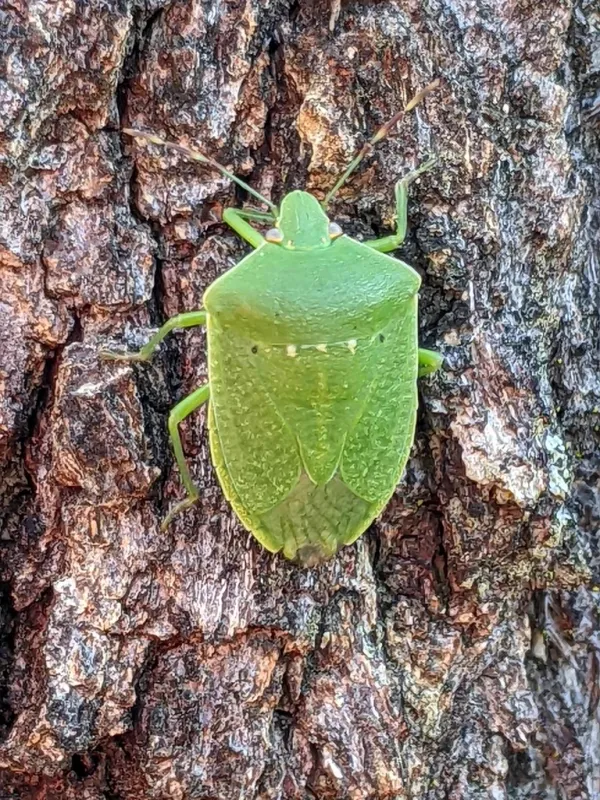
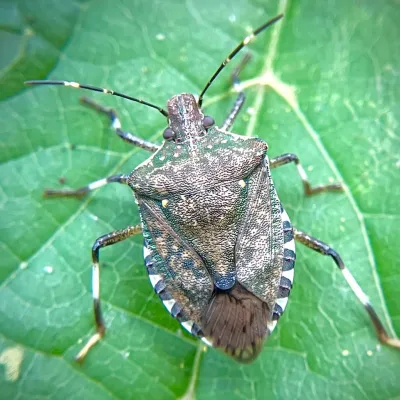
Southern Green Stink Bug Coloration
Common color patterns to help identify southern green stink bug
Southern Green Stink Bug
Seasonal Activity
When southern green stink bug are most active throughout the year
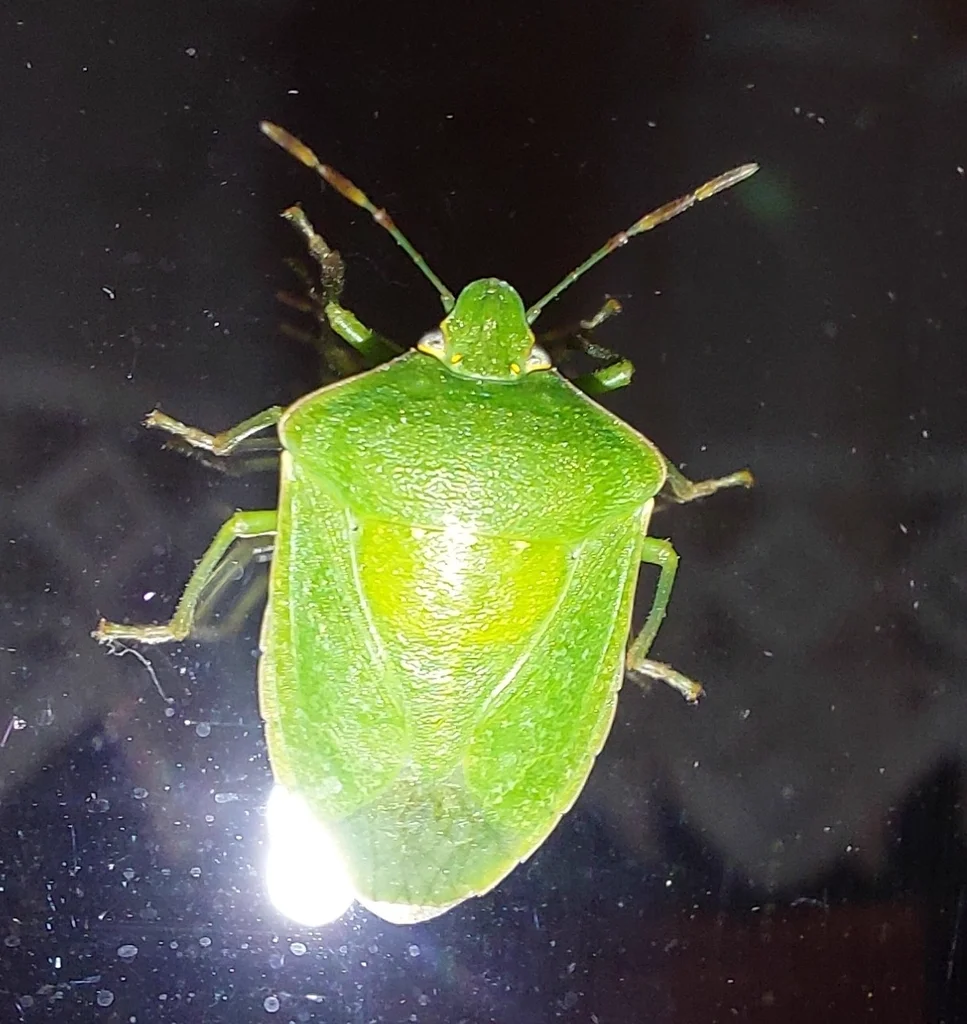
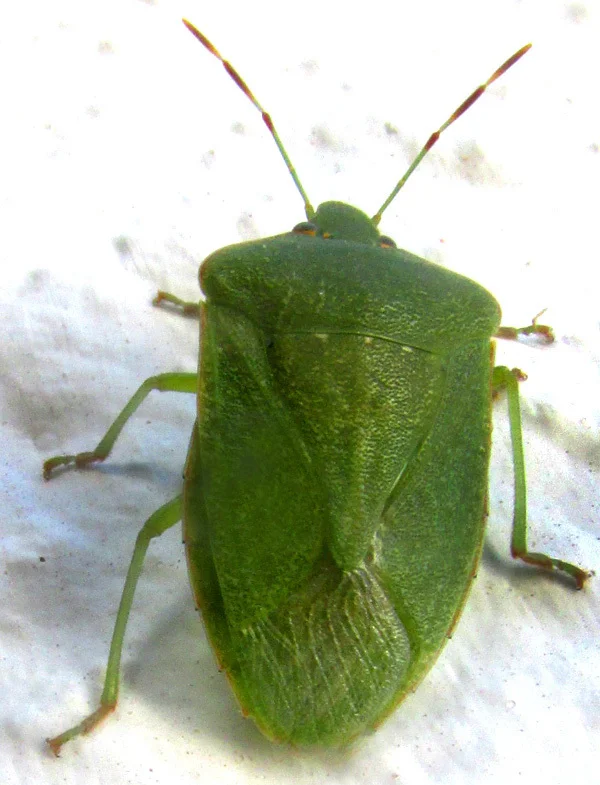
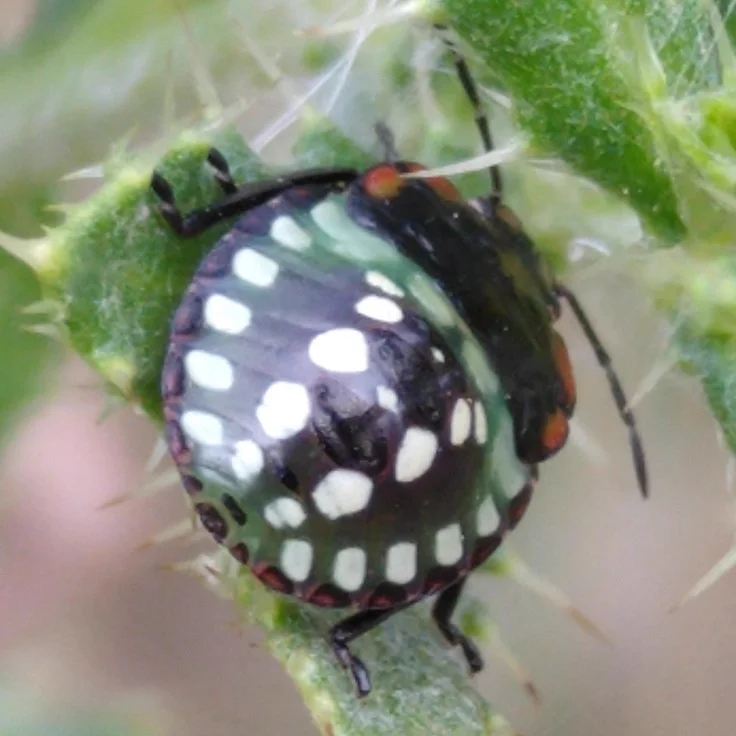

Where Southern Green Stink Bug Are Found
Hover over states to see their names. Green regions indicate where southern green stink bug have been reported.
Southern Green Stink Bug Identification Guide
Physical Characteristics
The southern green stink bug (Nezara viridula) is a shield-shaped insect. It measures 12 to 15 mm long, about the size of a fingernail. Adults are bright green with three small white spots on the scutellum (the triangular plate between the wings). Their eyes are usually reddish but may sometimes appear black.
Like all stink bugs, they have scent glands that release a strong smell when disturbed or crushed. The odor is often compared to cilantro. This defense gives stink bugs their common name. Adults have wings and can fly, but they move slowly and are easy to spot.
You can tell the southern green stink bug apart from the native green stink bug (Chinavia hilaris) by looking at the scent gland openings. Southern green stink bugs have short, wide openings. Native green stink bugs have narrow, long openings. The southern species also has a rounded spine between the hind legs, while the native species has a pointed spine.
Color Morphs
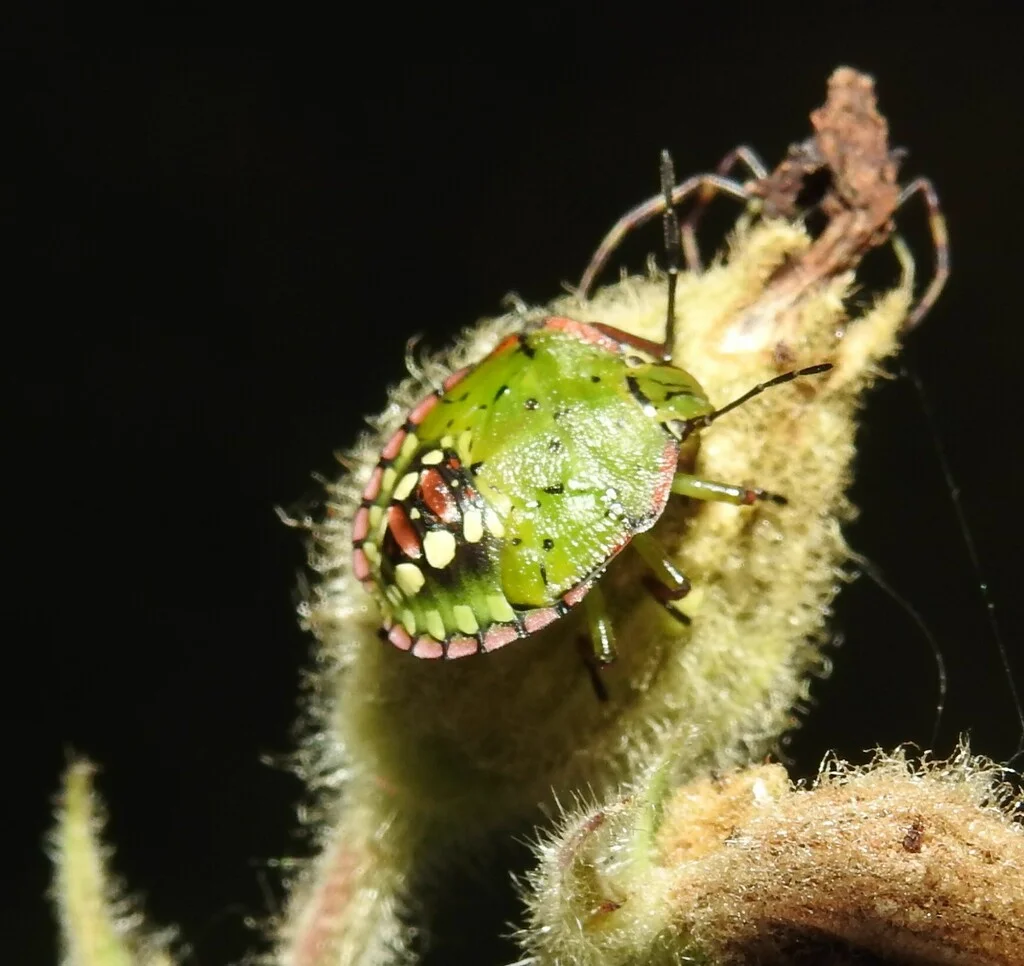
Southern green stink bugs come in several color forms. Most are bright green. Some have white or yellow edges on the head and body. A rare form is fully orange, yellow, or even pink. These color differences can make them harder to identify.
Nymphs and Life Stages
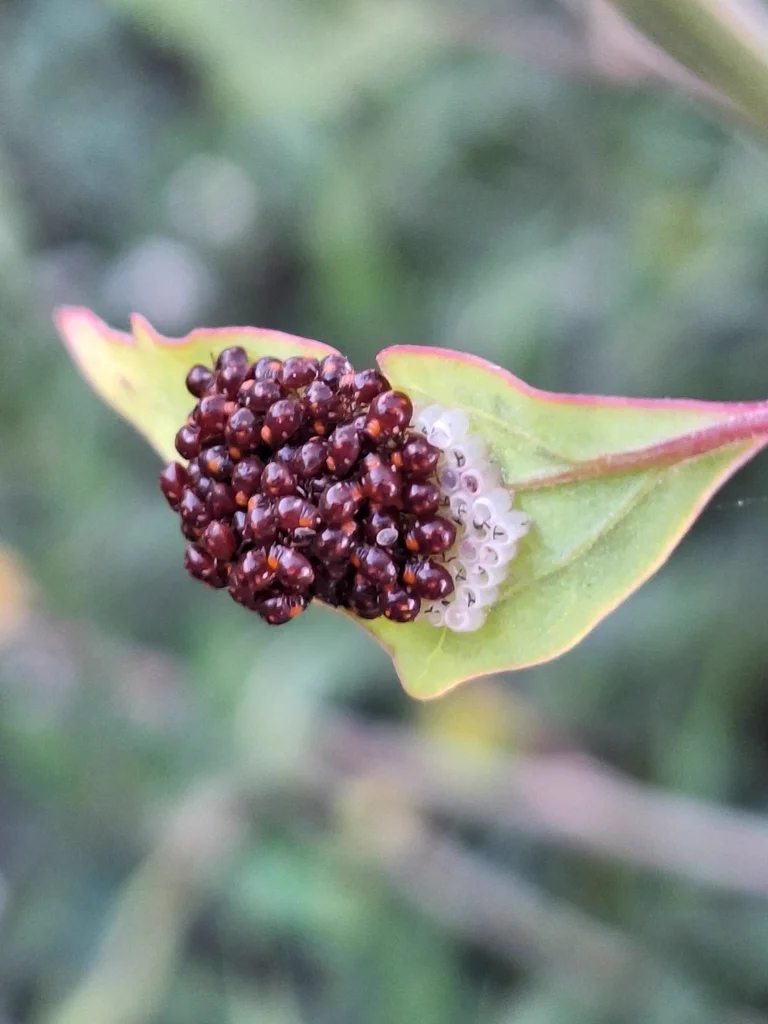
Southern green stink bug nymphs look very different from adults. Young nymphs are small (about 2 to 3 mm) with black bodies and white spots. They stay near their empty eggshells after hatching. They do not eat until after their first molt.
Nymphs go through five growth stages before becoming adults. As they grow, they turn green and develop wing pads. Each stage lasts about a week. The full life cycle from egg to adult takes 35 to 65 days, depending on how warm it is.
Common Species in North America
-
Southern Green Stink Bug (Nezara viridula): Originally from Ethiopia, now found throughout the southern United States and expanding northward. Most common in warm, humid regions.
-
Green Stink Bug (Chinavia hilaris): Native to North America and found across the continent. Distinguished by pointed spine between hind legs and narrow scent gland openings.
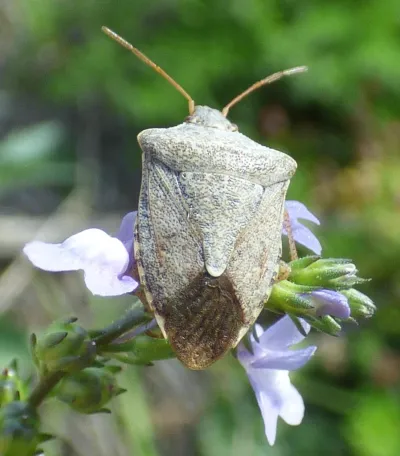
Southern Green Stink Bug Behavior and Biology A related species, Rough Stink Bug, shares similar characteristics.
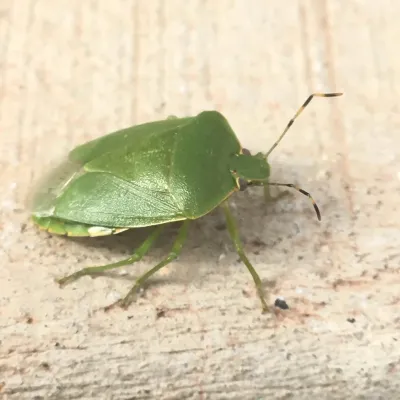
Feeding Habits A related species, Shield Bugs, shares similar characteristics.
Southern green stink bugs eat plants from more than 30 plant families. They use needle-like mouthparts to pierce leaves, stems, and fruits and suck out the juices. This feeding causes stunted growth, spots, and damaged areas on plants. They prefer legumes like soybeans, cowpeas, and beans. They also feed on tomatoes, peppers, cotton, corn, and fruit trees. A related species, One-Spotted Stink Bug, shares similar characteristics.
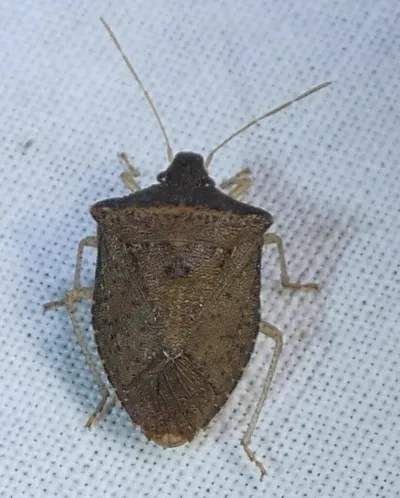
These bugs move around a lot. They switch between host plants as different crops ripen through the season. Their damage shows up as dimples, scars, and discolored spots on fruits. This lowers the value of crops for farmers and gardeners. A related species, Brown Stink Bug, shares similar characteristics.
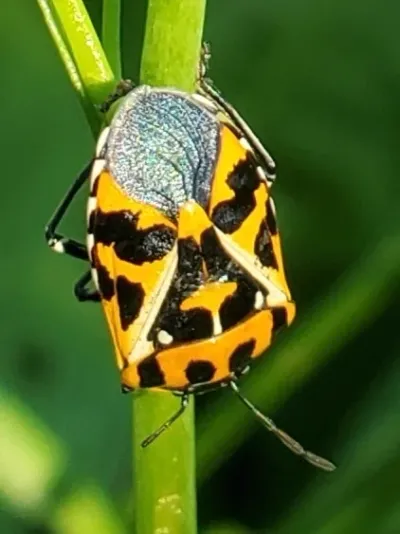
Reproduction and Lifecycle A related species, Harlequin Bug, shares similar characteristics.
Females lay barrel-shaped eggs in groups of 30 to 130 on the bottom of leaves. The eggs are light green or cream-colored with a small lid at the top. Eggs hatch in 5 to 21 days. Warmer weather speeds up development.
After hatching, nymphs stay near the empty eggs for about three days before spreading out to feed. They molt five times before becoming adults. In warm areas, these bugs can produce up to four generations per year. The full life cycle can finish in as few as 35 days during summer.
Communication and Mating
Southern green stink bugs talk to each other through vibrations. When ready to mate, they make low-pitched vibrations using a special organ called a tymbal. These vibrations travel through plant stems and leaves. This helps stink bugs on the same plant find each other.
Males also give off chemical scents called pheromones that attract other stink bugs. This is why you often see large groups of them gathered in the same spot.
Overwintering Behavior
When fall arrives and temperatures drop, southern green stink bugs look for shelter to survive winter. They gather on the warm, sunny sides of buildings. They enter homes through cracks around windows, doors, and siding.
Once inside walls or other hidden spaces, they become dormant. This resting state is called diapause. They do not eat or breed indoors during winter. When spring comes and it warms up, they wake up and head back outside to feed and mate.
How We Treat for Southern Green Stink Bugs
The best way to control southern green stink bugs is to stop them before they get inside. Our approach focuses on creating barriers in early fall, before these bugs start looking for shelter.
Fall Preventative Treatments
Before it gets cold (usually in October), our technicians apply dust treatments to gaps where stink bugs enter. This includes weep holes in brick, spaces behind siding, and cracks around windows and doors. This creates a barrier that keeps the bugs out.
Exterior Perimeter Treatments
We treat the outside of your home with repellent products. We focus on the sunny sides of the building where stink bugs like to gather. This helps stop them from clustering on walls and finding ways inside.
Interior Treatments
If stink bugs have already gotten inside, we treat around window seals, door frames, and baseboards. In bad cases, we may dust inside wall voids. Once large numbers are inside, getting rid of all of them can be hard. That is why fall prevention is so important.
Exclusion Tips
For long-term control, you need to seal entry points. We suggest:
- Caulking cracks around windows and doors
- Fixing damaged screens
- Adding door sweeps
- Closing gaps around pipes and wires
Sealing these spots helps keep out stink bugs and other pests that seek shelter for winter.
What Homeowners Can Do
If you find stink bugs inside, vacuum them up instead of crushing them. Crushing releases their bad smell. Throw away the vacuum bag right away or dump the bugs into soapy water outside. You can also turn off outdoor lights near doors at night since stink bugs are drawn to light.
References
Other Stink Bugs
Explore other species in the stink bugs family
Commonly Confused With
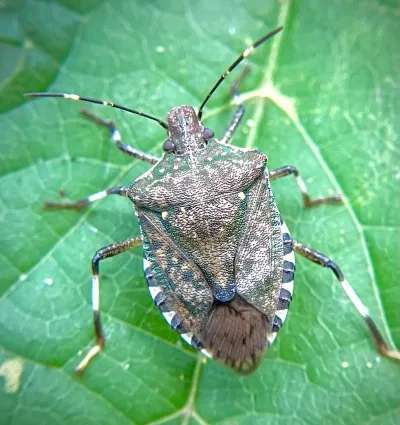
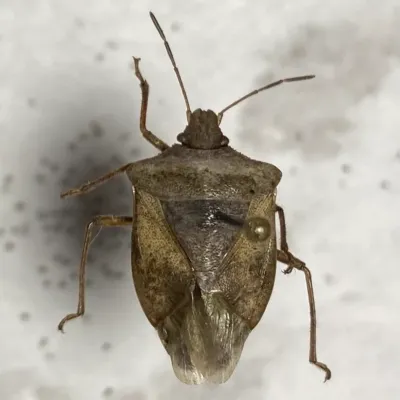
Southern Green Stink Bug are often mistaken for these similar pests
Where Southern Green Stink Bug Are Found
Hover over states to see their names. Green regions indicate where southern green stink bug have been reported.
Common Questions about Southern Green Stink Bug
What is the difference between southern green stink bugs and green stink bugs?
+
The southern green stink bug (Nezara viridula) and the green stink bug (Chinavia hilaris) look similar but differ in subtle ways. Southern green stink bugs have short, wide scent gland openings and a rounded spine between the hind legs, while green stink bugs have narrow, elongated scent gland openings and a pointed spine. Southern green stink bugs also typically have three small white spots on their scutellum.
Do southern green stink bugs bite humans?
+
No, southern green stink bugs do not bite or sting humans. They have piercing-sucking mouthparts designed for feeding on plant juices, not for attacking people or pets. However, handling them may cause mild skin irritation in some individuals.
Why are southern green stink bugs in my house?
+
Southern green stink bugs enter homes in fall seeking shelter for the winter. They are attracted to warm, sunny exterior walls and squeeze through cracks around windows, doors, siding, and foundations. Once inside, they remain dormant until spring.
What do southern green stink bugs eat?
+
Southern green stink bugs feed on over 30 plant families including vegetables, fruits, and ornamental plants. They prefer legumes like soybeans and beans, as well as tomatoes, peppers, corn, cotton, and fruit trees. They pierce plant tissue with their mouthparts to extract fluids.
How do I get rid of southern green stink bugs inside?
+
Avoid crushing them as this releases their defensive odor. Use a vacuum cleaner to collect them and dispose of the bag immediately. For large infestations, professional pest control treatments around entry points can help reduce their numbers.
Are southern green stink bugs harmful to gardens?
+
Yes, southern green stink bugs are significant agricultural pests. Their feeding causes dimpling, scarring, and discoloration on fruits and vegetables. They can stunt plant growth and reduce crop yields in home gardens and commercial farms.
When are southern green stink bugs most active?
+
Southern green stink bugs are most active from late spring through early fall when temperatures are warm. They can produce up to four generations per year in warm climates. In fall, they begin seeking shelter in structures for overwintering.
What colors can southern green stink bugs be?
+
While most southern green stink bugs are bright green, several color morphs exist. Some have white or yellowish margins on the head and thorax. A rare morph is entirely orange, yellow, or even pink. Nymphs display striking black and white patterns before turning green as adults.

With five years of hands-on experience in the pest control industry, George Schulz is a registered technician with the Virginia Pest Management Association and a proud third-generation professional in a family business that's been protecting homes for over 57 years. He manages and trains a team of service pros while also leading internal research efforts—recently spearheading a deep-dive review of thousands of documents on pest control materials to hand-pick the most kid and pet friendly, most effective solutions tailored specifically for homes in the DC metro area.