Rice Stink Bug Identification Guide
Oebalus pugnax
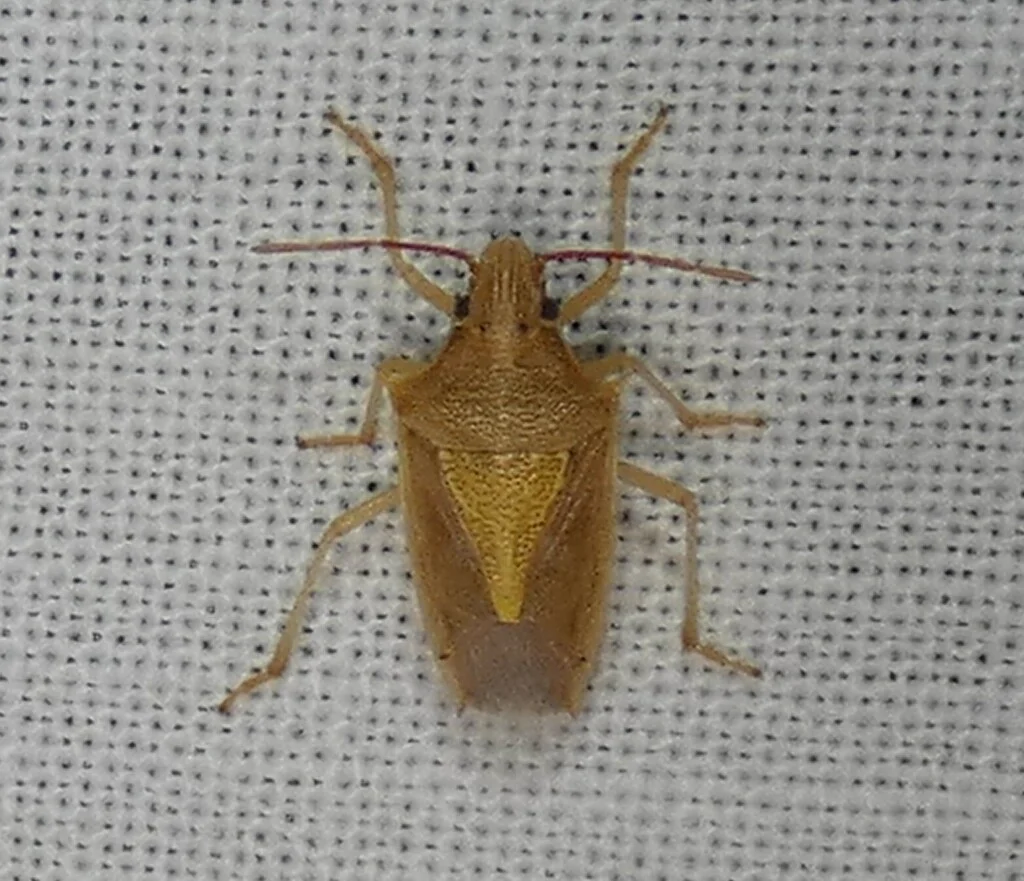
The rice stink bug is a straw-colored, shield-shaped pest native to North America that feeds on grains and grasses and may seek shelter indoors during fall.
Taxonomy
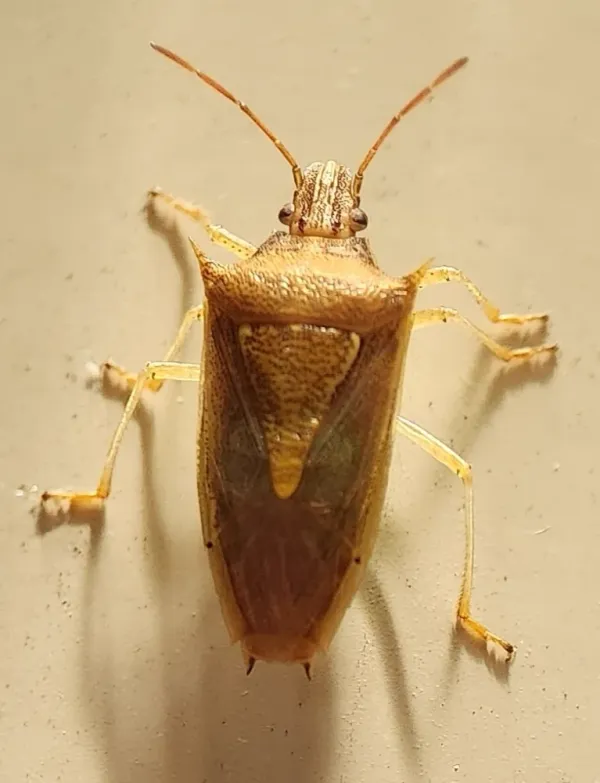
Rice Stink Bug Coloration
Common color patterns to help identify rice stink bug
Rice Stink Bug
Seasonal Activity
When rice stink bug are most active throughout the year

Where Rice Stink Bug Are Found
Hover over states to see their names. Green regions indicate where rice stink bug have been reported.
Rice Stink Bug Identification Guide
Physical Characteristics
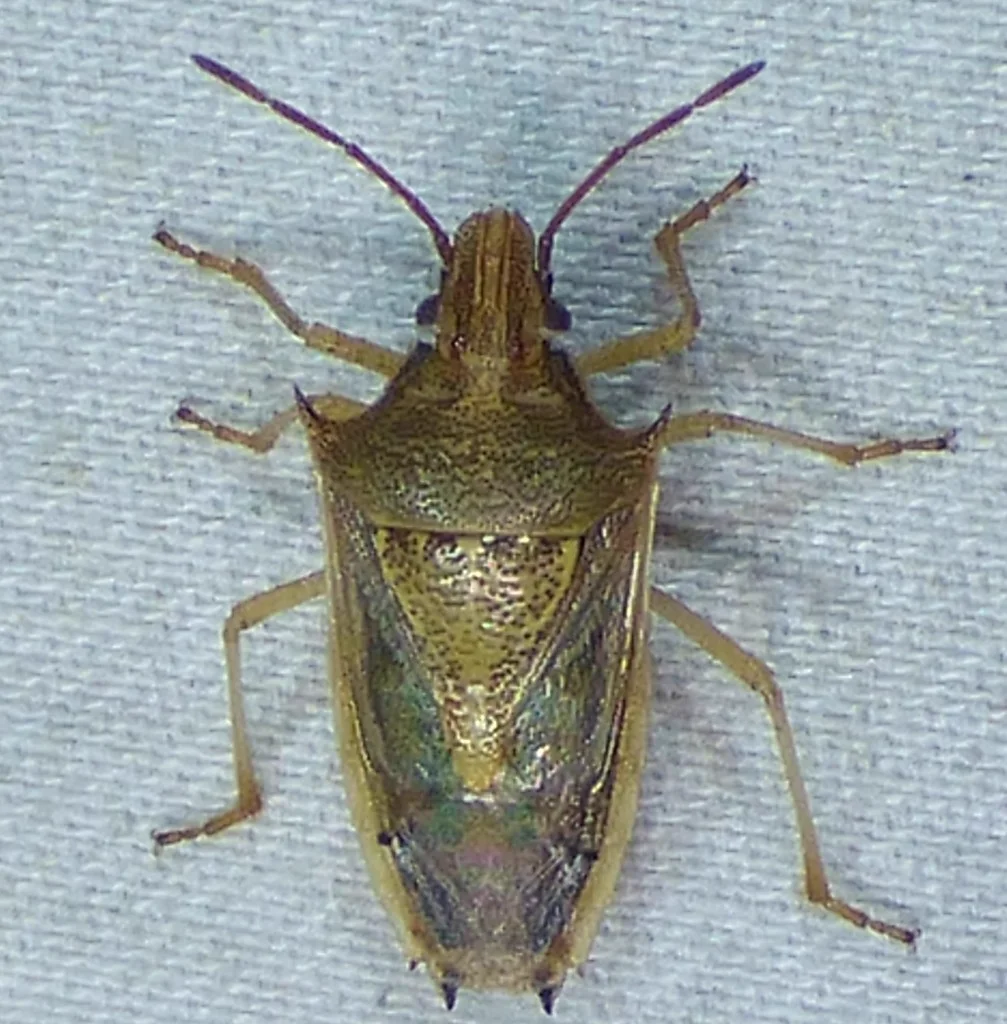
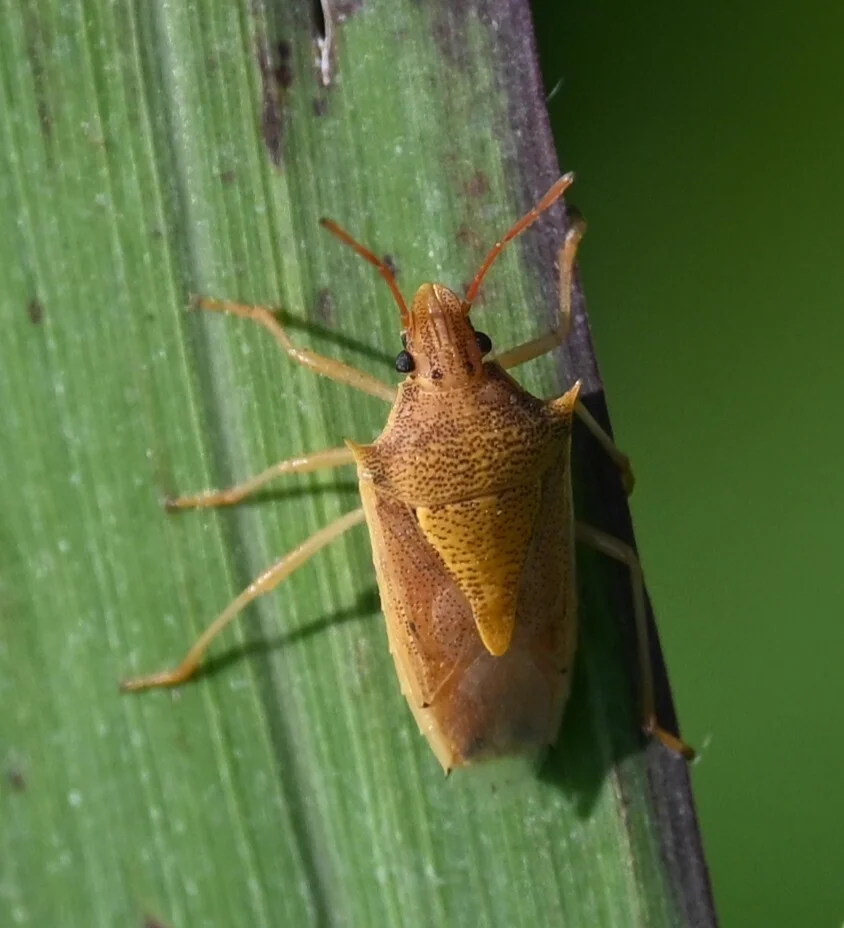
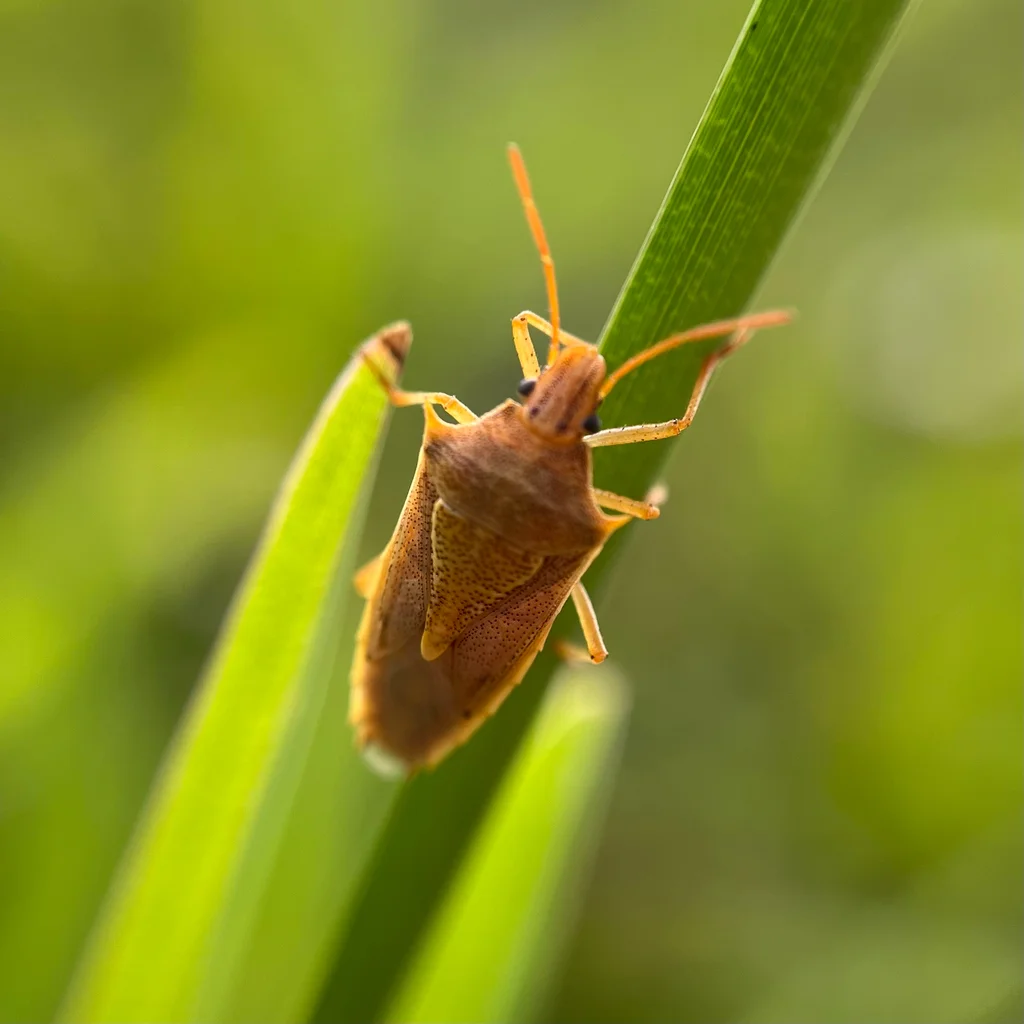
The rice stink bug (Oebalus pugnax) is a medium-sized insect shaped like a shield. It measures about 9-12 mm long and 5-6 mm wide. The body is narrow and tapers toward the head. This gives it a longer look than many other stink bugs. Adults are straw-colored to light brown. Some may have golden or tan tones based on what they eat.
The easiest way to identify this bug is by the pair of sharp spines on each shoulder. These spines point forward and give the insect an angular look from above. You will also notice a yellow or cream triangle on the center of its back. This is called the scutellum. The legs and antennae match the straw color of the body.
When bothered, rice stink bugs release a strong smell from glands on their body. This odor is common to all stink bugs. Many people say it smells like cilantro or coriander.
Nymphs and Eggs
Female rice stink bugs lay barrel-shaped eggs in double rows. They place these eggs on leaves, stems, and seed heads of plants. Each egg cluster contains 8-44 eggs. The eggs start out pale green or white. They get darker as they develop, and you can see eyespots before they hatch.
Nymphs hatch after about five days in warm weather. Cold temperatures can slow this down. Young bugs go through five growth stages before becoming adults. Early nymphs are smaller and darker than adults. They get lighter as they grow. Nymphs do not have wings, but wing pads appear in the final stage. The full cycle from egg to adult takes about 30-45 days.
Similar Species
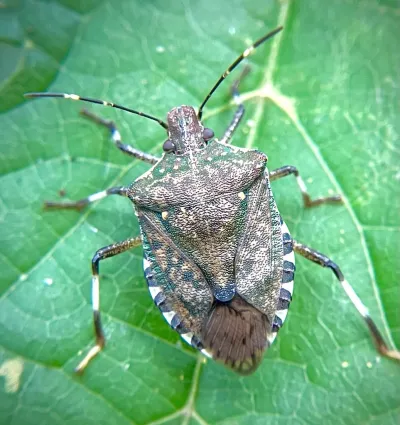
Rice stink bugs look like other shield-shaped bugs. You can tell them apart from brown marmorated stink bugs by their smaller size and solid color. Brown marmorated stink bugs have a mottled pattern. Rice stink bugs are never bright green like green stink bugs. They also have sharper shoulder spines.
Rice Stink Bug Behavior and Biology
Habitat and Distribution
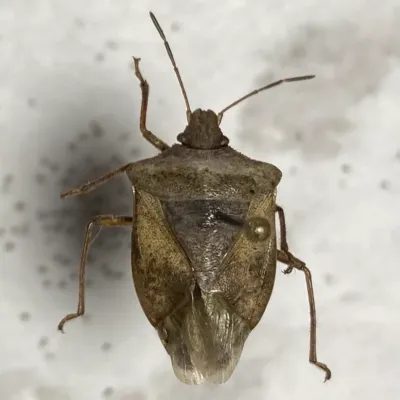
Rice stink bugs are native to North America. They live throughout the southern and eastern United States. The highest numbers are found in the Gulf Coast region and rice-growing states like Arkansas, Louisiana, Mississippi, and Texas. Their range extends north through the Great Plains and into Virginia, Maryland, and Washington D.C. A related species, Rough Stink Bug, shares similar characteristics.
These insects do well in farm areas, grasslands, and meadows where their food plants grow. You can find them in rice paddies, wheat fields, and areas with wild grasses. Near homes, they are most common on properties next to farmland or fields with tall, unmowed grass. A related species, Shield Bugs, shares similar characteristics.
Feeding Habits A related species, One-Spotted Stink Bug, shares similar characteristics.
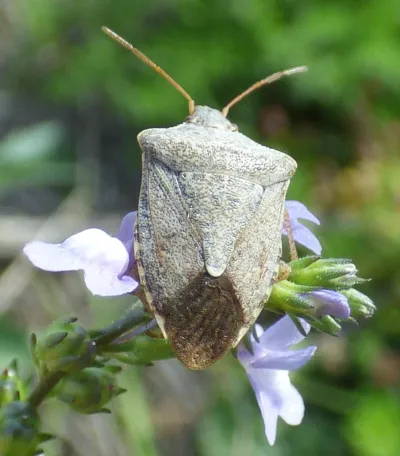
Rice stink bugs only eat plants. Both young and adult bugs use their needle-like mouthparts to pierce grain kernels and suck out the liquid inside. This feeding causes major damage to crops. A related species, Brown Stink Bug, shares similar characteristics.
When these bugs feed on grains while the kernel is still soft, the seeds may fail to develop. Feeding at later stages causes dark spots on the grain. This is called “pecky rice.” The spots come from fungal infections that enter through the feeding wounds. A related species, Harlequin Bug, shares similar characteristics.
Rice stink bugs prefer grains like rice, wheat, corn, millet, sorghum, barley, oats, and rye. They also eat wild grasses like Johnson grass, barnyard grass, and ryegrass. This wide diet lets their numbers grow on wild plants before they move into crop fields.
Seasonal Activity and Lifecycle
Rice stink bugs are most active from late spring through early fall. In the Mid-Atlantic region, they wake up in late March or April when it gets warm. Activity is highest in July, August, and September when grain crops are growing.
Adults spend the winter in a dormant state. They seek shelter in grass clumps, leaf litter, and piles of debris starting in October. Unlike brown marmorated stink bugs, rice stink bugs do not gather in large groups on buildings. However, some may enter homes looking for warmth when it gets cold.
In warm southern areas, rice stink bugs can have up to five generations per year. In cooler northern areas, they have two to three generations. After mating in spring, females lay eggs on host plants. This cycle repeats all growing season.
Flight and Migration
Adult rice stink bugs fly well and move around a lot. They often travel from wild grasses to crop fields as the crops start to produce grain. This makes them hard to control on farms because they can quickly move in from nearby areas.
Large numbers of rice stink bugs often enter grain fields when nearby grassy areas are mowed. They also move when wild grasses dry out and become less appealing as food. Knowing these patterns helps with timing control efforts.
Treatment Methods for Rice Stink Bugs
Rice stink bugs are mainly farm pests. Most control efforts focus on protecting grain crops rather than homes. When they enter houses as nuisance invaders, the same methods used for other stink bugs work well.
Prevention and Exclusion
The best long-term way to keep rice stink bugs out of your home is to block their entry. Key steps include:
- Seal entry points: Use caulk to fill gaps around windows, doors, siding, and pipes
- Fix weatherstripping: Replace worn strips around doors and windows and add door sweeps
- Maintain screens: Repair or replace torn window and door screens
- Fix moisture problems: Repair leaky faucets and remove standing water that attracts insects
Exterior Treatments
Treatments applied to the outside of your home before fall can reduce the number of stink bugs that get inside. These treatments create a barrier around windows, doors, weep holes, and other entry points. The best time to apply them is early fall before the bugs start looking for shelter.
Interior Management
If rice stink bugs have already gotten inside, vacuuming is the best way to remove them. Use a shop vacuum or put a nylon stocking over the hose to catch the bugs. Do not crush stink bugs indoors. This releases their bad smell and can stain surfaces. Put captured bugs in soapy water outside to dispose of them.
Habitat Modification
You can reduce rice stink bug numbers near your home by managing the plants they like. Keep grass mowed short. Remove weedy areas. Keep borders around your property clean. Homes next to farms or wild grasslands may have more problems and need extra prevention work.
References
Other Stink Bugs
Explore other species in the stink bugs family
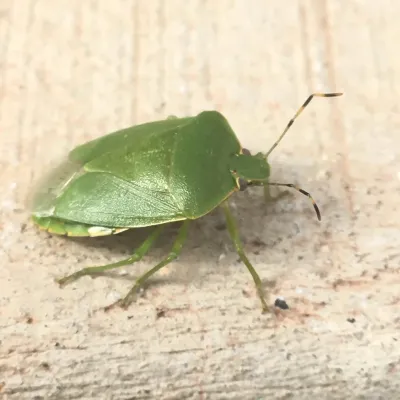
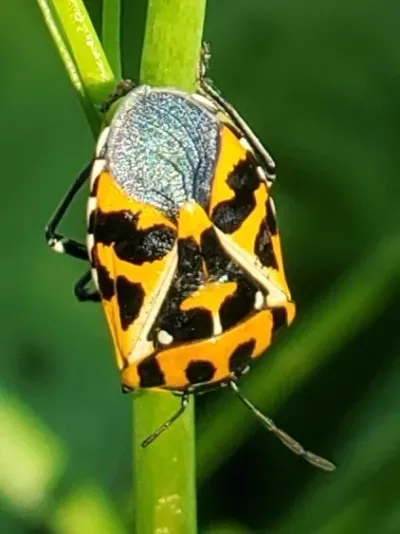
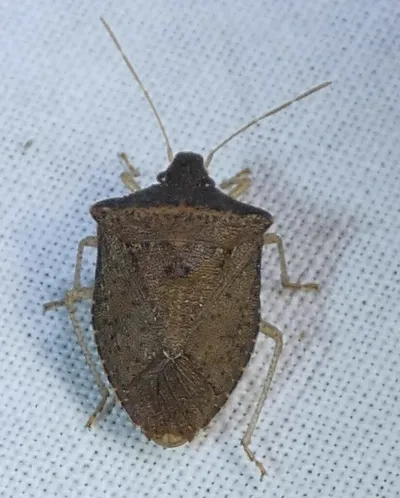
Commonly Confused With
Rice Stink Bug are often mistaken for these similar pests
Where Rice Stink Bug Are Found
Hover over states to see their names. Green regions indicate where rice stink bug have been reported.
Common Questions about Rice Stink Bug
What do rice stink bugs look like?
+
Rice stink bugs are straw-colored to light brown, shield-shaped insects measuring 9-12 mm long. They have a narrow body profile with a prominent triangular yellow marking on the center of their back (scutellum). Each shoulder has a distinctive sharp spine that points forward, helping distinguish them from other stink bug species.
Do rice stink bugs bite humans?
+
No, rice stink bugs do not bite humans. They have piercing-sucking mouthparts designed for feeding on plant fluids, not for biting people or pets. However, like other stink bugs, they release a foul-smelling defensive secretion when disturbed or crushed.
Why are rice stink bugs in my house?
+
Rice stink bugs may enter homes in fall seeking warm shelter to overwinter. They are attracted to the sunny sides of buildings and enter through gaps around windows, doors, and siding. While they are primarily outdoor agricultural pests, they can become nuisance invaders when temperatures drop.
What do rice stink bugs eat?
+
Rice stink bugs feed on developing seeds and grains of grasses and cereal crops. Their preferred hosts include rice, wheat, sorghum, barley, oats, and corn, as well as wild grasses like Johnson grass and barnyard grass. They use their needle-like mouthparts to pierce grain kernels and extract fluids.
Are rice stink bugs harmful?
+
Rice stink bugs are primarily agricultural pests that cause significant damage to rice and grain crops but pose no direct harm to humans. In homes, they are simply a nuisance pest that does not reproduce indoors, damage structures, or contaminate food. Their main annoyance is the odor they release when disturbed.
How long do rice stink bugs live?
+
Adult rice stink bugs typically live 7-10 weeks, with females generally living longer than males. They can complete up to five generations per year in warm southern climates, though populations in cooler regions produce fewer generations. They overwinter as adults in grass clumps and sheltered areas.
What is the difference between rice stink bugs and brown marmorated stink bugs?
+
Rice stink bugs are smaller (9-12 mm vs 12-17 mm) and uniformly straw-colored to light brown, while brown marmorated stink bugs have a distinctive mottled or marbled brown pattern. Rice stink bugs also have sharper shoulder spines and lack the alternating light and dark banding on the antennae that characterizes brown marmorated stink bugs.

With five years of hands-on experience in the pest control industry, George Schulz is a registered technician with the Virginia Pest Management Association and a proud third-generation professional in a family business that's been protecting homes for over 57 years. He manages and trains a team of service pros while also leading internal research efforts—recently spearheading a deep-dive review of thousands of documents on pest control materials to hand-pick the most kid and pet friendly, most effective solutions tailored specifically for homes in the DC metro area.