One-Spotted Stink Bug Identification Guide
Euschistus variolarius
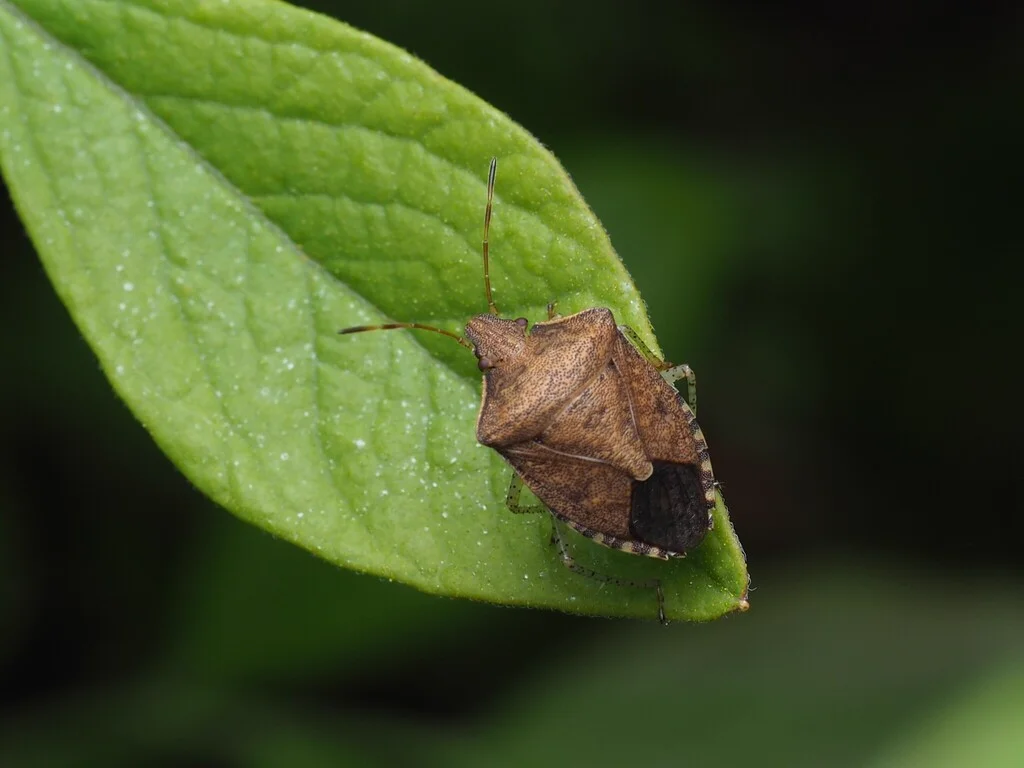
The one-spotted stink bug gets its name from the dark spot on the underside of males. Like other stink bugs, it releases a bad odor when disturbed or crushed.
Taxonomy
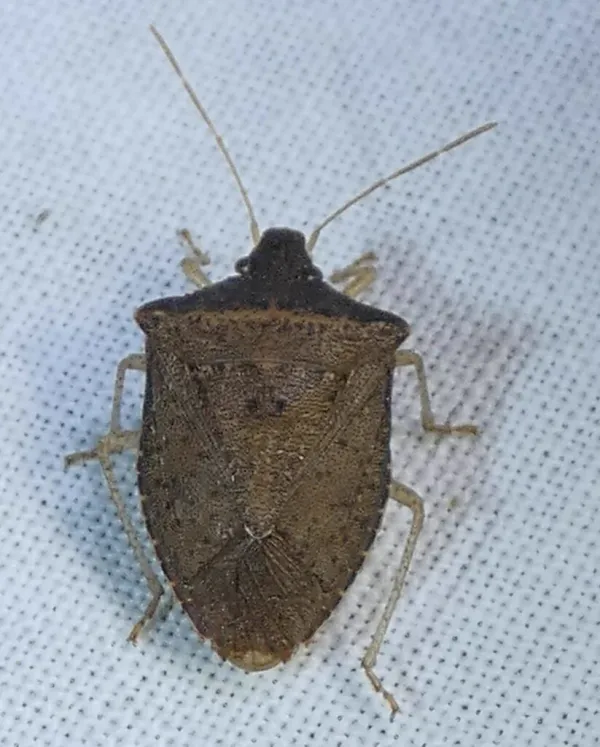
One-Spotted Stink Bug Coloration
Common color patterns to help identify one-spotted stink bug
One-Spotted Stink Bug
Seasonal Activity
When one-spotted stink bug are most active throughout the year
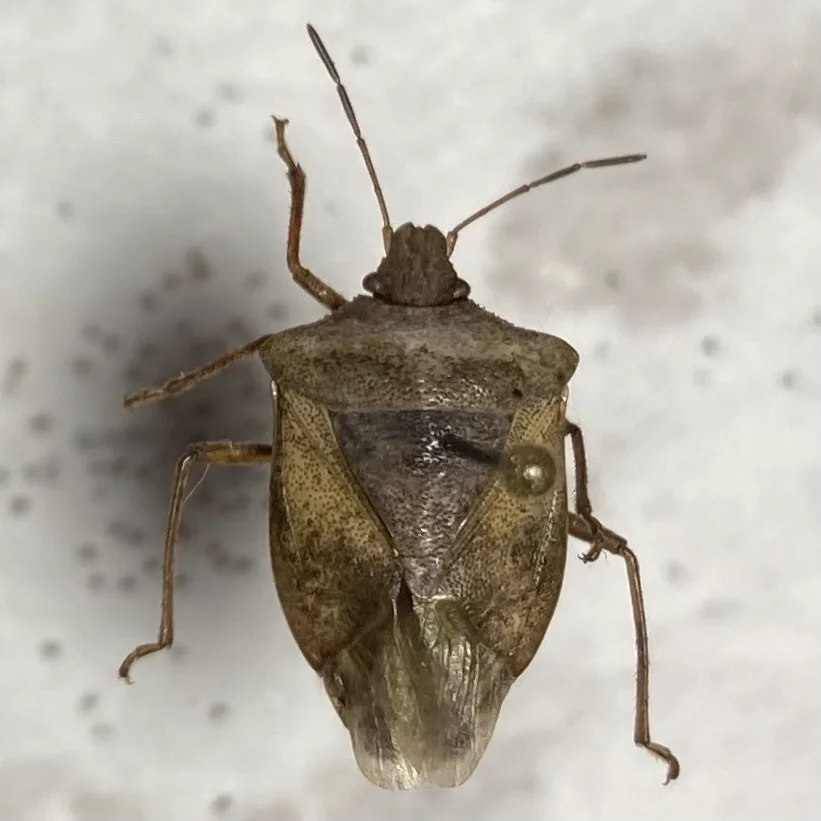
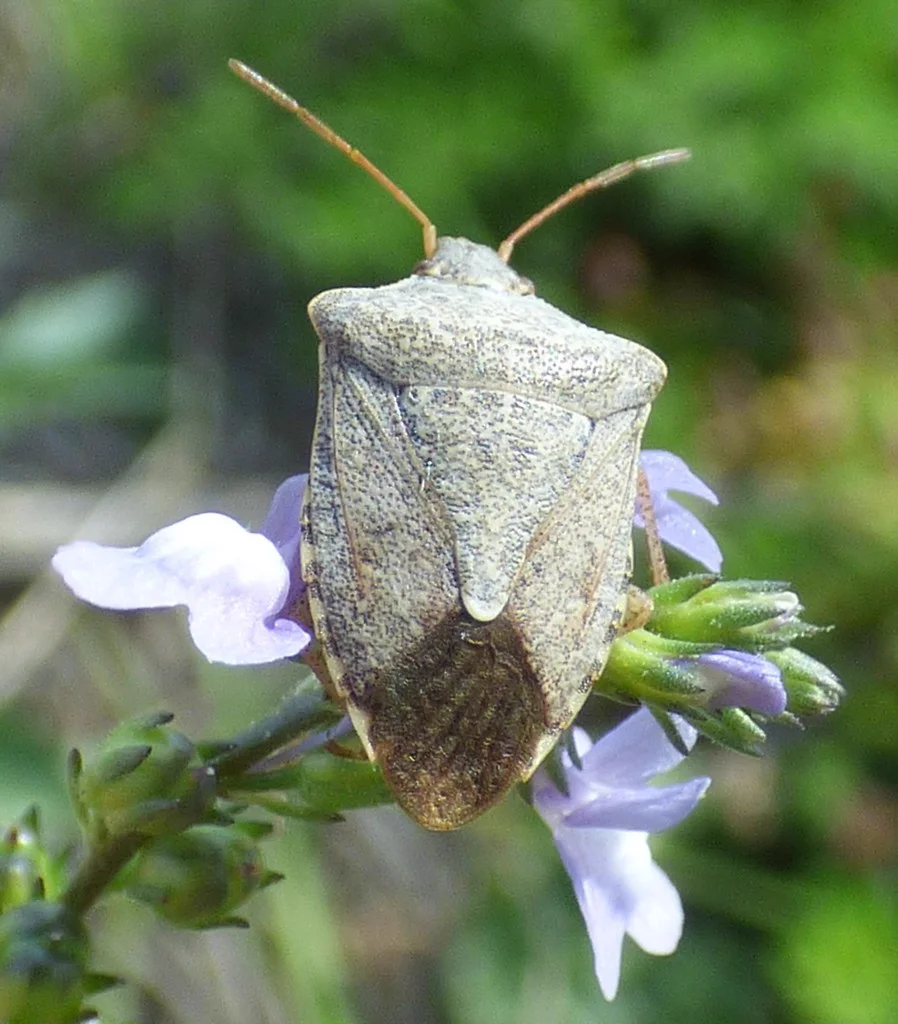
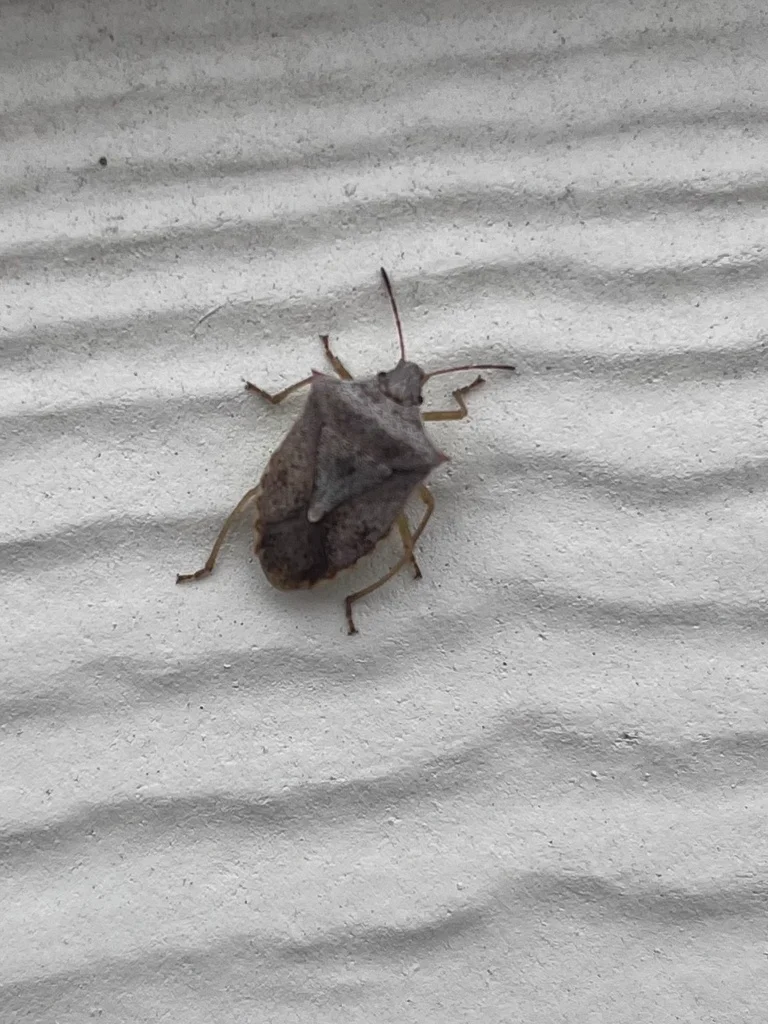

Where One-Spotted Stink Bug Are Found
Hover over states to see their names. Green regions indicate where one-spotted stink bug have been reported.
One-Spotted Stink Bug Identification Guide
Physical Characteristics
The one-spotted stink bug (Euschistus variolarius) is native to North America. It measures 11-15 mm long, about the size of a small fingernail. Like other stink bugs in the Pentatomidae family, it has a broad, flat, shield-shaped body.
Adults are brown to grayish-brown with mottled coloring. This helps them blend in with bark and soil. The area behind the head is sharply pointed at the sides and often has orange-tipped corners. The underside of the body is pale green to yellowish.
The best way to identify males is by looking at the underside. Males have a large dark spot near the tip of the abdomen. Females lack this spot. This marking gives the species its common name. It also helps tell this bug apart from the closely related brown stink bug (Euschistus servus).
Life Stages
One-spotted stink bugs go through three main stages: egg, nymph, and adult. There is no pupal stage. Females lay clusters of barrel-shaped eggs on the undersides of leaves during late spring and summer.
Nymphs look like smaller versions of adults but do not have fully developed wings. They go through five growth stages. Wing pads become more visible as they grow. Only adults have working wings and can fly.
One-Spotted Stink Bug Behavior and Biology
Lifecycle and Seasonal Activity
One-spotted stink bugs produce one generation per year in most areas. Adults survive the winter in protected spots like wooded areas, grass near fields, cover crops, and homes. In spring, they emerge and begin mating. Egg-laying happens from late spring through summer. A related species, Rough Stink Bug, shares similar characteristics.
Peak activity is during the warm months from June through September. This is when adults are feeding and reproducing most. As temperatures drop in fall, adults look for shelter to survive the winter. This often leads them to gather on sunny sides of buildings and enter homes. A related species, Shield Bugs, shares similar characteristics.
Feeding Habits A related species, Harlequin Bug, shares similar characteristics.
One-spotted stink bugs have piercing mouthparts that work like a straw. They poke into plant tissue and suck out the fluids. They eat a wide variety of plants, feeding on over 25 species across 15 plant families. A related species, Dusky Stink Bug, shares similar characteristics.
Common food sources include vegetables, fruits, soybeans, corn, small grains, and wild plants. They also visit flowers like prairie willow and beggarticks. They often move between plants when crops mature or when weeds are removed.
Feeding damage shows up as small holes in leaves, often with yellow rings around them. Heavy feeding can cause plant damage and lower crop yields. However, one-spotted stink bugs cause less harm than some other stink bug species.
Overwintering Behavior
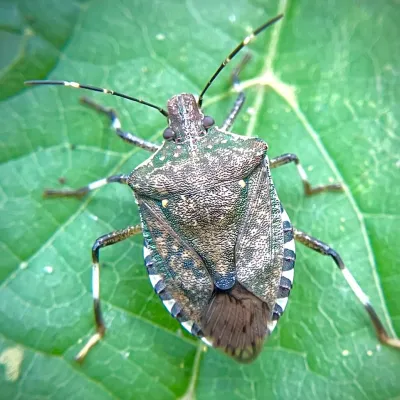
Like the brown marmorated stink bug, one-spotted stink bugs commonly enter homes in fall. They are drawn to warm, sunny walls and get inside through gaps around windows, doors, pipes, and siding. Once inside, they go dormant and stay inactive in wall voids and other hidden spaces until spring.
They do not breed or cause damage indoors. But on warm winter days, some may wake up and wander into living spaces. This can alarm homeowners. When disturbed or crushed, they release their well-known bad smell.
How We Treat for One-Spotted Stink Bugs
One-spotted stink bugs are mostly a nuisance. The best approach is to stop them from getting inside your home in the first place.
Preventative Exterior Treatments
Before the weather turns cold, usually in October, our technicians apply dust treatments to exterior voids. These are the spots where stink bugs like to shelter and enter. Target areas include weep holes in brick, gaps behind siding, and spaces around windows and doors. This creates a barrier that keeps insects out. We also treat around the outside of your home with a repellent to stop stink bugs from gathering on walls.
Exclusion Tips
Sealing entry points is the best long-term fix for stink bugs. We suggest using silicone caulk to seal cracks around windows, doors, and the foundation. Replace worn weatherstripping and add door sweeps. Fine-mesh screens should cover vents, exhaust fans, and other openings.
Interior Treatment
If stink bugs have already gotten inside, we focus on applying repellents around window seals, door frames, and baseboards. For bugs you see inside, vacuuming works best. Use a shop vac or a vacuum you can dedicate to this task. The odor can linger. Dump the bugs into soapy water outside. Do not crush them, as this releases their smell and may stain surfaces.
Timing Matters
Fall treatment before the first frost is key. Once large numbers get inside, getting rid of them is hard. Our treatments are timed to give you the best protection when these bugs are looking for winter shelter.
References
Other Stink Bugs
Explore other species in the stink bugs family
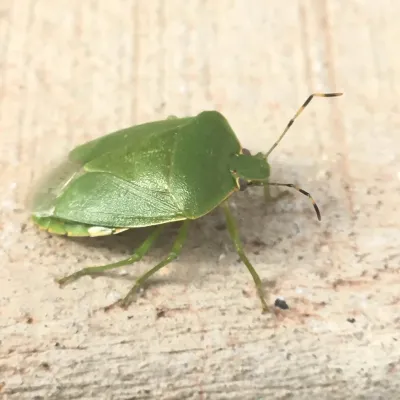
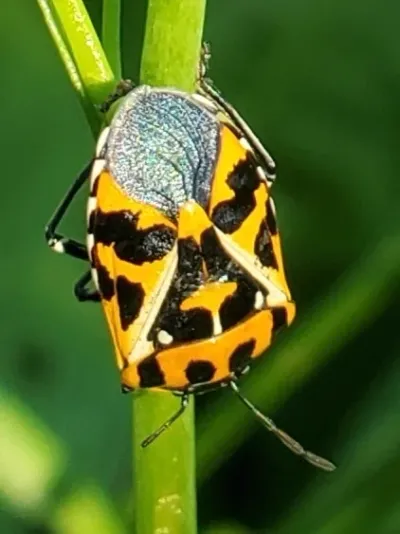
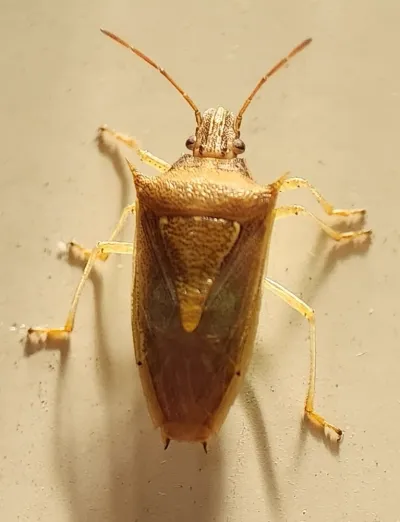
Commonly Confused With
One-Spotted Stink Bug are often mistaken for these similar pests
Where One-Spotted Stink Bug Are Found
Hover over states to see their names. Green regions indicate where one-spotted stink bug have been reported.
Common Questions about One-Spotted Stink Bug
How can I tell a one-spotted stink bug from other stink bugs?
+
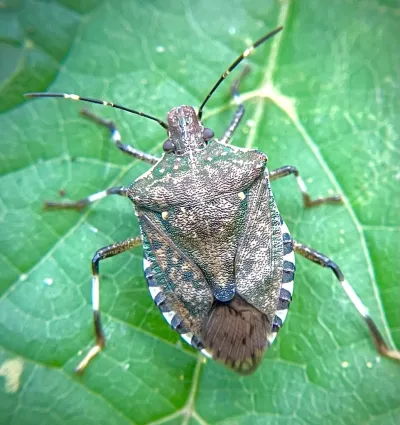
Male one-spotted stink bugs have a distinctive large dark spot on the underside of their abdomen near the tip. Females lack this marking but can be identified by the absence of dark spots at the corners of their abdominal segments. Compared to brown marmorated stink bugs, one-spotted stink bugs lack the distinctive banded antennae.
Are one-spotted stink bugs native to North America?
+
Yes, unlike the invasive brown marmorated stink bug from Asia, the one-spotted stink bug is native to North America. It has a natural distribution from British Columbia to Nova Scotia and as far south as Florida and New Mexico.
Do one-spotted stink bugs invade homes?
+
Yes, like other stink bugs, one-spotted stink bugs seek shelter in homes during fall to overwinter. They enter through gaps around windows, doors, and siding and remain dormant until spring. They do not reproduce indoors.
What do one-spotted stink bugs eat?
+
One-spotted stink bugs are polyphagous, meaning they feed on many different plants. They have been recorded on over 25 species across 15 plant families, including vegetables, fruits, soybeans, corn, and various ornamental plants.
Do one-spotted stink bugs release an odor?
+
Yes, like all stink bugs, one-spotted stink bugs release a pungent defensive chemical from glands on their thorax when threatened or crushed. This is a defense mechanism against predators.
How long do one-spotted stink bugs live?
+
One-spotted stink bugs typically have one generation per year. Adults that overwinter may live for several months, surviving through winter in a dormant state before emerging in spring to reproduce.
Are one-spotted stink bugs harmful to gardens?
+
They can cause minor damage to vegetables and fruits by piercing plant tissue with their mouthparts to feed on fluids. Damage appears as small holes or discolored areas on leaves and fruits. However, they are considered a minor pest compared to some other stink bug species.

With five years of hands-on experience in the pest control industry, George Schulz is a registered technician with the Virginia Pest Management Association and a proud third-generation professional in a family business that's been protecting homes for over 57 years. He manages and trains a team of service pros while also leading internal research efforts—recently spearheading a deep-dive review of thousands of documents on pest control materials to hand-pick the most kid and pet friendly, most effective solutions tailored specifically for homes in the DC metro area.