Harlequin Bug Identification Guide
Murgantia histrionica
Harlequin bugs are striking black and orange shield-shaped insects that primarily damage vegetable gardens, especially plants in the cabbage family.
Taxonomy
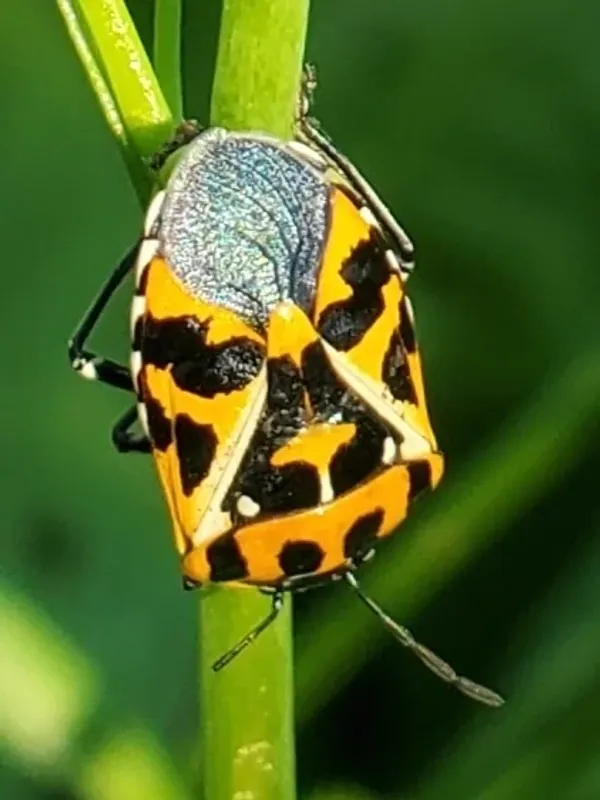
Harlequin Bug Coloration
Common color patterns to help identify harlequin bug
Harlequin Bug
Seasonal Activity
When harlequin bug are most active throughout the year

Where Harlequin Bug Are Found
Hover over states to see their names. Green regions indicate where harlequin bug have been reported.
Harlequin Bug Identification Guide
Physical Characteristics
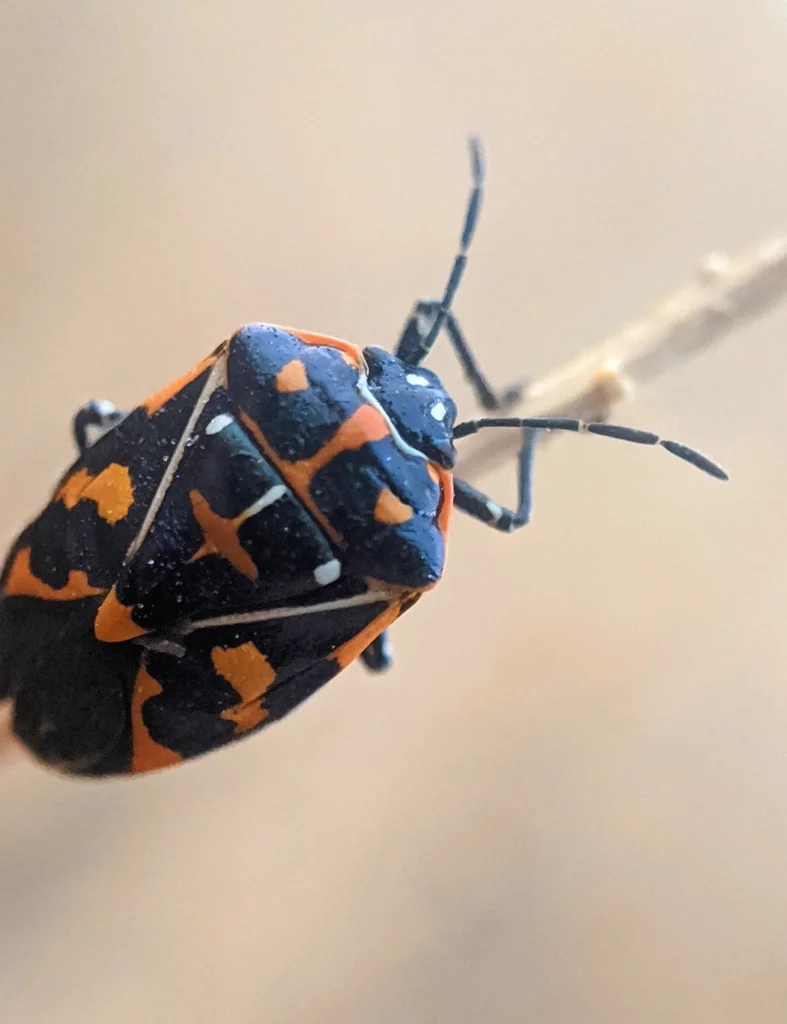
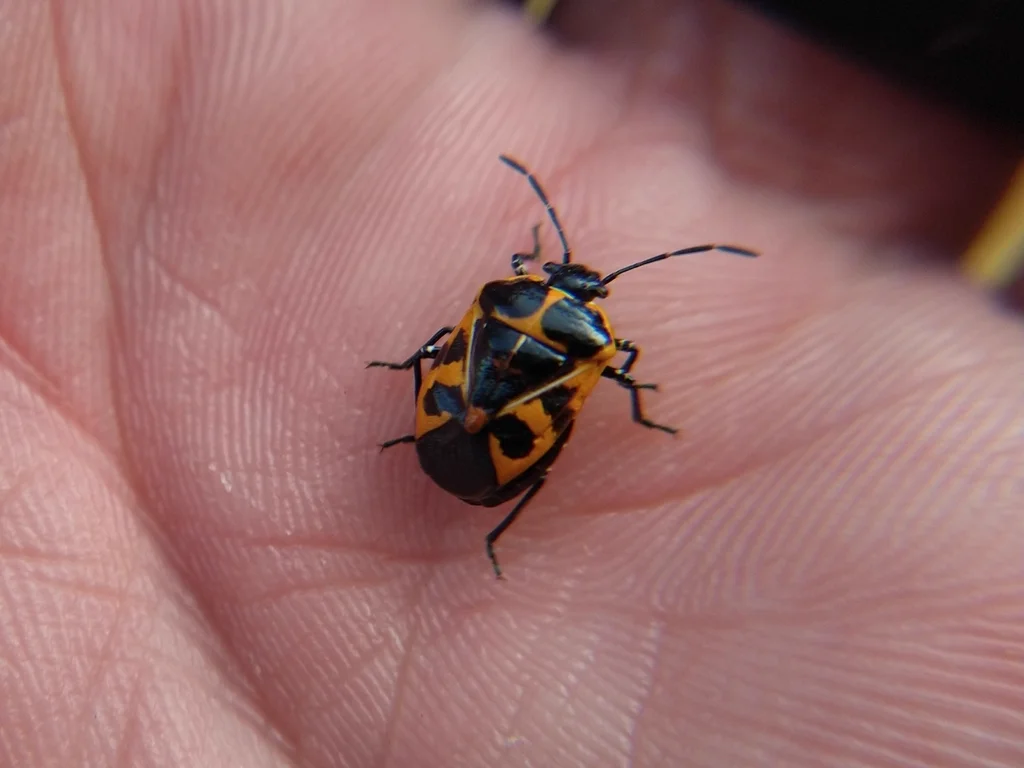
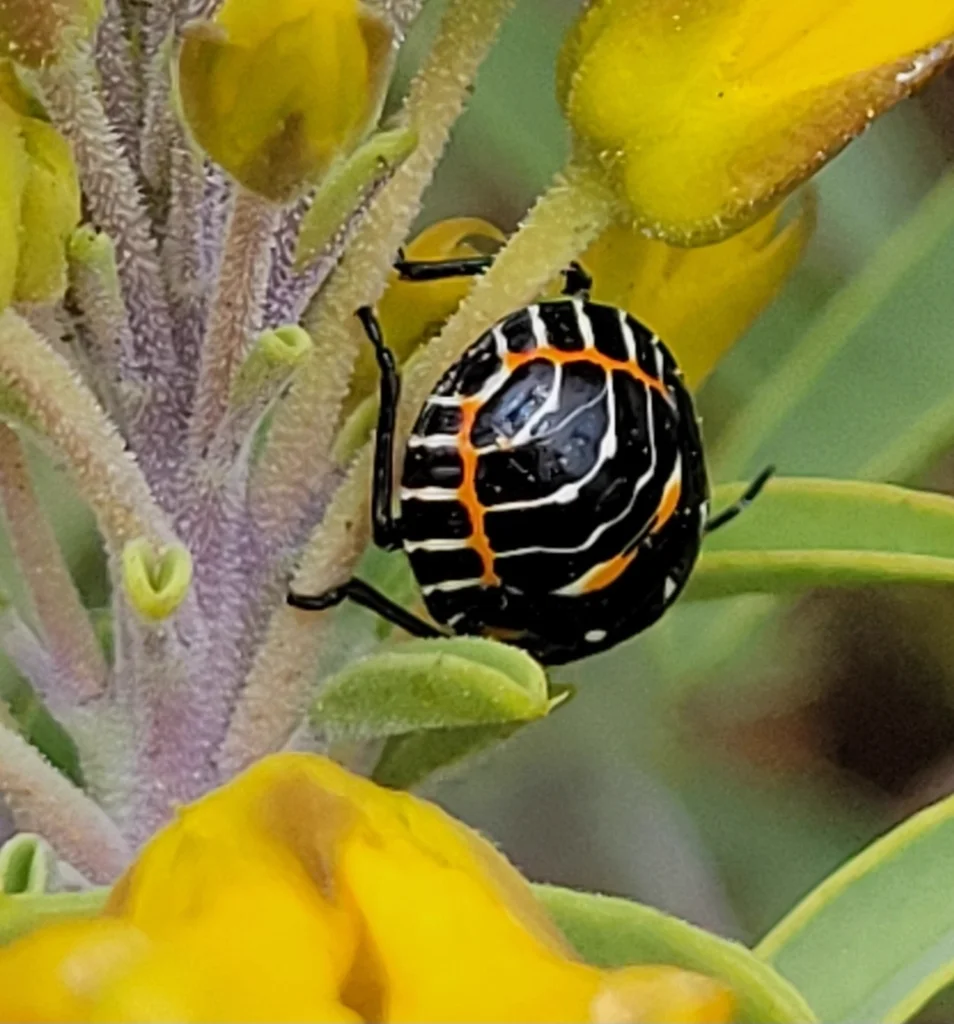
Harlequin bugs are one of the most colorful insects you will find in North American gardens. Adults are about 3/8 inch long (8 to 11 mm) and have a shield-shaped body like other stink bugs. They have glossy black bodies with bright orange, red, or yellow markings. The pattern looks almost painted on. The amount of black versus orange can vary from bug to bug.
The head is small and shaped like a triangle. The antennae start out colorless in young bugs and turn solid black in adults. Like all true bugs, harlequin bugs have needle-like mouthparts that pierce plants and suck out the juices.
Eggs and Nymphs
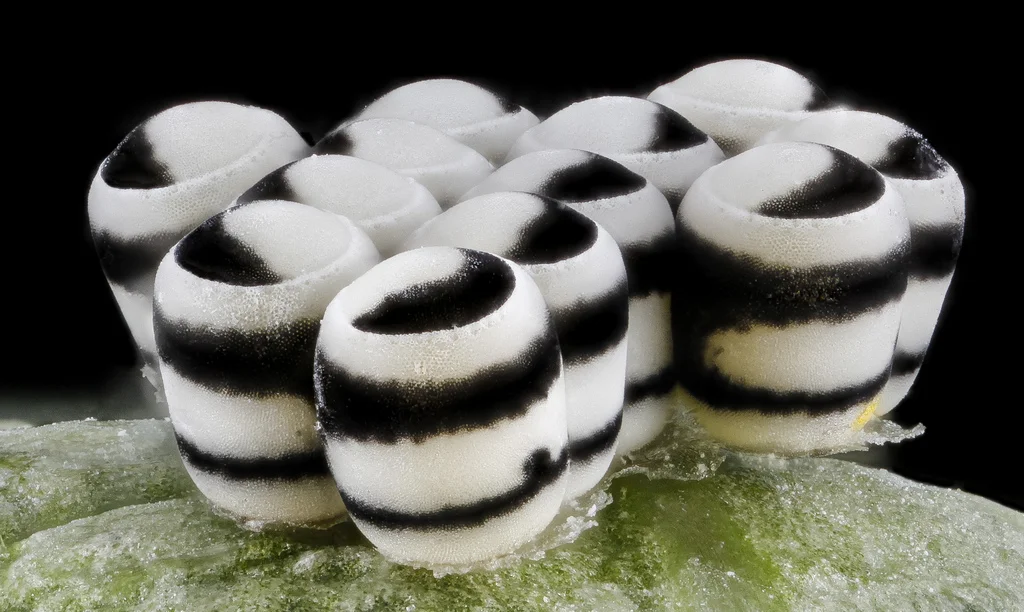
Harlequin bug eggs are easy to spot. Females lay barrel-shaped eggs in neat double rows of 10 to 13 on the bottom of leaves. Each egg is pale with two black bands around the middle and a black circle on top. They look almost like tiny painted barrels.
Young harlequin bugs, called nymphs, go through five or six growth stages over four to nine weeks. Early nymphs have pale orange heads and clear antennae. As they grow, their colors get brighter. The oldest nymphs have bold patterns of red, white, yellow, and black. Nymphs look like small adults but do not have full wings yet.
Harlequin Bug Behavior and Biology
Life Cycle
A harlequin bug goes from egg to adult in 50 to 80 days. Adults spend the winter hiding in plant debris, fallen leaves, and other protected spots. They come out in early spring when the weather warms up and start feeding right away. A related species, Rough Stink Bug, shares similar characteristics.
After about two weeks of eating, females begin laying eggs on plants. One female can lay four to 26 egg clusters in her lifetime. That adds up to several hundred eggs. In early spring, eggs hatch in about 20 days. In summer heat, they can hatch in just four or five days. A related species, Shield Bugs, shares similar characteristics.
In the South where winters are mild, harlequin bugs stay active all year. In the North, cold weather drives them into shelter by late fall. A related species, One-Spotted Stink Bug, shares similar characteristics.
Feeding Habits and Host Plants A related species, Brown Stink Bug, shares similar characteristics.
Harlequin bugs love plants in the cabbage family. Their favorite targets include cabbage, broccoli, cauliflower, kale, Brussels sprouts, collards, mustard, turnip, and radish. When these plants are not around, they will attack other garden vegetables like asparagus, beans, eggplant, okra, peppers, squash, and tomatoes.
These bugs feed by poking their needle-like mouths into plant tissue and sucking out the sap. Damage shows up as white or yellow blotchy spots on leaves. Heavy feeding causes wilting, stunted growth, and brown patches. Young plants are most at risk. Even a small number of bugs can kill seedlings and transplants.
Treatment Methods for Harlequin Bugs
Harlequin bugs attack gardens rather than homes. Managing them usually means combining good garden practices with targeted control when numbers get too high.
Cultural Control
Good garden habits are the first line of defense against harlequin bugs. Hand-picking bugs off plants takes time but works well for small numbers. Killing adults in fall before they find winter shelter, and again in early spring when they emerge, stops populations from growing.
Trap crops are another option. Planting early mustard, turnip, or kale draws harlequin bugs away from your main garden. Once the bugs gather on the trap plants, you can destroy them. But you must watch trap crops closely so they do not become a source of more bugs.
Cleaning up garden beds in fall removes places where bugs spend the winter. Fewer bugs survive to spring this way. Keeping your garden weed-free also helps. Wild mustard and other weeds can host bug populations between growing seasons.
Chemical Control
When bug numbers get out of hand, insecticides may be needed. Products containing pyrethroids, acetamiprid, or carbamates can control harlequin bugs. For organic options, insecticidal soaps and neem oil work well against young bugs. Kaolin clay sprayed on plants creates a barrier that keeps bugs from feeding.
Systemic insecticides applied to soil last longer. Plants take up the chemicals through their roots. Bugs that feed on treated plants are then affected.
Natural Predators
Several natural predators help keep harlequin bug numbers in check. Adult bugs have few predators because of their defensive odor. However, their eggs are eaten by minute pirate bugs, lacewings, and some predatory stink bugs like the spined soldier bug. Parasitoid wasps are among the most effective natural enemies. These tiny wasps lay their eggs inside harlequin bug eggs and destroy them from within.
References
Other Stink Bugs
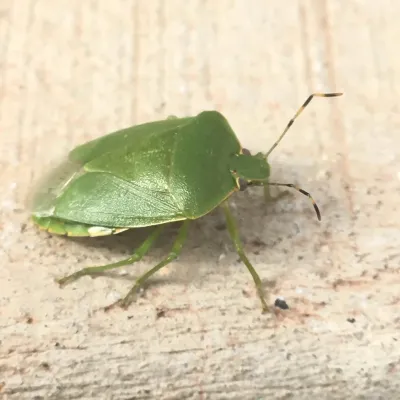
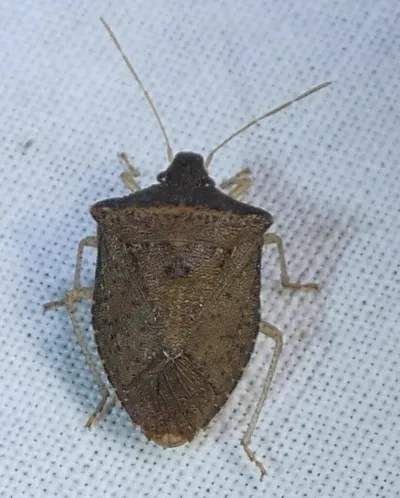
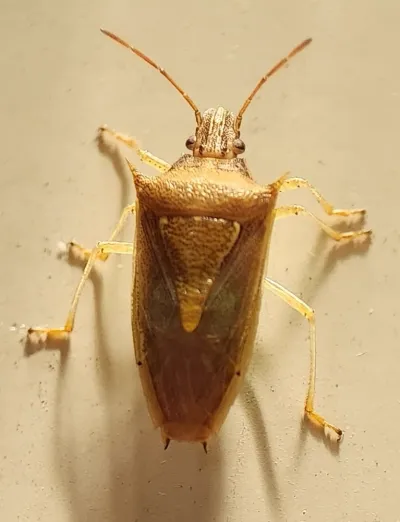
Explore other species in the stink bugs family
Commonly Confused With
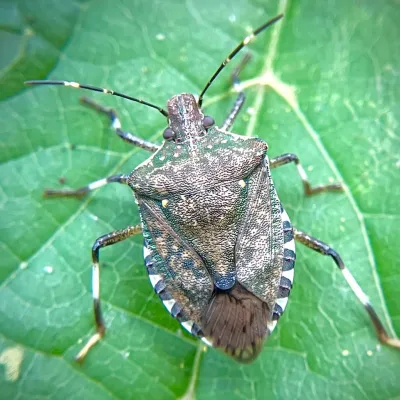
Harlequin Bug are often mistaken for these similar pests
Where Harlequin Bug Are Found
Hover over states to see their names. Green regions indicate where harlequin bug have been reported.
Common Questions about Harlequin Bug
What do harlequin bugs eat?
+
Harlequin bugs primarily feed on plants in the cabbage family (Brassicaceae), including cabbage, broccoli, kale, collards, mustard, and radishes. They can also attack tomatoes, beans, squash, and other garden vegetables.
Are harlequin bugs harmful to humans?
+
Harlequin bugs do not bite or sting and pose no direct threat to humans. However, like other stink bugs, they can release an unpleasant odor when disturbed or crushed.
How can I tell harlequin bugs apart from stink bugs?
+
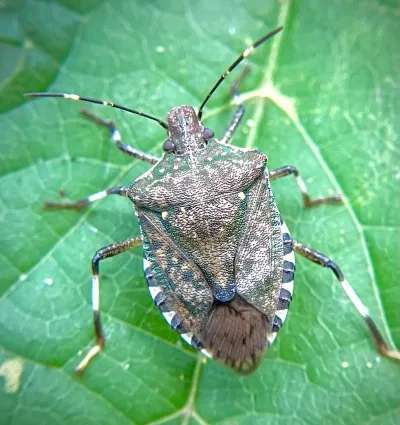
Harlequin bugs have a distinctive bright orange or red and black pattern on their shield-shaped bodies. Brown marmorated stink bugs are primarily mottled brown and gray. Both belong to the same insect family.
What damage do harlequin bugs cause to plants?
+
Harlequin bugs pierce plant tissues with their needle-like mouthparts and suck out sap. This causes white or yellow blotchy spots, wilting, stunted growth, and can kill young plants. Heavy infestations can destroy entire crops.
When are harlequin bugs most active?
+
Harlequin bugs are most active from spring through fall. They emerge from overwintering sites in early spring and remain active until cold weather arrives. In warmer climates, they may be active year-round.
Do harlequin bugs fly?
+
Yes, harlequin bugs have functional wings and can fly. They typically fly short distances to move between host plants or when searching for overwintering sites in fall.

With five years of hands-on experience in the pest control industry, George Schulz is a registered technician with the Virginia Pest Management Association and a proud third-generation professional in a family business that's been protecting homes for over 57 years. He manages and trains a team of service pros while also leading internal research efforts—recently spearheading a deep-dive review of thousands of documents on pest control materials to hand-pick the most kid and pet friendly, most effective solutions tailored specifically for homes in the DC metro area.